
2027 How to Become an HVAC Tech in Illinois

Co-Founder and Chief Data Scientist
Are you considering a career as an HVAC technician in Illinois but feel uncertain about the steps needed to enter this skilled trade? Navigating the education, hands-on training, and licensing requirements can feel overwhelming for many aspiring HVAC professionals. With a 6% job growth projected in Illinois and strong demand nationwide, HVAC offers promising careers, but becoming an HVAC tech in Illinois requires clear guidance on education, experience, and certification.
This article, prepared by industry experts, will guide you through the essential steps to launch your HVAC career in Illinois. It will cover the necessary educational programs, apprenticeship requirements, licensing exams, and key insights to help you confidently navigate your path to becoming a licensed HVAC technician.
Key Things You Should Know About Becoming an HVAC Tech in Illinois
- The job outlook for HVAC professionals in Illinois projects a 6% growth and about 1,110 job openings expected annually through 2032.
- HVAC technicians in Illinois typically earn an average annual salary of around $61,500, with wages varying based on experience and job role.
- Educational requirements in Illinois include a high school diploma or GED, completion of an accredited HVAC training program, and a state-recognized apprenticeship to gain hands-on experience.
- What are the educational requirements to become an HVAC Tech in Illinois?
- Which schools in Illinois offer HVAC programs?
- What skills do you need to become an HVAC Tech in Illinois?
- What are the requirements for HVAC licensure in Illinois?
- What is the licensing process for HVAC technicians in Illinois?
- How long does it take to become an HVAC tech in Illinois?
- Could Cross-Training in Electrical Skills Boost an HVAC Career in Illinois?
- What are the career advancement opportunities for HVAC technicians in Illinois?
- Can business education enhance HVAC career growth in Illinois?
- Are Continuing Education and Certification Updates Important for HVAC Technicians in Illinois?
- What financial aid options are available for HVAC training in Illinois?
- Will an HVAC license from Illinois allow you to work in other states?
- How much do Illinois HVAC technicians earn?
- Is there a demand for HVAC technicians in Illinois?
- Is Illinois a good place to work as an HVAC tech?
What are the educational requirements to become an HVAC Tech in Illinois?
Becoming an HVAC technician in Illinois combines formal education with hands-on experience to ensure well-rounded expertise. Below is a breakdown of the educational requirements for HVAC technicians in the state:
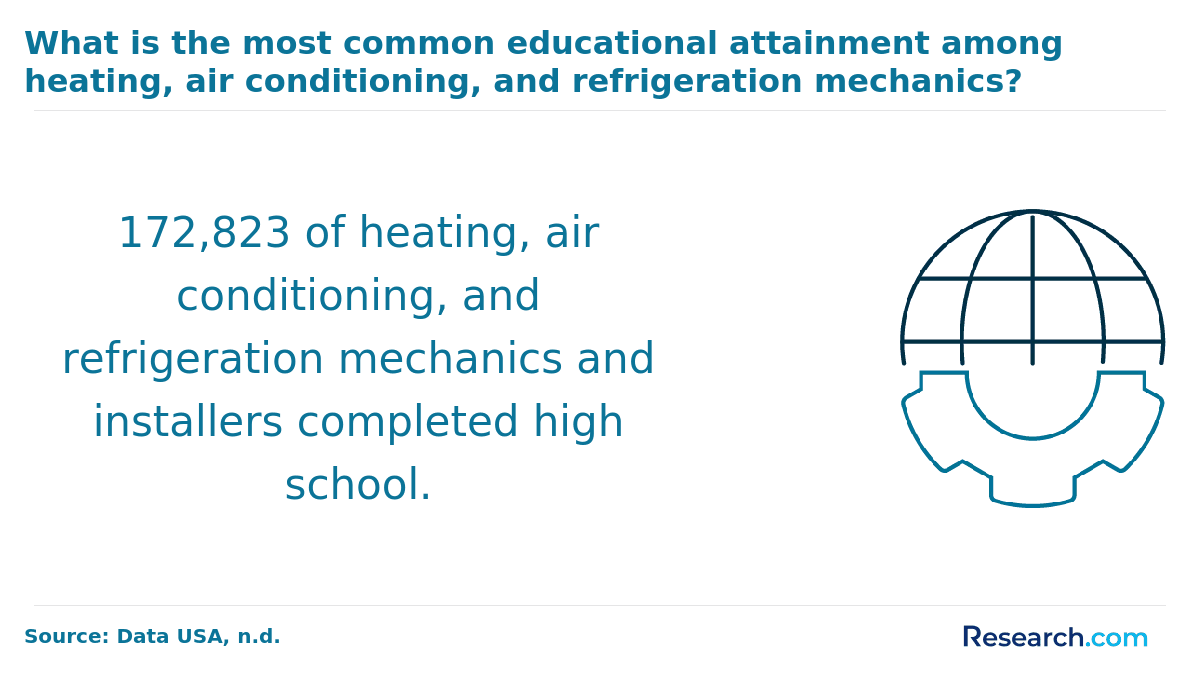
- High School Diploma or GED: This is the essential starting point, providing basic skills in math, science, and problem-solving necessary for HVAC studies.
- Accredited HVAC Training Program: Typically offered by community colleges or vocational schools through trade school programs, these courses teach core HVAC concepts, including electrical systems, refrigeration, heating mechanics, and safety protocols.
- State-Recognized Apprenticeship: Illinois strongly emphasizes apprenticeships where students gain practical, supervised work experience in real job settings, usually lasting several years.
- Certification and Licensing: While Illinois requires EPA certification for handling refrigerants, some roles may also require state or local licenses, especially for contractors.
Which schools in Illinois offer HVAC programs?
Illinois offers a variety of HVAC programs through community colleges, technical institutes, and accredited online trade schools. Below are five notable institutions in Illinois offering HVAC programs:
- Illinois Central College (East Peoria, IL): Offers a certificate program that prepares students for entry-level HVAC technician roles. The program builds upon a residential installer certificate to enhance employment opportunities.
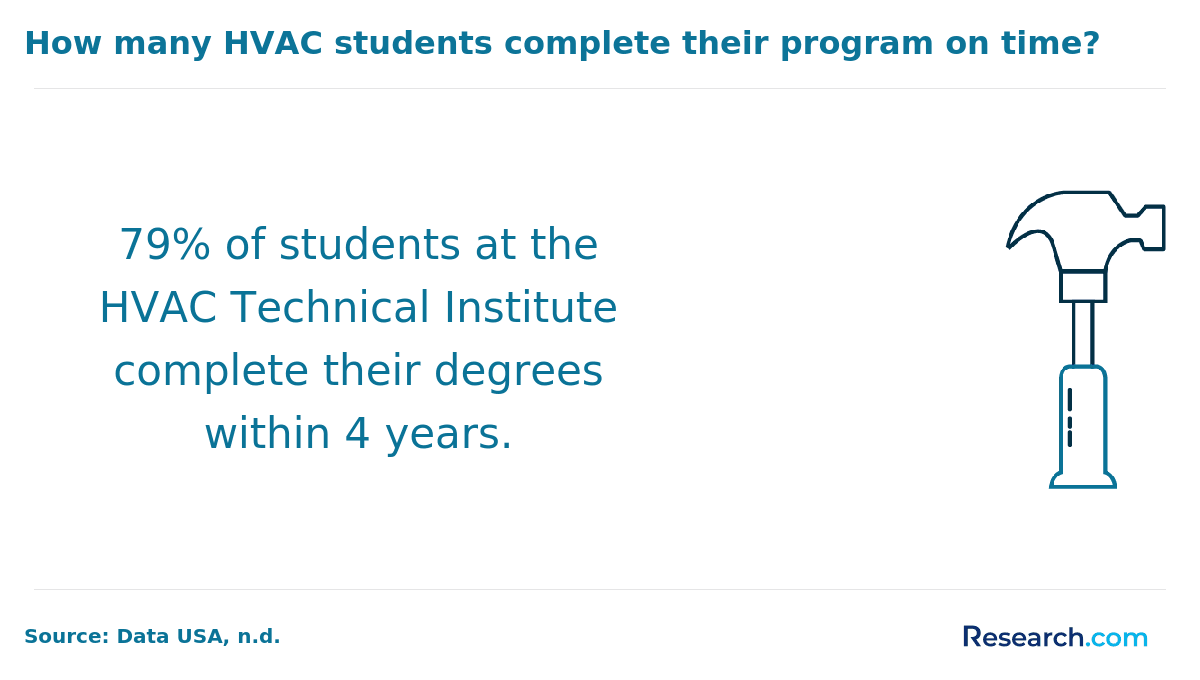
- HVAC Technical Institute (Chicago, IL): A minority-owned trade school providing comprehensive HVAC certification programs, including EPA Section 608 universal license and R-410A safety certification. The institute emphasizes hands-on training with modern equipment.
- Elgin Community College (Elgin, IL): Offers an HVACR program with advanced classroom instruction and professional hands-on practice using state-of-the-art equipment. The program prepares students for careers as HVAC technicians.
- Midwest Technical Institute (Springfield & East Peoria, IL): Provides a 9-month HVAC/R technician training program with both daytime and evening classes. The curriculum includes 735 clock hours and prepares students for entry-level positions in the HVAC industry.
- Waubonsee Community College (Sugar Grove, IL): Offers an accredited HVAC program with a comprehensive curriculum and internship opportunities, preparing students for various roles in the HVAC field.
What skills do you need to become an HVAC Tech in Illinois?
Becoming an HVAC technician in Illinois requires a blend of technical knowledge and practical abilities. Here are the key skills essential for success:
- Blueprint Literacy: The ability to read and interpret complex diagrams and schematics is crucial for understanding HVAC system layouts and troubleshooting.
- Component Insight: A deep understanding of key HVAC parts like compressors, condensers, and evaporators helps in diagnosing and repairing systems effectively.
- Regulatory Savvy: Knowledge of Illinois building codes, safety regulations, and environmental standards ensures compliant and safe HVAC work.
- Diagnostic Mastery: Proficiency with diagnostic tools such as multimeters and pressure gauges allows technicians to identify system faults and inefficiencies accurately.
- Preventive Maintenance Expertise: Skills in routine system tuning and upkeep help extend equipment lifespan and improve energy efficiency, preventing costly breakdowns.
What are the requirements for HVAC licensure in Illinois?
Becoming a licensed HVAC technician in Illinois involves meeting several important criteria designed to ensure competency and professionalism. Here are the key requirements:
- Four Years of Documented HVAC Work Experience: Candidates must complete at least four years of hands-on work experience or apprenticeship, gaining practical skills in the installation, maintenance, and repair of HVAC systems.
- Passing the Illinois HVAC Contractor Licensing Exam: Applicants must pass a comprehensive exam that tests technical knowledge and understanding of the Illinois Plumbing Code, highlighting the integration of HVAC and plumbing systems.
- Criminal Background Check with Fingerprinting: Illinois requires a thorough background check, including fingerprinting, to ensure candidates meet the state’s standards for trustworthiness and safety.
- Application Submission and Fees: Prospective licensees must submit an application to the Illinois Department of Public Health along with applicable fees for processing and examination.
- Continuing Education: While not mandatory for all, some local jurisdictions or specialty licenses may require ongoing education to maintain licensure and stay updated with evolving codes.
What is the licensing process for HVAC technicians in Illinois?
Becoming a licensed HVAC technician in Illinois requires a methodical approach to ensure professional competence and public safety. Below is a general overview of the steps involved in obtaining an HVAC license in Illinois:
- Determine Local Licensing Requirements: Research the specific licensing requirements of the city or county where you plan to work. For example, Chicago requires HVAC contractors to obtain a business license and may have additional requirements for certain types of work.
- Complete Required Training and Experience: Gain the necessary education and hands-on experience. This may include completing an accredited HVAC training program and obtaining a certain amount of work experience under a licensed professional.
- Pass the Licensing Exam: If required by your local jurisdiction, pass the HVAC licensing exam. The exam may cover topics such as HVAC systems, safety codes, and local building regulations.
- Submit Application and Pay Fees: Submit your application for licensure to the appropriate local authority, along with any required documentation and fees. Fees can vary depending on the jurisdiction.
- Maintain Licensure: Once licensed, you may need to renew your license periodically and complete continuing education requirements to stay current with industry standards and regulations.
How long does it take to become an HVAC tech in Illinois?
Becoming an HVAC technician in Illinois generally requires a combination of formal education and practical experience, typically spanning between 2.5 to 4 years. The initial educational phase usually lasts from six months to two years and involves completing a certificate or associate degree program that covers essential HVAC concepts such as thermodynamics, system diagnostics, and safety protocols. Many students also explore easy certifications to get online, which can complement their foundational training and enhance job readiness.
Following education, aspiring HVAC technicians must complete an apprenticeship involving approximately 3,000 hours (about 1.5 to 2 years) of supervised work experience. During this period, they apply classroom knowledge to real-world situations under the guidance of experienced professionals. Finally, candidates prepare for and pass the state licensing exam, which may take several months. This structured timeline ensures technicians are well-prepared to meet Illinois’s professional standards.
Could Cross-Training in Electrical Skills Boost an HVAC Career in Illinois?
Expanding your skill set by integrating electrical training can create a significant competitive advantage in the HVAC industry. Cross-training in electrical work not only enhances troubleshooting and system integration capabilities but also improves overall job performance and marketability in Illinois. Pursuing avenues such as obtaining guidance on how to get electrician license in Illinois allows HVAC professionals to broaden their expertise, meet diverse job requirements, and secure enhanced career growth opportunities.
What are the career advancement opportunities for HVAC technicians in Illinois?
HVAC professionals in Illinois can leverage additional certifications and specialized training to access a range of career progression paths. Advanced roles—such as supervisory positions, project management, and system design—often require expertise in emerging technologies and energy-efficient systems. Technicians who pursue continuous education and acquire advanced credentials frequently experience increased earning potential and expanded responsibilities. For professionals looking to diversify their skill set for broader mechanical roles, learn more about how to become a mechanic in Illinois.
Can business education enhance HVAC career growth in Illinois?
Gaining proficiency in business principles such as management, financial planning, and marketing can help HVAC technicians elevate their professional trajectory. In Illinois, professionals aiming for supervisory roles or entrepreneurial ventures may benefit from supplementing technical training with business acumen. This additional expertise supports effective project management and strategic decision-making in competitive markets. For those interested in formal education pathways, exploring programs offered by the best business schools in Illinois provides a robust foundation in business strategy and leadership.
Are Continuing Education and Certification Updates Important for HVAC Technicians in Illinois?
Staying current with emerging technologies and regulatory changes is essential for long-term success in the HVAC industry. Regular professional training not only enhances technical proficiency but also ensures adherence to evolving safety and licensing standards within Illinois. Engaging in specialty courses, workshops, and advanced certifications can bolster a technician’s marketability and support career progression through diversified skill sets. Comparable frameworks in other technical fields, such as Illinois education requirements for radiologic technologist, demonstrate the value of systematic continuing education in maintaining competitive and compliant careers.
What financial aid options are available for HVAC training in Illinois?
Prospective HVAC technicians in Illinois should explore targeted financial aid options that ease the burden of tuition and certification expenses. State-sponsored grants, vocational scholarships, and low-interest loans offered through educational institutions or industry associations can substantially reduce upfront costs. Some technical schools also provide tuition reimbursement for continuing education, directly supporting ongoing certification and skill enhancement. For an alternative career pathway comparison, consider how to become an ultrasound technician in Illinois.
Will an HVAC license from Illinois allow you to work in other states?
An HVAC license from Illinois does not grant automatic permission to work in other states. Illinois lacks a statewide HVAC licensing system, instead, local municipalities may have their own requirements. Consequently, professionals licensed in Illinois must meet the specific licensing criteria of the state or locality where they intend to work.
Here are ways to work in other states:
- Research State Licensing Requirements: Each state has its licensing criteria, which may include passing exams, proving work experience, and meeting insurance requirements.
- Obtain Necessary Certifications: Some states require specific certifications, such as EPA Section 608, which may be necessary to handle refrigerants and can often be earned through online certificate courses.
- Apply for Reciprocity: While Illinois does not have reciprocity agreements with other states, some states may offer reciprocity for certain license types.
- Complete Required Training: Additional training or continuing education may be required to meet the standards of another state.
- Submit Application and Fees: After meeting all requirements, apply along with any required fees to the appropriate licensing authority.
How much do Illinois HVAC technicians earn?
In Illinois, HVAC technicians earn competitive wages that vary based on experience, location, and specific job roles. The average hourly wage for HVAC technicians in the state is approximately $29.58, translating to an annual salary of about $61,500. Entry-level positions typically start around $18.99 per hour, while experienced professionals can earn up to $46.07 per hour.
Factors influencing these variations include local demand for HVAC services, cost of living, and the concentration of commercial and industrial establishments. Additionally, obtaining certifications and gaining specialized experience in high-demand trade jobs can lead to higher earning potential within the field.
Is there a demand for HVAC technicians in Illinois?
The HVAC industry in Illinois is experiencing steady growth, driven by factors such as increased construction, the need for system upgrades, and a focus on energy efficiency. Employment projections indicate a 6% growth in HVAC technician positions from 2022 to 2032, with approximately 1,100 job openings expected annually during this period.
Additionally, the state ranks among the top ten in the nation for HVAC employment, with over 11,900 technicians employed. This demand is further reflected in the number of job postings, with hundreds of HVAC technician positions available across Illinois, ranging from residential service roles to specialized commercial installations. The consistent need for skilled professionals underscores the viability of pursuing a career in HVAC within the state.
Is Illinois a good place to work as an HVAC tech?
Illinois offers a dynamic environment for HVAC technicians, characterized by a combination of industry demand, diverse work settings, and opportunities for professional growth. Key factors influencing HVAC careers in Illinois include:
- High Demand Across Sectors: Illinois' diverse industries, including healthcare, education, and manufacturing, require HVAC services for system installations, maintenance, and repairs. This widespread demand ensures a steady stream of job opportunities for technicians.
- Varied Work Environments: Technicians in Illinois can find employment in a range of settings, from residential homes to large commercial buildings and industrial facilities. This variety allows professionals to gain experience in different aspects of HVAC work.
- Opportunities for Advancement: With experience, HVAC technicians in Illinois can pursue advanced certifications and specialized roles, such as system design or project management, leading to career advancement and increased earning potential.
- Supportive Professional Community: Illinois hosts several professional organizations and training programs that provide resources, networking opportunities, and continued education for HVAC technicians, fostering a supportive community for career development.
Here’s What Graduates Have to Say about Becoming an HVAC Tech in Illinois
Training as an HVAC technician in Illinois equipped me with a solid foundation of technical knowledge and practical skills that employers value. The hands-on experience helped me gain confidence in diagnosing and repairing systems, making entering the workforce much smoother than expected. I’m grateful for a career that challenges me and provides steady opportunities for growth. Bob
Working as an HVAC tech in Illinois has shown me how rewarding it is to solve real problems that directly improve people’s homes and businesses. The skills I developed through on-the-job experience made me feel capable and ready to handle any situation with professionalism. This career has brought me financial stability and a strong sense of pride in the work I do every day. Jessie
Making the switch to an HVAC career in Illinois was a game-changer for me because the state’s growing demand for skilled technicians meant I could quickly find work. The transition wasn’t always easy, but the support from experienced mentors and hands-on training helped me feel prepared and confident. I’m proud to be part of a vital industry that keeps people comfortable year-round. Miron
Related Articles for Nearby States
- 2027 How to Become an HVAC Tech in Indiana
- 2027 How to Become an HVAC Tech in Wisconsin
- 2027 How to Become an HVAC Tech in Iowa
- 2027 How to Become an HVAC Tech in Missouri
- 2027 How to Become an HVAC Tech in Kentucky
- 2027 How to Become an HVAC Tech in Michigan
- 2027 How to Become an HVAC Tech in Minnesota
- 2027 How to Become an HVAC Tech in Ohio
- 2027 How to Become an HVAC Tech in Tennessee
- 2027 How to Become an HVAC Tech in Arkansas
References:
- Aerotek. (n.d.). Put these 8 essential HVAC technician skills to work. Retrieved from Aerotek.
- BlueRecruit. (n.d.). How to get an HVAC license in Illinois: A complete guide. Retrieved from BlueRecruit.
- Charter College. (n.d.). 10 HVAC technician skills for your resume. Retrieved from Charter College.
- FieldEdge. (2025). HVAC license guide for every state in 2025. Retrieved from FieldEdge.
- FieldPulse. (n.d.). HVAC license reciprocity by state. Retrieved from FieldPulse.
- HVACCertification.org. (n.d.). Illinois HVAC license requirements, HVAC license requirements IL. Retrieved from HVACCertification.org.
- JTech. (2025). Top 5 skills for HVAC technicians in 2025. Retrieved from JTech.
- Procore. (n.d.). Contractor license reciprocity: Working across state lines. Retrieved from Procore.
- ServiceWorks Academy. (n.d.). Illinois HVAC license: How to get certified as an HVAC contractor in IL. Retrieved from ServiceWorks Academy.
- Workiz. (n.d.). The complete guide to obtaining an HVAC license in Illinois. Retrieved from Workiz.
Other Things You Should Know About Becoming an HVAC Tech in Illinois
In Illinois, HVAC technicians can earn certifications like the EPA Section 608 certification required for handling refrigerants. Additional credentials from organizations like North American Technician Excellence (NATE) can enhance job prospects and industry expertise for technicians seeking advancement in 2027.
To become an HVAC tech in Illinois in 2027, you typically need to complete a high school diploma or GED, enroll in an accredited HVAC program, and gain hands-on experience through an apprenticeship. Following this, obtaining an EPA certification and passing the state licensing exam is essential.


