
2027 How to Become an Electrician in Illinois

Co-Founder and Chief Data Scientist
Many aspiring tradespeople in Illinois risk missing out on high-paying, in-demand careers by delaying their path to becoming a licensed electrician. With the average electrician in Illinois earning over $80,000 per year and job growth projected to rise steadily, waiting too long can mean losing out on long-term job security and benefits.
This guide explains how to become an electrician in Illinois in 2027, step by step. Prepared by experts in career planning, it covers training requirements, licensing steps, and career outlook—so readers can take action now and secure their future in the electrical trade.
Key Things to Know About Becoming an Electrician in Illinois
- Electricians in Illinois must complete a state-approved apprenticeship program, combining paid on-the-job training with classroom instruction, typically lasting 4-5 years.
- The Illinois Department of Public Health requires electricians to obtain a state license to work on certain projects, ensuring safety and compliance with local codes.
- Job outlook for electricians in Illinois is positive, with a projected growth rate of about 7% through 2030, driven by infrastructure and construction demands.
- The average annual salary for electricians in Illinois is approximately $62,000, varying by experience, location, and specific industry sector.
- What education is required to become an electrician in Illinois?
- How do you get into an electrician apprenticeship program in Illinois?
- How much do electricians make in Illinois?
- What certifications do electricians need in Illinois?
- How long does an electrician apprenticeship take in Illinois?
- How much does electrician training cost in Illinois?
- What license do you need to be an electrician in Illinois?
- How can electricians transition into entrepreneurship in Illinois?
- How can electricians improve their business management skills?
- How Can Union Membership Accelerate Career Growth for Electricians in Illinois?
- Can Electricians Benefit from Diversifying into Allied Technical Fields?
- How often do you need to renew your electrician license in Illinois?
- What are the essential skills needed to be a successful electrician in Illinois?
- What is the job outlook for electricians over the next 10 years in Illinois?
- Should Electricians Consider Expanding into HVAC?
What education is required to become an electrician in Illinois?
It all begins with enrolling in technical schools or community colleges where courses such as electrical blueprint reading, electrical mathematics, and residential and commercial wiring lay down the foundational framework. These classes don’t just teach theory — they sculpt your practical skills and immerse you in the rhythms of safety protocols and local electrical codes, setting the stage for real-world challenges.
Yet, classroom learning is only half the story. The true essence of electrician training in Illinois pulses through rigorous apprenticeship programs. Spanning four to five years, these apprenticeships fuse on-the-job experience with classroom instruction, demanding at least 8,000 hours of hands-on work paired with about 576 hours of study. Under the watchful eyes of licensed electricians, apprentices navigate the complexities of installing, maintaining, and repairing electrical systems while diving deeper into advanced electrical theory and the ever-evolving National Electrical Code.
Illinois boasts some stellar institutions that shape future electricians: the City Colleges of Chicago Electrical Apprenticeship Program, the Illinois Center for Broadcasting Electrical Training, and the Lincoln Land Community College Electrical Technology Program. These programs are celebrated for their robust curricula and powerful industry connections, which open doors to both learning and employment.
How do you get into an electrician apprenticeship program in Illinois?
Getting into an electrician apprenticeship program in Illinois requires meeting specific criteria and connecting with well-established organizations. Typically, candidates must be at least 18 years old, hold a high school diploma or GED, and pass an aptitude test covering basic math and reading skills. A unique step in Illinois is obtaining a state-issued Electrical Apprentice License, a regulatory measure ensuring apprentices comply with local standards before they can start hands-on work. These requirements form the gateway to valuable practical experience.
Several organizations stand out when it comes to electrician apprenticeship Illinois opportunities. The International Brotherhood of Electrical Workers (IBEW) Local 134 and 701 are prominent unions offering extensive training programs that blend classroom learning with on-the-job experience, usually over four to five years. The Illinois Joint Apprenticeship and Training Committee (IJATC) partners closely with IBEW to provide a structured curriculum. Additionally, the Associated Builders and Contractors (ABC) Chicago Chapter collaborates with electrical contractors to create apprenticeships that focus on safety and technical skills.
One Illinois electrician I spoke with shared a vivid journey through the apprenticeship process. He recalled the early challenge of juggling night classes at the Chicago Electrical Industry Training Center with daytime work on live job sites—a balancing act that sharpened his time management and resilience. He emphasized how the mentorship he received from seasoned electricians was invaluable, not just for technical knowledge but also for understanding workplace culture and professional networking. The apprentice license requirement seemed daunting at first, but it ultimately reinforced his commitment and confidence in his craft. These experiences turned theory into muscle memory and fostered a deep sense of belonging in the electrical community.
Apprenticeships in Illinois sculpt practical skills and open doors to professional networks. The state’s growing construction sector, projected to expand by 8% through 2026, creates strong demand for skilled electricians. Aspiring electricians should seize educational resources like review classes and seminars offered by entities such as the Illinois Chapter of the National Electrical Contractors Association (NECA). These programs not only prepare apprentices for licensing exams but also keep them updated on evolving industry codes and standards. Cultivating punctuality, communication skills, and a safety-first mindset can dramatically improve success in these programs.
For those curious about career prospects, exploring the list of highest paying trade school careers can provide motivation and insight into the financial rewards possible after completing an apprenticeship. Embracing the full spectrum of learning and networking opportunities during the apprenticeship will set the foundation for a thriving career in Illinois’ dynamic electrical industry.
How much do electricians make in Illinois?
Electricians in Illinois enjoy an average annual salary around $65,000, translating to roughly $5,400 per month, but this figure is just the surface of a rich and varied wage landscape. Entry-level electricians often start between $35,000 and $40,000 annually, climbing steadily as their skills sharpen and certifications accumulate. Mid-career electricians typically earn between $55,000 and $75,000, while those with specialized expertise or supervisory roles can surpass $90,000 annually. Cities like Chicago, Naperville, Aurora, and Schaumburg lead the pack, offering salaries 10-15% above the state average, fueled by booming construction and industrial projects.
I spoke with an electrician from Illinois who shared a vivid snapshot of their journey: starting as a green apprentice in a small workshop on Chicago’s West Side, their initial pay barely covered basics, but the real reward came with gaining certifications and joining union networks. They described the satisfaction of mastering complex industrial electrical systems, which gradually unlocked higher-paying opportunities and a sense of pride in contributing to the city’s infrastructure. The challenges of balancing on-the-job learning with evening classes tested their stamina, but each milestone brought a tangible paycheck boost and opened doors to more specialized work. Their story captures the essence of growth — from early uncertainty to confident expertise — reflecting the broader trend of steady salary progression in Illinois’ electrical trade.
For aspiring electricians, technical education and certifications form the backbone of career advancement, much like aspiring medical billers and coders in Illinois benefit from structured training programs to prepare for certification exams. Continuing education is key; some even explore advanced degrees, linking to resources like anchors part-time Ph.D. in economics to deepen knowledge and open pathways beyond traditional trades. Networking through local unions and professional organizations remains a vital strategy to access higher wages and specialized roles.
What certifications do electricians need in Illinois?
To navigate the world of Illinois electrician certification requirements, one must embark on a journey beginning with apprenticeship. This hands-on training, often spanning four to five years, is the crucible where theoretical sparks ignite practical prowess. Apprenticeships combine real-world experience with classroom instruction, offered by institutions like the International Brotherhood of Electrical Workers (IBEW) Local 134 in Chicago, the Illinois Electrical Cooperative, and community colleges such as City Colleges of Chicago and Joliet Junior College. These programs forge foundational skills in electrical codes, safety, and wiring techniques essential for licensing exams.
Once the apprenticeship is complete, the next rung on the ladder is the journeyman electrician license, granted after passing a rigorous exam administered by the Illinois Department of Public Health. This license is a gateway credential certifying mastery of the National Electrical Code and Illinois-specific regulations, a must for anyone wondering how to get electrician license in Illinois. Journeyman electricians can expect median wages around $28.50 per hour, reflecting strong demand within a competitive market of over 10,000 electrical contractors.
For those with ambitions soaring higher, the master electrician license represents the pinnacle of certification in Illinois. This advanced license allows electricians to design systems, supervise teams, and independently secure permits. Achieving it requires at least two years as a licensed journeyman and conquering a challenging exam covering advanced theory, business acumen, and state codes. Master electricians often command salaries exceeding $90,000 annually, especially in Chicago’s bustling metropolitan area.
Specialized certifications offer another dimension of opportunity. Whether venturing into solar photovoltaic systems, industrial electrical applications, or fire alarm installations, electricians can enhance their marketability and niche expertise. Illinois vocational schools like Illinois Central College and Waubonsee Community College provide targeted courses to support these credentials. Aligning these certifications with career goals and local market trends is crucial for long-term success.
Exploring a trades career in Illinois means understanding that staying current with certifications and embracing continuing education is not just beneficial but necessary in an evolving industry. The right blend of licenses and specialties can unlock supervisory roles, better benefits, and a resilient professional future in the electrical trade.
How long does an electrician apprenticeship take in Illinois?
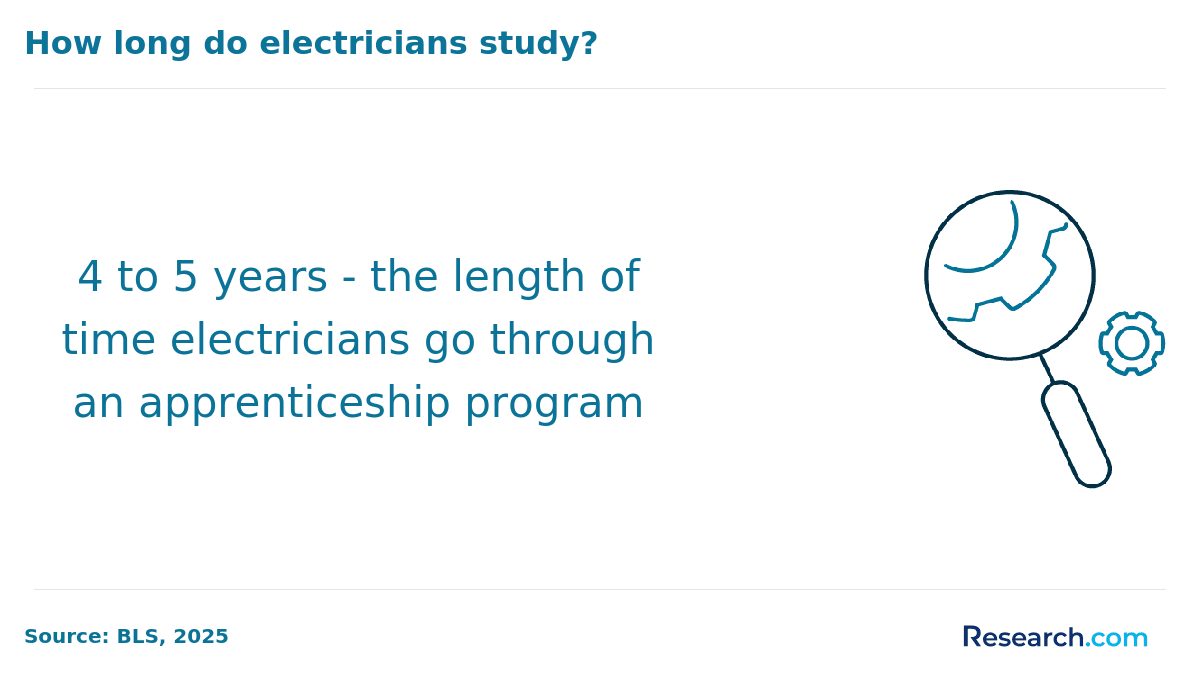
In Illinois, an electrician apprenticeship typically spans about 4 to 5 years, roughly equating to 48 to 60 months of rigorous training. This period involves amassing around 8,000 hours of hands-on work coupled with 576 hours of classroom instruction. Yet, this timeline isn't set in stone; it flexes depending on your drive, the sponsoring organization, and how swiftly you absorb the craft. Some apprenticeships run at a steady marathon pace, while others resemble sprints.
For those eager to fast-track their journey, certain programs—especially those affiliated with unions like IBEW Local 134 or private electrical contractors—offer accelerated formats. These intensive tracks can shrink the apprenticeship to about 3 to 4 years but demand a high commitment and the ability to juggle heavier workloads and coursework. On the flip side, part-time training or inconsistent work availability can stretch the apprenticeship beyond five years.
If you’re navigating the labyrinth of the illinois electrical licensing and certification process, knowing how to optimize your apprenticeship time is key. Engage fully in every classroom session, hunt for extra on-the-job hours, and pursue valuable certifications like OSHA safety training. Staying proactive and communicating with mentors can spot opportunities to advance quicker.
Illinois apprenticeships vary widely, but if you want to explore the fastest routes and most reputable programs, consider investigating the best rated electrician trade school options. These programs often balance quality education with efficient timelines, helping you meet licensing requirements sooner and enter the workforce empowered and certified.
How much does electrician training cost in Illinois?
The journey to becoming an electrician in Illinois involves navigating a spectrum of costs shaped by educational choices and necessary gear. When considering electrician training cost in Illinois, certificate programs typically range from $1,000 to $5,000, while associate degrees at community colleges can climb between $6,000 and $15,000 for the entire course. Apprenticeships stand apart as a more wallet-friendly option, blending paid on-the-job training with classroom hours, often requiring only the upfront purchase of personal tools.
Several factors sway these expenses. The type of credential sought—be it a quick certificate or a comprehensive associate degree—directly impacts tuition fees, with longer programs naturally demanding more investment. Beyond tuition, aspiring electricians must consider toolkits, which can cost anywhere from $300 to $1,000 depending on the quality and scope of equipment. Additional fees such as textbooks, safety gear, and certification exams also add layers to the total outlay. These elements intertwine to form a complex cost puzzle that students need to piece together carefully.
One unique advantage in Illinois is the apprenticeship pathway, which not only reduces immediate tuition costs but also offers wages during training, easing financial pressure. This approach, endorsed by the Illinois Department of Labor, often involves unions or trade groups with minimal upfront expenses, although the extended 4 to 5-year commitment requires patience and perseverance.
For those worried about affordability, several financial aid options exist. Federal Pell Grants and student loans through accredited institutions can help bridge the gap, while some apprenticeships provide scholarships or reimburse tool purchases. Illinois workNet and the Department of Commerce offer workforce training grants, and veterans can leverage GI Bill benefits for tuition and supplies. To explore educational opportunities further, consider the ranking of the best online vocational trade schools. Navigating Illinois electrician school tuition fees thoughtfully can turn the cost of training from a barrier into a stepping stone for a rewarding career.
What license do you need to be an electrician in Illinois?
In Illinois, becoming a licensed electrician means navigating a landscape shaped by two main licenses: the Journeyman Electrician and the Master Electrician. These aren’t just titles—they’re badges of expertise and trust, signaling you’re equipped to handle electrical work safely and professionally across the state.
The journey begins with the Journeyman license, a rite of passage requiring dedication. You’ll need to complete an approved apprenticeship program, typically spanning 4 to 5 years, blending classroom theory with hands-on experience. Expect to log around 8,000 hours of practical work before you even think about sitting for the exam. This exam tests your mastery of the National Electrical Code (NEC), Illinois Electrical Code, and local amendments—a real challenge that proves your readiness.
For those ready to level up, the Master Electrician license demands at least two years as a licensed Journeyman and a tougher exam that dives into advanced electrical theory, business savvy, and safety regulations.
What sets Illinois apart is its dual licensing authority. The Illinois Department of Public Health handles licensing in unincorporated areas, while many cities, including Chicago, have their own boards and rules. This means electricians must become code-savvy not just statewide but locally, adapting to varying standards and continuing education mandates every three years to keep their skills sharp.
To ease this complex path, aspiring electricians should:
- Choose accredited apprenticeship programs that cover all licensure requirements.
- Stay current with both state and local electrical codes through official resources.
- Use tailored study guides for exam prep specific to Illinois codes.
- Keep meticulous records of work hours, education, and exam results.
- Plan early for mandatory continuing education to ensure seamless license renewal.
Understanding these nuances and preparing strategically can turn Illinois’ layered licensing process from a maze into a clear, achievable roadmap toward your electrician career.
How can electricians transition into entrepreneurship in Illinois?
Electricians seeking greater independence often explore entrepreneurship by establishing their own contracting businesses. This transition requires mastering business management fundamentals, including understanding local regulatory and licensing requirements beyond standard journeyman or master credentials, developing a robust business plan, and securing the proper insurance and financial backing. Establishing strong professional networks and engaging in mentor-led training can be invaluable in navigating the competitive landscape. Interested professionals may also consider diversifying their technical expertise by reviewing our guide on how to become a mechanic in Illinois to broaden their service offerings and enhance marketability.
How can electricians improve their business management skills?
Electricians aiming to advance beyond technical roles benefit greatly from cultivating robust business management skills. Mastering financial planning, project management, and strategic marketing can empower professionals to lead teams, optimize operations, and drive business growth. This involves leveraging financial modelling tools to forecast budgets, refining pricing strategies, and ensuring rigorous regulatory compliance. Additionally, targeted business education can bridge the gap between technical expertise and operational leadership. For a structured approach to enhancing these skills, consider exploring programs offered by top business schools in Illinois that specialize in blending industry-specific knowledge with comprehensive business training.
How Can Union Membership Accelerate Career Growth for Electricians in Illinois?
Union membership offers electricians a structured pathway for professional development that extends well beyond basic apprenticeship and licensing requirements. By joining a union, professionals gain access to advanced training sessions, mentorship programs, and networking opportunities that can fast‐track career progression and open doors to specialized roles. In addition, union representation enhances collective bargaining power, ensuring competitive wages, comprehensive benefits, and robust workplace safety standards. Membership also provides regular updates on regulatory changes and technological innovations, which are critical for staying ahead in a rapidly evolving industry. For those looking at complementary career directions, consider learning how to become a radiology technician in Illinois to diversify skill sets and expand professional opportunities.
Can Electricians Benefit from Diversifying into Allied Technical Fields?
Electricians may enhance long-term career stability and flexibility by cross-training in allied technical fields that demand precision and technical acumen. Exploring complementary trades can open up alternative revenue streams, reduce dependency on cyclical market conditions, and offer new opportunities for professional growth without detracting from core electrical skills.
Diversification may involve pursuing advanced qualifications in emerging sectors that require technical problem-solving, meticulous attention to safety, and an aptitude for active learning. For instance, professionals interested in expanding their technical portfolio can assess pathways such as how to become an ultrasound technician in Illinois to tap into healthcare technology—a field that increasingly values technical expertise and precise operational skills.
How often do you need to renew your electrician license in Illinois?
Renewing an electrician license in Illinois is more than a routine task—it’s a commitment to staying sharp in a rapidly evolving trade. Every three years, electricians must jump through the hoops set by the Illinois Department of Public Health (IDPH), the gatekeeper of the Electrical License Program. This program isn’t just bureaucracy; it’s a carefully crafted system to ensure electricians remain at the forefront of safety, code compliance, and technology.
The cornerstone of renewal is continuing education. Each electrician must complete 12 hours of IDPH-approved courses within the three-year cycle. These courses are no mere formalities—they dive deep into the latest National Electrical Code (NEC) updates, Illinois-specific electrical laws, and crucial safety protocols that can literally save lives on a job site. This constant learning keeps professionals in tune with the shifting landscape of electrical standards and innovations.
The renewal process unfolds with clear, mandatory steps:
- Complete 12 hours of continuing education from an IDPH-approved provider.
- Submit the renewal application alongside the required fee to the Illinois Department of Public Health.
- Verify that all personal and professional information on file is accurate and current.
Illinois stands out for its rigorous insistence on continuing education paired with strict adherence to both state and national codes. The IDPH collaborates closely with unions, trade schools, and professional bodies to provide accessible resources, ensuring electricians aren’t left navigating renewal solo. This network creates a support system that’s both practical and empowering.
For aspiring electricians looking to glide through renewal, timing is everything. Start early by enrolling in approved courses well before the deadline, maintain meticulous records of completed education, and submit your renewal materials promptly. This foresight helps dodge late fees and prevents any lapse in licensure, which could disrupt access to Illinois’s bustling construction market—home to roughly 300,000 workers in 2023, with electricians playing a vital role.
Ultimately, Illinois’s license renewal process is a dynamic blend of education, regulation, and professional accountability—designed not just to maintain licenses, but to elevate the quality and safety of the electrical workforce.
What are the essential skills needed to be a successful electrician in Illinois?
Electricians in Illinois must master a vibrant mix of hard and soft skills to illuminate their path to success. These skills are the sparks that power careers in a state where growth in construction and infrastructure lights the way forward.
- Technical proficiency: This is the backbone of any electrician’s toolkit. Mastering electrical theory, circuitry, wiring, and strict adherence to the National Electrical Code (NEC) and Illinois-specific regulations ensures both safety and precision in every project.
- Technology literacy: In a world buzzing with innovation, electricians who harness diagnostic tools, blueprint software, and automated systems turn complexity into clarity, boosting troubleshooting speed and job efficiency.
- Problem-solving skills: When unexpected electrical puzzles arise, quick, analytical thinking and adaptability keep projects glowing. This skill minimizes downtime and elevates client trust.
- Attention to detail: Precision is non-negotiable—whether measuring circuits or following safety protocols. A tiny misstep can dim the entire operation, so meticulousness is key.
- Communication skills: From negotiating with contractors to explaining technical details to clients, clear verbal and written communication weaves teamwork into a seamless fabric.
- Physical stamina and dexterity: Electricians often crawl, climb, and contort in tight spaces. Physical agility and endurance transform these challenges into routine motions.
- Time management: Managing multiple deadlines amid Illinois’ competitive construction landscape requires sharp organizational skills and a proactive mindset.
To ignite these skills, aspiring electricians can dive into apprenticeships offered by the Illinois Department of Commerce and Economic Opportunity or local trade unions, blending paid hands-on work with classroom learning. Technical colleges across Illinois offer specialized courses that sharpen both theory and practice.
Boosting soft skills is just as vital. Workshops and seminars from organizations like the Illinois Chapter of the National Electrical Contractors Association (NECA) provide fertile ground for enhancing communication and problem-solving prowess. Embracing online platforms for electrical simulations and NEC code study adds a digital edge to skill-building.
By blending rigorous training with real-world experience, aspiring electricians can energize their careers and illuminate their future in Illinois’ bustling electrical industry.
What is the job outlook for electricians over the next 10 years in Illinois?
The future of electrician jobs in Illinois sparkles with promise, energized by a projected 8% growth through 2033 according to the U.S. Bureau of Labor Statistics 2023. This rate slightly outpaces the national average, fueled by a fusion of urban development, infrastructure upgrades, and the green energy revolution. Aspiring electricians can plug into a career that’s not just steady but charged with innovation.
Chicago powers the state’s electrician workforce, hosting nearly 40% of all electricians in Illinois. Other bustling hubs like Aurora and Naperville also light up the map with opportunities. Beyond city skylines, manufacturing plants, utility firms, and transportation projects all demand skilled hands, weaving a diverse tapestry of career paths. This variety means electricians can find their niche whether they prefer the hum of industrial settings or the pulse of urban construction.
Wages reflect the value Illinois places on these skilled tradespeople. The average annual salary hovers around $65,000, with rookies starting near $45,000 and seasoned pros climbing above $85,000. When weighed against Illinois’ cost of living—which is roughly 5% below the national average—these earnings translate into a comfortable lifestyle, especially outside the pricey city centers. For those weighing relocation or career shifts, these numbers shine bright.
Emerging trends are rewiring the traditional electrician role. Specialization in solar panel installations and smart building technologies is becoming a lucrative circuit to follow. Certifications in these green and tech-forward areas don’t just add credentials—they open doors to higher wages and job security in an evolving marketplace. Illinois’ push toward renewable energy means electricians with these skills will be highly sought after.
For anyone sketching out a career map in the electrical trade, Illinois offers a compelling mix of growth, competitive pay, and future-ready opportunities. Urban hubs provide the current hotspots, but the real power lies in embracing specialized training that aligns with the state’s electrifying transformation.
Should Electricians Consider Expanding into HVAC?
Electricians in Illinois can broaden their professional scope by acquiring complementary HVAC training. The overlapping demands of electrical systems and climate control in modern buildings create opportunities for those who diversify their skills. Cross-training in HVAC not only enhances career flexibility but also meets the growing market need for integrated technical services. For those interested in expanding their expertise, exploring how to become an HVAC technician in Illinois can provide valuable guidance and open additional pathways for career advancement.
What Electricians in Illinois Say About Their Careers
Completing my apprenticeship through the Illinois Center for Broadcasting was a game changer. The hands-on experience combined with classroom learning gave me the confidence to tackle any electrical project. What I love most about working in Illinois is how diverse the work environments are, from urban Chicago high-rises to rural farmhouses. It’s fulfilling to know that my skills keep homes and businesses powered safely and efficiently, especially during harsh winters. Hector
Attending Southern Illinois University’s electrical engineering program opened doors I never imagined. The community-focused projects allowed me to contribute directly to improving local infrastructure, which made me feel deeply connected to the people I serve. Illinois presents unique challenges with its mix of industrial and residential demands, and navigating these has sharpened my problem-solving skills tremendously. Owen
Going through the apprenticeship program at City Colleges of Chicago was a rigorous but rewarding journey. The city’s constant development means steady work and opportunities to advance into supervisory roles. I appreciate how this career path offers continuous learning and the chance to specialize in areas like renewable energy, which is gaining momentum in Illinois. Tyler
Related Articles for Nearby States
- 2027 How to Become an Electrician in Indiana
- 2027 How to Become an Electrician in Wisconsin
- 2027 How to Become an Electrician in Iowa
- 2027 How to Become an Electrician in Missouri
- 2027 How to Become an Electrician in Kentucky
- 2027 How to Become an Electrician in Michigan
- 2027 How to Become an Electrician in Minnesota
- 2027 How to Become an Electrician in Ohio
- 2027 How to Become an Electrician in Tennessee
- 2027 How to Become an Electrician in Arkansas
References:
- Access Training UK. (2024, July 15). Electrician career paths: What are your options? Access Training UK.
- Electrogroup Training. (2023). Types of electricians & electrical career paths. Electrogroup Training.
- Electrical Careers. (2023). Future electrical opportunities - Electrician training. Electrical Careers.
- Faraday Careers. (2023). Common electrician career paths. Faraday Careers.
- Prairie Electric. (2024). Electrician job outlook in 2025 and beyond. Prairie Electric.
- U.S. Bureau of Labor Statistics. (2024). Electricians: Occupational outlook handbook. U.S. Bureau of Labor Statistics.
- U.S. Department of Energy. (2023). Career map: Electrician. U.S. Department of Energy.
Other Things You Should Know About Becoming an Electrician in Illinois
To become a licensed electrician in Illinois in 2027, you must complete an apprenticeship, which typically lasts 4-5 years, obtaining hands-on experience and technical education. Following this, you'll need to pass the Illinois electrical licensing exam to ensure you meet all state regulations and standards.
To become a licensed journeyman electrician in Illinois in 2027, you need to complete a minimum of 8,000 hours of work experience under the supervision of a licensed electrician and at least 500 hours of classroom instruction. Passing the state journeyman electrician exam is also required.
To become a licensed electrician in Illinois in 2027, start by completing a four-year apprenticeship, including 144 hours of classroom instruction annually. Afterward, pass the state licensing exam, which comprises both theoretical and practical assessments, to obtain your journeyman electrician license.
To work as an electrician in Illinois in 2027, you need a journeyman electrician license. Additionally, specialized certifications for areas like solar panel installation may be required, depending on your field of work and employer needs.


