
2027 How to Become a Mechanic in New Hampshire: Requirements & Certification

Co-Founder and Chief Data Scientist
A common misconception is that becoming a certified mechanic in New Hampshire requires minimal formal training or licensing, leading some to underestimate the skills and credentials needed for success. This false belief can result in unpreparedness and missed career opportunities in a competitive job market.
In reality, the Bureau of Labor Statistics reports that automotive service technicians and mechanics earn a median annual wage of $46,660 nationwide, reflecting the value of proper training and certification. This article, prepared by career planning experts, will guide readers through the essential requirements and certification steps to build a successful mechanic career in New Hampshire.
Key Things to Know About Becoming a Mechanic in New Hampshire
- New Hampshire’s mechanic job market is projected to grow by 6% from 2022 to 2032, slightly above the national average, indicating steady demand.
- The median annual wage for automotive service technicians in New Hampshire is approximately $48,000, reflecting competitive regional compensation.
- Most mechanic training programs in New Hampshire last between 6 months and 2 years, with many offering certifications that enhance employment prospects.
- What are the steps to become a mechanic in New Hampshire?
- What training and education options are available in New Hampshire?
- Do you need certifications to work as a mechanic in New Hampshire?
- How long does it take to become a mechanic in New Hampshire?
- How much does it cost to become a mechanic in New Hampshire?
- What job opportunities are available for mechanics in New Hampshire?
- Can mechanics leverage their skills in related technical fields?
- How can continuous learning enhance a mechanic's career in New Hampshire?
- Can business training propel a mechanic's career in New Hampshire?
- How can gaining cross-disciplinary technical skills benefit your career?
- What workplace safety practices are essential for mechanics in New Hampshire?
- How much do mechanics make in New Hampshire?
- What tools and skills do mechanics need to succeed?
- What are the career growth opportunities for mechanics in New Hampshire?
- What are the pros and cons of becoming a mechanic in New Hampshire?
What are the steps to become a mechanic in New Hampshire?
Becoming a mechanic in New Hampshire invites you to blend hands-on skills with evolving automotive technology. Here’s a practical roadmap to navigate this career path.
Build a Strong Educational Foundation
Start with a high school diploma or equivalent, focusing on automotive repair, math, and English courses. Many high schools offer career and technical education (CTE) programs or Automotive Youth Educational Systems (AYES) that provide valuable hands-on experience and enhance employability. After high school, consider enrolling in technical schools or community colleges with National Automotive Technicians Education Foundation (NATEF) accredited programs, such as those offered by Nashua Community College, to deepen your knowledge in engine repair, brakes, suspension, and electrical systems.
Gain Certification and Practical Experience
While New Hampshire doesn’t require a state license for mechanics, earning National Institute for Automotive Service Excellence (ASE) certification greatly improves job prospects. This involves completing formal training or accumulating relevant work experience, passing ASE exams, and renewing certification every five years. Practical experience through internships, apprenticeships, or on-the-job training is equally vital—employers value real-world skills and reliability.
Meet Legal and Employment Requirements
A valid driver’s license and being at least 18 years old are essential for employment. Some employers may request background checks, especially for roles involving test-driving vehicles or access to sensitive equipment. Stay prepared by maintaining a clean driving record and demonstrating a strong work ethic.
Leverage Local Resources and Stay Current
Take advantage of New Hampshire’s partnerships between technical schools and dealerships for advanced manufacturer-specific training and job placement. Keep an eye on emerging trends like electric and hybrid vehicle technologies, as these are shaping training programs and expanding career opportunities in the region.
This chart highlights the states where automotive mechanics earn the highest median wages, showcasing regional variations in pay across the United States.
What training and education options are available in New Hampshire?
New Hampshire offers a variety of pathways for those eager to dive into the world of automotive mechanics, each providing unique hands-on experiences and certifications. Exploring these options can lead to a rewarding career with solid industry recognition.
- High school students can join AYES-accredited programs at locations like Concord Regional Technology Center and Salem High School, gaining early exposure to automotive fundamentals under NATEF-accredited standards.
- Community colleges such as Manchester Community College provide associate degrees with specialized manufacturer tracks and mandatory internships that prepare students for ASE certification, ensuring practical readiness.
- Lakes Region and Nashua Community Colleges offer flexible associate programs with lab experiences, the latter boasting MAST accreditation and instruction by ASE Master Certified Instructors, blending technical training with real-world repairs.
- Great Bay Community College’s certificate program covers essential topics like braking systems and steering, supported by scholarships and industry connections that help students transition into entry-level automotive roles.
- The NH School of Mechanical Trades focuses on hands-on mechanical training, including licensing preparation for state certification, while apprenticeship programs offer a blend of classroom learning and on-the-job skill development tailored to the automotive sector.
For those weighing the investment in education, understanding the average salary of trade school graduate can provide valuable insight into career prospects after completing accredited auto mechanic schools in New Hampshire.
Do you need certifications to work as a mechanic in New Hampshire?
Starting a career as a mechanic in New Hampshire is quite approachable since there are no strict state-mandated certifications required. You simply need to be at least 18 years old and hold a valid driver’s license to begin your journey in this field.
While formal certification isn’t legally required, many employers prefer applicants with formal training or credentials. Completing a technical program can give you a solid foundation, and it’s common for employers to look for graduates from automotive technology schools. This preference highlights the value of education beyond just meeting minimum entry requirements.
One of the most recognized credentials in the automotive world is ASE certification. Although it’s not compulsory by law in New Hampshire, holding ASE credentials signals a mechanic’s expertise and commitment to quality. This credential is gained by passing exams on various automotive systems and must be renewed every five years to stay current. Many mechanics pursue it to improve their job prospects and earning potential.
Understanding mechanic certification requirements in New Hampshire reveals that while not mandatory, certifications like ASE can open doors to better job opportunities, higher wages, and potential specialization. This makes voluntary certification a smart choice for those looking to stand out in a competitive market.
For those interested in learning more about what requirements are needed to become an auto mechanic, exploring programs and career paths through what requirements are needed to become an auto mechanic can provide valuable insights and guidance.
How long does it take to become a mechanic in New Hampshire?
Timeframes to become a mechanic in New Hampshire vary widely, shaped by the path chosen and the learner’s pace. Some dive into high school automotive programs, gaining foundational skills in just one to two years, while others pursue vocational or community college programs lasting up to two years.
High school students often take advantage of partnerships such as AYES, combining academic work with hands-on experience to jumpstart their careers immediately after graduation. Vocational schools offer flexible options; intensive full-time tracks can be completed in as little as nine months, focusing on core automotive systems. Community colleges provide both certificates and associate degrees, with certificate programs typically wrapping up in about a year, and associate degrees requiring two years of full-time study.
On-the-job training is another viable route, especially for those with prior mechanical aptitude. This path can take six months to a year or more to build proficiency through practical experience. Employers often value this real-world learning alongside formal education.
One New Hampshire mechanic recalls the late nights balancing evening classes at a community college with a part-time job, feeling both the weight of exhaustion and the thrill of mastering complex diagnostics. The challenge deepened commitment, turning initial doubts into a rewarding sense of accomplishment.
Fast-tracking options exist, including credit for prior learning and internships that provide valuable work hours while studying. ASE certification, though not mandatory, remains a respected credential that typically follows one to two years of work experience after training. New Hampshire’s flexible approach means aspiring mechanics can tailor their journey to fit personal circumstances without mandatory licensing hurdles.
How much does it cost to become a mechanic in New Hampshire?
The adventure of becoming a mechanic in New Hampshire can begin with tuition costs as low as $1,800, rising to about $12,000 for more comprehensive training. Exploring these options uncovers a range of investment levels suited to different goals and timelines.
Here’s a breakdown of typical expenses you’ll encounter when pursuing a mechanic career in the state:
- Tuition for community colleges like Great Bay Community College ranges from $1,800 to $2,400 for certificate programs, while two-year associate degrees at Manchester and Nashua Community Colleges often cost between $7,000 and $12,000 for in-state students.
- Tools and equipment are essential, with starter toolkits priced between $1,000 and $3,000. Students should look out for discounts and vendor deals available through their programs.
- Books and course materials add about $200 to $500 annually, depending on the specific curriculum requirements.
- Uniforms and safety gear—such as steel-toed boots and gloves—can tack on $100 to $300 to your budget.
- Certification exams like ASE require fees of roughly $47 per test plus a $34 registration fee per testing window, often taken after program completion.
These expenses illustrate the practical side of New Hampshire automotive technology program costs, but there’s more to consider. Living expenses and transportation add to the total investment, especially in urban areas.
For those planning ahead, leveraging state and federal financial aid, apprenticeships, and tuition reimbursement can ease the financial load. Also, exploring career pathways and job requirements is vital; curious learners might find value in reviewing mechanical engineering job requirements to understand related fields and opportunities.
What job opportunities are available for mechanics in New Hampshire?
Mechanics in New Hampshire have access to a diverse array of job opportunities across various sectors, including automotive, diesel, marine, and aviation. Here's an overview of the current landscape:
Automotive Technicians and Mechanics
New Hampshire’s automotive sector offers numerous openings for those skilled in vehicle diagnostics and repairs. Dealerships and independent shops actively seek applicants, often providing signing bonuses and stable schedules without night or Sunday shifts. Obtaining New Hampshire state inspection certification or manufacturer-specific credentials enhances hiring prospects. One mechanic recalled the challenge of navigating certification requirements but found that mastering these credentials opened doors to better-paying roles and consistent work. For those interested in broadening their expertise, pursuing a degree in automotive technology can be a game-changer for accessing diverse automotive technician opportunities in New Hampshire.
Diesel and Heavy Equipment Mechanics
The demand for diesel and heavy equipment mechanics remains strong due to New Hampshire’s active trucking, construction, and agricultural industries. These roles often come with competitive wages, full-time hours, and benefits shortly after hiring. The technical nature of diesel engines and heavy machinery means experience and specialized skills are highly valued. A local mechanic shared how adapting to heavy equipment repairs was initially daunting but ultimately rewarding, as it led to a stable position with excellent pay and vacation benefits after just three months.
Maintenance Mechanics
Manufacturing and processing plants in the state rely on maintenance mechanics versed in electrical and hydraulic systems to keep machinery running efficiently. Those with multi-trade skills have an edge, as facilities seek versatile technicians who can troubleshoot a variety of industrial equipment. Mechanics pursuing these roles often find that combining hands-on experience with certifications significantly improves job prospects. Exploring mechanic jobs in New Hampshire hiring now reveals steady openings in this sector.
Government and Fleet Mechanics
Government agencies in New Hampshire, including city, county, and federal levels, offer mechanic positions with strong benefits and job stability. The USPS also regularly hires mechanics for fleet maintenance across full-time, part-time, and seasonal roles. Securing these jobs involves understanding public hiring procedures and presenting detailed work histories. One mechanic reflected on the lengthy application process but emphasized that the stability and benefits made the effort worthwhile.
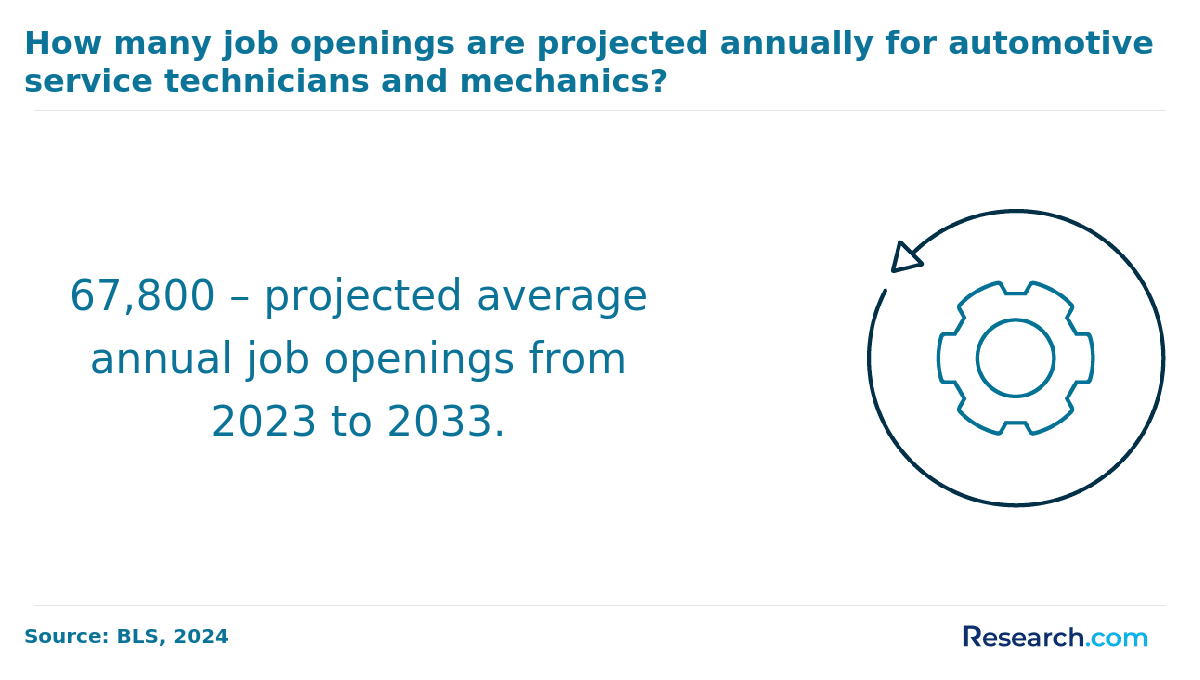
This chart illustrates the expected growth in job opportunities for automotive technicians and mechanics over the decade from 2023 to 2033.
Can mechanics leverage their skills in related technical fields?
Mechanics in New Hampshire can extend their expertise beyond the automotive sector by applying their diagnostic and technical skills to related fields. Diversifying into sectors such as HVAC can offer mechanics a competitive edge in an evolving job market. Specialized training in HVAC provides a pathway to broaden career opportunities by building on existing competencies like electrical diagnostics and system maintenance. For professionals considering this transition, exploring certification programs—such as guidance on how to get HVAC license in New Hampshire—can facilitate a smooth integration into new technical roles.
How can continuous learning enhance a mechanic's career in New Hampshire?
Continuous learning is a pivotal factor for mechanics looking to stay competitive amid rapid technological advancements. Upgrading skills through industry-recognized certifications, manufacturer training, and specialized workshops not only deepens technical expertise but also broadens service capabilities in emerging automotive sectors such as electric and hybrid vehicles. Engaging in targeted professional development programs equips mechanics to address new diagnostic challenges and adapt to evolving safety standards. Additionally, diversifying technical knowledge—illustrated by candidates exploring cross-trade skills such as how to become an electrician in New Hampshire—can create alternative revenue streams and futureproof a career in a dynamic market.
Can business training propel a mechanic's career in New Hampshire?
Mechanics with aspirations beyond technical roles can bolster their career prospects by acquiring business and management skills. Integrating business training into an automotive career aids in navigating customer relations, financial management, and operational efficiency, which are essential for entrepreneurs or those moving into supervisory roles. Targeted coursework and specialized programs further refine skills in marketing and strategic planning, enabling mechanics to transform a passion for automotive work into a sustainable business venture. Prospective leaders are encouraged to explore learning opportunities at the top business schools in New Hampshire to gain critical insights into running a successful automotive service operation.
How can gaining cross-disciplinary technical skills benefit your career?
Expanding your expertise beyond traditional automotive repair can open new avenues for professional growth and resilience in a dynamic job market. By pursuing certifications in complementary technical fields, you can enhance diagnostic capabilities and problem-solving techniques that are valuable across industries. This diversification not only improves adaptability during market fluctuations but also positions you to access roles that require a broader technical acumen. For example, exploring alternative certifications can provide insight into structured programs and specialized training processes—learn more about New Hampshire ultrasound technician requirements to understand how similar technical disciplines are structured.
What workplace safety practices are essential for mechanics in New Hampshire?
In New Hampshire, adherence to rigorous workplace safety practices is critical given the technical and physical nature of automotive repair work. Mechanics are expected to utilize personal protective equipment, follow established lockout/tagout procedures, and participate in regular safety training that covers hazards like exposure to chemicals and high-temperature tools. Employers typically enforce compliance with Occupational Safety and Health Administration (OSHA) guidelines, while industry associations may offer supplemental workshops to keep workers informed about emerging risks and safety innovations. For further insights into disciplined safety practices and structured training protocols, consider reviewing how to become a radiology technician in New Hampshire.
How much do mechanics make in New Hampshire?
Curious about how much mechanics make in New Hampshire? The pay varies depending on experience, certification, and location, but the numbers reveal an interesting landscape for those ready to dive in.
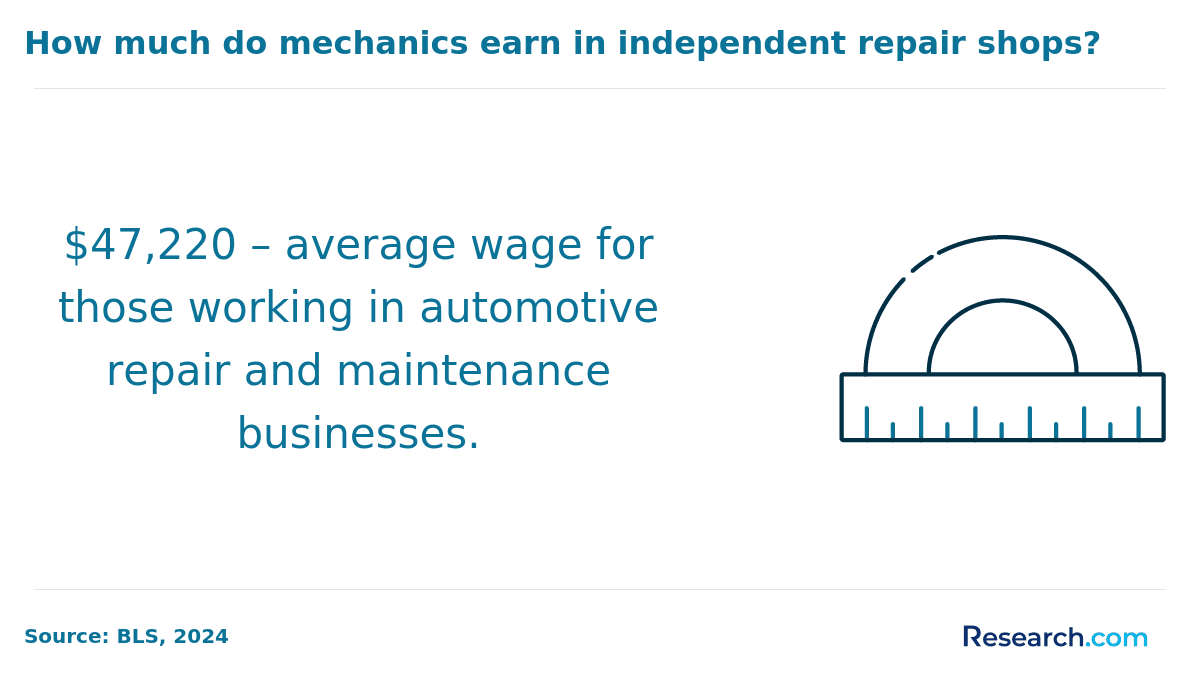
The average mechanic salary in New Hampshire hovers around $24 to $29 per hour, reflecting different data sources and job titles. For instance, Indeed reports $29.20 hourly with added overtime, while Talent.com suggests an annual average near $57,463. Entry-level roles start closer to $47,840, and seasoned mechanics can earn well beyond that.
Geography plays a key role too. Cities like Portsmouth and Greenland offer higher hourly rates, sometimes reaching $45, while smaller towns might offer lower starting wages. This variation invites exploration for those willing to travel or relocate within the state.
Specialization and certifications, especially ASE credentials, can boost earnings significantly. Mechanics focusing on diesel engines, electric vehicles, or hybrid technology tend to find themselves in higher demand and better compensated. Dealerships and luxury brand shops often pay more than independent garages, making them attractive targets for career advancement.
For anyone considering a shift to this trade or looking to enhance their skills, it’s worth exploring emerging fields and certifications. You might also want to check out what are the most affordable online mechanical engineering degrees to complement your hands-on expertise and open new doors.
With competitive wages and various pathways to grow, understanding how much do auto mechanics make in New Hampshire is the first step toward a rewarding career in this dynamic field.
What tools and skills do mechanics need to succeed?
New Hampshire’s automotive mechanic scene is shaped by evolving technology and steady demand, making it a promising field for those eager to work with their hands and minds. Success here hinges on mastering a blend of practical skills and industry knowledge.
To thrive as an automotive mechanic in New Hampshire, consider developing these essential tools and skills:
- Technical Expertise: Understanding engine systems, diagnostics, and repair techniques is fundamental. Mechanics must be comfortable working on both traditional combustion engines and increasingly common hybrid or electric vehicles.
- Advanced Diagnostic Tools: Proficiency with computerized diagnostic equipment is vital for identifying complex vehicle issues quickly and accurately.
- Manual Dexterity and Problem-Solving: Skilled hands and sharp analytical thinking enable mechanics to troubleshoot unexpected problems efficiently.
- Continuous Learning: Automotive technology evolves rapidly. Staying current through ongoing training and certification programs ensures mechanics remain competitive and capable.
- Customer Service: Clear communication and professionalism help build trust with clients, a crucial aspect of a successful mechanic’s career.
- State Licensing Awareness: While New Hampshire’s licensing requirements for mechanics may vary, understanding regulations and certifications helps with employability and career growth.
What are the career growth opportunities for mechanics in New Hampshire?
Mechanics in New Hampshire have robust career growth opportunities, driven by a combination of industry demand, educational pathways, and specialized training programs. Here's an overview of the key avenues for career advancement:
Diverse Career Paths Fueling Growth
Exploring the mechanic profession in New Hampshire reveals multiple avenues for advancement. Entry-level technicians often start with routine maintenance and diagnostics, but with experience, they can specialize in areas such as engine repair, transmission systems, or electrical diagnostics, opening doors to expert roles.
Certification and Education Boost Opportunities
Obtaining certifications like the ASE (Automotive Service Excellence) significantly enhances a mechanic’s qualifications. Many employers in New Hampshire value formal training from technical schools or community colleges, which combine hands-on learning with theoretical knowledge, preparing mechanics for complex repair challenges and leadership positions.
Specialization Accelerates Career Advancement
Mechanics who focus on emerging technologies—such as hybrid and electric vehicle systems—position themselves at the forefront of the industry. New Hampshire’s growing demand for green vehicle expertise creates unique opportunities for those willing to adapt and expand their skill sets beyond traditional combustion engines.
Opportunities in Fleet and Industrial Maintenance
Beyond automotive repair shops, mechanics can pursue roles servicing commercial fleets, public transportation, or industrial equipment. These positions often provide stable employment and the chance to gain experience with diverse machinery, fostering a broader mechanical skill base and potential managerial roles.
Entrepreneurial Ventures and Independent Work
For mechanics with an entrepreneurial spirit, starting a private repair shop or mobile service can be rewarding. New Hampshire’s community-oriented markets support small businesses, and mechanics who build strong local reputations often enjoy flexible schedules and client loyalty.
Technological Adaptation and Continuous Learning
The rapid evolution of automotive technology demands that mechanics commit to lifelong learning. Workshops, manufacturer training, and online courses ensure that New Hampshire mechanics stay current, enhancing job security and opening pathways to specialist or supervisory roles.
What are the pros and cons of becoming a mechanic in New Hampshire?
Exploring a career as a mechanic in New Hampshire reveals a mix of opportunities and challenges worth considering before diving in.
Pros
New Hampshire’s growing economy supports a steady demand for skilled automotive mechanics, particularly in urban areas like Manchester and Nashua. The state’s strong presence of automotive dealerships and repair shops means diverse job opportunities. Mechanics can benefit from competitive wages, especially with specialized certifications or experience in advanced automotive technologies. Additionally, the state’s commitment to workforce development includes accessible trade schools and technical programs that prepare students efficiently for the field. The community-oriented environment encourages networking, helping new mechanics find apprenticeships and on-the-job training more easily. Finally, New Hampshire’s relatively low cost of living compared to larger metropolitan areas makes it financially attractive to start and build a career here.
Cons
On the flip side, the mechanic profession in New Hampshire can face seasonal fluctuations in work availability, especially in areas dependent on tourism and weather-impacted driving. Smaller towns may offer fewer job openings, limiting options for career growth without relocation. The rise of electric and hybrid vehicles demands constant updating of skills, which requires ongoing education and investment in new tools. Entry-level wages can be modest, making it challenging for newcomers without certifications or experience to gain financial stability quickly. Finally, the physical demands of the job and exposure to hazardous materials remain important considerations for long-term career health and satisfaction.
What do mechanics say about their careers in New Hampshire?
Enrolling in the New Hampshire Vocational Technical Center gave me hands-on experience that textbooks simply can’t provide. Working directly on engines and diagnostics every day helped me gain the confidence to troubleshoot real-world problems efficiently. Tyler
The nonprofit program I joined in Manchester not only taught me the technical skills but also connected me with local garages for apprenticeships. Practicing the trade alongside seasoned mechanics deepened my understanding and made me feel part of a supportive community. Yuri
The state-sponsored automotive mechanic program emphasized practical skills and safety, which prepared me well for the workforce. I appreciated how much time we spent in the shop, allowing me to develop a steady hand and an eye for detail. Omar
Related Articles for Nearby States
- 2027 How to Become a Mechanic in Vermont: Requirements & Certification
- 2027 How to Become a Mechanic in Massachusetts: Requirements & Certification
- 2027 How to Become a Mechanic in Maine: Requirements & Certification
- 2027 How to Become a Mechanic in New York: Requirements & Certification
- 2027 How to Become a Mechanic in Connecticut: Requirements & Certification
- 2027 How to Become a Mechanic in Rhode Island: Requirements & Certification
- 2027 How to Become a Mechanic in New Jersey: Requirements & Certification
- 2027 How to Become a Mechanic in Pennsylvania: Requirements & Certification
- 2027 How to Become a Mechanic in Delaware: Requirements & Certification
- 2027 How to Become a Mechanic in Maryland: Requirements & Certification
References:
- ApprenticeshipNH. (2024). Automotive technology apprenticeship. ApprenticeshipNH.
- AutoMechanicSchools.com. (2024). Auto mechanic schools in New Hampshire. AutoMechanicSchools.com.
- Gyfted.me. (2024). How to become a certified mechanic in New Hampshire. Gyfted.me.
- Knowledge Anywhere. (2024). Finding the ideal duration: How long should your employee training be? Knowledge Anywhere.
- New England Institute of Technology (NEIT). (2025). 8 primary types of mechanic certification. New England Institute of Technology (NEIT).
- U.S. Mechanic Edu. (2024). New Hampshire mechanic schools. U.S. Mechanic Edu.
Other Things You Should Know About Becoming a Mechanic in New Hampshire
Yes, prior experience can reduce the training duration for mechanics in New Hampshire in 2027. Relevant work experience or training can be credited, potentially shortening the time needed to complete certification programs, provided these experiences meet industry standards and approval by the certifying body.
Yes, New Hampshire offers specific apprenticeship programs for aspiring mechanics in 2027. These programs combine on-the-job training with classroom instruction, allowing aspiring mechanics to gain practical experience and theoretical knowledge simultaneously. Participating in these programs can provide a pathway to certification and increased employment opportunities.
In 2027, there are no new changes in the certification process for mechanics in New Hampshire. Mechanics are still encouraged to obtain ASE certification to enhance their credentials and employment opportunities. The certification involves passing exams and having a combination of experience and education.


