
2027 How to Become an Electrician in Ohio

Co-Founder and Chief Data Scientist
In a job market flooded with uncertainty, many people overlook skilled trades like electrical work—often unaware that it offers not just job security but upward mobility. In Ohio, the need for electricians remains steady, with long-term career potential built into the field.
According to the Ohio Bureau of Labor Market Information, about 13,000 electricians are currently employed statewide, with 7% job growth expected by 2030. Wages average $58,000 per year, and infrastructure and energy projects are creating even more demand. This guide will show you how to enter the field and build a stable future as an electrician in Ohio.
Key Things to Know About Becoming an Electrician in Ohio
- Ohio requires electricians to complete a state-approved apprenticeship program, typically lasting four to five years, combining on-the-job training with classroom instruction.
- Licensing in Ohio involves passing the Ohio Construction Industry Licensing Board (OCILB) exam for journeyman or master electrician status.
- The average annual salary for electricians in Ohio is approximately $57,000, varying by experience, location, and certification level.
- What education is required to become an electrician in Ohio?
- How do you get into an electrician apprenticeship program in Ohio?
- How much do electricians make in Ohio?
- What certifications do electricians need in Ohio?
- How long does an electrician apprenticeship take in Ohio?
- How much does electrician training cost in Ohio?
- What license do you need to be an electrician in Ohio?
- Are there financial assistance opportunities for electrician training in Ohio?
- Can electricians transition to business ownership roles in Ohio?
- Can electrician skills open doors to other technical careers in Ohio?
- What are the common challenges faced by electricians in Ohio?
- How often do you need to renew your electrician license in Ohio?
- What are the essential skills needed to be a successful electrician in Ohio?
- What is the job outlook for electricians over the next 10 years in Ohio?
- Can electricians benefit from cross-training in related technical trades?
What education is required to become an electrician in Ohio?
Becoming an electrician in Ohio starts with a strong educational foundation, typically involving coursework in electrical theory, blueprint reading, circuitry, safety protocols, and the National Electrical Code (NEC). These classes prepare students not only to understand core electrical concepts but also to pass rigorous state licensing exams. As technology advances, future curricula may integrate emerging smart grid technologies and renewable energy systems, equipping electricians for evolving industry demands.
Hands-on experience is also important, and most aspiring electricians enter formal apprenticeship programs that combine classroom learning with paid on-the-job training. These apprenticeships usually span four to five years, requiring around 8,000 hours of practical work and 576 hours of classroom instruction annually. During this time, apprentices refine skills such as installing wiring systems, troubleshooting electrical faults, and adhering to safety standards under expert supervision.
Ohio offers several reputable programs for electrician training. Notable institutions include Ohio State University ATI, which provides comprehensive electrical technology courses; Cincinnati State Technical and Community College, known for its practical, hands-on approach; and Lorain County Community College, which emphasizes apprenticeship preparation. These schools often partner with local unions and contractors to facilitate valuable apprenticeship placements, an essential step for real-world experience.
How do you get into an electrician apprenticeship program in Ohio?
Candidates usually apply through organizations like the Ohio Electrical League (OEL), IBEW Local 8, or the Ohio Construction Industry Joint Apprenticeship and Training Committee (JATC). These programs require applicants to be at least 18 years old, hold a high school diploma or GED, and successfully pass an aptitude test that covers math and reading comprehension. A unique aspect of Ohio electrician apprenticeship program requirements includes attention to physical fitness and possessing a valid driver’s license. Beyond technical mastery, apprentices gain valuable networking opportunities with contractors and seasoned electricians, which is crucial for building a lasting career.
For those looking to excel in their apprenticeship, Ohio offers a range of resources such as review classes, safety seminars, and supplemental training workshops. Trade schools and industry associations often host these sessions, helping apprentices stay current with electrical codes and prepare effectively for licensing exams. Programs like the Ohio Construction Industry Training School also provide forward-thinking courses on emerging technologies like solar power installation, positioning apprentices to thrive in the evolving electrical market.
Aspiring electricians interested in exploring career options through trade programs can refer to the list of the best jobs for trade school graduates to better understand the possibilities that an Ohio electrician apprenticeship can unlock.
How much do electricians make in Ohio?
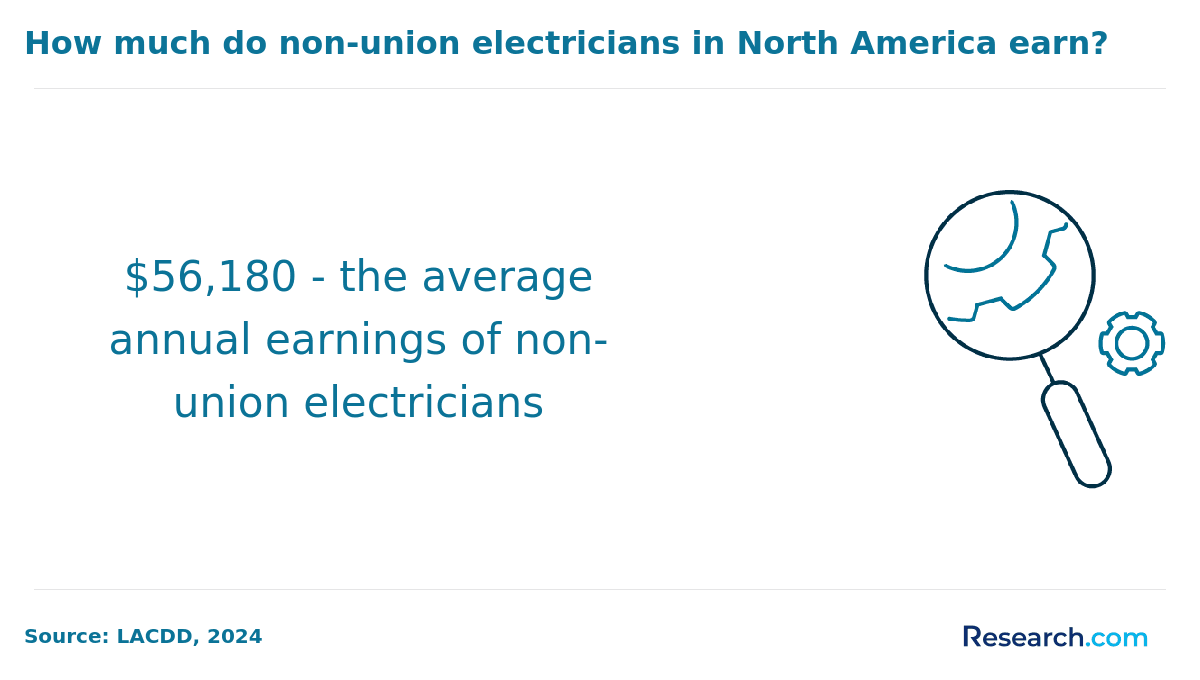
Electricians earn an average annual salary of around $58,000, which breaks down to roughly $4,833 per month. Entry-level electricians typically start near $35,000 per year, or about $2,900 per month, reflecting their developing skills and limited experience. As electricians progress from apprentices to journeymen and eventually master electricians, their salaries increase significantly. Apprentices generally earn 40-50% of a journeyman’s wage, while master electricians can command salaries exceeding $75,000 annually, particularly when assuming supervisory roles or launching their own contracting businesses.
Salary growth often aligns with gaining specialized certifications and hands-on experience, especially in commercial or industrial electrical work, which tends to offer higher pay than residential jobs. The highest-paying cities in Ohio include Cleveland, Columbus, and Cincinnati, where electricians can earn above the state average. For example, electricians in Cleveland may reach annual earnings of about $65,000 due to a strong industrial base and extensive infrastructure projects.
Ohio’s electricians might also look to expand their expertise by pursuing interdisciplinary training, similar to how educators prepare through advanced degrees like an anchors part-time Ph.D. in economics. Such forward-thinking approaches can enhance career prospects and salary potential in an increasingly complex job market.
What certifications do electricians need in Ohio?
The foundational credential is the Journeyman Electrician License, which mandates completion of 8,000 hours of on-the-job training alongside 576 hours of classroom instruction. This combination is typically fulfilled through registered apprenticeship programs. After gaining experience as a Journeyman, electricians may pursue the Master Electrician License, which requires at least one year of journeyman experience and passing a comprehensive state exam. These certifications legally enable electricians to work independently and supervise others, essential for career advancement within the state.
Several educational institutions provide pathways to these certifications. Community colleges such as Columbus State Community College and Cuyahoga Community College offer electrical technology programs tailored to Ohio’s licensing standards. Technical schools like Ohio Technical College and unions like the International Brotherhood of Electrical Workers (IBEW) Local 38 support apprenticeships that integrate paid work with classroom learning.
Beyond the mandatory licenses, electricians should consider specialized certifications that align with emerging trends in Ohio’s industries. Certifications in solar photovoltaic systems, industrial electrical systems, and voice/data/video (VDV) cabling can significantly enhance job prospects in sectors driven by renewable energy and advanced manufacturing. Pursuing certifications recognized by organizations such as the National Electrical Contractors Association (NECA) or the National Fire Protection Association (NFPA) demonstrates advanced knowledge of safety and code compliance, which employers highly value.
For aspiring electricians eager to explore diverse training options, it can be helpful to review programs beyond Ohio’s borders. For example, a ranking of the best automotive mechanic trade school programs showcases how specialized trade education adapts to industry needs, a concept that can be mirrored in electrical training to meet Ohio’s future workforce demands.
How long does an electrician apprenticeship take in Ohio?
Apprenticeship typically lasts between 4 to 5 years, equating to around 8,000 hours of on-the-job training paired with approximately 576 hours of classroom instruction. This timeline aligns closely with national standards but can vary considerably depending on the sponsoring organization and the apprentice’s prior experience.
Some apprenticeship programs in Ohio offer accelerated formats, allowing apprentices to complete their training in as little as 3 years. These faster tracks often require more intensive classroom sessions and longer or more frequent work hours. However, such programs demand high levels of commitment and availability. On the other hand, apprenticeships may extend beyond five years if the apprentice struggles with certain competencies or if economic factors limit consistent work opportunities. Factors like the sponsoring union, employer, or training committee significantly influence the length and intensity of the apprenticeship.
As the industry evolves, future apprenticeship programs may increasingly adopt flexible or hybrid learning models to accommodate diverse learner needs. For those exploring educational options, it’s helpful to review resources such as what are the best online trade schools and construction programs to find pathways that align with career goals and schedules.
How much does electrician training cost in Ohio?
The cost varies significantly based on the type of program chosen. Certificate or diploma programs at technical schools generally range from $5,000 to $15,000, while associate degree programs at community colleges can cost between $10,000 and $25,000 for in-state students.
One major factor affecting the overall expenses is the duration of the program. Shorter certificate courses may lead to quicker entry into the field but often require additional on-the-job training. Longer degree programs, while more costly, can potentially increase earning power and job flexibility. Students should also budget for tools and equipment, with basic electrician toolkits costing between $500 and $1,500. Some programs include these in tuition, but many require separate purchases, adding to the total investment.
Apprenticeship programs are a notable alternative that can reduce upfront costs. Electrician apprenticeship expenses are generally lower since apprentices earn wages during their four- to five-year training period. Though minimal fees for union membership or program enrollment may apply, apprenticeships effectively combine paid work with learning, making this pathway more affordable for many.
Prospective students can also explore the best online trade school options for flexible and potentially cost-effective training alternatives, reflecting an evolving landscape in electrician education.
What license do you need to be an electrician in Ohio?
Professionals must secure a license issued by the Ohio Construction Industry Licensing Board (OCILB). The state categorizes electrical licenses into three main types: Apprentice Electrician, Journeyman Electrician, and Electrical Contractor. Each license aligns with different levels of experience, responsibility, and scope of work.
The path to licensure begins with registering as an Apprentice Electrician. This requires applicants to be at least 18 years old and typically hold a high school diploma or GED. Apprentices work under supervision while gaining hands-on experience. After which, the next steps include:
- Journeyman Electrician: Candidates must complete 8,000 hours of on-the-job training and 576 hours of classroom instruction before qualifying to take the journeyman exam administered by the OCILB.
- Electrical Contractor: Requires holding a journeyman license plus two years of experience. Applicants must also pass a contractor exam covering Ohio electrical laws, codes, and business practices.
Are there financial assistance opportunities for electrician training in Ohio?
Financial support options play a key role in easing the upfront costs of technical education. Aspiring electricians in Ohio can explore scholarships, grants, and low-interest loans offered by community colleges, technical schools, and local unions. Many apprenticeship programs also provide paid on-the-job training, minimizing the financial burden during certification. Evaluating and comparing these funding opportunities, along with industry-specific options, helps candidates secure the necessary resources to advance in their careers. Interested individuals may also check our article on how to become a mechanic in Ohio to gain perspective on alternative trade financing models.
Can electricians transition to business ownership roles in Ohio?
Electricians in Ohio who aspire to business ownership can leverage their technical expertise to successfully manage contracting firms, electrical service companies, or specialty consulting practices. Transitioning from a technical role to a business leader involves acquiring skills in financial management, strategic planning, and regulatory compliance—all of which are essential for running a successful enterprise. Networking with industry peers and pursuing targeted business education can facilitate this progression. For instance, exploring resources from the top business schools in Ohio provides valuable insights into management best practices and entrepreneurial strategies tailored for technical professionals.
Can electrician skills open doors to other technical careers in Ohio?
Electricians in Ohio possess transferable technical competencies that can serve as a foundation for roles in adjacent fields. Their precision, adherence to safety protocols, and problem-solving abilities are critical assets in diverse technical environments. Professionals seeking to diversify their career options can consider specialized training in sectors where these skills are in demand. Exploring alternative paths, such through learning how to become a radiology technician in Ohio, may provide new opportunities that complement traditional electrical work and further enhance career versatility in a dynamic job market.
What are the common challenges faced by electricians in Ohio?
Electricians in Ohio encounter multifaceted challenges ranging from adapting to continuously evolving safety regulations to managing fluctuating material costs. Industry professionals must stay current with frequent updates to the National Electrical Code (NEC) and state-specific standards, requiring ongoing professional development. Market competition and the growing complexity of smart systems demand that electricians not only hone technical proficiency but also develop strategic problem-solving acumen. Furthermore, balancing hands-on work with the administrative duties linked to licensure and regulatory compliance presents additional hurdles. Diversifying skill sets through cross-disciplinary training—such as exploring how to become an ultrasound technician in Ohio—can provide alternative perspectives and foster resilience in a dynamic job market.
How often do you need to renew your electrician license in Ohio?
Electrician licenses are valid for a period of three years, and renewal must occur before the expiration date to avoid any interruptions in professional practice. To renew a license, electricians must complete several important steps:
- Submit a renewal application either through the OCILB’s online portal or by mail prior to the license expiration.
- Pay the renewal fee, which varies depending on the specific license classification.
- Complete 8 hours of continuing education every three years, focusing on updated electrical safety, code changes, and industry best practices.
- Ensure that all continuing education courses are approved by the OCILB.
- Maintain full compliance with state and local electrical codes, as failure to do so can impact renewal eligibility.
Ohio’s renewal process is distinct due to its strong emphasis on continuing education tailored specifically to current electrical codes and safety protocols. This approach reflects the state’s proactive stance on reducing electrical hazards and enhancing workforce quality. Additionally, the OCILB oversees various specialty electrician categories—such as residential and industrial electricians—each with slightly different criteria aligned with their particular work scope.
What are the essential skills needed to be a successful electrician in Ohio?
Technical proficiency remains a cornerstone, which requires a deep knowledge of electrical systems, wiring, circuitry, and adherence to the National Electrical Code (NEC) as locally adopted. This foundation ensures compliance, safety, and quality workmanship.
Proficiency with technology is also increasingly important. With the integration of digital tools, electricians benefit from skills in software for diagnostics, blueprint reading, and project management. Familiarity with emerging technologies like smart home systems and renewable energy installations will likely become essential in the near future. Other essential skills include:
- Technical proficiency: Master electrical codes and systems to ensure safe, compliant work.
- Proficiency with technology: Embrace digital tools and emerging smart technologies.
- Problem-solving abilities: Develop analytical skills for troubleshooting complex issues.
- Excellent communication skills: Practice clear, client-friendly explanations and team collaboration.
- Physical dexterity and stamina: Maintain fitness and manual skills for demanding tasks.
- Attention to detail: Cultivate precision to prevent errors and hazards.
- Time management: Organize schedules to optimize productivity and meet deadlines.
What is the job outlook for electricians over the next 10 years in Ohio?
The job outlook for electricians in Ohio over the next decade is promising, with the U.S. Bureau of Labor Statistics projecting a growth rate of about 7% through 2033. This growth parallels the national average and is supported by ongoing construction, infrastructure upgrades, and increased focus on renewable energy systems. Ohio’s investment in residential, commercial, and industrial projects ensures a steady demand for skilled electricians.
In 2023, Columbus, Cleveland, and Cincinnati were the primary metropolitan areas employing the most electricians in Ohio. Columbus stands out with a strong presence in manufacturing, construction, and utilities sectors. Cleveland and Cincinnati also offer robust opportunities, particularly in healthcare facilities, commercial building projects, and automotive manufacturing. These cities provide diverse work environments, including specialization in industrial electrical work and emerging fields like smart building systems and electric vehicle charging stations.
Can electricians benefit from cross-training in related technical trades?
Expanding expertise beyond traditional electrical work can unlock new opportunities in Ohio’s evolving market. Diversification through focused training in complementary fields enhances versatility and accelerates career advancement. For example, overlapping skills in electrical and HVAC systems can create a competitive edge when market demands shift. Professionals interested in this cross-disciplinary approach may consider exploring detailed pathways on how to become an HVAC technician in Ohio, which offers insights into building a broader technical portfolio.
What Electricians in Ohio Say About Their Careers
Completing my apprenticeship through the Cleveland Electrical Training Center was a game-changer. The hands-on experience combined with knowledgeable instructors really prepared me for the diverse projects across Ohio's urban and rural areas. The stability of the trade gives me confidence for the future, especially with Ohio’s strong demand for skilled electricians. — Kevin
Attending the University of Cincinnati’s electrical engineering program expanded my understanding beyond basic wiring to advanced systems integration. This has opened doors to exciting opportunities in Ohio’s growing renewable energy sector, especially with the state’s push for sustainable solutions. I appreciate how this career allows continuous learning and problem-solving, which keeps me engaged every day. — Emma
Ohio’s diverse industries bring unique challenges and chances for growth. The variety keeps the job interesting and sharpens my skills constantly. I also value the respect electricians earn here and the clear path for advancement, which motivates me to keep pushing forward in my career. — Matthew
Related Articles for Nearby States
- 2027 How to Become an Electrician in Indiana
- 2027 How to Become an Electrician in Kentucky
- 2027 How to Become an Electrician in West Virginia
- 2027 How to Become an Electrician in Pennsylvania
- 2027 How to Become an Electrician in Michigan
- 2027 How to Become an Electrician in Illinois
- 2027 How to Become an Electrician in Virginia
- 2027 How to Become an Electrician in Tennessee
- 2027 How to Become an Electrician in North Carolina
- 2027 How to Become an Electrician in Missouri
References:
- Prairie Electric. (2024, December). Electrician job outlook in 2025 and beyond.
- Faraday Careers. (n.d.). Electrician job outlook for 2022.
- CareerExplorer. (n.d.). The job market for electricians in the United States.
- Division of Labor Standards Enforcement. (n.d.). Electrician certification FAQs. California Department of Industrial Relations.
- Bureau of Labor Statistics. (2025, April 18). Electricians. U.S. Department of Labor.
- Bureau of Labor Statistics. (n.d.). Occupational employment and wage statistics: Electricians. U.S. Department of Labor.
Other Things You Should Know about Being an Electrician in Ohio
To become an electrician in Ohio in 2027, start with a high school diploma or GED. Join an apprenticeship, typically through a union or trade association, which combines paid work experience with classroom instruction. Complete the program, usually lasting 4-5 years, and then pass the state licensing exam to work legally as an electrician.
In 2027, aspiring electricians in Ohio need a high school diploma or GED, followed by an apprenticeship program. This includes 8,000 hours of on-the-job training and 576 hours of classroom instruction. Completing these requirements is necessary to qualify for the licensing exam.
In 2027, Ohio offers several electrician licenses: Apprentice, Journeyman, and Electrical Contractor. Each license level has specific requirements such as passing relevant exams, fulfilling work hours, and completing applicable coursework approved by the Ohio Construction Industry Licensing Board.


