
2027 How to Become an Ultrasound Technician in Ohio

Co-Founder and Chief Data Scientist
Ohio faces a growing need for qualified ultrasound technicians to support an aging population. Current data shows that the number of jobs for diagnostic medical sonographers in Ohio is projected to grow by 17% over the next decade, outpacing many other healthcare roles.
This surge creates promising opportunities for those entering the field. As such, pursuing a career as an ultrasound technician in Ohio is a good move. It offers competitive salaries and strong job security, driven by advancements in medical imaging technology and expanding diagnostic services.
This article, prepared by career planning experts, outlines key steps, emerging trends, and educational pathways to help you successfully navigate this evolving profession.
Key Things to Know About Becoming an Ultrasound Technician in Ohio
- Complete an accredited diagnostic medical sonography program, typically a 2-year associate degree; Ohio’s growing healthcare sector demands well-trained technicians.
- Obtain ARDMS certification to enhance job prospects; certified technicians in Ohio earn a median salary of around $65,000, reflecting strong regional demand.
- Stay updated with emerging ultrasound technology trends like AI-assisted imaging to future-proof your career and meet Ohio hospitals’ evolving needs.
- What education is required to become an ultrasound technician in Ohio?
- What specialties can ultrasound technicians choose from in Ohio?
- Which certification exams are required to become an ultrasound technician in Ohio?
- Is a license required to practice as an ultrasound technician in Ohio?
- What to expect during ultrasound technician clinical training in Ohio?
- How much does it cost to become an ultrasound technician in Ohio?
- What is the average salary for ultrasound technicians in Ohio?
- What is the job outlook and demand for ultrasound technicians in Ohio?
- What are the career advancement steps for ultrasound technicians in Ohio?
- What are the common challenges ultrasound technicians face in Ohio?
- What are the opportunities for continuing education and professional development for ultrasound technicians in Ohio?
- What essential soft skills contribute to success as an ultrasound technician in Ohio?
What education is required to become an ultrasound technician in Ohio?
Ohio’s accredited ultrasound technician programs are evolving to combine rigorous academics with practical experience, preparing students to meet growing healthcare demands. Future developments may emphasize interdisciplinary learning alongside core sonography skills.
Key Ohio sonography degree requirements include:
- Minimum Degree Requirement: At least an Associate of Science in Medical Sonography degree from an accredited program, with some institutions offering bachelor’s degrees or accelerated certificates for eligible candidates.
- Accredited Program Completion: Enrollment in a Commission on Accreditation of Allied Health Education Programs (CAAHEP)-accredited curriculum ensures compliance with industry standards and eligibility for credentialing exams.
- Clinical Practicum Hours: Hands-on clinical rotations are mandatory, often involving multiple daytime sessions per week, with bachelor’s programs requiring several extensive rotations to develop practical skills.
- Prerequisite Coursework: College-level courses in anatomy, physiology, biology, and chemistry are typically required, supporting a strong foundational knowledge crucial for sonography practice.
- GPA Requirement: Most programs set a minimum cumulative GPA of 2.0 to 2.5 on a 4.0 scale for both admission and continuation within the program.
- Observation Experience: Some programs request prospective students to complete and document observation hours within a diagnostic medical sonography department prior to application.
- Age Requirement: Candidates must generally be at least 18 years of age by the end of the admission year to be eligible for enrollment.
- Credentialing Exam Eligibility: Completion of an accredited program qualifies graduates to sit for the ARDMS exams, a critical step toward professional certification and employment.
For those weighing career alternatives in medical imaging, exploring ways for becoming radiologist can provide additional context on related educational routes.
What specialties can ultrasound technicians choose from in Ohio?
Ultrasound technicians in Ohio have access to a range of diagnostic medical sonography concentrations that reflect the expanding role of sonography in healthcare. These specialties not only offer diverse career paths but also position technicians to engage with emerging technologies and patient-centered applications. The spectrum of ultrasound technician specialties in Ohio includes the following core areas:
- General Sonography: This specialty covers imaging abdominal organs and small parts like the thyroid and prostate, alongside obstetric and gynecologic applications, emphasizing comprehensive diagnostics across several body systems.
- Cardiovascular Sonography: Specialists focus on heart and vascular imaging, using echocardiography and vascular sonography to assist in diagnosing cardiac and circulatory conditions, increasingly integrated with advanced diagnostic tools.
- Musculoskeletal Sonography: Growing in demand, this concentration images muscles, tendons, and joints, supporting non-invasive diagnosis and monitoring of sports injuries and chronic musculoskeletal disorders.
- Breast Sonography: Focused on evaluating breast abnormalities, this specialty complements traditional mammography and plays a critical role in early detection and cancer screening teams.
- Neurosonography: Specialized imaging of neonatal and pediatric cranial structures, neurosonography assists in diagnosing neurological issues early, a field likely to expand as pediatric care evolves.
- Obstetric and Gynecologic Sonography: Concentrating on pregnancy and female reproductive imaging, this remains one of the most prominent specialties, vital for fetal monitoring and reproductive health.
The ongoing evolution of ultrasound technician specialties in Ohio promises integration with digital health trends and enhanced diagnostic capabilities. For those considering the path, understanding how much school to be ultrasound tech is essential for aligning education with these opportunities.
Which certification exams are required to become an ultrasound technician in Ohio?
Certification exams are a vital component in the pathway to becoming an ultrasound technician in Ohio, ensuring candidates possess the necessary knowledge and skills for safe patient care. Employers and state authorities rely on these exams to maintain high industry standards and protect public health. As the medical imaging field advances, these certifications may evolve to include emerging technologies and expanded competencies.
- Sonography Principles & Instrumentation (SPI) Exam (ARDMS): Administered by the American Registry for Diagnostic Medical Sonography (ARDMS), this foundational exam tests ultrasound physics, instrumentation, and Doppler principles. Ohio candidates typically must graduate from a CAAHEP-accredited program or hold a bachelor’s degree in sonography to be eligible. Passing SPI is required before pursuing specialty credentials and acts as the gateway to professional licensure.
- Specialty Certification Exams (ARDMS): After SPI, candidates must complete at least one specialty exam such as Abdomen, Obstetrics & Gynecology, or Vascular Technology. These focus on clinical skills, anatomy, pathology, and scanning protocols specific to each area. Ohio mandates both SPI and specialty certifications for full credentialing, making credentials like the RDMS highly preferred by employers.
- American Registry of Radiologic Technologists (ARRT) Sonography Exam: Recognized by some Ohio employers, this exam includes patient care, imaging procedures, sonographic physics, and quality control. Eligibility requires completion of an ARRT-approved sonography program. Although less common than ARDMS in Ohio, ARRT certification can offer broader career flexibility.
- Cardiovascular Credentialing International (CCI) Exams: Designed for cardiovascular sonography, CCI offers exams like Registered Cardiac Sonographer and Registered Vascular Specialist. These certify knowledge in cardiac and vascular imaging and patient safety. While less prevalent in Ohio, CCI credentials are sometimes required for specialized cardiac or vascular positions.
- Health Education Systems, Inc. (HESI) Entrance Exam: Used by many Ohio sonography programs during admissions, this exam assesses readiness through subjects like biology, math, and reading comprehension. It does not replace professional certification exams but serves as a crucial step before official training.
Achieving these certifications not only validates a technician’s expertise but also enhances employment prospects in Ohio’s competitive healthcare market. Staying current with evolving exam requirements supports compliance with state regulations and reflects a commitment to advanced patient care.
Is a license required to practice as an ultrasound technician in Ohio?
Ohio does not require a state license to work as an ultrasound technician, which means regulation is less about state mandates and more about adhering to national standards. This approach matters because it places greater emphasis on recognized certifications rather than state-issued licenses. For those pursuing the profession, understanding this framework helps clarify the path to employment.
Instead of state licensure, Ohio depends primarily on national certification agencies like the ARDMS, ARRT, and CCI to ensure sonographers meet professional standards. There are no state-specific laws or official provisions for provisional or supervised practice uniquely tied to Ohio. Candidates typically must graduate from an accredited program, usually one approved by CAAHEP, and then pass the Sonography Principles & Instrumentation (SPI) exam along with a specialty exam in areas such as abdominal or vascular sonography to become certified.
Obtaining national certification is nearly always required by employers and is critical for legal, professional practice in Ohio’s healthcare settings. Compliance with these requirements boosts employability, establishes credibility, and aligns professionals with the evolving demands of the industry. This system may continue to evolve, potentially integrating more unified credentialing processes that reflect future healthcare trends.
An ultrasound technician who graduated from a local Ohio program shared that initially navigating the absence of state licensure felt uncertain. “I wasn’t sure if national certification alone would open doors, but employers here clearly prioritize those credentials,” he explained. The process of completing the SPI and specialty exams was intensive, demanding thorough preparation and focus, yet it gave him confidence in his abilities.
He emphasized that while no state license was needed, obtaining certification truly marked the transition into a trusted professional role, reflecting both personal achievement and adherence to industry expectations.
What to expect during ultrasound technician clinical training in Ohio?
Clinical training is essential in preparing ultrasound technician students in Ohio to meet certification and professional standards. This hands-on experience bridges theoretical knowledge with practical skills, ensuring graduates are ready for the demands of healthcare environments. The evolving landscape of medical imaging emphasizes versatility and technological proficiency.
- Hands-On Patient Care: Students engage directly with patients, learning to gather accurate medical histories and ensure safety and comfort during procedures.
- Supervised Use of Imaging Equipment: Trainees operate ultrasound machines under licensed professionals’ guidance, focusing on optimal image capture and quality control.
- Exposure to Specialty Rotations: Clinical placements span OB/GYN, vascular, abdominal, cardiac, musculoskeletal, and pediatric sonography, broadening technical expertise across disciplines.
- Mentorship from Licensed Professionals: Experienced sonographers and radiologists provide feedback and ensure adherence to clinical best practices and ethical standards.
- Competency Evaluations: Students face regular assessments on diagnostic skills, patient interactions, and problem-solving abilities to refine clinical competence.
- Required Clinical Hours: Programs require a set number of hands-on hours—typically spread over two to three years—to build comprehensive practical experience.
- State and Program-Specific Requirements: Clinical sites must be Ohio State Board-approved, with students completing background checks and maintaining current CPR certification.
- Professionalism and Communication: Training emphasizes HIPAA compliance, confidentiality, and teamwork within multidisciplinary healthcare settings.
These rigorous clinical experiences align closely with certification criteria from organizations like the ARDMS, sharpening both technical skills and professional readiness. As healthcare technology advances, Ohio’s ultrasound technician training adapts to produce versatile, competent professionals poised to meet future patient care challenges.
How much does it cost to become an ultrasound technician in Ohio?
Costs vary widely across certificate, associate, and bachelor's pathways in Ohio. Below are key examples to give you a clearer sense of what to expect:
- Certificate Programs: Short-term certificate programs offer a faster route into the field, generally costing between $13,000 to $15,000, but may offer limited depth.
- Associate Degree: Associate degrees, such as those at Columbus Tech, provide a more comprehensive foundation—both academically and clinically—at a similar or slightly higher cost.
- Bachelor's Degree: Bachelor’s pathways, like the one through The Christ College, can approach $42,000 and may come with deeper specialization and broader credentialing preparation.
These estimates may not include additional costs such as room and board, transportation, or ongoing exam preparation materials. These costs may spell the difference between on-campus and online sonography programs. Moreover, financial aid and scholarships may be available—especially for associate and bachelor’s students. For example, Ohio State University offers scholarships up to $5,000 for sonography students.
What is the average salary for ultrasound technicians in Ohio?
The average annual salary for ultrasound technicians in Ohio is approximately $93,428, which is slightly below the national hourly average of $45.37 for registered technologists. Ohio ranks 50th in the nation, reflecting regional wage differences.
These are the factors that influence salary:
- Experience Level: Entry-level sonographers typically start around $63,401 annually, while senior technologists can earn up to $100,604, with pay increasing based on expertise and years in the field.
- Education and Certifications: Advanced credentials like ARDMS certification boost salary potential, often pushing wages close to or above the state average.
- Work Setting: Larger hospitals and specialized outpatient centers generally offer higher salaries than smaller physician offices or clinics due to higher demand and patient volume.
- Geographic Location: Urban areas such as Cleveland and Columbus tend to pay more than rural regions, influenced by cost of living and local healthcare needs.
- Specialization: Sonographers skilled in OB/GYN, cardiovascular, or abdominal imaging usually command higher wages owing to the specialized nature of these fields.
The chart below illustrates how your experience level influences how much you earn.
What is the job outlook and demand for ultrasound technicians in Ohio?
Employment for ultrasound technicians in Ohio is expected to grow by 12% from 2022 to 2032, slightly below the national average of 14.3%. This solid increase signals steady opportunities for those pursuing this career statewide.
- Population Growth and Aging: Ohio’s expanding and aging population drives greater demand for ultrasound imaging, especially as older adults require ongoing disease monitoring and preventive exams.
- Healthcare Expansion: New clinics, hospitals, and outpatient centers opening across Ohio generate increased need for sonographers to support growing healthcare services.
- Technological Advancements: Emerging ultrasound technologies broaden diagnostic capabilities, opening roles in specialized fields like cardiovascular and musculoskeletal imaging.
- Preventive Care Trends: Enhanced use of ultrasound in early disease detection boosts demand, reflecting shifts toward proactive, preventive healthcare models.
- Regional Demand Variations: Urban centers such as Columbus and Cleveland tend to offer more positions, while rural areas provide opportunities with potentially less competition.
An ultrasound technician from Ohio who graduated from a local school described the challenge of adapting to new technologies while managing a growing patient load, especially in her busy hospital near Cleveland. “The demand has definitely increased since I started,” she said, reflecting on how quickly openings appeared as more outpatient centers came online.
She noted the satisfaction in helping diverse patients and the excitement of learning specialized techniques enabled by recent advancements. Her experience underscored how evolving healthcare trends ensure ultrasound technicians remain essential, constantly growing their skills to meet Ohio’s healthcare landscape.
What are the career advancement steps for ultrasound technicians in Ohio?
Ultrasound technicians in Ohio can accelerate their career advancement by embracing specialization, obtaining advanced certifications, and pursuing leadership roles. These steps not only enhance technical skills but also open pathways to greater responsibilities and recognition within the healthcare system. Exploring emerging trends in the field can help professionals stay ahead and adapt to evolving demands.
- Specialization: Concentrating on areas such as OB/GYN, vascular, or cardiac sonography deepens expertise and increases job prospects across diverse clinical settings. For example, programs like Central Ohio Technical College’s BAS in Diagnostic Medical Sonography support focused training to prepare technicians for specialized roles.
- Advanced Certifications: Earning credentials from bodies like the American Registry for Diagnostic Medical Sonography (ARDMS), Cardiovascular Credentialing International (CCI), or the American Registry of Radiologic Technologists (ARRT) signals professional excellence. These certifications are often essential for accessing higher-level positions and niche subspecialties.
- Higher Education: Obtaining a bachelor’s or master’s degree in sonography or related health sciences expands eligibility for management, academic, and research opportunities. Ohio’s accelerated BAS programs, which can be completed in as little as three years, facilitate quicker progression for motivated individuals seeking career advancement.
- Leadership Roles: Advancing to supervisory or administrative posts within imaging departments empowers technicians to influence operational efficiency and team performance. Additional education in healthcare management can further support this transition.
- Education and Training: Experienced sonographers often become instructors or clinical trainers, shaping future professionals and developing continuing education curricula. This pathway elevates one’s impact on the field beyond direct patient care.
- Research or Technology Development: Contributing to medical imaging research or collaborating with equipment developers enables ultrasound technicians to drive innovation. Engaging in these activities helps shape future diagnostic tools and techniques.
Investing in career advancement opportunities for ultrasound technicians in Ohio not only boosts earning potential but also broadens influence across healthcare delivery and education. Those seeking foundational entry options can explore the easiest radiology tech programs to get into as a practical start toward building a successful career.
What are the common challenges ultrasound technicians face in Ohio?
Recognizing the challenges for ultrasound technicians in Ohio equips professionals to manage the physical and emotional demands for Ohio sonographers effectively. Being aware of common obstacles encourages preparation and adaptability in a healthcare field that is constantly evolving.
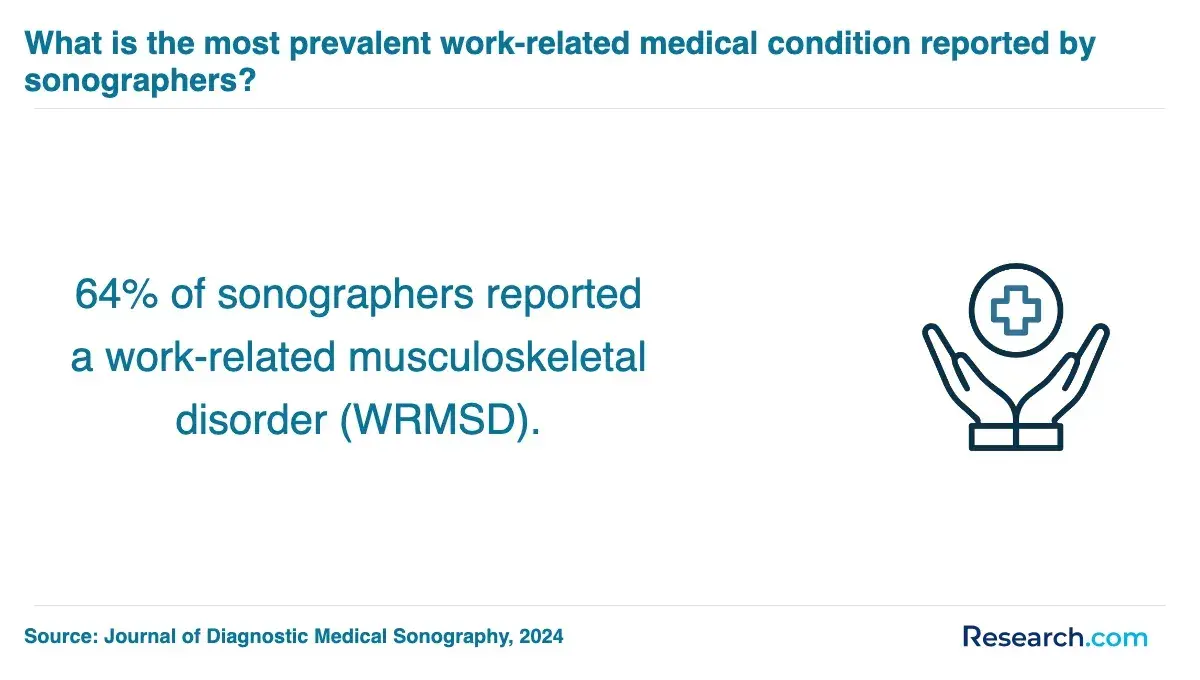
- Physical Strain and Ergonomics: Repetitive scanning motions and long hours can cause musculoskeletal injuries, making physical wellness a critical concern for technicians.
- Emotional Stress: Dealing with sensitive medical situations frequently tests sonographers’ emotional resilience, especially in obstetrics and oncology settings.
- Workload and Staffing Shortages: Balancing heavy caseloads with limited support often leads to increased pressure and the risk of burnout in busy Ohio facilities.
- Certification and Continuing Education Requirements: Technicians must continuously update credentials while managing demanding work schedules, adding to job stress.
- Technology Adaptation: Staying proficient with rapidly advancing ultrasound equipment and digital systems requires ongoing training and flexibility.
- Job Market Competition: Regional variations in demand mean some areas have intense competition, with employers valuing advanced degrees and multiple certifications.
Understanding these factors allows ultrasound technicians in Ohio to develop strategies for career longevity and growth, including exploring options highlighted in the ranking of most affordable online associates degrees in radiology.
What are the opportunities for continuing education and professional development for ultrasound technicians in Ohio?
Staying current with advancements in medical imaging is essential for maintaining certification and enhancing clinical expertise. Accredited continuing education programs offer focused workshops, online modules, and seminars that update practitioners on emerging technologies and industry best practices. Such programs also help meet certification maintenance requirements while expanding areas of clinical competency. In addition, professional conferences and peer-led sessions provide platforms for knowledge exchange and networking with experts in the field. For those seeking to diversify skills beyond ultrasound, additional training pathways provide an avenue for career enrichment; see how to become a radiology technician in Ohio for further guidance.
What essential soft skills contribute to success as an ultrasound technician in Ohio?
Ultrasound technicians not only rely on technical prowess but also benefit significantly from effective soft skills that enhance patient care and team collaboration. Core competencies such as clear communication, empathetic patient interaction, and adaptability play a critical role in minimizing patient anxiety and ensuring accurate diagnostic procedures. Practicing active listening and demonstrating compassion can facilitate smoother clinical experiences, particularly in high-pressure situations, while strong problem-solving skills enable professionals to respond efficiently to unexpected challenges in rapidly evolving healthcare settings. Aligning these interpersonal abilities with clinical expertise empowers ultrasound technicians to build trust with patients and colleagues, which ultimately advances their overall performance and career satisfaction. For those considering a broader scope of patient-centered roles, reviewing insights on how to become a nurse midwife in Ohio may offer additional perspectives on integrating soft skills in healthcare professions.
Here's What Ultrasound Technicians in Ohio Have to Say About Their Career
- Completing my ultrasound technician program at Cuyahoga Community College was a transformative experience. The hands‑on training and supportive faculty prepared me exceptionally well for my role in a local school, where I contribute to student health and wellness daily. Ohio’s emphasis on community health makes this career both rewarding and essential. I feel proud knowing that my skills help provide crucial diagnostic insights that improve young lives and foster a healthier future for our community. Angie
- Choosing to study at Sinclair Community College laid a solid foundation for my career in ultrasound technology. Working in an academic institution in Ohio, I’ve found unique opportunities to collaborate with healthcare professionals and continuously upgrade my skills. The stability and advancement potential here are incredible, especially in Ohio’s thriving healthcare education sector. This journey has deepened my commitment to professional growth and positively impacting student health services. Sonia
- My time at Columbus State Community College was not just about acquiring technical skills but also about personal growth and community connection. Ohio’s diverse environment and strong support systems for healthcare workers made it easier to navigate the challenges of starting a new career. I cherish the chance to serve the youth through education and diagnostic care, knowing each day I contribute to their well‑being and future success. This path has truly enriched my life in unexpected ways. Dex
Related Articles for Nearby States
- 2027 How to Become an Ultrasound Technician in Indiana
- 2027 How to Become an Ultrasound Technician in Kentucky
- 2027 How to Become an Ultrasound Technician in West Virginia
- 2027 How to Become an Ultrasound Technician in Pennsylvania
- 2027 How to Become an Ultrasound Technician in Michigan
- 2027 How to Become an Ultrasound Technician in Illinois
- 2027 How to Become an Ultrasound Technician in Virginia
- 2027 How to Become an Ultrasound Technician in Tennessee
- 2027 How to Become an Ultrasound Technician in North Carolina
- 2027 How to Become an Ultrasound Technician in Missouri
References:
- Carlsen, C. (2025). Is Ultrasound Technician & Diagnostic Medical Sonographer the Same? Dr. Sono.
- Diagnostic Medical Sonography Ultrasound School Info. (n.d.). Sonography Career Paths. USI
- HealthJob. (2024, December 16). How to Become an Ultrasound Technician in Ohio. healthjob.org.
- U.S. Bureau of Labor Statistics. (2025). Occupational Outlook Handbook: Diagnostic Medical Sonographers and Cardiovascular Technologists and Technicians. BLS
- Ultrasound Schools Info | Career & Education Guide. (2025). Ultrasound Technician Schools in Ohio. ultrasoundschoolsinfo.com.
- Ultrasound Technician Schools. (n.d.). The Difference Between Ultrasound and Sonography. UTS.
- Zippia. (2025). Ultrasound technologist demographics and statistics in the US. Zippia.
Other Things You Should Know About Becoming an Ultrasound Technician in Ohio
Becoming an ultrasound technician in Ohio through an online program is possible, but it requires careful consideration to ensure the program meets state and professional accreditation standards. Many reputable online programs offer the theoretical coursework virtually while requiring in-person clinical training to gain hands-on experience necessary for certification.
Since Ohio mandates certification from organizations like the American Registry for Diagnostic Medical Sonographers (ARDMS), students must complete accredited clinical hours regardless of the program’s online format. Therefore, choosing an online program with established clinical partnerships in Ohio is essential to fulfill licensing and employment requirements in the state.
To become an ultrasound technician in Ohio, it typically takes about two years. This includes completing an accredited associate degree program followed by obtaining necessary licensure or certification. Some opt for a four-year bachelor's degree, depending on their career goals.
In 2027, to become an ultrasound technician in Ohio, you need to complete an accredited diagnostic medical sonography program, typically resulting in an associate degree. Afterward, securing certification from ARDMS or a similar credentialing body is essential. These steps ensure you meet the professional standard required by most employers in Ohio.


