2027 Can a Cinematography Degree Lead to Remote Jobs?

Co-Founder and Chief Data Scientist
Remote work opportunities for Cinematography graduates have grown in recent years, driven by the industry's increasing reliance on digital workflows and collaborative software. Cinematography degrees commonly incorporate training in programs such as Adobe Premiere Pro, DaVinci Resolve, and After Effects, alongside hands-on experience in virtual editing suites and color grading labs. These technical proficiencies equip graduates to engage effectively in distributed production teams.
According to a U.S. Bureau of Labor Statistics report, over 22% of media and communication professionals now perform substantial portions of their job remotely, reflecting a notable shift in operational models. This article examines how these evolving dynamics shape career pathways for remote Cinematography roles and aids in assessing their alignment with individual professional ambitions.
Key Points About Cinematography Degrees That Lead to Remote Jobs
- Remote careers in cinematography often require advanced editing software skills and certifications; this tradeoff between time investment and employability means students must carefully balance coursework and practical experience to stand out.
- Employers increasingly value a portfolio demonstrating remote collaboration proficiency, reflecting a workforce trend towards hybrid project management that challenges traditional on-site production roles.
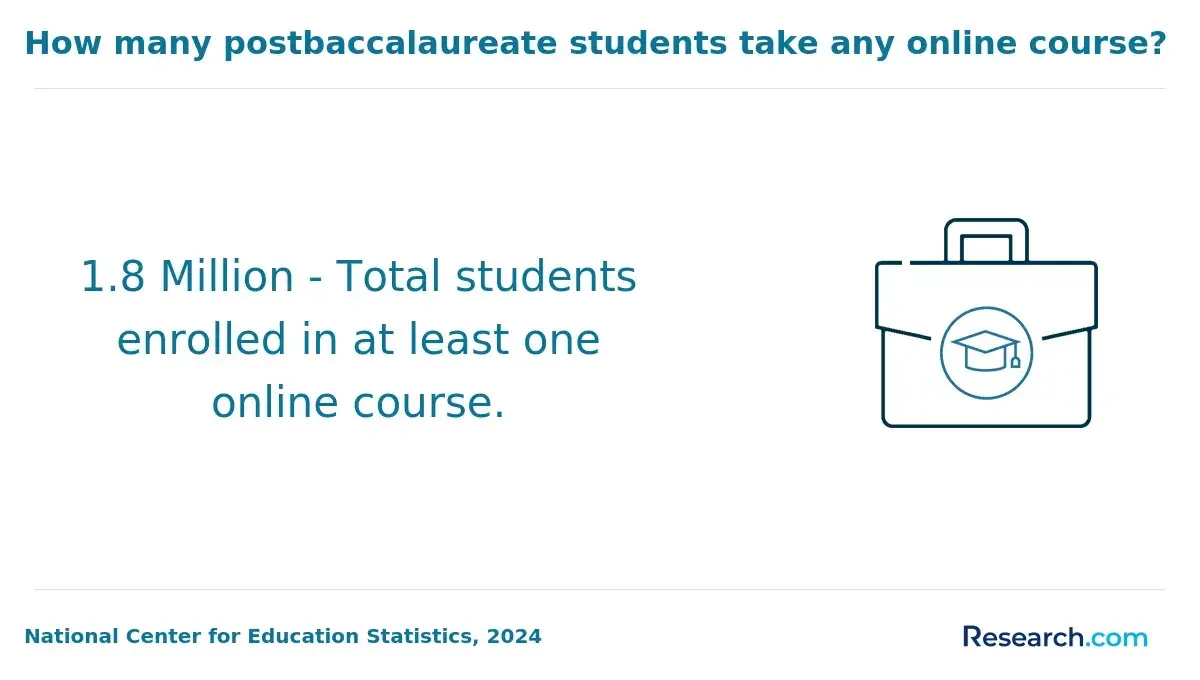
- With online education growth rising by over 12% in 2024, access to flexible learning accelerates entry into remote cinematography jobs but may delay hands-on networking crucial for long-term career advancement.
Is it possible for cinematography graduates to work remotely?
Remote work options for cinematography graduates remain limited due to the inherently hands-on and collaborative demands of on-set roles such as camera operation and lighting. These positions typically require physical presence, making full remote employment uncommon within the core cinematography functions. However, several related areas have adjusted to remote or hybrid workflows, especially those centered on post-production and digital processes.
Among viable remote or flexible roles are video editors who manage footage from diverse locations, colorists who apply digital color correction without needing to be on set, and pre-visualization artists who contribute to planning via online collaboration.
Motion graphics designers engaged in post-production also represent a segment where working remotely has become more feasible. Employers hiring for these positions expect strong self-management skills and reliable technical setups due to the distributed nature of the work.
Programs incorporating remote collaboration tools and digital workflows better equip graduates for these hybrid environments. Conversely, those seeking camera or lighting roles should anticipate limited remote opportunities and prioritize on-location work experience. Recognizing these distinctions can help graduates align their career searches with realistic remote work potential in the cinematography-related landscape.
What are the typical entry-level remote positions for new cinematography graduates?
Entry-level remote positions are available for new cinematography graduates, particularly in roles centered on digital workflows and post-production processes. These roles typically leverage foundational skills while offering remote flexibility, though they often demand strong self-management and technical proficiency.
Below are five examples of remote or hybrid roles that align with the skillset of recent graduates.
- Video Editor Assistant:This position involves supporting senior editors by organizing footage, syncing audio, and assembling rough cuts. Most tasks use editing software that supports remote collaboration, making this a common remote video editing job for cinematography graduates.
- Motion Graphics Designer Junior:Although slightly outside pure cinematography, this role suits those with an eye for storytelling who create animated elements such as titles and effects. It often requires working remotely with cloud-based tools to complement live-action footage.
- Production Coordinator (Remote/Hybrid):Focused on logistics rather than on-set duties, this role manages scheduling, communication, and digital paperwork. Because many productions incorporate virtual workflows, entry-level remote production assistant roles frequently fall into this coordinator category.
- Remote Camera Data Wrangler:With digital cameras generating large volumes of data, wranglers organize, back up, and transmit footage remotely to post teams. This role benefits from locations shooting simultaneously, enabling remote data management.
- Content Reviewer/Quality Control Assistant:These assistants evaluate footage for consistency and technical issues, a task that streaming platforms increasingly outsource. This position is remote-friendly, demanding attention to detail and secure access to review platforms.
While these positions reflect growing remote opportunities, graduates should consider how entry-level roles focused on remote video editing jobs for cinematography graduates serve as stepping stones rather than long-term career solutions alone. The hands-on experience found on physical sets remains critical for developing deeper technical and artistic skills, so balancing remote job flexibility with in-person training opportunities is advisable. For students exploring educational pathways that support remote work, examining colleges online that accept FAFSA can provide more accessible options that align with remote work ambitions.
Are there senior-level remote positions for cinematography professionals?
Senior-level remote opportunities within cinematography are uncommon for recent graduates but become more accessible as professionals develop experience and leadership skills. These positions often involve managing digital workflows or teams rather than hands-on on-set work.
Below are five senior job roles that commonly include remote or hybrid work options in this sector.
- Director of Photography (DP): Typically present during filming, senior DPs can transition to hybrid roles by overseeing shoots remotely through live video feeds and managing local crews. Their experience allows them to concentrate on creative guidance while delegating onsite responsibilities.
- Colorist: Focused on post-production, senior colorists refine footage aesthetics remotely, frequently collaborating with directors via secure file transfers and virtual meetings. This role demands high expertise in digital tools and communication.
- Visual Effects Supervisor: Integrating closely with cinematography, this role adapts well to remote collaboration by coordinating international teams through digital pipelines for pre-visualization and compositing tasks essential to modern productions.
- Post-Production Supervisor: Responsible for managing editing, sound, and effects integration, this position leverages project management software to lead teams remotely while maintaining production schedules and quality standards.
- Virtual Production Specialist: Operating at the intersection of cinematography and digital environments, specialists in virtual sets and motion capture often work remotely controlling technical setups and collaborating across time zones.
These senior remote cinematography jobs rely on strong digital literacy, communication, and leadership in virtual spaces. The tradeoff includes limited physical presence during production but offers flexibility and involvement in evolving technological workflows.
Candidates should seek to enhance skills in remote collaboration and team supervision to meet employer expectations. For those considering foundational steps toward these roles, an associate degree online can provide practical groundwork but will generally require further experience or education to qualify for senior remote positions.
Which industries hire the most remote workers with cinematography degrees?
Remote opportunities for cinematography graduates exist across several sectors that integrate video production with digital collaboration. The following industries demonstrate the highest demand for remote roles suited to those with a cinematography background:
- Streaming and Digital Content: This sector hires editors, colorists, and cinematographers to work remotely on post-production for web series, documentaries, and short films. Cloud-based editing platforms enable teams to coordinate from various locations without sacrificing quality.
- Advertising and Marketing: Agencies often contract remote professionals for video content creation including storyboarding, editing, and motion graphics. Many campaign development stages accommodate fully or partially remote workflows, aligning well with cinematography skills.
- Video Game Development: Cinematographers contribute to creating cutscenes, cinematics, and promotional videos, with remote collaboration standard due to the international makeup of studios and the digital product focus.
- Virtual Events and Webinars: As online conferences and live streams expand, skilled cinematographers are needed for remote camera work, lighting design, and streaming management, often working in hybrid settings combining onsite and remote elements.
- E-Learning and Educational Media: The surge in online education drives demand for video producers to develop instructional content. Editing and post-production tasks often permit remote work, allowing cinematography graduates to contribute from home.
While hands-on shooting roles still require physical presence, many post-production and asset management positions accept remote applicants. This shift necessitates proficiency with cloud-based tools and remote teamwork, which are increasingly integral parts of contemporary cinematography curricula. Graduates must carefully balance gaining in-person production experience with the flexibility and limitations remote work entails, shaping a skill set attuned to both environments.
How do salaries differ for remote vs on-site roles in cinematography?
Salaries for remote versus on-site roles in cinematography frequently show noticeable differences shaped by location and job nature. On-site cinematographers typically earn higher average annual salaries due to the hands-on demands of physical presence, especially within traditional film production hubs. In contrast, remote positions often reflect adjusted pay scales tied to local market rates, with workers in lower-cost areas receiving comparatively less compensation.
Employers usually apply geographic pay tiering to remote roles, leading to wage disparities that mirror regional cost-of-living variations. However, specialized remote cinematography positions-such as remote camera operation or advanced visual effects collaboration-may offer salaries competitive with on-site roles, driven by scarcity in these technical skill areas. Understanding how remote cinematography salaries compare to on-site roles requires evaluating specific subfields and employer compensation policies rather than assuming uniform pay.
Graduates should carefully research how average earnings for remote vs in-person cinematography jobs in the US vary with niche expertise and location. Flexibility offered by remote work can come with tradeoffs in compensation unless the role involves scarce capabilities. For those exploring career pathways, related fields like construction management degrees online also demonstrate how location and specialization influence salary structures, emphasizing the importance of practical market alignment in wage outcomes.
What are the common challenges of working remotely with a cinematography degree?
Common challenges include:
- Limited access to essential equipment: Cinematography professionals working remotely often face barriers obtaining industry-standard cameras, lighting, and editing tools. This restricts the ability to produce high-quality footage independently, pushing many to rent or share gear, which introduces scheduling conflicts and delays.
- Slower iterative collaboration: Remote teams struggle with the asynchronous nature of communication, undermining fast feedback cycles that are critical during production. To counteract this, remote cinematographers must adopt real-time collaboration tools and structured check-ins to maintain creative alignment.
- Heightened data security risks: Transferring sensitive raw footage and project files online exposes professionals to potential breaches or data loss. Implementing encrypted file-sharing platforms and rigorous access controls becomes essential to preserve confidentiality and integrity.
- Visibility and career recognition challenges: Without regular in-person interaction, remote cinematographers risk diminished recognition by supervisors, which can influence assignment opportunities. Intentional networking and proactive communication help maintain professional visibility.
Dependence on stable technical infrastructure: Unpredictable internet quality and hardware limitations can disrupt workflows, causing missed deadlines or compromised output. Investing in reliable technology and backup solutions is vital to sustaining productivity remotely.
When I asked a cinematography professional who graduated from an online bachelor's program about his remote work experience, he emphasized how equipment logistics remained a persistent hurdle. He mentioned, "Even with a good camera at home, I often had to coordinate rentals or borrow specialized lenses, which sometimes delayed shoots."
He also pointed out the emotional strain of missing spontaneous on-set interactions, noting that "the lack of real-time feedback left me second-guessing my creative choices more than I expected." For collaboration, he found scheduling synchronous reviews challenging across time zones, saying, "We had to be extremely disciplined with digital tools just to keep creative momentum." Despite these frustrations, he stressed that mastering cybersecurity practices was a needed skill set, as "the risk of file leaks is real and can jeopardize entire projects."
Are there certifications that can improve remote hiring outcomes for cinematography graduates?
Certifications can influence remote hiring outcomes for cinematography graduates by signaling technical skills and familiarity with industry tools that employers value, particularly in remote setups where autonomous workflow management is key.
The following certifications stand out for remote work certifications for cinematography professionals seeking roles that blend creative and digital post-production expertise.
- Adobe Certified Expert (ACE): Focused on Premiere Pro or After Effects, this certification validates competence with leading post-production software. It appeals to employers looking for candidates who can confidently manage editing workflows remotely and generally requires passing a practical exam.
- D.I.T. (Digital Imaging Technician) Certification: This credential confirms skills in managing digital workflows and complex color grading, critical for remote cinematographers who often oversee the entire production pipeline. Entry usually involves completing structured training programs emphasizing technical and creative problem-solving.
- Apple Certified Pro in Final Cut Pro: Recognized among professionals using Apple's editing suite, it demonstrates advanced proficiency useful in remote settings where versatile software skills improve job flexibility. Candidates must pass application-based assessments.
- Certified Professional Cinematographer (CPC): Offered by the American Society of Cinematographers, this certification connects candidates to industry standards and creative excellence, positioning graduates for roles demanding recognized cinematography expertise beyond software skills. Application often involves peer review and demonstrated experience.
- DaVinci Resolve Certification: Emphasizing color correction and finishing, this certification targets post-production specialization, critical in remote cinematography jobs requiring precise technical control. Candidates typically complete vendor-led training and testing.
Industry groups like the ASC and ICG set informal creative benchmarks, but software certifications usually yield higher ROI for remote roles by showcasing practical digital competencies. Graduates pursuing remote cinematography jobs should consider investing in these credentials to boost visibility.
For a deeper look into related certification pathways that support remote capabilities, exploring options like a paralegal certificate online illustrates how targeted credentials can enhance remote job prospects across fields.
How can cinematography degree students increase the chances of landing remote roles?
Success in securing remote roles for cinematography degree holders depends heavily on crafting a tailored approach that aligns with the specific demands of virtual work environments. Developing effective networking strategies for remote cinematography jobs and honing a portfolio suited for digital delivery are crucial steps.
The following actionable strategies can significantly improve candidates' chances of landing remote opportunities.
- Curate a comprehensive digital portfolio: Showcase independent projects with strong storytelling, lighting, and camera techniques using an online platform. Including in-depth project summaries and behind-the-scenes details highlights professionalism and the ability to work autonomously, traits highly valued by remote employers.
- Engage in remote-focused networks: Actively participate in remote-first job boards and creative communities on Slack or Discord. These platforms frequently share niche remote gigs and facilitate connections with industry professionals who prioritize remote collaboration.
- Demonstrate adaptability through varied projects: Present work completed under different constraints such as limited crew or tight deadlines. This signals flexibility and problem-solving skills necessary for remote production environments where resources are often limited.
- Leverage collaborative cloud tools: Use platforms like Frame.io to share work samples with transparency and ease of feedback. This approach mirrors the collaborative nature of many remote cinematography roles and streamlines communication with hiring managers.
- Prepare for asynchronous evaluation: Expect recruiters to assign independent trial tasks, such as short film edits or lighting setups, to assess both technical skills and self-management. Excelling in these tests demonstrates reliability in managing deliverables without direct supervision.
By integrating these strategies, cinematography graduates can better align their skill sets and portfolios with remote industry expectations, increasing their competitiveness. For a comparison of career paths where degree outcomes significantly affect earning potential, review insights on how much do forensic psychologists make.
How do remote cinematography roles impact long-term career trajectory and promotions?
Remote cinematography roles significantly reshape traditional promotion timelines. Without direct onsite presence, advancement depends less on informal mentorship or casual networking and more on measurable outputs and cross-time-zone collaboration. This shift can decelerate promotions compared to conventional settings where face-to-face interactions often fast-track opportunities.
Success in remote environments demands deliberate communication practices that transparently highlight progress and challenges. Employers prioritize candidates who consistently meet deadlines, coordinate effectively with geographically dispersed teams, and demonstrate leadership through digital channels rather than relying solely on technical skill.
Professionals must vigilantly seek structured feedback and expand their digital tool proficiency to remain adaptable. Networking virtually becomes essential to sustain visibility beyond immediate collaborators, counteracting the reduced spontaneous exposure common in remote setups. While this model favors self-motivation and discipline, it challenges those accustomed to advancement driven by physical presence and informal influence.
Is a remote career in cinematography sustainable for the next decade?
A fully remote career in cinematography is unlikely to be sustainable as a sole model over the next decade due to the field's inherent need for physical presence. The nature of cinematography demands hands-on work with cameras, lighting, and sets, which restricts complete reliance on remote workflows. While hybrid arrangements that combine on-site responsibilities with remote collaboration are becoming more common, roles that require full detachment from the physical production environment remain limited.
Technological advancements such as AI-assisted editing, virtual production techniques, and remote camera operation enable segments of cinematography workflows to shift online. These innovations allow remote contributors to participate in real-time rendering or post-production phases without being physically on set.
Nonetheless, many employers continue to emphasize in-person coordination to ensure creative and technical standards, particularly during principal photography and live shoots. Economic pressures encouraging flexible work arrangements may increase hybrid opportunities, but core filming roles will likely retain strong on-location elements.
Remaining competitive in cinematography requires ongoing upskilling with emerging technologies and cultivating adaptability for hybrid workflows. Networking remains essential to access roles that blend hands-on and remote capabilities and to navigate evolving employer expectations effectively.
When asked about remote career sustainability, a cinematography professional who completed an online bachelor's program noted the constant tension between convenience and necessity. He shared that "while remote editing and previsualization tasks fit well online, the reality of shooting days always called for being on location."
He described negotiating these demands as a "balancing act" that required flexible scheduling and strong communication skills. "You can't completely detach from the set if you want to deliver quality work," he emphasized, pointing out that building trust in hybrid teams took time and effort beyond just technical proficiency.
What Graduates Say About Cinematography Degrees That Lead to Remote Jobs
- Caiden: "After completing my degree in cinematography, I quickly realized that employers were placing more value on my portfolio and internship experiences than on formal licensure, which isn't typically required in this field. Landing a remote role as a video editor for a documentary production company meant I had to adapt to asynchronous workflows and frequent client feedback without face-to-face interaction. While remote work has offered me flexibility and faster entry into the workforce, I've noticed that advancement often hinges on expanding my skill set beyond traditional cinematography, such as mastering post-production software."
- Remington: "Graduating with a degree in cinematography opened doors to a remote cinematographer position with a streaming startup focused on indie films. What struck me most was that, in remote setups, the ability to collaborate virtually and deliver high-quality footage without on-set presence was a non-negotiable skill. Although remote work allows me to balance multiple projects geographically, I am cautious about the slower salary growth compared to peers working on-site, since certain high-profile gigs still require extensive networking that remote setups don't always facilitate."
- Adrian: "My degree in cinematography gave me the foundation to pivot into a remote role as a creative director for online commercial content. Early on, I struggled with the limitations of remote collaboration, especially directing shoots I couldn't physically attend, but over time I leveraged certifications in virtual production tools that employers valued highly. The hiring process was competitive, but demonstrating practical remote experience and digital communication skills helped me stand out. I've learned that while remote positions offer unique opportunities, being proactive about continuous learning is essential to navigate this evolving landscape effectively."
Other Things You Should Know About Cinematography Degrees
The practical emphasis in most cinematography degrees means students spend considerable time on-camera work, lighting setups, and in-studio exercises that are difficult to replicate remotely. Programs that lack virtual production technology or robust remote collaboration tools often leave graduates less prepared for fully remote roles. This makes it crucial to assess whether a program integrates hybrid or virtual tools early on, as it strongly influences your readiness and adaptability to remote job formats.
Given that many remote jobs in cinematography involve editing, color grading, and visual effects, programs with strong curricula in post-production software and workflows typically offer better employment leverage for remote roles. While on-set filming skills are vital, prioritizing education that balances hands-on production with advanced post-production can maximize your remote employability. Choosing a program with specialized training in post-production tools often aligns better with the remote industry's expectations and daily workflows.
Internships and fieldwork remain predominantly on-location, limiting direct experience with remote workflows. Programs that incorporate virtual internships or remote project collaborations help bridge this gap, equipping students with practical remote communication and project management experience. Without this, graduates may struggle adapting to remote team dynamics, making it advisable to target degrees emphasizing hybrid or remote internship opportunities to build relevant work habits before entering the job market.
References
- Remote Filmmaking Jobs In 2025: Join the Industry from Home https://filmlocal.com/filmmaking/remote-filmmaking-jobs-how-to-join-the-industry-from-home/
- Should Remote Workers Be Paid Less? https://figures.hr/post/should-remote-workers-be-paid-less
- Remote Film Jobs | Working Nomads https://www.workingnomads.com/remote-film-jobs
- Onsite vs Remote vs Hybrid Jobs: Salary, Pros & Cons | Blog https://www.ttecjobs.com/en/onsite-vs-remote-vs-hybrid-jobs-salary-differences-pros-and-cons
- Our Job Board https://myfirstjobinfilm.com/UK/jobs
- 5 Remote Work Communication Challenges | Calamari https://www.calamari.io/blog/communication-in-remote-work-5-difficulties-and-how-to-overcome-them
- Career Paths after M.Sc. Film and TV Production https://www.lpu.in/blog/career-paths-after-m-sc-film-and-tv-production/
- Filmmaking Certification in India – Courses, Skills & Jobs https://www.pearlacademy.com/blog/film/filmmaking-certification-programs-india-guide
- Does Remote Working Impact Career Progression? https://weworkremotely.com/does-remote-working-impact-career-progression
- Careers Archive - REEL CANADA https://reelcanada.ca/reel-opportunities/careers-in-film/