2027 Can a Management Information Systems Degree Lead to Remote Jobs?

Co-Founder and Chief Data Scientist
The surge in remote work has notably impacted roles for Management Information Systems graduates. These programs emphasize proficiencies in ERP suites like SAP and Oracle alongside hands-on experience with virtualization platforms and cloud-based project management tools, equipping students to collaborate effectively across distributed environments.
Data from the U.S. Bureau of Labor Statistics in 2024 indicates that over 40% of information systems analysts now perform some of their duties remotely, reflecting an industry-wide shift toward hybrid and fully remote models. However, achieving certifications such as PMP or ITIL often remains essential to sustain competitiveness in remote positions. This article examines how a Management Information Systems degree aligns with remote job opportunities, helping readers assess career fit and strategic preparation.
Key Points About Management Information Systems Degrees That Lead to Remote Jobs
- Data analysts, systems architects, and IT consultants dominate remote opportunities; however, practical experience through internships aligns more with in-person roles, creating a tradeoff between skill depth and telecommuting readiness.
- With cybersecurity and cloud management outsourcing growing rapidly, employers increasingly prefer candidates holding specialized certifications alongside MIS degrees, underscoring workforce demand nuances and emphasizes continuous upskilling.
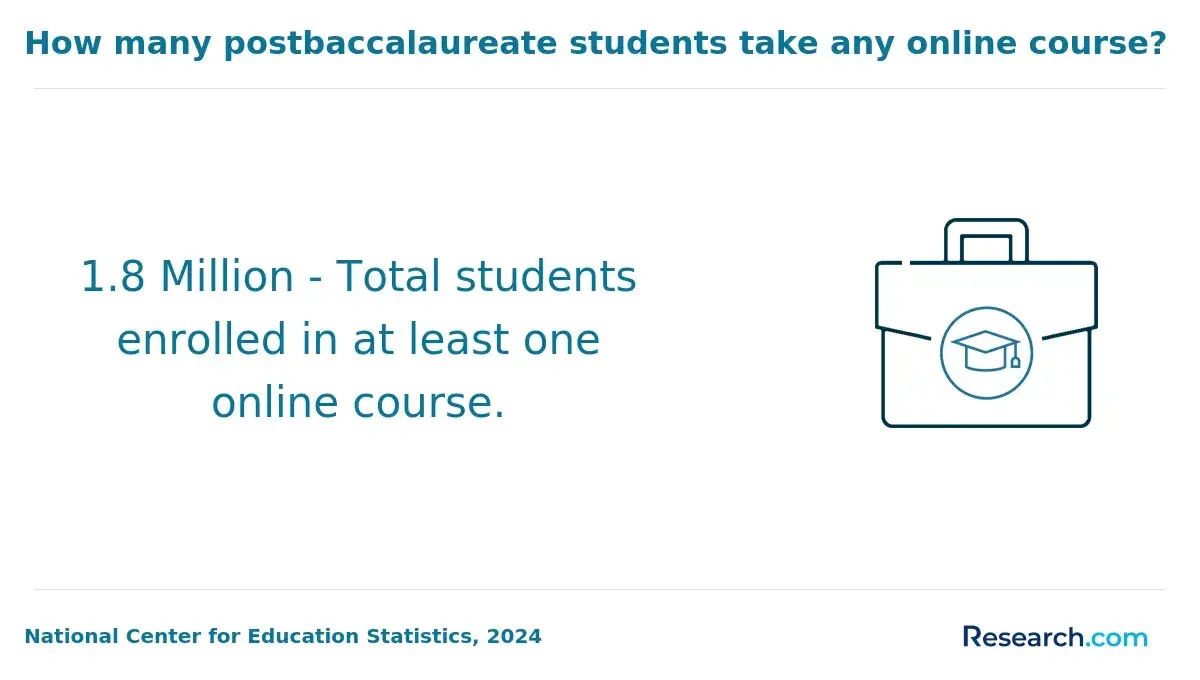
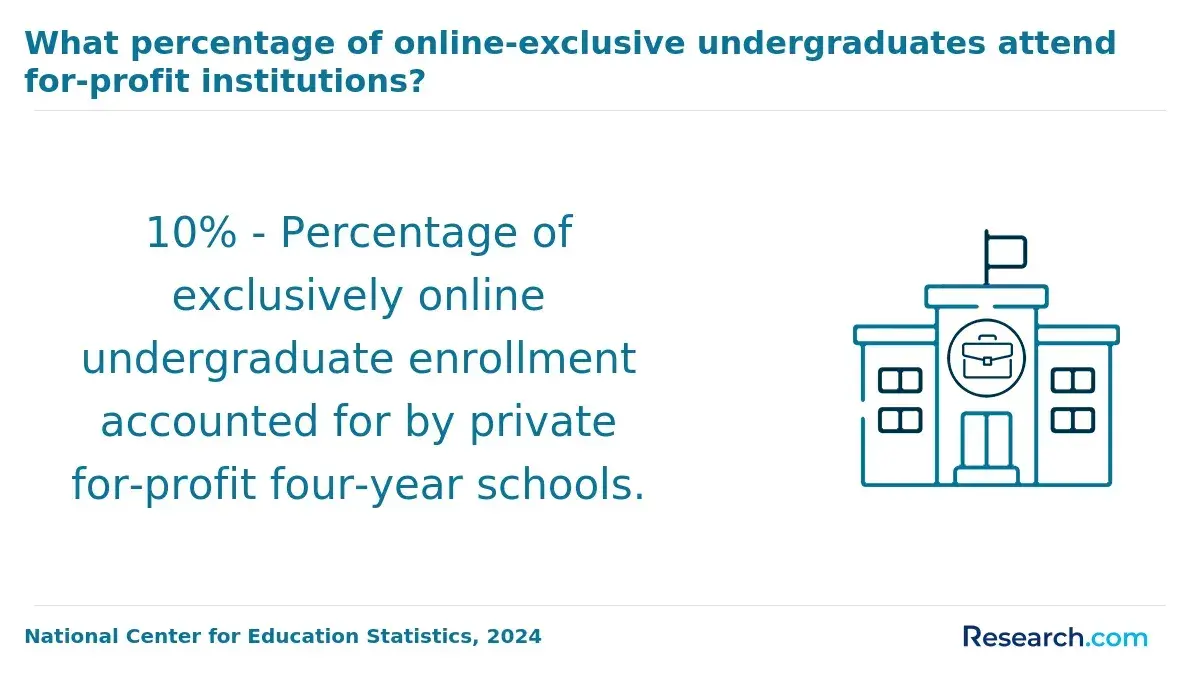
- According to the National Center for Education Statistics 2024 report, adult learners favor part-time, online MIS programs, signaling access improvements but also extending time-to-degree, which impacts early career earnings and role mobility.
Is it possible for Management Information Systems graduates to work remotely?
Graduates with a management information systems degree can access remote work opportunities, although availability varies by job focus and industry demands. Positions such as business systems analyst, IT project manager, data analyst, cybersecurity specialist, and application support analyst frequently accommodate hybrid or fully remote arrangements. These roles involve tasks like systems evaluation, database oversight, or coordinating IT projects.
Remote feasibility often hinges on factors including employer policies, security protocols, and the necessity for team interaction. For instance, cybersecurity roles may impose stricter controls on remote access due to sensitive data, whereas data analysis tends to be more adaptable. Despite the potential for remote work, some positions still require periodic onsite presence for collaboration, system maintenance, or compliance purposes.
Success in securing remote roles typically demands more than a degree alone; practical experience, proficiency with virtual collaboration platforms, and strong communication skills significantly improve employability. Management information systems graduates should weigh these operational considerations against personal preferences and the hybrid nature of many positions when evaluating remote career prospects.
What are the typical entry-level remote positions for new Management Information Systems graduates?
Entry-level remote jobs for management information systems graduates exist but often depend on roles that emphasize data handling and virtual collaboration rather than onsite infrastructure management. For those seeking remote career opportunities for management information systems students, several positions align well with such arrangements.
Below is a list of five common entry-level roles with a remote or hybrid component.
- Business Analyst: This position requires analyzing business systems and workflows to recommend improvements. Business analysts frequently work with cloud-based data and rely on virtual meetings, making remote setups viable due to their dependence on digital collaboration tools.
- IT Support Specialist: Focused on diagnosing and resolving technical issues, this role often supports users remotely through chat, phone, or remote desktop applications. Many organizations have embraced remote or hybrid helpdesk services to maximize flexibility for entry-level IT support staff.
- Data Analyst: Data analysts interpret and visualize business data to guide decision-making. Since the job involves independent use of software and databases accessible online, it accommodates remote work environments with minimal disruption.
- Systems Administrator (Junior): Traditionally an on-site role, junior systems administrators increasingly manage cloud infrastructure, conduct monitoring, and perform updates remotely. Secure access technologies and automation tools expand remote possibilities despite foundational hands-on requirements.
- Project Coordinator: Supporting project managers, coordinators track schedules, communicate progress, and facilitate team alignment. Their reliance on project management platforms and digital communication makes remote or hybrid work arrangements common in this role.
These entry-level remote jobs require a mix of technical fluency, analytical capability, and strong virtual communication skills. Employers view remote career opportunities for management information systems students as feasible when candidates demonstrate self-motivation and proficiency with digital tools.
Graduates should note that succeeding remotely demands reliable technology and disciplined work habits without direct supervision. For those evaluating further education options, exploring the cheapest doctorate degree pathways can enhance long-term versatility but may extend timelines before entering these roles.
Are there senior-level remote positions for Management Information Systems professionals?
Senior-level remote positions do exist for management information systems professionals, though entry into these roles often requires substantial experience beyond new graduates. These high-level remote management information systems careers are prevalent in sectors where digital communication and strategic oversight can be effectively conducted away from traditional offices.
Below are five senior roles that commonly offer remote or hybrid work options.
- IT Director: This leadership role involves strategic planning and managing IT system implementation and teams. Remote work is possible as this position relies heavily on digital collaboration and coordination across dispersed groups.
- Chief Information Officer (CIO): CIOs steer technology strategy aligned with business objectives, frequently working with executive leadership and external partners. Virtual communication tools often facilitate their remote interactions without sacrificing oversight.
- Senior Systems Analyst: Responsible for analyzing and improving enterprise systems, this role leverages remote access to data platforms and collaboration software to work closely with technical and business units.
- Project Manager, IT: Overseeing complex IT projects requires coordinating multi-team efforts, typically supported by cloud-based project management tools that enable hybrid or fully remote workflows.
- Data Security Manager: Focused on cybersecurity policies and risk mitigation, this role uses secure remote monitoring and communication systems to manage incident response without always being on-site.
These positions share core responsibilities such as strategic decision-making and cross-team communication that are adaptable to remote environments depending on the organization's tech infrastructure. However, occasional on-site commitments may still be necessary for sensitive meetings or infrastructure reviews.
For students or graduates exploring career paths, balancing the skill development for these roles with practical exposure to remote technologies will better position them for remote opportunities in management information systems fields. While these roles typically demand experience, remote options for senior-level positions continue to expand with evolving employer expectations and technology capabilities.
For guidance on related educational opportunities tailored to flexible formats, consider exploring CACREP-accredited counseling programs that offer insights into professional development for hybrid and remote work environments.
Which industries hire the most remote workers with Management Information Systems degrees?
Remote work opportunities for graduates with a management information systems degree exist across multiple sectors, each offering distinct roles that align differently with remote capabilities. The following industries are particularly prominent in hiring remote professionals with this expertise:
- Technology: Companies in this sector often depend on distributed teams to handle software development, data analytics, and IT infrastructure management. Remote work is practical here due to established digital collaboration tools and workflows that support continuous system updates and problem-solving.
- Financial services: Many financial institutions employ remote workers for cybersecurity, systems analysis, and risk management roles. The availability of secure communication protocols and standardized software allows these jobs to be effectively performed off-site while maintaining data integrity.
- Healthcare: While clinical roles require onsite presence, numerous IT functions related to electronic health records management, compliance auditing, and security monitoring are increasingly remote or hybrid. This shift reflects growing operational demands for around-the-clock IT support without requiring physical access to healthcare facilities.
- Retail and e-commerce: Organizations in this field utilize information systems to streamline supply chains, manage customer data, and support online sales platforms. Remote positions frequently include systems analysis, database administration, and digital marketing support, benefiting from the flexible nature of these tasks.
- Consulting: Consulting firms hire remotely for project-based assignments focused on business process analysis and implementing information systems solutions. The reduced need for constant onsite presence is facilitated by virtual client meetings and cloud-based project management tools.
While these industries showcase the most common remote roles for management information systems graduates, candidates should assess how specific job functions, employer expectations, and technological infrastructure influence the feasibility of remote work in their chosen path.
How do salaries differ for remote vs on-site roles in Management Information Systems?
Salary trends for remote jobs versus on-site positions in management information systems highlight the influence of geographic and organizational strategies. Generally, remote MIS roles offer salaries that are modestly lower than on-site jobs, frequently reflecting local cost-of-living adjustments made by employers. This regional pay differentiation means professionals in remote positions may face a 5% to 15% reduction compared to in-office counterparts.
However, these variations are closely tied to company policies and the demand for specific skill sets. The comparison of remote and on-site pay scales for management information systems professionals is further nuanced in specialized subfields. Roles such as cybersecurity analysts or data architects often receive equal or near-equal compensation regardless of remote status.
This parity stems from the scarcity of highly skilled talent and the critical need to maintain competitive salary offers. Those considering remote MIS opportunities should note that many firms implement differentiated pay structures based on practical talent retention demands rather than blanket remote salary cuts.
For students exploring remote work pathways, gaining expertise in high-demand specialties can mitigate typical salary reductions. Research into programs like cybersecurity graduate programs reflects growing employer emphasis on critical skill acquisition, which influences compensation models across remote MIS roles.
What are the common challenges of working remotely with a Management Information Systems degree?
Remote work in management information systems (MIS) roles involves specific obstacles that can hinder productivity and professional development. The nature of MIS demands timely data handling, secure environments, and close team coordination, all of which can be complicated when working outside traditional office settings.
Below are some key challenges frequently encountered and strategies to address them.
- Communication Delays and Coordination Issues: Remote teams often struggle with lagged responses and reduced informal interactions, slowing down iterative tasks and decision-making. MIS professionals can mitigate this by leveraging advanced collaboration platforms designed for real-time data sharing and scheduling regular synchronous check-ins.
- Heightened Security Risks: Handling sensitive information remotely exposes organizations to vulnerabilities from unsecured networks and inconsistent cybersecurity controls. Practitioners must enforce strict endpoint security measures and regularly audit access permissions to maintain compliance.
- Visibility and Recognition Challenges: Remote workers risk falling victim to proximity bias, where less direct interaction with supervisors results in diminished acknowledgment for contributions. Proactive status updates and documented achievements help counteract this invisibility.
- Building Trust Without Face-to-Face Contact: Developing interpersonal rapport is tougher remotely, especially in cross-functional projects. Intentional team-building exercises and transparency in communication foster mutual confidence.
- Time Zone Differences and Scheduling Conflicts: Distributed teams face hurdles coordinating workflows across varying work hours. Establishing core overlapping work periods and clear timelines can reduce bottlenecks.
Reflecting on these challenges, a management information systems professional who completed an online bachelor's program shared that the most persistent difficulty was managing trust and demonstrating value without spontaneous office interactions. He noted, "It was easy to feel disconnected from decision-makers because I wasn't in the room for quick conversations or informal updates."
He adapted by setting weekly progress summaries and using video calls to create a more personal rapport, though he admitted that some complexities of remote collaboration still felt like navigating unseen roadblocks. This firsthand experience highlights the nuanced effort required to succeed in MIS roles remotely beyond technical skills alone.
Are there certifications that can improve remote hiring outcomes for Management Information Systems graduates?
Certifications can significantly influence remote hiring outcomes for management information systems graduates by demonstrating specialized skills valued in virtual work environments. Below are five key credentials that enhance employability specifically for remote roles in this field:
- Certified Information Systems Security Professional (CISSP): CISSP verifies comprehensive knowledge in information security and risk management, critical for remote positions requiring cybersecurity oversight. Candidates must have prior work experience and pass a rigorous exam governed by (ISC)².
- Project Management Professional (PMP): PMP certifies proficiency in project leadership and processes, frequently sought by employers managing distributed teams. It requires documented project experience and passing an exam administered by the Project Management Institute.
- Certified Information Systems Auditor (CISA): CISA focuses on auditing, control, and assurance of IT systems, which supports remote governance and compliance roles. Applicants must have relevant work history and pass the ISACA exam.
- ITIL Foundation: ITIL Foundation demonstrates understanding of IT service management best practices, aiding candidates in operational roles overseeing virtual infrastructures. It is often an entry-level certification requiring completion of a foundational exam by AXELOS.
- Certified ScrumMaster (CSM): CSM targets agile team management relevant for remote project environments, adapting iterative workflows. The Scrum Alliance mandates attendance of a training course followed by a certification test.
These certifications address critical skill sets for remote work in management information systems, strengthening candidates' marketability according to hiring trends. Graduates planning remote careers should strategically select credentials aligned with their role ambitions rather than pursue all at once.
For those exploring educational pathways alongside certifications, evaluating real estate degrees online can offer context on how targeted credentials affect employability across career fields.
How can Management Information Systems degree students increase the chances of landing remote roles?
Increasing the likelihood of securing remote positions requires management information systems degree students to emphasize specific capabilities aligned with remote work demands. Below are effective strategies for management information systems remote job applications that focus on skills and approaches relevant to today's hiring practices.
- Demonstrate asynchronous project management: Employers prioritize candidates who can independently manage tasks without real-time supervision. Showing experience coordinating projects across different time zones or submitting work with clear documentation signals readiness for remote collaboration.
- Build a robust, evidence-based portfolio: Detailed case studies and documented projects that highlight problem-solving in IT systems and data integration strengthen credibility. Including repositories such as GitHub repositories or project briefs that show how digital tools facilitated collaboration underscores practical competencies.
- Engage with remote-specific professional networks: Participation in platforms like Slack groups or Discord channels tailored to IT and systems management exposes candidates to unadvertised job openings and insider advice. Active engagement can lead to referrals, often bypassing traditional application filters.
- Prepare for asynchronous assessment formats: Hiring processes for remote roles often rely on timed tasks or scenario questions submitted without live interaction. Practicing clear, concise written explanations and demonstrating independent problem-solving helps meet these evaluation criteria effectively.
- Leverage remote-first job boards strategically: Utilizing job boards designed for remote work, such as We Work Remotely and Remote OK, allows targeted access to listings suited to management information systems graduates seeking virtual positions, making the job search more efficient.
Students should weigh these strategies within realistic operational frameworks, as opportunities may require sustained remote discipline and digital communication mastery. For those exploring alternatives, related fields, such as a forensic psychology degree, demonstrate how specialized expertise can also influence remote hiring dynamics.
How do remote Management Information Systems roles impact long-term career trajectory and promotions?
Remote management information systems roles reshape career advancement by shifting emphasis from informal, in-person recognition to quantifiable outputs and documented achievements. Without physical presence, employees must rely on structured performance metrics and consistent use of digital tools to demonstrate leadership potential and initiative. Traditional office dynamics that naturally foster visibility and mentorship become less accessible.
Employers increasingly depend on project management platforms, virtual check-ins, and data dashboards to assess contributions objectively. This environment demands that remote MIS professionals proactively maintain detailed records of progress, seek targeted feedback during virtual interactions, and sustain reliability through continuous delivery. Networking also moves beyond casual encounters to deliberate virtual outreach.
Long-term growth in remote roles often ties to mastering asynchronous communication tools and embracing transparent documentation practices. Professionals who invest in timely updates and skill advancement aligned with evolving technologies position themselves more favorably for advancement.
However, the absence of spontaneous face-to-face interaction means that visibility must be earned through deliberate effort. This shows that career trajectories in remote MIS settings are contingent on a combination of disciplined self-management and adeptness in digital collaboration.
Is a remote career in Management Information Systems sustainable for the next decade?
Remote careers in management information systems remain viable due to ongoing digital transformation and flexible work models embraced by many organizations. The ability to oversee cloud infrastructure, cybersecurity protocols, and data analytics remotely reduces reliance on physical presence.
However, this sustainability hinges on navigating rapid tech shifts like artificial intelligence integration and evolving network architectures, which require continual technical upskilling and familiarity with automation tools. Employers emphasize not only technical expertise but also proficiency in remote collaboration and security management to mitigate risks that come with distributed teams.
Economic and corporate trends suggest a stable, if competitive, outlook for remote roles in management information systems. While many companies support work-from-anywhere policies, those positions often demand robust communication strategies and self-management capabilities to function effectively.
The capacity to adapt rapidly to new technologies and evolving organizational priorities is essential. Maintaining relevance in this environment involves consistent learning and proactive networking to respond to shifting demands and prevent skill obsolescence.
When asked about the long-term sustainability of a remote career in management information systems, a professional who graduated from an online MIS program described the transition as "both liberating and daunting." He noted that mastering remote team dynamics took longer than expected, requiring deliberate effort to develop trust and visibility without face-to-face contact.
"Sometimes you feel isolated, so building a network beyond immediate tasks is crucial," he said. Continuous learning felt less optional and more of a necessity for staying ahead amid constant platform updates and organizational changes.
What Graduates Say About Management Information Systems Degrees That Lead to Remote Jobs
- Armando: "Graduating with a degree in management information systems gave me the technical foundation I needed, but landing a remote role was all about showcasing real-world skills through internships and a solid portfolio. The remote setup lets me collaborate across different time zones and dive into cloud-based systems daily, though I noticed that without certifications, certain advancement opportunities remain limited in this field."
- Damien: "After completing my management information systems degree, I pivoted careers by prioritizing practical experience over licensure, which helped me secure a fully remote position in IT consulting. Working remotely has been a balancing act, requiring strong self-discipline, but it's also opened up a much wider job market without geographic constraints-something I wouldn't have accessed otherwise."
- Aiden: "My management information systems degree was crucial for breaking into a remote role, but I quickly realized employers emphasize hands-on experience and relevant certifications more than the degree itself. The flexibility of remote work has been invaluable, although staying competitive means continuously updating my skills and understanding of evolving systems to avoid stagnation in salary and career growth."
Other Things You Should Know About Management Information Systems Degrees
The design of a management information systems program can vary widely, impacting how well graduates adapt to remote roles. Programs that emphasize practical, project-based learning using current collaboration tools better prepare students for distributed teamwork environments. In contrast, curricula heavily focused on theory or outdated technologies may leave graduates underprepared for the communication and workflow dynamics common in remote settings. Prioritizing programs with integrated internships or virtual teamwork experiences can significantly enhance employability for remote positions.
While technical proficiency is foundational, many employers hiring remotely for management information systems roles prioritize soft skills such as autonomous problem-solving, time management, and digital communication. Graduates who overemphasize coding or system design without developing these behavioral competencies often face challenges in remote workflows. Balancing skill development toward effective remote collaboration tools and accountability mechanisms is critical. Failing to meet these expectations can result in limited hiring opportunities or increased early-career turnover.
Specializing through electives can differentiate candidates, but choice of focus influences remote work viability. Electives in data analytics, cloud computing, or cybersecurity align well with remote roles due to high digital deliverability. Conversely, courses heavily reliant on hardware or physical infrastructure management might constrain remote options. Prioritizing specialization in areas that emphasize cloud platforms and data-driven decision-making offers the best balance of remote job availability and career growth potential.
References
- Remote Management Information Systems Jobs https://www.virtualvocations.com/q-remote-management-information-systems-jobs.html
- What Jobs Can I Get With a Bachelor's Degree in MIS? | CSU Global https://csuglobal.edu/blog/what-jobs-can-i-get-bachelors-degree-management-information-systems
- Remote vs Hybrid vs Onsite Job Statistics in the US https://zoetalentsolutions.com/remote-vs-hybrid-vs-onsite-job-statistics-in-the-us/
- CourseCareers https://coursecareers.com/blog-posts/how-to-land-remote-job-without-experience-or-degree
- Information Technology Jobs: Onsite IT Jobs & Project Management https://itaccel.com/business/remote-vs-onsite-which-information-technology-jobs-are-thriving-in-a-hybrid-world/
- Why an Information Systems career is future-proof https://www.torrens.edu.au/stories/blog/business/why-an-information-systems-career-is-future-proof
- Remote Work Challenges & Solutions | Hire Overseas Guide https://www.hireoverseas.com/blogs/remote-work-challenges
- Computer and Information Systems Managers: Salary, career path, job outlook, education and more - RaiseMe https://www.raise.me/careers/management/computer-and-information-systems-managers/
- IT Support for Remote Teams | MCA Technology Solutions https://www.mcollins.com/how-it-support-providers-overcome-remote-working-challenges/
- What Can You Do With an Information Systems Degree? https://www.park.edu/blog/what-can-you-do-with-an-information-systems-degree/