2027 Can a Teaching Degree Lead to Remote Jobs?

Co-Founder and Chief Data Scientist
Remote work possibilities for Teaching graduates have expanded alongside the integration of specialized educational technology platforms such as Google Classroom, Zoom, and interactive whiteboard software, which are often incorporated into degree programs. These tools cultivate digital literacy and synchronous-asynchronous communication skills essential in distributed educational settings.
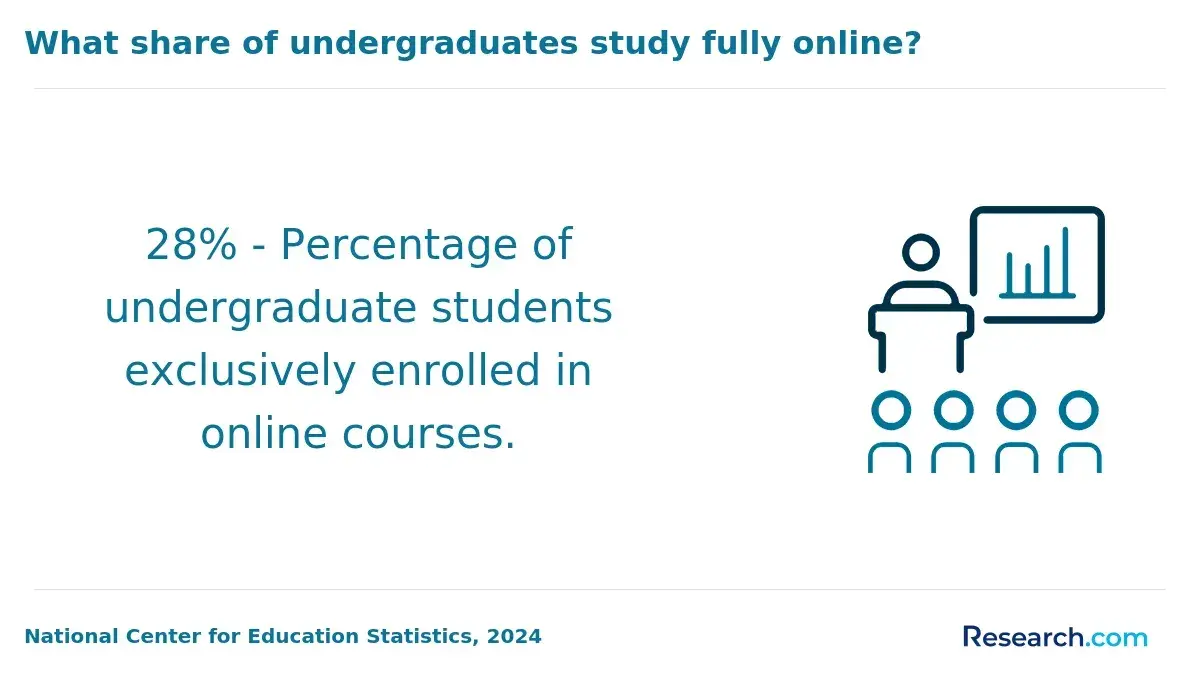
Despite licensing mandates requiring supervised practicum hours that limit fully remote entry-level roles, a recent U.S. Department of Education report finds that 28% of newly licensed teachers engage in hybrid or remote instructional models. This shift reflects evolving employer expectations and the need to balance hands-on training with virtual collaboration capacities. This article examines how teaching degrees translate into remote employment options and guides readers in assessing alignment with their career goals.
Key Points About Teaching Degrees That Lead to Remote Jobs
- Remote education roles like curriculum design and online tutoring often require specialized certifications beyond a teaching degree, limiting immediate entry but enabling higher pay and meaningful career shifts.
- Rising employer demand for digital literacy in education means graduates must gain practical tech skills; this workforce trend emphasizes ongoing learning to sustain remote teaching relevance.
- Adult learner enrollment in online teaching credentials has surged, reflecting accessibility gains; however, longer program timelines and costs challenge timely transition into remote careers, particularly for working professionals.
Is it possible for Teaching graduates to work remotely?
Teaching graduates can access remote or hybrid roles, though these opportunities represent a smaller segment compared to traditional in-person employment. The most viable remote positions often relate to online tutoring, curriculum design, educational consulting, and specialized instruction such as ESL teaching via digital platforms. These roles necessitate proficiency in virtual communication and educational technology tools, reflecting a distinct skill set beyond classroom management.
Purely remote work is uncommon for frontline teaching roles within schools due to requirements for in-person interaction and regulatory standards. Instead, hybrid arrangements that blend remote tasks with on-site presence offer a more realistic employment model. Graduates aiming to pursue remote work should strategically build competencies in instructional technology and consider niche areas where distance education delivery is more established and valued by employers.
What are the typical entry-level remote positions for new Teaching graduates?
Entry-level remote positions for new teaching graduates do exist but often require adapting traditional skills to digital platforms and non-classroom settings. These roles typically align with foundational pedagogical skills but emphasize flexibility and technological competence.
Below are five typical entry-level remote teaching jobs relevant to recent graduates seeking remote work opportunities for teaching graduates.
- Online Tutor: This role involves supporting students in specific subjects or test preparation via video calls or educational platforms. Tutors remotely personalize learning experiences by reinforcing material and clarifying concepts, making this position well-suited to graduates with strong communication skills.
- Instructional Designer (Assistant Level): New graduates may assist in developing lesson plans, multimedia content, and course materials for online education. The job is predominantly remote as it relies on collaborative digital tools and content creation rather than in-person interaction.
- Remote Educational Support Specialist: Specialists in this capacity help troubleshoot access problems, provide technical and academic support, and facilitate student engagement with virtual learning systems. This position reflects growing reliance on e-learning infrastructure and typically operates fully online.
- ESL Instructor: Graduates may teach English remotely to non-native speakers worldwide, focusing on conversational practice or structured lessons. The remote nature allows flexible schedules and expands access beyond local markets, creating global teaching opportunities.
- Curriculum Content Reviewer/Assistant: This entry-level role centers on evaluating and improving educational materials to ensure alignment with standards and clarity. It generally involves reviewing documents and providing feedback through online platforms, making physical presence unnecessary.
Many remote work opportunities for teaching graduates demand more than just pedagogical knowledge-they require strong digital communication and adaptability to evolving online tools. Those considering remote jobs should weigh the balance between flexibility and the proactive engagement needed to sustain student interaction outside conventional classrooms.
For graduates interested in expanding their skillset into technology-driven education roles, exploring additional qualifications can be beneficial; for instance, programs highlighted among the best online AI degree programs may enhance competitiveness in an increasingly digital educational landscape.
Are there senior-level remote positions for Teaching professionals?
Senior-level remote positions for teaching professionals are available but tend to require extensive experience and proven leadership, making them less accessible to new graduates. These roles focus on strategic oversight and digital coordination rather than frontline classroom duties.
Below are five senior roles commonly found in remote or hybrid educational environments:
- Online Curriculum Director: Oversees the creation and assessment of digital curricula. The role is well-suited for remote work as it involves coordinating virtually with teachers and instructional designers to maintain academic standards and program quality.
- Educational Consultant: Provides expert advice on educational policies and program implementations across districts or institutional clients. Consultants frequently operate remotely, using video conferencing to train and guide multiple clients in diverse locations.
- Instructional Designer Lead: Heads teams developing digital learning modules and assessments. Much of the design and collaboration happens online, allowing this leadership role to function effectively without in-person coordination.
- Director of Academic Technology: Manages integration of technology into learning processes. This position often entails remote collaboration with IT specialists and educators, supporting virtual or hybrid educational models and optimizing digital tools.
- Senior Education Program Manager: Directs large educational initiatives, including grants and partnerships. Remote work supports their role in liaising among multiple stakeholders and locations to ensure program goals are efficiently met.
The viability of these remote leadership roles hinges on strong expertise in instructional design, educational technology, or program management. Remote leadership roles for teaching professionals focus heavily on planning, content oversight, and digital communication. For those aiming beyond entry-level teaching, developing skills aligned with these areas improves employability.
Exploring fields associated with the highest-paying majors can offer additional insight into in-demand competencies aligned with remote education management positions.
Which industries hire the most remote workers with Teaching degrees?
Graduates with teaching degrees have access to remote job opportunities across various industries that value their instructional skills and communication expertise. Below are five key sectors offering relevant remote roles for teaching graduates.
- Educational Technology: This sector focuses on creating digital learning platforms, instructional design, and curriculum development. Remote roles typically include remote tutoring and content creation, offering flexibility and a fully distributed work environment.
- Corporate Training: Organizations increasingly deliver remote employee education and leadership development programs. Teaching graduates often take on roles as instructional specialists or training coordinators, designing and administering virtual training modules tailored to corporate needs.
- Nonprofit Sector: Many nonprofits engage teaching professionals to develop and manage virtual education initiatives, community outreach, and literacy programs. These positions often operate within hybrid or fully remote frameworks focused on advocacy and program development.
- Publishing and Content Creation: Remote opportunities exist for teaching graduates in editorial, writing, and reviewing roles related to textbooks and educational materials. This sector supports distance work given the digital nature of content production.
- Online Language Instruction: Virtual teaching and tutoring services continue to grow, leveraging technology to offer real-time language coaching and classes accessible from anywhere. These jobs remain predominantly remote due to their inherent digital delivery.
How do salaries differ for remote vs on-site roles in Teaching?
Salary comparison for remote and on-site teaching jobs reveals that positions based at physical schools generally offer moderately higher pay. This wage gap often stems from geographic pay scales that adjust compensation based on an employee's local cost of living and regional market rates. Many educational employers apply such tiered structures, resulting in remote roles attracting slightly lower average salaries than their on-site counterparts within traditional school settings.
Average remote teaching job salaries in the US, however, can vary significantly by specialization. Roles in high-demand niches like STEM education or online curriculum design frequently command salaries on par with or exceeding on-site roles, reflecting employer priorities to secure scarce expertise regardless of location. While some organizations adopt uniform pay models to foster equity across remote workers, these cases remain exceptions rather than the rule.
For candidates exploring remote opportunities with a teaching degree, considering salary patterns alongside specialization and employer strategy is essential. Understanding these dynamics helps clarify how compensation aligns with remote work policies and practical workforce distribution. For additional context on remote learning and career options, candidates may find MSW online programs a useful point of reference regarding flexible education pathways.
What are the common challenges of working remotely with a Teaching degree?
Remote work can change how professionals apply the skills and knowledge they developed during their studies. While working from home offers flexibility and convenience, it can also create challenges that are closely connected to a person’s academic background and training.
- Maintaining student engagement and participation: Remote environments limit educators' ability to perceive nonverbal feedback, complicating efforts to encourage interaction and keep learners attentive. Solutions often require strategic use of interactive technologies and structured virtual activities.
- Ensuring data privacy and security compliance: Handling sensitive student information over online platforms demands rigorous adherence to legal standards, adding administrative complexity and heightening risks if protocols lapse. Educators must collaborate closely with IT teams and stay updated on compliance policies.
- Slower communication and collaboration: Asynchronous exchanges and scheduled virtual meetings can delay feedback loops and responsiveness, impacting curriculum adjustments and learner support. Consistent communication rhythms and clear expectations help alleviate these issues.
- Increased risk of errors without direct supervision: Remote grading and assessment lack immediate oversight, raising chances of misinterpretation or mistakes. Teachers must implement thorough review processes and utilize digital tools designed for accuracy validation.
- Visibility issues due to proximity bias: Being physically absent from workplace environments may reduce recognition from supervisors, affecting evaluations and opportunities despite performance quality. Active self-advocacy and leveraging professional networks are crucial countermeasures.
A teaching professional shared his reflections after completing an online bachelor's degree in the field. He explained that "the toughest part was gauging student understanding without seeing cues in person, so much depends on tone and expressions." He also noted frustrations with delayed administrative responses to technology issues, which sometimes stalled lesson plans.
"It felt isolating at times, especially when trying to demonstrate my contributions remotely. I had to learn to highlight my work proactively, which wasn't something I originally expected." This experience underscores the need for intentional strategies to manage the unique demands of remote teaching roles.
Are there certifications that can improve remote hiring outcomes for Teaching graduates?
Certifications tailored to teaching graduates can markedly improve remote hiring outcomes by verifying specialized skills that align with virtual learning environments. The following certifications are noteworthy for enhancing employability in remote teaching roles and typically involve a mix of experience documentation, exams, or coursework.
- National Board Certification: Offered by the National Board for Professional Teaching Standards, this credential validates advanced instructional abilities and a commitment to high standards. Its rigorous portfolio submission and assessment process signals expertise valued by districts seeking remote educators with proven classroom impact.
- Google Certified Educator: Focused on technology integration, this certificate demonstrates proficiency with digital tools critical for effective remote teaching. Candidates usually complete training modules and pass exams that assess practical skills in applying technology to instruction.
- ISTE Certification: The International Society for Technology in Education provides certification emphasizing digital learning frameworks specifically aligned with online education delivery. This credential helps candidates adapt pedagogically to virtual classrooms through competency-based assessments.
- TESOL Certification: Ideal for teaching English learners remotely, the TESOL credential certifies pedagogical techniques for language instruction at a distance. It typically requires coursework and practicum components that prepare educators for global ESL roles.
- Certified Professional in Learning and Performance (CPLP): This credential blends instructional design with teaching expertise, supporting those involved in curriculum development and remote training. Applicants need a combination of experience and exam completion to demonstrate skills in learning strategy formulation.
Given the varied demands of remote teaching jobs, weighing the costs and preparation time of these certifications against targeted career benefits is critical. For graduates who want streamlined education paths, some explore accelerated online MFT programs as alternative routes to flexible careers, reflecting a broader trend toward qualifications that facilitate remote work opportunities.
How can Teaching degree students increase the chances of landing remote roles?
Securing remote roles with a teaching degree hinges on demonstrating specific skills catered to virtual environments and adapting to the unique demands of online education. These strategies provide practical avenues for teaching degree students to improve remote job prospects for teaching graduates.
- Showcase Independent Work Ability: Highlight experiences that prove you can manage tasks autonomously, such as detailed lesson plans designed for remote delivery. Demonstrating self-direction reassures employers that you can operate effectively without direct supervision.
- Create a Digital Portfolio: Develop a comprehensive online collection of case studies, recorded classroom sessions, and examples of educational technology use. This visual evidence supports your claim to remote teaching competence and helps differentiate your application.
- Engage in Remote Educator Networks: Join specialized Slack channels and LinkedIn groups focused on remote teaching. Accessing these communities offers job leads, peer support, and insight into hiring trends, which enhances your understanding of employer expectations.
- Practice Asynchronous Screening Tasks: Prepare for take-home assignments or recorded demonstrations that test time management and clarity in instruction. Excelling in these evaluations indicates your readiness to meet typical recruiter demands for remote educators.
- Focus on Communication and Tech Proficiency: Prioritize clear, concise digital communication and become confident with the common virtual teaching tools used in remote classrooms. This combination is crucial for delivering effective instruction and maintaining engagement online.
Teaching degree students should also consider ongoing development in digital skills and remain actively involved in relevant online forums to stay competitive. For more on strategically choosing educational pathways that balance affordability and career impact, resources like the affordable data science degree rankings can offer comparative insights applicable to interdisciplinary skill building in education technology fields.
How do remote Teaching roles impact long-term career trajectory and promotions?
Remote teaching shifts traditional career progress by replacing in-person visibility with measurable, data-driven indicators of performance. Without physical presence, supervisors emphasize clear deliverables, such as student outcomes, course completion rates, and innovative lesson design, to assess effectiveness. This demands that remote educators proactively document achievements and regularly engage through digital platforms for feedback and collaboration.
Promotion timelines in remote settings often lack the predictability found on-site, as advancement hinges on demonstrating sustained leadership within virtual environments. Remote teachers must excel not only in mastering instructional technologies but also in maintaining transparent communication and cultivating relationships across dispersed teams. Informal networking opportunities common in brick-and-mortar schools are less accessible, increasing reliance on deliberate mentorship and curriculum initiatives.
Success in remote teaching careers requires strong self-management and the ability to navigate less tangible pathways to advancement, balancing flexibility with heightened accountability to data and communication norms. Professionals who adapt to these dynamics better align with employer expectations and can sustain long-term growth without the traditional anchors of in-person interaction.
Is a remote career in Teaching sustainable for the next decade?
The sustainability of a remote career in teaching depends largely on how well educators adapt to technological advancements and evolving workplace expectations. Remote roles in teaching remain viable as institutions continue embracing hybrid and fully remote models to expand access and control costs. However, this trajectory is uneven across specializations and student populations; certain subjects and learners respond better to virtual environments.
Technologies like AI-driven personalized learning, advanced video conferencing, and cloud collaboration platforms reshape instructional delivery and engagement management, making proficiency in these tools crucial. Corporate and educational employers increasingly expect remote teachers to demonstrate digital fluency and strong virtual communication skills. Economic factors and shifting demand patterns also influence which remote positions persist.
When asked about the long-term outlook, a teaching professional who completed an online bachelor's reflected on the realities: "Starting remotely meant learning to balance tech glitches with student engagement, which wasn't always straightforward."
"Finding community took effort since casual hallway chats don't happen online. Keeping up with new platforms felt constant. I had to dedicate time outside work hours to stay current. It's sustainable if you're ready to evolve continuously, but isolation and tech demands are real hurdles you can't ignore."
What Graduates Say About Teaching Degrees That Lead to Remote Jobs
- Jase: "After finishing my degree in teaching, I realized that securing a traditional classroom role remotely was quite competitive, especially without full licensure. However, focusing on building a solid portfolio and obtaining additional certifications in online curriculum design helped me land a remote instructional designer position. The flexibility of remote work allows me to balance ongoing professional development with practical experience, though I'm aware that advancing into higher admin roles might require more formal credentials."
- Kyro: "Graduating with a teaching degree opened doors to remote tutoring early on, which was crucial since I wanted to enter the workforce quickly without waiting months for licensure processes. Working remotely in education tech, I noticed that employers valued hands-on experience and adaptability more than strict teaching credentials. While the salary growth has been modest, the chance to work from anywhere and shape digital courses has kept me motivated and provided a unique avenue to grow my career outside the traditional school system."
- Aaron: "My teaching degree was instrumental in transitioning to a remote role in curriculum consulting, but the path wasn't straightforward-I had to pivot after struggling to compete for licensed teaching jobs that required in-person presence. Practical internships during the program and networking helped me break into remote educational services, where I now help schools integrate new technologies. Although remote education roles often trade off some salary potential for flexibility, the experience-driven nature of the work has been rewarding and aligned with my long-term career goals."
Other Things You Should Know About Teaching Degrees
Programs that integrate digital pedagogy and virtual classroom management significantly improve graduates' preparedness for remote positions. If a degree lacks these components, students may face steep learning curves adapting to online platforms post-graduation. Prospective remote teaching professionals should prioritize programs with substantive training in e-learning tools and asynchronous instruction to align with employer expectations in virtual environments.
Traditional practicum experiences often emphasize in-person classroom management, which doesn't fully translate to remote teaching dynamics, such as student engagement at a distance or technology troubleshooting. While some remote roles allow flexibility, limited exposure to online practicum may leave graduates underprepared for critical technology demands. Choosing programs that offer hybrid or fully virtual practicums can help develop skills that employers seek in remote education settings.
Longer degree programs with advanced certifications may yield higher salaries but also delay entry into the workforce, which can be a disadvantage if remote jobs with reasonable pay are urgently needed. Conversely, shorter degrees or alternative certification routes often expedite access to remote teaching positions but might limit initial job roles and earning potential. Students aiming for immediate remote work should carefully balance the credentialing timeline against their financial needs and career goals, prioritizing program efficiency without sacrificing essential skills training.
References
- Remote Education Jobs: 10 Companies Hiring | Remote.co https://remote.co/blog/top-companies-hiring-remote-education-jobs
- Remote Teaching Jobs https://www.virtualvocations.com/q-remote-teaching-jobs.html
- Remote Education Jobs: Opportunities Beyond the Classroom | Jobs in Education https://jobsineducation.com/blog/remote-education-jobs-opportunities-beyond-the-classroom/
- Remote jobs for the Education sector | CharityJob https://www.charityjob.co.uk/jobs
- The Best Certifications for Remote Jobs in 2024 https://hubstaff.com/blog/certifications-remote-jobs/
- Remote Jobs vs Onsite Pay Comparison Guide 2025 Pro https://aciano.net/blog/remote-onsite-pay/
- Remote Education Jobs https://www.workingnomads.com/remote-education-jobs
- Top 5 Courses For Former Teachers Transition Into New Careers https://www.leaveteaching.org/post/coursesforformerteachers
- A look at career development in education: teaching career advice and progression pathways for educators https://www.teacheractive.com/media-post/a-look-at-career-development-in-education
- Job for Former Teachers: Remote & Non-Teaching Roles https://teachertransition.com/post/jobs-for-former-teachers