
2027 How to Compare Teaching Degree Programs Effectively

Co-Founder and Chief Data Scientist
Choosing a teaching degree program without a clear comparison can lead to mismatched expectations and costly delays in entering the workforce. For example, candidates might enroll in programs that lack required state certification pathways or practical student-teaching experiences. According to the National Center for Education Statistics, nearly 20% of newly certified teachers leave the profession within the first five years, often citing inadequate preparation.
This article examines key factors like accreditation, curriculum focus, program flexibility, and fieldwork opportunities to help prospective students identify teaching degrees that align with their professional goals and financial realities.
Key Benefits of Comparing Teaching Degree Programs Effectively
- Verify program accreditation to ensure credibility and eligibility for certification; about 85% of employers prefer candidates from accredited teaching programs.
- Assess curriculum alignment with your career goals, focusing on specialization options like special education or STEM to match workforce demand.
- Consider cost relative to career outcomes; graduates from high-return programs often see salary increases of up to 20% within five years.
What types of accreditation should a teaching degree program have?
Accreditation plays a vital role in helping prospective students evaluate the quality, credibility, and long-term value of different teaching degree programs. Over 90% of employers prefer candidates who graduated from accredited institutions, underscoring the importance of recognized standards when choosing a program. The following are key accreditation types to consider when comparing teaching degree programs.
- Regional Accreditation: This accreditation is awarded to entire institutions by one of six nationally recognized regional agencies. It ensures the school meets high academic standards, facilitates credit transfers, and qualifies students for federal financial aid, benefiting those prioritizing credit mobility and funding.
- Programmatic Accreditation: Focused on teaching degrees, agencies like the Council for the Accreditation of Educator Preparation (CAEP) assess teacher preparation curriculum alignment with current K-12 education standards and licensure requirements. This accreditation assures employers and licensing bodies of the program's relevance and rigor.
- State Education Department Approval: Required in many states, this approval certifies that the program meets specific state certification criteria. It is crucial for graduates intending to teach within a state that mandates such authorization for licensure.
For those balancing career changes or exploring options such as the most affordable online MBA, confirming appropriate accreditation ensures program legitimacy and supports successful licensure. Prioritizing these teaching degree program accreditation standards protects students from challenges like transferring credits, obtaining financial aid, and gaining employer trust.
What specializations are offered in teaching degree programs?
Specializations in teaching degree programs enable prospective students to compare and select options that best align with their career goals and academic interests. The U.S. Bureau of Labor Statistics projects a 10% job growth for special education teachers from 2022 to 2032, reflecting growing demand in that field. Below are some common specializations to consider when evaluating teaching degree program specializations available in the United States.
- Elementary Education: Focuses on foundational skills in literacy, math, and classroom management for young learners. This specialization prepares teachers to support early academic growth and social development in elementary school settings.
- Secondary Education: Prepares educators to instruct specific subjects such as math, science, or English at middle and high school levels. It emphasizes subject expertise and adolescent developmental psychology.
- Special Education: Emphasizes strategies for teaching students with disabilities through individualized learning plans and adaptive communication techniques. This specialization is critical for addressing diverse learner needs and is in high employer demand.
- Early Childhood Education: Centers on cognitive and social development for children from birth to age eight, including skills in child psychology, early intervention, and activity planning. This path is ideal for careers in preschool or childcare settings.
- TESOL (Teaching English to Speakers of Other Languages): Focuses on language acquisition and cultural sensitivity for non-native English speakers. Graduates can meet increasing demand for qualified teachers in diverse and multilingual classrooms.
When exploring programs, consider how these best specialization options for teaching degrees align with your goals and the labor market. For those seeking flexible study options, research online business degree programs accredited schools since some also offer teaching-related tracks or combined education credentials tailored for busy professionals.
How can you compare courses across teaching degree programs?
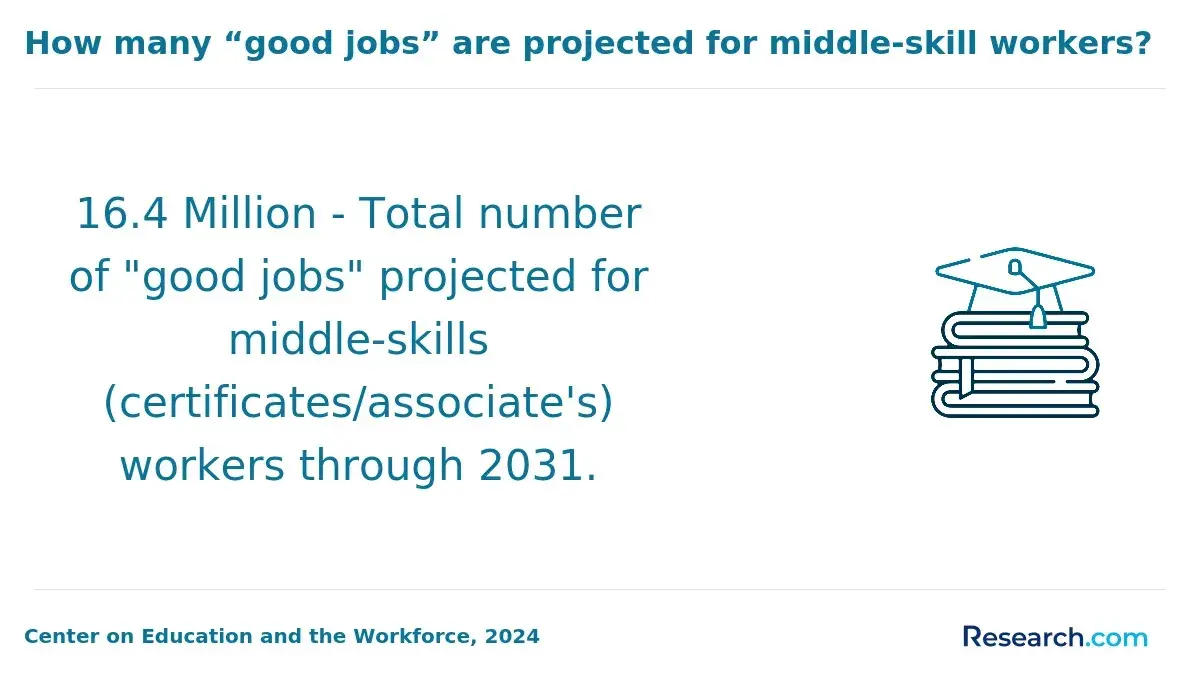
Comparing courses across teaching degree programs is crucial for prospective students to evaluate program rigor, skill development opportunities, and how well the curriculum aligns with their career goals. Research indicates that programs with comprehensive curricula can have course completion rates up to 15% higher, reflecting stronger student engagement and support. To effectively compare teaching degree program curricula, consider these practical strategies:
- Reviewing Course Descriptions: This offers insight into the depth and focus areas of each program, helping you assess how specialized and comprehensive the curriculum is in relation to your specific interests.
- Evaluating Credit Hours and Workload: Comparing credit hours per course helps estimate the time commitment required, allowing students to gauge the academic demands and ensure they fit within flexible scheduling options in teaching degrees.
- Checking for Skill-Based Assessments: Programs that emphasize practical teaching methods or classroom management prepare students with applicable skills needed for real-world classrooms.
- Analyzing Alignment with Certification Requirements: Courses designed to prepare for state or national certification exams ensure the program supports your professional objectives and licensure paths.
- Exploring Elective Options: Flexible electives broaden knowledge in areas such as special education or educational technology, enabling students to tailor the program to their unique interests and career goals.
For students considering interdisciplinary options, exploring fields related to education such as psychology may also be beneficial. To learn more about affordable and flexible alternatives, check out this resource on a psychology degree online that complements many teaching career paths.
What scheduling options are available in teaching degree programs?
Flexible scheduling is a crucial consideration for students comparing teaching degree programs because it helps balance education with personal and professional responsibilities. Various formats allow for different levels of accessibility and convenience. Here are some common scheduling options to keep in mind:
- Daytime Classes: Scheduled during weekday hours, these courses suit traditional students who prefer a structured, in-person learning environment. They provide consistent contact with instructors and peers, which can enhance engagement and support.
- Evening or Weekend Classes: Designed to accommodate working professionals or those with daytime obligations, these options offer classes outside regular business hours. This flexibility helps students continue their education without interrupting their work or family life.
- Fully Online Programs: Often asynchronous, these allow students to access lectures and assignments anytime, fitting study into unpredictable or busy schedules. This format is ideal for those needing maximum control over when and where they learn.
- Hybrid Schedules: Combining online coursework with occasional on-campus sessions, hybrid models provide both flexibility and face-to-face interaction. They appeal to students seeking a balance of independent study and direct engagement with instructors and peers.
Choosing a program with appropriate scheduling options can significantly impact a student's ability to maintain steady progress while managing other areas of life effectively.
What are the pros and cons of online vs campus-based teaching degrees?
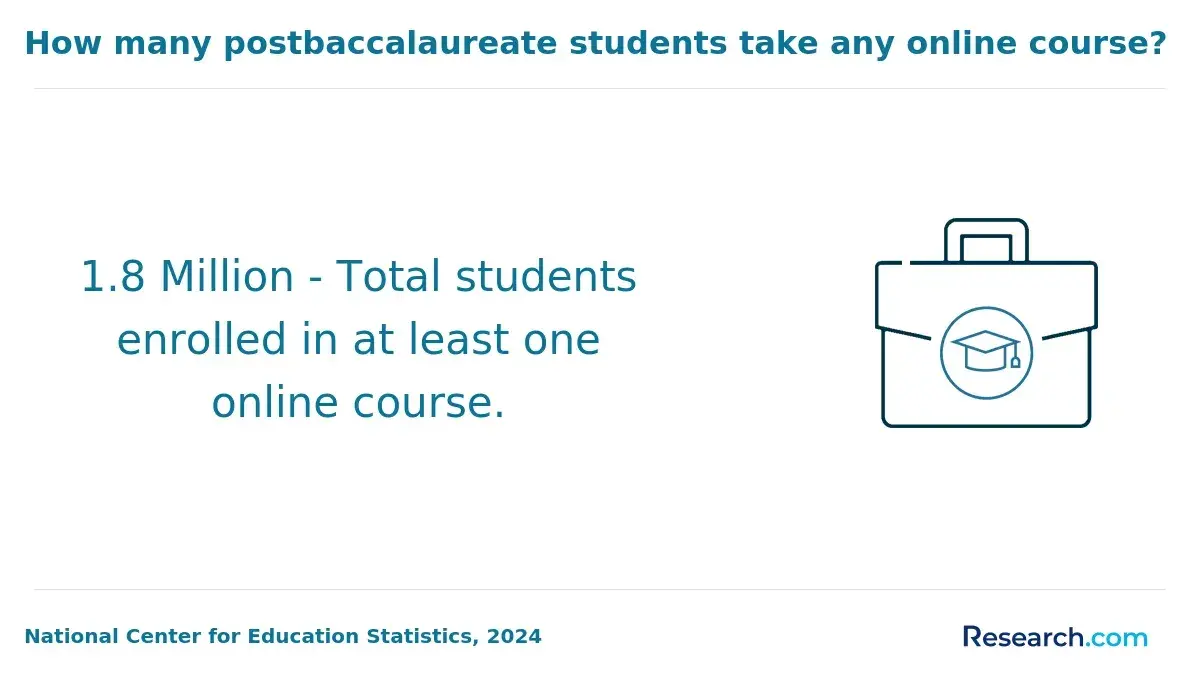
Choosing the right delivery format is vital when comparing teaching degree options, as it impacts flexibility, engagement, and overall effectiveness. In 2020, about 35% of U.S. undergraduates enrolled in at least one online class, signaling a shift toward more flexible learning methods. Below is a detailed comparison of online versus campus-based teaching degrees.
Online Teaching Degrees
- Flexible Scheduling: Online programs allow students to balance studies with work and family commitments, offering access to coursework anytime and anywhere.
- Cost Efficiency: Eliminating commuting and housing expenses makes these degrees often more affordable, easing financial burdens.
- Limited Interaction: Reduced face-to-face engagement can restrict networking opportunities and lessen collaborative learning, which may affect professional relationships.
Campus-Based Teaching Degrees
- Structured Environment: Physical presence creates rich opportunities for direct interaction with instructors and peers, enhancing discussion and hands-on activities.
- Networking Advantages: Immediate access to campus resources and events fosters stronger professional connections important for career development.
- Scheduling Constraints: Fixed class times and commuting can make it challenging for students managing jobs or families, sometimes increasing costs.
When asked about his experience, a graduate who completed an online teaching degree shared how he weighed these factors carefully. "I spent hours researching programs to find the best fit," he recalled. "Managing time was tough at first, especially juggling work, but the flexibility was unbeatable."
He also noted that building connections required extra effort since it wasn't as natural as in a classroom setting. "I missed the spontaneous conversations on campus, but joining virtual study groups helped bridge that gap." His process highlighted how the decision often depends on balancing personal responsibilities with educational goals.
How do GPA requirements vary among teaching degree programs?
GPA requirements serve as a crucial benchmark for evaluating teaching degree programs, reflecting varying academic standards that affect admission eligibility. Below is an overview of key factors demonstrating how GPA criteria differ across programs.
- Variability in Standards: GPA minimums often range from about 2.5 to 3.5 on a 4.0 scale, depending on how competitive or academically rigorous a program is. This range influences applicant eligibility and overall selectivity.
- Holistic Admissions: Many programs adopt a broader review process, considering factors beyond GPA, such as relevant experience, letters of recommendation, and personal statements. This approach can provide opportunities for those with lower GPAs but strong overall profiles.
- Program Type Differences: Traditional four-year degrees generally require higher GPAs reflecting rigorous coursework, whereas alternative certification or accelerated options might accept lower GPAs, focusing more on practical skills and experience.
- GPA Flexibility: Some institutions permit grade forgiveness or accept post-baccalaureate coursework to help applicants improve their academic standing. This policy offers a pathway to strengthen qualifications despite previous academic challenges.
How can you compare tuition across teaching degree programs?
Tuition comparison is a vital step for prospective students selecting a teaching degree program, as costs can vary widely and significantly impact long-term financial outcomes. In 2021, graduate students in the U.S. carried an average debt load of around $66,000, underscoring the need for careful tuition evaluation. Here are key factors to consider when comparing programs:
- Total Cost: Look beyond base tuition to include mandatory fees, material expenses, and any technology surcharges. Understanding the full program cost helps avoid unexpected charges that inflate the overall expense.
- Cost Per Credit: Comparing the price of individual credit hours clarifies affordability, especially for part-time students or those transferring credit. Some programs may offer discounted rates for additional credits or transfer students.
- Financial Aid: Explore scholarships, grants, and institutional aid that reduce out-of-pocket payments. Employer tuition benefits can also lower costs, so verify eligibility for tuition reimbursement programs.
- Program Duration and Value: Consider how the length of the program and graduation timelines affect total costs and earning potential. Programs with higher upfront expenses might deliver better job placement rates or salary prospects over time.
When I spoke with a graduate who completed a teaching degree recently, she reflected on her tuition comparison process: "I initially felt overwhelmed sorting through all the costs and fees. It wasn't just about tuition-it was the extra lab fees and books that caught me off guard. I ended up making spreadsheets comparing cost per credit and factoring in the aid I qualified for.
What really helped was talking to alumni who shared how their debt influenced their career choices. In the end, choosing a program felt less daunting because I balanced financial realities with where I saw myself working. It was about more than just numbers; I had to feel confident that the investment was worth the future opportunities."
Does a teaching degree meet licensure requirements?
Aligning a teaching degree with licensure requirements is essential for students aiming to enter regulated professions or transition careers, as about 20% of U.S. jobs demand professional certification or licensing. Key factors to assess when comparing programs include:
- Curriculum Alignment: Confirm that courses meet your state's specific licensure criteria, often involving pedagogy, classroom management, and subject mastery to prepare candidates effectively for teaching roles.
- Accreditation Standards: Choose programs accredited by recognized organizations like CAEP, which help ensure the program complies with national standards and supports licensure eligibility.
- State-Specific Requirements: Licensing criteria vary widely; some states mandate certain practicum hours or supervised clinical experiences within local schools to qualify for licensure exams.
- Supervised Experience: Adequate hands-on teaching practice under supervision is crucial, as insufficient experience can prevent eligibility for licensure exams or classroom assignments.
- Exam Eligibility: Verify whether the program offers preparation for required licensing exams such as the Praxis series, or meets prerequisites allowing exam registration without extra coursework.
Which teaching programs have the best career placement rates?
Career placement rates are a vital metric when comparing teaching degree programs because they reveal how effectively graduates are transitioning into employment. For instance, about 85% of graduates from highest ranked teaching programs for career placement secure teaching positions within one year, underscoring the importance of outcome data. Below are key factors to consider when evaluating programs for their career placement success.
- Published Outcome Data: Prospective students should seek programs that provide transparent graduate employment statistics. Reliable numbers on graduate employment and retention rates help verify how well the program supports career readiness.
- Employer Partnerships: Strong connections with local school districts and educational organizations facilitate internship opportunities and hiring pipelines. These partnerships often indicate a program's ability to place graduates in relevant teaching roles.
- Internship Pipelines: Internship experiences serve as practical training grounds and help students build networks that improve hiring prospects. Programs with established internship arrangements typically offer smoother transitions into the job market.
- Alumni Outcomes: Examining the success of alumni helps reveal the long-term reputation and influence of a program. Graduates who thrive professionally demonstrate the program's effectiveness in preparing educators for the workforce.
- Career Support Services: Resume workshops, job fairs, and interview preparation are critical complements to academic training. Strong support services have a meaningful impact on those seeking teaching degree programs with top graduate employment rates.
Students interested in advancing through flexible and recognized pathways may also explore online PhD programs in organizational leadership as part of their broader educational goals.
How do salaries compare across teaching degree program graduates?
Post-graduation salary outcomes offer critical insight for prospective students looking to compare teaching degree programs, helping them make informed decisions based on financial return and career goals. The average salary for teaching degree graduates across the United States is approximately $52,000 per year, though this can vary widely depending on multiple factors. Below are key considerations impacting earnings:
- Role Type: Entry-level teachers in public elementary and secondary schools typically earn between $40,000 and $50,000 annually, whereas those advancing into specialized roles like educational administrators or instructional coordinators may earn from $60,000 to $90,000.
- Industry Segment: Salaries differ between public schools, private institutions, and educational services, with public school teachers often receiving different compensation packages compared to those in private or specialized educational environments.
- Geographic Region: Location greatly affects salary; urban areas and states with higher living costs generally offer better pay than rural regions. This geographic variance is a major component of the average earnings of teaching program alumni by region.
- Experience and Education: More experienced educators with advanced certifications or degrees tend to command higher salaries, often exceeding $70,000 annually as they move beyond entry-level positions.
Some students also consider associate's degree options as a cost-effective starting point on this career path before pursuing advanced qualifications.
What Graduates Say About Comparing Teaching Degree Programs Effectively
- Hailey: "Before enrolling in a teaching degree program, I constantly weighed the financial investment against potential career growth. Considering that the average cost of attendance was moderate compared to other degrees, the affordability helped me decide. Completing the program not only equipped me with essential skills but also boosted my confidence and job prospects significantly."
- Ava: "Choosing a teaching degree was a thoughtful decision, especially after I researched costs and outcomes. The relatively lower tuition fees made it a practical option for someone like me who had budget constraints. Reflecting on my journey now, the degree has opened doors to roles I had only dreamed of, proving that cost-effective education can yield powerful results."
- Lucia: "Professionally, the teaching degree has transformed my career trajectory in ways I didn't anticipate, largely due to its value proposition. I was hesitant at first due to concerns about expense, but discovering that the average cost was reasonable compared to other professions reassured me. The comprehensive training enriched my expertise and significantly enhanced my professional credibility. "
Other Things You Should Know About Teaching Degrees
Graduation requirements for teaching degree programs vary but typically include completing a set number of credit hours, field experiences like student teaching, and passing state-mandated exams. It is important to verify if the program requires a capstone project or portfolio submission, as these demonstrate practical competence. Ensure the requirements align with your professional goals and state licensure needs.
Many states require additional certifications beyond the degree itself, such as subject-specific endorsements or ESL credentials, depending on the teaching focus. Some programs integrate these certifications into their curriculum, while others require separate courses or exams. Make sure the program you choose prepares you adequately for any supplementary credentials necessary in your desired teaching environment.
In 2027, evaluating teaching degree programs involves reviewing articulation agreements, ensuring credits transfer smoothly between institutions. Verify if there’s support for transitioning students and if the programs accommodate past learning experiences, maximizing fulfilled credits.
References
- Choose Your Teacher Training https://www.teach.org/become/programs
- The 10 Highest Paying Jobs With a Teaching Degree [Quiz] https://www.umassglobal.edu/blog-news/highest-paying-jobs-with-a-teaching-degree
- Complete Guide to Teaching Degrees | All Education Schools https://www.alleducationschools.com/teaching-degrees/
- Is there a minimum GPA required to apply to the program? – NYC Teaching Fellows - Support Center https://nycteachingfellows.zendesk.com/hc/en-us/articles/21947979020059-Is-there-a-minimum-GPA-required-to-apply-to-the-program
- 65 Teaching and Education Statistics for 2025 | NU https://www.nu.edu/blog/education-statistics/
- Teaching License Requirements: What You Need to Know in 2025 https://www.teachersoftomorrow.org/blog/insights/teaching-license-requirements/
- How To Choose Between Online Vs. Traditional Education Programs | PLNU https://www.pointloma.edu/resources/accelerated-undergraduate/how-choose-between-online-vs-traditional-education-programs
- Steps to Become a Certified Teacher in Texas - Region 4 https://esc4.net/itx-teachersteps/
- 25+ Shocking Teacher Jobs Statistics Revealed! https://crowncounseling.com/statistics/teacher-jobs/
- Facts and Data - Get the Facts Out https://getthefactsout.org/facts-and-data/


