
2027 What Job Postings Reveal About Teaching Careers: Skills, Degrees, and Experience Employers Want

Co-Founder and Chief Data Scientist
What do employers really seek in teaching candidates beyond a degree? Job postings offer direct insights into evolving demands. Recent graduates or career changers often face the challenge of aligning their qualifications with these expectations. Approximately 65% of teaching positions now require specific classroom management skills alongside certification. Such trends suggest that hands-on experience and targeted competencies are as vital as formal education. By examining teaching job advertisements, this article uncovers the essential skills, degrees, and experience that employers prioritize. Understanding these factors can guide candidates to better prepare for a competitive teaching job market and increase their success rate.
Key Things to Know About Skills, Degrees, and Experience Employers Want
- Employers prioritize strong communication, classroom management, and subject-specific skills, with over 70% of job postings emphasizing these competencies.
- Most roles require at least a bachelor's degree in teaching or education-related fields, alongside 1-3 years of practical experience.
- Analyzing postings reveals a trend toward candidates demonstrating both formal qualifications and hands-on experience, guiding realistic career preparation strategies.
What Do Job Postings Say About Teaching Careers?
Job postings for teaching careers closely mirror the practical expectations employers have for educators, highlighting foundational requirements such as relevant degrees or subject-specific certifications. Experience levels demanded can vary significantly, with entry-level positions typically seeking some classroom exposure while advanced roles require several years of proven success.
Key skills like communication, classroom management, and adaptability frequently appear as prerequisites, reflecting their importance in handling diverse student needs. Notably, research indicates that around 65% of teaching job postings emphasize both educational credentials and interpersonal skills, showing the balanced demand for academic knowledge and soft skills.
Patterns across job postings reveal a consistent emphasis on formal qualifications, though specifics may shift depending on the role or specialization, such as STEM or special education. Employers also prioritize candidates who demonstrate problem-solving abilities and familiarity with digital tools, aligning with growing trends toward technology integration in education.
Despite variations, there is a steady expectation for educators to collaborate effectively and positively contribute to school culture. These insights underscore a multidimensional approach to hiring that values both specialized expertise and broad professional competencies.
What Skills Are Most Requested in Teaching Job Postings?
Job postings in teaching consistently highlight a core set of skills that reflect the evolving needs of educational environments. Nearly 85% of teaching job listings from a 2023 analysis mentioned communication skills as essential, showing how critical these abilities are for success. These trends illustrate the top skills employers seek in teaching careers today.
The following list outlines the most in-demand teaching skills in job postings with explanations on why these competencies continue to shape hiring priorities.
- Effective Communication: Communicating complex information clearly and adapting messaging to diverse student needs is vital. This skill not only supports lesson delivery but also fosters positive interactions with students, parents, and colleagues.
- Classroom Management: Employers look for teachers who can maintain organized, respectful, and productive learning environments. Strong classroom management minimizes disruptions and enhances student focus, which is key to effective instruction.
- Instructional Planning: Designing lesson plans aligned with curriculum standards that accommodate various learning styles requires creativity and adaptability. This skill ensures teaching methods remain inclusive and effective.
- Technological Proficiency: Comfort with digital tools is increasingly important in education. Skills related to integrating technology into lessons, facilitating remote instruction, and assessing student progress are frequently requested.
- Collaboration Skills: Teaching is often a collaborative effort involving coordination with colleagues and administrators. Employers value teachers who work well within teams to improve educational outcomes.
For those exploring educational pathways, options like MSW programs online can complement teaching skills by enhancing communication and community engagement capabilities in educational settings.
What Degrees Do Employers Require for Teaching Careers?
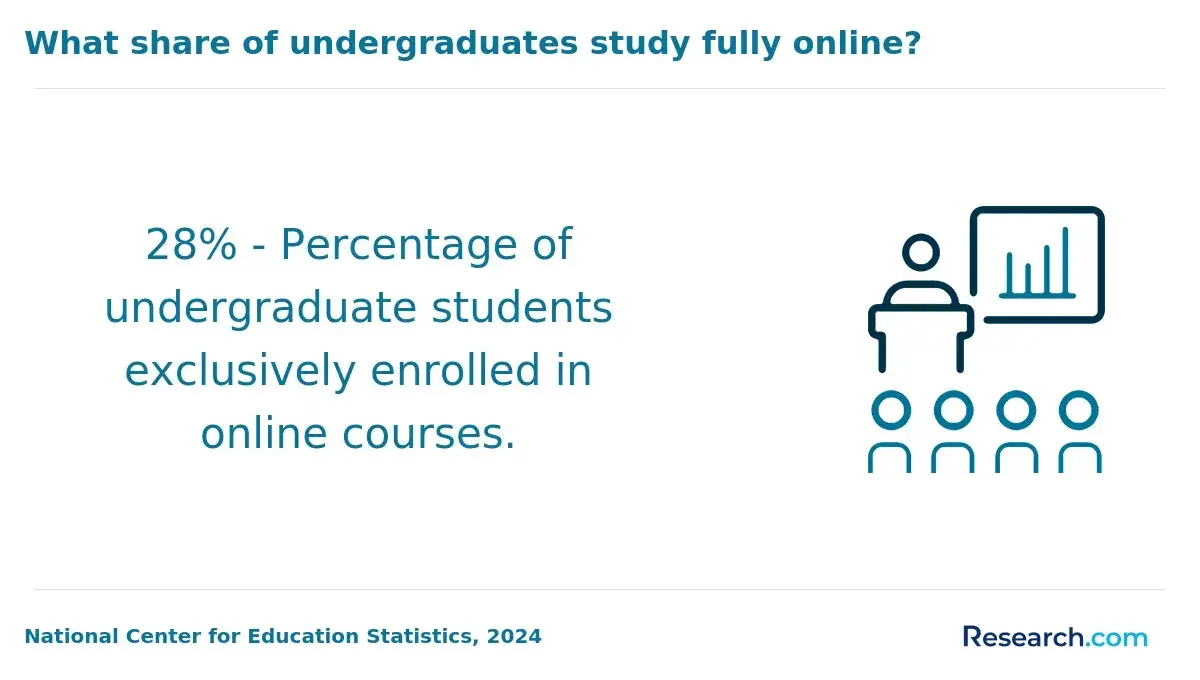
Job listings for teaching careers commonly emphasize a bachelor's degree as the baseline educational requirement, though specific demands often shift based on job complexity and sector standards. Some positions, especially those in advanced or specialized areas, may call for higher qualifications reflecting greater expertise and responsibility. Recent data from the National Center for Education Statistics reveals that nearly half of new public sector teaching roles prefer candidates with a master's degree or beyond.
Below are typical degree requirement trends found in teaching job advertisements:
- Bachelor's Degree Minimum: Entry-level teaching roles usually require a bachelor's degree, often in education or a subject-related field, ensuring candidates possess essential pedagogical knowledge and content proficiency.
- Advanced Degrees Preferred: Roles in higher education, administration, or special education frequently mandate a master's degree or doctoral credentials to address more complex teaching or leadership demands.
- Subject-Specific Credentials: Secondary and postsecondary teaching jobs tend to specify degrees aligned with particular subjects, reflecting a need for deep content expertise alongside teaching skills.
- Industry and Institution Variance: Private schools, charter institutions, and specialized STEM or language programs might ask for unique qualifications or certifications, while some early childhood posts accept associate degrees combined with relevant credentials.
In speaking with a teaching degree graduate about what employers expect, he shared that the path felt "overwhelming at times," particularly when balancing degree requirements with certification processes. He noted that while the bachelor's was crucial, "securing a master's opened doors I hadn't anticipated." The graduate also expressed that gaining subject-specific qualifications was challenging but essential, stating, "It wasn't just about having a degree; it was about proving a real commitment to teaching my specialty." This perspective highlights the practical impact of degree criteria beyond what job postings reveal.
How Much Experience Do Teaching Job Postings Require?
Teaching job postings typically list experience requirements that differ widely depending on the role's level and area of expertise. Employers rely heavily on demonstrated experience as a core criterion to ensure candidates meet the demands of specific positions. This filter helps align applicants' backgrounds with the responsibilities and complexity expected.
Common patterns of experience expectations in teaching roles include:
- Entry-Level Roles: Often require little to no prior full-time experience, with emphasis on foundational teaching skills and certifications. Some postings suggest student teaching or internships as sufficient background for these positions.
- Mid-Level Positions: Usually call for two to five years of classroom experience. Candidates should show competency in managing classrooms, developing curriculum, and may need expertise in certain subjects or grades.
- Advanced Careers: Positions like lead teacher or instructional coach typically demand over five years of experience. Strong leadership skills and proven success in improving student outcomes are common prerequisites.
- Specialized Experience: Some roles specify experience with particular grade levels, subject areas, or working with diverse or special needs populations, reflecting tailored educational requirements.
Prospective teachers considering career pathways might explore accelerated options such as a 1 year bachelor degree online, which can influence the average years of experience needed for teaching positions in the United States.
What Industries Hire Fresh Graduates With No Experience?
Many sectors actively recruit graduates with little to no professional teaching experience, prioritizing foundational knowledge and enthusiasm instead. Entry-level roles often highlight available training and supportive work settings to help newcomers build necessary skills. Data from the National Center for Education Statistics shows that around 40% of entry-level teaching jobs are filled by those with less than a year of prior experience.
The following industries typically offer accessible opportunities for fresh teaching graduates:
- Public and Private Schools: These institutions are the primary employers of new graduates, frequently focusing on relevant internships and student-teaching experiences over formal work history. Entry pathways include substitute teaching, assistant roles, or paraprofessional positions that introduce novices to classroom environments.
- Nonprofit Educational Organizations: Tutoring centers, after-school initiatives, and literacy programs often welcome graduates without experience. These roles place high value on educational passion and community involvement, offering hands-on training during employment.
- Online Education Platforms: The growing e-learning market seeks adaptable graduates to lead virtual instruction and engage learners. Many platforms emphasize communication skills and flexibility more than traditional teaching backgrounds.
- Early Childhood Education Centers: Preschools and daycare services hire recent graduates for roles supporting early learning and development. Employers usually require relevant certifications but do not mandate extensive classroom tenure.
- Corporate Training and Development: Some companies with employee education programs hire fresh graduates to assist in delivering training and supporting curriculum creation under supervision.
When asked about her own job search, a fresh graduate with a teaching degree reflected on the challenges of entering the workforce without prior experience. She described feeling uncertain at first but appreciated industries that embraced new educators willing to learn. She noted that the process involved patience and persistence, especially when finding roles where training was part of the experience. Her perspective highlighted how openness from employers and gradual skill-building opportunities made the transition from graduate to professional more manageable and encouraging.
Which Industries Require More Experience or Skills?
Some industries exhibit greater selectivity when hiring teaching professionals, demanding higher levels of experience, specialized training, or advanced skills. This pattern appears clearly in job postings, which often list more stringent qualifications and longer experience requirements. Studies show that nearly 40% of teaching positions in private and specialized sectors require more than three years of relevant experience, compared to about 25% in public education.
The following highlights industries where teaching candidates generally face elevated expectations:
- Private and Independent Schools: These schools often seek educators with in-depth subject expertise and a track record of effective classroom management. Candidates usually need several years of direct instructional experience and advanced degrees to meet these expectations.
- Healthcare Education: Teaching roles in this sector blend pedagogical skills with specific industry knowledge. Candidates are often required to hold certifications in areas like healthcare compliance or specialized medical topics, alongside practical teaching experience.
- Corporate Training: This field requires educators to adapt teaching methods to business environments, frequently demanding certifications related to software, compliance, or leadership training. Experience in both instruction and the relevant corporate sector is highly valued.
- Educational Technology Companies: Positions here prioritize candidates who combine technical proficiency with curriculum development skills. Advanced certifications in STEM fields or digital learning platforms are common prerequisites.
Overall, sectors outside general public education often require teaching professionals to demonstrate more advanced qualifications and multi-year experience. This reflects their need for specialized instruction, tailored curricula, and higher standards of expertise.
Which Credentials Are Most Valuable for Teaching Careers?
Employers rely on credentials to evaluate candidates' qualifications and readiness for teaching roles. Specific certifications, licenses, and academic degrees serve as benchmarks for foundational knowledge, subject expertise, and compliance with state regulations, influencing hiring decisions significantly.
Below are some of the most valued credentials in teaching careers as highlighted by job postings:
- Academic Degrees: A bachelor's degree in education or a subject-specific field is a fundamental requirement, demonstrating completion of relevant, rigorous study. Advanced degrees, such as a master's in education or educational leadership, indicate deeper expertise and specialization that many employers prefer.
- State Teaching Certificates: State-issued teaching licenses confirm that candidates have met specific criteria including coursework, examinations, and background checks. These credentials legally authorize individuals to teach in particular jurisdictions and reflect adherence to professional standards.
- Specialized Certifications: Credentials in areas like special education, English as a Second Language (ESL), or STEM fields reveal a candidate's ability to meet diverse student needs and support emerging curriculum priorities. Employers value these for expanding instructional capacity and addressing varied learning populations.
- Professional Endorsements: Certifications such as National Board Certification underscore ongoing professional development and teaching effectiveness. Listings featuring these credentials often reflect an employer's commitment to instructional quality and lifelong learning.
Are Salaries Negotiable Based on Experience?
Salary levels in teaching job postings often reflect a candidate's experience, education, and the complexity of the role. Employers typically list salary ranges rather than fixed amounts, allowing flexibility to adjust based on qualifications and background.
Research shows that teachers with five or more years of experience can earn between 15% to 25% more compared to entry-level educators, highlighting significant salary differences by experience level. Advanced degrees, such as EdD degrees, further influence salary offers, particularly for positions requiring specialized skills or leadership responsibilities.
The negotiability of salaries generally varies with experience, as job postings for advanced roles usually present wider pay ranges, emphasizing greater flexibility. Entry-level teaching jobs, conversely, tend to have narrower salary bands with limited room for negotiation due to more standardized pay scales, especially within public schools.
This structure reflects how experience affects salary negotiation for teaching jobs, with seasoned educators often having more leverage to secure higher compensation. Additionally, private and charter schools may offer more adaptable salary packages compared to traditional public institutions, taking into account market conditions and budget constraints.
How Can You Match Your Resume to Job Descriptions?
Job postings serve as essential guides for tailoring resumes to meet employer expectations in teaching careers. They reveal the specific skills, degrees, certifications, and experience that schools value most, enabling candidates to adjust their resumes accordingly. Studies show that approximately 75% of resumes are rejected before reaching a human recruiter, often due to misalignment with job descriptions and ineffective keyword use in applicant tracking systems (ATS).
Here are important strategies for matching your resume to teaching job descriptions:
- Interpreting Job Postings: Carefully analyze job ads to identify the key skills, certifications, and experience levels explicitly requested by employers, such as classroom management techniques or subject-specific expertise.
- Highlighting Relevant Experience: Emphasize teaching roles and achievements that closely mirror the educational settings and responsibilities emphasized in the listing, making your background immediately applicable.
- Aligning Terminology: Use the same keywords and phrasing found in job descriptions to enhance ATS compatibility and clearly demonstrate your fit for the position.
- Prioritizing Qualifications: Present required degrees, licensure, or specialized training prominently, ensuring they're easily recognized by recruiters and applicant tracking algorithms.
- Integrating Skills with Employer Needs: Matching teaching skills and experience with employer requirements helps focus your resume on what matters most for the role, improving your chances of progressing.
Additionally, continuing education such as an online finance degree can complement teaching credentials in certain educational environments, broadening career opportunities and appeal to employers.
What Should You Look for When Analyzing Job Ads?
Job advertisements provide critical insight into employer expectations within teaching careers, shedding light on the desired qualifications, skills, and experiences. Nearly 75% of teaching job postings clearly outline both required and preferred credentials, emphasizing the importance of these details for applicants. Careful review of these ads helps clarify role requirements and ensures candidates understand what schools are prioritizing.
When analyzing job offerings, consider the following key elements:
- Responsibilities: Descriptions specify day-to-day duties such as curriculum planning, classroom management, and student evaluations. These define the role's practical scope and help identify essential functions.
- Qualifications: Most ads require at least a bachelor's degree in education or a related area, sometimes favoring advanced degrees or certifications. This signals the level of formal education valued by employers.
- Experience Level: Expectations vary from entry-level to several years of teaching, often within particular subjects or student age groups. This clarifies the preferred background for each position.
- Essential Skills: Communication, classroom management, and integration of technology are frequently highlighted. Demonstrating these skills aligns with employer priorities in teaching roles.
- Specialized Credentials: Some postings request endorsements or certificates in specific fields, reflecting district or school priorities. For those considering further education, exploring an online computer science degree might complement teaching careers focused on STEM.
What Graduates Say About Skills, Degrees, and Experience Employers Want
- Jase: "As a fresh graduate, job postings have been my compass in navigating the vast world of teaching opportunities. They not only helped me identify roles that align with my credentials but also gave me a clear picture of what schools value in new teachers. Looking back, relying on these ads gave me the confidence to apply for positions I might have overlooked otherwise."
- Kyro: "With a few years of experience under my belt, I now turn to job ads to find roles where I can advance my teaching career and take on more responsibilities. These postings are a valuable resource that showcase trends and expectations in education, helping me tailor my skills and certifications to meet evolving demands. It's fascinating how these ads have influenced the path I'm carving out professionally."
- Aaron: "Throughout my professional journey in teaching, job postings have played a subtle yet powerful role. They not only reflect the shifting priorities in education but also inspire me to pursue continuous development and leadership opportunities. While it may seem like just a listing, I view each ad as a doorway to new challenges and growth."
Other Things You Should Know About Teaching Degrees
Job postings for teaching positions frequently highlight classroom management as a critical skill. Employers typically look for candidates who can maintain an organized and positive learning environment, and job ads often mention experience with behavior management techniques or the ability to foster student engagement. This signals that beyond academic knowledge, practical skills in managing diverse classrooms are essential.
Yes, teaching job postings usually specify preferred or required subject-matter expertise, especially for secondary and specialized education roles. Employers want candidates who have demonstrated mastery in the relevant academic area, which may be reflected in their degrees or prior teaching experience. This emphasis helps ensure that teachers can deliver quality instruction aligned with curriculum standards.
Many teaching job postings recognize internships or student teaching as valuable forms of practical experience. While full-time teaching experience is often preferred, successful completion of supervised teaching practice demonstrates readiness to manage classrooms and apply instructional strategies. Such experience can be a significant advantage for candidates entering the job market.
In 2027, teaching job postings increasingly emphasize ongoing professional development as a crucial component. Employers seek candidates who demonstrate commitment to lifelong learning, often specifying engagement in workshops, seminars, or courses to stay updated with educational advancements and pedagogical techniques.
References
- Teaching https://targetjobs.co.uk/careers-advice/teaching-and-education
- Explore Different Careers in Education https://www.teacher.org/careers-in-education/
- 15 Transferable Skills from Teaching (2025 Guide) | Devlin Peck https://www.devlinpeck.com/content/transferable-skills-from-teaching
- A Complete Guide to the Different Types of Teaching Careers https://straighterline.com/blog/a-complete-guide-to-the-different-types-of-teaching-jobs
- Career in education? Here’s how to find the right school job for you | Engage Education https://engage-education.com/blog/career-in-education-heres-how-to-find-the-right-school-job-for-you/
- Common Corporate Jobs for Former Teachers | DLI https://www.digitallearninginstitute.com/blog/corporate-jobs-for-teachers
- 5 Most Sought After Certifications for Educators in this Digital Age - upEducators - Helping Teachers, Educators, Tutors, Tuitions and Parents in online teaching with Technology https://www.upeducators.com/5-most-sought-after-certifications-for-educators-in-this-digital-age/
- 15+ Teacher Skills You Need On Your Resume in 2025 - City Teaching Alliance https://cityteachingalliance.org/blog/15-teacher-skills-you-need-on-your-resume-in-2025/
- Interview: Navigating the Teaching Job Market | All Education Schools https://www.alleducationschools.com/blog/teaching-job-market-teacher-interview/
- What Degree Do You Need to Be a Teacher in 2026? | UoPeople https://www.uopeople.edu/blog/what-degree-do-you-need-to-be-a-teacher/


