
2027 How to Verify Accreditation for Teaching Degree Programs

Co-Founder and Chief Data Scientist
Many prospective teachers enroll in degree programs without verifying accreditation, risking wasted time and resources on unrecognized credentials. In fact, data from the National Center for Education Statistics shows that only 62% of graduates from non-accredited teacher preparation programs find employment in their field within two years.
Accreditation ensures that programs meet rigorous academic and professional standards needed for state licensure and eligibility for federal financial aid. This article explains how to confirm the accreditation status of teaching degree programs, helping students choose credible institutions that support licensure, career advancement, and academic recognition.
Key Benefits of Accredited Teaching Degree Programs
- Accreditation ensures academic programs meet rigorous quality standards, promoting reliable teaching methodologies and curriculum excellence.
- Students attending accredited programs qualify for federal financial aid, making education more accessible and affordable.
- Employers and licensure boards often require degrees from accredited institutions, enhancing job prospects and professional certification eligibility.
What Does Accreditation Mean for Teaching Degree Programs?
Accreditation for teaching degree programs is a formal process through which authoritative bodies, such as the Council for the Accreditation of Educator Preparation (CAEP), evaluate whether programs meet established standards of quality and rigor. This evaluation includes reviewing curriculum, faculty qualifications, resources, and student outcomes.
Over 90% of students enroll in teaching programs accredited by recognized agencies, highlighting the importance of accreditation benefits for teaching degree programs in maintaining academic credibility. For students evaluating teaching programs, accreditation provides a crucial benchmark ensuring their education aligns with national standards and professional expectations.
Being enrolled in an accredited teaching program means students typically receive instruction grounded in current, research-based practices and benefit from a supportive learning environment focused on continuous improvement. Accreditation bodies assess aspects such as instructional quality and program relevance, which ensures graduates are equipped with the necessary theoretical foundations and practical skills.
While accreditation does not guarantee specific career outcomes, it serves as an important indicator of program quality and institutional commitment to excellence. Students researching options can also consider related fields, such as the cheapest online MBA programs, to understand the broader landscape of accredited educational offerings.
What Types of Accreditation Should a Teaching Degree Program Have?
Recognizing the various types of accreditation a teaching degree program holds is crucial to assessing its quality, as this impacts credit transferability, financial aid eligibility, and career prospects. Below are key accreditation types to consider when selecting a program.
- Institutional Accreditation: This ensures the entire college or university meets quality standards, which supports smoother credit transfers and eligibility for federal financial aid, making it vital for academic and financial security during your studies.
- Programmatic or Specialized Accreditation: Focused specifically on the teaching program, this accreditation validates that the curriculum aligns with professional standards necessary for effective teaching practice and licensure, enhancing graduate preparedness and marketability.
- Regional vs. National Accreditation: Regional accreditation for teaching degree programs is generally viewed as more prestigious and widely accepted by employers and other institutions, while national teaching program accrediting agencies often serve specific school types or educational focuses.
- Licensure-Related Accreditation: Some accreditations directly correspond with state teaching certification requirements, making graduates from these programs more likely to meet licensure criteria and succeed in obtaining teaching credentials.
For students exploring flexible learning options, considering an engineering online degree program may also provide useful insights into evaluating accreditation across different fields.

How Can You Verify If a Teaching Degree Program Is Accredited?
Verifying accreditation is vital to ensure a teaching degree program meets established quality standards, qualifies for federal financial aid, and supports career or licensure goals. Confirming accreditation helps students avoid unrecognized programs and ensures their credentials hold value.
Below are reliable methods to confirm accreditation status:
- U.S. Department of Education Database: Utilize this official resource to check if the institution and its teaching programs have recognized accreditation. This database is frequently updated and differentiates between regional and national accrediting agencies, helping verify legitimate accrediting agencies for online teaching degree programs.
- Council for Higher Education Accreditation (CHEA) Listings: CHEA offers an authoritative directory of approved accrediting bodies. Cross-referencing with CHEA ensures that the accrediting agency itself is legitimate and that your program's accreditation is valid.
- Direct School Confirmation: Contact the school's admissions or registrar's office for official proof of accreditation. Accredited institutions typically provide clear documentation or statements, which helps verify accreditation for teaching degree programs in the United States.
- Programmatic Accreditation Review: Some teaching programs hold specialized accreditations from education-focused agencies. Confirming these credentials is important for programs that require professional accreditation to meet licensure requirements.
For those interested in furthering their education, it's useful to explore options such as an online masters in psychology, which offers affordable pathways in related fields.
What Red Flags Indicate a Teaching Program May Not Be Accredited?
Spotting warning signs of unaccredited teaching programs is vital to safeguard your academic standing, access to financial aid, and future employment prospects. Being alert to common red flags can help you avoid programs that may harm your educational and professional journey.
Consider these key indicators when assessing teaching degree options:
- Claims of Lifetime Accreditation: Legitimate accreditations require periodic reviews and cannot be granted indefinitely. Programs advertising "lifetime" accreditation without oversight often lack official recognition and may be misleading.
- Unknown Accrediting Bodies: Reliable programs clearly name accreditors approved by the U.S. Department of Education or CHEA. If no recognized accreditor is disclosed or unfamiliar organizations are cited, this signals potential problems.
- Suspiciously Low Tuition: Extremely affordable programs compared to peers may cut corners on curriculum quality, faculty expertise, or student support services, which can undermine the value of the degree.
- Vague Program Descriptions: Beware of unclear details about degree acceptance, credit transfers, or state licensure eligibility. Genuine programs transparently explain how their credentials meet licensing and professional standards.
Are Online Teaching Degree Programs Accredited?
Online teaching degree programs can be fully accredited, ensuring they meet the same rigorous academic and institutional standards as traditional campus-based programs. Accreditation plays a crucial role in guaranteeing program quality, eligibility for federal financial aid, and acceptance by employers and licensing boards.
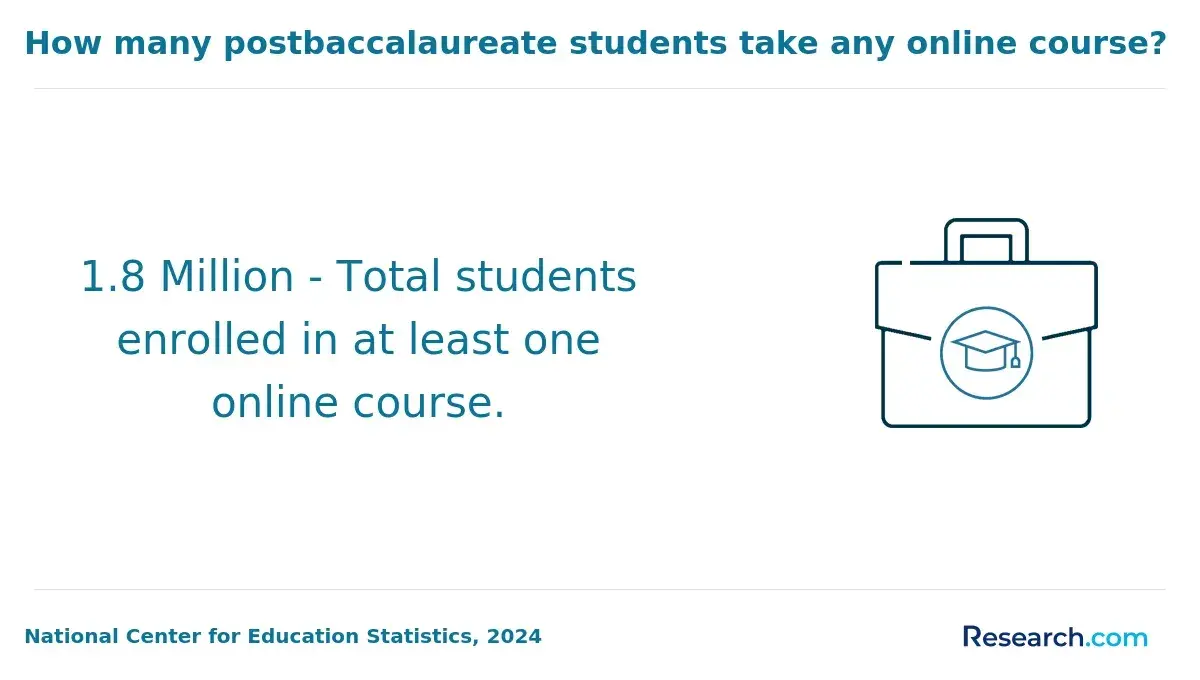
According to recent data, nearly 37% of college students have enrolled in at least one online course, reflecting the growing importance of accredited online education. The accreditation process assesses factors such as curriculum quality, faculty qualifications, learning outcomes, and student services, confirming that online degrees hold comparable value and credibility to their on-campus counterparts.
The author spoke with a graduate of an online teaching degree program who shared his experience navigating the journey. He mentioned that initially, he was skeptical about whether an online program would be taken seriously by future employers, but the accreditation status reassured him.
"Knowing that my degree was held to the same standards made a big difference," he said. He also described challenges like managing time effectively and feeling isolated during some portions of his studies but felt supported by faculty and peers.
His reflection emphasized the importance of accreditation in giving confidence to students pursuing flexible learning options while preparing for professional teaching careers.
Does Accreditation Affect Licensure Eligibility for Teaching Careers?
Accreditation is a critical factor for students pursuing licensed or regulated teaching careers, as it directly influences eligibility for professional certification and career advancement. The following points highlight how accreditation shapes this process.
- Licensure Exam Eligibility: Many states and regions require candidates to graduate from accredited programs to qualify for licensure exams. Without proper accreditation, students may be barred from taking these essential tests, effectively blocking their path to certification.
- Licensing Board Requirements: State and regional boards often mandate that teaching candidates hold degrees from accredited institutions to ensure compliance with educational standards. This requirement upholds the integrity of the profession by verifying candidate preparedness.
- Employer and Regulatory Recognition: School districts and education agencies frequently recognize only degrees from accredited programs when making hiring decisions or granting ongoing licensure. Accreditation acts as a quality assurance marker that employers and regulators rely upon.
- Potential Limitations: Students enrolled in non-accredited programs may face significant hurdles such as denied access to licensure exams, challenges in obtaining or renewing certificates, restricted financial aid options, and limited employment prospects in public education sectors.
Will Credits From an Accredited Teaching Program Transfer to Another School?
Credits earned from an accredited teaching program can be crucial for students who may transfer schools, pursue advanced degrees, or relocate, as credit transferability affects their academic progress and financial investment. Several key factors determine whether these credits will be accepted by a different institution.
- Institutional Accreditation Type: Credits are generally more transferable when both the original and receiving institutions have regional accreditation, which is widely recognized across the U.S. Credits from nationally accredited or less common accreditors may face stricter scrutiny and lower acceptance rates.
- Course Equivalency and Curriculum Alignment: Receiving schools evaluate whether completed courses closely match their own curriculum in content and rigor. Courses that align well with program requirements are more likely to transfer, while specialized or unique courses might not.
- Receiving School Transfer Policies: Each school maintains specific rules about which credits they accept, often listing approved programs or institutions. Some schools are more flexible; others have strict policies that can limit the number and type of transferable credits.
- Limits on Transfer Credits: Many institutions cap the total transferable credits, especially for upper-division and specialized teaching courses. This can affect students shifting to advanced or licensure-focused programs that require specific coursework.
When I asked a recent graduate of a teaching degree program about her experience with credit transfer, she described a lengthy but ultimately rewarding process. "I initially worried that most of my credits wouldn't count because I moved states," she explained, "but after carefully submitting course syllabi and talking directly with the transfer advisor, I was pleased to find that nearly 75% were accepted."
She added that understanding each school's policies beforehand saved her time and stress. Her story highlights that while transferring credits can be complex, persistence and clear communication often lead to successful outcomes.
Does a Teaching Program Need Accreditation to Qualify for Financial Aid?
Accreditation plays a vital role in determining eligibility for financial aid across federal, state, and institutional levels, with about 86% of students receiving federal support attending accredited programs. This makes it crucial to consider how accreditation affects funding opportunities for teaching students.
- Federal Student Aid: Accreditation is mandatory for enrollment in institutions that qualify for Title IV funding, which includes Pell Grants and federal student loans. Without this, students lose access to the majority of federal financial aid critical for covering tuition and related costs.
- State and Military Benefits: Many state scholarship programs and veterans' education benefits require attendance at accredited teaching programs. This ensures the education quality meets governmental standards, safeguarding both students and taxpayers.
- Institutional Scholarships: Schools often link financial awards to accreditation status to demonstrate program quality and maintain academic standards. Accredited programs are more likely to offer scholarships and grants, reducing overall student expenses.
- Financial Planning Impact: Verifying accreditation early helps prospective teaching students avoid unexpected financial challenges by confirming access to various aid sources tied to program recognition.
How Does Program Accreditation Influence Employability in Teaching Fields?
Accreditation significantly impacts the career prospects of students pursuing teaching degrees by ensuring their qualifications meet established academic and professional standards. Graduates from accredited teaching programs benefit from a 15% higher employment rate within their first year compared to those from non-accredited programs.
This advantage stems from several key factors that influence employer preferences and career development.
- Employer Recognition: Accreditation signals that a candidate's education has met rigorous quality benchmarks, increasing employer confidence in the candidate's knowledge and practical skills. Schools and districts often prioritize hiring applicants from accredited programs when considering teaching job prospects.
- Professional Credibility: Holding a degree from an accredited program enhances a graduate's credibility by providing a credential validated by recognized educational authorities. This can improve trust and seriousness in the eyes of hiring committees, impacting long-term employment opportunities.
- Licensure Eligibility: Many states mandate graduation from an accredited teaching program to qualify for professional licensure and advanced certifications. These credentials are crucial for career advancement and accessing specialized roles within education, making accreditation a vital step toward earning necessary official endorsements.
- Job Market Competitiveness: Graduates from accredited programs tend to be more competitive in a crowded job market, often receiving more interview invitations and job offers. Their vetted qualifications provide a distinct advantage when employers assess candidates with comparable experience levels.
Students researching programs should confirm accreditation status since it not only affects academic credibility but also financial aid eligibility and long-term career or licensure outcomes. For those interested in accessible pathways, affordable online bachelor degree programs that maintain accreditation standards can offer valuable opportunities without compromising quality.
Do Graduates From Accredited Teaching Programs Earn Higher Salaries?
Accreditation can significantly influence earnings potential for graduates from teaching programs because it reflects the quality and rigor of their education. According to data on average salary differences for accredited teaching degree holders, graduates of accredited programs earn roughly $56,000 annually, compared to about $48,000 for those from non-accredited programs.
Several key factors explain this disparity.
- Employer Preference: Schools and districts often prioritize candidates from accredited programs, viewing them as better trained and more competent. This preference can lead to faster hiring and better salary offers.
- Eligibility for Advanced Roles: Graduates of accredited programs are usually more qualified for leadership positions or specialized instructional roles that come with higher pay, giving them clear career advancement opportunities.
- Industry Recognition: Accreditation provides external validation of a graduate's education quality, enhancing their résumé and strengthening their bargaining power during salary negotiations.
- Long-Term Career Advancement: Teachers from accredited programs typically have greater access to professional development and licensure renewals, which supports ongoing salary growth throughout their careers.
For students comparing programs and seeking credible credentials that impact salary outcomes, confirming accreditation status is essential. Prospective students interested in online college courses should carefully evaluate accreditation to ensure they choose programs that align with their financial and professional goals. This examination of program credibility directly relates to whether graduates from accredited teaching programs earn higher salaries in the United States.
What Graduates Say About Their Accredited Teaching Degree
- Phoebe: "Learning the importance of accreditation early in my teaching degree journey truly shaped my approach to selecting a program. I took deliberate steps to verify accreditation by checking official education board websites and contacting the program administrators directly. Completing an accredited teaching degree not only gave me confidence but also opened doors to quality job opportunities that I'm genuinely proud of. "
- Arianne: "Reflecting on my experience, understanding accreditation helped me navigate a sea of options and avoid subpar programs. I carefully researched recognized accrediting bodies and cross-checked each institution's credentials before enrolling. Finishing an accredited teaching degree has been transformative, providing me with a respected qualification that employers recognize and value. "
- Jenna: "From a professional standpoint, accreditation was a non-negotiable factor when choosing my teaching degree. I followed a methodical path-consulting official education authorities and verifying institutional claims to ensure authenticity. This due diligence paid off, as holding an accredited teaching degree significantly enhanced my career trajectory and professional credibility. "
Other Things You Should Know About Teaching Degrees
To verify accreditation in 2027, check the U.S. Department of Education's Database of Accredited Postsecondary Institutions and Programs. Alternatively, consult the Council for the Accreditation of Educator Preparation (CAEP) website, which lists accredited teaching programs.
Yes, student teaching is a required component of accredited teaching programs and must meet certain standards. These placements are supervised and evaluated by qualified professionals to ensure hands-on experience in classroom management and instruction. Accreditation bodies often mandate a minimum number of student teaching hours to maintain program quality.
After completing an accredited teaching degree, graduates usually must pass state-specific licensure exams such as the Praxis series. Some states may also require fingerprinting, background checks, or additional certifications like subject-area endorsements. These assessments ensure candidates meet both academic and practical thresholds for classroom readiness.
References
- Can You Transfer Credits From a Completed Degree? https://www.edvisorly.com/student-guides/can-you-transfer-credits-from-a-completed-degree
- What types of accreditations should I look for in an education degree? https://txwes.edu/academics/school-of-education/undergraduate-majors/undergraduate-education/news-and-events/department-news/what-types-of-accreditations-should-i-look-for-in-an-education-degree/
- Verifying Accreditation for Online Degree Programs - Higher Ed Guide https://higheredme.com/verifying-accreditation-online-degree-programs-and-status-checks/
- The Benefits of Accreditation for Higher Education https://edamba.eu/the-benefits-of-accreditation-for-higher-education
- The Significance of Accreditation in Education: Exploring QAHE's Role and Impact https://www.qahe.org/article/the-significance-of-accreditation-in-education/
- The importance of school accreditation for teachers and students https://aaa-accreditation.org/the-importance-of-school-accreditation-for-teachers-and-students/
- The Benefits of Choosing an Accredited College - Graduate Programs for Educators https://www.graduateprogram.org/blog/the-benefits-of-choosing-an-accredited-college/
- Access your teaching qualifications https://www.gov.uk/guidance/access-your-teaching-qualifications
- Accreditation's Influence on Student Career Choices and Employability: The Indian Experience https://www.igi-global.com/viewtitle.aspx


