
2027 Teaching Degree Salary by Experience Level: Entry-Level, Mid-Career, and Senior Roles

Co-Founder and Chief Data Scientist
How does a teaching degree translate into salary growth over time? Many early-career professionals wonder about income progression amid rising living costs and a competitive job market.
Recent data shows the education sector employs nearly 8 million people nationwide, emphasizing its robust demand. Understanding how salaries evolve from entry-level positions to mid-career and senior roles is crucial for making informed financial and career planning decisions.
This article explores teaching degree salary trends across different experience levels, helping readers gauge earning potential, identify lucrative opportunities, and strategize for maximizing lifetime income in the education field.
Key Things to Know About Teaching Degree Salary By Experience Level
- Entry-level teaching salaries typically range from $40,000 to $50,000, influenced by factors like location, completion of internships, and obtaining state certifications or endorsements.
- Mid-career teachers often see salary growth through gained experience, specialization in subjects, and roles such as department heads or curriculum coordinators.
- Senior roles include positions like principal or instructional coach, with earnings boosted by management duties, advanced degrees, niche expertise, and high-demand school districts.
What Is The Average Teaching Degree Salary By Experience Level?
Professionals with a teaching degree typically experience steady salary growth as they gain more experience and take on expanded responsibilities. Research shows that moving from entry-level to mid-career roles may result in an average salary increase of 20-30%.
Below is a breakdown of salary progression by experience level for those with a teaching degree:
- Entry-Level: Annual salaries generally range from $40,000 to $50,000, covering recent graduates working as elementary or secondary school teachers. Initial salaries primarily depend on basic qualifications and certification status.
- Early Career: Teachers with 3 to 5 years of experience often earn between $50,000 and $60,000. Additional responsibilities like mentoring or curriculum development increase their value and potential for raises.
- Mid-Career: With 5 to 10 years of experience, salaries typically rise to $60,000-$75,000. Many educators at this stage take on leadership roles such as department heads and may pursue advanced degrees, further boosting compensation.
- Senior-Level: Seasoned teachers with over a decade of experience can earn from $75,000 up to $90,000 or more, especially if they transition into administrative or specialized instructional positions. Performance-based bonuses and expertise often contribute to higher earnings.
For those exploring further education options to advance their careers, there are affordable online colleges that accept FAFSA which may facilitate attaining additional qualifications to enhance salary prospects.
What Is The Starting Salary For Entry-Level Teaching Graduates?
Recent grads with a teaching degree in the U.S. typically see starting salaries ranging from $40,000 to $50,000 annually. Entry-level pay can vary significantly based on factors like geographic location, school district budgets, and the chosen subject area.
Several common roles for teaching graduates illustrate this range in starting pay:
- Elementary School Teacher: Focuses on building foundational skills in young students across multiple subjects. Starting salaries generally fall between $39,000 and $48,000, reflecting the critical role of early education and certification attained through a teaching degree.
- Secondary School Teacher: Provides specialized subject instruction, such as math or English, to middle and high school students. Entry-level pay is often higher, ranging from $42,000 to $52,000, due to subject expertise and demand.
- Special Education Teacher: Adapts teaching methods to support students with diverse learning needs. This specialized area offers starting salaries typically between $40,000 and $50,000, with training integrated into many teaching programs.
- Instructional Coordinator: Designs and oversees curricula and educational programs, usually requiring some prior classroom experience. Entry-level salaries start near $48,000 and increase with responsibility, relying on a teaching degree foundation.
In some cases, completing internships or pursuing 2 year bachelor degree programs can enhance early career prospects within educational fields by providing practical experience and networking opportunities.
How Much Do Mid-Career Teaching Professionals Earn After 3-5 Years?
Mid-career teaching professionals with three to five years of experience typically earn between $45,000 and $60,000 annually, marking a significant increase from entry-level salaries that range from about $35,000 to $45,000. This growth of roughly 15% to 30% is often attributed to accumulated classroom experience, improved instructional skills, and targeted specialization.
Compensation at this stage is shaped by factors such as performance in evaluations, expertise in high-demand areas like STEM, and geographic location, with urban districts generally offering higher pay.
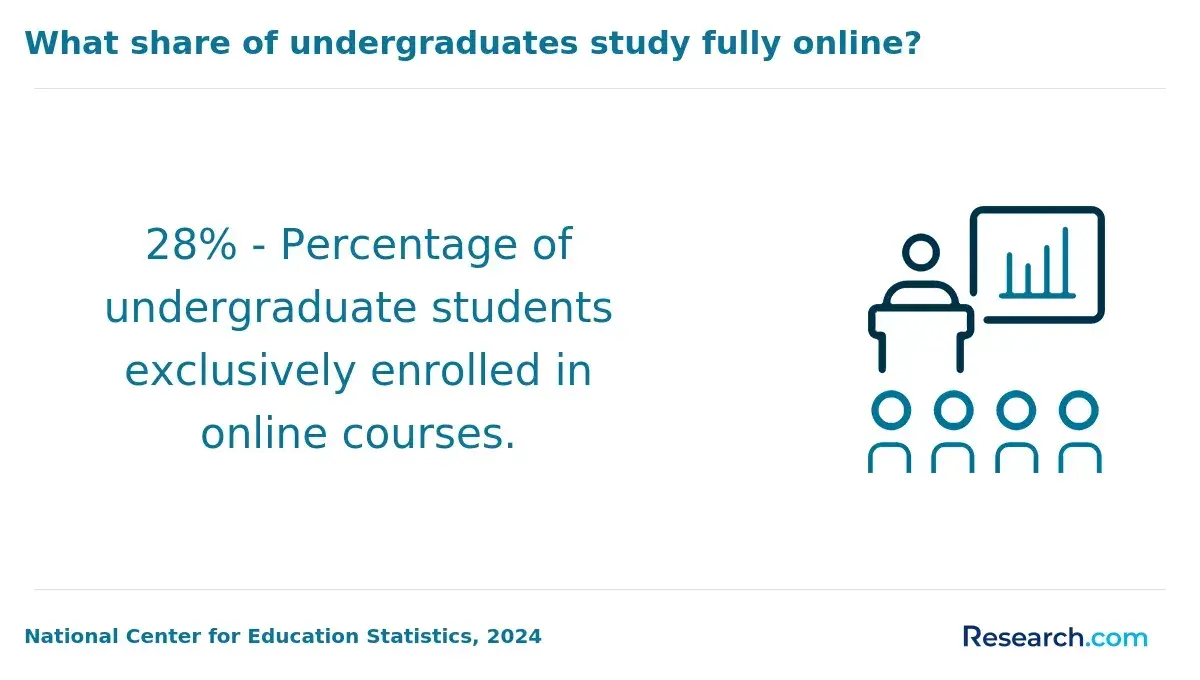
According to a 2023 report by the National Center for Education Statistics, mid-career teachers have enjoyed an average salary increase of 18% compared to their starting pay, reflecting consistent wage advancement during these formative years.
A teaching professional with several years in the classroom shared that their salary jumped notably after the third year, which aligned with positive performance reviews and taking on additional responsibilities.
They mentioned that pursuing specialization in science subjects helped secure a higher salary range but also emphasized that navigating budget limitations within their district sometimes slowed pay increases, making professional development an essential strategy for maximizing earnings during this mid-career phase.
What Is The Salary Range For Senior Teaching Professionals With 10+ Years Of Experience?
Senior teaching professionals with over 10 years of experience often see notable growth in their earning potential, with average salaries ranging from $60,000 to $90,000 annually. According to recent data, those in specialized or leadership roles can exceed $100,000.
Several senior-level positions highlight typical salary ranges and factors influencing these earnings:
- Department Head: Managing faculty and curriculum within a school, department heads typically earn $85,000 to $110,000 annually. Leadership duties and district size heavily influence pay.
- Curriculum Specialist: Focused on developing and improving educational programs, these specialists earn between $70,000 and $95,000, especially when working in high-demand districts or private schools.
- STEM Senior Educator: Given the high demand for qualified STEM professionals, senior teachers in these subjects often command salaries near the $90,000 to $100,000 mark.
- Bilingual Program Coordinator: Overseeing bilingual education programs, this role can earn $75,000 to $105,000 due to specialized skills and administrative responsibilities.
- Education Consultant: Experienced teachers who move into consulting leverage their expertise to earn variable salaries often above $100,000, depending on the scope and clientele served.
Maximizing salary is often linked to pursuing advanced qualifications such as a master's or doctoral degree. Many senior educators enhance their credentials through online PhD programs in organizational leadership, which can significantly boost salary prospects within education management or specialized roles.
How Does Teaching Salary Progress Over Time From Entry-Level To Senior Roles?
Salaries for teaching degree holders generally increase steadily as they gain experience and advance into roles with greater responsibility. Research shows that salaries can grow by more than 50% between entry-level and mid-career stages.
The following points outline how compensation evolves throughout a typical teaching career.
- Entry-Level: New teachers commonly earn between $40,000 and $50,000 annually, with pay largely shaped by educational background and district budgets. Salary growth at this phase tends to be gradual as teachers complete certifications and acclimate to their roles.
- Early Career: During the first five years, teachers often see salaries rise to roughly $50,000-$60,000 due to step increases and efforts like earning additional credentials. This period marks a noticeable boost in income linked to accumulating experience and specialized training.
- Mid-Career: With 5 to 15 years of experience, salaries typically climb to the $60,000-$75,000 range. Advancement into leadership positions such as department coordinator or lead teacher frequently contributes to higher earnings.
- Senior Roles: Experienced educators holding positions like instructional coach or administrator often earn above $75,000, depending on expertise, leadership responsibilities, and geographic factors. Competitive districts may offer even greater compensation to retain seasoned staff.
A teaching degree graduate shared that early salary increases helped cover costs for further certifications, which proved essential for advancing into mid-career leadership roles.
They noted that it took persistent effort and taking on extra duties to reach senior-level pay brackets, emphasizing that "while the climb isn't instant, steady growth aligns with expanding skills and responsibilities."
Which Factors Have The Biggest Impact On Teaching Salary Growth?
Salary growth for professionals holding a teaching degree is shaped by several influential factors that contribute to earnings increasing steadily over time. For instance, educators with over a decade of experience often earn 30% more than those just starting in the field.
The following are primary factors that impact salary progression for those with a teaching degree:
- Experience Level: Earnings typically rise as teachers accumulate years in the classroom, improving their skills and effectiveness. Employers reward seasoned educators with higher pay, acknowledging their deeper expertise and reliability.
- Specialization: Focusing on in-demand subjects or advanced instructional areas can lead to premium salaries. Specialized knowledge meets distinct educational needs, making such professionals more valuable on the job market.
- Geographic Location: Salary ranges vary widely depending on where a teacher works, with urban centers and regions with higher living costs generally offering better pay. This adjustment reflects the economic realities and competition for qualified teachers in those areas.
- Leadership Roles: Taking on supervisory or administrative responsibilities often results in increased income. These roles come with additional stipends or base pay bumps that recognize the greater scope of duties.
- Skill Advancement: Engaging in ongoing professional development—such as advanced training or certifications—enhances a teacher's abilities and market value. Employers typically compensate those who continually expand their skill set, accelerating salary growth.
How Does Location Affect Teaching Salaries Across Different Regions?
Geographic location plays a significant role in determining salaries for teaching professionals across the United States. Factors such as cost of living, regional demand, and industry presence contribute to wide variations, with some areas offering substantially higher compensation than others. For example, salaries can differ by more than 20% between urban centers and rural communities.
The following points highlight key regional trends in teaching salaries:
- Urban Centers: Cities like New York and San Francisco typically offer the highest pay for teaching professionals. Elevated costs of living and strong competition among employers drive salaries upward to attract and retain qualified educators.
- Mid-Sized Cities: These areas feature moderate salary levels balanced with living expenses. While pay is lower than in major urban areas, mid-sized cities often provide a more affordable lifestyle with reasonable earnings for teaching roles.
- Rural Regions: Rural and lower-cost areas generally provide the lowest salaries due to smaller budgets and limited demand. However, some rural districts facing teacher shortages may offer incentives to fill vacancies.
- High-Demand States: States with rapid population growth or persistent teacher shortages sometimes provide premium salaries or benefits. This helps address local challenges while supporting sustainable educational staffing.
- Industry Clusters: Regions with a concentration of educational institutions or specialized programs often afford higher wages. These areas recognize the value of specialist teaching roles and provide competitive compensation.
According to the National Center for Education Statistics, average public school teacher salaries vary by more than $15,000 annually depending on state and district, underscoring the significant impact of geographic factors on earning potential.
Which Industries Pay The Highest Salaries For Teaching Graduates?
Industry choice plays a critical role in determining earnings for teaching graduates, as certain sectors offer premium salaries reflecting their specialized needs and the value of educational expertise. Research indicates that around 15% of teaching degree holders move into these top-paying industries.
Several of the highest-paying industries for teaching degree holders provide clear opportunities for increased financial reward:
- Corporate Training and Development: This industry values teaching graduates who design and deliver employee training, leadership workshops, and career development programs. Strong curriculum design and communication skills are critical, with salaries often exceeding $90,000 annually plus performance bonuses related to training outcomes. Demand for continuous professional growth fuels these premium salaries.
- Private and International Schools: Prestigious private and international schools frequently offer higher salaries to teaching graduates, especially those with bilingual or specialized subject expertise. Economic factors such as higher tuition fees and competitive education markets support salaries above $80,000, often with additional benefits like housing allowances or relocation packages.
- Educational Technology Companies (EdTech): EdTech firms employ teaching graduates as curriculum developers and content creators who can translate educational theory into digital learning formats. Rapid market growth and innovation in digital education lead to average salaries ranging from $75,000 to over $100,000, often including stock options and performance bonuses.
For professionals exploring related fields, pursuing an accelerated online business degree can provide additional pathways into managerial roles complementing their educational background.
Do Specialized Skills Or Certifications Increase Teaching Salary Potential?
Specialized teaching certifications and advanced skills can substantially boost salary progression for educators, particularly when aligned with industry demands. Research shows that professionals with relevant certifications can earn up to 15% more than their uncertified peers, highlighting the return on investment of upskilling in this field.
Several key skill sets and certifications enhance salary potential for teaching graduates across various industries:
- Corporate Training and Development: This sector compensates Teaching professionals who integrate instructional design with business acumen. Certifications in corporate training methodologies and leadership coaching are highly valued, leading to premium salaries in roles such as corporate trainers and instructional designers.
- Higher Education and Research Institutions: Positions requiring curriculum development and pedagogical research often reward advanced qualifications. Tenured faculty and program coordinators benefit from certifications tied to educational research and specialized curriculum expertise, resulting in elevated earnings.
- Technology and STEM Education Companies: High proficiency in digital tools and STEM-related teaching certifications drive demand. Roles like e-learning specialists and STEM education consultants command competitive salaries due to the technical rigor and innovation required.
- Healthcare and Medical Training: Educators with clinical and regulatory training certifications in health sciences are prized for their subject-matter expertise. Medical instructors and simulation program directors often see enhanced salary potential based on these qualifications.
For individuals seeking to expand their qualifications, exploring online degrees in computer science can provide valuable technical competencies that further increase earning power in education technology and related fields.
How Can You Maximize Your Teaching Salary At Each Career Stage?
Proactive career management is vital for maximizing lifetime earnings for Teaching graduates, with studies showing that professional networking can boost salaries by up to 10%. Strategic moves through career stages help capitalize on growing opportunities.
Below are effective approaches tailored to different phases of a teaching career:
- Skill Expansion: Entry-level educators should broaden expertise by mastering technology and specialized subjects, which enhances classroom impact and opens doors to roles like curriculum coordinator.
- Leadership Development: Mid-career teachers benefit from pursuing administrative credentials or mentorship positions, shifting toward management and increasing salary negotiation power.
- Industry Shift: Senior professionals can pivot to education consulting or corporate training, leveraging teaching experience for higher-paying roles outside traditional schools.
What Graduates Say About Teaching Degree Salary By Experience Level
- Jase: "Starting out, I was surprised by how quickly teaching salaries can increase with experience, especially during the first five years. Factors like additional certifications and advanced degrees made a huge difference in my pay over time. I've also noticed that those working in private education or corporate training roles often report higher salaries than traditional public school teachers."
- Kyro: "Reflecting on my journey, I realized that the teaching salary trajectory varies greatly depending on location and the field of specialization. Veteran educators usually see steady increases, often tied to years of service and continuous professional development. It's interesting how industries such as educational technology and specialized special education have become top-paying areas for graduates with teaching degrees."
- Aaron: "From a professional standpoint, understanding the dynamics of salary growth in teaching helped me plan my career path more strategically. It isn't just about the years you've taught but also the roles you take on, like curriculum design or leadership positions, that boost earning potential. Education-related sectors outside traditional schools, like corporate training and instructional design, often offer the highest salaries for those with a teaching background."
Other Things You Should Know About Teaching Degrees
In 2027, teacher salary growth is generally influenced by factors such as experience level, geographical location, and educational qualifications. Teachers with higher experience levels typically see more significant salary increases. Additionally, district policies and union agreements can impact salary progression.
Yes, obtaining a master's or doctoral degree can lead to higher salaries, especially for mid-career and senior educators. Many school districts offer additional pay for advanced credentials, which enhances salary progression beyond base experience.
Salary growth tends to be steadier and more structured in public schools due to established salary schedules. Private schools may offer variable pay increases, often tied to performance or institutional budgets rather than experience alone.
Tenure can secure job stability but does not automatically guarantee large salary increases. However, teachers with tenure often benefit from standardized salary scales that reward years worked, providing a predictable compensation path as experience grows.
References
- Salaries and benefits in international schools https://www.teacherhorizons.com/advice/salaries-and-benefits-in-international-schools
- Average teacher salary by level relative to other professions requiring a comparable level of qualification - Edudata https://edudata.summaedu.org/glosario/average-teacher-salary-by-level-relative-to-other-professions-requiring-a-comparable-level-of-qualification/
- How to Maximize Your Earning Potential as a New Teacher https://www.ricaprep101.com/blog/maximize-your-earning-potential
- Teacher Salary, Career, and Benefits Guide https://teach.com/careers/become-a-teacher/teaching-career/salary-and-benefits/
- The 10 Highest Paying Jobs With a Teaching Degree [Quiz] https://www.umassglobal.edu/blog-news/highest-paying-jobs-with-a-teaching-degree
- Thinking of doing a mid career switch to be a teacher. How much do teachers earn on avg? https://seedly.sg/posts/thinking-of-doing-a-mid-career-switch-to-be-a-teacher-how-much-do-teachers-earn-on-avg/
- 10 Courses Available For A High Paid Teaching Career https://classplusapp.com/growth/10-courses-available-for-a-high-paid-teaching-career/
- Understanding Teacher Compensation: A State-by-State Analysis https://learningpolicyinstitute.org/product/understanding-teacher-compensation-state-by-state-analysis
- Mid- and Late-Career Teachers Struggle With Paltry Incomes - Center for American Progress https://www.americanprogress.org/article/mid-and-late-career-teachers-struggle-with-paltry-incomes/
- Learning to teach: Advice from a career changer https://www.bbc.co.uk/teach/teacher-support/articles/z2pwkty


