2027 Can an Aerospace Engineering Degree Lead to Remote Jobs?

Co-Founder and Chief Data Scientist
The Aerospace Engineering field increasingly integrates remote workflows, driven by the rise of collaborative digital platforms and cloud-based simulation tools such as CATIA and MATLAB. Degree programs emphasize proficiency in these software suites alongside exposure to virtual wind tunnels and finite element analysis labs, equipping graduates with competencies for distributed project environments.
Regulatory and licensing components, including FAA standards and hands-on prototype testing, remain largely site-bound, creating a hybrid remote-work dynamic. According to a Bureau of Labor Statistics report, nearly 30% of Aerospace Engineering roles now accommodate partial or full remote work, reflecting evolving employer trust in digital collaboration. This article examines how these trends influence remote job viability and guides readers in assessing alignment with their career objectives.
Key Points About Aerospace Engineering Degrees That Lead to Remote Jobs
- Systems engineering, simulation, and design consultancy roles emphasize specialized software skills and certifications, fulfilling employer demand for remote-capable expertise but require upfront investment in advanced training.
- Employment in aerospace data analysis and quality assurance shows steady growth as digitization expands, yet remote work often demands demonstrated cross-discipline collaboration beyond technical proficiency.
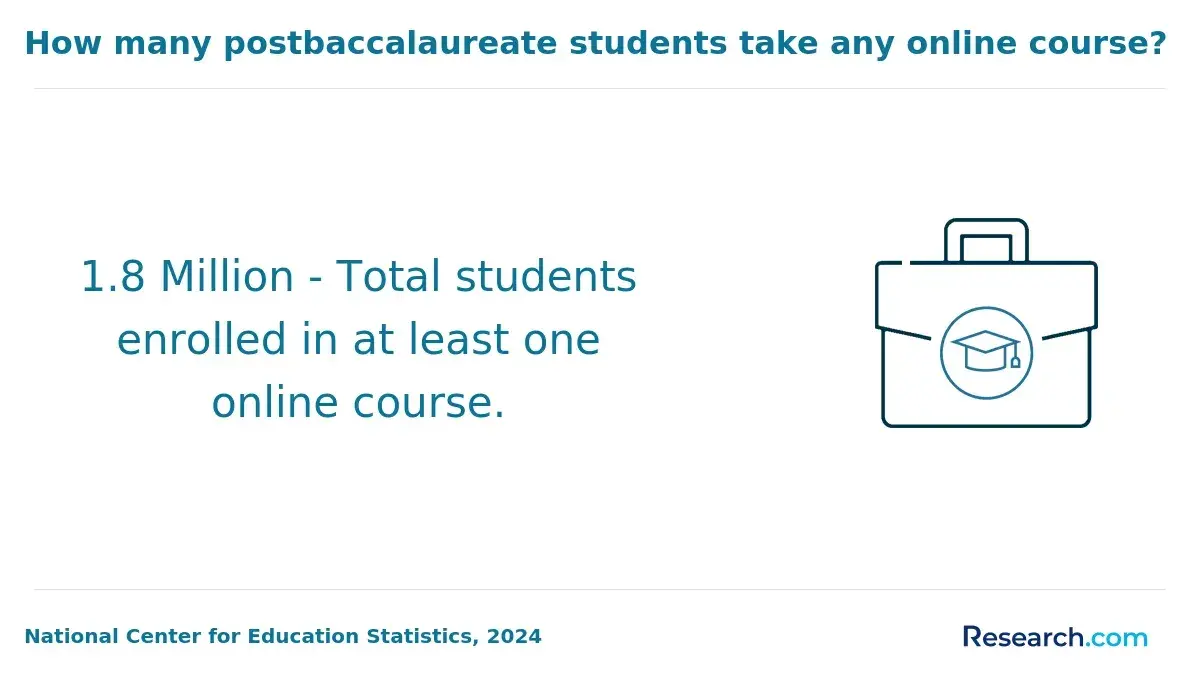
- Online aerospace engineering coursework enrollment increased significantly based on National Center for Education Statistics data, reflecting improved access but potentially prolonging time-to-degree and affecting early career earnings.
Is it possible for Aerospace Engineering graduates to work remotely?
Remote opportunities for aerospace engineering graduates remain constrained by the field's reliance on physical access to specialized labs, manufacturing sites, and hands-on collaboration. While fully remote aerospace engineering positions are scarce, employers increasingly offer hybrid roles that blend on-site duties with remote tasks.
Such arrangements are more common in areas focused on digital tools, including simulation, design, systems integration, and software development.
Positions suited for partial or full remote work tend to concentrate on software-centric activities and supportive functions. Examples include CAD and simulation experts, systems engineers involved in software integration, technical writers, and project managers overseeing distributed teams.
Graduates targeting remote work should develop competencies in virtual collaboration platforms and software-focused processes, as these skills align better with emerging hybrid workplace models.
Though full remote work in aerospace engineering remains limited by operational demands, growing digitalization and evolving workflows may widen these opportunities in the future. Prospective candidates must weigh these dynamics against the industry's hands-on nature, preparing for roles that typically require a blend of physical presence and remote contributions.
What are the typical entry-level remote positions for new Aerospace Engineering graduates?
Entry-level remote positions for new aerospace engineering graduates do exist but are generally concentrated in roles that rely heavily on digital tools and data analysis rather than hands-on manufacturing or testing. Many companies offer hybrid models where initial remote work transitions to onsite responsibilities, reflecting the balance between developing practical skills and leveraging remote collaboration.
Below are typical entry points in remote aerospace engineering roles.
- Design Engineer: Focused on computer-aided design (CAD) and simulation, this role allows new engineers to develop aerodynamic models and detailed component designs remotely. Interaction mainly occurs through virtual team meetings, enabling design iteration without physical presence.
- Systems Analyst: Systems analysts assess aerospace systems' performance using data-driven software and sensor inputs. This position is suited for remote work due to its emphasis on computational evaluation over physical testing, allowing engineers to monitor and optimize system efficiency from a distance.
- Propulsion Engineer (Junior Level): Early-career propulsion engineers often use computational fluid dynamics and simulation tools to evaluate engine performance. This role supports remote or hybrid arrangements because much of the work involves data interpretation and virtual collaboration rather than direct engine handling.
- Quality Assurance Engineer: QA engineers primarily review manufacturing data, verify compliance, and document quality processes. These responsibilities can be conducted remotely, reducing the need for onsite factory visits especially in entry-level roles where documentation and digital review dominate.
- Technical Writer: Aerospace engineers with strong writing skills can fill remote roles producing manuals, specifications, and regulatory documentation. This function is fully remote compatible since it requires access to technical information but not physical laboratory or shop floor presence.
These entry-level remote aerospace engineering jobs offer a practical route to gaining expertise in digital tools and virtual teamwork. However, these roles often limit direct hands-on experience early on, a tradeoff that can affect readiness for fully onsite responsibilities later.
Students who value flexibility during their training might also explore options like 2 year EdD programs online as examples of condensed, adaptable pathways for advanced education while navigating such career formats.
Are there senior-level remote positions for Aerospace Engineering professionals?
Senior-level remote aerospace engineering jobs in the US are limited but attainable, especially in capacities where hands-on physical presence is less critical. Early-career graduates will rarely find fully remote senior roles immediately; however, professionals with experience can access several remote leadership positions that focus on oversight, analysis, and coordination.
Below are five senior roles that often accommodate remote or hybrid work arrangements.
- Senior Systems Engineer: This role centers on managing the design and integration of complex aerospace systems. Much of the work involves systems modeling and cross-team collaboration, making it well suited to remote environments where digital tools facilitate regular design reviews and coordination.
- Lead Aerospace Structural Engineer: Primarily engaged in structural analysis and optimization, this position balances remote simulation work with occasional site visits. The reliance on specialized software enables much of the engineering effort to be conducted offsite.
- Principal Propulsion Engineer: Responsible for developing propulsion subsystem concepts and testing strategies, this role allows remote collaboration during early project phases. Onsite presence may still be required later for hands-on testing but initial design efforts can be managed remotely.
- Senior Project Manager: Overseeing aerospace projects involves orchestrating teams and stakeholders through communication and planning. Given the nature of project management, remote work is common, supported by virtual meeting platforms and digital project tracking tools.
- Technical Consultant - Aerospace Technologies: Consultants provide expert analysis on cutting-edge aerospace systems, compliance, and process improvements. Their emphasis on reporting and strategic advising fits naturally with remote formats and virtual interactions.
Remote leadership roles for aerospace engineering professionals require strong self-management and clear communication skills since bridging physical distance demands efficient use of collaboration platforms. While final manufacturing and testing stages generally necessitate onsite involvement, many senior positions blend remote work with selective travel. Those pursuing a remote trajectory should build competencies in digital coordination alongside advanced technical expertise.
For those considering further education options that might complement such career paths, choices like an accelerated bachelor's degree psychology may provide valuable interdisciplinary skills relevant to leadership and consulting roles in aerospace.
Which industries hire the most remote workers with Aerospace Engineering degrees?
Remote roles for aerospace engineering graduates exist across various sectors, though availability depends heavily on technical focus and security demands. Below are five industries that currently employ the highest numbers of remote aerospace engineering professionals.
- Satellite and space technology: This sector offers remote positions in software engineering and systems design, particularly in mission planning, data modeling, and simulation tasks that can be managed without physical presence.
- Aviation software and avionics: Engineers in this field often work remotely on embedded system development, control algorithms, and cybersecurity, leveraging secure remote access to contribute to complex aircraft systems.
- Government R&D and contractors: Though some roles require onsite work due to security protocols, many research functions involving simulation and theoretical design allow hybrid or remote settings.
- Unmanned aerial vehicles (UAV) and drone manufacturing: Remote opportunities here focus on software development, flight systems integration, and artificial intelligence applications, reflecting a tech-oriented culture conducive to distributed teams.
- Consulting and technical analysis firms: Aerospace engineers in consulting provide remote support in areas like feasibility studies, structural evaluation, and regulatory compliance, often serving multiple clients from varied locations.
Despite these remote opportunities, most aerospace engineering roles still demand direct collaboration or hands-on involvement due to the physical nature of prototyping, testing, and manufacturing oversight. Candidates should assess the tradeoffs between remote flexibility and potential limitations in practical experience or networking within their chosen industry.
How do salaries differ for remote vs on-site roles in Aerospace Engineering?
Salary differences between remote and on-site aerospace engineering jobs often reflect employer policies that adjust pay based on geographic location. On-site positions at leading aerospace companies typically offer higher salaries, with average annual earnings ranging from $90,000 to $120,000.
Remote roles, however, generally come with a salary reduction of about 5% to 15%, depending on the employer and the seniority level of the role. These adjustments stem from cost-of-living considerations and company strategies to balance compensation fairly across locations.
Salary differences between remote and on-site roles in aerospace engineering are less pronounced for specialized areas like propulsion system design or avionics, where talent scarcity compels firms to maintain competitive pay regardless of work setting. Many employers include bonuses within remote compensation packages to bridge pay gaps, although this varies widely among companies.
Graduates aiming for remote work should closely examine specific firm policies since salary structures in aerospace engineering are not uniform and fluctuate with job functions and market demand. Practical knowledge of these pay dynamics can guide informed career planning for those pursuing online cybersecurity degree routes or other STEM-adjacent fields looking for remote flexibility.
What are the common challenges of working remotely with an Aerospace Engineering degree?
Working remotely with an aerospace engineering degree involves unique hurdles tied to the field's reliance on specialized tools and secure, controlled environments. These constraints affect collaboration, data sharing, and career perceptions.
Below are key challenges that aerospace engineers encounter in remote work settings and practical considerations for managing them.
- Limited access to specialized labs and hardware: Aerospace engineering projects often need dedicated facilities and complex machinery not replicable at home. When restricted to remote setups, professionals must find alternative simulation tools or negotiate periodic on-site access, which can disrupt workflow continuity.
- Extended development and collaboration cycles: Physical separation slows down iterative prototyping and design discussions because immediate feedback loops and hands-on adjustments are diminished. This delay can impact timelines unless teams invest in advanced collaborative software tailored to aerospace needs.
- Heightened error risk from reduced real-time review: The absence of spontaneous peer checks and face-to-face problem-solving increases the likelihood of unnoticed mistakes in calculations or testing protocols. Engineers should establish strict virtual review routines to mitigate this issue.
- Strict data security challenges: Aerospace projects demand rigorous confidentiality, making remote data sharing complex due to encryption and access controls. Balancing security protocols with efficient communication requires disciplined use of secure platforms and vetted remote connections.
- Proximity bias affecting recognition and progression: Remote employees may receive less visibility than on-site colleagues, influencing performance appraisals and advancement opportunities. Proactively documenting contributions and maintaining regular communication with supervisors are essential tactics to combat this bias.
When discussing these points with a recent graduate from an online aerospace engineering bachelor's program, he reflected on the struggle to balance remote work with the field's hands-on demands. "One of the hardest parts was feeling disconnected when you can't just walk over to a colleague's desk to clarify a design question," he said. He also mentioned how onboarding for specialized software tools took longer without in-person guidance, which sometimes led to bottlenecks.
Despite these frustrations, he highlighted the necessity of building a disciplined schedule for virtual meetings and thorough documentation to keep projects aligned. However, he admitted that even with these efforts, proving impact remotely felt more challenging, requiring constant initiative to stay visible among teams traditionally centered around co-located collaboration.
Are there certifications that can improve remote hiring outcomes for Aerospace Engineering graduates?
Certifications play a key role for aerospace engineering graduates targeting remote roles by validating technical know-how and management aptitude crucial in distributed work environments. Below are five certifications that significantly influence remote hiring outcomes for aerospace engineers.
- Certified Aerospace Technician (CAT): Focused on technical skills essential for aerospace manufacturing and maintenance, this certification signals practical expertise. It typically requires hands-on experience and successful completion of competency exams, which reassures remote employers about a candidate's technical reliability despite geographical distance.
- Project Management Professional (PMP): Recognized industry-wide, PMP emphasizes coordination of complex projects and remote team leadership. Candidates must document project management experience and pass a comprehensive exam, making it ideal for aerospace engineers aiming at managerial roles with remote responsibilities.
- Six Sigma Green Belt or Black Belt: These certifications highlight proficiency in process improvement and quality control, vital for aerospace production and systems engineering. With a prerequisite of relevant project participation and testing, they enhance qualifications for remote roles requiring data-driven decision-making.
- FAA Airframe and Powerplant (A&P) Mechanic Certification: This credential verifies technical competence in aircraft maintenance under FAA standards. While crucial for specialized positions, its onsite requirements limit fully remote opportunities, though it remains valuable for hybrid roles.
- Certified Systems Engineering Professional (CSEP) by INCOSE: CSEP demonstrates mastery in systems integration and engineering processes, which are increasingly important in managing complex aerospace projects remotely. The certification demands both relevant work experience and examination, aligning well with remote work's emphasis on systems coordination.
Employers evaluating certifications to enhance remote job prospects for aerospace engineering graduates prioritize those proving systems engineering and project management skills, as these directly relate to effective remote collaboration. Integrating such credentials with strong remote communication capabilities provides a practical edge.
For candidates interested in fields adjacent to aerospace engineering, exploring a master of urban planning online may offer additional perspectives on remote work flexibility and interdisciplinary project management.
How can Aerospace Engineering degree students increase the chances of landing remote roles?
For aerospace engineering degree students seeking remote jobs, practical strategies must align with the unique demands of virtual roles and hiring processes. These approaches leverage remote communication methods, independent project work, and targeted industry networking to improve employability in a competitive online landscape.
Below are key tactics that can increase chances of landing remote aerospace engineering roles:
- Develop a Comprehensive Digital Portfolio: A portfolio demonstrating technical proficiency and problem-solving autonomy can differentiate candidates. Including detailed project summaries, simulations, and any relevant code repositories allows hiring managers to assess capabilities without in-person oversight.
- Engage in Remote-First Engineering Networks: Active participation in professional communities such as forums or slack groups tailored to aerospace or engineering careers exposes students to specialized job postings and direct recruiter contacts crucial for remote opportunities.
- Master Asynchronous Communication Skills: Many remote aerospace roles rely on written communication for task delivery and collaboration. Practicing concise, clear technical writing and managing time-sensitive assignments enhances one's ability to succeed in asynchronous work settings.
- Prepare for Virtual Technical Assessments: Remote hiring often involves screening tasks designed to evaluate independent problem-solving and documentation quality. Focusing on precision, clarity, and completeness during these tests reflects well on a candidate's remote work readiness.
- Research Employer Remote Hiring Practices: Understanding the nuances of hiring processes specific to remote aerospace engineering roles can inform targeted application strategies. Staying informed about typical assessment formats and expectations aids in preparing effectively.
Additionally, for students concerned about where to pursue aerospace engineering degrees with flexible academic standards, exploring colleges that accept 2.0 GPA can offer practical entry points into the field without compromising remote career prospects.
How do remote Aerospace Engineering roles impact long-term career trajectory and promotions?
Remote aerospace engineering positions shift how career progression and promotions occur, largely because the absence from a physical workspace reduces spontaneous mentorship and informal networking opportunities. Traditionally, engineers benefit from face-to-face interactions that build trust and visibility; remote roles require compensating for this with proactive and transparent communication through digital tools.
Success hinges on regularly documenting project contributions, meeting deadlines, and effectively engaging with distributed teams via video calls and collaboration platforms.
Performance evaluations in remote settings emphasize demonstrated outcomes and measurable productivity rather than presence or casual visibility. Advancement depends on an engineer's ability to lead virtual teams, sustain cross-functional relationships, and maintain a clear digital footprint that signals reliability and leadership.
Unlike traditional environments, cultivating influence remotely demands a deliberate effort to schedule regular check-ins with supervisors and peers and to contribute expertise that facilitates collective progress.
Consequently, aerospace engineers pursuing remote work must develop skills beyond technical competence, including virtual communication mastery and remote team management. While promotions may be less tied to physical proximity, building a strong professional reputation remotely requires consistent delivery and visibility in distributed workflows, which can affect long-term career trajectory significantly.
Is a remote career in Aerospace Engineering sustainable for the next decade?
Remote roles in aerospace engineering face practical constraints despite advances in digital collaboration, simulation, and cloud computing that facilitate distributed design and analysis work. While these technologies reduce reliance on physical presence, the field's inherent need for hands-on interaction with prototypes, materials, and specialized equipment prevents many positions from being fully remote.
Employers typically expect engineers to blend virtual collaboration with periodic on-site duties, especially in areas like defense and space exploration where security protocols and infrastructure demands limit flexibility.
The long-term viability of remote careers depends significantly on ongoing technological improvements such as immersive VR/AR for remote prototyping, AI-driven diagnostics, and expanded secure, high-bandwidth networks. Additionally, corporate culture around trusting distributed teams and willingness to revise traditional workflows will influence opportunities.
Graduates specializing in software, systems integration, or computational modeling within aerospace are more likely to find sustainable remote options compared to those focused on manufacturing and physical testing. Adaptability to new tools and maintaining professional networks remain critical for securing and retaining such roles.
When asked about the sustainability of remote aerospace careers, a professional who completed an online aerospace engineering bachelor's program shared candid reflections. He mentioned that while his technical skills secured initial remote assignments, "many tasks still required visits to testing facilities," making fully remote work rare.
He described the challenge of "proving reliability and clear communication without face-to-face contact" as an ongoing learning curve. His experience underscored the importance of continuous upskilling and building strong, trust-based relationships to navigate the hybrid nature of aerospace roles during this transition. "Remote work is possible but demands more than just technical competence-it's about persistence and flexibility," he noted.
What Graduates Say About Aerospace Engineering Degrees That Lead to Remote Jobs
- Eddie: "After graduating with a degree in aerospace engineering, I realized that building a robust portfolio through internships and relevant projects was more crucial than chasing licensure for many remote opportunities. Landing a remote role at a satellite tech firm was largely due to my hands-on experience and proactive networking rather than traditional certifications. Working remotely has challenged me to develop strong communication practices, especially when collaborating across different time zones, which has been an eye-opener for managing complex aerospace projects."
- Sage: "My path into a remote aerospace engineering role was less straightforward than I'd anticipated-many employers highly value prior industry experience and certifications over sitting for licensure exams. Securing a position as a remote systems analyst meant starting with contract roles focused on simulation and modeling, which allowed me to build credibility and salary momentum despite some limitations in upward mobility. The flexibility of remote work has offered me a better work-life balance, but I remain cautious about career advancement without onsite interaction and mentorship."
- John: "Graduating in aerospace engineering, I quickly found that jumping straight into remote roles was possible, though navigating the hiring process was competitive and required a clear demonstration of technical skills beyond the degree. My remote job involves collaborating with design teams globally, which has helped me pivot from traditional aerospace roles to a focus on drone technology. While the remote setup has accelerated my entry into the workforce, I'm mindful of the trade-offs, such as fewer informal learning opportunities and the need for ongoing self-driven skill development."
Other Things You Should Know About Aerospace Engineering Degrees
Theoretical courses build strong analytical foundations suited for conceptual tasks that can often be done remotely, like flight dynamics modeling or systems analysis. However, focusing too narrowly on theory may reduce practical engineering experience valued by employers for remote troubleshooting or iterative design work. Applied courses, while more labor-intensive and occasionally requiring onsite access, often provide a better bridge to remote roles that mix digital design and field collaboration. Balancing both types of coursework is advisable, with a strategic lean toward applied skills relevant to the software and systems tools used in remote aerospace projects.
Many aerospace engineering programs impose intense group projects and labs with rigid schedules, limiting flexibility even if some aspects are remote-capable. Those aiming for better work-life balance through remote jobs should evaluate programs with asynchronous learning options, clear project timelines, and virtual collaboration tools. Managing these factors during education mirrors real-world employer expectations for distributed teams. Prioritizing programs that simulate independent yet collaborative workflows can reduce future stress and improve adaptation to remote aerospace work environments.
Graduate studies in aerospace engineering often pivot toward niche, research-driven remote work, but this depends heavily on the program's focus and resources. Students from undergraduate backgrounds lacking digital proficiency or remote-friendly skill sets may face steep learning curves in graduate remote collaborations. Conversely, a master's or PhD emphasizing computational methods, interdisciplinary software tools, or virtual lab setups can expand remote career access significantly. Prospective students should consider graduate programs as a strategic step only if they complement and elevate the remote-relevant competencies developed earlier, rather than expecting graduate education alone to open remote doors.
References
- Onsite vs Remote vs Hybrid Jobs: Salary, Pros & Cons | Blog https://www.ttecjobs.com/en/onsite-vs-remote-vs-hybrid-jobs-salary-differences-pros-and-cons
- Careers | The Aerospace Corporation https://aerospace.org/careers
- Aerospace Engineering Virtual Work Experience https://www.airbus.com/en/careers/life-at-airbus/working-here/working-at-airbus-in-the-uk/aerospace-engineering-virtual-work-experience
- Aerospace Engineer Remote & Hybrid Only Jobs https://www.ihireengineering.com/t-aerospace-engineer-remote-jobs.html
- This website is not available in your country https://www.euroengineerjobs.com/jobs/aerospace_engineer
- Remote Jobs vs Onsite Pay Comparison Guide 2025 Pro https://aciano.net/blog/remote-onsite-pay/
- Leonardo - Aerospace Product Support Engineering Graduate (Yeovil) https://www.graduate-jobs.com/job/leonardo-aerospace-product-support-engineering-graduate-yeovil-247459
- 9 Top Career Paths After Aerospace Engineering ? Scope & Jobs https://geu.ac.in/blog/career-in-aerospace-engineering
- The Most Common Remote Engineering Challenges and How to Deal With Them | Agile Fuel https://agilefuel.com/blog/the-most-common-remote-engineering-challenges-and-how-to-deal-with-them