
2027 Return on Investment (ROI) of an Aerospace Engineering Degree Program

Co-Founder and Chief Data Scientist
Many prospective students question whether investing in an aerospace engineering degree will lead to a worthwhile career given its high cost and demanding curriculum. The U. S. Bureau of Labor Statistics projects a 5% growth in aerospace engineering jobs from 2022 to 2032, signaling steady demand. Despite this, graduates face challenges such as competitive entry-level salaries and significant student debt.
This article examines the financial and professional return on investment (ROI) of aerospace engineering degrees, helping readers assess if the time and expense translate into strong career outcomes and long-term economic benefits.
Key Things to Know About Aerospace Engineering Degree ROI
- Graduates earn a median salary exceeding $115,000, reflecting strong earning potential compared to many other engineering fields.
- Many aerospace engineers experience rapid career advancement, with 15% moving into management or specialized technical roles within five years.
- The aerospace sector offers stable job prospects, with a 5% projected growth rate through 2030, supported by defense and commercial aviation demands.
How Is ROI Calculated for a Aerospace Engineering Degree Program?
Return on investment (ROI) in higher education measures the financial benefits gained compared to the costs and time invested in earning a degree. It helps students weigh the overall value of an aerospace engineering degree by evaluating expenses against potential earnings and career growth.
Several key factors are involved when calculating aerospace engineering degree ROI, including the following:
- Tuition and fees: These encompass all direct costs such as tuition, books, supplies, and other education-related fees. Accurately accounting for these expenses is essential to understanding the initial financial commitment required.
- Opportunity cost: The income foregone while studying full-time significantly affects ROI, since students could be earning wages instead of dedicating time to the program. This lost earning potential is an important element of the return on investment for aerospace engineering program calculations.
- Time to completion: The duration of the aerospace engineering program influences total educational expenses and opportunity costs. Programs that allow faster completion reduce these costs, improving overall ROI.
- Post-graduation salary outcomes: Expected starting salaries and growth in earnings after graduation are critical to assessing ROI. Higher salaries help recoup educational expenses and increase financial returns over time.
- Career advancement and long-term earning potential: The potential for professional growth and increased lifetime income enhances ROI by maximizing returns on the initial investment made through education.
Those interested in accelerating degree completion might explore edd degree programs, which highlight approaches to reduce time spent in education while optimizing returns.
How Much Does a Aerospace Engineering Degree Program Cost?
Evaluating the return on investment for an aerospace engineering degree requires a clear picture of the total program cost. Recent data shows that average graduate tuition in engineering fields often surpasses $30,000 annually, adding substantially to the national student debt load.
Several key expenses shape the overall financial commitment:
- Tuition and fees: Typically the highest cost, these can vary widely but generally range between $20,000 and $50,000 each year for full-time enrollment.
- Books and materials: The need for specialized textbooks, technical software, and lab supplies means additional yearly expenses ranging from a few hundred to several thousand dollars.
- Living or relocation expenses: Costs such as rent, transportation, and food may nearly double the total price tag if the student must move away from home.
- Opportunity cost: The income foregone during full-time study years can represent a significant hidden financial sacrifice, impacting overall ROI.
- Indirect costs: These include campus fees, membership dues for professional organizations, travel expenses for internships or conferences, and certification exam fees.
When I spoke with a recent aerospace engineering graduate about program costs, he emphasized that the financial impact stretched beyond tuition. He recalled feeling overwhelmed balancing part-time jobs with demanding coursework just to cover living expenses. "I underestimated how many hidden expenses would add up," he said, pointing to conference travel and specialized software licenses as unexpected burdens. He also mentioned the sacrifice of potential earnings while enrolled full time. His story highlights that the true cost involves more than just the sticker price and that assessing ROI requires considering all financial and time-related factors carefully.
What Financial Aid Is Available for Aerospace Engineering Degree Programs?
Financial aid options can substantially reduce the initial expenses of pursuing an aerospace engineering degree, thereby enhancing the overall return on investment by lessening student debt and long-term financial strain. Recent studies show that nearly 60% of U.S. graduate students depend on some form of financial assistance, highlighting its importance in managing education costs.
Below are common types of financial aid that aerospace engineering students can utilize to improve their financial outcomes:
- Scholarships: These awards are typically based on merit or financial need and do not require repayment, which lowers the total education cost and reduces debt accumulation.
- Grants: Usually need-based, grants provide free funding for tuition and related expenses, removing financial barriers without adding to student loans.
- Fellowships: Often offering stipends for research or teaching roles, fellowships help support graduate students financially, minimizing reliance on loans while pursuing advanced degrees.
- Employer Tuition Assistance: Some working professionals receive partial or full tuition reimbursement from their employers, offsetting education costs and improving ROI without increasing debt.
- Federal Loans: While loans increase total costs due to interest, federal student loans generally have lower interest rates and flexible repayment options, easing short-term financial pressure and enabling investment in future earning potential.
Breakdown of Private Fully Online Nonprofit Schools

How Long Does It Take to Complete a Aerospace Engineering Degree?
The time required to complete an aerospace engineering degree significantly affects its return on investment (ROI) by impacting opportunity costs, overall expenses, and the timing of potential earnings. Finishing more quickly reduces tuition and living expenses and allows earlier entry into a professional salary. Several factors shape how long students take to finish their degree and how that timeline influences ROI.
Key influences include:
- Enrollment status: Full-time students typically graduate in about four years, while part-time students often take longer, increasing total costs and postponing income.
- Program format: Online or accelerated programs may shorten completion time but require strong self-motivation and can present challenges with retaining complex material.
- Transfer credits: Applying previous college coursework or relevant credits can reduce the time needed to graduate, lowering overall expenses.
- Internships and thesis work: These hands-on learning experiences may extend the degree timeline but can boost employability and long-term salary growth.
- Course scheduling: Limited or rigid class availability can delay progress, whereas flexible scheduling options help students maintain steady advancement toward graduation.
When discussing how long it takes to earn her aerospace engineering degree, a graduate shared that balancing demanding coursework and internship commitments made the timeline feel unpredictable. She recalled, "Sometimes, I had to rearrange my work and classes multiple times, especially when crucial courses weren't offered every semester." Yet, she emphasized how these challenges taught her valuable time-management skills. Reflecting on her journey, she noted, "The hands-on projects and internships extended my studies a bit, but they really prepared me for real-world engineering problems." Her experience highlights that while degree duration can fluctuate, the trade-offs often contribute positively to career readiness and financial returns over time.
Is ROI Higher for Online or On-Campus Aerospace Engineering Programs?
The return on investment (ROI) for aerospace engineering degrees is influenced significantly by whether a program is delivered online or on-campus, due to differences in cost, flexibility, and career outcomes. Online enrollment in STEM fields has grown by over 20% in the past five years, reflecting wider acceptance and changing educational preferences. Understanding these factors is essential for students comparing online versus on-campus aerospace engineering ROI.
Key comparison points include:
- Tuition and fees: Online programs often offer reduced tuition and fees, which lowers upfront costs. This makes them attractive for learners prioritizing affordability and seeking some of the cheapest cacrep-accredited programs online.
- Opportunity cost: Many online students can maintain full- or part-time employment while studying, minimizing lost income. In contrast, on-campus students may face higher opportunity costs due to rigid scheduling.
- Time to completion: Flexible online courses allow students to accelerate or extend their studies based on personal circumstances, while on-campus programs typically follow a fixed timeline.
- Networking and career services: On-campus learners usually benefit from direct access to internships, alumni networks, and career fairs, which can enhance job placement and career growth.
- Employer perception and long-term earnings: Some employers may favor traditional degrees, potentially influencing longer-term salary trajectories. However, as online education quality improves, this gap is narrowing.
What Is the Average Salary After Earning a Aerospace Engineering Degree?
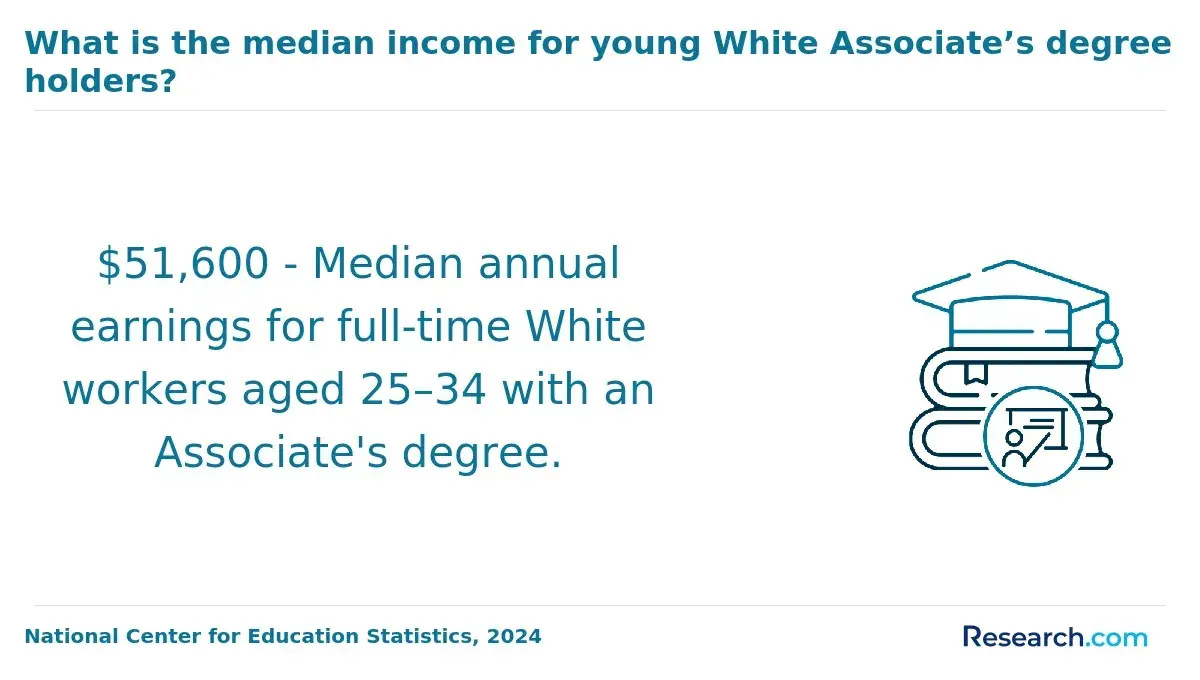
Post-graduation salary plays a crucial role in determining the return on investment (ROI) of an aerospace engineering degree because it directly impacts how quickly graduates can recoup education costs and attain financial stability. Early career earnings for aerospace engineering graduates in the United States typically range from $70,000 to $120,000 annually, with median salaries near $95,000. These earnings influence the overall financial benefits of the degree relative to the time and money invested.
Several factors affect typical earnings aerospace engineering degree holders might expect, which in turn shape ROI outcomes:
- Industry: Aerospace engineers employed in defense or government-related sectors generally earn higher salaries than those in manufacturing or academic research, boosting ROI potential.
- Geographic location: Regions like California, Texas, and Washington that have a dense presence of aerospace companies tend to offer more competitive salaries due to high demand for specialized skills.
- Prior experience: Internships, cooperative education programs, or relevant work experience before graduation can lead to better starting salaries, accelerating financial returns.
- Specialization: Focusing on advanced fields such as propulsion systems or avionics often results in premium salary offers, enhancing long-term ROI.
- Career level: Progression from entry-level to senior or managerial roles increases earning potential significantly as professionals gain experience and responsibility.
Those evaluating degree choices may also consider how a library degree compares in ROI, depending on personal career goals and industries of interest.
Does a Aerospace Engineering Degree Lead to Promotions?
Promotions contribute significantly to the return on investment (ROI) of earning a aerospace engineering degree by providing higher salaries, expanded responsibilities, and increased career mobility. These advancements improve both financial outcomes and long-term professional growth.
A growing workforce trend emphasizes credential-based promotion, where many aerospace employers prioritize advanced degrees for leadership and specialized roles. This shift makes formal education a crucial factor for career advancement.
Key ways a aerospace engineering degree influences promotion opportunities and ROI include:
- Credential Requirements: Many technical and management positions require at least a bachelor's degree, making this credential a baseline for eligibility in advancement tracks within aerospace engineering career advancement.
- Leadership Preparation: The degree provides foundational knowledge essential for managing projects and leading teams, helping graduates meet the expectations of higher-level positions.
- Internal Promotion Policies: Organizations often favor employees with degrees when applying internal promotion criteria, enhancing chances for upward mobility.
- Tuition Reimbursement: Degree holders may qualify for employer-sponsored tuition reimbursement programs that reduce the net cost of education, thereby improving ROI.
- Experience Integration: Combining hands-on experience with formal education increases adaptability and readiness for complex roles, a factor valued in promotions with aerospace engineering degree holders.
Given these factors, aerospace engineering degree career advancement often depends on a balance of education and experience. Employers tend to prefer candidates holding at least a bachelor's degree for leadership roles, underscoring the degree's importance for promotion.
For those considering affordability, exploring cheap online degrees can offer pathways to earn this valuable credential at a lower cost.
Which Industries Offer the Best ROI for Aerospace Engineering Graduates?
Return on investment (ROI) for aerospace engineering graduates varies widely by industry due to differences in salary levels, career progression opportunities, and demand for specialized skills. Industries that drive rapid innovation and require complex technical expertise typically provide the highest financial and professional rewards. Below are some of the top industries known for delivering strong ROI for these graduates.
Industries offering the best return on investment for aerospace engineering graduates include:
- Commercial Aviation: This sector maintains steady demand for engineers working on advanced aircraft and propulsion systems. It offers competitive salaries and consistent career advancement, making it one of the highest paying aerospace engineering industries.
- Defense and Aerospace Manufacturing: Heavily supported by government funding, this industry involves cutting-edge projects that reward specialized aerospace skills with lucrative compensation and solid promotion potential.
- Space Exploration and Satellite Technology: The expanding private space market drives rapid wage growth and access to pioneering technologies, ensuring long-term demand and strong income progression.
- Research and Development (R&D): R&D roles prioritize innovation and generally offer high salary growth and advancement opportunities, especially for those with advanced degrees and technical expertise.
- Advanced Materials and Systems Engineering: Engineers focused on new materials and complex systems benefit from job stability and robust income increases due to their specialized knowledge.
Prospective students and professionals interested in maximizing their returns might also explore online degrees that pay well as part of their educational planning to enter one of the top industries for aerospace engineering ROI.
Does Accreditation Affect ROI for a Aerospace Engineering Degree?
Accreditation in aerospace engineering degree programs signifies that the curriculum meets established quality standards set by recognized agencies, ensuring students gain the competencies needed for professional engineering careers. This credential carries weight in the job market, as many employers prefer graduates from accredited programs, viewing it as a mark of reliable training. Increasingly, licensure boards require graduation from accredited degrees to sit for exams, reinforcing the importance of accreditation for career advancement. Such industry standards support stronger employment prospects and better financial outcomes for graduates.
Accreditation enhances return on investment by building employer confidence in a candidate's qualifications, thereby improving hiring and salary potential over time. It also plays a vital role in qualifying students for federal financial aid, which can lower the net cost of education. Furthermore, accreditation facilitates the transfer of academic credits between institutions, helping students pursue advanced degrees or change schools without losing progress. Combined with eligibility for professional licensure and greater career mobility, these factors contribute significantly to long-term financial and professional gains.
Is a Aerospace Engineering Degree Worth It?
Calculating the return on investment (ROI) for an aerospace engineering degree involves considering tuition costs, the duration of study, and future earning potential. These programs typically require four or more years, which can result in substantial expenses. However, aerospace engineers enjoy favorable starting salaries, with median wages in the U.S. exceeding $120,000 annually according to the Bureau of Labor Statistics. Additionally, career growth opportunities, including technical specialization and leadership roles, can further enhance earning capacity over time.
The value of an aerospace engineering degree varies based on factors such as industry demand, which can be influenced by shifts in defense spending and commercial aerospace markets. Flexible learning options, like part-time or online programs, may lower opportunity costs for working students and improve ROI. Access to scholarships or employer tuition assistance can also reduce financial barriers. Ultimately, individuals committed to long-term career progress in aerospace engineering are more likely to see a positive return, while those facing high costs without aid or entering a softening job market may find the investment less advantageous.
What Graduates Say About The ROI of Their Aerospace Engineering Degree
- Raul: "Choosing to pursue an aerospace engineering degree felt like an investment in my future, especially considering the strong job growth and high earning potential in the field. Despite the average cost of attendance being quite high-often upwards of $50,000 per year-I viewed it as worth every penny given the opportunities it opened up. Graduating from a traditional program gave me hands-on experience and industry connections that accelerated my career as an aerospace design engineer. "
- Elisha: "As an online student, I carefully weighed the financial implications of an aerospace engineering degree against its long-term benefits. The flexibility to balance work and study helped me manage costs more effectively, knowing that the average degree cost can be steep, but the ROI is undeniable with aerospace roles commanding competitive salaries. Completing the program online boosted my qualifications and allowed me to transition internally into aerospace systems project management smoothly. "
- Michael: "Pursuing a part-time aerospace engineering degree was a strategic choice for me, especially with the significant tuition fees averaging over $40,000 annually. While it required commitment over several years, the incremental investment paid off when I saw tangible career advancement in aerospace manufacturing leadership. I appreciate how earning the degree enhanced my credibility and technical expertise without sacrificing my ongoing professional responsibilities. "
Other Things You Should Know About Aerospace Engineering Degrees
Yes, location significantly impacts ROI, as aerospace hubs like California, Texas, and Washington tend to offer higher salaries and more job opportunities. However, the cost of living in these areas may offset some income advantages. Graduates in regions without a strong aerospace industry might face lower salaries and fewer job prospects, affecting overall ROI.
In 2027, aerospace engineering graduates can maximize their ROI by developing skills in computer-aided design (CAD), proficiency in programming languages like Python, and expertise in simulation software. Staying updated with industry trends, such as the latest developments in sustainable aviation technologies, can also enhance employability and salary prospects.
References
- Top Five Engineering Degrees and Jobs | Vaughn College https://www.vaughn.edu/blog/top-five-engineering-degrees-and-engineering-jobs/
- The ROI of Accreditation: Why It Matters More Than Ever https://www.kramah.com/the-roi-of-accreditation-why-it-matters-more-than-ever/
- Aerospace Engineering BEng (Hons) | Brunel University of London https://www.brunel.ac.uk/study/courses/aerospace-engineering-beng
- How much time does it typically take to pursue a career in Aerospace Engineering? https://www.aviationjobsearch.com/career-hub/articles/career-advice/b1-engineer/how-long-does-it-take-to-become-an-aerospace-engineer
- Aerospace Engineering (BEng) https://www.bristol.ac.uk/study/undergraduate/aerospace/beng-aerospace-engineering/
- Aerospace Engineering Course Details - AME CET https://www.amecet.in/aerospace-engineering-course-details.php
- ROI in Aerospace Manufacturing: Making the Value of a Digital Thread Clear https://www.ibaset.com/roi_in_plain_sight/
- 9 Great Careers An Aerospace Engineering Degree Can Get You - Advanced Structural Technologies https://astforgetech.com/9-great-careers-an-aerospace-engineering-degree-can-get-you/
- How to Stand Out in the Competitive Aerospace Engineering Job Market | EuroEngineerJobs https://www.euroengineerjobs.com/article/835/how-to-stand-out-in-the-competitive-aerospace-engineering-job-market
- ROI Undergraduate - FREOPP https://freopp.org/roi-in-higher-education/roi-undergraduate/


