
2027 Can You Get Into a Communication Disorders Bachelor's Degree Program with a Low GPA? Admission Chances & Workarounds

Co-Founder and Chief Data Scientist
A low GPA can make admission to a communication disorders bachelor’s degree program harder, but it does not always close the door. The real question is whether you can show academic readiness, commitment to the field, and a realistic plan for succeeding in courses that lead toward speech-language pathology, audiology, or related human services careers.
Communication disorders programs are attractive because the field connects science, communication, education, healthcare, and direct service. According to the Bureau of Labor Statistics, employment in speech-language pathology and audiology is projected to grow 21% from 2020 to 2030. That growth helps explain why many programs are selective: schools want students who can handle prerequisite coursework, observation requirements, and the academic foundation often needed for graduate study.
This guide explains how low-GPA applicants can evaluate their chances, what minimum GPA ranges usually mean, which admissions factors can offset weaker grades, and how transfer, conditional admission, test-optional review, and application strategy can improve your options.
Key Things to Know About Communication Disorders Bachelor's Degree Program Admission Chances & Workarounds
- Applicants with low GPAs can explore alternative pathways like community college transfers or enrolling in related programs to build foundational skills before applying to communication disorders bachelor's degrees.
- Holistic admissions often consider factors beyond GPA, such as volunteer experience, personal statements, and letters of recommendation, which can positively impact chances in competitive programs.
- Strengthening an application by gaining relevant work or internship experience in speech-language pathology or audiology fields can demonstrate commitment and improve acceptance likelihood.
Can I Get Into a Communication Disorders Bachelor's Degree With a Low GPA?
Yes, you may be able to get into a communication disorders bachelor’s degree program with a low GPA, but your chances depend on the school, the department’s selectivity, your recent academic record, and the strength of the rest of your application. A low GPA is a disadvantage, not an automatic rejection at every institution.
Many programs use GPA as an initial signal of readiness because communication disorders coursework can include anatomy and physiology, phonetics, language development, hearing science, research methods, and clinical observation preparation. If your transcript shows weak performance in science, writing, or major-related courses, admissions teams may question whether you are prepared for the curriculum.
Still, universities often review more than one number. Data shows the average GPA of admitted students at many four-year institutions is around 3.0 or higher, but applicants below that level can sometimes be admitted when they show a strong upward grade trend, relevant experience, a persuasive personal statement, or strong recommendations.
| Application situation | What it usually means | Best next step |
| Low overall GPA but strong recent grades | Admissions committees may see academic improvement and maturity. | Emphasize the upward trend and performance in relevant courses. |
| Low GPA in prerequisite or science courses | This is more concerning because it affects program readiness. | Retake key courses or complete stronger transfer coursework before applying. |
| Low GPA with related volunteer or work experience | Experience can support your motivation, but it may not replace academic readiness. | Connect your experience directly to communication disorders in your essay. |
| Low GPA with no field exposure | The application may look underprepared and unfocused. | Shadow, volunteer, or complete introductory coursework before applying. |
If you are also comparing broader academic pathways, it can help to review how admissions standards vary across fields, including guides that discuss what's the easiest masters degree to get. Just remember that communication disorders has its own academic expectations, especially for students who later plan to apply to graduate programs.
What Is the Minimum GPA for Communication Disorders Bachelor's Degree Programs?
Most communication disorders bachelor’s degree programs expect a minimum GPA ranging from 2.5 to 3.0 on a 4.0 scale. The average GPA for admitted students is often around 3.2, which means meeting the minimum may make you eligible to apply but may not make you competitive.
The key distinction is between minimum eligibility and realistic admission strength. A school may list a minimum GPA of 2.5, but if the program has limited seats, applicants with stronger grades, completed prerequisites, and relevant experience may be favored. Some institutions also admit students first to the university and then require a separate application to the communication disorders major after foundational coursework is completed.
How GPA requirements can vary
- University admission GPA: This is the GPA needed to enter the institution as an undergraduate student. It may be lower than the departmental standard.
- Major admission GPA: Some communication disorders departments require students to apply separately after completing introductory courses.
- Prerequisite GPA: Programs may care more about grades in biology, psychology, linguistics, statistics, or communication sciences than about unrelated electives.
- Transfer GPA: Transfer applicants may face different GPA expectations than first-year applicants, especially when applying into a limited-seat major.
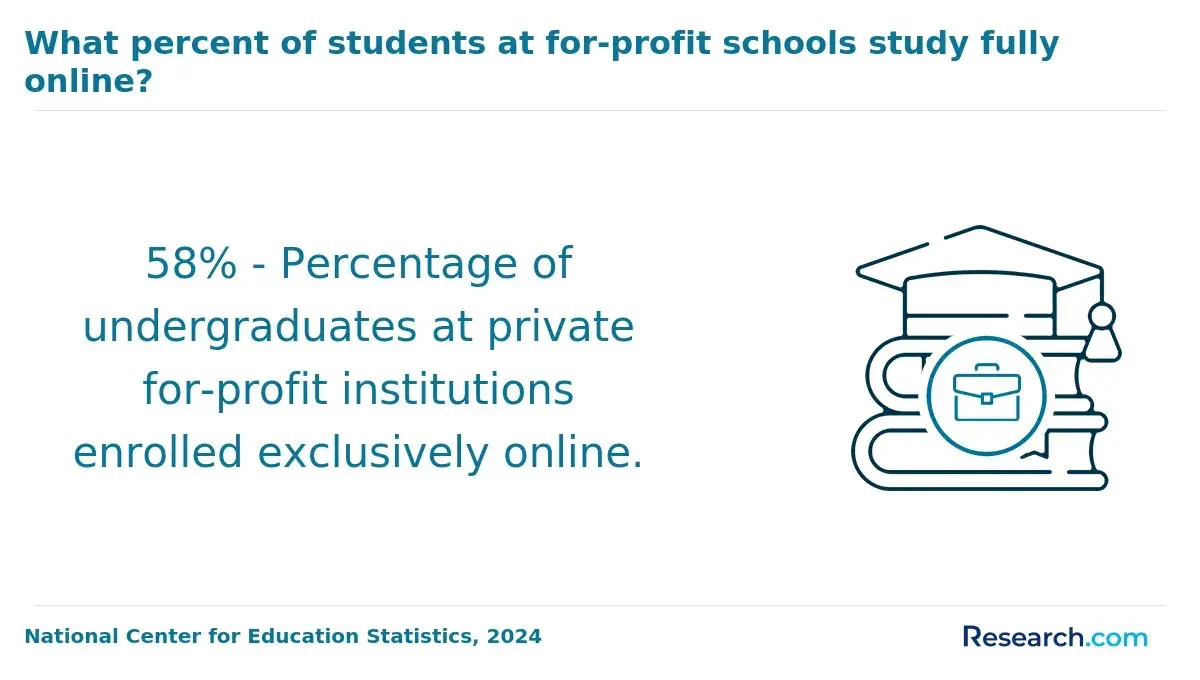
Public universities may offer more flexible pathways for in-state students, while private schools and selective departments may use higher GPA expectations. Online and adult-learner programs may also evaluate applicants differently, although students should still verify accreditation, transfer policies, and whether the degree supports their long-term goals. By comparison, other fields such as online executive MBA programs use very different admissions models, so applicants should avoid assuming that GPA flexibility in one field applies to communication disorders.
What Factors Matter Besides GPA for Communication Disorders Bachelor's Degree Admission?
GPA matters, but it is rarely the only factor. Many colleges assess applicants through a broader review process, and about 60% of U.S. institutions use holistic admissions practices. For communication disorders, the strongest non-GPA factors are those that show you understand the field, can handle academic demands, and are prepared to work with diverse clients and professionals.
- Recent academic improvement: An upward trend can be more persuasive than a one-time explanation. Strong grades in the most recent semester or year show that your current habits are stronger than your earlier record.
- Relevant coursework: Good performance in biology, psychology, linguistics, statistics, writing, and introductory communication sciences can help offset a lower cumulative GPA.
- Personal statement: A strong essay explains why communication disorders fits your goals, what changed academically, and how you will succeed in the program. Avoid excuses; focus on evidence and accountability.
- Letters of recommendation: Recommendations from teachers, academic advisors, supervisors, or professionals in healthcare, education, or disability services can confirm your work ethic and readiness.
- Field exposure: Shadowing, volunteering, tutoring, caregiving, working with children or older adults, or assisting in clinics, schools, or community programs can show informed commitment.
- Standardized test scores: Some programs still consider SAT or ACT results. Strong scores may help, although many schools now use test-optional policies.
- Fit with the program: Departments may value applicants who understand the program’s focus, such as speech-language development, audiology preparation, bilingual service, schools, healthcare, or research.
Common mistake to avoid
Do not use the application to simply say that your GPA does not reflect your potential. Instead, prove it. Show the courses you improved in, the academic support you used, the experience you gained, and the specific plan you will follow if admitted.
One communication disorders graduate described feeling anxious about applying with a weak GPA, but said the strongest parts of the application were the personal statement and recommendation letters. Those materials helped explain the transcript, highlight later academic progress, and show genuine interest in serving people with communication needs. The lesson is practical: admissions committees may consider context, but context is most convincing when supported by clear evidence.
Breakdown of Private Fully Online Nonprofit Schools

Which Colleges Accept Low GPA for Communication Disorders Bachelor's Degree Programs?
Colleges that may be more realistic for low-GPA applicants include open-admission institutions, less selective public universities, online-focused schools, and community colleges with transfer pathways. Admission standards vary widely, so your best option is to compare programs by published GPA requirements, transfer rules, prerequisite expectations, and whether the communication disorders major has a separate selective application.
More than 30% of public two-year colleges use open admissions policies, which can make them useful starting points for students who need to rebuild their academic record before applying to a four-year communication disorders program.
| College type | Why it may work for a low-GPA applicant | What to verify before enrolling |
| Open-admission colleges | They typically admit students who meet basic requirements such as a high school diploma or GED. | Whether courses transfer into a communication disorders bachelor’s program. |
| Less selective universities | They may consider essays, recommendations, test scores, experience, and grade trends. | Whether admission to the university guarantees admission to the major. |
| Online-focused schools | They may offer flexible formats for working adults, parents, and transfer students. | Accreditation, field experience expectations, and graduate-school compatibility. |
| Community colleges | They allow students to complete general education and prerequisites while improving GPA. | Articulation agreements and the minimum transfer GPA required by target schools. |
When researching programs, look for wording such as “holistic review,” “conditional admission,” “transfer pathway,” “pre-major,” or “minimum cumulative GPA.” These terms can indicate whether the school has flexibility or whether the department applies strict cutoffs.
Students comparing admission patterns across different academic fields may find tools for specialized programs, such as accelerated finance degree programs, useful as examples of how program structure and selectivity can differ by discipline.
Are There No-GPA or Test-Optional Communication Disorders Bachelor's Degree Programs?
Some communication disorders bachelor’s degree programs are test-optional, and some colleges use admissions policies that reduce the weight of GPA. However, true “no-GPA” admission into a communication disorders major is less common than flexible or holistic review. Even when a school does not require test scores, it may still review your transcript closely.
Around 65% of colleges nationwide have adopted test-optional or test-flexible admissions. This can help applicants whose SAT or ACT scores are not strong, or who believe other materials better represent their readiness. Test-optional does not mean standards are lower; it means the school may evaluate academic readiness through coursework, essays, recommendations, activities, and grade trends instead of requiring test scores.
What flexible admission policies may include
- Test-optional review: You choose whether to submit SAT or ACT scores.
- Test-flexible review: The school may accept different forms of academic evidence in place of traditional scores.
- Holistic review: The admissions team considers your full record, including context, experience, writing, recommendations, and academic growth.
- Alternative entry routes: You may be admitted to the university first, then apply to the communication disorders major after completing prerequisites.
- Conditional or provisional admission: You may start the program only if you meet specific grade or course requirements after enrollment.
One graduate described being admitted despite a low GPA because the program reviewed the full application. Her personal statement and volunteer work with speech therapy clients helped demonstrate commitment and readiness. That kind of story is encouraging, but applicants should stay realistic: flexible review improves the chance to be considered, not the guarantee of admission.
What Is Conditional Admission for a Communication Disorders Bachelor's Degree?
Conditional admission allows a student who does not fully meet standard admission criteria to begin a communication disorders bachelor’s degree pathway while completing specific requirements. About 20% of those admitted under such terms successfully move on to full admission after fulfilling the program's requirements.
This option can be valuable for low-GPA applicants because it gives them a structured chance to prove readiness. It also protects the program by requiring early academic performance before a student advances fully into the major.
- Eligibility: Applicants may be considered when their GPA is below the usual standard, prerequisite courses are incomplete, or the department wants more evidence of readiness.
- Academic expectations: Students may need to earn minimum grades in introductory communication disorders, science, writing, or statistics courses.
- Performance requirements: Conditional students often must maintain satisfactory progress and meet advising requirements during the first semester or year.
- Timeframe: Conditions usually must be completed within a stated period. Missing the deadline may prevent full admission to the major.
- Advising: Students should meet regularly with an academic advisor to avoid taking courses that do not count toward the degree or transfer plan.
Questions to ask before accepting conditional admission
- What exact GPA or course grades must I earn to move to full admission?
- Does conditional status delay graduation or limit access to major courses?
- What happens if I meet some conditions but not all of them?
- Will I have access to tutoring, advising, writing support, and faculty guidance?
- Can I change majors if I do not progress into the communication disorders program?
Conditional admission is not a shortcut. It is a probationary opportunity. Students who use it well usually treat the first term as a reset: they attend every class, use support services early, track grades weekly, and communicate with advisors before problems become serious.
Does Starting at Community College Improve Communication Disorders Bachelor's Degree Acceptance?
Starting at a community college can improve your chances of acceptance if you use the time strategically. It gives low-GPA students a chance to build a stronger college record, complete general education courses, retake weak subjects, and prepare for transfer into a four-year communication disorders program.
Data from the National Student Clearinghouse Research Center shows that about 37% of first-time college students who start at community colleges transfer to four-year institutions within six years. For communication disorders applicants, the community college route can be especially useful when a high school GPA or early college GPA does not reflect current academic ability.
Advantages of the community college route
- GPA repair: Strong grades in new coursework can show that you are ready for upper-division study.
- Lower cost: Completing general education courses at a community college may reduce total degree expenses.
- Smaller classes: Students who need more academic support may benefit from closer access to instructors and tutoring.
- Transfer planning: Advisors can help identify courses that meet four-year requirements.
- Academic confidence: Successful semesters can strengthen both your transcript and your application narrative.
Risks to manage
- Credit transfer problems: Not every course will satisfy the target program’s requirements.
- Limited seats: A four-year program may still be competitive even for transfer applicants.
- Delayed graduation: Taking the wrong courses or changing plans late can extend time to degree completion.
- Missing prerequisites: Some communication disorders courses may only be available at the four-year institution.
Before enrolling, identify your target bachelor’s programs and ask for their transfer guides. If possible, choose community college courses that satisfy both general education and major-preparation requirements. Keep syllabi, course descriptions, and advising notes in case the transfer institution needs documentation.
How Can I Improve My Communication Disorders Bachelor's Degree Application With a Low GPA?
You can improve a low-GPA application by showing evidence of academic recovery, field commitment, and readiness for the demands of the major. Research indicates that students with lower GPAs but strong supplemental materials enjoy about a 30% higher chance of acceptance than those relying solely on academic records.
The most effective strategy is to stop treating the GPA as the whole story while still taking it seriously. Admissions committees need a reason to believe your future performance will be stronger than your past record.
- Retake or strengthen key courses. If you earned low grades in writing, biology, psychology, statistics, or communication-related classes, improving those grades can directly address readiness concerns.
- Show an upward trend. A strong recent semester or year is one of the clearest signals that your habits have changed.
- Gain relevant experience. Volunteer in schools, hospitals, clinics, senior services, disability programs, literacy programs, or childcare settings. Shadowing speech-language pathologists or audiologists can also help you confirm fit.
- Write a specific personal statement. Explain what affected your GPA only if it is relevant, then focus on what changed, what you learned, and how you will succeed.
- Choose recommenders carefully. Ask people who can speak to your discipline, communication skills, reliability, empathy, and academic growth.
- Apply to a balanced list of schools. Include programs where your GPA is below average but still eligible, programs with holistic review, and transfer-friendly options.
- Contact admissions before applying. Ask whether the listed GPA is a strict cutoff, whether prerequisite GPA matters more than cumulative GPA, and whether conditional admission is available.
If your long-term goal is to become a speech-language pathologist, remember that a bachelor’s degree is usually not the final step. Many students later compare graduate options, including online speech pathology programs masters, so building strong grades during the bachelor’s program can matter for future admissions as well.
Flexible formats can also help students who are balancing school with work or caregiving responsibilities. For example, resources on the best online degrees for moms can help applicants think through scheduling, support, and program format, although communication disorders students should still confirm whether online coursework meets their transfer and career goals.
Can I Succeed in a Communication Disorders Bachelor's Degree After a Low GPA Admission?
Yes. Students admitted with low GPAs can succeed in communication disorders programs, but success usually requires intentional academic habits from the start. Prior GPA may predict some risk, but it does not determine your outcome if you actively use support systems and change the behaviors that contributed to earlier grades.
Research shows that retention rates improve significantly for those who develop strong academic strategies within their first year, with about 65% of students admitted with lower GPAs continuing past their sophomore year when they engage with support services. The practical message is clear: do not wait until you are failing to ask for help.
How to improve your odds after admission
- Use tutoring early: Get help in science, statistics, writing, and phonetics before exams or major assignments.
- Meet with advisors regularly: Confirm degree requirements, prerequisite sequencing, GPA expectations, and graduate-school implications.
- Attend class consistently: Communication disorders courses often build week by week, and falling behind can affect later topics.
- Study actively: Use practice questions, concept maps, pronunciation practice, case examples, and group review instead of only rereading notes.
- Build faculty relationships: Faculty can guide research, observation opportunities, graduate-school planning, and recommendation letters.
- Protect your schedule: If you work many hours, take a realistic course load rather than overloading and risking another GPA setback.
Students who are exploring other academic pathways may also review options such as online electrical engineering courses USA, but communication disorders requires a distinct mix of language, science, observation, interpersonal skill, and preparation for possible graduate study.
Do Employers Care About GPA After Completing a Communication Disorders Bachelor's Degree?
Employers may care about GPA for some entry-level roles, but its importance usually decreases after graduation as experience, references, skills, and credentials become more important. Studies show that around 75% of employers value academic performance for entry-level roles, but this focus decreases notably over time.
For communication disorders graduates, the bachelor’s degree may lead to roles in education support, healthcare support, rehabilitation settings, research assistance, case coordination, behavioral services, or preparation for graduate school. Some clinical titles and independent practice roles require graduate education, supervised clinical hours, licensure, or certification, so students should check requirements in their state and intended career path.
What employers often weigh more than GPA
- Relevant experience: Work, internships, practicums, volunteering, or observation in schools, clinics, hospitals, or community programs can show applied readiness.
- Communication skills: Employers value clear writing, active listening, professionalism, and the ability to work with clients, families, and teams.
- Reliability: Attendance, punctuality, documentation habits, and follow-through matter in service-oriented roles.
- Professional judgment: Employers want graduates who respect privacy, boundaries, cultural differences, and ethical expectations.
- Technical familiarity: Exposure to screening tools, documentation systems, data collection, assistive technology, or therapy support methods may strengthen a resume.
- References: Strong references from faculty, supervisors, or field professionals can offset a modest GPA.
If your GPA is low but you graduate successfully, focus your resume on experience, skills, projects, field exposure, and measurable accomplishments. Include GPA only when an employer requires it or when it strengthens your application.
What Graduates Say About Communication Disorders Bachelor's Degree Program Admission Chances & Workarounds
- Axton: "When I first saw my low GPA, I felt discouraged, but I quickly realized there were alternative paths to get into a communication disorders bachelor's program, such as post-baccalaureate courses and strong letters of recommendation. I dedicated myself to preparing by retaking prerequisite classes and participating in volunteer work related to speech therapy, which boosted my confidence and application. Completing the degree completely changed my career trajectory-I'm now working in a field I'm passionate about and feel genuinely fulfilled."
- Jaime: "Reflecting on my journey, the key was assessing realistic options despite my academic setbacks; I focused on programs that valued holistic admissions rather than just GPA. I prepared by seeking mentorship and improving my communication skills through workshops, which helped me stand out as an applicant. Graduating with a degree in communication disorders has opened doors I never thought possible, allowing me to transition successfully into a helping profession with renewed purpose."
- Roman: "Professionally, starting with a low GPA felt like a mountain to climb, but I evaluated programs carefully and chose one offering conditional entry with academic support. My preparation involved rigorous time management and focused study habits to exceed expectations once enrolled. The impact on my career has been profound-earning my communication disorders degree gave me the qualifications and credibility to pivot careers and now I'm thriving as a clinician."
Other Things You Should Know About Communication Disorders Degrees
Strong letters of recommendation from professors or professionals in related fields can positively influence admissions decisions. They provide insight into your work ethic, passion, and potential beyond academic metrics, helping offset a lower GPA.
Engaging in extracurricular activities such as volunteering at speech and language clinics, participating in communication-focused clubs, or joining organizations related to health sciences can bolster your application. These activities demonstrate commitment and a genuine interest in the field, potentially offsetting a lower GPA.
Retaking key prerequisite courses to earn higher grades can demonstrate academic improvement and mastery of foundational knowledge. This approach often reassures admissions committees about your readiness for the program despite earlier low performance.
References
- A complete list of bachelor’s degrees in SLP through schools with CAA-accredited programs, for the most streamlined path to SLP certification. Learn more. https://www.speechpathologygraduateprograms.org/slp-undergraduate-programs/
- What Can I Do with a Communication Disorders Degree? | Maryville Online https://slp.maryville.edu/blog/what-can-i-do-with-a-communication-disorders-degree/
- Bachelor's Degree (BHS) in Communication Sciences and Disorders https://academics.uky.edu/programs/bachelors/communication-sciences-and-disorders
- Communication Disorders, Bachelor of Science (B.S.) https://catalogs.eku.edu/undergraduate/education-applied-human-sciences/clinical-therapeutic-programs/communication-disorders-bs/
- Admission Requirements - Communication Sciences and Disorders https://westliberty.edu/communication-sciences-disorders/admission-requirements/
- Best Bachelor’s Degree for Speech Pathology: Guide for Future SLPs - California Speech Pathology https://californiaspeechpathology.org/best-bachelors-degree-for-speech-pathology/
- Why Major in Communicative Disorders? | School of Allied Health and Communicative Disorders | Northern Illinois University https://www.chhs.niu.edu/ahcd/programs/communicative-disorders/why.shtml
- University of Montevallo https://bulletin.montevallo.edu/preview_program.php
- Department of Communication Science and Disorders (CSD) https://catalog.upp.pitt.edu/preview_entity.php
- BS IN COMMUNICATION SCIENCES AND DISORDERS https://alliedhealth.ouhsc.edu/Prospective-Students/Academic-Programs/BS-in-Communication-Sciences-and-Disorders


