
2027 Can You Get Into a Computer Science Bachelor's Degree Program with a Low GPA? Admission Chances & Workarounds

Co-Founder and Chief Data Scientist
A low GPA can narrow your options for a computer science bachelor’s degree, but it does not automatically close the door. The real question is not simply whether your GPA is “good enough”; it is which programs are realistic, what evidence you can provide to offset weaker grades, and whether an alternate route such as conditional admission, online study, or community college transfer would put you in a stronger position.
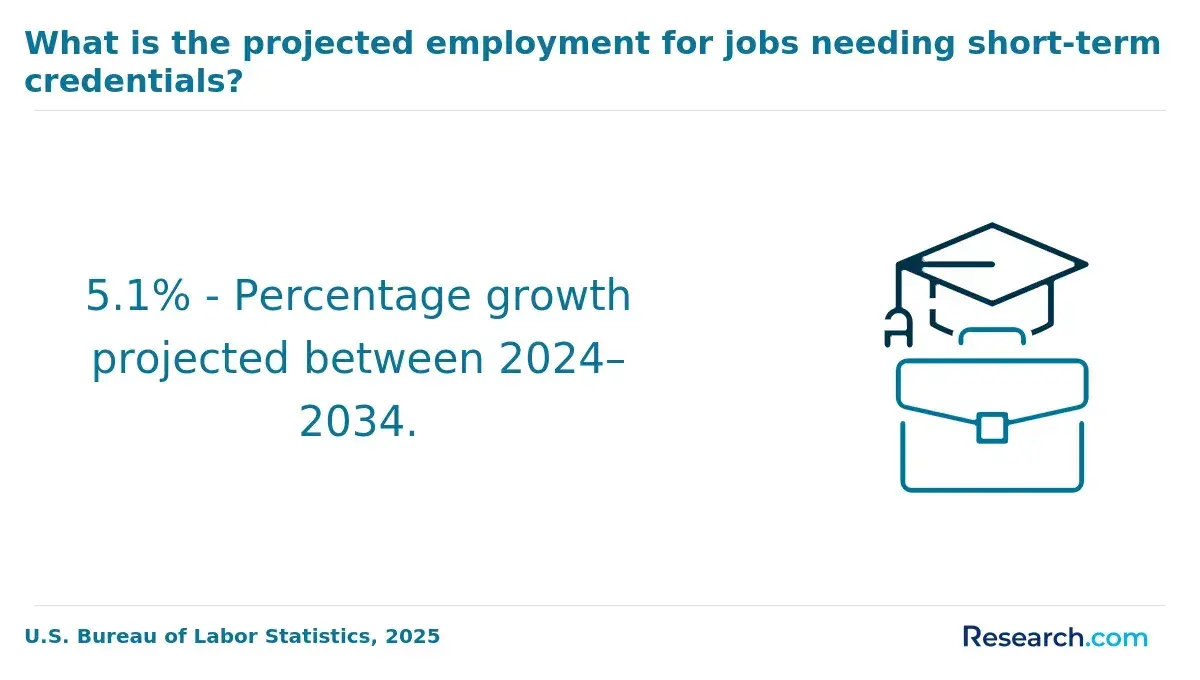
This matters because computer science remains a high-demand field, with employment expected to increase by 15% over the next decade. At the same time, admission to well-known programs can be competitive, and the average admitted student GPA for top programs often exceeds 3.5. Applicants below that range need a more strategic application plan.
This guide explains how low-GPA applicants can evaluate admission chances, understand minimum GPA expectations, identify flexible colleges, use test-optional or conditional pathways, improve an application, and prepare to succeed after admission.
Key Things to Know About Computer Science Bachelor's Degree Program Admission Chances & Workarounds
- Applying to less competitive programs or community colleges with guaranteed transfer agreements can provide alternative pathways into computer science bachelor's degrees despite low GPA.
- Admissions committees increasingly use holistic reviews, considering essays, recommendation letters, and extracurriculars that demonstrate motivation and relevant skills beyond GPA.
- Strengthening applications through relevant coursework, coding bootcamps, internships, or online certifications can significantly improve acceptance chances in competitive computer science programs.
Can I Get Into a Computer Science Bachelor's Degree With a Low GPA?
Yes, it is possible to get into a computer science bachelor’s degree program with a low GPA, but your chances depend heavily on the type of school, the strength of the rest of your application, and whether you are applying directly to a competitive computer science major or to the institution first. A low GPA is most limiting at selective universities and direct-admit computer science programs. It is less limiting at open-admission colleges, less selective regional universities, online-focused programs, and transfer pathways.
Admissions committees rarely look at GPA in isolation. They may also review your math preparation, grade trends, course difficulty, standardized test scores if submitted, personal statement, recommendations, coding projects, work experience, and evidence that you can handle college-level programming and quantitative coursework. Data from the National Center for Education Statistics show that about 68% of full-time first-time undergraduate students were enrolled in bachelor’s degree programs, reflecting how common but still selective these pathways can be.
The best strategy is to separate “low GPA” from “weak application.” A low GPA with no explanation, limited math preparation, and no computer science experience is difficult to overcome. A low GPA paired with recent academic improvement, strong grades in math or programming, a portfolio, and credible recommendations can be much more competitive.
If your GPA is below the published average, focus on programs that use holistic review, offer conditional admission, or allow transfer after proving yourself in college-level coursework. Similar to how applicants compare flexible graduate options such as affordable online MBA programs, computer science applicants should evaluate admissions policies rather than relying only on school reputation.
What Is the Minimum GPA for Computer Science Bachelor's Degree Programs?
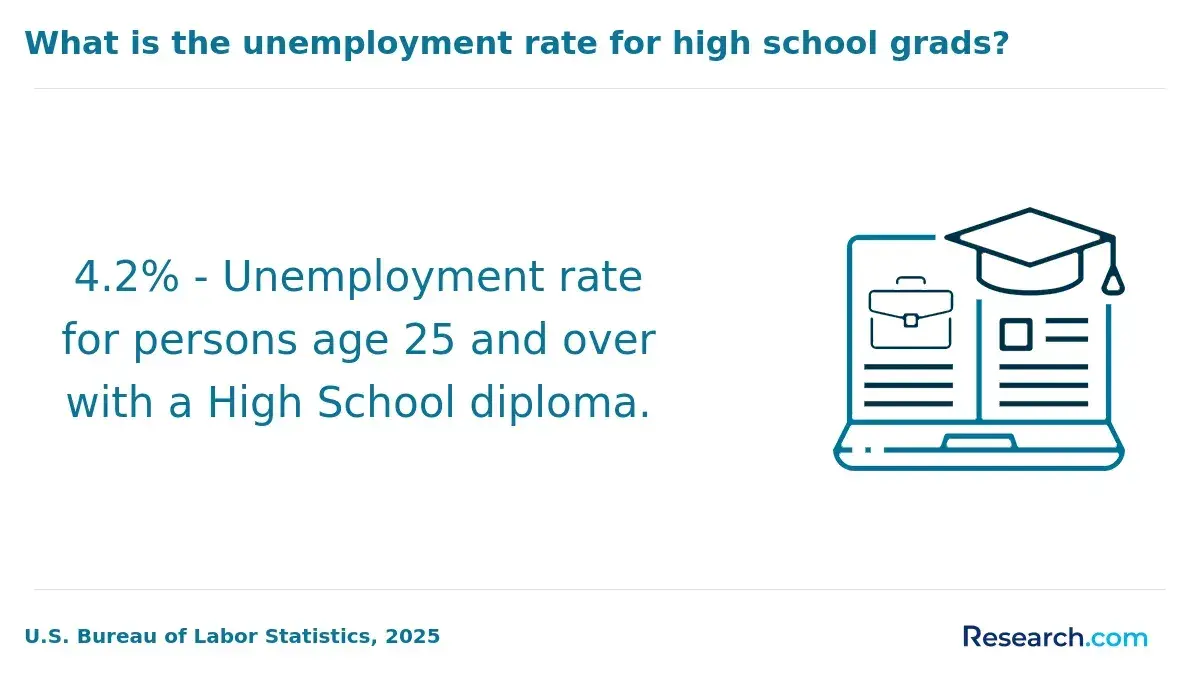
The minimum GPA for many computer science bachelor’s degree programs is generally around a 3.0 on a 4.0 scale, but that number should be treated as a baseline, not a guarantee of admission. Many admitted students have stronger academic records, often between 3.4 and 3.8, especially at competitive universities or programs where computer science is a capacity-limited major.
GPA expectations vary by institution. Less selective schools may consider applicants below 3.0, while highly selective programs may expect a much stronger record. Some colleges also place more weight on specific courses than on the cumulative GPA. For computer science, grades in algebra, precalculus, calculus, statistics, physics, and prior programming courses may matter more than unrelated classes.
Applicants should check each school’s admissions page carefully for three separate standards:
- University admission GPA: The minimum academic profile needed to enter the college or university.
- Major admission GPA: The GPA required to enter or remain in the computer science major, which may be higher than the general university requirement.
- Transfer GPA: The GPA required for students entering after community college or another institution, which may differ from freshman admission standards.
If your GPA is close to a posted minimum, strengthen the rest of your application rather than assuming the minimum is enough. If your GPA is below the minimum, look for schools that offer conditional admission, open admission, transfer pathways, or related majors such as information technology, software development, data analytics, or applied computing.
Cost should also be part of the search process. Applicants comparing degree options often review broader affordability resources, such as information on online business degree costs, to understand how tuition, transfer credits, and delivery format can affect the total price of earning a bachelor’s degree.
What Factors Matter Besides GPA for Computer Science Bachelor's Degree Admission?
For low-GPA applicants, the strongest applications give admissions teams another reason to believe the student can succeed. Many colleges use holistic admissions, and more than 60% of institutions reported relying on comprehensive reviews to assess candidates. That means grades matter, but they are not always the only deciding factor.
- Math readiness: Computer science requires logical reasoning and quantitative problem-solving. Strong recent grades in algebra, precalculus, calculus, statistics, or discrete math can help offset a weaker cumulative GPA.
- Programming experience: Personal projects, coding assignments, hackathons, apps, websites, robotics work, open-source contributions, or technical certifications can show genuine preparation for the major.
- Standardized test scores: At schools that still consider SAT or ACT scores, strong results can provide additional evidence of academic readiness. At test-optional schools, submit scores only if they strengthen your profile.
- Personal statement: A strong essay should not make excuses. It should explain relevant circumstances, show what changed, and connect your goals to specific preparation for computer science.
- Letters of recommendation: Recommendations are most useful when they come from teachers, employers, or mentors who can speak directly about your work ethic, technical growth, persistence, or ability to learn difficult material.
- Academic trend: An upward grade trend can matter. A student who struggled early but improved in later semesters may look more prepared than a student whose grades declined over time.
- Relevant work or volunteer experience: Tech support, tutoring, data entry, website maintenance, IT volunteering, and freelance coding can all demonstrate practical exposure to computing.
A recent computer science graduate described having an uneven early academic record because of personal circumstances. What helped most, he said, was showing a clear pattern of change: better recent grades, consistent participation in coding clubs, and recommendations from instructors who had seen his improvement. His takeaway was direct: admissions officers needed evidence that the student applying now was stronger than the transcript suggested.
Breakdown of Private Fully Online For-profit Schools

Which Colleges Accept Low GPA for Computer Science Bachelor's Degree Programs?
Colleges that accept low-GPA applicants for computer science bachelor’s degree programs usually fall into a few categories: open-admission colleges, less selective public or regional universities, online-focused schools, and community college transfer pathways. Open-admission colleges often accept more than 80% of applicants, making them a practical starting point for students who need to rebuild their academic record.
- Open-admission colleges: These institutions usually emphasize access and may not use strict GPA cutoffs. They can be useful for students who need a fresh academic start before transferring or progressing into a bachelor’s program.
- Less selective universities: Regional public universities and some private colleges may offer computer science or computing-related majors with more flexible admission standards than nationally ranked programs.
- Online-focused schools: Online programs may use rolling admissions, transfer-friendly policies, and flexible scheduling. They can be a good fit for working adults, military students, caregivers, and students who need more control over pace and location. Applicants comparing flexible undergraduate options may also want to review an online computer science bachelors degree pathway when affordability and access are major concerns.
- Community colleges: Community colleges can provide lower-cost foundational coursework in programming, math, and general education before transfer to a four-year institution.
- Related computing programs: If direct admission to computer science is unlikely, consider information systems, information technology, cybersecurity, software development, data analytics, or applied computing. These majors may still lead to technical careers and may offer internal transfer options later.
Do not assume that every school with a high acceptance rate offers an easy path into computer science. Some universities admit students generally but require a separate application for the major after prerequisite courses. Before applying, confirm whether computer science is direct-admit, pre-major, limited enrollment, or transfer-restricted.
Students researching flexible and accessible degree routes sometimes compare programs across fields, including options such as an online construction management master’s program, to understand how admission flexibility, program format, and tuition structures differ by discipline.
Are There No-GPA or Test-Optional Computer Science Bachelor's Degree Programs?
Yes, some computer science bachelor’s degree programs use flexible admissions policies, but “no-GPA” and “test-optional” do not mean “no standards.” More than 70% of four-year U.S. colleges had adopted test-optional policies as of 2023, but schools may still review transcripts, prerequisite courses, essays, recommendations, work history, portfolios, or placement results.
Test-optional programs allow applicants to decide whether SAT or ACT scores should be included. This can help students whose test scores do not reflect their ability. However, if your GPA is low and your test scores are strong, submitting scores may help demonstrate readiness.
No-GPA or flexible-GPA pathways may appear in several forms:
- Open admission: Students may be admitted if they meet basic eligibility requirements, such as a high school diploma or equivalent.
- Conditional admission: Students begin with specific academic requirements they must meet to continue in the program.
- Portfolio-based review: Applicants may submit coding projects, technical work samples, or professional experience as evidence of readiness.
- Transfer-first pathways: Students complete college-level coursework elsewhere, then apply with a stronger postsecondary record.
- Placement-based entry: Students may take assessments to determine whether they should begin in college-level math and programming or start with preparatory courses.
A graduate who applied with a low GPA said the most important shift was realizing that the application needed proof, not just hope. Her coding projects, recommendations, and explanation of academic growth helped the school evaluate her beyond the transcript. Flexible admissions policies gave her an opening, but she still had to show readiness for the work.
What Is Conditional Admission for a Computer Science Bachelor's Degree?
Conditional admission allows a student to begin a computer science bachelor’s degree program even if the applicant does not fully meet standard admission criteria. The student is admitted under specific requirements and must meet them within a defined period to continue in good standing. Research indicates that around 20-30% of students in some programs enter through this pathway.
This option can be valuable for low-GPA applicants, but it should be taken seriously. Conditional admission is not a free pass; it is a trial period that usually requires strong early performance.
- Eligibility: A school may offer conditional admission when an applicant shows potential through test scores, recent coursework, work experience, recommendations, or other evidence despite a lower GPA.
- Required coursework: Students may need to complete foundational classes in math, programming, writing, or college success before entering the full major sequence.
- Minimum performance standards: Programs often require students to earn certain grades or maintain a minimum GPA during the first term or first year.
- Limited course access: Some students may not be allowed to take advanced computer science courses until they complete prerequisites successfully.
- Progression to full admission: Students who meet all conditions may move into regular standing and continue through the degree plan.
- Academic support: Advising, tutoring, study skills coaching, and early alerts may be available, but students usually need to use these resources proactively.
Before accepting a conditional offer, ask what happens if you do not meet the conditions. Confirm whether you can retake courses, whether financial aid is affected, and whether you will remain eligible for the computer science major or be redirected to another program.
Does Starting at Community College Improve Computer Science Bachelor's Degree Acceptance?
Starting at community college can improve computer science bachelor’s degree acceptance for students with low high school GPAs because it gives them a new academic record. Instead of being judged mainly on high school performance, transfer applicants can show college-level success in programming, math, science, and general education courses. Nearly 38% of bachelor’s degree recipients in STEM fields started at a community college, showing that this is a common and legitimate route.
This pathway is especially useful if you need time to strengthen math skills, improve study habits, or reduce the cost of the first two years of college. Smaller classes, tutoring, and more accessible instructors can also help students build confidence before entering a larger four-year program.
However, community college is not automatically easier or risk-free. Transfer admission to competitive computer science programs can still be selective, and not every course will transfer as expected. Poor planning can lead to excess credits, delayed graduation, or added tuition costs.
To make the transfer route work, students should take these steps early:
- Use articulation agreements: Look for formal transfer agreements between the community college and target universities.
- Confirm prerequisite courses: Make sure programming, calculus, lab science, and general education courses match the requirements at the intended four-year school.
- Meet with advisors at both institutions: Do not rely only on one school’s advice if the goal is transfer.
- Protect the transfer GPA: A strong community college GPA can offset a weak high school record, but a weak transfer GPA may limit options further.
- Build a portfolio while enrolled: Use class projects, independent coding work, and internships to strengthen future applications.
How Can I Improve My Computer Science Bachelor's Degree Application With a Low GPA?
To improve a computer science bachelor’s degree application with a low GPA, focus on evidence of readiness. Admissions teams need to see that you can handle programming, math, deadlines, and problem-solving. Research data shows that nearly 20% of students with GPAs below typical cutoffs gain acceptance by emphasizing strengths beyond grades.
- Explain the GPA briefly and responsibly: If illness, family responsibilities, school disruption, work obligations, or another serious factor affected your grades, explain what happened and what changed. Avoid blaming teachers or sounding defensive.
- Show an upward trend: Recent strong grades can matter more than older weak grades. If possible, complete additional coursework in math, programming, or science before applying.
- Build a technical portfolio: Include projects that show progression, such as a website, mobile app, game, data analysis project, automation script, or contribution to open-source software. Quality matters more than quantity.
- Earn strong recommendations: Ask teachers, supervisors, or mentors who can describe your persistence, technical ability, improvement, and readiness for college-level work.
- Use the personal statement strategically: Connect your interest in computer science to specific experiences, not vague enthusiasm. Explain what you have built, learned, fixed, tested, or studied.
- Gain relevant experience: Internships, part-time IT work, volunteer tech support, tutoring, freelance projects, and coding clubs can help demonstrate applied skill.
- Apply to a balanced school list: Include reach, target, and likely schools. A low-GPA applicant should not rely only on highly selective programs.
- Consider related specializations: Some students build a stronger profile through focused interests such as cybersecurity, data analytics, fintech, or blockchain. Resources on a crypto degree can help applicants understand how specialized technology paths may connect to computing careers.
A common mistake is writing an application that asks the admissions committee to overlook the GPA without offering new evidence. A stronger approach is to show academic recovery, technical initiative, and a realistic plan for succeeding in a demanding major.
Can I Succeed in a Computer Science Bachelor's Degree After a Low GPA Admission?
Yes, students admitted with low GPAs can succeed in computer science bachelor’s degree programs, but they usually need to change the habits that led to weaker academic performance. Research shows that retention rates for students with lower incoming GPAs can be around 60%, compared to over 80% for students with higher GPAs. That gap does not mean success is unlikely; it means students should treat the first year as a high-risk, high-importance period.
Computer science can be challenging because concepts build on one another. Falling behind in programming fundamentals, discrete math, or calculus can make later courses much harder. Students who enter through conditional admission or with a low GPA should plan for structure from the beginning.
- Take placement seriously: Starting in the right math or programming course is better than rushing into a course you are not prepared for.
- Practice coding consistently: Short, frequent practice sessions usually work better than last-minute cramming before projects are due.
- Use tutoring early: Do not wait until failing an exam. Computer science tutoring, office hours, and study groups are most useful before confusion becomes a pattern.
- Limit course overload: Pairing multiple difficult STEM courses with heavy work hours can be risky, especially in the first term.
- Track deadlines carefully: Programming projects often take longer than expected. Start early enough to debug, test, and ask questions.
- Build peer support: Study groups, coding clubs, and classmates can help with motivation and problem-solving, as long as academic integrity rules are followed.
Some students may also benefit from starting with a lower-risk credential before moving into a bachelor’s program. An online associate degree can provide foundational coursework and help students demonstrate readiness for later transfer or bachelor’s-level study.
Do Employers Care About GPA After Completing a Computer Science Bachelor's Degree?
Employers may care about GPA for entry-level computer science roles, but its importance usually declines after graduates gain experience. Research shows that about 60% of employers consider GPA important for recent graduates, but this number drops to under 20% as individuals accumulate professional experience.
For new graduates, GPA may appear in screening for internships, rotational programs, government roles, or large employers with structured hiring systems. Some job postings may ask for a minimum GPA. However, many technology employers place greater weight on demonstrated skills, completed projects, internships, interviews, and problem-solving ability.
Several factors can become more important than GPA:
- Internships and co-ops: Relevant workplace experience shows that you can apply classroom knowledge in real environments.
- Technical portfolio: GitHub repositories, apps, websites, data projects, or documented code samples can help employers evaluate skill directly.
- Programming ability: Employers often care more about whether you can write, test, debug, and explain code than whether you had a perfect transcript.
- Interview performance: Technical interviews, behavioral interviews, and take-home assignments can outweigh GPA once you reach the hiring stage.
- Professional achievements: Hackathons, open-source contributions, certifications, freelance work, or research experience can signal initiative.
- Soft skills: Communication, teamwork, reliability, and adaptability matter because most software work happens in teams.
If your GPA is low after graduation, do not lead with it unless an employer requires it. Lead with projects, internships, measurable accomplishments, and the technologies you can use. Over time, work experience and demonstrated performance usually become much more important than undergraduate grades.
What Graduates Say About Computer Science Bachelor's Degree Program Admission Chances & Workarounds
- Trace: "When I realized my GPA was holding me back from entering a computer science bachelor's program, I explored alternative pathways like community college transfer and appeal letters. Preparing myself involved focused coding bootcamps and self-study to strengthen my application. Graduating completely shifted my career trajectory, opening doors in tech roles I once thought unattainable."
- Sutton: "Assessing my options after a low GPA was daunting, but I found that some programs valued work experience and passion as much as grades. I prepared by building a strong portfolio and connecting with mentors who guided me through the process. Completing my computer science degree gave me the confidence to pursue software development and a fresh start in a competitive industry."
- Ezekiel: "My low GPA initially limited my admission opportunities, so I researched programs with flexible entry requirements and focused on improving my skills through online courses. The preparation phase taught me discipline and resilience, which were crucial for success. Earning my computer science bachelor's degree was instrumental in my career change, allowing me to transition from unrelated fields into a technology-driven role."
Other Things You Should Know About Computer Science Degrees
Yes, relevant work experience or internships in coding, software development, or IT can enhance your application. Admissions committees often view practical experience as evidence of your commitment and ability to succeed in computer science coursework. Demonstrating hands-on skills may help compensate for a lower GPA by showing you can handle real-world technical challenges.
Retaking introductory computer science or mathematics courses to improve your grades can strengthen your academic record. Completing additional coursework, such as coding bootcamps or online programming classes, also signals a proactive attitude toward learning. These efforts can reassure admissions committees that you are addressing past academic issues and are better prepared for a computer science degree.
A well-crafted personal statement can effectively highlight your passion for computer science and illustrate how life experiences have prepared you for the program. This narrative can complement your application, showcasing your determination and readiness to overcome academic challenges.
References
- Computer Science - Bunker Hill Community College https://www.bhcc.edu/stem/computerscience/
- Colleges That Accept Low GPA Scores | Find Options https://www.educationconnection.com/resources/colleges-that-accept-low-gpa/
- Community college pathways to a four-year computer science degree https://blog.google/products-and-platforms/products/education/community-college-pathways-four-year-computer-science-degree/
- To those who have graduated and gotten jobs (preferably in CS), does GPA matter? https://talk.collegeconfidential.com/t/to-those-who-have-graduated-and-gotten-jobs-preferably-in-cs-does-gpa-matter/1741842
- Computer Science Degree Admission Requirements: What You Need https://hakia.com/degrees/computer-science/admission-requirements/
- Admission Requirements https://www.nyit.edu/academics/degrees/computer-science-bs/admission-requirements/
- low gpa, universities accepting low gpa, low gpa requirement https://yocket.com/blog/universities-accepting-low-gpa
- A smoother transfer path for computer science https://www.ccdaily.com/2017/10/smoother-transfer-path-computer-science/
- Decoded: What to know before studying computer science https://www.law.ac.uk/resources/blog/what-to-know-before-studying-computer-science/
- Computer Science - SWPS University https://english.swps.pl/academics/warsaw/ba-programs/computer-science


