
2027 Different Types of Computer Science Bachelor's Degrees: Specializations, Careers, and Salaries

Co-Founder and Chief Data Scientist
Choosing a computer science bachelor’s degree is not only a question of where to study. It is also a question of format, specialization, cost, and career direction. A student aiming for software engineering may need a different curriculum and project portfolio than one preparing for cybersecurity, data analytics, artificial intelligence, or IT systems work.
The stakes are practical. According to the U. S. Bureau of Labor Statistics, employment in computer and information technology is projected to grow 15% from 2021 to 2031, much faster than average. That growth can create strong opportunities, but it does not make every degree path equal. Program quality, accreditation, internship access, faculty expertise, delivery format, and specialization options can all affect how prepared a graduate is for the labor market.
This guide explains the main types of computer science bachelor’s degrees, common specializations, entry-level jobs, salary considerations, program costs, and financial aid options. It is designed to help prospective students compare choices realistically and select a degree that fits their schedule, budget, technical interests, and long-term career goals.
Key Things to Know About Different Types of Computer Science Bachelor's Degrees
- Specializations in computer science include software engineering, data science, and cybersecurity, each focusing on different technical skills and problem-solving approaches.
- Career paths vary from developers and data analysts to security experts, with opportunities in tech firms, finance, healthcare, and government sectors.
- Median salaries range from $70,000 to over $110,000 annually, influenced by specialization, experience, and geographic location within the United States.
What Are the Different Types of Computer Science Bachelor's Degrees?
Computer science bachelor’s degrees generally cover programming, algorithms, data structures, computer systems, databases, software development, and mathematics. The main differences are how the program is delivered, how quickly students move through it, and how much flexibility it offers. Recent educational data shows that over 40% of undergraduate students in STEM fields enroll in non-traditional formats such as online or hybrid programs, which reflects the growing demand for flexible degree options.
The right format depends on your schedule, learning style, finances, and need for campus-based support. A full-time residential student may benefit from in-person labs and student organizations, while a working adult may need asynchronous coursework and part-time pacing.
- Traditional On-Campus: Students attend classes in person, usually over a typical four-year period. This format can offer strong access to faculty, peer collaboration, computing labs, research groups, hackathons, employer events, and campus recruiting. It may be less flexible for students who work full time or live far from campus.
- Accelerated: Accelerated programs compress degree requirements into a shorter timeframe, often three years. They can reduce time away from the workforce, but they require discipline, heavier course loads, and careful planning. Students should confirm whether accelerated pacing affects internship availability or course sequencing.
- Online: Online computer science programs deliver coursework virtually and often mirror on-campus curricula. They can work well for students balancing employment, caregiving, military service, or geographic constraints. Before enrolling, students should verify accreditation, technical support, faculty access, exam requirements, and whether the program includes substantial coding projects.
- Hybrid: Hybrid programs combine online coursework with some in-person requirements, such as labs, exams, weekend sessions, or project meetings. This format can provide more structure than a fully online degree while preserving some scheduling flexibility.
- Part-Time: Part-time enrollment lets students take fewer courses per term. It can make tuition and workload more manageable, but it usually extends time to graduation. Students should ask whether key courses are offered frequently enough to avoid delays.
When comparing formats, look beyond convenience. A strong program should provide rigorous technical coursework, career advising, internship preparation, access to projects, and a clear path through prerequisites. Students comparing flexible undergraduate options may also want to review an online computer science bachelor degree if affordability and schedule flexibility are priorities. For those thinking further ahead, resources on the easiest masters programs to get into can help frame future graduate study options.
What Specializations Are Available in a Computer Science Bachelor's Degree?
Many computer science bachelor’s programs allow students to choose electives or formal tracks in a technical area. A recent survey indicates that over 70% of U.S. computer science programs provide at least three different specialization tracks. These tracks help students build a more focused portfolio and prepare for specific job families, but they should not replace a strong foundation in programming, algorithms, computer architecture, operating systems, and databases.
Specialization matters most when it shapes the courses you take, the tools you learn, and the projects you can show employers. A transcript alone is rarely enough; students should graduate with evidence of applied work, such as applications, repositories, security labs, data projects, or research experience.
- Software Engineering: Focuses on designing, building, testing, deploying, and maintaining software systems. Students usually study programming languages, software architecture, development methodologies, version control, testing, documentation, and quality assurance. This track is a strong fit for students who want to become software developers or engineers.
- Data Science and Analytics: Emphasizes statistics, data management, machine learning, visualization, and big data tools. Students learn how to clean, analyze, interpret, and communicate findings from datasets. This option suits students interested in data analyst, business intelligence, analytics engineering, or data science pathways.
- Cybersecurity: Covers network security, secure coding, cryptography, ethical hacking, risk assessment, systems defense, and incident response. Students should look for hands-on labs and practical security exercises, not only theory. This track can lead to roles in information security, security operations, vulnerability analysis, and compliance-focused technology work.
- Artificial Intelligence and Machine Learning: Concentrates on algorithms that allow systems to detect patterns, make predictions, and support intelligent behavior. Coursework may involve machine learning, natural language processing, computer vision, optimization, and data-intensive programming. This path often benefits students who are comfortable with mathematics and advanced computing concepts.
- Human-Computer Interaction: Focuses on how people use technology. Students study usability, interface design, user research, accessibility, prototyping, and evaluation. This specialization can support careers in UX research, product design, interface engineering, or user-centered software development.
Students planning graduate school should check how undergraduate specialization affects prerequisites. Those exploring admission requirements for online computer science master's programs for non-majors may find that a focused undergraduate background can reduce gaps in preparation. Students with interdisciplinary interests can also compare related academic paths, including business degree online programs that connect technology with management, analytics, or information systems.
What Entry-Level Jobs Can I Get With a Computer Science Bachelor's Degree?
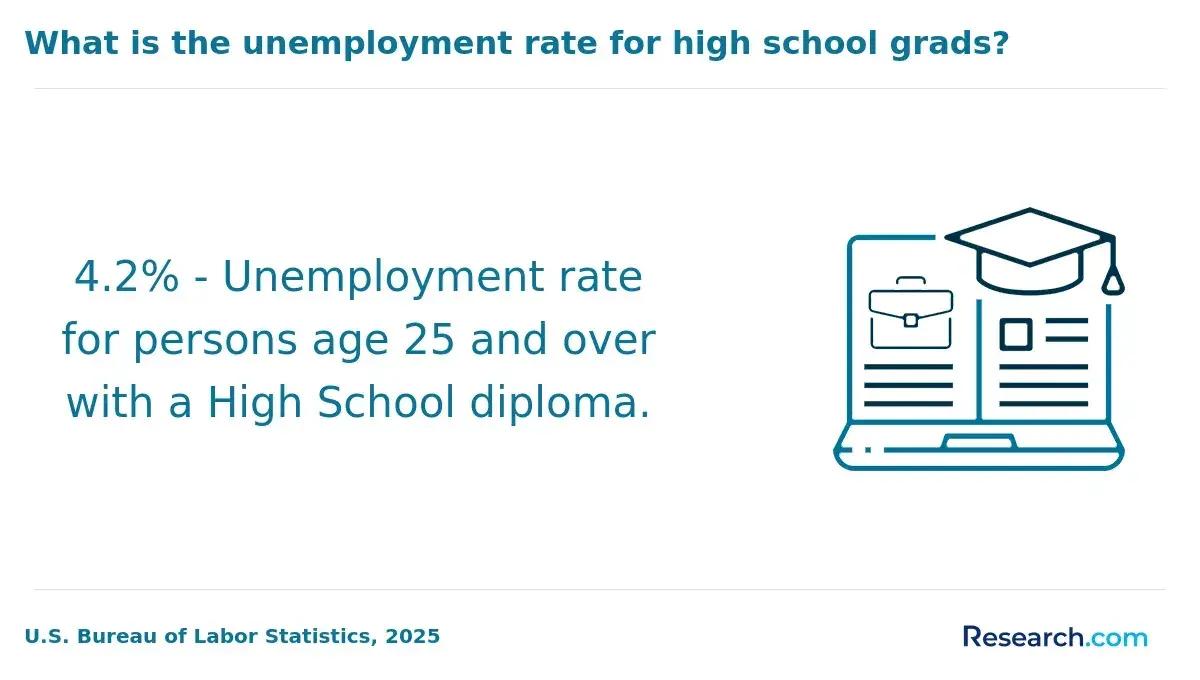
A computer science bachelor’s degree can prepare graduates for several entry-level technology roles, though hiring outcomes depend on skills, internships, projects, interview performance, location, and employer demand. Data from the National Association of Colleges and Employers indicates that around 76% of computer science grads find employment within six months, which points to solid early-career prospects for well-prepared graduates.
Most entry-level roles require more than passing coursework. Employers often look for programming ability, debugging skill, problem-solving, teamwork, communication, and evidence that the candidate can build or maintain real systems. Internships, capstone projects, open-source contributions, and technical portfolios can make a major difference.
- Software Developer: Builds, tests, fixes, and improves applications or systems. Entry-level developers often write code, review pull requests, debug issues, document features, and learn the company’s technology stack. Strong candidates usually have projects that demonstrate practical coding ability.
- Systems Analyst: Studies business or organizational technology needs and helps design better systems. This role combines technical knowledge with communication and process analysis. It can be a good fit for students who enjoy both computing and business problem-solving.
- Quality Assurance Tester: Tests software to identify defects before release. QA roles may involve manual testing, automated test scripts, bug tracking, regression testing, and documentation. This path can lead toward software engineering, test automation, or quality engineering.
- Data Analyst: Collects, cleans, analyzes, and visualizes data to support decisions. Entry-level analysts often use databases, spreadsheets, statistical tools, dashboards, and programming languages. Students interested in this role should build projects that show data cleaning, analysis, and clear communication.
- IT Support Specialist: Helps users troubleshoot hardware, software, networks, and systems. While not always as programming-heavy as other paths, IT support can build strong operational knowledge and may lead to systems administration, cloud support, cybersecurity, or infrastructure roles.
A common mistake is assuming the degree title alone will secure a first job. Students should begin career preparation early by completing technical projects, practicing coding interviews, attending career events, and applying for internships before the final year. The first role may not be the final career direction, but it can provide the work experience needed to move into a more specialized technology position.
When asked about the kinds of roles available after earning a computer science degree, one professional shared that transitioning into the workforce involved a combination of excitement and uncertainty. "Starting out, I wasn't sure which path to follow," he recalled. Interviewing for different roles forced him to clarify his technical strengths and learn where he still needed practice. He emphasized that the degree gave him a broad foundation, but real confidence came from workplace problem-solving and steady skill growth. "It's rewarding to see how entry-level jobs build the skills that open doors to more specialized tech careers," he added.
What Industries Pay the Most for Computer Science Graduates?
Computer science graduates can work across nearly every sector, but compensation often varies by industry. Pay tends to be stronger in fields where software, data, automation, security, and scalable infrastructure directly affect revenue, risk, or competitive advantage. Reports indicate that technology sector salaries for computer science majors often surpass the national average by a significant margin.
The highest-paying employers are not always the best fit for every graduate. Workload, location, job stability, remote work policies, mission, career mobility, and learning opportunities also matter. A role with slightly lower starting pay may be more valuable if it provides strong mentorship and rapid technical growth.
- Technology Sector: Technology companies frequently hire computer science graduates for software development, cloud computing, cybersecurity, platform engineering, data infrastructure, and artificial intelligence-related work. These employers often reward strong programming skills, systems thinking, and experience with modern development tools.
- Finance and Banking: Financial institutions use computer science talent to build trading platforms, protect transactions, automate risk analysis, manage databases, and analyze large volumes of data. Skills in algorithms, security, quantitative modeling, and reliable systems can be especially valuable in this environment.
- Healthcare Technology: Healthcare organizations and health technology firms need developers and analysts for medical software, health analytics, patient data systems, bioinformatics, and digital care platforms. These roles can pay well because they combine technical skill with domain-specific complexity, privacy requirements, and reliability expectations.
Students who want access to higher-paying sectors should choose electives and projects carefully. For example, finance-oriented roles may favor data structures, databases, distributed systems, and quantitative work, while healthcare technology may value security, data privacy, interoperability, and analytics. Graduates who later want to combine technical expertise with management or strategy can compare business-oriented pathways such as the fastest MBA programs.
What Is the Average Salary for Computer Science Bachelor's Degree Graduates?
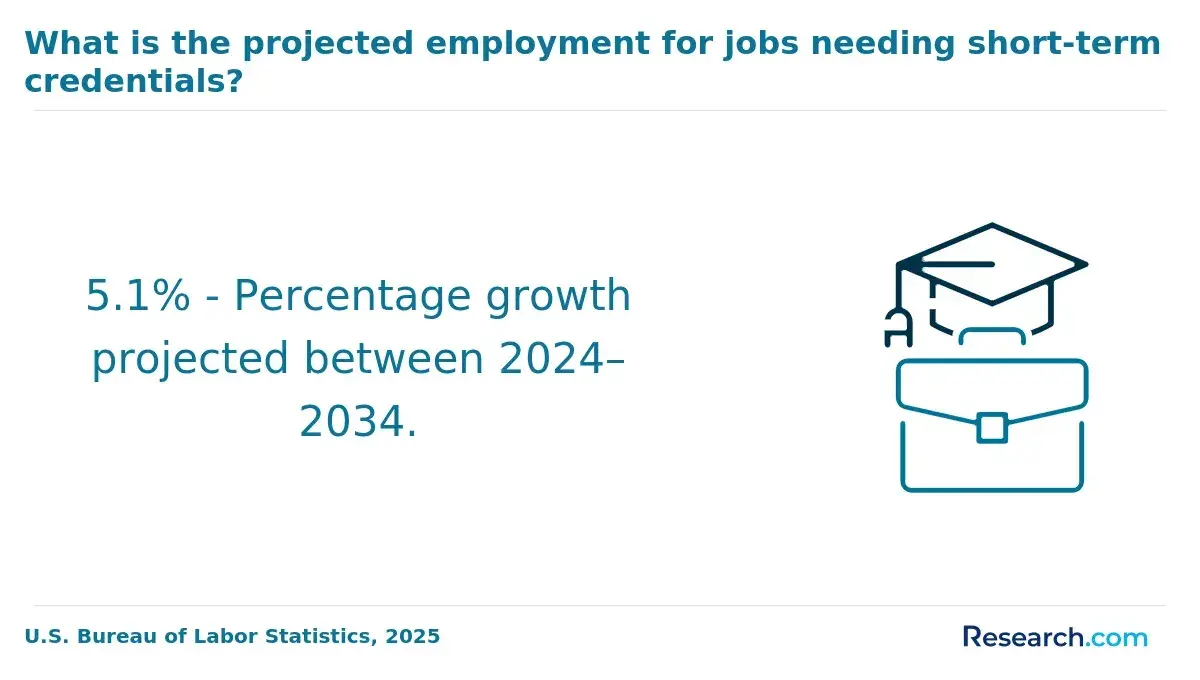
Salary outcomes for computer science bachelor’s degree graduates vary by role, employer, industry, region, experience, and technical skill. Recent data from the National Association of Colleges and Employers indicates that the average starting salary is around $72,000. That figure is useful as a general benchmark, but individual offers may be higher or lower depending on the market and the graduate’s preparation.
Students should evaluate compensation as a full package, not only base salary. Benefits, bonuses, equity, retirement contributions, remote work options, relocation costs, cost of living, and professional development support can significantly affect the real value of an offer.
- Experience Level: New graduates usually start in junior or associate roles. Salaries often rise as they demonstrate reliable coding, problem-solving, ownership, and teamwork. Internship experience can improve competitiveness for stronger offers.
- Industry Impact: Employers in technology, finance, and healthcare frequently offer more competitive salaries than some other sectors because technical work may be closely tied to revenue, security, efficiency, or innovation.
- Geographic Variation: Regions recognized as tech hubs, such as Silicon Valley, Seattle, and New York, generally provide salaries above the national median. However, students should compare those salaries against housing, taxes, commuting, and relocation expenses.
- Skillset and Credentials: Practical skills in programming, cloud platforms, data tools, cybersecurity, machine learning, or software testing can improve marketability. Certifications may help in some fields, but they are usually most valuable when paired with hands-on experience.
- Market Dynamics: Economic shifts and talent demand affect compensation. Hiring conditions can change quickly, so graduates should research current job postings, salary ranges, and employer expectations before negotiating.
A professional with a bachelor's degree in computer science shared her experience navigating the early career salary landscape. She recalled, "Negotiating my first job offer was intimidating because I wasn't sure of the market standards." Over time, she learned the importance of continuous skill development and networking, which directly influenced her earning trajectory. "While my starting salary was decent, advancing involved proactively seeking out challenging roles and certifications that aligned with industry needs," she reflected. Her experience shows why graduates should treat the first offer as a starting point, not a permanent ceiling.
How Do Salaries Compare Across Computer Science Specializations?
Salaries can differ across computer science specializations because employers value skills differently depending on business needs, technical complexity, and labor supply. For instance, cybersecurity roles typically report median annual salaries near $103,000, while positions such as database administration tend to have lower averages around $93,000. These figures show that specialization can influence earning potential, but it is not the only factor.
Software engineering, artificial intelligence, machine learning, cybersecurity, and data-intensive roles may command higher wages when they require advanced technical judgment or support critical systems. However, students should avoid choosing a specialization based only on salary. A high-paying field that does not match your strengths can lead to poor performance, burnout, or limited career satisfaction.
- Software Engineering: Often offers broad job availability because nearly every industry needs software. Pay can rise quickly for graduates who become proficient in building reliable, scalable systems.
- Artificial Intelligence and Machine Learning: Can offer strong compensation where employers need advanced modeling, automation, or predictive systems. These roles may require deeper mathematics, data experience, and sometimes graduate-level preparation.
- Cybersecurity: Can pay well because security failures create major operational, financial, and reputational risks. Practical lab work, security tools, and a strong understanding of systems can be especially important.
- Data Science and Analytics: Salary depends heavily on whether the role is closer to reporting and dashboarding or to advanced modeling, engineering, and statistical analysis.
- Human-Computer Interaction: Pay can vary by employer and role type. Graduates who combine design insight with front-end development, research methods, or product experience may be more competitive.
Experience level, location, employer size, interview performance, and proficiency with specific programming languages or tools also affect salary. The most practical approach is to choose a specialization that fits both market demand and personal strengths, then build a portfolio that proves job readiness.
Are Salaries Different for Online vs On-Campus Computer Science Graduates?
Online and on-campus computer science graduates can achieve similar salary outcomes when the programs are accredited, rigorous, and respected by employers. A notable study reveals that the median salary for online graduates is within 5% of on-campus peers five years after graduation, reflecting growing employer acceptance of quality online degrees. In many hiring processes, the decisive factors are skills, projects, internships, interviews, and institutional reputation rather than delivery format alone.
That said, online and on-campus students may have different access to career-building resources. On-campus programs may provide more frequent in-person career fairs, lab access, faculty interaction, student clubs, and peer networking. Online programs may offer flexibility that allows students to continue working, build experience while studying, or attend a school outside their region.
- Accreditation and reputation matter: Students should verify institutional accreditation and, when relevant, whether the computer science program has recognized programmatic quality indicators. Employers are more likely to respect online degrees from credible institutions with demanding curricula.
- Projects and portfolios reduce uncertainty: Online graduates can strengthen employer confidence by showing completed applications, code repositories, data analyses, cybersecurity labs, or capstone work.
- Internship access can differ: Some online students must be more proactive about finding internships, employer events, and mentorship because they may not have the same campus-based recruiting experience.
- Location still affects salary: Geographic labor markets influence pay regardless of whether the degree was earned online or on campus. Remote roles can broaden options, but competition for those jobs can also be high.
Students choosing between online and on-campus formats should ask each program about career services, internship placement support, employer partnerships, alumni outcomes, required synchronous sessions, and technical support. The better choice is the one that helps you complete the degree successfully while building demonstrable skills.
Do Costs Vary Across Computer Science Bachelor's Degree Programs?
Yes. Costs can vary substantially across computer science bachelor’s programs. On average, public four-year schools charge between $10,000 and $15,000 annually for in-state students, while private institutions may exceed $35,000 per year. The advertised tuition rate is only part of the total cost, so students should calculate the full price of attendance before committing.
Computer science students may also face expenses tied to technology, such as a capable laptop, software, lab fees, cloud computing usage, exam proctoring, or specialized course materials. These costs can be manageable, but they should be included in a realistic budget.
- Institution Type: Public universities often charge lower tuition for in-state students, while out-of-state and private institutions may cost more. Students should compare net price after grants and scholarships, not only sticker price.
- Program Format: Online and on-campus degrees can have different pricing models. Online programs may reduce commuting or housing expenses, but some charge technology fees or tuition rates similar to campus-based programs.
- Program Length: Accelerated or competency-based formats may reduce time to graduation and total costs for students who can keep pace. Programs with additional credit hours, required internships, or intensive specializations may cost more.
- Technological Fees: Some schools charge for lab access, software platforms, hardware, cloud systems, or other tools required for computer science coursework. Students should ask for a full list of required fees before enrolling.
Cost should be weighed against completion likelihood and career preparation. A lower-cost program that lacks support, course availability, or credible outcomes may not be the best value. At the same time, a more expensive school is not automatically better. Students comparing cost-efficient education pathways may also review broader affordability resources such as the best online MBA under 30k.
What Financial Aid Options Are Available for Computer Science Students?
Computer science students can use many of the same financial aid options available to other undergraduates, including federal aid, state aid, institutional scholarships, private scholarships, loans, and work-study. Nearly 85% of undergraduate students benefit from some form of financial aid, which shows why students should not judge affordability by sticker price alone.
The most important first step is to complete the Free Application for Federal Student Aid (FAFSA) as early as possible. Many federal, state, and institutional aid decisions depend on FAFSA information, and some funds may be limited.
- Federal Grants: Grants do not require repayment when students meet the eligibility rules. The Pell Grant is a widely recognized federal grant that can help eligible undergraduate students reduce educational costs.
- Student Loans: Federal student loans often provide lower interest rates and more flexible repayment options than private loans. They still must be repaid, so students should borrow only what they need and understand repayment obligations before accepting funds.
- Scholarships: Scholarships may be based on academic performance, leadership, financial need, identity, location, employer sponsorship, or interest in STEM fields. Computer science students should search through universities, professional associations, community foundations, employers, and technology organizations.
- Work-Study Programs: Work-study can help students earn money through part-time employment. When possible, students should seek campus IT, research assistant, tutoring, help desk, or lab support roles that also strengthen their resumes.
- Institutional Aid: Colleges may offer grants, tuition discounts, departmental scholarships, honors awards, or transfer scholarships. Students should ask the computer science department and financial aid office about awards specifically available to CS majors.
Students should compare aid offers carefully. A large scholarship at a high-cost school may still leave a larger bill than a smaller award at a lower-cost institution. Prospective students who are also thinking about future graduate study can explore whether will grad schools accept low GPA as part of long-term academic planning.
What Factors Should I Consider When Selecting a Computer Science Degree?
Choosing a computer science bachelor’s program should involve more than scanning rankings or tuition pages. A 2023 survey found that over 60% of students value specialization options highly when deciding on a degree, but specialization is only one part of a strong decision. Students should also evaluate curriculum depth, accreditation, faculty support, career services, cost, flexibility, and graduation requirements.
- Academic Interests: Identify which parts of computing genuinely interest you. Students drawn to building applications may prefer software engineering, while those interested in risk and defense may prefer cybersecurity. Curiosity matters because computer science requires sustained practice.
- Specialization Options: Look for programs with relevant tracks, electives, labs, and capstone opportunities. A specialization should lead to concrete skills and portfolio-ready work, not just a label on a transcript.
- Program Format: Decide whether on-campus, online, hybrid, full-time, part-time, or accelerated study fits your life. The best format is the one you can complete while maintaining consistent progress and skill development.
- Career Alignment: Review internship support, employer connections, alumni outcomes, career coaching, project expectations, and technical interview preparation. A program should help students move from coursework to employability.
- Long-Term Goals: Consider whether the degree supports graduate school, leadership, entrepreneurship, research, or specialized technical work. Students interested in advanced AI, research, or highly specialized roles may need a program with strong mathematics, theory, and faculty research opportunities.
Before enrolling, ask practical questions: Are core courses offered often enough to graduate on time? What programming languages and tools are used? How are online students supported? Are internships required or optional? What percentage of students complete the program? What career services are available to computer science majors? A good program should provide clear answers.
What Graduates Say About Different Types of Computer Science Bachelor's Degrees
- Candace: "I chose to specialize in artificial intelligence within my computer science bachelor's degree because of my passion for innovation and problem-solving. This focus not only opened doors to cutting-edge internships but also helped me land a role at a leading tech firm shortly after graduation. The degree significantly boosted my salary potential and accelerated my career growth in a competitive market."
- Sutton: "Reflecting on my journey, selecting software engineering as my computer science specialization was a pivotal decision. The practical skills I gained allowed me to transition smoothly into a developer position, and the program's strong industry connections made job hunting much easier. Over time, my degree has proven invaluable in securing promotions and expanding my professional opportunities."
- Ezekiel: "Pursuing a computer science bachelor's degree with a focus on cybersecurity was driven by my interest in protecting digital assets. The comprehensive curriculum and hands-on projects prepared me well for my first job in information security. Since then, the degree has played a key role in increasing my earning power and establishing credibility in a rapidly evolving field."
Other Things You Should Know About Computer Science Degrees
A computer science bachelor's degree often offers strong return on investment due to high demand for skilled professionals in technology fields. Graduates typically find well-paying jobs in areas such as software development, cybersecurity, and data analysis. However, the value also depends on factors like the program's reputation, location, and individual career goals.
In 2027, computer science graduates can pursue careers in software development, data analysis, cybersecurity, and artificial intelligence. Specialized roles in emerging fields like quantum computing and blockchain may also be available, with lucrative salaries ranging from $70,000 to over $120,000 depending on experience and location.
Yes, computer science graduates have versatile skills applicable across various sectors including finance, healthcare, education, and government. Their technical expertise supports roles in data science, software engineering, IT consulting, and more beyond traditional tech companies.
In 2027, computer science graduates can explore careers in software development, data analysis, cybersecurity, machine learning, and IT consultancy. Other roles may include DevOps engineer, cloud computing specialist, AI researcher, and database administrator, reflecting the growing tech industry's demand for specialized expertise.
References
- Financial Aid for Computer Science | Encyclopedia.com https://www.encyclopedia.com/education/news-and-education-magazines/financial-aid-computer-science
- Computer Science Degree Specializations & Concentrations https://www.hakia.com/degrees/computer-science/specializations/
- Bachelor of Computer Science, Bachelors in Computer Science https://www.eddirect.com/program/technology/computer-science/bachelor
- Bachelor Degrees in Computer Science | Undergraduate Program https://shorelight.com/universities/undergraduate/international/computer-science
- Should I Earn a Bachelor's in Computer Science Online? https://www.allonlineschools.com/degrees/bachelors/computer-science/
- How to choose a Computer Science degree program https://www.freecodecamp.org/news/how-to-choose-a-computer-science-degree-program-2c67687bfb2e/
- Scholarships for Computer Science Majors https://stilt.com/education/scholarships-for-computer-science/
- Program search – UniPage https://www.unipage.net/en/programs


