2027 Can You Get Into a Developmental Psychology Degree Master's Program with a Low GPA? Admission Chances & Workarounds

Co-Founder and Chief Data Scientist
Many applicants with a low GPA worry they lack a chance to enter a developmental psychology master's program, especially given the competitive nature of admission. For instance, nearly 65% of developmental psychology programs require a minimum GPA of 3.0 or higher. This standard can disqualify many promising candidates despite relevant experience or strong personal statements. The challenge lies in demonstrating potential beyond grades, such as research involvement or professional skills.
This article explores admission strategies and alternative pathways designed to improve chances for applicants with below-average GPAs seeking development psychology graduate degrees.
Key Things to Know About Getting Into a Developmental Psychology Master's Program with a Low GPA
- Admissions committees assess candidates holistically, valuing relevant research experience, strong recommendation letters, and personal statements that explain GPA context.
- Pursuing postbaccalaureate courses or certificate programs can demonstrate academic improvement and commitment to developmental psychology.
- Networking with faculty and gaining practical experience through internships can significantly enhance acceptance chances despite a low GPA.
What Is the Minimum GPA for Developmental Psychology Master's Programs?
Minimum GPA requirements for developmental psychology master's programs vary significantly across institutions, influenced by program competitiveness and academic standards. While some programs set a firm baseline, others adjust expectations based on the strength of the applicant pool. The most commonly cited minimum undergraduate GPA for admission in the U.S. hovers around 3.0 on a 4.0 scale. This threshold generally reflects satisfactory academic performance in relevant coursework, providing a foundation for graduate-level study in developmental psychology.
Meeting the minimum GPA requirement does not guarantee admission, as the average GPA needed for admission to developmental psychology graduate school often exceeds the baseline. Competitive programs generally expect applicants to have a GPA closer to 3.3 or above to maintain strong chances of acceptance. This gap between the stated minimum and typical admitted GPA highlights the importance of how an applicant's academic record compares within the applicant pool.
Prospective students with below-average GPAs may also explore related fields or alternative study options, such as bcba master's programs online, to enhance their credentials and career prospects.
How Do Graduate Schools Evaluate a Low Undergraduate GPA?
Undergraduate GPA is a significant factor in graduate admissions, but a low GPA does not necessarily prevent acceptance, especially in developmental psychology master's programs. Graduate schools evaluate applicants holistically, considering multiple aspects of an application to understand potential beyond traditional metrics. The following factors are commonly used to assess candidates with lower academic performance:
- Academic Performance Trends: Admissions committees look for an upward trajectory in grades, which can indicate resilience, growth, and improved study habits over time rather than focusing solely on cumulative GPA.
- Professional Experience: Relevant work or research experience in psychology or related fields demonstrates practical skills and dedication. This experience can strengthen an application by showing real-world application of knowledge beyond classroom performance.
- Letters of Recommendation: Strong, detailed recommendations from professors or supervisors provide insight into an applicant's work ethic, intellectual curiosity, and suitability for graduate study, helping to offset concerns about GPA.
- Standardized Test Scores: Test scores such as the GRE offer a standardized measure of academic readiness, allowing programs to compare applicants on a common scale regardless of undergraduate performance.
These factors together help admissions committees in understanding how graduate schools assess low undergraduate GPA in developmental psychology programs and identify applicants who may succeed despite academic challenges. For those exploring admission chances with a below-average GPA, gaining professional experience and securing strong recommendations are particularly valuable steps.
Prospective students may also want to explore what certifications can I get online to enhance their qualifications and demonstrate continued learning and commitment in psychology and related fields.
Can Work Experience Compensate for a Low GPA in Developmental Psychology Graduate Programs?
Graduate programs frequently evaluate applicants through a holistic lens, considering professional experience alongside academic achievements. A 2022 survey by the Council of Graduate Schools found that nearly 30% of candidates with GPAs below 3.0 gained admission due to meaningful work experience. Below are several ways relevant experience can enhance an application for a developmental psychology master's program.
- Practical Skill Demonstration: Hands-on experience in settings like clinics or research labs highlights applied abilities that grades alone may not capture, such as direct interaction with clients or conducting psychological assessments.
- Field Commitment: Sustained work in developmental psychology-related roles signals dedication and passion for the discipline, helping offset less competitive academic scores.
- Time Management & Responsibility: Maintaining employment alongside other commitments provides tangible proof of reliability, organization, and maturity-qualities graduate schools value.
- Professional Recommendations: References from supervisors or colleagues in relevant roles can attest to one's growth, work ethic, and potential, strengthening an application beyond transcripts.
- Diverse Population Exposure: Experience engaging with varied age groups or developmental challenges enriches understanding, demonstrating preparedness for graduate-level study and research.
A graduate of a developmental psychology master's program shared his perspective when asked if work experience can balance a low GPA. He recalled feeling "worried and undervalued" initially because his academic record was not strong. However, after dedicating several years to a position in early childhood intervention, he emphasized that the skills and insights gained there became his strongest selling points in applications. He noted, "My recommenders didn't just write about my knowledge; they spoke about my growth and professional attitude." The process wasn't straightforward-he spent time crafting personal statements that connected his work to academic goals-but ultimately, these experiences made admissions committees see him beyond numeric transcripts. "It felt like my story mattered more than my GPA," he reflected, underscoring how relevant experience can indeed tip the scales in competitive admissions.
Do Certifications Improve Admission Chances for Low GPA Applicants?
Certifications can enhance admission prospects for applicants with a low GPA in developmental psychology master's programs, though they are not a complete substitute for academic performance. About 30% of graduate programs acknowledge that relevant certifications may improve an application by highlighting an applicant's dedication and expertise. These credentials can help offset weaker grades by showcasing commitment, making candidates more competitive during the evaluation process.
Professional certifications to boost developmental psychology master's admission with low GPA reflect practical knowledge and skills related to the field, such as child development or psychological assessment. Admissions committees typically see these certifications as complementary, demonstrating motivation and current understanding beyond GPA. When combined with strong recommendation letters or relevant experience, certifications signal readiness for graduate study and reinforce an applicant's profile. Prospective students interested in enhancing their qualifications may also explore options like online mental health degree programs to further develop their expertise.
Can Taking Additional Undergraduate Courses Raise Your Admission Chances?
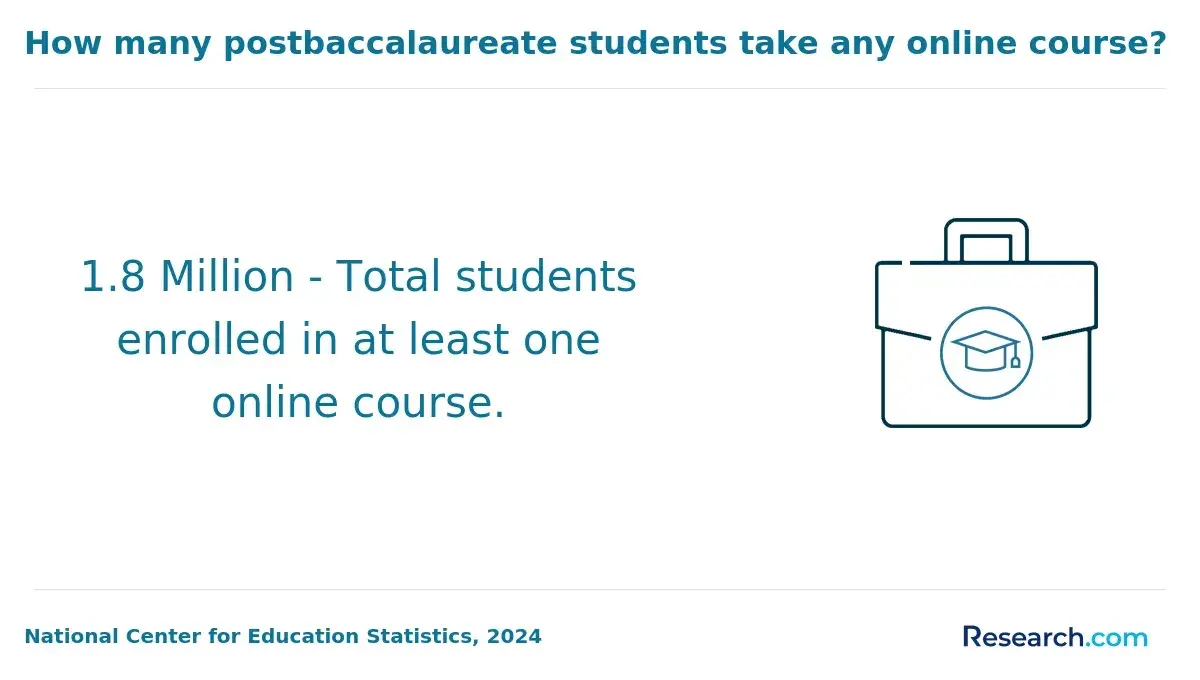
Applicants with below-average undergraduate GPAs often pursue additional undergraduate courses to strengthen their academic record and improve their chances of admission into a developmental psychology master's program. Research shows that about 40% of students who take post-baccalaureate coursework experience a GPA increase of at least 0.3 points, reflecting academic growth that programs value. Several key factors influence how much extra coursework benefits an application.
- Grade Replacement Impact: Some master's programs allow recent higher grades from additional courses to replace lower grades from the original transcript, effectively raising the GPA considered during admission decisions. It is important to verify whether the school you are applying to permits grade replacement.
- Upper-Level Coursework: Completing advanced, upper-division classes indicates stronger mastery of developmental psychology topics or related fields, compared to taking only general education or introductory courses.
- Subject Relevance: Coursework directly related to developmental psychology, cognitive psychology, or behavioral psychology carries more weight as it demonstrates focused knowledge and preparedness for graduate study.
- Recent Academic Performance: Admissions committees often emphasize recent grades as a better indicator of current academic ability. Strong results in newly taken courses can help balance out a lower overall GPA from earlier studies.
By carefully selecting courses that are rigorous and relevant, applicants can significantly improve their academic profiles and bolster their applications despite a less competitive GPA. Those interested in the benefits of additional undergraduate courses for developmental psychology admission might also consider how extra coursework improves master's program acceptance in developmental psychology through targeted academic improvement strategies.
For prospective students concerned about costs, learning how much is a psychology degree can help plan financial resources while pursuing supplemental coursework to enhance their graduate school applications.
What Is Conditional Admission for Developmental Psychology Master's Programs?
Conditional admission in developmental psychology master's programs provides a provisional acceptance to applicants who fall short of typical entry requirements, often due to a low undergraduate GPA. This option enables students to prove their ability to succeed in graduate studies by meeting specific conditions within a designated timeframe. Roughly 20-30% of graduate programs in psychology and related disciplines offer some form of provisional or conditional enrollment. Below are key elements commonly involved in conditional admission:
- Academic Performance Requirements: Students must reach a set minimum GPA or earn certain grades in required courses during their initial semester or year to continue in the program.
- Course Completion Conditions: Applicants might need to finish prerequisite undergraduate or foundational graduate courses successfully, demonstrating adequate preparedness for advanced study.
- Time Limits: There is usually a fixed duration-commonly one academic year-within which all conditional terms must be satisfied to obtain full admission status.
- Progress Evaluation: Faculty regularly review student performance to determine if standards are met; failure to accomplish benchmarks can lead to dismissal from the program.
This approach offers a viable path for those with below-average GPAs to build academic credibility and transition into full graduate standing within developmental psychology studies.
Are Online Developmental Psychology Master's Programs Easier to Get Into with a Low GPA?
Admission to online developmental psychology master's programs for students with low GPAs depends greatly on factors such as the institution's reputation, accreditation status, and how competitive the program is. On average, online graduate programs tend to have acceptance rates about 20% higher than their on-campus equivalents, reflecting a broader reach and more varied applicant profiles. Several key elements influence how accessible these programs are to candidates with less competitive academic records:
- Admission Standards: Some programs uphold strict GPA and credential requirements comparable to traditional settings, while others evaluate applicants holistically, considering strengths beyond grades.
- Program Selectivity: Highly selective programs maintain firm GPA cutoffs that limit chances for low-GPA applicants, regardless of delivery format.
- Applicant Pool Size: Larger and more diverse applicant populations in online formats can enhance opportunities for candidates with unconventional academic backgrounds.
- Experience Requirements: Professional experience or research involvement often serves as a valuable counterbalance to lower GPAs, particularly for programs that emphasize practical skills.
A professional who successfully enrolled in an online developmental psychology master's program despite a low GPA shared her perspective on the journey. She described feeling uncertain initially, worried that her undergraduate record would be an obstacle. However, she emphasized that her extensive volunteer work in child development and research internships helped demonstrate her commitment and potential. The application process was thorough and sometimes stressful, but letters of recommendation and a well-crafted personal statement highlighting her practical experiences proved pivotal. Reflecting on her acceptance, she noted, "It wasn't just about my GPA. The program valued what I brought beyond grades, which made all the difference." Her experience underscores that while low GPAs can pose challenges, persistence and leveraging relevant experiences can open doors in online developmental psychology graduate studies.
Can a High GRE Score Offset a Low GPA for Developmental Psychology Master's Programs?
A high GRE score can meaningfully improve the odds of admission for applicants with low GPAs in developmental psychology master's programs, though it does not guarantee acceptance. Data from a 2022 survey shows that applicants with GPAs below 3.0 were admitted about 18% of the time when their GRE scores were in the 90th percentile or above. This suggests that excellent standardized test results can highlight an applicant's academic potential beyond their undergraduate grades. Several specific GRE performance areas are particularly important in balancing out a weaker GPA. Consider these key factors:
- Quantitative Scores: Strong quantitative reasoning skills demonstrate analytical abilities vital for research and data interpretation in developmental psychology, helping to offset gaps reflected in GPA-related coursework.
- Verbal Scores: High verbal reasoning indicates strong comprehension and communication skills, essential for grasping complex psychological theories and producing clear research writing.
- Analytical Writing: A strong writing score reflects the ability to construct logical, well-organized arguments, compensating for lower performance in written undergraduate assignments.
- Overall Test Performance: Exceptional comprehensive GRE scores can reassure admissions committees of readiness for graduate study despite past academic challenges, especially when combined with robust letters of recommendation.
What Is a Post-Baccalaureate Program for Low-GPA Students?
Post-baccalaureate programs are specialized academic pathways designed to help students with low undergraduate GPAs improve their academic records before applying to graduate school. These programs are particularly beneficial for those seeking admission to competitive master's degrees in fields such as developmental psychology. The following key aspects illustrate how these programs support applicants:
- Academic Enhancement: These programs allow students to retake foundational courses or enroll in advanced classes, giving them the opportunity to demonstrate improved academic performance and raise their GPAs.
- Prerequisite Completion: Students who lack essential coursework can fulfill these missing requirements, ensuring they meet all eligibility criteria for graduate programs.
- Research Opportunities: Many post-baccalaureate programs provide supervised research experiences that help build relevant skills and strengthen applications for developmental psychology master's programs.
- Graduate Preparation: Workshops and advising on graduate applications, GRE preparation, and professional development equip students with the tools needed to succeed in graduate admissions and beyond.
By strategically addressing academic weaknesses and enhancing research credentials through post-baccalaureate coursework, low-GPA students can improve their chances of admission in developmental psychology master's programs. For those considering flexible options, exploring the best online mft programs can also offer valuable insights into accelerated pathways in related fields.
Does GPA Impact Starting Salary After a Developmental Psychology Master's Degree?
Undergraduate GPA can play a role in starting salary decisions after earning a Developmental Psychology master's degree, mainly as an early signal of work ethic and learning ability. Employers often view academic performance as one piece of the puzzle during hiring but place more weight on graduate credentials and experience later on. For example, data from the National Association of Colleges and Employers shows that social sciences graduates with GPAs above 3.0 earn starting salaries about 5% higher than those with GPAs below 3.0, though this difference shrinks for master's holders. Several other factors also influence starting pay for graduates with lower GPAs:
- Employer Emphasis: Organizations may value relevant experience or a master's degree more than undergraduate GPA, reducing its impact on salary offers.
- Field of Study: Salary varies widely within developmental psychology sectors, with research, clinical, or educational roles offering different pay scales.
- Professional Experience: Internships or related work can significantly enhance earning potential, often outweighing GPA concerns.
- Graduate Degree Credentials: A master's degree demonstrates specialized expertise that often eclipses undergraduate academic records in salary negotiations.
What Graduates Say About Getting Into a Developmental Psychology Degree Master's With a Low GPA
- Paisley: "Getting into a developmental psychology master's program with a low GPA felt daunting, but I quickly realized that the affordability of the program made it worth pursuing. The lower cost allowed me to focus more on gaining practical experience without the stress of overwhelming debt. Today, I'm confident that this degree has truly enhanced my understanding of child development and opened doors in clinical settings. "
- Reagan: "I had my doubts about admission because my GPA was below the usual cutoff, but the admissions teams looked at my passion and relevant volunteer work within developmental psychology. Reflecting on this, it's clear that the emphasis on holistic application reviews helped me overcome my academic record. Professionally, earning this degree has profoundly shaped my approach to developmental assessments and intervention strategies. "
- Madeline: "While my GPA wasn't the strongest, the developmental psychology master's program I joined valued diverse experiences and motivation highly. The program's focus on research methods and real-world applications was critical in helping me grow as a professional in developmental psychology. Since graduating, I've observed a significant positive impact on my career progression, especially in educational and counseling roles."
Other Things You Should Know About Developmental Psychology Degrees
Letters of recommendation carry significant weight for applicants with a low GPA in developmental psychology master's programs. Strong endorsements from professors or supervisors who can attest to your research skills, dedication, and potential can help offset concerns about academic performance. These letters provide a more personal perspective on your abilities and motivation.
Yes, relevant research experience can substantially improve admission chances for those with a low GPA. Graduate programs in developmental psychology highly value hands-on experience in research settings as it demonstrates practical knowledge and commitment to the field. Participating in research projects or assisting faculty members can make your application more competitive.
Yes, a well-crafted personal statement can significantly enhance your admission prospects in 2027. It offers a platform to articulate your passion, dedication, and potential contributions to the field, providing context to your GPA while showcasing your maturity and readiness for graduate studies.
References
- Developmental Psychology (MS) Graduate Admissions Requirements https://www.baypath.edu/admissions-aid/graduate-admissions/developmental-psychology-ms-graduate-admissions-requirements/
- Psychology Grad School Guide & Requirements | Psychology.org https://www.psychology.org/resources/graduate-application-guide/
- Master’s in Child Psychology (Degree Guide) https://www.allpsychologyschools.com/degrees/masters-in-child-psychology/
- How To Get into Grad School With a Low GPA https://www.princetonreview.com/grad-school-advice/how-to-get-into-grad-school-with-low-gpa
- Master of Psychology: Tips for a strong application https://adler.ca/master-of-psychology-tips-for-a-strong-application/
- Graduate Program https://psychology.sfsu.edu/devpsych/content/developmental-psychology-san-francisco-state-university-14
- Developmental Psychology Salary Outlook for Masters & PhD Grads https://mastersinpsychologyguide.com/articles/developmental-psychology-salary-outlook-masters-phd-grads/
- Graduate Cost of Attendance Out-of-State Residents https://www.tuition.pitt.edu/graduate/out-of-state
- Online master's in developmental psychology | edX https://www.edx.org/masters/psychology/developmental-psychology
- Discover Post-Baccalaureate Psychology Programs and if they're Right for You: 3 Types - Prereqcourses https://www.prereqcourses.com/post-baccalaureate-programs-psychology/