2027 Can You Get Into a Psychiatric Mental Health Nurse Practitioner Degree Master's Program with a Low GPA? Admission Chances & Workarounds

Co-Founder and Chief Data Scientist
Imagine a nursing student with a low GPA aspiring to enter a psychiatric mental health nurse practitioner degree master's program. Admission committees often prioritize academic performance, making this path daunting. However, the demand for psychiatric mental health nurse practitioners is growing rapidly, with the Bureau of Labor Statistics projecting a 16% job growth from 2021 to 2031.
This increasing need means programs sometimes consider candidates with nontraditional qualifications or offer alternative admission routes. This article explores realistic admission chances for applicants with low GPAs and outlines practical workarounds to bolster acceptance into these competitive master's programs.
Key Things to Know About Getting Into a Psychiatric Mental Health Nurse Practitioner Master's Program with a Low GPA
- Admissions committees often use holistic review, valuing work experience, personal statements, and recommendations alongside GPA to assess an applicant's potential in psychiatric mental health nurse practitioner programs.
- Completing prerequisite courses with strong grades or pursuing post-baccalaureate coursework can strengthen your academic record and compensate for a low GPA.
- Gaining relevant clinical experience in mental health settings can significantly improve admission chances by demonstrating commitment and practical skills to the program's selection panel.
What is the minimum GPA for psychiatric mental health nurse practitioner master's programs?
Minimum GPA standards for psychiatric mental health nurse practitioner master's programs vary widely depending on the institution and the selectivity of the program. Most programs set a baseline to ensure candidates have demonstrated academic capability, with the commonly cited minimum GPA requirement being around 3.0 on a 4.0 scale.
This threshold reflects a general expectation that applicants maintain at least a "B" average in their undergraduate work. However, these minimum gpa requirements for psychiatric mental health nurse practitioner master's programs are not uniform and can differ significantly across schools.
While the stated minimum GPA sets the floor, the GPA typically needed to remain competitive for admission is often higher than 3.0. Many programs receive applications from candidates with stronger academic records, which raises the effective cutoff. Students with GPAs below this mark may find it more difficult to gain admission and might need to explore alternative pathways, such as gaining relevant healthcare experience or taking additional courses.
Those considering entry into advanced nursing roles might also benefit from exploring options like medical assistant classes to strengthen their application profiles. Prospective applicants should be aware of the typical psychiatric mental health nurse practitioner graduate program admission gpa cutoff when planning their academic and career strategies.
How do graduate schools evaluate a low undergraduate GPA?
Graduate admissions often treat undergraduate GPA as an important indicator of academic ability, yet many programs understand it does not fully capture a candidate's potential. For those applying to psychiatric mental health nurse practitioner master's programs, low GPA readers seek a broader evaluation of qualifications. Below are key factors commonly reviewed to assess applicants with a less competitive GPA.
- Academic Performance Trends: Admissions committees examine improvements over time and strong grades in relevant coursework, which demonstrate readiness for rigorous graduate study despite earlier challenges.
- Professional Experience: Practical work or clinical experience in nursing or mental health fields can showcase skills, dedication, and real-world knowledge that help offset a lower GPA.
- Letters of Recommendation: These provide insight into an applicant's personal qualities, work ethic, and competencies, offering a fuller picture beyond academic metrics alone.
- Standardized Test Scores: Exams such as the GRE serve as an additional academic benchmark, reflecting verbal, quantitative, and analytical abilities that may balance out a weaker undergraduate record.
Many graduate programs also consider supplemental certifications and ongoing education to gauge commitment and expertise. Applicants who explore practical pathways into psychiatric mental health nurse practitioner master's programs should emphasize these strengths. For example, pursuing a medical billing certification or similar credentials can demonstrate initiative and relevant skills valued alongside GPA in admissions decisions.
Can work experience compensate for a low GPA in psychiatric mental health nurse practitioner graduate programs?
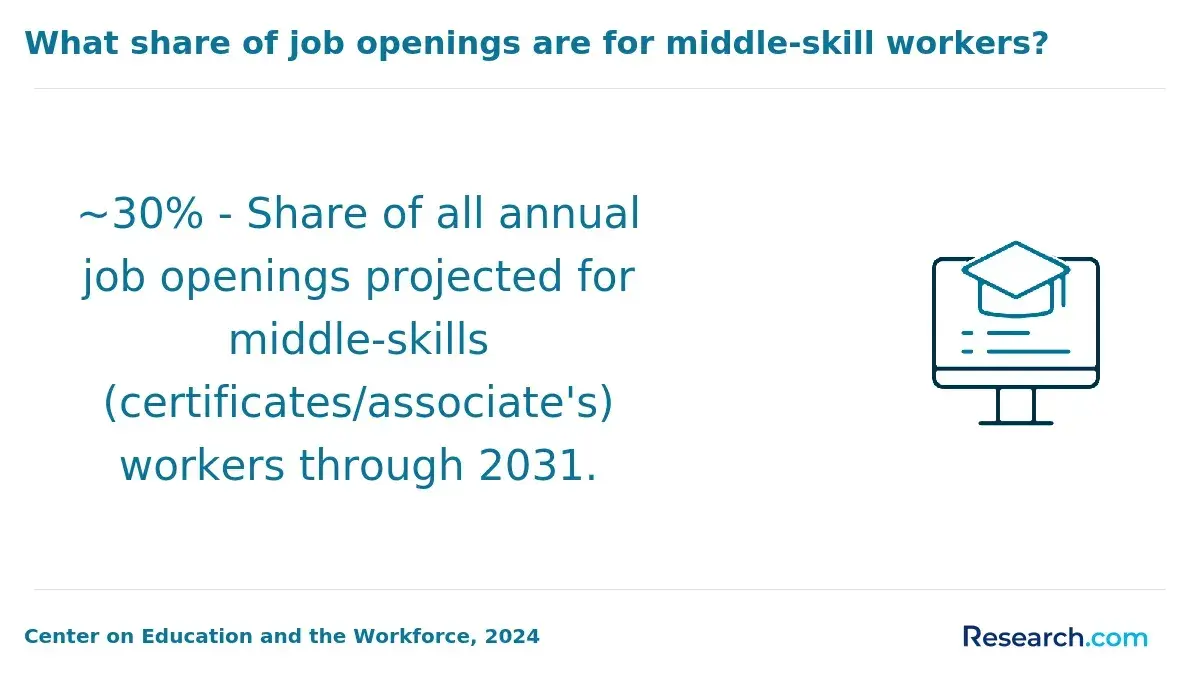
Graduate programs for psychiatric mental health nurse practitioners often evaluate candidates through a holistic lens, weighing professional experience alongside academic performance. In fact, a 2022 study revealed that nearly 30% of applicants with GPAs below the standard cutoff secured admission due to extensive clinical and leadership backgrounds. The following points illustrate how work experience can bolster an application despite a lower GPA.
- Clinical Competence: Hands-on experience in healthcare environments demonstrates essential practical skills and dependability, reassuring admissions committees of preparedness for advanced study.
- Patient Interaction: Effective communication and empathy developed through real-world patient care are critical qualities for psychiatric nursing that grades alone do not measure.
- Leadership Roles: Taking on responsibilities such as managing teams or projects shows initiative and maturity-a signal of readiness that can balance weaker academic records.
- Continued Education: Engaging in professional development activities like certifications or workshops highlights a commitment to growth, which reflects positively even if prior academic performance lagged.
- Professional References: Recommendations from supervisors or mentors familiar with one's work ethic and clinical abilities can provide context that helps explain a lower GPA.
When asked about whether work experience truly made a difference, a graduate of a psychiatric mental health nurse practitioner program shared that their journey wasn't easy. Despite a GPA below the average, their years as a psychiatric nurse assistant brought deep insights and confidence.
"I worried that my grades would overshadow everything I'd learned on the job," they admitted, "but my supervisors' letters and my ability to discuss case management in interviews showed them I was ready." The graduate emphasized that perseverance and clear communication about their professional strengths were crucial, noting, "It's about proving you can handle the demands of the program, not just a number on a transcript."
Do certifications improve admission chances for low GPA applicants?
Certifications can indeed improve admission chances for low GPA applicants seeking Psychiatric Mental Health Nurse Practitioner graduate programs. In fact, a 2021 survey by the American Association of Nurse Practitioners found that 43% of programs reported that additional certifications favorably influenced admission decisions, especially for those with borderline academic records.
While GPA remains a fundamental criterion, certifications provide a valuable boost by highlighting a candidate's commitment and relevant skills. This makes certifications an important asset in strengthening applications for psychiatric mental health nurse practitioner admission with low GPA.
Certifications demonstrate specialized knowledge and practical expertise that may not be fully reflected in a low GPA, such as training in psychiatric nursing or mental health first aid. Admissions committees view these credentials as evidence of professional dedication and hands-on experience, often considering them alongside letters of recommendation and personal statements.
Although certifications alone rarely override a significantly low GPA, when combined with compelling narratives and clinical experience, they enhance an applicant's profile. Prospective students interested in a nurse practitioner degree online can leverage certifications to better showcase their qualifications and motivation.
Can taking additional undergraduate courses raise your admission chances?
Applicants with lower GPAs often pursue additional undergraduate courses to strengthen their academic record and improve their admission chances for a psychiatric mental health nurse practitioner master's program.
According to a survey by the National Association of Graduate Admissions Professionals, 48% of graduate programs consider recent coursework as a meaningful factor in admission decisions for candidates with lower GPAs. Below are key considerations when using extra coursework to enhance your application.
- Grade Replacement Impact: Some programs allow grade replacement, meaning low original grades can be replaced by higher grades from additional courses. Others add the new grades alongside the original transcript, so understanding your target programs' policies is vital.
- Upper-Level Coursework: Taking advanced courses in subjects relevant to nursing or mental health demonstrates your ability to handle challenging material and may be weighted more favorably by admissions committees.
- Subject Relevance: Coursework directly related to nursing, psychology, or healthcare often holds more value. Selecting classes with a clear connection to psychiatric mental health nursing can strengthen your candidacy.
- Recent Academic Performance: Strong grades in recent courses show academic growth and readiness, providing evidence of your current aptitude and commitment to graduate-level study.
Many students wonder if additional undergraduate courses for pmhnp admission truly make a difference. Focusing your extra coursework on relevant subjects can reassure admissions committees of your preparedness and dedication, thereby improving psychiatric mental health nurse practitioner admission chances with extra coursework. For applicants seeking flexible options, consider exploring no entrance exam nursing schools, which may offer alternative pathways into nursing graduate studies.
What is conditional admission for psychiatric mental health nurse practitioner master's programs?
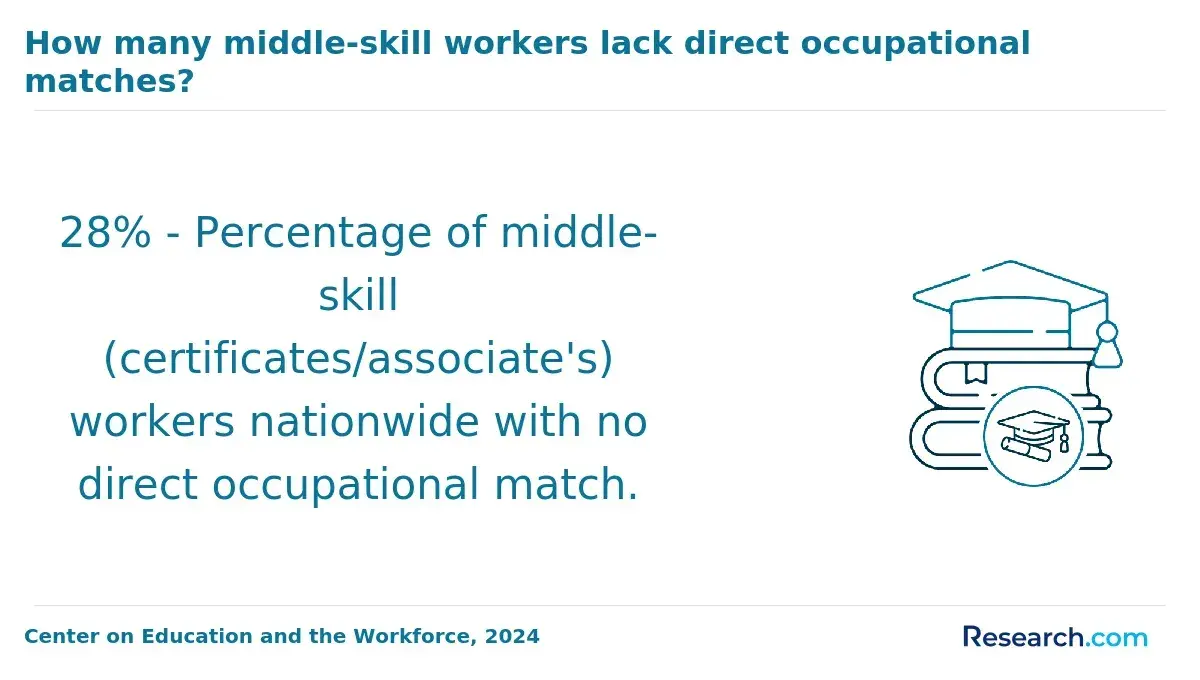
Conditional admission in psychiatric mental health nurse practitioner master's programs offers a provisional acceptance to applicants who do not fully meet standard criteria, such as GPA thresholds. This option is extended by about 25% to 30% of graduate nursing programs to candidates who demonstrate promise but have academic gaps.
Below are key elements of how conditional admission works in practice:
- Academic Performance Requirements: Students must meet minimum grade standards in early coursework to maintain eligibility. Falling short of these benchmarks can lead to dismissal from the program.
- Course Completion Conditions: Conditional admits are often required to complete prerequisite or remedial classes within a specified timeframe, typically during the first semester or year.
- Time Limits: Programs set fixed periods-commonly one academic year-during which students must fulfill all stipulated conditions for full enrollment.
- Progress Evaluation: Regular assessments monitor students' compliance with conditional terms. Faculty advisors or academic committees usually oversee this progress to ensure standards are met.
This system enables applicants with lower GPAs to enter graduate psychiatric mental health nurse practitioner training by proving their capacity to meet academic demands. It helps maintain motivation and supports students in achieving full admission through demonstrated success.
Are online psychiatric mental health nurse practitioner master's programs easier to get into with a low GPA?
Admission criteria for online psychiatric mental health nurse practitioner master's programs vary significantly based on the institution's accreditation and competitiveness. Generally, acceptance rates for online graduate nursing programs range from about 50% to 70%, slightly higher than the 40% to 60% common in traditional on-campus programs.
However, these numbers do not guarantee easier entry for applicants with low GPAs. Several key factors influence admission chances:
- Admission Standards: Accredited programs maintain strict requirements regardless of whether courses are online or on-campus, ensuring consistent academic quality.
- Program Selectivity: Highly competitive programs often enforce GPA thresholds that apply equally to online and in-person applicants.
- Applicant Pool Size: Online formats can attract more candidates, which may increase competition despite higher overall acceptance rates.
- Experience Requirements: Professional or clinical experience can strengthen applications and sometimes offset a lower GPA, demonstrating readiness for advanced study.
A professional who gained admission to an online psychiatric mental health nurse practitioner master's program despite a low GPA shared her journey. She emphasized the importance of highlighting clinical experience and crafting a thoughtful personal statement that reflected her dedication and growth.
Though she faced uncertainty and felt the application process was daunting, she found that candid conversations with admissions counselors and strong letters of recommendation played critical roles. Her experience suggests that while low GPA presents challenges, strategic presentation of strengths and persistence can open doors to these programs.
Can a high GRE score offset a low GPA for psychiatric mental health nurse practitioner master's programs?
High GRE scores can significantly improve admission chances for psychiatric mental health nurse practitioner master's programs, especially for applicants with below-average undergraduate GPAs. Research shows that applicants scoring at or above the 75th percentile on the GRE are more likely to be admitted despite GPA deficiencies, highlighting the test's role in demonstrating academic readiness.
The GRE thus provides a crucial opportunity for candidates to present strengths beyond their GPA. Key aspects of the GRE contributing to this advantage include:
- Quantitative Scores: Strong quantitative results reflect analytical and problem-solving skills, suggesting the applicant can manage demanding coursework regardless of GPA.
- Verbal Scores: High verbal reasoning demonstrates critical reading and comprehension capabilities necessary for clinical practice and research in psychiatric mental health.
- Analytical Writing: Excellence here shows the applicant's ability to clearly articulate complex ideas, essential for clinical documentation and scholarly work.
- Overall Test Performance: A consistently high GRE score indicates balanced academic aptitude, which admissions committees often weigh to offset a lower GPA.
What is a post-baccalaureate program for low-GPA students?
A post-baccalaureate program offers a focused pathway for students who hold a bachelor's degree but need to improve their academic records for competitive graduate programs such as psychiatric mental health nurse practitioner master's degrees. These programs help applicants strengthen their credentials and readiness for advanced study. Below are key features that support low-GPA students in boosting their graduate school admission chances after low GPA.
- Academic Enhancement: Students retake important courses or enroll in new upper-level classes, allowing them to raise their GPA and prove they can succeed in graduate coursework.
- Prerequisite Completion: These programs fill gaps by enabling students to complete required courses missing from their undergraduate transcript, meeting psychiatric mental health nurse practitioner program admissions criteria.
- Research Opportunities: Access to research or clinical projects provides practical experience and scholarly activity, making candidates more competitive.
- Graduate Preparation: Focused coursework develops essential academic skills such as critical thinking, professional writing, and statistics needed for success in master's level programs.
By engaging in post-baccalaureate programs for low GPA applicants, students can present a more recent and relevant academic record, which helps admissions committees evaluate their current capabilities more effectively.
This approach improves outcomes for those improving graduate school admission chances after low GPA and ensures better preparation for the demands of Psychiatric Mental Health Nurse Practitioner studies.
For prospective students also interested in related healthcare fields, check out medical billing and coding schools that accept financial aid to explore additional educational opportunities.
Does GPA impact starting salary after a psychiatric mental health nurse practitioner master's degree?
Undergraduate GPA may play a role in early hiring decisions for psychiatric mental health nurse practitioner graduates, as some employers view it as an indicator of academic dedication. However, its influence on starting salary often decreases once the master's degree is earned.
For instance, one survey found that graduates with GPAs below 3.0 still achieved average starting salaries near $95,000, comparable to those with higher GPAs. Several other elements typically have a greater impact on salary offers:
- Employer Emphasis: Certain employers focus more on clinical abilities and certifications than GPA when determining salary, valuing practical competence over academic scores.
- Field of Study: Graduates from accredited nursing programs with specialized psychiatric mental health nurse practitioner training often receive better salary offers regardless of their undergraduate GPA.
- Professional Experience: Previous nursing work or relevant clinical exposure frequently carries more weight than academic performance in salary negotiations.
- Graduate Degree Credentials: Holding a master's degree, along with certifications and licenses in the field, generally has a stronger positive effect on compensation than undergraduate GPA.
Overall, while GPA can matter initially, the advanced qualifications and practical experience of psychiatric mental health nurse practitioner graduates usually determine their starting salary more significantly.
What Graduates Say About Getting Into a Psychiatric Mental Health Nurse Practitioner Degree Master's With a Low GPA
- Alyssa: "Getting accepted into a psychiatric mental health nurse practitioner master's program with a low GPA felt nearly impossible at first, but I discovered that some programs value practical experience and passion just as much as grades. The tuition was manageable compared to other advanced nursing tracks, which was a huge relief. Now, as a practicing PMHNP, I see firsthand how the degree has completely transformed my ability to support patients struggling with mental health issues."
- Cheyenne: "Reflecting on my journey, having a low GPA definitely made the admission process more stressful, but I learned to highlight my clinical hours and dedication in my application. The cost of the psychiatric mental health nurse practitioner master's program was a significant investment, but scholarships and flexible payment plans helped. Earning this degree has expanded my career opportunities and allowed me to specialize in an area I'm passionate about, which is incredibly rewarding."
- Daniella: "As a professional, I approached the challenge of a low GPA strategically by focusing on all aspects of the psychiatric mental health nurse practitioner master's application beyond academics. The program's affordability was critical since I was funding my education independently. Completing the degree has advanced my career in ways I never anticipated, opening doors to leadership roles and mentorship opportunities."
Other Things You Should Know About Psychiatric Mental Health Nurse Practitioner Degrees
In 2027, personal statements can be pivotal for low GPA applicants to Psychiatric Mental Health Nurse Practitioner master's programs. They provide an opportunity to explain academic challenges, demonstrate growth, showcase passion for the field, and outline future goals, potentially offsetting a lower GPA.
In 2027, strong letters of recommendation can highlight a candidate's skills, dedication, and potential, providing a counterbalance to a low GPA. Admissions committees may view positive endorsements from credible sources as evidence of the applicant's readiness for the program.
Extensive volunteering or clinical experience related to psychiatric mental health nursing can positively influence admissions decisions. Such experience demonstrates commitment and practical understanding of the profession, qualities that programs look for. It can help mitigate concerns about academic performance by showing real-world competence and dedication.
In 2027, interviews can play a significant role for applicants with a low GPA. A strong interview performance provides candidates an opportunity to showcase their passion, communication skills, and dedication, potentially offsetting academic shortcomings and positively influencing the admissions committee's decision.
References
- Psychiatric Mental Health Nurse Practitioner Salary & Job Outlook | Bradley University Online https://onlinedegrees.bradley.edu/blog/psychiatric-mental-health-nurse-practitioner-salary
- Finding Affordable Excellence: Your Guide to Cheap Online Psychiatric Nurse Practitioner Programs - Polished Mind Psychiatry https://polishedmindpsychiatry.com/cheap-online-psychiatric-nurse-practitioner-programs/
- Online Psychiatric Mental Health Nurse Practitioner and Post-Master’s Certificate Programs - Carlow University https://www.carlow.edu/academic-programs/nursing-degrees/psychiatric-mental-health-nurse-practitioner-and-post-masters-certificate-programs/
- Psychiatric Mental Health Nurse Practitioner (M.S.N.) (Accelerated Online) https://www.gradcollege.txst.edu/programs/msn-pmhnp.html
- Psychiatric Mental Health Nurse Practitioner (Across the Lifespan) Tuition and fees https://online.missouri.edu/degrees-programs/mu/nursing/psychiatric-mental-health-nurse-practitioner-across-lifespan/ms/financial
- Psychiatric-Mental Health Nurse Practitioner Concentration | Masters of Science in Nursing https://www.south.edu/program/ms-nursing-with-concentration-in-psychiatric-mental-health/
- Most Affordable Online PMHNP Programs for 2025–2026 - Nurse Practitioner Degrees https://npdegrees.org/degrees/online-np-masters-degrees/most-affordable-pmhnp-programs/
- Psychiatric-Mental Health Nurse Practitioner (PMHNP) | TWU https://twu.edu/nursing/master-of-science-in-nursing-msn/psychiatric-mental-health-nurse-practitioner-pmhnp/
- 10 Cheapest Online PMHNP Certificate Programs https://nurse.org/education/cheapest-online-pmhnp-certificate-programs/
- MSN in Psychiatric Mental Health Nurse Practitioner https://www.unthealth.edu/college-of-nursing/msn-in-psychiatric-mental-health-nurse-practitioner.html