
2027 Admission Requirements for Entertainment Business Master's Programs: GPA, Prerequisites & Eligibility Criteria

Co-Founder and Chief Data Scientist
Applying to an entertainment business master’s program is not only about having an interest in music, film, media, sports, gaming, or live events. Admissions committees look for evidence that you can handle graduate-level business coursework, understand the creative economy, and contribute to a program built around both management and industry practice.
The challenge is that requirements vary widely. One school may focus on GPA and prerequisite business courses, while another may emphasize work samples, professional experience, or a strong statement of purpose. Nearly 38% of applicants to top U.S. entertainment business programs fall short of meeting minimum academic and industry-related eligibility criteria, often because they misread requirements or apply without filling clear gaps.
This guide explains the major admission factors for entertainment business master’s programs: GPA expectations, acceptable undergraduate majors, prerequisite courses, GRE and GMAT policies, work experience, required documents, conditional admission, online program differences, deadlines, and ways to strengthen your application.
Key Things to Know About Admission Requirements for Entertainment Business Master's Programs
- Most Entertainment Business master's programs require a minimum GPA of 3.0, with competitive applicants often exceeding 3.5 to demonstrate strong academic performance.
- Common prerequisite coursework includes business fundamentals, media studies, and marketing, ensuring foundational knowledge before specialization.
- Applicants typically must hold a bachelor's degree from an accredited institution, with relevant work experience or internships considered advantageous.
What is the minimum GPA required for admission to an entertainment business master's program?
Most entertainment business master’s programs expect applicants to show solid academic preparation. Over 70% of master's programs, including those in entertainment business, require a minimum GPA of at least 3.0, while more selective schools often expect 3.5 or higher. The stated minimum is usually a screening benchmark, not a guarantee of admission.
A lower GPA does not always end an application, especially if the applicant has strong professional experience, recent coursework with higher grades, a compelling statement of purpose, or evidence of quantitative and business readiness. However, applicants below the posted minimum should contact admissions before applying and ask whether conditional admission, probationary admission, or a GPA waiver is available.
Why GPA requirements vary
- Program competitiveness: Highly ranked or well-connected programs may set higher expectations because they receive more qualified applications than they can admit.
- Institutional policies: Universities often apply graduate-wide GPA standards, even when individual programs use holistic review.
- Cohort size: Smaller cohorts may lead to stricter academic screening because there are fewer available seats.
- Academic rigor: Entertainment business programs often combine marketing, finance, law, analytics, leadership, and creative industry strategy, so schools look for evidence that applicants can manage both qualitative and quantitative work.
- Applicant pool trends: A program may become more selective in years when the average applicant profile is stronger.
If your GPA is near the cutoff, focus on strengthening the rest of the file. Submit polished essays, choose recommenders who can speak to your readiness, explain any academic disruptions briefly and professionally, and show recent success in relevant coursework. Applicants comparing business-focused alternatives may also review a cheap MBA online if they want broader management training with flexible study options.
What undergraduate degree do you need for an entertainment business master's program?
You usually do not need one specific undergraduate major to apply for an entertainment business master’s program. Many programs admit students from business, media, arts, communications, technology, and humanities backgrounds because the field itself is interdisciplinary. About 40% of graduate students in creative industries enter programs with degrees outside their master's specialization.
What matters most is whether your academic and professional background shows readiness for graduate-level work in business, media, and creative industry management. Applicants without a business background may need to complete prerequisite courses before or shortly after enrollment.
Common undergraduate majors for applicants
- Business Administration: Useful for applicants who already have exposure to management, marketing, finance, accounting, and organizational strategy.
- Communications or Media Studies: Strong preparation for understanding audiences, media systems, public relations, content distribution, and platform-driven markets.
- Film, Theater, or Performing Arts: Valuable for students who understand creative production, talent collaboration, performance environments, and project-based workflows.
- Marketing or Advertising: Relevant for careers involving branding, campaign strategy, artist promotion, fan engagement, and entertainment property management.
- Economics or Finance: Helpful for applicants interested in budgeting, investment decisions, revenue models, royalties, forecasting, and financial planning.
How to evaluate your fit if your major is unrelated
If your degree is outside these areas, you can still be a credible applicant. Admissions committees often value transferable strengths such as writing, leadership, project management, data analysis, entrepreneurship, digital content creation, or client-facing work. The key is to connect your past experience to the program’s curriculum and your intended career path.
For example, a psychology graduate might emphasize audience behavior and consumer insights. A computer science graduate might focus on streaming platforms, gaming, digital rights, or entertainment technology. A liberal arts graduate might point to research, writing, cultural analysis, and communication skills.
Some applicants also compare entertainment business programs with broader online business degree programs when they want a wider management foundation before specializing in the creative industries.
Prospective students considering ways to strengthen their preparation may also explore what certifications can I get online, especially if they need targeted evidence of skills in marketing, analytics, project management, or digital media.
What prerequisite courses are required for entertainment business master's programs?
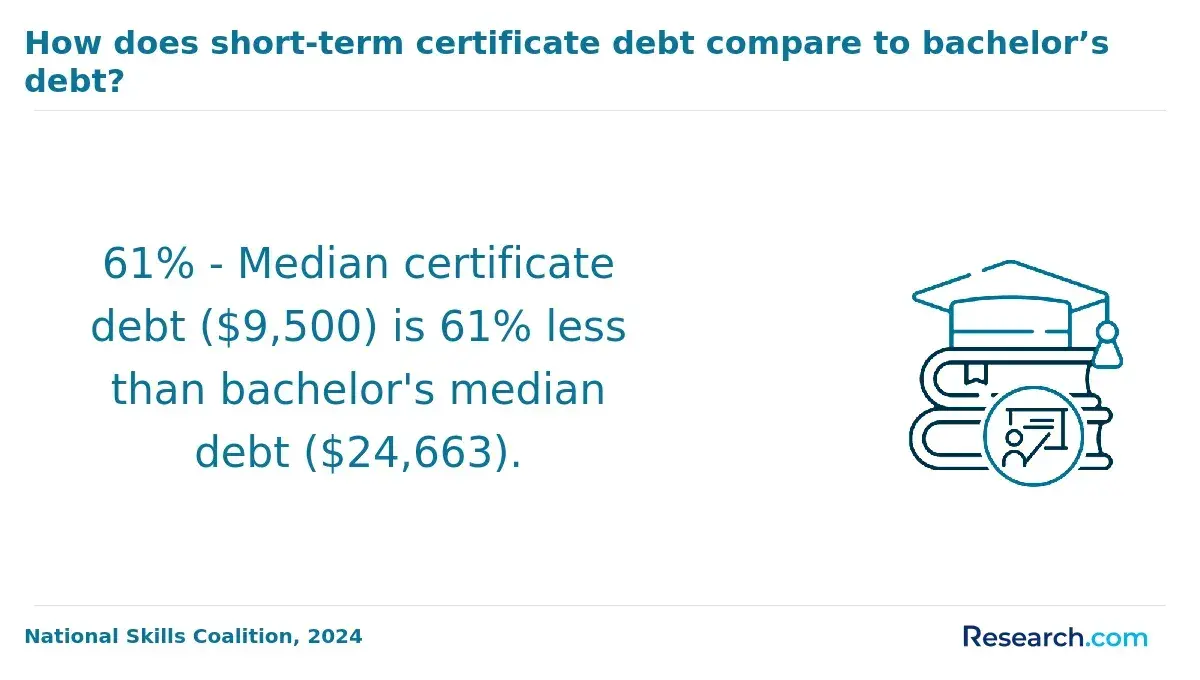
Prerequisite courses help schools determine whether applicants are ready for advanced study in entertainment business. Around 75% of master's programs expect candidates to complete related undergraduate coursework, although the exact requirements differ by institution.
Some programs require prerequisites before admission. Others admit students conditionally and require them to complete missing courses before starting core graduate classes. Applicants should check whether prerequisites must be completed for credit, whether online courses are accepted, and whether professional experience can substitute for formal coursework.
Typical prerequisite areas
- Foundational Business Theory: Courses in management, marketing, finance, and organizational behavior help students understand how entertainment companies operate, compete, and grow.
- Quantitative Skills: Statistics, accounting, economics, or data analysis courses prepare students to evaluate budgets, market performance, consumer behavior, and financial risk.
- Research Methodology: Research design and analysis courses support evidence-based decision-making, audience research, market analysis, and graduate-level projects.
- Legal and Ethical Studies: Exposure to entertainment law, contracts, intellectual property, licensing, and ethics is especially useful in industries shaped by rights ownership and negotiated agreements.
- Technical Competencies: Digital media, production technology, information systems, or platform-related coursework can help students understand the tools and workflows used in modern entertainment businesses.
What to do if you are missing prerequisites
- Ask the program whether prerequisites must be completed before applying or before enrollment.
- Confirm whether community college, university extension, or accredited online courses are acceptable.
- Prioritize quantitative gaps first if the curriculum includes finance, analytics, or accounting-heavy courses.
- Keep documentation, including syllabi and transcripts, in case the program needs to verify course content.
- Do not assume that industry experience automatically replaces academic prerequisites unless the school says so in writing.
A graduate student enrolled in an entertainment business master’s program described the prerequisite stage as demanding because it required both analytical and legal preparation. “Balancing quantitative courses with legal studies felt like mastering two different languages,” he noted.
He later found that the range of coursework made the program more practical: “The variety prepared me better for real-world scenarios where you juggle business strategy alongside technical and ethical considerations.” For many applicants, prerequisites are not simply admission hurdles; they are a way to avoid struggling once graduate coursework begins.
Do entertainment business master's programs require the GRE or GMAT?
Some entertainment business master’s programs require GRE or GMAT scores, but many no longer make standardized testing mandatory. A 2023 survey by the Council of Graduate Schools found that nearly 60% of graduate programs nationwide have adopted test-optional or test-waiver policies.
The most important step is to read each program’s policy carefully. “Test optional” does not always mean scores are irrelevant. In some cases, a strong GRE or GMAT score can help offset a weaker GPA or limited quantitative coursework. In other cases, submitting scores may add little value if the program prioritizes portfolio work, professional experience, essays, and recommendations.
Common GRE and GMAT policies
- Test-Optional Policies: Applicants may submit scores, but the application can be reviewed without them.
- GPA-Based Waivers: Applicants with a high undergraduate GPA, often 3.5 or higher, may qualify for a waiver.
- Professional Experience Waivers: Programs may waive testing for applicants with substantial entertainment, media, business, or management experience.
- Holistic Admissions: Some schools reduce the weight of tests and focus on transcripts, recommendations, essays, resumes, interviews, and prerequisite coursework.
- Strict Testing Requirements: Certain programs, especially those with a strong business or management emphasis, may require GRE or GMAT scores from all applicants.
When submitting scores may help
- Your GPA is below or close to the program minimum.
- You lack recent academic coursework.
- You want to demonstrate quantitative readiness.
- You are applying to a highly competitive program that still values standardized evidence.
Applicants comparing testing policies across fields may notice similar flexibility in other online graduate and professional pathways, including an online engineering degree. Still, entertainment business applicants should rely on the specific policy of each target program, not broad trends.
Do entertainment business master's programs require work experience for admission?
Work experience is helpful for many entertainment business master’s applicants, but it is not always required. Roughly 40% of graduate programs in related creative and business disciplines expect some relevant work experience. Others are designed for recent graduates who have strong academic records, internships, campus leadership, creative projects, or portfolio work.
The type of experience matters more than the job title. Admissions committees may value internships, freelance production work, venue operations, social media management, artist support, event planning, nonprofit arts administration, student media, startup projects, or business roles outside entertainment if the applicant can explain the connection.
How work experience affects admission
- Programs for Recent Graduates: These programs may accept applicants with limited professional history if they have strong grades, relevant coursework, and clear career goals.
- Professional or Executive Tracks: These tracks may expect several years of experience so students can contribute meaningfully to applied discussions and case-based learning.
- Career Changers: Applicants from other fields can be competitive if they show transferable skills in management, communication, finance, marketing, operations, technology, or client relations.
- Optional Experience Considerations: Even when experience is not required, internships, freelance roles, creative projects, or part-time jobs can make an application more distinctive.
- Theoretical Focus: Programs with a research or academic orientation may weigh GPA, writing ability, and coursework more heavily than professional background.
How to present limited experience well
- Use your resume to show outcomes, not just duties.
- Connect class projects, internships, or creative work to business skills.
- Explain why the degree is the right next step, not just a credential you want.
- Ask recommenders to address your leadership, reliability, creativity, and readiness for graduate study.
- Avoid exaggerating informal experience; clarity is stronger than inflated titles.
A graduate of an Entertainment Business master’s degree program recalled worrying that her limited industry background would weaken her application. She ultimately succeeded by presenting transferable skills, academic strengths, and a focused career narrative.
She described the process as “challenging but rewarding” and emphasized the importance of tailoring the application to show relevant capabilities beyond traditional entertainment work. Her experience reflects a common admissions reality: programs often want evidence of potential, not a single perfect background.
What documents are required to apply for an entertainment business master's program?
Entertainment business master’s applications usually require documents that show academic readiness, communication ability, career direction, and fit with the program. Research shows that approximately 85% of these programs heavily weigh the statement of purpose and recommendation letters during their review.
Applicants should start preparing materials early because delays often come from transcript processing, recommender availability, portfolio formatting, and essay revisions. Requirements can also vary by campus, online format, international applicant status, and whether the program requires an interview.
Common application documents
- Academic Transcripts: Official transcripts verify your degree, grades, coursework, and prerequisite completion. Some programs allow unofficial transcripts for initial review but require official versions before enrollment.
- Statement of Purpose: This essay should explain your career goals, why entertainment business is the right field, why the specific program fits your plans, and what experiences have prepared you.
- Letters of Recommendation: Most programs request two to three letters from faculty, supervisors, or industry contacts who can discuss your judgment, work ethic, leadership, creativity, and readiness for graduate study.
- Resume or Curriculum Vitae: This document should summarize education, work history, internships, freelance projects, creative work, leadership, technical skills, and relevant achievements.
- Standardized Test Scores: If required, GRE or GMAT scores must be sent according to the school’s instructions. If tests are optional, decide whether scores strengthen your profile.
Application mistakes to avoid
- Submitting a generic essay that could apply to any business program.
- Choosing recommenders with impressive titles who do not know your work well.
- Listing entertainment interests without explaining professional goals.
- Ignoring prerequisite instructions until after the deadline.
- Uploading a resume that does not highlight measurable results or relevant projects.
A strong application package should tell one coherent story: you understand the entertainment business field, you are prepared for graduate work, and the program is a logical step toward your goals.
What is conditional admission in entertainment business graduate programs?
Conditional admission is a provisional acceptance for applicants who show promise but do not yet meet every standard requirement. About 30% of graduate programs provide this option to expand access and support diverse candidates.
For entertainment business applicants, conditional admission often applies when the candidate has industry potential but lacks one or more academic requirements, such as prerequisite coursework, a minimum GPA, or proof of quantitative readiness. It can be a useful pathway, but it is not the same as full admission. Students must meet stated conditions to continue in the program.
Common conditions
- Eligibility Criteria: Applicants may be considered conditionally if they are missing prerequisite coursework, fall below the preferred GPA, or need to demonstrate specific academic skills.
- Conditions to Meet: Students may need to complete bridge courses, earn specific grades, maintain a minimum GPA during the first semester, or submit final documentation.
- Timelines: Programs usually set a fixed period, usually one semester or academic year, for students to satisfy all conditions.
- Academic Expectations: Conditional students are typically held to clear performance standards and may have limited flexibility if they fall behind.
- Outcomes After the Condition Period: Students who meet the conditions move into full admission status. Those who do not may face probation, extended conditions, or dismissal from the program.
Questions to ask before accepting conditional admission
- Are conditional courses credit-bearing, or do they add time and cost without counting toward the degree?
- What GPA or grade must be earned to continue?
- Can financial aid be used during conditional status?
- Will conditional status affect course registration or access to internships?
- What happens if one condition is not met by the deadline?
Conditional admission can be a practical bridge for applicants with uneven records, but students should understand the academic and financial terms before enrolling.
Are admission requirements different for online entertainment business master's programs?
Online entertainment business master’s programs usually use the same core admission standards as campus-based programs: transcripts, GPA review, prerequisite checks, essays, recommendations, and sometimes test scores or work experience. The main differences relate to whether applicants can succeed in a remote learning environment.
Because entertainment business programs often involve collaboration, presentations, media projects, and industry networking, online applicants may need to show that they can communicate professionally, manage deadlines independently, and use digital tools reliably.
Online-specific admission considerations
- Technological Readiness: Students may need comfort with learning management systems, video conferencing, collaborative documents, presentation tools, and digital production or portfolio platforms.
- Internet Connectivity: Reliable high-speed internet is important for live sessions, recorded lectures, multimedia assignments, and group work.
- Time Management: Online programs may assess whether applicants can balance coursework with work, family, freelance projects, or other responsibilities.
- Portfolio Submission: Some programs request digital portfolios, work samples, writing samples, or creative/business projects to evaluate applied skills.
- Geographic Restrictions: Certain institutions may have residency or state-based rules tied to authorization, accreditation, internships, or institutional policy.
How to judge online program fit
- Check whether courses are synchronous, asynchronous, or blended.
- Ask how networking, internships, and industry events are handled online.
- Confirm whether online students have the same faculty access and career services as campus students.
- Review technology requirements before applying, especially for media-heavy coursework.
- Make sure the school is properly authorized to enroll students in your state if applicable.
Applicants exploring adjacent graduate fields may see similar online eligibility issues in programs such as a PhD organizational leadership, where remote participation, professional experience, and self-directed learning can also shape admissions review.
When are the application deadlines for entertainment business master's programs?
Application deadlines for entertainment business master’s programs depend on the institution, program format, and intake cycle. Traditional full-time programs usually follow a fall intake, with deadlines ranging from December to March. Online and part-time programs may offer rolling admissions or multiple start dates throughout the year.
Applicants should build a deadline calendar early because “deadline” may refer only to the application form, while transcripts, recommendations, test scores, financial aid materials, or portfolio items may have separate processing timelines.
Common deadline types
- Priority Deadlines: Early deadlines that may improve consideration for admission, scholarships, assistantships, or faster decisions.
- Final Deadlines: The last date by which all required materials must be submitted for a given start term.
- Rolling Admissions: Applications are reviewed as they arrive until seats are filled. Applying early is still wise because space and funding can become limited.
- Term-Based Cutoffs: Deadlines tied to fall, spring, or summer starts, often aligned with the school’s academic calendar.
Practical application timeline
- Several months before the deadline: Identify target programs, compare requirements, and request unofficial transcript reviews if available.
- Before submitting: Confirm that recommenders have enough time and that your statement of purpose is tailored to each program.
- Near the deadline: Verify that all uploaded files are complete, legible, and correctly labeled.
- After submission: Monitor the application portal for missing items and respond quickly to admissions requests.
Private and public institutions may structure deadlines differently, and private schools often set earlier priority deadlines. Applicants comparing flexible admissions calendars in other fields may also review accelerated online MFT programs to understand how multiple start dates and condensed formats can affect planning.
What factors increase your chances of getting into an entertainment business master's program?
The strongest applicants present a clear, evidence-based case for admission. They do not simply say they love entertainment; they show academic readiness, industry awareness, professional maturity, and a realistic plan for using the degree.
Admissions committees typically evaluate the full profile. A candidate with an average GPA but strong experience and excellent recommendations may be competitive. A candidate with a high GPA but vague goals or weak writing may be less persuasive.
Factors that can strengthen your application
- Academic Performance Trends: Consistent grades or clear improvement over time can show discipline and readiness for graduate coursework.
- Relevant Experience: Internships, media roles, production work, event coordination, artist support, marketing projects, business experience, or entrepreneurship can demonstrate practical understanding.
- Application Materials Quality: A focused statement of purpose, polished resume, and error-free documents signal professionalism.
- Alignment With Program Goals: Applicants should connect their goals to specific program strengths, such as music business, film management, sports entertainment, digital media, live events, or entrepreneurship.
- Strong Recommendations: Effective letters provide specific examples of your leadership, creativity, reliability, analytical ability, and readiness for graduate work.
- Creativity and Critical Thinking: Entertainment business programs value applicants who can analyze markets, understand audiences, solve ambiguous problems, and work with creative teams.
Ways to improve before applying
- Take a missing prerequisite course if your transcript lacks business or quantitative preparation.
- Complete a relevant internship, freelance project, or volunteer role in media, events, arts, music, gaming, sports, or entertainment operations.
- Build a concise portfolio if the program accepts work samples.
- Revise your statement of purpose around outcomes, not general passion.
- Speak with admissions staff before applying if your GPA, prerequisites, or experience are borderline.
A competitive application is usually the result of preparation, not last-minute packaging. Give the admissions committee enough evidence to see why you are ready now and how the program fits your next professional step.
What Graduates Say About Admission Requirements for Entertainment Business Master's Programs
- : "Preparing for admission to the entertainment business master's degree program was a rigorous yet rewarding process. I was surprised by how much the application prep, including networking and portfolio development, influenced my acceptance. Looking back, the time and investment made were crucial steps that truly paved the way for my success. — Loribeth"
- : "The cost of preparing for the entertainment business master's degree program initially felt overwhelming, but it turned out to be a worthwhile investment. I learned to budget wisely and prioritize resources that would give me the best return, like workshops and industry seminars. This preparation not only enhanced my application but also deepened my understanding of the industry before even starting the program. — Alvin"
- : "Since completing my entertainment business master's degree, I've seen a significant impact on my career trajectory. The practical skills and insider knowledge gained have opened doors to leadership roles I hadn't imagined possible. Reflecting professionally, this advanced degree has been a powerful catalyst for growth and opportunity in a competitive market. — Kayla"
Other Things You Should Know About Entertainment Business Degrees
Yes, international students are eligible to apply for entertainment business master's programs in 2027. However, they must meet language proficiency requirements, such as submitting TOEFL or IELTS scores, demonstrating their ability to study in an English-speaking academic environment.
A personal statement is a crucial part of the application for entertainment business master's programs. It allows candidates to explain their motivation, professional goals, and relevant experiences that align with the program. Admissions committees use this essay to assess an applicant's passion for the industry and communication skills.
Some entertainment business master's programs encourage or require portfolio submissions, especially if applicants come from creative or production backgrounds. Portfolios may include work samples like business plans, marketing campaigns, or media projects demonstrating relevant skills. This can strengthen an application by showcasing practical experience and creativity.
Most entertainment business master's programs do not require a portfolio submission for admission. Instead, they typically focus on GPA, relevant coursework, professional experience, and other standard graduate application components like personal statements and recommendations.
References
- Master's in sports management and entertainment management https://www.trevecca.edu/academics/program/sport-and-entertainment-management-m.s
- Master of Arts in Entertainment Industry Management (EIM) https://tsengcollege.csun.edu/programs/EIM/program-requirements
- How to Succeed in the Entertainment Business Master's Degree Program - The Hub https://hub.fullsail.edu/articles/how-to-succeed-in-the-entertainment-business-masters-degree-program
- Entertainment Business Master's Degree https://www.fullsail.edu/degrees/entertainment-business-master
- Bachelor of International Media and Entertainment Business - English Programme (Mechelen) https://onderwijsaanbod.thomasmore.be/opleidingen/e/SC_56132907/toelatingsvoorwaarden
- Master Creative Industries, Entertainment & Arts Management https://www.edhec.edu/en/programmes/masters-degree/business-degrees/msc-in-creative-industries-entertainment-and-arts-management
- Master of Business Administration in Entertainment and Media Management | Ithaca College https://www.ithaca.edu/academics/school-business/graduate-programs/entertainment-media-management
- MBA in Media and Entertainment Industry : Success Strategies for Students https://www.seamedu.com/blog/mba-in-media-and-entertainment-success-strategies
- Digital Media (Master of Digital Media) - Summer Calendar https://www.sfu.ca/students/calendar/2026/summer/programs/digital-media/master-of-digital-media.html
- MSc in Producer & Entertainment Manager | ESMA https://www.esma-artistique.com/en/msc-producer-entertainment-manager/


