
2027 Is Demand for Entertainment Business Degree Graduates Growing or Declining?

Co-Founder and Chief Data Scientist
Choosing an entertainment business degree is really a question about risk: will the credential help you enter a competitive creative industry, or will employers care more about experience, contacts, and specialized skills? The answer depends on the type of role you want, where you plan to work, and how intentionally you build business, technology, and industry experience while enrolled.
The demand picture is not uniform. According to the U. S. Bureau of Labor Statistics, employment in arts, entertainment, and media occupations is projected to grow 12% from 2022 to 2032, faster than the average for all occupations. That growth does not guarantee easy hiring, but it does show that the broader labor market for entertainment-related work is expanding.
This guide explains what is driving demand for entertainment business graduates, which roles and industries show stronger opportunity, how location and degree level affect employability, and what skills can improve your odds of turning the degree into a practical career path.
Key Things to Know About the Demand for Entertainment Business Degree Graduates
- Employment for entertainment business degree graduates is stable, with many finding roles in marketing, management, and digital content creation within evolving media sectors.
- Projected job growth in entertainment-related fields is moderate, with the U.S. Bureau of Labor Statistics estimating a 7% increase through 2030 in arts and media management roles.
- Specializing in digital media or brand management enhances long-term opportunities, as streaming platforms and online entertainment demand adaptable, tech-savvy professionals.
What Factors Are Driving Demand for Entertainment Business Degree Professionals?
Demand for entertainment business professionals is being shaped by the same forces changing how audiences watch, listen, attend, buy, and interact with entertainment. Employers need people who understand creative work but can also manage revenue, contracts, marketing, distribution, analytics, and operations.
- Growth in content and live experiences: Film, television, streaming platforms, music, sports, festivals, and branded entertainment all require business-side talent. Graduates who can coordinate budgets, schedules, partnerships, and distribution plans are useful in organizations where creative output must also be commercially viable.
- Digital distribution and platform competition: Streaming, social video, podcasts, online fan communities, and direct-to-consumer channels have changed how entertainment reaches audiences. Professionals who understand digital release strategies, audience segmentation, and platform monetization have stronger relevance.
- Technology adoption: Digital production tools, virtual reality, audience analytics, and automated marketing systems are changing daily work. Graduates who can work with these tools are better positioned than those who rely only on traditional entertainment knowledge.
- Changing audience behavior: Younger audiences often prefer mobile, interactive, creator-led, and on-demand entertainment formats. Employers need business staff who can interpret these preferences and support campaigns, partnerships, and products that match current consumption habits.
- More complex rights and revenue models: Copyright, licensing, streaming agreements, sponsorships, merchandising, international distribution, and intellectual property management create demand for professionals who understand both business strategy and compliance risks.
- Need for hybrid business skills: Entertainment employers increasingly value candidates who combine marketing, finance, negotiation, project management, data literacy, and communication. A degree is more useful when it develops this mix rather than focusing only on general industry awareness.
Accreditation also matters. Students should confirm that a program is offered by an institution with recognized accreditation, because accreditation can affect credit transfer, graduate school eligibility, and access to federal financial aid. Students comparing flexible online education options may also review online MSW programs, while those who want a broader management foundation can compare a business administration degree online with a more specialized entertainment business curriculum.
Which Entertainment Business Occupations Are Seeing the Highest Growth Rates?
The strongest opportunities tend to be in roles connected to digital media, live events, audience development, production support, and talent or brand management. Job titles vary by employer, and many entertainment careers begin through internships, assistant roles, contract work, or project-based assignments before becoming more stable.
Across various sectors, employment is expected to increase by about 8% over the next decade, reflecting a healthy job market. The roles below are commonly associated with expanding entertainment business activity.
- Digital Media Managers: Projected to grow around 13%, these roles are tied to streaming services, content platforms, social channels, and digital audience growth. Responsibilities may include campaign planning, content calendars, distribution strategy, performance reporting, and coordination between creative and marketing teams.
- Entertainment Publicists: Expected to expand by approximately 10%, publicists support visibility for artists, productions, executives, creators, and events. The work requires media relations, writing, reputation management, crisis response, and a strong understanding of how attention moves across traditional and digital channels.
- Event Coordinators: With growth near 11%, event coordinators help plan concerts, festivals, screenings, launches, fan experiences, and venue-based programming. These roles reward people who can manage logistics, vendors, schedules, budgets, permits, and last-minute operational problems.
- Media Production Specialists: Including video editors and content creators, these roles are projected to grow around 9% as organizations increase their use of social media, branded content, and digital entertainment. Business graduates who understand production workflows can work effectively with creative teams even when they are not the primary creators.
- Talent Agents: These professionals see growth around 7%, driven by expanding talent markets across entertainment, sports, influencer media, and digital platforms. A business or entertainment management background can help with negotiation, representation strategy, client development, and deal tracking.
Students should not choose a path based only on growth percentages. A role with slightly lower growth may still offer better fit, stronger earnings, or more realistic entry points depending on location and experience. Students interested in technical roles connected to entertainment technology, production systems, or interactive media may also compare the value of an online engineering degree alongside entertainment business training.
Which Industries Hire the Most Entertainment Business Degree Graduates?
Entertainment business graduates are hired wherever creative products, audiences, intellectual property, events, sponsorships, and media revenue need to be managed. The best-fit industry depends on whether a graduate prefers production environments, corporate strategy, artist-facing work, marketing, analytics, or live operations.
- Film and Television: Studios, production companies, streaming teams, distributors, and post-production firms hire graduates for production coordination, rights management, marketing support, talent coordination, and distribution planning. Streaming and original content creation continue to support demand for people who understand both creative schedules and business constraints.
- Live Event Management: Concert promoters, festivals, venues, sports organizations, touring companies, and experiential marketing firms need staff who can manage logistics, sponsorships, ticketing, vendor relationships, staffing, safety planning, and audience experience.
- Music Business: Labels, publishers, artist management firms, booking agencies, and rights organizations look for graduates who understand artist relations, licensing, royalties, promotion, digital distribution, and brand partnerships.
- Gaming and Interactive Media: Game studios, esports organizations, streaming communities, and interactive media firms hire business talent for project coordination, community engagement, partnerships, marketing, monetization, and audience research.
- Media and Digital Marketing: Agencies and in-house marketing departments value graduates who can connect entertainment content with audience analytics, influencer strategy, campaign management, brand positioning, and paid or organic distribution.
- Sports and Talent-Driven Entertainment: Sports media companies, athlete representation firms, sponsorship agencies, and entertainment partnerships teams may hire graduates who understand negotiation, branding, fan engagement, and event revenue.
A practical way to compare industries is to look at the work environment. Film and television can be project-based and deadline-heavy. Live events often involve irregular hours and travel. Music and talent management can depend heavily on relationships. Digital marketing and media roles may offer more transferable skills across industries.
How Do Entertainment Business Job Opportunities Vary by State or Region?
Location has a major effect on entertainment business hiring. Some roles are concentrated in large industry hubs, while others are available in regional venues, agencies, universities, sports organizations, local media companies, and remote digital teams. Students should evaluate geography before choosing internships, networking events, and target employers.
- High-Demand States: California, New York, and Georgia host some of the largest entertainment industries, offering substantial opportunities in film, television, music, digital media, and production services.
- Regional Industry Focus: The West Coast is strongly associated with film, television, music, and digital media production. New York has deep ties to media, theater, publishing, advertising, and talent representation. The Southeast, especially Georgia, has rapidly expanded television and streaming content creation.
- Urban vs. Rural Access: Major cities usually provide denser networks of studios, agencies, theaters, venues, media companies, festivals, and professional associations. Rural areas may offer fewer entertainment business roles, though local event, tourism, nonprofit arts, and digital marketing jobs can still be relevant.
- Cost of Living Impact: Major hubs may offer more frequent openings and higher pay potential, but cities such as Los Angeles and New York also carry higher living costs. Students should compare likely wages with rent, transportation, taxes, and the possibility of unpaid or low-paid early career experience.
- Remote and Hybrid Roles: Digital marketing, content operations, analytics, community management, and some production coordination functions may be remote or hybrid. However, many entertainment careers still depend on in-person networking, on-site production, venue operations, and local industry relationships.
Students who cannot relocate immediately should build a regional strategy. That may include internships with local venues, remote marketing work, campus production projects, film festival volunteering, or freelance coordination. Graduates targeting major hubs should plan for stronger competition and make networking a serious part of their job search, not an afterthought.
How Does Degree Level Affect Employability in Entertainment Business Fields?
Degree level affects which roles are realistic, but it does not replace experience. In entertainment business, employers often weigh internships, portfolios, project credits, relationships, software skills, and evidence of reliability alongside formal education. The best degree level depends on the student’s current experience and career target.
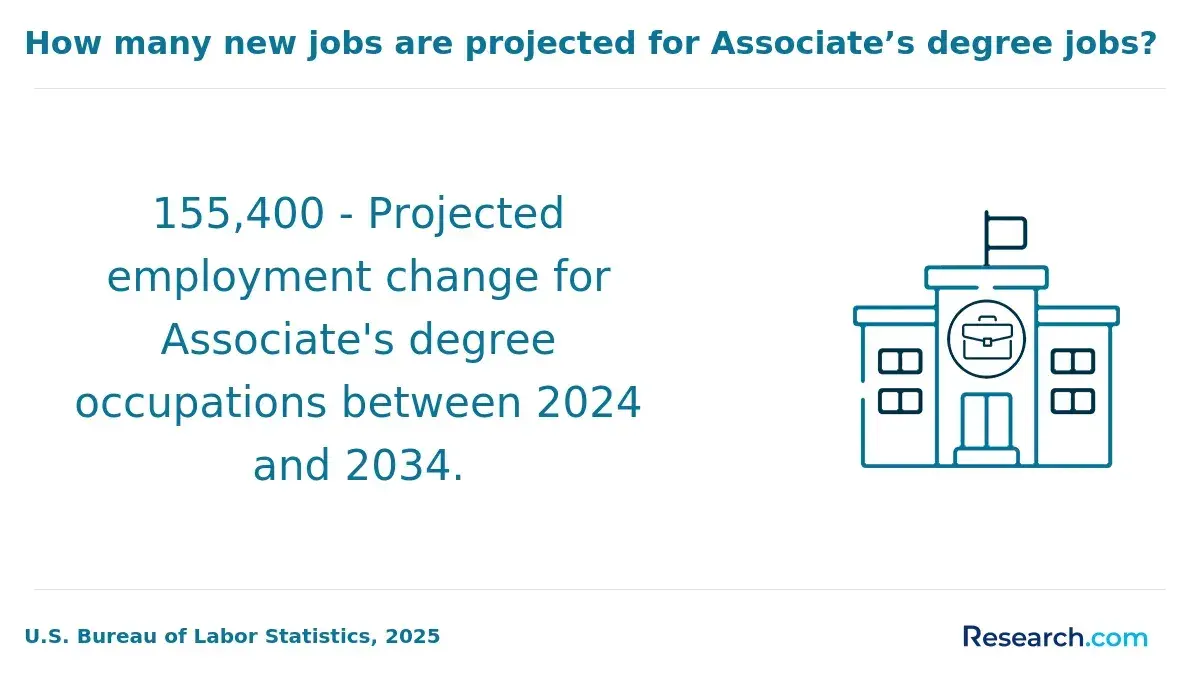
- Associate Degree: An associate degree can support entry-level work such as production assistant, event staff, administrative assistant, venue support, or junior marketing support. It may be a cost-conscious starting point, but advancement into management usually requires additional experience, a bachelor’s degree, or a strong professional track record.
- Bachelor's Degree: A bachelor’s degree is often the practical baseline for business-side roles in marketing, talent coordination, production management, distribution support, and agency operations. It can also provide time to complete internships, build a portfolio, and develop industry contacts.
- Master's Degree: A master’s degree may help professionals move toward leadership, strategy, business development, teaching, consulting, or specialized fields such as entertainment law-adjacent work, analytics, or executive management. It is most valuable when the student already has experience or a clear reason for needing advanced training. Students comparing graduate programs in related areas may also review affordable online psychology master's programs if they want to build complementary knowledge in behavior, communication, or organizational dynamics.
- Doctorate: A doctorate is uncommon for entertainment business practice. It is usually more relevant for academic research, higher education teaching, policy work, or senior consulting. For most entertainment business careers, a doctorate is not necessary.
A common mistake is assuming that a higher degree automatically solves a weak resume. In this field, a bachelor’s degree with strong internships, measurable project outcomes, and industry references may outperform an advanced degree with little practical exposure. Students should choose the lowest degree level that credibly supports their target role, then invest heavily in experience.
What Skills Are Employers Seeking in Entertainment Business Graduates?
Employers want graduates who can operate in fast-moving creative environments without losing control of budgets, timelines, communication, or client expectations. The strongest candidates can translate between creative teams and business stakeholders.
- Project Management: Entertainment work depends on deadlines. Graduates should know how to coordinate tasks, track deliverables, manage budgets, document decisions, and keep productions or campaigns moving when priorities change.
- Communication Skills: Clear writing, confident speaking, careful listening, and professional follow-up matter in every entertainment business role. Miscommunication can delay shoots, damage client relationships, or create legal and financial problems.
- Marketing and Promotion Knowledge: Employers value candidates who understand audience targeting, campaign planning, social media strategy, brand positioning, publicity, and distribution. The ability to connect creative work to measurable audience engagement is especially useful.
- Financial Acumen: Budgeting, forecasting, cost tracking, revenue analysis, and basic contract awareness help graduates make practical decisions. Even creative organizations need employees who understand margins and resource limits.
- Adaptability: Entertainment trends, platforms, tools, and consumer preferences change quickly. Graduates who can learn new systems and shift strategies without losing momentum are more employable.
- Networking Abilities: Many openings are influenced by referrals, project relationships, and reputation. Networking should be treated as professional relationship-building, not simply asking for jobs.
- Data Literacy: Audience metrics, campaign performance, ticketing data, streaming engagement, and social analytics increasingly shape business decisions. Graduates do not need to be data scientists, but they should be comfortable interpreting basic performance information.
- Professional Reliability: Showing up prepared, meeting deadlines, protecting confidentiality, and handling pressure calmly can separate strong candidates from those with similar academic credentials.
One entertainment business graduate described the transition from school to work as a shift from knowing concepts to delivering under pressure. Managing several projects at once was initially overwhelming, and the graduate had to build stronger systems for prioritizing tasks, communicating status updates, and following through. “I realized early on that just knowing the theory wasn't enough; I had to communicate confidently and build genuine connections within the industry to open doors,” he explained.
His experience reflects a broader hiring reality: entertainment employers may respect the degree, but they hire for evidence that a candidate can perform in real settings. Internships, student productions, event work, freelance projects, campus media, and measurable campaign results can make classroom learning more convincing.
How Does Job Demand Affect Entertainment Business Graduate Salaries?
Job demand can raise or limit salaries, but entertainment pay is also influenced by location, employer type, union or nonunion status, project budgets, contract length, specialization, and experience. For graduates, the first job may not represent long-term earning potential; early roles are often used to build credits, references, and industry trust.
For example, employment in arts, design, entertainment, sports, and media occupations is projected to grow 9% from 2022 to 2032, faster than the average for all occupations. When hiring expands, graduates with current skills and relevant experience may have more room to negotiate.
- Starting Salary Impact: When employers compete for candidates with scarce skills, starting salaries may improve. Skills tied to analytics, digital marketing, licensing, sponsorship, project management, and platform strategy can strengthen a graduate’s position. When many applicants have similar general degrees, entry-level wages may remain modest.
- Wage Growth Trajectory: Strong demand can create faster promotion paths, especially for employees who can manage larger budgets, clients, campaigns, teams, or revenue streams. Weak demand can slow advancement and increase reliance on short-term contracts or lateral moves.
- Supply and Demand Balance: High demand combined with limited qualified talent can improve compensation. Low demand combined with oversupply can create tougher competition, especially for assistant-level jobs in popular hubs.
- Specialization Premium: Graduates with specific, employer-ready skills may have better earning prospects than those with broad but shallow preparation. Examples include entertainment finance, rights and licensing support, tour operations, digital campaign analytics, and production budgeting.
- Long-Term Earnings Potential: Sustained industry growth can support higher lifetime earnings, but only if graduates keep building skills and move into roles with more responsibility. Remaining in low-level support roles without specialization can limit salary growth.
Students should evaluate return on investment carefully. A lower-cost accredited program plus strong internships may be financially safer than an expensive program that does not provide access to industry experience, alumni connections, or marketable skills.
How Is AI Changing Demand for Entertainment Business Professionals?
AI is changing entertainment business work rather than simply removing it. Advances in artificial intelligence are rapidly reshaping workforce demands in entertainment business, with over half of creative industry companies expecting AI to generate new jobs instead of eliminating them. Graduates who understand how to use AI responsibly may be better positioned than those who ignore it or depend on it without judgment.
- Automation of Routine Tasks: AI tools can support scheduling, draft summaries, basic reporting, audience segmentation, content tagging, and administrative workflows. This can reduce repetitive work and shift more attention to strategy, relationship management, and decision-making.
- Emerging Specialized Roles: Roles such as AI content strategist, audience insights analyst, workflow automation coordinator, and AI-assisted marketing specialist are becoming more relevant. These jobs combine business judgment with technical comfort.
- Changing Skill Requirements: Employers increasingly look for candidates who can use AI tools for research, campaign testing, metadata, personalization, and performance analysis while still protecting brand voice, rights, privacy, and ethical standards.
- Hiring Patterns and Stability: Candidates who can adapt to new tools may have better long-term employability. Graduates who resist technology or lack digital fluency may find it harder to compete for modern entertainment business roles.
- Human Skills Become More Important: Negotiation, trust-building, taste, ethical judgment, creative collaboration, and cultural awareness remain difficult to automate. AI can assist workflows, but entertainment business still depends heavily on people, relationships, and audience insight.
One graduate described feeling uncertain when AI-powered platforms first became part of her work. The tools were frustrating at first, especially when expectations changed faster than formal training. “Learning to work alongside AI was a challenge,” she said, “but it pushed me beyond traditional roles and opened doors to projects I wouldn't have imagined.”
For students, the lesson is practical: learn AI tools, but do not treat them as a substitute for business fundamentals. The most resilient graduates will know how to use AI to improve research, planning, marketing, and analysis while still applying human judgment to deals, audiences, and creative strategy.
Is Entertainment Business Considered a Stable Long-Term Career?
Entertainment business can be a sustainable long-term career, but it is not always stable in the traditional sense. Many roles are shaped by project cycles, consumer trends, economic conditions, platform changes, strikes, production budgets, and regional industry activity. Stability is strongest for professionals who build transferable business skills and avoid relying on one narrow job type.
- Long-Term Employment Trends: The entertainment industry experiences fluctuating demand influenced by economic cycles and changing consumer preferences. Streaming and digital content have expanded opportunities, while some traditional media roles face pressure or restructuring.
- Industry Reliance on Specialized Roles: Work in production management, licensing, distribution, marketing analytics, business affairs support, and revenue operations may be steadier than vague “entertainment” roles because these functions are tied to ongoing business needs.
- Adaptability to Change: Professionals who learn new platforms, analytics tools, distribution methods, and audience behaviors are more likely to remain employable as the industry changes.
- Career Advancement and Reskilling: Workshops, certifications, software training, short courses, and cross-functional experience can help professionals move between music, film, events, gaming, sports, and digital media when demand shifts.
- Network Strength: A strong professional network can reduce career volatility because many opportunities arise through referrals, prior collaborators, and project-based relationships.
Students comparing entertainment business with the highest-paying college majors should be realistic. Entertainment business may offer meaningful and exciting work, but outcomes vary widely. It is best suited for students who are comfortable with competition, relationship-building, evolving technology, and the possibility of nontraditional career progression.
Is a Entertainment Business Degree Worth It Given the Current Job Demand?
An entertainment business degree can be worth it if the program is accredited, reasonably priced, connected to industry experience, and aligned with a specific career goal. It is less likely to pay off when students choose it only because they enjoy entertainment, without developing practical business skills or completing internships.
The entertainment business degree job outlook in the United States shows steady growth driven by the rise of streaming platforms, increased digital content production, and technological advancements such as virtual reality and digital marketing. Employment opportunities in the entertainment industry are projected to grow at or slightly above the average rate for all occupations over the next decade.
However, the market remains competitive. Employers often favor candidates who offer more than a general degree. Digital content creation, social media management, data analytics, project management, budgeting, licensing awareness, and strong communication can improve hiring potential. Entry-level roles may also require internships, freelance work, campus media experience, event work, or assistant-level experience.
Before enrolling, students should ask several practical questions:
- Does the program have recognized accreditation? This affects credibility, transfer options, and financial aid eligibility.
- Does the curriculum include business fundamentals? Look for coursework in marketing, finance, management, contracts, analytics, and entrepreneurship, not only entertainment history or general media topics.
- Are internships or industry projects built in? Experience is especially important in entertainment hiring.
- Does the school have employer or alumni connections? Career outcomes often depend on access to networks and real projects.
- Is the cost reasonable compared with likely early-career earnings? Students should avoid taking on debt based only on optimistic career assumptions.
For students concerned about affordability, researching the cheapest online colleges that accept FAFSA can help make the degree a more practical long-term investment. The degree is most defensible when it is paired with focused skill-building, a clear job target, and consistent hands-on experience.
What Graduates Say About the Demand for Their Entertainment Business Degree
- Eddie: "Choosing to pursue an entertainment business degree was a game-changer for me. It gave me not only industry-specific knowledge but also practical skills that translated directly into tangible career growth. The return on investment was clear within my first year in the field, and I now confidently navigate complex negotiations and contracts."
- Josephine: "The decision to study entertainment business came from a desire to understand the behind-the-scenes mechanics of the industry. Reflecting on my journey, the degree offered valuable insights and networking opportunities that proved crucial. It has been a steady foundation that continues to open doors in my career."
- Jack: "My professional path truly accelerated after earning my entertainment business degree. The comprehensive curriculum equipped me with a strategic perspective and critical thinking skills essential for leadership roles. This education proved to be a worthwhile investment, significantly enhancing my credibility and career prospects."
Other Things You Should Know About Entertainment Business Degrees
In 2027, industries like streaming services, event management, and digital marketing are significantly driving demand for entertainment business graduates. These sectors seek professionals knowledgeable in media rights, audience engagement, and data analytics, aligning with the specialized skills developed through such degree programs.
In 2027, technological advancements like virtual reality and artificial intelligence are reshaping the entertainment industry. These changes increase demand for graduates adept in digital content creation and data analytics. The shift towards streaming services and personalized content also drives demand for specialists who can innovate and adapt.
References
- 5 In-demand IT Roles in the Media & Entertainment Industry https://www.vbeyond.com/blog/5-in-demand-it-roles-in-the-media-entertainment-industry/
- The Complete Guide to an Entertainment Business Degree https://www.yellowbrick.co/blog/entertainment/the-complete-guide-to-an-entertainment-business-degree
- Most In-Demand Jobs in the Film Industry - San Francisco Film School https://www.sanfranciscofilmschool.edu/most-in-demand-jobs-in-the-film-industry/
- 5 Facts About Our Entertainment Business Programs - SAE Institute USA https://usa.sae.edu/blog/5-facts-about-our-entertainment-business-programs/
- Arts, Entertainment and Recreation in the US Employment Statistics | IBISWorld https://www.ibisworld.com/united-states/employment/arts-entertainment-and-recreation/1619/
- 7 Careers in the Entertainment Business to Get Excited About https://careers.kogod.american.edu/blog/2025/04/21/7-careers-in-the-entertainment-business-to-get-excited-about/
- The Role of AI in the Entertainment Industry (Hint: It's Not Script Writing) https://capacity.com/blog/ai-in-the-entertainment-industry/
- Examining Ways Generative AI Will Upend the Entertainment Industry - b3mediasolutions https://b3mediasolutions.com/generative-ai-vs-entertainment-industry/
- How AI could reinvent film and TV production https://www.mckinsey.com/capabilities/tech-and-ai/our-insights/tech-forward/how-ai-could-reinvent-film-and-tv-production
- From Classroom to Job Market: 6 Skills Employers Want in Your Graduates | Digital Marketing Institute https://digitalmarketinginstitute.com/blog/from-classroom-to-job-market-6-skills-employers-want-in-graduates


