
2027 How Much Does an Entertainment Business Degree Program Cost? Tuition, Fees & Total Expense Breakdown

Co-Founder and Chief Data Scientist
The real question is not just what an entertainment business degree lists as tuition. It is what you will actually pay once fees, software, equipment, housing, food, transportation, internships, and program-specific requirements are included.
Entertainment business programs can prepare students for work in music, film, live events, media management, talent representation, marketing, and related creative industries. These programs often blend business coursework with hands-on production, industry networking, and project-based learning, which means costs can look different from a traditional business degree.
This guide explains the main expenses to review before enrolling in 2026. You will learn how tuition compares across school types, which mandatory and program fees to ask about, how online and on-campus formats affect total cost, and where hidden charges can appear. Use it to compare schools on the full cost of attendance, not just the advertised tuition rate.
Key Benefits of Knowing the Entertainment Business Degree Program Cost in 2026
- Understanding total costs helps students budget realistically, minimizing financial surprises throughout their entertainment business degree journey.
- Breaking down tuition, fees, and additional expenses clarifies what charges directly impact education versus ancillary costs.
- Awareness of expenses supports informed decisions about scholarships, loans, and alternative funding options specific to entertainment business programs.
What Expenses Are Included in the Full Cost of a Entertainment Business Degree?
The full cost of an entertainment business degree includes tuition, required institutional fees, course materials, technology, production-related expenses, and day-to-day living costs. Students who budget only for tuition are likely to underestimate what they need to complete the program.
Entertainment business programs may also include practical coursework in media production, event planning, artist management, entertainment law, marketing, or digital distribution. That practical focus can add costs for software, equipment access, travel, and portfolio development.
- Tuition: Tuition is usually the largest listed expense and can range from $10,000 to over $40,000 per year depending on whether the school is public or private. It pays for instruction, academic support, and access to institutional resources.
- Mandatory fees: Registration, technology, student activity, campus service, and similar fees usually total between $1,000 and $3,000 annually. These charges may be required even if a student does not use every service they fund.
- Books and supplies: Students spend an average of $1,200 per year on textbooks and materials. In this major, costs may be higher when courses require industry texts, case materials, media subscriptions, or project supplies.
- Technology requirements: Many programs expect students to have a reliable computer and access to editing, presentation, collaboration, or production software. These costs can range from several hundred to over a thousand dollars, depending on program standards.
- Clinical or lab fees: Although clinical fees are more typical in health programs, entertainment business students may see lab, studio, production, or equipment-use fees. These can be a few hundred dollars per semester when courses use specialized spaces or tools.
- Living expenses: Housing, food, transportation, and personal costs average about $11,000 annually, though the actual amount depends heavily on location, housing choice, commuting distance, and lifestyle.
When comparing schools, ask for the official cost of attendance and a program-level fee sheet. A degree with lower tuition may not be the cheapest option if it requires expensive housing, frequent travel, or substantial production expenses. Students still exploring fields of study can also compare entertainment business with other good college majors before committing to a program.
What Is the Average Total Cost of a Entertainment Business Degree Program in 2026?
The average total cost of an entertainment business degree program typically ranges from $40,000 to $120,000 for a standard four-year bachelor's program. That estimate includes tuition, mandatory fees, books, supplies, and living expenses, so it is more useful for planning than tuition alone.
Public institutions are usually less expensive for in-state students, with in-state tuition costs ranging from $10,000 to $30,000 per year. Private colleges may charge over $40,000 annually. However, the final amount a student pays can change after scholarships, grants, housing choices, transfer credits, and enrollment format are considered.
The biggest cost drivers are school type, residency status, program format, location, and required experiential learning. On-campus students in major entertainment markets may face higher rent and transportation costs, while online students may save on relocation but still pay technology, software, and course fees.
Students should compare each program using the same categories: tuition, mandatory fees, program fees, books and software, equipment, living costs, travel, and internship-related expenses. Those considering graduate study later may also want to review the cost and structure of the easiest master degrees as part of a longer education plan.
What Mandatory Fees Do Schools Charge for a Entertainment Business Program in 2026?
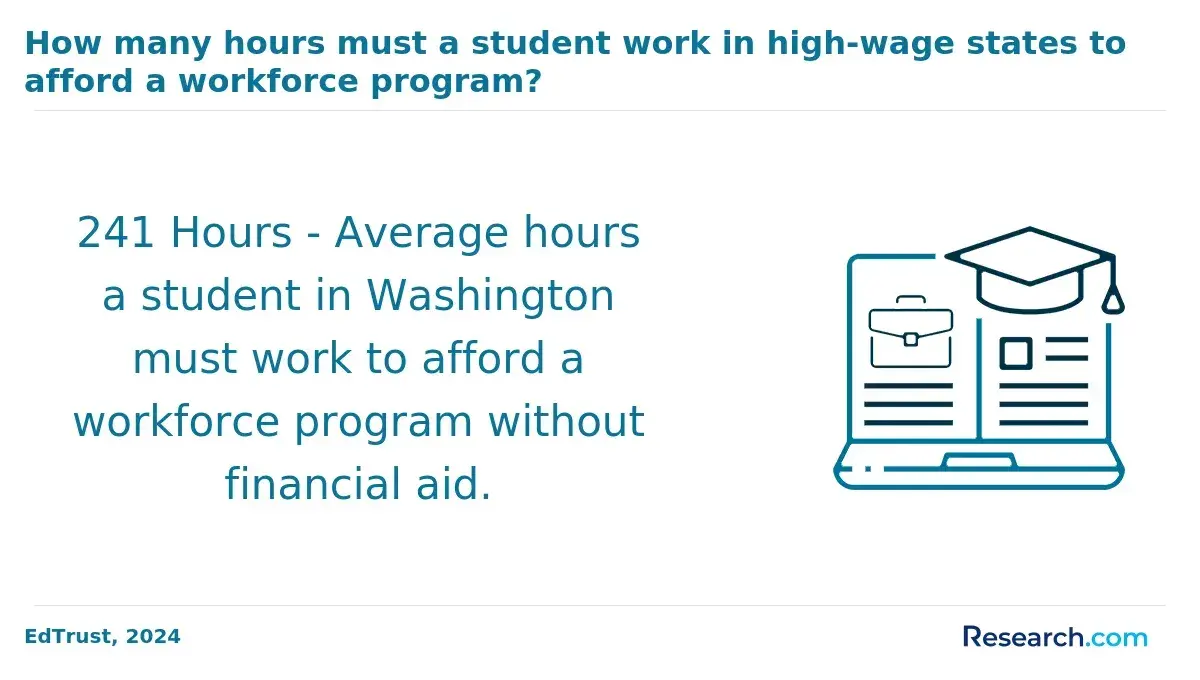
Mandatory fees are required charges added to tuition. They fund services, systems, facilities, and program resources that support student learning and campus operations. Because they are not optional, they should be treated as part of the true price of attendance.
For entertainment business students, these fees often reflect the program's reliance on technology, media platforms, studios, event spaces, and career services.
- Technology fees: These fees typically range from $100 to $400 per semester. They may support learning management systems, online platforms, software access, media tools, and technical support.
- Lab or studio fees: Entertainment business programs with production, editing, or event components may charge fees averaging $200 to $600 per term for labs, studios, equipment, and maintenance.
- Student services fees: These fees generally fall between $150 and $300 each semester and may fund health services, counseling, career support, student activities, and campus programming.
- Assessment or testing fees: Some programs charge under $100 per occurrence for portfolio reviews, exams, assessments, or other checkpoints required for degree progress.
- Campus facilities fees: These fees range from $100 to $250 per semester and may help maintain theaters, event spaces, production areas, classrooms, or other facilities used by students.
Mandatory fees can add $1,000 to $2,500 annually to the cost of attendance. Before enrolling, ask whether fees are charged per term, per credit, per course, or per program. Students comparing financing options for future study may also find it useful to review cheap masters degrees online to understand how fee structures differ across online programs.
Are There Additional Program Fees for the Entertainment Business Major in 2026?
Yes. Many entertainment business majors include additional program-specific fees beyond university-wide tuition and mandatory charges. These fees usually pay for specialized tools, spaces, credentials, or experiences tied directly to the major.
Common additional program fees include:
- Specialized lab fees: These may cover access to audio-visual production studios, editing suites, rehearsal spaces, or media labs used in practical coursework.
- Program-specific software costs: Students may need licenses for editing, production, budgeting, scheduling, analytics, design, or project management tools used in the entertainment industry.
- Licensing and certification preparation fees: Some courses may include training materials, exams, or preparation costs related to entertainment law, media management, or other professional credentials.
- Required equipment or supplies: Projects may require cameras, microphones, storage devices, presentation materials, event supplies, or other items not covered by tuition.
- Fieldwork or practicum expenses: Students may pay for travel, event participation, production costs, wardrobe, local transportation, or internship-related expenses.
Based on data from the National Center for Education Statistics, these additional fees typically range from $1,000 to $2,500 per year. Private schools and technology-intensive programs may charge more, especially when students use advanced equipment or participate in required industry experiences.
The best way to avoid surprises is to ask each department for a course-by-course cost estimate. Admissions offices may provide general tuition numbers, but department staff are more likely to know which classes require paid software, travel, portfolio materials, or equipment access.
How Much Do Required Supplies or Equipment Cost for a Entertainment Business Major?
Required supplies and equipment for an entertainment business major often cost between $1,000 and $3,000 across the degree, although the final amount depends on the program's facilities, course requirements, and whether students can borrow equipment from the school.
Students should confirm whether equipment is required for ownership or simply recommended. Buying everything upfront can be expensive, and some schools provide studios, cameras, editing labs, or loaner equipment that reduce personal costs.
- Specialized software licenses: Programs such as Adobe Creative Suite or Final Cut Pro may be required for media production, editing, and presentation assignments. Costs typically range from $20 to $80 per month depending on the subscription.
- Technical tools: Audio recorders, cameras, lighting kits, microphones, and other production tools may be needed for projects. Prices range from $300 to $1,200 based on quality and program expectations.
- Business-related hardware: Laptops, projectors, external hard drives, and storage devices may be necessary for presentations, budgeting, research, and project management. These generally cost $500 to $1,500.
- Protective gear and media storage: Even when schools provide major equipment, students may still pay for cases, memory cards, cloud storage, external drives, and protective accessories.
Before purchasing equipment, review the syllabus for each course and ask whether the department has preferred specifications. A laptop that works for general business classes may not be adequate for video editing, large media files, or collaborative production work.
What Are the Typical Living, Food, and Travel Expenses for Entertainment Business Students?
Living, food, and travel expenses can be one of the largest parts of the total cost of an entertainment business degree, especially for students studying in or near major media markets. These costs vary more by location and lifestyle than by academic program, but entertainment business students may face added travel for internships, events, networking, and fieldwork.
- Housing and utilities: Annual costs generally fall between $10,000 and $14,000. Students in urban areas may pay more, while students with roommates, family housing, or lower-cost off-campus options may spend less.
- Food expenses: Food costs typically range from $3,000 to $5,000 per year. Meal plans can be convenient but may cost more than careful grocery budgeting and cooking.
- Local transportation: Commuting costs depend on whether students walk, use public transit, drive, or pay for parking. Students attending evening events, productions, or off-campus internships should budget beyond basic classroom commuting.
- Travel for internships and industry events: These expenses often range from $500 to over $2,000 annually, depending on how often students travel and whether opportunities are local, regional, or in major entertainment hubs.
Students should build a monthly budget before the first semester and include irregular costs such as conference registration, audition or event travel, professional clothing, rideshare expenses, and temporary lodging. These costs may not appear on a tuition bill but can still affect whether a program is affordable.
Do Entertainment Business Programs Require Internships or Residencies that Add Cost?
Many entertainment business programs require internships, practicums, field experiences, or short residencies, while others make them optional but strongly recommended. These experiences can be valuable because the entertainment industry relies heavily on professional networks, applied skills, and real project experience. They can also add meaningful cost.
Placements may include production companies, music labels, event management firms, studios, talent agencies, theaters, festivals, media startups, or marketing departments. Students may earn academic credit, but that does not always mean the experience is paid.
Common internship or residency costs include travel, temporary housing, local transportation, meals, required equipment, liability insurance, professional clothing, background checks, and program fees. Residencies in major urban centers such as Los Angeles or New York can be especially expensive because housing and transportation costs are higher.
Before choosing a program, ask whether an internship is required for graduation, whether unpaid placements are common, whether remote internships are accepted, and whether the school helps students find paid or stipend-supported opportunities. Students should also confirm whether they must pay tuition for internship credits.
Are Online Entertainment Business Programs Cheaper Than On-Campus Programs in 2026?
Online entertainment business programs can be cheaper than on-campus programs, but they are not automatically the lowest-cost option. The savings usually come from avoiding relocation, campus housing, meal plans, commuting, and some facility-based costs. Tuition and mandatory fees may still be similar, and some online programs charge technology or distance-learning fees.
An online format may be a good fit for students who already have a job, live far from campus, or want to avoid the high cost of studying in an entertainment hub. It may be less ideal for students who need frequent access to studios, in-person networking, campus productions, or local internship pipelines.
When comparing online and campus-based entertainment business programs, review these factors carefully:
- Tuition model: Some online programs charge the same tuition to all students, while others vary by residency or credit load.
- Fee structure: Online students may avoid some campus fees but pay technology, platform, or remote learning fees instead.
- Equipment access: On-campus students may use school studios and gear, while online students may need to purchase or rent more equipment independently.
- Networking and internships: Campus programs may provide easier access to local industry events, while online students may need to build connections more independently.
- Living costs: Online students can often remain in their current housing situation, which may create the largest savings.
Students comparing broader business pathways may also want to evaluate an online degree in business if they want a flexible business foundation with potentially wider program availability.
How Much Does a Full-Time Entertainment Business Program Cost Compared to Part-Time?
Full-time and part-time entertainment business programs can lead to the same degree, but the cost pattern is different. Full-time study usually concentrates expenses into fewer years, while part-time study spreads costs out and may allow students to keep working.
The less expensive option depends on tuition structure, fee policies, housing needs, financial aid eligibility, and how long the student remains enrolled.
Full-time Entertainment Business Program Cost Comparison
- Tuition per credit: Full-time students often benefit from a lower cost per credit, averaging around $350 according to NCES data, because institutions typically subsidize full-time enrollment more heavily.
- Total program cost: Full-time students take more credits each semester, so upfront bills are higher. The trade-off is that they usually finish sooner, commonly in four years.
- Mandatory fees: Technology, activity, lab, and similar fees may be charged each term. Because full-time students complete the degree faster, they may pay fewer years of recurring fees.
- Supplies and equipment: Software, books, and project costs may be similar by course, but full-time students buy or renew them over a shorter period.
- Living and travel expenses: Full-time students may pay more for housing, food, and relocation if they attend on campus and reduce work hours while studying.
Part-time Entertainment Business Program Cost Comparison
- Tuition per credit: Part-time tuition per credit may exceed $400, reflecting less institutional subsidy and the flexibility provided to working professionals.
- Total program cost: A lighter course load lowers each term's tuition bill, but the extended program length—typically six years or more—can increase the total amount paid over time.
- Mandatory fees: If fees are charged every semester, part-time students may pay them for more terms, increasing cumulative costs.
- Supplies and equipment: Course-level costs are similar, but subscriptions, software upgrades, and hardware replacements may continue over more years.
- Living and travel expenses: Part-time students may save by staying employed, studying remotely, or avoiding relocation, but they may also face a longer period of commuting and education-related expenses.
Students should ask the financial aid office how enrollment status affects grants, scholarships, loans, satisfactory academic progress, and tuition billing. Those trying to reduce application-related costs can also compare top online accredited colleges with waived application fee while reviewing entertainment business options.
What Hidden Fees Increase the Cost of a Entertainment Business Program in 2026?
Hidden fees are costs that may not stand out in the headline tuition price but still increase what students pay. In entertainment business programs, these charges often come from production work, technology use, campus services, internship requirements, and administrative deadlines.
Common hidden or overlooked fees include:
- Late registration fees: Students who miss registration deadlines may pay $50 to $200 per occurrence and risk delays in course access or schedule changes.
- Library or printing fees: Printing, copying, research materials, and library-related charges may add $100 or more each semester depending on usage.
- Lab consumables: Practical production courses may charge for materials such as film stock, digital storage, props, media supplies, or other consumables. These fees typically range from $100 to $500 per term.
- Exam or certification fees: Some programs include professional certification, portfolio review, or industry-related exam costs that can reach several hundred dollars.
- Parking and transportation costs: Parking permits, shuttle fees, rideshare use, and commuting expenses can add $100 to $300 annually or more, depending on campus location and schedule.
According to the National Center for Education Statistics, these hidden fees can add 10% or more to the total cost of attendance. Students should request an itemized list of all required and optional charges before committing to a school.
A practical way to compare programs is to create a spreadsheet with tuition, required fees, supplies, software, housing, transportation, internship costs, and one-time charges. Students comparing alternative career-training options can also review top online trade colleges to see how different program models disclose costs.
What Graduates Say About the Cost of Their Entertainment Business Degree
- Eiden: "Pursuing an entertainment business degree was a significant financial commitment, with tuition and living expenses adding up quickly. However, the hands-on learning and networking opportunities far outweighed the costs for me. I found managing living expenses challenging at times, but it taught me valuable budgeting skills that have paid off now that I'm working in the industry. The return on investment truly showed as I landed a role that matched my passion and credentials."
- Yusef: "Reflecting on my entertainment business degree, I realize the cost was steep, especially when factoring in housing and daily expenses. Balancing schoolwork and living costs required careful planning and discipline. Still, the practical knowledge and industry connections I gained have given me a competitive edge, making the financial sacrifice worth it in the long term. It's an investment in my future that's already yielding dividends."
- Letty: "The expense of obtaining an entertainment business degree was considerable, but it was an investment that quickly proved its value. I appreciated how the program addressed real-world challenges, including managing living expenses while studying, which prepared me for financial realities after graduation. Professionally, the degree opened doors to promising opportunities and a salary that justified the cost. The ROI on this degree felt both tangible and encouraging."
Other Things You Should Know About Entertainment Business Degrees
Financial aid can substantially reduce the out-of-pocket cost for an entertainment business degree in 2027. Scholarships, grants, and loans are frequently offered, with packages varying by institution. Students should explore all available aid options to minimize their financial burden.
Most universities charge higher tuition rates for out-of-state students enrolling in entertainment business programs. This out-of-state tuition can be substantially more than in-state rates, often doubling the cost of tuition. Prospective students should carefully verify residency requirements to determine eligibility for in-state tuition savings.
Private institutions usually have higher tuition and fees for entertainment business degrees compared to public universities. However, private schools may offer more substantial financial aid packages that can help offset their higher sticker prices. Public institutions generally provide more affordable options but may have fewer program-specific scholarship opportunities.
The cost of an entertainment business degree in 2027 typically ranges from $20,000 to $50,000 per year. This varies based on institutional type, location, and additional fees. Prospective students should consider scholarship opportunities and financial aid to offset expenses.
References
- The Business of Entertainment, Media, and Sports | Executive Education | Executive Education https://www.exed.hbs.edu/business-entertainment-media-sports
- Is a Degree in Entertainment Management Right for You? https://www.lccm.org.uk/blog/is-a-degree-in-entertainment-management-right-for-you/
- Bachelor's Degree Entertainment Business – The Los Angeles Film School https://www.lafilm.edu/programs/entertainment-business/bachelor/
- 5 Facts About Our Entertainment Business Programs - SAE Institute USA https://usa.sae.edu/blog/5-facts-about-our-entertainment-business-programs/
- A Zero-Based Mindset: Cost Transformation for Traditional Media & Entertainment Businesses https://www.nexttv.com/blogs/a-zero-based-mindset-cost-transformation-for-traditional-media-and-entertainment-businesses
- Part-Time vs. Full-Time MBA Programs: Pros, Cons, and How to Decide | Leland https://www.joinleland.com/library/a/part-time-mba
- Online Bachelor with E-Gaming & the Entertainment Industry https://www.global-business-school.org/programs/bachelor-europe-bachelor-of-business-administration-online/online-bachelor-with-e-gaming-the-entertainment-industry/
- Entertainment Business Degree - 5 Things To Consider https://www.dean.edu/news-events/dean-college-blog/story/entertainment-business-degree-5-things-to-consider/
- Cost of Online College vs. In-Person | Touro University Worldwide https://www.tuw.edu/school-news/cost-of-online-college-vs-in-person/


