
2027 What Does a Neuroscience Nurse Do: Responsibilities, Requirements, and Salary

Co-Founder and Chief Data Scientist
The brain is the body’s command center, and neuroscience nurses are its skilled guardians. These professionals bridge the worlds of biology and psychology, caring for patients with complex neurological disorders. From strokes to spinal injuries, they play a vital role in helping patients regain function, independence, and hope.
Neuroscience nurses combine clinical expertise with compassion, working in hospitals, intensive care units, and rehabilitation centers. They collaborate with neurologists and surgeons to monitor patients, administer treatments, and track recovery. Their work demands precision, quick thinking, and a deep understanding of the nervous system’s intricate workings.
In this guide, I will explore what neuroscience nurses do, the education and certification required to enter the field, and the earning potential across various settings. You’ll gain insight into the daily responsibilities, essential skills, and career outlook that define this fascinating nursing specialty.
Key Benefits of Becoming a Neuroscience Nurse
- Top-earning neuroscience nurses can take home up to $89,500 per month, reflecting the high level of expertise and responsibility required in this complex specialty (ZipRecruiter, n.d.).
- Employment for registered nurses across all specializations is projected to grow 5% from 2024 to 2034, ensuring continued demand and career stability (BLS, 2024).
- Neuroscience nurses play a critical role in diagnosing, treating, and rehabilitating patients with brain and nervous system disorders, making their work essential to advancing neurological care.
What does a neuroscience nurse do on a typical workday?
Neuroscience nurses manage some of the most complex and high-stakes cases in healthcare. Their days are filled with both precision and compassion, balancing advanced clinical duties with emotional support for patients and families. From initial assessment to long-term recovery, every action directly impacts neurological outcomes.
Here are the primary duties and responsibilities that define a neuroscience nurse’s daily routine:
- Patient Assessment: Evaluate neurological function, monitor vital signs, and document changes in cognitive and motor abilities.
- Treatment Administration: Administer medications, IV therapies, and other specialized treatments for neurological conditions such as seizures or brain injuries.
- Surgical Support: Assist neurosurgeons during procedures and provide postoperative care to ensure safe recovery and prevent complications.
- Rehabilitation Coordination: Collaborate with physical and occupational therapists to develop personalized recovery plans for patients regaining movement or speech.
- Patient and Family Education: Explain diagnoses, treatment plans, and home-care instructions in accessible language to support long-term health management.
While neuroscience nurses handle complex neurological cases, their skills and precision often overlap with other specialized roles, making their expertise as valuable and respected as that of an emergency room nurse salary counterpart.
What educational background is required for a neuroscience nurse role?
Every great neuroscience nurse starts with a deep curiosity about the brain—and the education to match. This field demands more than compassion; it requires academic rigor, hands-on training, and specialized knowledge to navigate the complexities of neurological care with confidence and precision.
Here are the key educational pathways aspiring neuroscience nurses typically follow:
- Bachelor of Science in Nursing (BSN): The foundational degree that provides essential nursing knowledge, clinical experience, and a solid understanding of anatomy, physiology, and patient care.
- Registered Nurse (RN) Licensure: After completing a BSN, candidates must pass the NCLEX-RN exam to obtain licensure and begin professional practice.
- Master of Science in Nursing (MSN): An advanced degree that enables nurses to specialize in neuroscience, assume leadership roles, and pursue advanced clinical positions.
- Postgraduate Certification in Neuroscience Nursing: A focused credential that sharpens expertise in neurological disorders and prepares nurses for roles in hospitals, trauma centers, and rehabilitation facilities.
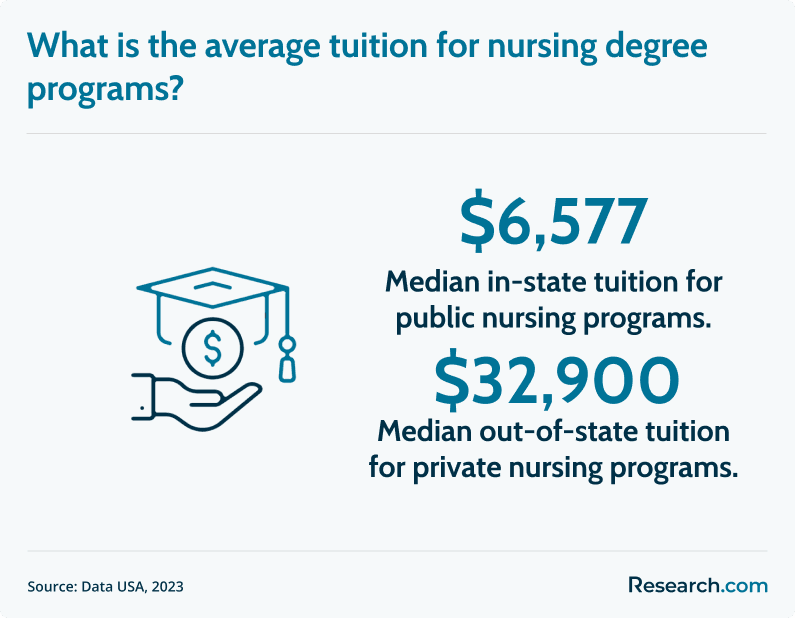
Pursuing this path comes with varying costs: nursing tuition fees average around $6,577 for median in-state public programs and $32,900 for median out-of-state private programs, which is a worthwhile investment in a career that changes lives and advances brain health.
How does a neuroscience nurse compare with other nursing specialties?
Neuroscience nurses stand out for their focus on the most intricate system in the human body: the brain and nervous system. While all nurses provide essential care, this specialty demands deeper diagnostic insight, rapid decision-making, and familiarity with advanced neurological equipment and procedures.
Here’s how neuroscience nurses compare with other major nursing specialties:
- Critical Care Nurse: Focuses on patients in life-threatening conditions, managing ventilators and life-support equipment.
- Pediatric Nurse: Specializes in children’s healthcare needs, emphasizing growth and development.
- Oncology Nurse: Provides treatment and emotional support to cancer patients.
- Emergency Room Nurse: Handles acute trauma and unpredictable cases under pressure.
- Neuroscience Nurse: Focuses on specialized caring for patients with brain, spinal cord, and nervous system disorders.
Though their focus areas differ, every specialty contributes uniquely to patient recovery, yet neuroscience nursing remains unmatched in its balance of science, precision, and empathy. If you want to explore the benefits of other nursing paths, learning about the advantages of being a family nurse practitioner is a great place to start.
Which areas of specialization can neuroscience nurses pursue in their careers?
Neuroscience nursing offers a wide range of advanced career paths for professionals who want to deepen their expertise in brain and nervous system care. As medical technology evolves, these nurses can specialize further, focusing on specific patient populations, conditions, or clinical environments.
Here are some of the most common specializations available to neuroscience nurses:
- Neurosurgical Nursing: Focuses on assisting in brain and spinal surgeries, monitoring patients before and after procedures, and ensuring safe recovery in surgical units.
- Neurocritical Care Nursing: Provides intensive monitoring and treatment to patients with severe neurological injuries, such as strokes, brain hemorrhages, or traumatic brain injuries.
- Pediatric Neuroscience Nursing: Specializes in caring for children with congenital or acquired neurological disorders, offering both medical support and family education.
- Rehabilitation Neuroscience Nursing: Helps patients regain function and independence through therapy coordination, long-term care planning, and recovery management.
- Research and Academic Nursing: Involves conducting studies on neurological diseases, developing treatment protocols, and educating future neuroscience nurses.
Whether advancing into leadership, research, or pediatric-focused roles, neuroscience nurses have many opportunities to grow. For those exploring broader pathways in child health, learning about careers with a pediatric nurse practitioner graduate certificate can open additional rewarding and specialized options.
What skills do you need to have as a neuroscience nurse?
Working as a neuroscience nurse demands a unique blend of technical expertise, precision, and compassion. These professionals handle complex cases that require quick thinking, strong communication, and an in-depth understanding of the nervous system.
Their skill set ensures accurate assessments, effective interventions, and exceptional patient outcomes.
Here are the core skills every neuroscience nurse should develop:
- Patient Care: Delivering empathetic, detail-oriented support to patients with neurological disorders, while monitoring physical and emotional well-being throughout the recovery process.
- Critical Care: Responding rapidly to medical emergencies, interpreting vital signs, and managing patients with life-threatening conditions such as brain injuries or strokes.
- Neurosurgical Duties: Assisting during brain and spinal procedures, maintaining sterile environments, and providing comprehensive postoperative care to promote healing and minimize complications.
- Analytical Thinking: Assessing subtle neurological changes, interpreting diagnostic data, and making timely, evidence-based decisions to guide treatment plans.
- Collaboration and Communication: Working closely with neurologists, surgeons, and rehabilitation specialists to coordinate care and support families through complex medical journeys.
Here's a detailed chart that breaks down the most important skills of a neurosurgical nurse:
What is the average salary for a neuroscience nurse?
Neuroscience nursing is one of the most financially rewarding specialties in the healthcare field. The average neuroscience nurse salary sits around $55,338 per year, reflecting the high level of expertise and precision the role requires.
Those just starting their careers can expect to earn around $40,000 annually, placing them in the 25th percentile for the field. This aligns closely with many entry level nursing salary ranges across specializations but comes with greater long-term earning potential as skills and certifications grow.
Experienced neuroscience nurses, especially those working in advanced or leadership positions, can earn significantly more. The top 25% make around $61,500, while top earners bring home up to $89,500 per year.
For your visual reference, here’s a chart breaking down a neuroscience nurse’s salary by percentile:
What is the job outlook for neuroscience nurses?
As medical technology advances and populations age, the demand for skilled nurses who can manage complex neurological cases continues to grow. This specialty promises both job security and opportunities for long-term career advancement.
Here are the key trends shaping the job outlook for neuroscience nurses:
- Steady Employment Growth: Employment of registered nurses is projected to grow 5% from 2024 to 2034, faster than the average for all occupations.
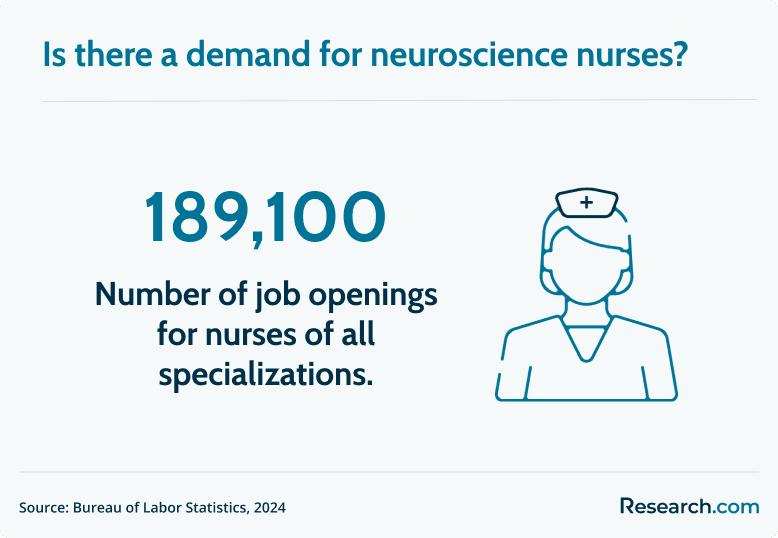
- Increasing Job Openings: Approximately 189,100 nursing job openings of all specializations are projected each year, driven by workforce turnover and retirements.
- Aging Population Needs: With a growing elderly population facing neurological conditions like dementia, stroke, and Parkinson’s disease, demand for neuroscience nurses in long-term and acute care settings will surge.
- Chronic Condition Management: Neuroscience nurses will be vital in educating and caring for patients with chronic illnesses such as diabetes, hypertension, and obesity.
- Expanding Healthcare Settings: Job opportunities are broadening beyond hospitals to include outpatient centers, home health care, and rehabilitation facilities, as more patients seek treatment outside traditional hospital environments.
As the need for neurological expertise continues to rise, neuroscience nursing offers both stability and growth potential. To explore other lucrative nursing specializations, consider comparing emergency room nurse salary by state to better understand how compensation varies across fields and regions.
What are the alternative careers for a neuroscience nurse?
Not all neuroscience nurses spend their careers at the bedside. Many professionals branch out into non-traditional paths that still leverage their clinical expertise and neurological knowledge. From research to education, these roles allow nurses to make an impact beyond direct patient care while advancing the field of neuroscience.
Here are some of the most promising alternative career paths for neuroscience nurses:
- Clinical Research Coordinator: Oversees and manages clinical trials focused on neurological treatments, ensuring compliance with research protocols and patient safety standards.
- Medical Science Liaison: Serves as a bridge between healthcare providers and pharmaceutical companies, translating complex neurological data into practical insights.
- Healthcare Educator: Teaches nursing students or continuing education courses, helping train the next generation of neuroscience professionals.
- Medical Writer: Creates educational materials, research summaries, or technical documentation for medical institutions, publishers, or healthcare organizations.
- Patient Advocate: Coordinates long-term care plans for patients with neurological disorders, guiding them through treatment options, insurance, and recovery programs.
These alternative paths offer flexibility, leadership opportunities, and intellectual fulfillment, ideal for neuroscience nurses who want to expand their influence beyond traditional hospital settings.
What are the biggest challenges neuroscience nurses face?
Working in neuroscience nursing is both rewarding and demanding. These professionals navigate high-pressure environments, emotionally complex cases, and rapidly evolving medical technologies.
While their expertise is indispensable, the role also comes with unique challenges that test their resilience, adaptability, and commitment to providing exceptional neurological care.
Here are some of the most significant challenges neuroscience nurses encounter:
- Emotional Strain: Caring for patients with traumatic brain injuries, strokes, or degenerative diseases can be emotionally draining, especially when progress is slow or outcomes are uncertain.
- High-Stakes Decision-Making: Neuroscience nurses often face split-second choices that directly impact patient survival and long-term neurological function, leaving little room for error.
- Workload and Burnout: Managing critically ill patients and keeping up with complex treatment plans can lead to long hours, mental fatigue, and burnout without proper support.
- Constant Technological Advancement: The field evolves rapidly, requiring continuous education to stay current with new neurological tools, procedures, and research findings.
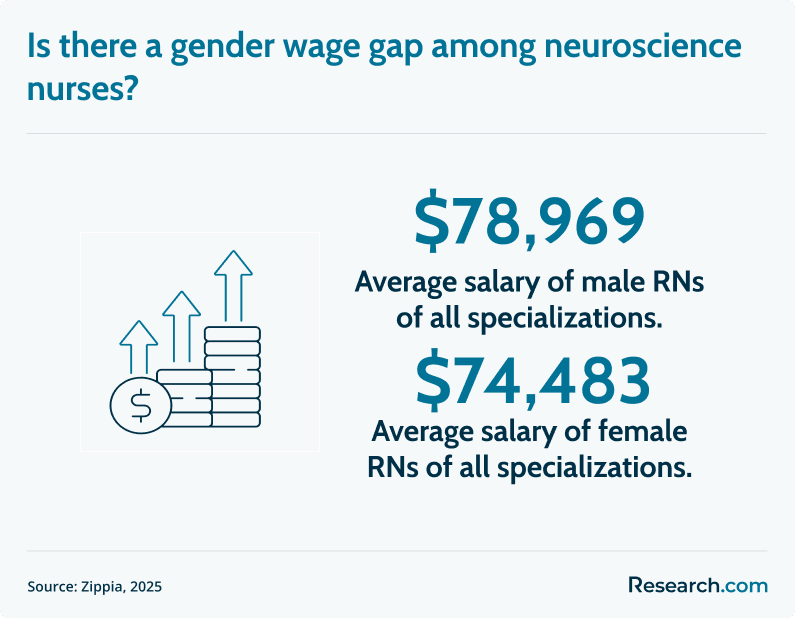
- Gender Wage Gap: Despite equal qualifications, male nurses earn about $78,969 annually, while female nurses average $74,483—a gender wage gap of $4,486 per year, highlighting an ongoing pay disparity in the profession.
Overcoming these challenges requires institutional support, ongoing education, and advocacy for equitable pay, ensuring that every neuroscience nurse is valued for their expertise and dedication.
How do you know if becoming a neuroscience nurse is the right career choice for you?
If you’re fascinated by the human brain and driven to understand how it shapes thought, movement, and emotion, neuroscience nursing may be your calling. This field suits individuals who thrive on intellectual challenges and find meaning in helping patients recover from complex neurological conditions.
Compassion and curiosity are key traits for success. Neuroscience nurses must balance empathy with analytical thinking, staying composed during emergencies while providing reassurance to patients and families. If you enjoy problem-solving and continuous learning, this specialty is for you.
Finally, consider your comfort with high-stakes environments. Neuroscience nurses often work with critical patients, advanced equipment, and multidisciplinary teams where precision matters most. If you’re energized by purpose, detail-oriented, and ready to make a measurable impact, this career could be the perfect fit for you.
Here’s What Neuroscience Nurses Have to Say About Their Careers
- Emerald: "Every day as a neuroscience nurse reminds me how resilient the human brain—and the human spirit—can be. Watching patients relearn to walk or speak after injury is nothing short of inspiring. It’s demanding work, but deeply fulfilling."
- Jarvis: "I transitioned from general nursing to neuroscience because I craved more complexity. The fast-paced environment, critical thinking, and collaboration with neurosurgeons keep me constantly learning. It’s a career that challenges and rewards in equal measure."
- Trevor: "Helping stroke survivors regain independence has been the most meaningful part of my career. As a neuroscience nurse, I get to witness recovery that feels almost miraculous. It’s where science and compassion meet."
Key Findings
- Nursing tuition fees average around $6,577 for median in-state public programs and $32,900 for median out-of-state private programs.
- 43.8% of neuroscience nurses agree that patient care is the most important skill in this profession.
- The average neuroscience nurse salary sits around $55,338 per year.
- Approximately 189,100 nursing job openings of all specializations are projected each year, driven by workforce turnover and retirements.
- Despite equal qualifications, male nurses earn about $78,969 annually, while female nurses average $74,483—a gender wage gap of $4,486 per year.
Other Things You Need to Know About Becoming a Neuroscience Nurse
In 2027, neuroscience nurses are responsible for assessing neurological conditions, administering medication, monitoring patient progress, and providing education on managing chronic neurological disorders. They also collaborate with a multidisciplinary team to develop individualized care plans for patients with conditions like stroke and epilepsy.
In 2026, a typical career advancement path for a neuroscience nurse can include roles such as a nurse practitioner specializing in neurology, clinical nurse specialist, or a leadership position like nurse manager. Continued education and certifications enhance opportunities for advancement and specialization within the field.
References
- Data USA. (n.d.). Registered nursing. https://datausa.io/profile/cip/registered-nursing Retrieved 5 November 2025.
- National Center for Biotechnology Information. (2024). Neuroscience nursing research and practice. PubMed Central (PMC). https://pmc.ncbi.nlm.nih.gov/articles/PMC11507403/ Retrieved 5 November 2025.
- US Bureau of Labor Statistics. (n.d.). Registered nurses. U.S. Department of Labor. https://www.bls.gov/ooh/healthcare/registered-nurses.htm#tab-6 Retrieved 5 November 2025.
- UT Southwestern Medical Center. (n.d.). Neuroscience nursing research center. https://www.utsouthwestern.edu/departments/neurology/research/nnrc/ Retrieved 5 November 2025.
- ZipRecruiter. (n.d.). Neuroscience nurse salary. https://www.ziprecruiter.com/Salaries/Neuroscience-Nurse-Salary#TableView Retrieved 5 November 2025.
- Zippia. (n.d.). Neurosurgical nurse practitioner skills. https://www.zippia.com/neurosurgical-nurse-practitioner-jobs/skills/ Retrieved 5 November 2025.


