2027 Can You Get Into a User Experience Bachelor's Degree Program with a Low GPA? Admission Chances & Workarounds

Co-Founder and Chief Data Scientist
Many students with low GPAs worry that their academic records will bar them from entering a user experience bachelor's degree program, which often highlights strong portfolios and technical skills over grades. As user experience roles are projected to grow 18% through 2031, the demand for diverse candidates rises alongside academic expectations. Still, some programs have flexible admission criteria, prioritizing experience or personal statements. This article explores how applicants with subpar GPAs can enhance their chances through alternative pathways, such as skills development and targeted applications, providing strategies to navigate the competitive admission landscape effectively.
Key Things to Know About User Experience Bachelor's Degree Program Admission Chances & Workarounds
- Alternative pathways like community college transfers or portfolio-based admissions can offset a low GPA, demonstrating practical skills relevant to user experience programs.
- Holistic reviews consider personal statements, recommendation letters, and relevant work experience, which may improve chances despite GPA shortcomings.
- Applicants can strengthen their submission by completing UX-related certifications or internships, showing commitment and industry readiness often valued by admissions committees.
Can I Get Into a User Experience Bachelor's Degree With a Low GPA?
Admission into a user experience bachelor's degree with a low GPA can be challenging but is not out of reach. Many institutions adopt a holistic approach, considering multiple aspects of the applicant beyond just GPA. Nationally, the average acceptance rate to four-year colleges is around 68%, indicating that candidates with lower GPAs still have opportunities to gain admission. Prospective students should keep in mind that presenting a well-rounded application can help offset academic shortcomings when getting accepted to a user experience bachelor's program despite a low GPA.
Admissions committees typically evaluate an applicant's full profile, including test scores, personal statements, letters of recommendation, and relevant experiences. They understand that GPA does not always reflect a student's true potential, especially in interdisciplinary and creative fields like user experience. Demonstrating motivation, skills, and commitment often plays a key role in admission decisions. For those interested in further academic progression, exploring options such as an online PhD may be a future consideration once a foundational degree is earned.
What Is the Minimum GPA for User Experience Bachelor's Degree Programs?
The minimum GPA required for admission into a user experience bachelor's degree program typically falls between 2.5 and 3.0 on a 4.0 scale. This range reflects the common minimum GPA requirements for user experience bachelor's programs at many institutions, indicating the level of academic readiness expected by admissions committees. According to aggregated data, about 65% of admitted students have GPAs within this range, suggesting that while the bar is set to ensure competency, there remains some flexibility depending on the competitiveness of the applicant pool.
GPA criteria for user experience degree admission can vary significantly between schools and programs. More selective institutions often expect GPAs closer to or above 3.0, while others take a holistic view of applications, considering portfolios and letters of recommendation alongside academic performance. Some programs accept students with GPAs below 2.5 if other strengths are compelling. Prospective students with lower GPAs might also explore options through related fields or link their application strategies to accredited programs such as those found in an online counseling degree accredited network, which can provide additional educational pathways and support.
2026 Update: Academic Standing and Aid Rules for Low-GPA Applicants
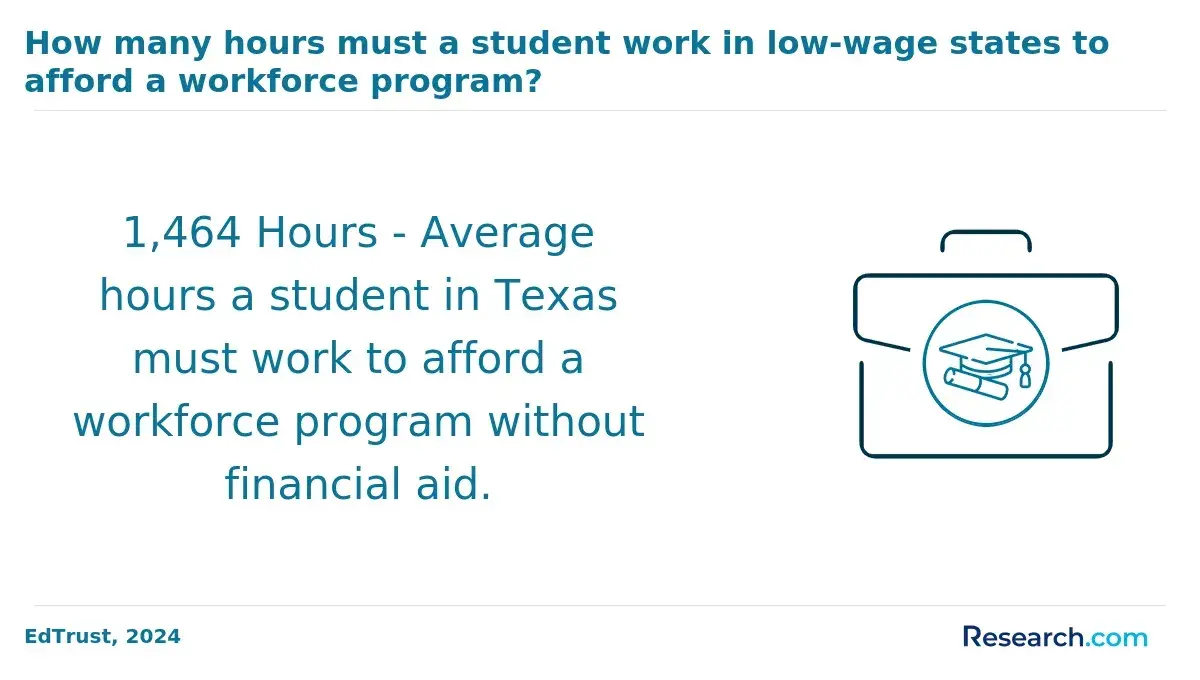
For 2026, this article was refreshed to highlight an often-missed issue: what happens after a low-GPA student is admitted to a user experience bachelor’s program, especially when academic standing and financial aid rules apply.
- Check the program’s satisfactory academic progress policy before enrolling.
- Ask whether conditional, probationary, or transfer admission affects your first-term course load.
- Review whether repeated courses, grade forgiveness, or academic renewal can improve your record.
- Confirm how transfer credits are counted toward the UX major and overall GPA requirements.
- Look for required foundation courses in design, writing, research, or programming that may need extra preparation.
- Ask about advising, tutoring, portfolio labs, and early-alert support for students rebuilding academic momentum.
Understanding these policies helps students choose a UX program where admission is not just possible, but sustainable through graduation.
What Factors Matter Besides GPA for User Experience Bachelor's Degree Admission?
Colleges increasingly assess applicants using a holistic approach, with over 60% of institutions adopting this method to evaluate more than just GPA. This strategy helps admission committees examine an applicant's diverse qualities and potential beyond academic averages. Some key factors that often influence decisions include the following:
- Standardized Test Scores: Despite many programs becoming test-optional, submitting competitive SAT or ACT scores can still bolster an application by showing academic preparedness and enhancing overall strength.
- Personal Statements: Well-crafted essays provide applicants a chance to convey their passion for user experience, creativity, and understanding of the field's core concepts-traits that grades alone may not reveal.
- Extracurricular Activities: Engagement in relevant clubs, internships, workshops, or volunteer roles connected to design and technology highlights practical skills and dedication outside the classroom.
- Letters of Recommendation: Supportive endorsements from educators or professionals offer insights into an applicant's character, work ethic, and capacity for growth, adding context that numerical scores may miss.
- Academic Trends: An upward trajectory in GPA over time can signal increasing maturity and commitment, often mitigating earlier academic challenges seen in initial transcripts.
A graduate of a user experience bachelor's program shared that his path was far from straightforward. With a GPA that initially caused self-doubt, he focused on strengthening other parts of his application, particularly by investing time in internships and connecting with mentors who wrote detailed recommendation letters. He recalled how crafting his personal statement required several revisions to authentically express his enthusiasm for design thinking, which ultimately made a significant impression on admissions officers. This experience taught him that persistence and showcasing a wide array of strengths mattered more than a number on a transcript alone.
Which Colleges Accept Low GPA for User Experience Bachelor's Degree Programs?
Some institutions offer more accessible admission standards for applicants with lower GPAs seeking user experience bachelor's degrees. For example, several regional public universities report acceptance rates exceeding 70%, reflecting their willingness to consider a broader spectrum of candidates. These options provide multiple pathways for students aiming to enter user experience programs despite academic challenges.
Here are key types of schools that often accept students with less competitive GPAs:
- Open-Admission Colleges: These institutions focus on inclusive policies that prioritize educational access over academic records. Open-admission colleges welcome applicants regardless of their GPA, making them attractive to students looking for user experience bachelor's degrees with low GPA requirements.
- Less Selective Universities: With higher acceptance rates and holistic admissions, these universities evaluate applicants on factors beyond GPA. They provide viable opportunities for students whose academic averages might not be ideal but who demonstrate potential.
- Online-Focused Institutions: Emphasizing flexibility and ongoing enrollment, online schools cater to nontraditional students. These programs allow candidates to showcase skills and motivation, often compensating for lower GPAs in user experience fields.
- Community Colleges with Transfer Pathways: Starting with a community college allows students to build academic momentum in supportive settings. Transfer agreements then enable completion of a bachelor's degree, offering a strategic approach for those overcoming low initial GPAs.
For students researching options around acceptance standards, examining MSW programs with high acceptance rate can offer insights into schools prioritizing accessibility.
Are There No-GPA or Test-Optional User Experience Bachelor's Degree Programs?
Many user experience bachelor's degree programs have begun adopting more adaptable admissions standards, particularly to accommodate applicants with lower GPAs. A growing trend, seen in over 60% of U.S. colleges as of 2023, is the implementation of test-optional policies, allowing students to decide whether to submit standardized test scores. Alongside this, some schools emphasize holistic reviews that consider personal essays, portfolios, recommendations, and relevant experiences rather than focusing solely on GPA or test results. Additionally, alternative forms of documentation like work history or completed online courses related to design skills may be accepted to demonstrate potential. These approaches broaden the pathway for candidates who may not meet traditional academic thresholds but show promise through other achievements.
When discussing this topic with a graduate of a user experience bachelor's program, she reflected on her own entry journey with a lower GPA: "I was honestly worried my grades would hold me back, but the admissions team really valued my portfolio and experiences outside school." She mentioned the relief of not having to stress over test scores as well and appreciated how the process felt more about showcasing her skills and passion than hitting a numeric cutoff. "It was encouraging to know programs are evolving and recognize different strengths," she added, emphasizing that perseverance and highlighting unique qualifications made all the difference in gaining acceptance.
What Is Conditional Admission for a User Experience Bachelor's Degree?
Conditional admission offers an alternative entrance route for students with lower GPAs seeking to enroll in a User Experience bachelor's degree program. This option is designed to help broaden access, with recent studies showing that nearly one-third of competitive programs now provide such pathways. Students gain entry by agreeing to meet defined academic conditions, which support progression toward full admission. Key elements include:
- Eligibility: Applicants may qualify despite a low GPA by demonstrating other strengths, such as relevant experience or assessments.
- Academic Expectations: Enrollees must complete specific prerequisite courses or achieve designated milestones as part of their admission terms.
- Performance Requirements: Students are closely monitored during a probationary period and must maintain targeted grades to continue.
- Advancement to Full Admission: Meeting all conditions successfully typically grants full degree program status, enabling regular course enrollment and degree progression.
Does Starting at Community College Improve User Experience Bachelor's Degree Acceptance?
Starting at a community college can significantly enhance a student's academic record and readiness for a user experience bachelor's degree program. It offers a supportive environment to rebuild one's transcript by earning strong grades in foundational and prerequisite courses. This pathway allows students to demonstrate their ability to succeed in college-level work, which can make transfer applications more competitive. Data from the National Student Clearinghouse Research Center shows that about 38% of students transferring from community colleges to four-year institutions complete their bachelor's degrees within six years, highlighting the effectiveness of this route.
This approach has several advantages, including more affordable tuition during the initial years, smaller class sizes that can improve learning outcomes, and greater flexibility to manage work or personal commitments. Additionally, students may develop stronger relationships with faculty who can later provide valuable recommendations. However, there are some challenges to consider: transfer admissions remain competitive, and certain user experience programs may restrict transfer slots or have specific course requirements. Careful planning is necessary to ensure credits transfer smoothly and align with degree requirements. Despite these considerations, many students find community college a practical way to strengthen their academic profile and improve acceptance chances into user experience bachelor's degree programs.
How Can I Improve My User Experience Bachelor's Degree Application With a Low GPA?
Applicants with a low GPA can still improve their chances of admission into a user experience bachelor's degree program by focusing on other strengths in their application. Research shows that about 25% of students admitted with below-average academic records succeeded by emphasizing factors beyond GPA. Here are some effective strategies to enhance your application despite a lower GPA.
- Highlight Achievements: Showcase relevant projects, certifications, or participation in design competitions that demonstrate your skills and dedication. A well-prepared portfolio can communicate your potential far beyond numerical grades.
- Write a Strong Personal Statement: Use this space to explain challenges that affected your GPA and emphasize your academic or personal growth. Clearly express your passion for user experience design and alignment with program goals to leave a memorable mark on admissions committees.
- Gain Practical Experience: Internships, volunteer roles, or freelance work connected to user experience design offer valuable skills and show your commitment. Admissions officers often value real-world experience as a sign of your readiness for both academic and professional environments.
- Demonstrate Academic Improvement: Enroll in relevant workshops or courses outside your formal education. Success in these areas highlights your ability to handle rigorous study and your determination to succeed in the user experience field.
Understanding how to enhance user experience bachelor's degree application with low GPA is key to building a balanced, well-rounded application. For those also considering related fields, exploring whether is a bachelor degree in project management worth it can provide additional pathways and insights.
Can I Succeed in a User Experience Bachelor's Degree After a Low GPA Admission?
Academic success in a user experience bachelor's degree program is achievable even for students admitted with a low GPA. While GPA offers a glimpse of past performance, it does not solely predict capability in a field emphasizing creativity, problem-solving, and applied skills. Research shows that students with GPAs below 2.5 experience significantly improved retention rates-sometimes by over 20%-when they actively engage in academic advising and peer support programs. Such outcomes demonstrate how resilience, effective time management, and utilization of campus resources play a vital role in overcoming low GPA challenges in user experience bachelor's programs.
Adopting specific success tips for user experience degree after low GPA admission can greatly enhance a student's progress. Strategies including consistent practice of design and research skills, strong communication with instructors and peers, and structured organizational habits contribute to better outcomes. The hands-on nature of user experience studies allows students to showcase strengths beyond traditional grades, through real-world projects and teamwork. For those looking for guidance on institutions open to applicants with lower academic metrics, exploring universities for low GPA can provide valuable pathways to admission and success.
Do Employers Care About GPA After Completing a User Experience Bachelor's Degree?
After graduating with a user experience bachelor's degree, GPA tends to carry less weight for most employers. A 2022 NACE report highlights that only around 20% of employers prioritize GPA when evaluating candidates beyond their initial year of work. This shift reflects the practical nature of the field where real skills overshadow academic scores. Key factors influencing hiring decisions include:
- Work Experience: Employers value internships, freelance projects, and hands-on roles that demonstrate practical knowledge and problem-solving abilities.
- Technical Skills: Proficiency in design tools, user research methods, and relevant technologies plays a critical role in hiring decisions.
- Professional Portfolio: A well-crafted portfolio showcasing creativity and effective solutions often speaks louder than grades.
- Soft Skills: Communication, teamwork, and adaptability are essential qualities that enable collaboration and success in dynamic environments.
For those worried about a low GPA limiting admission or job opportunities, focusing on building tangible skills and a strong portfolio can provide valuable alternatives. Demonstrating your capabilities through real-world projects often opens doors that transcripts alone cannot.
What Graduates Say About User Experience Bachelor's Degree Program Admission Chances & Workarounds
- Tobias: "When I first considered applying to a user experience bachelor's program with a low GPA, I realized the importance of exploring all available options, such as community college transfers and portfolio emphasis. Preparing thoroughly by building a diverse project portfolio helped me demonstrate my true potential beyond grades. Completing the degree not only boosted my confidence but also allowed me to pivot into a career where creative problem-solving is highly valued."
- Rex: "Getting into a user experience bachelor's program seemed daunting with my GPA, but I found that focusing on preparatory courses and gaining relevant internships made a significant difference. Reflecting back, assessing the programs that valued practical skills over academics was key. Graduating gave me the leverage to transition into tech roles with a solid foundation, proving that persistence outweighs initial academic setbacks."
- Arthur: "As someone with a less-than-stellar GPA, I took a very strategic approach by researching programs that accepted students holistically and worked hard on my application essays and recommendations. The preparation phase, including extra coursework and workshops, was crucial for my acceptance. Finishing my user experience degree opened doors for me to change careers and work in user-centric design, which aligns perfectly with my passion for improving digital interactions."
Other Things You Should Know About User Experience Degrees
Yes, taking courses in design principles, human-computer interaction, and usability testing can enhance your application. These courses demonstrate your commitment to the field and may help compensate for a lower GPA by showcasing relevant skills and knowledge.
In 2027, recommendation letters can significantly impact your application to a User Experience bachelor's degree program. They provide a comprehensive view of your skills and potential beyond your GPA, offering insights into your work ethic, creativity, and passion for the field, which can positively sway admission decisions.
Demonstrating genuine interest through a well-crafted personal statement or portfolio is crucial. Showing an understanding of current trends and dedication to user-centered design can help admissions officers see your potential. Passion projects, participation in UX-related events, or relevant online coursework can further prove your commitment.
References
- Good colleges for UI/UX undergrad degree [CA resident, GPA <3.0] https://talk.collegeconfidential.com/t/good-colleges-for-ui-ux-undergrad-degree-ca-resident-gpa-3-0/3651631
- Low GPA ??! Is there a solution | Forum | Archinect https://archinect.com/forum/thread/149942786/low-gpa-is-there-a-solution
- User Experience Design Grade Requirements https://students.wlu.ca/career-and-experiential-learning/co-op/assets/resources/grade-requirements/user-experience-design-grade-requirements.html
- UX Design Career Advice From Experienced Designers https://indeed.design/article/what-i-wish-i-knew-before-starting-a-career-in-ux-design/
- Bachelor User Experience Design admission requirements https://www.srh-university.de/en/bachelor/user-experience-design-content-creation/d/bachelor-user-experience-design-admission-requirements/
- Should employers screen candidates using GPA? https://www.insidehighered.com/news/student-success/life-after-college/2024/10/08/should-employers-screen-candidates-using-gpa
- How To Get into Grad School With a Low GPA https://www.princetonreview.com/grad-school-advice/how-to-get-into-grad-school-with-low-gpa
- BA (Hons) - User-Experience and User-Interface (UX/UI) Design https://www.cumbria.ac.uk/study/courses/undergraduate/user-experience-and-user-interface-uxui-design/
- UX/UI Design: How to Choose Your Degree | Bryan University Online© https://bryanuniversity.edu/faq/ux-ui-design-how-to-choose-your-degree/
- low gpa, universities accepting low gpa, low gpa requirement https://yocket.com/blog/universities-accepting-low-gpa