2027 Is a Forensic Science Online Degree Worth It?

Co-Founder and Chief Data Scientist
Choosing an online forensic science degree is a practical trade-off: you gain flexibility and access to specialized coursework, but you still need rigorous science training, credible accreditation, hands-on practice, and a realistic view of the job market. With over 7 million students enrolled in at least one online course, online learning is now a mainstream pathway, including for students preparing for forensic science, law enforcement, laboratory, legal, cybersecurity, and investigative careers.
This guide is for prospective students comparing online forensic science programs against campus-based options, working adults who need a flexible schedule, military learners, career changers, and current criminal justice professionals who want stronger technical credentials. It explains who online programs fit best, what the benefits and limitations are, what technology you need, how internships work, what programs may cost, and how salary and hiring prospects vary by role and industry.
The key question is not whether an online degree can be legitimate. It can be, if the program is properly accredited, academically rigorous, and transparent about labs, internships, faculty support, and career outcomes. The better question is whether a specific online forensic science program gives you the scientific, technical, and professional preparation required for the work you want to do.
Key Benefits of Online Forensic Science Degree
- Online forensic science programs offer flexible schedules, allowing working professionals to balance studies with employment or personal obligations efficiently.
- These degrees emphasize practical skills and up-to-date technology relevant to crime labs, enhancing job readiness in forensic analysis roles.
- Graduates often see strong career growth; the U.S. Bureau of Labor Statistics projects a 14% increase in forensic science technician jobs through 2031.
Who Should Choose an Online Forensic Science Degree Program?
An online forensic science degree is best for students who need flexibility but can handle a structured, science-heavy program without the daily accountability of a campus schedule. The format works especially well when coursework is mostly lecture-based, analytical, research-oriented, or digital, while labs, fieldwork, and internships are clearly built into the program.
Students should choose this path only after confirming that the program fits their career goal. A student interested in digital forensics or crime analysis may find online delivery especially practical. A student aiming for lab-intensive work in DNA analysis, toxicology, or forensic chemistry should pay closer attention to in-person lab requirements, equipment access, internship placement, and whether graduate study may be needed later.
Online forensic science programs are often a strong fit for:
- Working professionals: People already employed in criminal justice, law enforcement, corrections, legal support, cybersecurity, or laboratory settings can build forensic knowledge without leaving their jobs. Online programs are particularly useful for professionals seeking advancement, lateral movement into forensic roles, or a stronger scientific foundation.
- Caregivers and stay-at-home parents: Asynchronous coursework can make it possible to study around family responsibilities. However, students should still plan for fixed deadlines, proctored exams, group projects, and possible in-person labs or internships.
- Military personnel and veterans: Online delivery can help students continue coursework despite relocation, deployment-related disruption, or base assignments. Veterans should also compare military tuition benefits, transfer credit policies, and student support services before enrolling.
- Students in remote or rural areas: Forensic science is a specialized field, and nearby campus options may be limited. Online programs can expand access, but students should verify whether internships, labs, or field placements can be completed locally.
- Career changers: Students moving from biology, chemistry, psychology, criminal justice, information technology, or legal studies can use an online program to gain forensic-specific training. They should check prerequisite requirements carefully, especially for programs with laboratory science tracks.
Who may be better served by an on-campus or hybrid program?
- Students who need frequent face-to-face lab instruction and close supervision.
- Students pursuing highly technical laboratory roles that require extensive wet-lab experience.
- Students who learn best through daily in-person structure.
- Students who do not have reliable technology, quiet study space, or predictable time for coursework.
What Are the Pros and Cons of an Online Forensic Science Degree?
An online forensic science degree can be worth it when it is accredited, includes credible lab or simulation experiences, supports internships, and matches the type of forensic work you want. The main advantage is flexibility. The main risk is enrolling in a program that is convenient but too light on science, technical practice, or employer-recognized experience.
Pros of an Online Forensic Science Degree
- Flexible scheduling: Many online programs use asynchronous coursework, allowing students to watch lectures, complete assignments, and review materials outside traditional class hours. This is valuable for students with full-time jobs, caregiving responsibilities, military obligations, or rotating shifts.
- Broader program access: Students are not limited to nearby colleges. This matters in forensic science because specialized concentrations may not be available locally.
- Opportunity to keep working: Staying employed while studying can reduce lost income and help students apply classroom concepts to current roles in criminal justice, law enforcement, laboratory work, or cybersecurity.
- Technical and case-based training: Strong programs use virtual labs, case files, digital evidence exercises, crime scene scenarios, and structured analysis assignments. Some programs also require in-person labs. Arizona State University, for example, integrates summer in-person labs for crime scene and laboratory practice.
- Multiple specialization paths: Online students may encounter subjects such as digital forensics, toxicology, DNA analysis, crime scene investigation, forensic psychology, and evidence handling. The right track depends on whether the student wants lab, field, investigative, legal, or technology-focused work.
Cons of an Online Forensic Science Degree
- Hands-on limitations: Forensic science is not purely theoretical. Students need practice with evidence procedures, documentation, lab protocols, chain of custody, and professional reporting. Online programs must explain how they deliver or supplement these experiences.
- Competitive job market: The Bureau of Labor Statistics forecasts an 11% job growth rate for forensic science technicians, with roughly 2,500 new jobs expected annually through 2031. Growth does not mean every graduate will quickly find a forensic role, especially in small markets or highly specialized labs.
- Stress and burnout risk: Crime scene professionals may face disturbing evidence, irregular hours, court pressure, and emotionally difficult cases. Studies show crime scene professionals face higher stress and burnout levels than lab-based workers. A degree can build technical readiness, but students should also prepare for the psychological demands of the field.
- Ongoing education requirements: Forensic methods, lab standards, software tools, and legal expectations change. Graduates may need certifications, continuing education, graduate study, or agency-specific training after earning the degree.
- Program quality varies: Some online programs are more career-aligned than others. Students should compare accreditation, faculty credentials, lab access, internship support, transfer policies, and graduate outcomes rather than choosing only by price or speed.
Students who want to strengthen a forensic science degree may also compare high paying certification programs that align with digital forensics, cybersecurity, laboratory methods, compliance, or investigative work.
How Do AI-Enhanced Virtual Classrooms Work in Online Forensic Science Programs?
AI-enhanced virtual classrooms use adaptive software, simulations, automated feedback, and digital collaboration tools to make online forensic science training more interactive. These tools do not replace scientific judgment, proper lab technique, or supervised field experience. Their value is in helping students practice procedures, review mistakes, and engage with complex scenarios more often than a traditional lecture format allows.
In a strong online forensic science program, AI should support learning rather than simply automate it. Students should still receive instructor feedback, complete written analyses, follow evidence protocols, and demonstrate professional reasoning.
Common AI-supported learning features
- Interactive simulations: AI-driven 3D simulations and virtual laboratories can let students practice evidence collection, scene documentation, and crime scene analysis in controlled digital environments. Platforms such as ReelMind.ai and VictoryXR are examples of tools used to create immersive or simulation-based experiences.
- Adaptive learning tools: These systems analyze student performance and adjust practice questions, review modules, or feedback based on areas of weakness. In forensic science, this can help students revisit concepts such as evidence classification, lab safety, report writing, or investigative procedure.
- AI-driven feedback and assessment: Automated systems may track whether students follow protocols, identify evidence correctly, or reconstruct a scene logically. This can provide quick feedback, but it should be paired with faculty review for higher-stakes assignments.
- Collaborative virtual environments: Students may work together on simulated cases, compare findings, prepare reports, and discuss investigative strategy in shared online spaces. This helps build communication skills, which are essential for lab reports, court preparation, and multidisciplinary investigations.
- 24/7 virtual assistance: AI tutors and virtual agents can answer procedural or course-navigation questions outside office hours. They are useful for review and practice, but students should rely on instructors for grading standards, scientific interpretation, and career guidance.
What students should ask before enrolling
- Are virtual labs required, optional, or supplemental?
- Does the program include any in-person lab, field, or internship component?
- Who evaluates major forensic reports and case analyses: faculty, automated systems, or both?
- What software or platforms will students use, and are they included in tuition or fees?
- How does the program protect academic integrity and data privacy in AI-supported assignments?
Students planning a technology-heavy forensic path may also compare certification that pay well, especially in digital evidence, cybersecurity, fraud examination, or compliance-related fields.
What Technology Do You Need for an Online Forensic Science Degree?
Online forensic science students need more than a basic device for watching lectures. Programs may require virtual labs, statistical tools, digital evidence exercises, proctored exams, video meetings, large files, and specialized software. Before enrolling, ask the school for its current hardware, software, browser, operating system, and virtual lab requirements.
Core technology requirements
- Reliable computer: A computer should have at least 8GB of RAM and 256GB SSD storage to support common online learning tools and resource-intensive forensic exercises. Students interested in digital forensics should confirm whether the program recommends stronger specifications.
- High-speed internet: A stable connection with a minimum download speed of 25 Mbps helps support video lectures, virtual labs, cloud-based platforms, proctored exams, and group work without frequent interruptions.
- Webcam and microphone: These are commonly required for live classes, virtual office hours, presentations, proctored testing, and group projects. A headset can also improve audio quality during case discussions.
- Digital forensics software: Programs may use tools such as FTK, Autopsy, and Cellebrite for digital evidence analysis, data recovery, and documentation practice. Some schools provide remote access through virtual labs, while others may require installation on a student device.
- External storage devices: USB drives or external hard drives can help students back up large datasets, case files, or project materials. Students should follow program rules for data security and evidence simulation files.
- Virtual lab access: Many programs provide secure cloud-based labs where students can practice forensic procedures, analyze files, complete simulations, or work through scenario-based assignments.
Practical setup tips
- Do not rely only on a tablet or smartphone unless the program confirms that mobile access is sufficient.
- Check whether proctoring software works with your operating system before the first exam.
- Keep a quiet, private workspace for timed tests, recorded presentations, and evidence-analysis assignments.
- Ask whether software licenses are included in tuition or charged separately as course fees.
- Plan for secure backup storage, especially for large files used in digital forensics courses.
Students who want to finish quickly should compare time-to-completion policies, transfer credit rules, and course availability. Some may also review fastest masters degree online options when planning a graduate-level forensic science or related career path.
How Long Does It Take to Finish an Online Forensic Science in 2027?
The time required to finish an online forensic science degree depends on degree level, course load, transfer credits, lab requirements, internship requirements, and whether the program follows a fixed cohort schedule or a more flexible format. For a bachelor’s degree, the most common full-time timeline is four to five years. Students who transfer credits or choose accelerated terms may finish sooner, while part-time students usually take longer.
Typical completion timelines
- Full-time online track: A bachelor’s program usually lasts four to five years and commonly includes around 120-134 credits. Many programs follow a 48-month structure, although accelerated formats may shorten the timeline for students who can manage a heavier workload.
- Part-time enrollment: Part-time study is often the better option for students balancing work, family, military service, or unpredictable schedules. The trade-off is a longer completion timeline because students take fewer courses each term.
- Asynchronous learning: Asynchronous courses allow students to complete lectures and assignments without attending live class meetings. This can make scheduling easier and may help self-directed students move faster when courses are offered frequently.
- Synchronous classes: Synchronous courses require students to attend live sessions at set times. This format provides structure and real-time interaction but may make it harder to accelerate or work around job schedules.
- Credit transfers and prior learning: Transfer credits, military credits, prior college coursework, and accepted professional training can reduce the time needed to finish. Policies vary, so students should request a transfer evaluation before enrolling.
What can delay graduation?
- Required courses offered only once per year.
- Science prerequisites that must be completed in sequence.
- In-person labs scheduled during limited terms.
- Internship placement delays or background check requirements.
- Taking too many intensive courses at once and needing to withdraw or repeat a class.
Students should map the full program from first term to graduation before committing. A program that advertises flexibility may still have fixed lab dates, internship deadlines, or course sequences that affect the real completion timeline.
Can You Work Full-Time While Completing an Online Forensic Science Degree?
Yes, many students can work full-time while completing an online forensic science degree, but it requires careful course planning and realistic expectations. Forensic science coursework can be technical, reading-heavy, and assignment-intensive. Students working full-time should avoid assuming that “online” means “easy” or “self-paced with no deadlines.”
The best fit is usually a program with asynchronous courses, predictable assignment calendars, responsive faculty, and part-time options. Students in shift work, law enforcement, healthcare, military service, or caregiving roles should pay special attention to live attendance requirements and lab scheduling.
Factors that make full-time work more manageable
- Flexible scheduling: Some programs offer accelerated or extended timelines, including 8-week intensive sessions or longer formats. Students can often focus on fewer courses at a time instead of carrying a heavy traditional semester load.
- Asynchronous course delivery: Asynchronous classes allow students to access lectures and materials at any time. This is especially helpful for students with night shifts, rotating schedules, overtime, or family responsibilities.
- Clear workload expectations: Technical courses may require substantial weekly study time, lab preparation, writing, and exam review. Students should ask advisors how many hours per week are typical for each course.
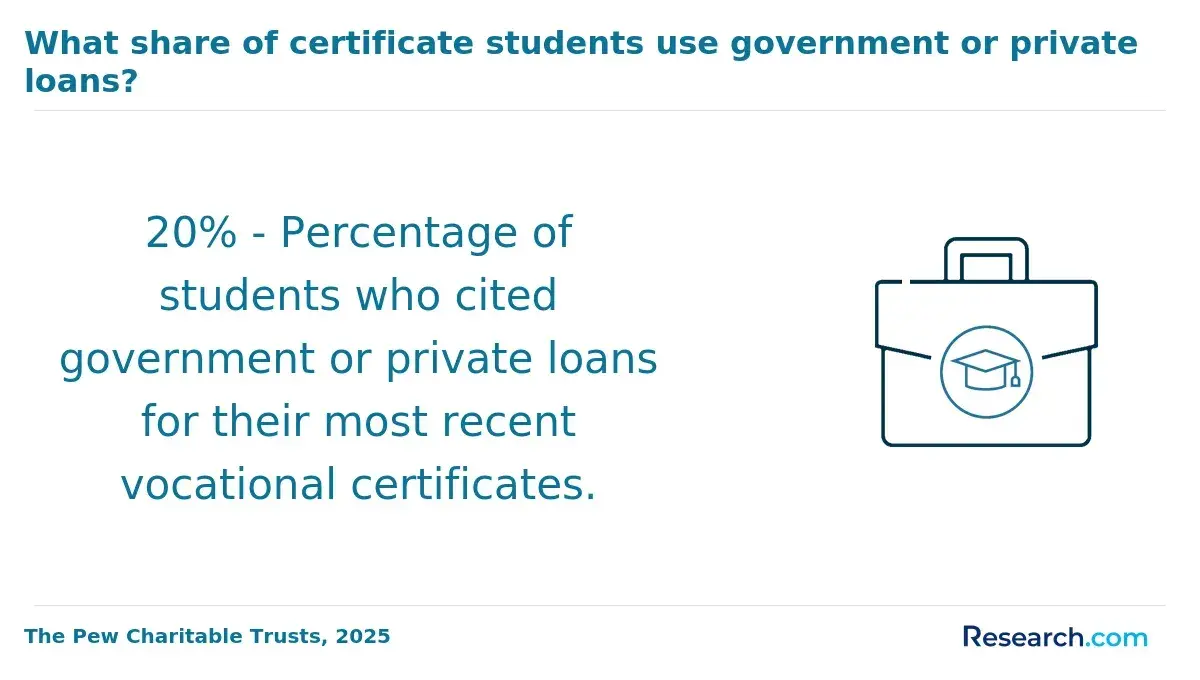
- Employer support: Some employers may offer tuition assistance, flexible scheduling, professional development funding, or shift adjustments. Students already working in criminal justice or public service should ask about education benefits early.
- Strong time management: Successful working students usually block study time in advance, limit course overload, communicate early with instructors, and keep a backup plan for busy work periods.
Common mistakes to avoid
- Taking an accelerated full-time load while also working overtime.
- Ignoring lab, internship, or proctored exam scheduling requirements.
- Waiting until deadlines to start technical assignments.
- Choosing a program before confirming whether live sessions are mandatory.
- Assuming employer tuition assistance will cover all fees or materials.
For working adults, the best strategy is often to start with a manageable course load, then increase pace only after understanding the program’s expectations.
How Do Online Forensic Science Degree Programs Help with Internships?
Internships are important because forensic science employers value applied experience, professional documentation, evidence handling, laboratory exposure, and familiarity with investigative environments. Online programs can support internships, but students should not assume placement is automatic. The strongest programs explain clearly who finds the site, what kinds of sites qualify, how supervision works, and how internship hours count toward the degree.
How online programs typically support internships
- Career services support: Programs may provide internship listings, resume help, interview preparation, application guidance, and professional networking resources.
- Mentorship and field liaisons: Faculty mentors or internship coordinators can help students identify appropriate sites, prepare required paperwork, and resolve issues during the placement.
- Placement partnerships: Some programs maintain relationships with forensic labs, law enforcement agencies, medical examiner offices, private laboratories, cybersecurity firms, or investigative agencies. These partnerships can expand options, especially for students outside the school’s home state.
- Flexible scheduling and hybrid options: Online coursework may continue while the internship is completed in person at an approved local site. This is useful for students who cannot relocate for field experience.
- Academic credit allocation: Internship hours, typically ranging from 160 to 480, may count toward degree requirements when the placement meets program standards.
Questions to ask before enrolling
- Is an internship required, optional, or recommended?
- Does the school place students, or must students find their own site?
- Can internships be completed near the student’s home?
- What agencies, labs, or organizations have accepted students in the past?
- Are background checks, drug screens, immunizations, or security clearances required?
- What happens if a student cannot secure an internship by the expected term?
Internship access can make a major difference in career readiness. A lower-cost or faster program may be less valuable if it leaves students without practical experience or professional contacts.
What Is the Average Tuition Cost of an Online Forensic Science Program?
The cost of an online forensic science program depends on degree level, public or private status, residency rules, transfer credits, fees, and whether the school charges a flat online rate. Tuition is only one part of the total cost. Students should also budget for technology fees, course materials, lab fees, software access, proctoring, travel for in-person labs, and possible internship-related expenses.
Common tuition ranges and cost factors
- Average tuition per year: Bachelor’s programs typically cost around $10,000 annually, though with financial aid some students pay closer to $4,887. Master’s programs generally fall between $7,875 and $21,420, with a median near $12,855 per year.
- Per-credit tuition: Costs per credit tend to range from $327 to $595. The final price depends on the number of required credits, transfer credit acceptance, institution type, and residency status.
- Public vs. private institutions: Public universities usually have lower tuition than private schools. In-state students may receive discounted rates, while out-of-state students may pay more unless the school offers a special online tuition rate.
- Additional fees: Technology fees, lab fees, course materials, software access, background checks, proctoring, and graduation fees can change the total cost. Students should ask for a full cost-of-attendance estimate, not just tuition.
- Lower-cost examples: Fayetteville State University offers one of the lowest tuition rates for bachelor’s degrees at under $4,000 annually, while the University of Florida leads with $7,875 for a master’s.
How to judge value, not just price
- Confirm accreditation and whether the degree is recognized by employers or graduate programs.
- Compare lab access, internship support, and faculty expertise.
- Ask how many credits are required after transfer evaluation.
- Review financial aid eligibility before assuming the advertised tuition is what you will pay.
- Consider whether a higher-cost program offers stronger specialization, career services, or practical training.
A cheaper program is not always the best value if it lacks hands-on preparation. A more expensive program is not automatically better unless it provides measurable academic and career advantages.
What Is the Average Salary for Someone with an Online Forensic Science Degree in 2027?
Salary after an online forensic science degree depends on job title, location, employer type, specialization, experience, and whether the role is laboratory-based, field-based, investigative, legal, or technology-focused. Employers generally evaluate the degree’s accreditation, coursework, skills, internships, and relevant experience more than whether the classes were online.
Students should treat salary figures as planning estimates, not guarantees. Entry-level forensic roles can be competitive, and some graduates begin in technician, evidence, laboratory assistant, criminal justice, or digital support roles before moving into more specialized positions.
Salary expectations by career stage
- Average entry-level salary: Graduates starting their careers, often with a bachelor’s degree in forensic science, typically earn between $50,000 and $60,000 per year. Common early roles include laboratory assistants, technicians, crime scene investigators, and evidence support positions.
- Mid-career salary: Professionals with five to ten years of experience generally see salaries range from $70,000 to $85,000 annually. Those specializing in high-demand areas such as digital forensics or forensic toxicology, or those moving into supervisory roles, can surpass $90,000.
- Higher-end earnings: Top experts can earn over $100,000, especially in federal agencies or specialized sectors. Private-sector roles in labs, consulting, or information security, particularly digital forensics, may command salaries exceeding $120,000.
- Salary by industry and region: Pay varies by location and employer. Forensic science technicians working in urban centers or states with a higher cost of living, such as California, New York, and Texas, often earn more than the national median.
- Labor market trends: The forensic science technician salary with an online degree 2025 is expected to benefit from a projected job growth of 13% over the next decade. The median annual wage for forensic science technicians was $67,440 as of May 2024.
What can improve earning potential?
- Choosing a specialization aligned with employer demand, such as digital forensics, toxicology, or forensic biology.
- Completing internships or field placements before graduation.
- Building strong technical writing and court-ready reporting skills.
- Gaining experience with forensic software, lab protocols, or evidence management systems.
- Pursuing relevant certifications or graduate study when required for advancement.
Students comparing online programs should also review a list of FAFSA-approved schools to identify institutions that may qualify for federal financial aid and align with their career goals.
Which Industries Hire Graduates From Online Forensic Science Programs?
Graduates of online forensic science programs can work in several sectors, but the right industry depends heavily on the student’s concentration, science background, internship experience, and technical skills. A general forensic science degree may open entry-level doors, while specialized roles in toxicology, DNA analysis, digital forensics, or cybersecurity often require targeted coursework, experience, or additional credentials.
Common industries and roles
- Law enforcement and government agencies: These remain major employers for forensic science graduates. Roles may include forensic scientist, crime scene investigator, evidence technician, laboratory technician, or digital evidence analyst in local, state, and federal settings. Graduates may analyze physical evidence, DNA, controlled substances, fingerprints, trace evidence, or digital data depending on training and agency needs.
- Legal and judicial sector: Graduates may support attorneys, courts, and litigation teams as expert witnesses, litigation support associates, forensic schedulers, or evidence consultants. These roles require strong documentation, clear communication, and the ability to explain technical findings in a legal context.
- Private sector: Private employers may hire forensic science graduates for private investigations, forensic engineering support, fraud detection, corporate compliance, insurance investigations, and consulting. Financial institutions and consulting firms may also use forensic skills for due diligence and risk management.
- Digital forensics and cybersecurity: This field focuses on recovering, preserving, and analyzing digital evidence from computers, mobile devices, networks, and cloud environments. It is a strong fit for students who combine forensic science with information technology, cybersecurity, or data analysis.
- Healthcare and scientific research: Graduates with appropriate science preparation may pursue roles related to forensic pathology support, toxicology, medical examiner offices, hospitals, biotech firms, and quality assurance laboratories. Requirements vary by position and may include advanced science coursework or graduate training.
How online graduates can strengthen employability
- Choose a program with relevant accreditation and employer-recognized coursework.
- Complete an internship, practicum, or supervised field experience when possible.
- Build a portfolio of case reports, lab analyses, or digital forensics projects if allowed by the program.
- Develop courtroom communication, technical writing, and chain-of-custody documentation skills.
- Match electives to the intended industry rather than taking unrelated courses for convenience.
Graduates from an online forensic science program, as with those from traditional paths, may be considered across public and private sectors when their training is credible and relevant. Some digital, consulting, compliance, and cybersecurity-related positions may offer remote or hybrid work options, while crime scene and laboratory roles usually require on-site work. Salaries can range from $43,000 to $180,000 depending on specialization and experience.
Prospective students should confirm that the institution is properly accredited. Reviewing a nationally accredited university resource can help students understand accreditation options and avoid programs with limited recognition.
What Graduates of Online Forensic Science Programs Say About Their Degree
-
: "Pursuing my online forensic science degree allowed me to balance work and study at my own pace, which was invaluable. The comprehensive curriculum and interactive labs made the learning experience both engaging and practical. Considering the average cost of attendance was reasonable, I felt the investment was truly worth it.
Derrick"
-
: "The decision to enroll in an online forensic science program was transformative. I appreciate how the flexibility accommodated my busy schedule, while deepening my understanding of the field without the stress of relocating or excessive expenses. This degree has opened doors in my career and helped me bring more confidence to my role.
Arjun"
-
: "Completing my online forensic science degree was a strategic move financially and professionally. The program was rigorous yet adaptable, allowing me to hone critical skills essential for advancing in forensic analysis. Given the cost-effectiveness compared to traditional programs, I consider it a smart and effective pathway.
Elias"
Other Things You Should Know About Forensic Science Degrees
In 2027, a forensic science online degree is valuable if it aligns with career goals and industry demands. Graduates can find opportunities in law enforcement agencies, private labs, and consulting firms. However, students should ensure programs offer practical experiences to enhance job prospects.
In 2027, many online forensic science programs offer robust career support, including virtual job fairs, resume workshops, and networking opportunities. Students can access online career centers, providing personalized guidance for securing internships and job placements in the forensic science field.
In 2027, many online forensic science programs partner with local facilities or offer virtual labs to provide practical experiences for students. However, the level of access can vary, so it's essential to research specific programs to ensure they meet your needs.
References
- A responsible artificial intelligence framework for forensic science - ScienceDirect https://www.sciencedirect.com/science/article/pii/S0379073825001860
- Top Forensic Science Internships - Organizations & Eligibility https://www.forensicscolleges.com/blog/resources/cool-forensic-science-internships
- 15 Forensic Science Internships for Undergraduates https://www.lumiere-education.com/post/forensic-science-internships-for-undergraduates
- Why a Master’s in Forensic Studies Online Is the Smart Choice for Working Professionals https://www.stevenson.edu/online/about-us/news/news-why-a-masters-in-forensic-studies-online-is-the-smart-choice-for-working-professionals/
- Online Internship | Forensic Science Internships https://www.sifs.in/online-forensic-internship
- Digital Forensics: Salary & Career Outlook https://www.ucf.edu/online/criminal-justice/news/digital-forensics-salary/
- Forensics Careers | FBIJOBS https://fbijobs.gov/forensics
- Internships at DFS | dfs https://dfs.dc.gov/page/internships-dfs
- Internships https://www.cfsre.org/education/internships
- 2025 Most Affordable Online Forensic Science Master's Degrees https://www.onlineu.com/most-affordable-colleges/forensic-science-masters-degrees