2027 Career Paths with a Gerontology and Aging Master's Degree Explained

Co-Founder and Chief Data Scientist
The career landscape for professionals holding a gerontology and aging master's degree is shifting toward roles that demand advanced leadership, data analysis, and specialized technical skills aligned with industry-specific challenges. Employers increasingly seek graduates who can navigate complex regulatory environments and apply evidence-based research methods, such as longitudinal cohort studies or client-centered care technologies, to improve outcomes. With gerontology and aging programs emphasizing management competencies and cross-disciplinary collaboration, graduates are positioned for roles beyond traditional caregiving, including policy development and program evaluation.
According to the National Center for Education Statistics, graduate enrollment by working adults rose by 15% in 2023, highlighting expanding access to flexible learning options. This article explores diverse career pathways linked to a gerontology and aging master's degree to help readers assess alignment with their professional goals.
Key Things to Know About Career Paths With a Gerontology and Aging Master's Degree
- Gerontology and aging master's graduates often face a tradeoff between specialized knowledge and broader health sector mobility, requiring careful alignment of coursework with targeted career niches to maintain long-term relevance.
- Employers increasingly expect advanced skills in policy, care management, or research analytics within aging services, pushing graduates towards interdisciplinary competencies for leadership roles in this expanding field.
- Recent federal data shows a 40% rise in online graduate enrollments for aging-related fields since 2020, emphasizing that program accessibility influences timing and affordability decisions critical for working professionals.
What Can You Do With a Gerontology and Aging Master's Degree?
Graduates pursuing careers with a gerontology and aging master's degree must weigh how the interdisciplinary nature of the field influences their professional trajectory, balancing clinical knowledge with policy and administrative roles. Navigating healthcare leadership roles within aging populations often demands not only subject expertise but also strategic capacity to manage programs adapting to demographic shifts and resource constraints. Career decisions in social services similarly involve tradeoffs between direct client engagement and broader systemic advocacy, demanding a nuanced understanding of sector dynamics and funding realities.
- Healthcare Leadership: This pathway leverages skills in managing aging care programs in hospitals, long-term care, and community health systems. Graduates often take on roles that require navigating regulatory environments and optimizing care delivery, making these positions pivotal for those targeting organizational impact.
- Social Services Management: Top career opportunities for gerontology and aging master's graduates in social services include overseeing support networks that address elder needs. Here, professionals balance resource allocation with advocacy efforts, requiring deep familiarity with government programs such as Medicaid and Medicare.
- Policy Analysis: Specialization in aging-related policy enables graduates to influence legislation and funding priorities. These roles typically demand advanced analytical skills and the ability to translate demographic trends into actionable policy recommendations.
- Academic and Research Roles: Conducting studies on aging processes and disease trajectories offers a research-intensive track. This path suits those aiming for academic appointments or consulting roles, but it often requires additional qualifications beyond the master's level.
- Consulting and Case Management: Graduates find opportunities designing personalized elder care plans and advising families or organizations. The flexibility of these roles comes with the challenge of staying current with evolving best practices and resource landscapes.
What Are the Highest-Paying Careers With a Gerontology and Aging Master's Degree?
Compensation in gerontology and aging career paths is strongly influenced by specialization and leadership responsibilities, with technical expertise and organizational impact further differentiating salary outcomes. Professionals who integrate advanced knowledge with management skills tend to command higher pay, reflecting employers' expectations for multidisciplinary capabilities in navigating the complex needs of aging populations.
Careers emphasizing strategic oversight or specialized clinical research roles typically yield the highest remuneration. For instance, healthcare managers who direct aging services face regulatory and operational challenges that justify salaries around six figures, illustrating the premium placed on leadership in healthcare systems dedicated to elder care.
- Healthcare Manager, Aging Services: Oversees clinical and residential elder care programs, with compensation reflecting the responsibility for regulatory compliance, budget management, and interdisciplinary coordination in a growing field.
- Clinical Research Scientist, Aging Populations: Leads studies targeting age-related diseases; high salaries correspond to required expertise in study design and data analysis, valued by pharmaceutical and medical research sectors.
- Director of Aging Services: Combines administrative leadership with deep gerontology knowledge to manage social service programs, with earning potential enhanced by organizational scale and program complexity.
- Social Work Administrator: Directs social support initiatives for older adults, where leadership and grant management skills contribute to salaries often approaching or exceeding six figures.
In contrast, roles focused predominantly on direct care, such as gerontological counselors or case managers, offer lower salaries typically between $50,000 and $70,000, reflecting the tradeoff between frontline service delivery and administrative or research leadership. Professionals prioritizing financial return must weigh this against the intrinsic rewards and steady demand found in direct service careers. Prospective students looking into lucrative careers may also look into most profitable degrees.
Which Industries Hire Graduates With a Gerontology and Aging Master's Degree?
Graduates with a master's degree in gerontology and aging are uniquely positioned to address complex challenges across multiple sectors, but the practical application of their skills varies widely depending on organizational context and specialization. Healthcare remains a dominant employer, where advanced knowledge of aging physiology and chronic conditions supports roles in patient care coordination, care management, or clinical advocacy. Here, the ability to navigate interdisciplinary teams and regulatory requirements is essential, and credentials like healthcare administration or clinical certifications often influence hiring and advancement prospects. Outside healthcare, social services employ graduates to design and manage programs addressing elder rights, housing, or mental health, requiring strong policy analysis and community engagement capabilities. Tradeoffs are common: healthcare roles may offer higher base salaries but demand familiarity with medical protocols, while social services emphasize programmatic leadership and advocacy with variable compensation, influencing long-term career trajectories and skill development priorities.
Other industries present diverse opportunities that leverage gerontology knowledge alongside analytical and strategic competencies. Public health agencies use these professionals to develop targeted prevention initiatives for aging populations, requiring data-driven evaluation skills and familiarity with population health frameworks. Similarly, government policy bodies recruit graduates to shape or oversee legislation impacting elder care, favoring candidates with demonstrated expertise in policy analysis and stakeholder negotiation. Insurance and pharmaceutical sectors increasingly seek specialists who understand aging-related risks and therapeutic needs, blending technical knowledge with business acumen. Advancing in these fields typically demands ongoing specialization or interdisciplinary training, reflecting how organizational cultures and operational goals shape role expectations and career investment returns. Choosing a sector therefore not only directs daily responsibilities but also impacts the relevance of one's skills and the strategic positioning within an evolving workforce.
A graduate who transitioned from a nonprofit elder advocacy group to a hospital-based chronic care coordination role described initial uncertainty over which sector to prioritize. While passionate about direct client impact, they encountered tension balancing advocacy with clinical guidelines in healthcare settings. Their decision to acquire additional certifications in healthcare management was driven by the recognition that hospitals demand rigor in quality assurance and documentation beyond social service program scope. This step validated the need to adapt expertise to diverse operational environments and highlighted how shifting between sectors can require recalibrating expectations around influence, autonomy, and professional identity.
What Is the Job Outlook for Careers Requiring a Gerontology and Aging Master's Degree?
Employment prospects for careers requiring a Gerontology and Aging master's degree reflect nuanced labor market dynamics shaped by demographic trends and sector-specific demands. The job outlook for careers requiring a gerontology and aging master's degree is strengthened by the aging Baby Boomer population, which drives increased need for professionals skilled in managing chronic diseases and long-term care. However, growth is not uniform: roles in social and community service management are projected to expand by 13% from 2022 to 2032, outpacing many other occupations, while clinical and administrative positions may offer higher salary potential but often require additional specialization or credentials. Geographic variations also influence demand, with urban centers and regions with larger senior populations showing stronger hiring activity, while rural areas may experience slower growth and fewer advancement opportunities.
Many employers expect candidates to combine gerontology expertise with interdisciplinary skills in program coordination and healthcare navigation. This evolving landscape means professionals face tradeoffs between sectors: public health and nonprofit roles might prioritize community impact over salary leverage, whereas healthcare systems or private agencies may offer higher compensation but demand more technical skills. These distinctions affect long-term career stability and credential differentiation. Professionals aiming to enter or advance in this field should carefully assess where their strengths align with industry expectations and consider pathways to supplement their degree-potentially through targeted certifications or experience-to remain competitive amid increasing specialization. For those exploring educational investment, resources like free online college application options can provide accessible entry points into this expanding sector.
What Entry-Level and Advanced Jobs Can You Get With a Gerontology and Aging Master's Degree?
Holding a master's degree in gerontology and aging can position graduates for distinct tiers of professional roles, but immediate leapfrogging into high-level positions is uncommon without relevant experience or specialized credentials. Entry-level roles such as case managers or program coordinators typically focus on direct interaction with older adults, relying heavily on applied skills and community engagement. These positions often serve as critical grounding phases where practical knowledge is built and professional networks expanded. Employers frequently expect demonstrated experience working with aging populations or related internships, making these roles essential stepping stones rather than endpoints. The Bureau of Labor Statistics projects a 15% growth rate for social and community service managers, indicating a sustained, though competitive, demand specifically within this segment of the workforce.
Advanced roles require a broader skill set that extends beyond interpersonal or programmatic tasks to include policy development, administration, and research. Positions like senior care managers or aging policy analysts command higher salaries-often exceeding $90,000 per year-and entail greater decision-making authority and interdisciplinary collaboration. However, access to these roles depends heavily on prior career progression, the sector of employment, and additional qualifications such as certifications in healthcare management or public health. Certain employers, particularly in healthcare systems or government, place greater value on such credentials, influencing graduates' ability to accelerate upward mobility. For prospective students, understanding this layered career pathway underscores the need to integrate specialized training and practical experience early to enhance competitiveness and long-term flexibility in diverse aging-related fields.
Can a Gerontology and Aging Master's Degree Help You Change Careers?
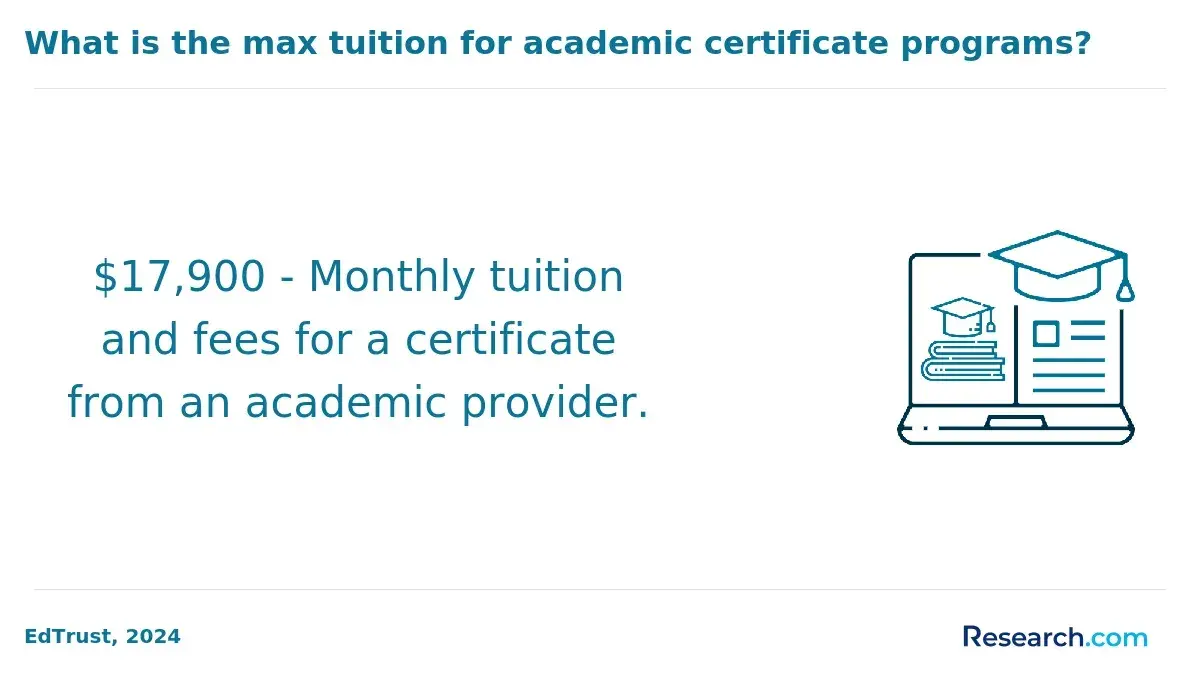
A master's degree in Gerontology and Aging can serve as an effective vehicle for career transitions, but its impact hinges significantly on one's prior experience, chosen specialization, and strategic navigation of industry expectations. For professionals moving from unrelated sectors into aging-related fields like healthcare administration or social services, the degree validates critical competencies and strengthens credibility, especially when paired with practicum or internship experiences that provide practical exposure. However, many career changers must accept initial salary resets and encounter competition from candidates with more direct experience. Employers often prioritize applied skills and relevant certifications, meaning the degree alone rarely guarantees immediate upward mobility without supplemental credentials or demonstrated fieldwork. Tuition for programs with rolling admissions typically ranges from $9,000 to over $150,000, an important consideration when weighing return on investment and time commitment in relation to long-term job opportunities.
Conversely, those with backgrounds already adjacent to gerontology, such as nursing or social work, often find these master's programs a pathway to deepen expertise and qualify for leadership or technical roles addressing aging populations. The degree's value in these cases lies in enhanced specialization and a recognized credential that can justify higher-level responsibilities and salary negotiations. Geographic demand also influences job prospects; metropolitan areas with aging populations offer more opportunities, whereas rural regions may require broader skills beyond gerontology. Networking options and internship placements embedded in many programs critically shape employability. For individuals exploring career transitions with a gerontology and aging master's degree, understanding how specialized knowledge aligns with specific occupational demands is essential to navigating hiring realities and long-term professional growth. For those also considering science-related pathways, related online biology degrees present additional interdisciplinary options within health and aging sciences.
What Leadership and Management Roles Can You Pursue With a Gerontology and Aging Master's Degree?
Leadership and management roles available to master's degree holders in Gerontology and Aging frequently demand a blend of technical knowledge and administrative acumen, often requiring professionals to navigate complex organizational dynamics and regulatory environments. In health care settings, for example, licensed practitioners with this degree may assume quality assurance or clinical management positions, where compliance oversight and patient outcomes are tightly linked to strategic decisions. Nonprofit agencies focusing on aging services commonly appoint program directors who must balance grant management with service delivery, exercising influence across financial, advocacy, and operational teams. The breadth of responsibility in such leadership roles means professionals face elevated expectations for cross-functional coordination and accountability, which can affect promotion prospects and compensation but also increases work complexity compared to frontline technical roles.
Leadership trajectories in Gerontology and Aging vary widely by industry and organizational context, with some pathways emphasizing clinical expertise while others prioritize project or policy management capabilities. For example, research institutions often require grant acquisition and team leadership experience, whereas public health departments may emphasize regulatory knowledge and community engagement skills. The tradeoff of advancing into management frequently involves relinquishing direct practice for broader program oversight, presenting challenges for those who prefer hands-on work. Employers increasingly seek candidates who can integrate interdisciplinary teams and handle stakeholder negotiations, reflecting the rising demand for leadership that can translate gerontological expertise into effective organizational strategies. Such roles do not follow a uniform advancement pattern; the scope of authority, expected outcomes, and supervisory demands differ significantly across sectors.
One graduate recalled waiting anxiously during a rolling admissions cycle, uncertain whether to accept a job offer or await program acceptance. The delay forced careful weighing of timing and career goals as the prospective student juggled professional responsibilities with application preparation. When the acceptance finally arrived close to the program start date, the individual quickly coordinated logistics, recognizing that entering the program at the right moment was critical for leveraging leadership opportunities later. This experience highlighted how timing and strategic decision-making around enrollment can influence long-term career positioning in Gerontology and Aging leadership roles.
What Skills Do Employers Expect From Graduates With a Gerontology and Aging Master's Degree?
Employers hiring graduates with a gerontology and aging master's degree prioritize a blend of specialized technical and leadership skills that directly affect organizational outcomes. Proficiency in evidence-based assessment tools and healthcare informatics is essential for designing appropriate care plans and ensuring compliance with regulatory standards such as HIPAA. Graduates lacking these technical competences may find advancement limited, especially in healthcare settings where errors or compliance failures carry significant legal risks. Analytical skills matter equally-many roles require the ability to interpret complex demographic data and evaluate program impact through rigorous research methodologies, which directly informs strategic decision-making and policy influence. For example, positions in nonprofit aging services increasingly demand data literacy to secure funding, evaluate interventions, and demonstrate community impact, reflecting a shift toward measurable outcomes and accountability.
Leadership and interpersonal skills also vary in importance depending on the sector; management tracks emphasize strategic planning and interdisciplinary team leadership, while community-engagement roles require cultural competence and tailored communication with diverse older adult populations. Salary data indicates that gerontology and aging graduates with strong leadership and compliance expertise often command salaries ranging from $60,000 to $85,000 annually, reflecting employer value placed on operational and regulatory capabilities. Those without such skills may face wage stagnation or difficulty transitioning to cross-functional roles within aging services. Consequently, programs that integrate practicum experiences and project management coursework tend to produce candidates better positioned to navigate the evolving technological and regulatory environments typical in eldercare, thereby enhancing both employability and long-term career resilience.
Are Remote and Flexible Careers Available With a Gerontology and Aging Master's Degree?
Remote and flexible careers in gerontology and aging master's degree fields are feasible but vary significantly depending on job functions and employer expectations. Roles requiring direct, hands-on client engagement-such as clinical social work or elder care coordination-usually mandate physical presence or hybrid schedules due to the necessity of in-person assessment and support. Conversely, positions emphasizing research, policy, or program evaluation increasingly support remote arrangements, leveraging digital collaboration platforms and secured data systems. However, professionals must balance the benefits of flexibility with organizational demands for confidentiality, compliance, and effective virtual supervision, which can limit the scope of fully remote work options.
Industry segment and regulatory frameworks further influence remote work availability, with healthcare compliance or licensed counseling roles facing stricter onsite requirements than independent consultant or educator positions that often offer greater autonomy. Notably, many employers in aging services show caution around flexible scheduling due to oversight concerns, which may slow transitions to remote career opportunities for gerontology and aging master's graduates. According to 2024 workforce reports, a growing share of gerontology programs now incorporate flexible timing to address these market realities, reflecting a broader trend toward hybrid employment models. Professionals seeking to integrate work-life balance through remote or contract-based roles should also consider geographic pay variations and the increased need for digital proficiency. For those exploring interdisciplinary advancement, related fields such as nursing may provide complementary options, as seen in the rising enrollment in BSN to MSN programs.
What Certifications or Licenses Complement a Gerontology and Aging Master's Degree?
Successfully navigating certifications for gerontology and aging professionals significantly impacts career outcomes by delineating legal authority and practical expertise. Licenses such as Licensed Clinical Social Worker (LCSW) or Licensed Professional Counselor (LPC) are mandatory for clinical roles involving direct patient care and mental health services, reflecting state-mandated regulatory requirements that largely determine employability and permissible scope of practice. In contrast, certifications like Certified Dementia Practitioner (CDP) remain optional yet strategically important, serving as specialization signals that enhance credibility within long-term care or community-focused organizations. This distinction matters because while licenses confer legal standing to practice, certifications often influence salary scales and promotion opportunities by verifying up-to-date competencies tailored to aging populations. Employers in healthcare administration may prefer credentials such as Certified Aging Services Professional (CASP) for leadership roles, demonstrating how workforce demands enforce credential variation based on industry expectations and organizational compliance standards.
Variation in credentials extends into workforce implications for gerontology and aging professionals, influencing eligibility for diverse job functions and hierarchy levels. Entry-level individuals might rely heavily on foundational certifications to establish initial credibility, whereas seasoned practitioners pursue advanced licenses or specialized credentials to qualify for supervisory or niche roles. Delaying licensure or neglecting industry-preferred certifications can restrict access to independent practice or exclude professionals from specialized tracks like geriatric counseling and case management, where validated credentials are prerequisites for insurance reimbursement and quality assurance. These practical barriers underscore why many employers prioritize credentialed candidates to satisfy compliance and client trust expectations. Additionally, career changers leverage certifications to offset limited aging-specific experience, proving transferable skills in competitive settings. For professionals curious about how credentials influence leadership roles beyond gerontology, resources on how do I become an athletic director illustrate analogous credentialing pathways in different fields.
What Graduates Say About Career Opportunities With a Gerontology and Aging Master's Degree
- Conrad: "Balancing a full-time job while pursuing my master's in gerontology and aging forced me to prioritize programs with flexible evening classes. I chose a part-time track because it allowed me to maintain income but be honest-it extended the time to complete my degree. However, securing an internship during the summer outside my usual work environment was crucial; it ultimately opened doors to a coordinator role focused on elder care programs, even though employers valued hands-on experience more than the coursework alone."
- Lily: "Coming from a non-healthcare background, the financial cost of the program was my biggest concern, so I selected a university with strong scholarship options and combined it with a paid practicum. This decision paid off because the internship not only built my portfolio but also helped me pivot into a community outreach position that didn't require licensure. That said, the salary growth has been moderate, and I've realized advancement often demands either certifications beyond the degree or moving into administrative roles."
- Joseph: "I was drawn to gerontology and aging because of a desire to work remotely, given my family commitments. The program's emphasis on digital health tools was a deciding factor, though juggling the curriculum with caregiving duties was a real challenge. Post-graduation, employers in my region often prioritized those with clinical licenses, so I leaned heavily on my internship and research projects to demonstrate competence, which landed me a role in an aging-in-place nonprofit. It's rewarding work but confirmed that the field can be competitive if you don't have the traditional credentials."
Other Things You Should Know About Gerontology and Aging Degrees
The balance between practical experience and research opportunities in a gerontology and aging master's program profoundly affects future employability and career trajectory. Programs emphasizing applied learning, such as internships or community-based projects, tend to better prepare graduates for immediate workforce demands, particularly in service-oriented roles. Conversely, research-intensive programs might position graduates for academic or policy-driven careers but can limit hands-on skills that many employers expect. Prospective students should prioritize program structures aligned with their target career paths to avoid skill mismatches and to enhance their ability to demonstrate relevant competencies.
Given the multidisciplinary nature of gerontology and aging, programs can vary widely in length, credit requirements, and intensity. Students who continue working while studying must weigh the demands of coursework and practicum hours against their personal and professional responsibilities. Programs that allow part-time enrollment or offer evening and online classes better support working professionals, but may extend time to degree completion. Carefully assessing program flexibility relative to workload is critical; overcommitting without adequate support can lead to burnout and compromise both academic performance and career progress.
Employers often differentiate between graduates with broad training in aging issues and those with specialized expertise, such as dementia care or policy advocacy. Graduates from specialized tracks may have an advantage in niche roles requiring deep knowledge, while generalist degree holders might be more versatile but less competitive for certain openings. Understanding these employer expectations is essential when selecting a program, especially because specialization can limit future flexibility but may offer a clearer path in focused sectors. Prioritizing specialization makes sense if you have a defined career target; otherwise, a generalist approach may better accommodate evolving interests.
References
No references available.