2027 Career Paths with a Health Informatics Master's Degree Explained

Co-Founder and Chief Data Scientist
The evolving landscape for professionals with a health informatics master's degree increasingly prioritizes specialized graduate-level expertise that blends leadership, analytical problem-solving, and technical proficiency within healthcare technologies such as EHRs and data interoperability systems. Employers seek candidates adept at navigating regulatory frameworks like HIPAA while managing cross-functional teams and driving data-driven decisions.
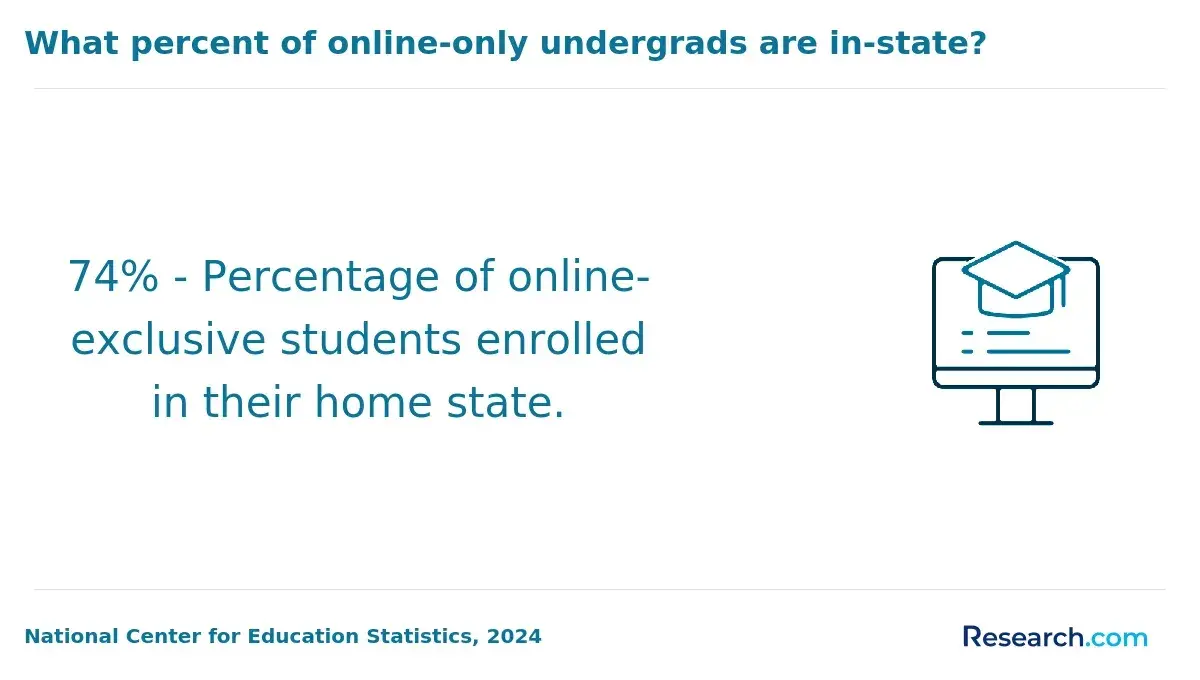
According to the National Center for Education Statistics in 2024, over 40% of health informatics graduate students enroll part-time or online, reflecting the growing demand for flexible program formats that accommodate working adults balancing complex careers. This article explores diverse career trajectories enabled by a health informatics master's, highlighting roles, industries, and skills crucial for long-term professional alignment.
Key Things to Know About Career Paths With a Health Informatics Master's Degree
- Health informatics graduates gain leadership roles due to their fluency in both clinical and IT domains, but must balance technical expertise with evolving regulatory knowledge, impacting long-term adaptability and role fit.
- Employer demand for specialized informatics skills drives hiring towards candidates with hands-on experience in EHR systems, influencing the necessity of practical training alongside theoretical coursework.
- The rise in online master's enrollments-growing by over 20% since 2022 per NCES-lowers entry barriers but requires students to strategically manage self-paced learning against workforce timing and cost constraints.
What Can You Do With a Health Informatics Master's Degree?
Choosing a career path with a health informatics master's degree requires weighing distinct professional trajectories that vary considerably in scope, responsibility, and industry impact. The degree's blend of technical knowledge and healthcare context positions graduates to navigate roles that intersect clinical environments, IT systems, and organizational leadership, but the specific path taken can shape long-term employability and compensation potential in significant ways.
- Clinical Informatics Specialist: These professionals play a critical role integrating technology with patient care delivery, often acting as a bridge between medical staff and IT departments. Advancement in this area demands deep familiarity with electronic health records (EHR) and workflow optimization, typically favoring candidates who combine informatics competencies with clinical experience.
- Health Data Analyst: Focused on interpreting complex datasets, analysts influence organizational strategy by identifying population health trends or treatment effectiveness. While this role offers flexibility across sectors, the ability to translate data insights into actionable healthcare improvements distinguishes those who progress toward consulting or strategic advisory positions.
- Healthcare IT Project Manager: Leadership in this path centers on overseeing technology implementation and upgrades in healthcare settings. Success depends not only on technical skills but also on navigating regulatory constraints and stakeholder communication, marking it as a high-responsibility track with corresponding compensation benefits.
- Health Information Manager: Managing compliance with legal standards and patient privacy rules like HIPAA is at the core here, requiring a blend of technical oversight and policy knowledge. This pathway offers steady demand, especially in larger healthcare organizations, but advancement may necessitate ongoing education in healthcare law and administration.
- Health Technology Consultant: Serving a broader healthcare market, consultants implement or tailor digital health tools across various providers. This role demands adaptability and breadth of expertise, often leading to lucrative contracts but requiring the ability to manage diverse client expectations and rapidly changing technology landscapes.
- Research Specialist in Health Informatics: Those pursuing this route engage with developing clinical decision support and analytics frameworks that drive innovation. It calls for a strong theoretical foundation—often built through advanced online healthcare programs—and aligns with academic or industry R&D, presenting opportunities to influence future standards but typically lower immediate financial rewards compared to administrative roles.
What Are the Highest-Paying Careers With a Health Informatics Master's Degree?
Compensation in health informatics careers is often tied to the strategic complexity and leadership responsibilities inherent in the role, as well as the candidate's technical expertise and ability to manage evolving regulatory demands. For professionals making career decisions, moving into senior roles within large healthcare systems or specialized organizations typically correlates with significantly higher earnings but may require cross-disciplinary skills and proven management experience.
- Informatics Director: Serving as senior leaders who align health informatics strategies with clinical and business priorities, these professionals often secure top-tier salaries by managing large-scale data initiatives, compliance efforts, and technology integration across hospital systems.
- Clinical Informatics Manager: Tasked with overseeing teams that implement and optimize electronic health records and data analytics, these managers command high compensation due to their direct impact on operational efficiency and regulatory adherence within healthcare organizations.
- Health IT Consultant: Consultants with advanced health informatics knowledge engage with diverse clients on system implementation, interoperability, and policy guidance, earning substantial fees from the specialized technical and regulatory expertise they provide.
Careers in data analytics, project management related to EHR systems, and advisory roles addressing healthcare information policies also present lucrative paths, though they often rely on supplemental certifications or clinical experience to scale compensation rapidly. Employer demand in 2024 reflects a premium on professionals capable of translating complex clinical data into actionable insights while navigating the fragmented regulatory environment. Entry-level health informatics graduates without leadership experience may face slower salary growth, highlighting the importance of targeted skill development and strategic networking for those aiming at the upper echelons of compensation within this evolving field.
Which Industries Hire Graduates With a Health Informatics Master's Degree?
Employers across distinct sectors leverage the expertise of health informatics graduates in functionally diverse ways that reflect the operational and regulatory priorities of their fields. Healthcare providers typically require professionals who can integrate clinical workflows with electronic health records systems to enhance patient care quality and compliance with evolving standards. By contrast, public health agencies emphasize data governance, epidemiologic analytics, and inter-agency information exchange, demanding a nuanced understanding of both policy frameworks and technical interoperability.
Health insurers and payers focus on analytic capabilities supporting claims validation, fraud detection, and value-based reimbursement models, which often requires combining clinical knowledge with advanced data science techniques. In pharmaceutical and biotech firms, informatics graduates generally contribute to clinical trial data management and regulatory documentation, requiring precision and adaptability to tightly controlled environments. These distinctions create substantive variance in skill application, with compensation and advancement opportunities often contingent on specialization in either technical depth or managerial leadership within the respective industries.
Choosing a career path within health informatics involves assessing tradeoffs between work environment stability, innovation pace, and strategic influence. Traditional healthcare settings can offer more predictable roles with a strong emphasis on patient-centered outcomes, though typically with more rigid hierarchical structures and slower technological change. Conversely, tech-oriented companies or startups pushing healthcare software innovations may reward flexibility and rapid skill growth but entail greater job volatility and pressure to balance clinical relevance with commercial imperatives.
Public sector roles often require navigating complex regulation and slower decision cycles but provide a unique platform to influence population health on a systemic level. Graduates who strategically align their expertise to sector-specific needs-such as pursuing certifications in clinical informatics or healthcare analytics-are more likely to capitalize on leadership roles or specialized technical positions. Ultimately, understanding employer expectations beyond basic credentialing is pivotal to sustaining long-term career growth and avoiding misalignment between professional aspirations and organizational culture.
One graduate described initial hesitation in selecting between a hospital system and a health technology startup. Though drawn to the startup's dynamic innovation and higher salary potential, they recognized the clinical environment would demand deep operational knowledge and offer a clearer path to influencing direct patient care through data-driven initiatives. Their decision to enter the healthcare provider sector reflected a conscious prioritization of role stability and meaningful impact over rapid advancement or entrepreneurial risk. Over time, this choice validated itself as they took on leadership in optimizing electronic health record implementations, highlighting how practical experience and ongoing specialization can define career trajectory more than the starting industry alone.
What Is the Job Outlook for Careers Requiring a Health Informatics Master's Degree?
The job outlook for careers requiring a health informatics master's degree reflects strong, sustained demand driven by the digitization and regulatory complexities of healthcare systems. Employment growth in related roles, such as medical and health services managers, is projected at 28% through 2032, significantly outpacing many other sectors. This expansion is propelled by ongoing adoption of electronic health records, heightened enforcement of privacy standards like HIPAA, and the integration of telehealth technologies, all of which necessitate professionals who combine technical skill with healthcare knowledge. However, opportunities can vary notably by geography and institution type, with urban hospitals and research centers offering broader roles compared to more limited positions in rural settings. Professionals navigating this space must weigh these location-based tradeoffs when assessing career growth prospects for health informatics graduates.
As healthcare evolves through AI and machine learning applications, the ability to manage emerging technologies will increasingly separate those with stable, upward career trajectories from those facing stagnation. Common positions include clinical informatics specialists, healthcare data analysts, and IT project managers, where leadership responsibilities often command salaries above average healthcare wages. For many, obtaining a health informatics master's degree represents a critical credential distinguishing candidates in a competitive market, especially for advanced roles involving strategic technology deployment.
Prospective students should consider how this credential aligns with their career timing and sector interests, and may also explore complementary pathways such as an MHA degree to broaden administrative expertise and hiring appeal.
What Entry-Level and Advanced Jobs Can You Get With a Health Informatics Master's Degree?
A master's degree in health informatics often functions as a stepping stone rather than an immediate ticket to senior roles. Graduates typically enter the workforce in roles such as clinical data analyst, health IT specialist, or informatics coordinator-positions where strong technical skills with EHR systems and analytics are vital but strategic leadership experience is minimal. Employers frequently expect candidates to develop domain-specific knowledge and hands-on experience before advancing. For example, a new graduate might spend several years in a health IT role supporting system implementation before transitioning into advisory or management duties, highlighting that a master's credential alone does not guarantee rapid progression without complementary experience or certifications.
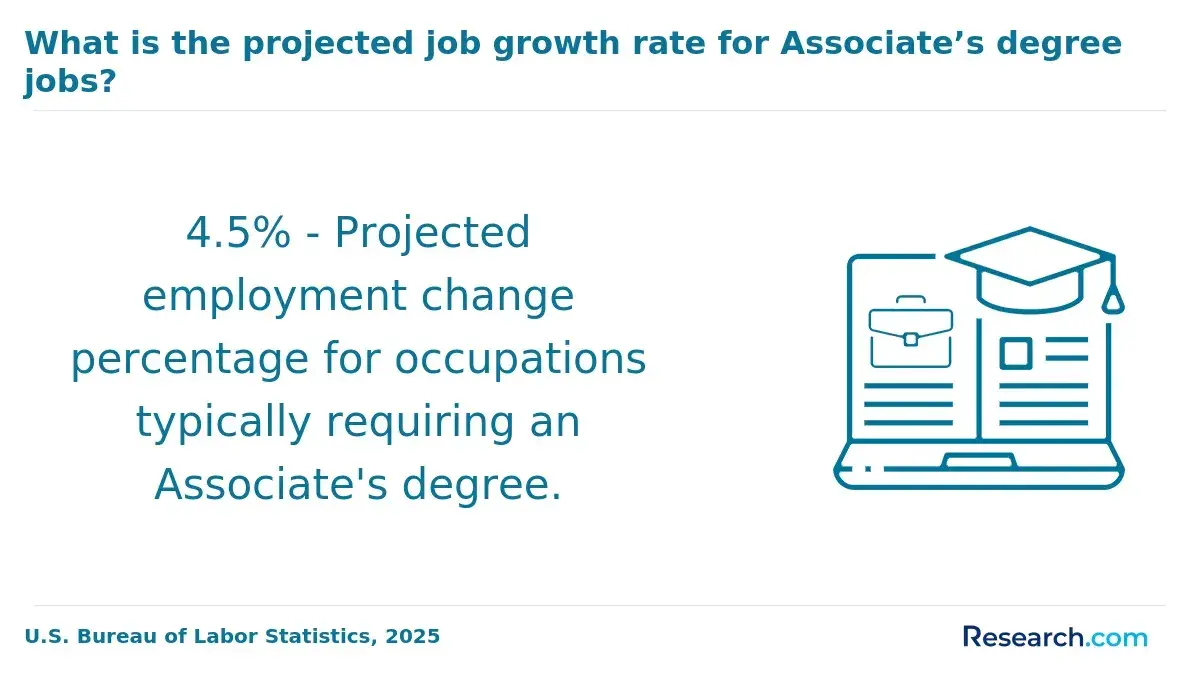
Advanced positions like health informatics manager, healthcare IT project manager, or chief medical informatics officer demand not only technical proficiency but also leadership capabilities, strategic oversight, and cross-functional communication skills. Compensation reflects these expanded responsibilities, with seasoned professionals often earning well above $120,000 annually. Industry and organizational context heavily influence how quickly one can move into these roles; healthcare systems, government agencies, and private firms vary in credential valuation and promotion pathways. Consequently, candidates aiming for leadership must weigh specialization choices, prior experience, and supplemental credentials against the competitive landscape. The U.S. Bureau of Labor Statistics projects a 28% growth for related manager roles through 2034, indicating increasing opportunities but also highlighting the premium on proven leadership and adaptive expertise in health informatics careers.
Can a Health Informatics Master's Degree Help You Change Careers?
A health informatics master's degree functions as a distinct professional repositioning tool rather than a generic credential upgrade, providing a pathway into healthcare technology and data management roles that demand validated competencies. Career changers from unrelated sectors gain specialized knowledge in data standards, clinical systems, and regulatory frameworks, which many employers view as essential for entry or mid-level informatics roles. However, transitioning professionals should anticipate tradeoffs such as initial salary compression or the need for additional certifications that complement the degree. Progression outcomes differ markedly depending on prior domain experience, chosen specialization, and licensing requirements, so this degree is more a strategic pivot than an immediate career accelerator.
Many health informatics master's programs include applied learning components such as internships or practicums, critical for overcoming experience deficits and facilitating industry networking-especially important for those returning to the workforce or switching careers. Employers often weight these practical experiences heavily when evaluating new hires, which can partially offset the challenges of crossing into a technically demanding field. Decision-makers must consider that tuition for programs with rolling admissions can range broadly (around $15,000 to $45,000), reflecting the investment scale necessary to support effective career transitions. Professionals analyzing career change potential with a health informatics master's degree should also assess labor market demand and long-term mobility factors, such as the ability to advance into leadership or specialist roles. To contextualize salary potential realistically, it is useful to compare related healthcare professions-for instance, those interested can explore how much does a psychiatric nurse practitioner make-to gauge financial trajectories aligned with healthcare informatics positions.
What Leadership and Management Roles Can You Pursue With a Health Informatics Master's Degree?
Holding a master's degree in health informatics positions candidates for leadership roles that demand both technical insight and strategic oversight, particularly in environments where technology integration directly impacts patient care and organizational efficiency. Leadership responsibilities vary significantly by sector: for example, hospital-based roles often require navigating regulatory compliance and managing data privacy within multidisciplinary teams, while tech companies emphasize product management and market-driven innovation. Many management positions also impose a tradeoff between maintaining technical skills and assuming broader operational control, with advanced roles involving budgeting, vendor relations, and long-term IT planning. Employers increasingly expect proven experience coordinating cross-functional groups alongside certifications in areas like project management or healthcare compliance as prerequisites for upward mobility in these roles.
Leadership trajectories are not uniform across all employers; some healthcare organizations promote from technical specialist tracks, whereas others prioritize candidates with demonstrated strategic planning and stakeholder management abilities. Moreover, accountability expands sharply with seniority, including responsibility for data integrity and system security. Such roles often carry greater compensation but also increased pressure to align IT initiatives tightly with clinical goals. For those targeting executive-level positions, balancing these demands with evolving regulatory landscapes requires continuous skill development beyond graduate curricula. According to recent industry surveys, a growing share of health informatics leadership roles now explicitly list regulatory expertise and cross-department collaboration as critical hiring factors, underscoring the importance of adaptable management capabilities.
One graduate recalled applying to multiple programs during a rolling admissions cycle, facing uncertainty about exact timelines and acceptance decisions. "I hesitated to submit my materials quickly because I wanted to refine my application, but I realized waiting risked losing spots that filled fast," they said. Ultimately, the decision to expedite their submission provided peace of mind and allowed focused preparation for interviews, illustrating how strategic timing in admissions processes can parallel the acute planning required in health informatics leadership roles.
What Skills Do Employers Expect From Graduates With a Health Informatics Master's Degree?
Employers targeting graduates with a master's degree in Health Informatics prioritize a nuanced set of competencies that extend well beyond technical proficiency. While mastery of EHR systems, HL7, FHIR, and analytics tools remains foundational, the ability to integrate these technologies into complex organizational workflows separates high-impact candidates from their peers.
For instance, a health system implementing a new interoperability platform requires professionals skilled not only in data exchange standards but also capable of managing cross-functional teams and aligning clinical priorities with IT objectives. Leadership, change management, and operational oversight are especially crucial in larger healthcare organizations where informatics initiatives translate directly into regulatory compliance and patient outcome improvements. This fusion of technical and managerial skills often determines hiring decisions and salary progression, with mid-level health informatics professionals earning median salaries near $95,000 annually, underscoring the market's valuation of multifaceted expertise.
Analytical capabilities also play a critical role, as employers expect graduates to manipulate heterogeneous datasets through advanced statistical and machine learning approaches to generate actionable insights. Training in biostatistics and applied research methods equips graduates to predict patient trends or optimize resource allocation, which increasingly influences strategic planning and innovation funding.
Equally important are communication and interpersonal skills tailored to vendor negotiations, clinical training, and ethical stewardship of patient data, which directly impact the adoption rates of informatics solutions. Variability exists across sectors; for example, startups may prioritize rapid prototyping and data science acumen, while hospital systems emphasize compliance and interoperability proficiency. Graduates lacking adaptability or leadership acumen risk stagnation, highlighting that progression beyond entry-level roles demands harmonizing specialized technical knowledge with broad organizational influence and strategic vision.
Are Remote and Flexible Careers Available With a Health Informatics Master's Degree?
Remote and flexible careers with a health informatics master's degree depend heavily on the specific role and employer context rather than representing a universal standard. Positions focused on data analysis, system architecture, and research typically adapt well to remote work due to reliance on digital platforms and cloud-based health record systems. Conversely, compliance-heavy and operational roles-such as managing clinical data workflows or onsite IT infrastructure-often mandate at least partial physical presence. This division reflects practical workforce realities: security requirements, regulatory compliance, and the need for direct collaboration with clinical staff frequently constrain full remote options, especially in healthcare provider and public health agency settings.
The availability of flexible health informatics jobs for master's graduates varies notably by industry sector and experience level. Tech vendors and consulting firms, emphasizing virtual client communication, are more likely to offer fully remote positions. However, many healthcare organizations embrace hybrid models to balance security with productivity. Entry-level candidates typically encounter fewer remote positions due to onboarding and supervision needs, whereas mid- to senior-level professionals can negotiate flexible arrangements based on demonstrated productivity. For professionals weighing these tradeoffs, adopting a hybrid or contract-based role may enhance geographic mobility and work-life integration, albeit sometimes at the cost of reduced immediate access to leadership roles. Notably, a growing share of health informatics master's programs now report increased enrollment during spring admissions, reflecting rising demand across healthcare systems and a push for more adaptable graduate pathways that align with shifting workforce norms, as seen in NASP accredited online school psychology programs.
What Certifications or Licenses Complement a Health Informatics Master's Degree?
Certifications for health informatics master's graduates often serve as critical differentiators in a competitive job market where theoretical knowledge alone does not guarantee advancement. Employers in healthcare technology, consulting, and government sectors increasingly prioritize credentials like the Certified Professional in Healthcare Information and Management Systems (CPHIMS) or the Registered Health Information Administrator (RHIA) because they validate specific skills in data governance, compliance, and systems management. For example, a professional managing electronic health records in a hospital setting often needs RHIA certification to navigate legal and regulatory complexities effectively. While licenses such as those held by registered nurses or physicians are not broadly required in health informatics roles, they provide distinct advantages when interfacing directly with clinical workflows or patient care systems. Incorporating these licensed credentials to advance health informatics careers can widen job eligibility and open leadership pathways, especially in environments with heightened regulatory oversight.
However, the decision to pursue certifications must balance immediate costs and ongoing maintenance with long-term career gains. Many credentials come with annual renewal requirements and continuing education commitments that increase workload but sustain industry credibility and salary premiums. Not all sectors demand the same certifications; for instance, roles focused on privacy and cybersecurity may require Certified Information Systems Security Professional (CISSP) status, reflecting increasing emphasis on data protection. Graduates who delay certification risk limiting their upward mobility, as many employers restrict higher-level project involvement or supervisory roles to those with verified competencies. Prospective students evaluating online medical programs to complement their health informatics degrees should consider how strategic credentialing aligns with their targeted specialization and employer expectations.
What Graduates Say About Career Opportunities With a Health Informatics Master's Degree
- Armando: "Balancing a full-time job with the intensive workload of a health informatics master's program was a real challenge, but I chose it because I needed practical skills that aligned with my background in healthcare. During the program, I focused on developing a portfolio of real-world projects and completed an internship that greatly influenced my hiring prospects. While the coursework was demanding, I found that employers valued the applied experience I gained more than certifications alone, which helped me secure a role in clinical data analysis shortly after graduating."
- Damien: "With limited financial resources, I had to decide between a longer, more expensive degree or a shorter program that offered remote learning options. I opted for the remote health informatics master's to maintain my current job and minimize expenses. This flexibility allowed me to upskill while still working, but I quickly realized that without licensure, my salary growth had limits and competition for higher-tier roles remained fierce. Nevertheless, the program gave me a foothold in IT project management within healthcare systems, which I hadn't anticipated initially."
- Aiden: "Switching careers into health informatics after years in software development required that I prioritize gaining relevant internships over diving straight into advanced certification. I chose the program because it offered strong partnerships with hospitals for practical experience despite the heavier workload compared to my previous studies. Post-graduation, I landed a position in a hospital's analytics team, but the transition taught me that while technical skills are valued, networking and real-world exposure are critical for breaking into this field effectively."
Other Things You Should Know About Health Informatics Degrees
Employers in health informatics emphasize practical skills alongside theoretical knowledge, so programs heavily focused on hands-on technical projects, such as data analysis, system implementation, or coding, tend to better prepare graduates for immediate job responsibilities. Without substantial applied experience, graduates may struggle to demonstrate their capability to handle real-world systems, which can limit entry-level opportunities and extend the job search. Prospective students should prioritize programs that incorporate internships, practicums, or lab-based courses to enhance practical readiness and align with employer expectations.
Accreditation ensures a minimum standard of curriculum quality and employer recognition, which can significantly affect employability and credential value in health informatics. However, accredited programs often come with less flexible schedules and more rigorous cohort structures. If maintaining employment during your studies is critical, choosing a program with flexible part-time or online options might better sustain your income and life balance, but you should verify its reputation in the job market. Balancing accreditation and flexibility is key-opt for accredited flexible programs if possible; otherwise, weigh immediate practical constraints against long-term credential acceptance.
Health informatics graduates in 2027 with prior healthcare or IT experience often have an advantage. Their backgrounds can enhance their understanding of systems integration and patient data management, making them attractive to employers seeking interdisciplinary team members. This experience may lead to faster career advancement compared to peers without such backgrounds.
A master's degree offers comprehensive education and broader career flexibility, but it requires a significant investment of time and money. Certifications or focused training programs can provide quicker, targeted skills upgrades that are often recognized by employers for specific roles, especially in technical or analytical niches within health informatics. For students aiming at rapidly entering the workforce or specializing narrowly, certifications might deliver better short-term ROI. However, a master's degree is generally preferred for roles involving leadership, complex integration work, or research, and it opens more diverse long-term pathways.
References
- American Health Information Management Association. (2025). HI career map: Emerging roles in health data analytics and information governance. https://www.ahima.org/careers/
- American Medical Informatics Association. (2024). Advanced health informatics certification (AHIC) eligibility requirements and core competencies. https://amia.org/education-certification/advanced-health-informatics-certification-ahic
- Bureau of Labor Statistics. (2026). Occupational outlook handbook: Medical and health services managers. U.S. Department of Labor. https://www.bls.gov/ooh/management/medical-and-health-services-managers.htm
- Centers for Medicare & Medicaid Services. (2025). Interoperability and patient access final rules: Implications for clinical data standards and health IT leadership. U.S. Department of Health and Human Services. https://www.cms.gov/medicare/regulations-guidance/interoperability/public-health-data
- Commission on Accreditation for Health Informatics and Information Management Education. (2024). Accreditation standards for master's degree programs in health informatics. https://www.cahiim.org/accreditation/health-informatics/standards
- Healthcare Information and Management Systems Society. (2025). Digital health transformation global workforce report: Evolving roles in clinical informatics and health tech leadership. https://www.himss.org/resources/digital-health-transformation-workforce-report
- International Medical Informatics Association. (2024). IMIA recommendations on education in biomedical and health informatics: A global competency framework. https://imia-medinfo.org/wp/educational-recommendations/
- National Institutes of Health. (2024). National Library of Medicine strategic plan: Advancing biomedical informatics and data science workforce training. U.S. Department of Health and Human Services. https://www.nlm.nih.gov/about/strategic-plan.html
- Office of the National Coordinator for Health Information Technology. (2024). Federal health IT strategic plan: Advancing the responsible use of artificial intelligence and data interoperability. U.S. Department of Health and Human Services. https://www.healthit.gov/topic/federal-health-it-strategic-plan
- The National Forum for Black Public Health and Human Service Administrators. (2025). Evolving pathways in executive health equity and cross-sector nurse clinical leadership. https://www.nfbpa.org/resources/white-papers