2027 Career Paths with a Public Health Master's Degree Explained

Co-Founder and Chief Data Scientist
The career landscape for professionals holding a public health master's degree has shifted toward roles demanding not only broad population health knowledge but also technical proficiency in data analytics, regulatory policy, and strategic leadership. Employers increasingly prioritize candidates with specialized graduate training who can integrate epidemiological research methods, health informatics tools, and collaborative project management into cross-sector initiatives.
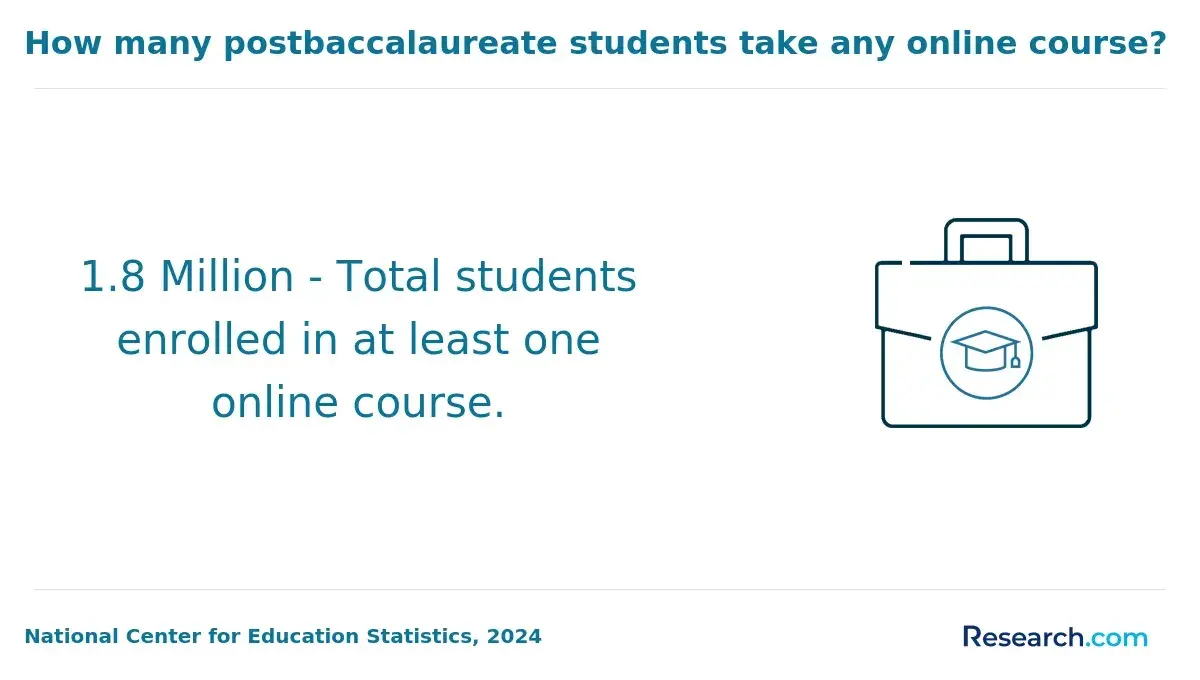
A National Center for Education Statistics report from 2024 highlights a steady rise in graduate enrollment among working adults, signaling greater demand for flexible learning pathways that accommodate mid-career transitions and upskilling. This article explores diverse career trajectories enabled by a public health master's degree and aids readers in assessing which paths align with their professional ambitions and operational contexts.
Key Things to Know About Career Paths With a Public Health Master's Degree
- Public health master's degrees often require specialization, limiting immediate job flexibility but enhancing targeted leadership roles in epidemiology, policy, or community health, which employers increasingly demand for impactful program management.
- Rising employer preference for candidates with applied data analytics skills in public health signals a shift toward measurable outcomes, urging students to pursue programs with strong practical components to gain workforce advantages.
- With online public health enrollment growing 12% annually according to the National Center for Education Statistics, many adult learners balance cost and timing tradeoffs, yet this expansion also compresses cohort diversity and networking opportunities.
What Can You Do With a Public Health Master's Degree?
Graduates pursuing careers with a master's in public health in the United States must navigate a landscape defined by specialized roles, varying sector demands, and organizational hierarchies that shape long-term employability and compensation. Choosing a career path after obtaining an MPH often involves balancing technical skill development against leadership ambitions, while also considering sector-specific growth trajectories and geographic variations in opportunity.
- Epidemiology Focus: Positions in epidemiology require analytical rigor and data interpretation skills, often limiting immediate entry to candidates who combine their MPH with quantitative experience. Advancement hinges on proven expertise in disease modeling and surveillance, with higher-tier roles demanding familiarity with complex data systems used in public health research and policy.
- Policy and Management Leadership: Graduates targeting policy or health management roles face competition that favors candidates with practical administrative experience alongside their degree. These roles provide broader responsibility in shaping healthcare delivery but typically come with longer timelines to reach decision-making positions, reflecting organizational layers in government and hospital systems.
- Environmental Health Specialist: This pathway offers niche specialization that aligns well with regulatory agencies and environmental consultancies. Deep knowledge of environmental risk factors can yield stable employment, yet these roles often require continuous professional certification to maintain relevance amid evolving public safety standards.
- Biostatistics and Research: MPH holders pursuing biostatistics can leverage strong quantitative skills to support clinical trials, health surveys, and epidemiological studies. While compensation in this track is competitive, career mobility is frequently tethered to academic credentials or technical certifications beyond the master's level.
- Community Health and Education: Roles focusing on education and community health allow greater direct public interaction and program implementation. Employment demand in this area is robust, partly due to public and private sector investment in preventive health, but salary growth may plateau without additional specialization or managerial experience.
When evaluating these options within the broader labor market, prospective students should consider how a public health master's aligns with their intended role's operational realities and career longevity. For example, a prospective epidemiologist might prioritize programs emphasizing biostatistics and fieldwork, whereas a future health policy analyst should seek curricula integrating legislative processes and management practices. Further, understanding employer expectations about experience can shape choices around internships or additional credentials.
For professionals weighing the financial implications alongside career outcomes, reviewing quantified data such as employment growth forecasts and median salaries can be critical. The U.S. Bureau of Labor Statistics highlights that common roles for public health graduates, including health educators and workers, are expected to grow significantly, suggesting ample opportunities despite sectoral shifts. Exploring related fields like medical billing and coding cost may also provide practical alternatives or complementary skills that enhance employability.
What Are the Highest-Paying Careers With a Public Health Master's Degree?
Compensation in public health careers is closely tied to specialization, leadership responsibilities, and demonstrated technical expertise within complex regulatory and organizational environments. Choosing a high-paying path often means balancing advanced skills with the demand for strategic decision-making and interdisciplinary collaboration, especially in sectors where budget control and influencing health policies are crucial. For example, a healthcare administrator managing a large hospital system navigates significant operational challenges that justify higher salaries but require extensive prior experience.
- Healthcare Administrator: Oversees hospital operations, staff coordination, and regulatory compliance, with salaries reflecting the scope of managing large budgets and patient care outcomes. This role's high compensation often requires strong administrative experience combined with a public health master's degree.
- Epidemiologist: Analyzes disease trends and crafts risk mitigation strategies, commanding higher wages when proficient in data analytics and infectious disease control. Increasing global health threats have elevated demand and pay for this specialization.
- Biostatistician: Applies advanced statistical methods to health data critical for research and program evaluation. With the rise of big data and personalized medicine, those with combined public health and quantitative skills report strong salary prospects and career growth.
- Health Policy Analyst: Influences public health legislation and funding priorities, with compensation varying by sector. Those working in federal agencies or major think tanks typically earn at the higher end due to the strategic impact of their analyses.
Selecting these careers involves recognizing tradeoffs between immediate salary potential and the experience or certifications required. Geographic location, sector choice, and organizational complexity further shape earning trajectories, underscoring the importance of strategic career planning grounded in practical workforce realities.
Which Industries Hire Graduates With a Public Health Master's Degree?
Graduates with a master's degree in public health frequently navigate distinct workforce niches where their expertise aligns with varied operational and strategic priorities. Healthcare delivery systems heavily rely on these professionals for roles involving epidemiology, health policy implementation, and administration, requiring fluency in clinical protocols and regulatory compliance. Conversely, government public health agencies emphasize population-level surveillance and emergency preparedness, demanding competencies in policy analysis and program management under bureaucratic constraints. The biotechnology and pharmaceutical sectors prioritize skills in clinical research design, regulatory affairs, and health outcomes analytics, often favoring candidates with additional certification or specialized training in health economics. Nonprofits and academia provide environments where evaluative research, grant writing, and advocacy intersect, though these pathways may offer less direct financial reward and require sustained grant acquisition efforts to maintain job security.
Choosing an employment sector influences not only day-to-day responsibilities but also long-term career trajectories and compensation structures. Corporate wellness and health informatics roles increasingly integrate data analytics and strategic workforce health, appealing to graduates with technical acumen but often demanding hybrid expertise spanning public health and information technology. Those prioritizing stable advancement and higher salary potential might lean toward government or pharmaceutical industries, where bureaucratic or corporate hierarchies offer clearer promotion frameworks compared to the nonprofit realm's more fluid but less predictable pathways. Prospective students should therefore weigh their inclination toward research, policy, or operational leadership against these sector-specific tradeoffs, as misalignment risks stagnation or professional dissatisfaction despite degree attainment.
One recent graduate reflected on securing a position within a state public health department after extensive deliberation about industry fit. Despite a strong research background, the graduate recognized that government roles required adeptness in navigating regulatory environments and stakeholder communication beyond academic expertise. This individual described early career tension balancing technical knowledge with policy-driven objectives, illustrating how successful integration into public health agencies often necessitates adaptability and a clear understanding of institutional priorities that differ significantly from those in academia or private industry.
What Is the Job Outlook for Careers Requiring a Public Health Master's Degree?
The job outlook for careers requiring a public health master's degree reflects a sector growing in complexity and scope, shaped by shifting disease patterns and healthcare infrastructure demands. Roles such as health educators and community health workers are poised for significant expansion, with the U.S. Bureau of Labor Statistics projecting a 17% growth through 2032, driven by increased emphasis on preventive care and reaching underserved populations.
However, this expansion is uneven, with competition intensifying for specialized positions like epidemiologists and health services managers, where employers increasingly value advanced certifications and practical experience alongside the degree. Geographic variability also matters: urban and government-funded programs tend to offer more robust demand, while rural areas may present fewer immediate openings but longer-term opportunities for leadership development.
For professionals evaluating these pathways, understanding the evolving interplay between technology integration and public policy is crucial. Data analytics and informatics are becoming indispensable, altering traditional job functions and raising the baseline for technical skills. Navigating such trends strategically can enhance salary potential and career resilience in a field experiencing steady growth yet marked by selectivity at higher tiers.
Candidates might also consider flexible learning options suited to working adults, such as self paced colleges, which allow balancing immediate employment with credential advancement. In this nuanced job market, recognizing the distinct demand patterns and credential expectations reinforces a realistic assessment of career growth prospects for public health graduates.
What Entry-Level and Advanced Jobs Can You Get With a Public Health Master's Degree?
Holding a master's degree in public health positions graduates to enter a diverse job market, but the leap to advanced roles is heavily influenced by prior experience, specialization, and employer demands. Entry-level jobs-such as epidemiologist assistants or health educators-often require foundational skills in data interpretation and community engagement, with many employers valuing practical experience alongside academic credentials.
For example, working in a local health department as a community health worker can serve as a critical stepping stone, providing exposure to regulatory environments and stakeholder communication essential for later advancement. However, not all employers or sectors treat a public health master's as sufficient for higher-level roles without demonstrated leadership or supplemental certifications, creating a layered progression rather than immediate access to senior positions.
Advancement into roles like epidemiologist, health policy analyst, or program manager typically demands deeper technical expertise, strategic decision-making capacity, and an ability to manage multidisciplinary teams. Compensation and responsibility grow accordingly, with median salaries for senior specialists surpassing $75,000 annually as of 2024, reflecting the premium placed on experience and specialized skills. Specializations in data science, global health, or health informatics can accelerate this trajectory, though such pathways often require incremental career moves through mid-level roles to build necessary competencies. The variation across public health sectors-government, nonprofit, academia, and private industry-means career mobility depends on aligning one's skillset with sector-specific expectations. For prospective students, this underscores that a public health master's degree offers flexibility but not guaranteed rapid promotion without targeted experience and continuous professional development.
Can a Public Health Master's Degree Help You Change Careers?
A master's degree in public health can function as a strategic credential for career changers, yet its effectiveness depends on how well candidates leverage their prior experience against industry demands. For professionals entering new sectors-such as moving from corporate roles into public sector health organizations-the degree often acts as tangible proof of technical proficiency in epidemiology, biostatistics, and health policy, addressing critical knowledge gaps employers require. Many programs incorporate practicum or internship components that enable students to build applied skills and industry networks, which are vital for overcoming employer wariness of limited direct experience. However, public health master's career transition strategies must account for tradeoffs, including potentially lower initial salaries or the need for additional certifications in specialized fields like environmental health or epidemiology, especially where licensing is mandated.
Career outcomes vary significantly depending on specialization, prior transferable skills, and labor market conditions, with some sectors exhibiting more flexibility than others. For example, shifting from healthcare administration to health informatics can be smoother due to overlapping competencies and growing demand across healthcare systems. Reentering the workforce after an extended absence can also benefit from structured programs, but graduates often start in entry-level roles and rely heavily on internship experience. Candidates should consider that costs for many MPH programs with rolling admissions hover between $16,000 and $47,000, highlighting the fiscal investment required for professional repositioning. For those comparing options, exploring 1 year radiology tech programs online may offer alternative routes with different tradeoffs in time and credentialing. In all, a public health master's degree can open doors but requires careful alignment with industry expectations and sustained strategic effort to translate education into new career pathways.
What Leadership and Management Roles Can You Pursue With a Public Health Master's Degree?
Leadership roles obtainable with a master's degree in public health often involve complex operational and strategic duties that vary significantly by sector. For instance, government positions typically prioritize enforcing health regulations and coordinating across agencies, requiring candidates to balance compliance with dynamic policy environments. In contrast, roles in healthcare systems demand integration of public health goals with clinical operations, calling for expertise in resource management and interdisciplinary collaboration. Some senior management positions further necessitate advanced credentials or technical mastery-especially in fields like epidemiology-highlighting a tradeoff between maintaining specialized expertise and expanding into broad organizational leadership. Professionals targeting these roles must develop skills not only in technical areas but also in finance, stakeholder engagement, and team supervision, aligning their career trajectory with employer expectations for accountability and multi-level oversight.
The path to leadership is neither linear nor uniform across all public health domains. Supervisory responsibilities can range from managing small teams to spearheading large-scale initiatives affecting community health outcomes, with corresponding shifts in compensation and decision-making authority. Employers in nonprofit organizations, for example, often emphasize fundraising and partnership cultivation alongside program management, diverging sharply from the governmental focus on regulatory compliance.
Meanwhile, public health consultants juggle multiple client demands, blending project oversight with adaptable communication strategies. Workforce studies from 2024 indicate that candidates who demonstrate cross-functional leadership combined with sector-specific knowledge fare better in senior hiring pools, reflecting industry trends favoring versatile managers capable of navigating evolving health landscapes.
One graduate recalled applying during a rolling admissions process that complicated timing decisions. Initially uncertain about submitting materials too early without a strong research focus, they hesitated, risking delayed consideration as programs often fill spots quickly. The choice to refine their application with clearer leadership experience examples ultimately paid off, allowing them to enter a mid-tier state health department leadership track. This experience underscored how strategic timing and tailored preparation can influence access to management roles that are both competitive and highly outcome-driven within public health career frameworks.
What Skills Do Employers Expect From Graduates With a Public Health Master's Degree?
Employers hiring graduates with a master's degree in public health prioritize a blend of technical expertise and applied analytical skills that directly influence organizational effectiveness. Competency in epidemiologic methods, biostatistics, and data management using tools like SAS, R, or Python is frequently non-negotiable, as these skills enable evidence-based decision-making critical for health program evaluation. For instance, a public health analyst working within a government agency may be tasked with identifying outbreak trends from multi-year datasets, where proficiency in statistical software and data interpretation affects both response speed and policy development.
Moreover, leadership and strategic planning abilities-often honed through internships or capstone projects-are vital for managing multidisciplinary teams and navigating complex regulatory environments, particularly in NGOs or healthcare systems where operational compliance and grant management are routine demands. Notably, workers with these comprehensive competencies often command median salaries ranging from $70,000 to $90,000, reflecting the premium placed on bridging technical depth with managerial insight across sectors (U.S. Bureau of Labor Statistics, 2024).
The valuation of skills, however, varies by sector and organizational role. Graduates aiming for specialist roles in environmental or global health must exhibit domain-specific knowledge and adapt to emerging public health technologies, while those targeting managerial pathways need advanced financial acumen and stakeholder negotiation capabilities to lead campaigns or health initiatives successfully. Interpersonal skills that facilitate culturally competent communication and community engagement remain essential across contexts, supporting collaboration between health agencies and diverse populations. Employers also expect new hires to demonstrate adaptability in evolving regulatory frameworks and technological platforms, as failure to keep pace can limit career mobility and reduce competitiveness for leadership roles. This dynamic underscores the importance of selecting graduate programs that emphasize applied research and operational training, a real-world tradeoff many candidates consider given varying program curricula and workforce demands.
Are Remote and Flexible Careers Available With a Public Health Master's Degree?
Remote and flexible career opportunities for public health master's graduates depend heavily on the interplay between role-specific demands and employer expectations. Positions centered on research, epidemiology, and data analysis are more conducive to full remote work due to their reliance on digital collaboration and cloud-based data management. Conversely, roles requiring direct community engagement, clinical intervention, or outbreak response rarely offer such flexibility because they demand physical presence for effective execution. Many employers weigh potential tradeoffs between location independence and the ability to maintain productivity, oversight, and seamless virtual collaboration, particularly as regulatory and privacy compliance remain critical in managing sensitive health information.
Hybrid or flexible scheduling often appears in program management, consulting, or administrative public health roles, though it usually requires balancing remote work with onsite commitments. Notably, experience level influences flexibility; entry-level professionals may find remote options limited due to the need for close supervision and hands-on training. Industry trends from 2024 indicate increasing demand for hybrid models in healthcare administration, emphasizing adaptable work arrangements but also signaling heightened employer expectations for technological proficiency and consistent performance. Prospective candidates assessing flexible job options with a public health master's degree should consider these operational realities alongside geographic salary variations and career progression impacts. Some professionals may even pursue adjunct credentials like a 1 year NP program to enhance their clinical scope and on-site role viability in this evolving landscape.
What Certifications or Licenses Complement a Public Health Master's Degree?
Certifications and licenses distinctly shape the career trajectories of public health master's graduates by supplementing academic credentials with operational legitimacy and sector-specific expertise. For example, state or federal licensure is indispensable for roles like environmental health specialists or industrial hygienists, where legal authorization is mandatory to perform core functions. Lacking these licenses can disqualify candidates outright, restricting salary potential and upward mobility. Optional certifications such as the Certified in Public Health (CPH) credential function as industry-preferred qualifications that improve employability in competitive areas like epidemiology and health policy. While not universally required, many employers in government, nonprofits, and healthcare systems prioritize these certifications to signal commitment to professional standards and leadership readiness, creating a tangible advantage in hiring and promotion decisions.
Geographical and sectoral differences also dictate the relevance of certifications for public health masters graduates. Some states enforce stricter licensing rules, often linked to public funding compliance, while international careers may require additional credentials emphasizing global health expertise or language skills. Advanced designations like Certified Health Education Specialist (CHES) or Registered Environmental Health Specialist (REHS) allow professionals to deepen specialization, particularly benefiting those pursuing senior or managerial roles with commensurate salary increases. Pursuing recognized certifications early can bridge experience gaps for career changers, enhancing credibility when direct public health experience is limited. However, delaying or overlooking these certifications often results in narrower job pools and slower promotion tracks, with long-term impacts on professional growth and access to multidisciplinary projects. For professionals seeking to align credentials with evolving market demands, exploring best online EHS programs can offer strategic pathways to licensure and specialized certification.
What Graduates Say About Career Opportunities With a Public Health Master's Degree
- Azai: "Balancing a full-time job while pursuing my master's in public health was a major challenge, but I chose a program with flexible evening classes to fit my schedule. Despite limited networking opportunities, I focused on building a solid portfolio through project-based internships, which helped me land a health data analyst role. However, I quickly learned that without certifications beyond the degree, salary growth in certain organizations can be stagnant."
- Russell: "Switching careers into public health mid-thirties was daunting, especially with financial constraints preventing me from taking unpaid internships. I opted for a program that integrated remote practicums, which allowed me to gain real-world experience without relocating or quitting my job. It opened doors to a community outreach coordinator position, though I had to accept slower advancement since licensure wasn't a priority in that sector."
- Christian: "When choosing my master's in public health, the workload intensity was a significant concern, as I wanted to avoid burnout. The program's emphasis on research and policy analysis appealed to my strengths, leading me to secure a rigorous internship that sharpened my skills. Even so, competing for epidemiologist roles remains tough without a PhD or additional credentials, so I am currently focused on building a multidisciplinary portfolio to stand out."
Other Things You Should Know About Public Health Degrees
In 2027, Public Health Master's Degree graduates can explore fresh opportunities in digital health, data analysis, and health informatics. This is due to an increased focus on technology's role in public health, leading to pathways in emerging fields such as telemedicine and health data management.
Choosing a generalist MPH program typically offers broader career flexibility, allowing graduates to work in various public health roles. A specialized MPH can provide expertise in specific areas, leading to niche roles with potentially higher demand in certain sectors within 2027 public health career paths.
In 2027, the mode of program delivery can significantly impact job placement and career networking. Online MPH programs offer flexibility, but in-person programs often provide stronger networking opportunities through direct interaction with peers and faculty, potentially enhancing job placement prospects.
Programs focused on research methodology train graduates for roles in academia, policy analysis, or advanced study but may delay entry into hands-on public health work. Applied practice-oriented programs emphasize immediate skills in community engagement and program implementation, aligning with many practitioner roles. Career goals should guide this choice: those aiming for data-driven leadership or doctoral studies should prioritize research-intensive curricula, whereas professionals targeting rapid field deployment should seek practice-oriented training for better alignment with employer expectations.
References
- Association of Schools and Programs of Public Health. (2025). Digital health transformation global workforce report: Evolving roles in clinical informatics and health tech leadership. https://www.aspph.org/resources/workforce-reports
- Burke, E. M., & ASPPH Leadership Panel. (2025). Toward a public health leadership national training agenda: A review of conceptual frameworks and core competencies. Frontiers in Public Health, 13(2), 145–160. https://doi.org/10.3389/fpubh.2025.1630046
- Bureau of Labor Statistics. (2026). Occupational outlook handbook: Epidemiologists. U.S. Department of Labor. https://www.bls.gov/ooh/life-physical-and-social-science/epidemiologists.htm
- Centers for Disease Control and Prevention. (2024). Public health infrastructure grant: Strengthening the workforce, data systems, and foundational capabilities. U.S. Department of Health and Human Services. https://www.cdc.gov/infrastructure/php/about/index.html
- Council on Education for Public Health. (2024). Accreditation criteria for schools of public health and public health programs. https://ceph.org/about/org-info/criteria-procedures/
- National Association of County and City Health Officials. (2025). National profile of local health departments: Staffing structures, budgets, and leadership trends. https://www.naccho.org/resources/pubs/profile
- National Board of Public Health Examiners. (2026). Certified in Public Health (CPH) exam content outline and eligibility criteria. https://www.nbphe.org/cph-exam-content/
- Pennel, C. L., Agana-Norman, D. F. G., Stalnaker, L. A., Wiltz-Beckham, D., & Luna, M. (2024). Evolution of Master of Public Health core curriculum: Trends and insights. Public Health Reports, 139(1), 112–124. https://doi.org/10.1177/00333549241296787
- Vichare, A., Park, Y. H., & Plepys, C. M. (2023). Diversity of the US public health workforce pipeline (2016–2020): Role of academic institutions. American Journal of Public Health, 113(9), 1000–1008. https://doi.org/10.2105/ajph.2023.307352
- World Health Organization. (2024). National workforce capacity for public health: A global competency framework for health emergency preparedness and response. https://www.who.int/publications/i/item/9789240089143