2027 Cheapest Aerospace Engineering Degree Programs for Working Adults

Co-Founder and Chief Data Scientist
Is it possible to find an affordable aerospace engineering degree that accommodates full-time employees and military veterans alike? Rising tuition and rigid class schedules often deter adults from returning to college, yet flexible programs with asynchronous coursework and generous transfer credit policies are increasingly available.
Additionally, more aerospace engineering programs now offer accredited online options with lower per-credit tuition, allowing working students to balance financial obligations and career demands. Given that aerospace engineering employment is projected to grow by 4% through 2031, investing in an accessible degree is promising.
This article reviews the cheapest aerospace engineering degree programs for working adults and highlights key factors for affordability and flexibility.
Key Things to Know About the Cheapest Aerospace Engineering Degree Programs for Working Adults
- Cheapest aerospace engineering degree programs often feature low tuition, online courses, generous transfer credit policies, and flexible scheduling to accommodate working adults balancing responsibilities.
- Low-cost options offer accessibility and accelerated timelines but may involve tradeoffs in employer recognition and limited specialized resources compared to top-tier programs.
- Evaluate total cost, financial aid, accreditation, state eligibility, support services, and career outcomes carefully to ensure the program fits long-term professional goals and educational quality standards.
What Are the Cheapest Accredited Aerospace Engineering Degree Programs Online?
Accredited online aerospace engineering degree programs offer working adults affordable and flexible educational pathways tailored to balance study with professional and family obligations. Over 40% of postsecondary students enrolled in distance education are aged 25 and older.
Several critical aspects influence how students can identify the cheapest accredited aerospace engineering degrees online. Consider the following:
- Accreditation Status: Choosing a program with recognized regional or programmatic accreditation assures quality education and maximizes credit transfer potential. Accreditation also impacts employer recognition and ensures long-term value for your investment.
- Tuition and Fee Structure: Programs vary between per-credit pricing, flat semester rates, or in-state tuition discounts for online learners. Understanding these options helps students budget effectively based on their course load and pace.
- Transfer Credit Acceptance: Generous transfer policies allow students to apply previous college credits or relevant work experience toward degree requirements, shortening time-to-degree and reducing costs.
- Scheduling Flexibility: Asynchronous course offerings and flexible deadlines enable working adults to study without disrupting irregular work hours or family commitments, enhancing program accessibility and completion rates.
- Financial Aid Opportunities: Scholarships, grants, and employer tuition assistance programs can significantly lower net costs. Engaging with financial aid offices early gives students a better chance of maximizing available funding.
How Much Does an Online Aerospace Engineering Degree Cost for Working Adults?
The cost of an online aerospace engineering degree for working adults varies widely based on tuition structure, school type, transfer credit policies, residency status, and program format. Affordability and flexible scheduling often guide enrollment choices for nontraditional learners balancing employment or family commitments.
The key factors influencing the overall cost of an online Aerospace Engineering degree include:
- Tuition Models: Many programs charge per credit hour, but some offer flat-rate tuition allowing unlimited courses per term. Flat rates can benefit students aiming to accelerate completion, while per-credit fees may provide more payment flexibility.
- Transfer Credit Acceptance: Accredited programs typically accept relevant credits from previous college work, military training, or certifications. This reduces redundant coursework, shortens time to degree, and lowers overall expenses.
- Financial Aid Opportunities: Federal aid, scholarships, grants for adult learners, and employer tuition reimbursement can significantly offset costs. These supports are crucial for lowering out-of-pocket expenses while balancing work responsibilities.
- Technology and Fee Expenses: Additional charges cover access to online platforms and digital course materials. These fees vary by institution and should be factored into total program costs.
- Accelerated Program Formats: Shorter terms and competency-based learning options allow students to move at their own pace, reducing time and money spent on earning a degree.
For comparison in related fields, consider reviewing online nursing programs for working adults as a reference point for cost-efficient, flexible education pathways.
Are Cheap Aerospace Engineering Degree Programs Legitimate and Respected by Employers?
Cost alone does not determine the credibility or respectability of an aerospace engineering degree program. Employers typically focus on factors such as accreditation, institutional reputation, adherence to curriculum standards, and how well the program aligns with workforce needs.
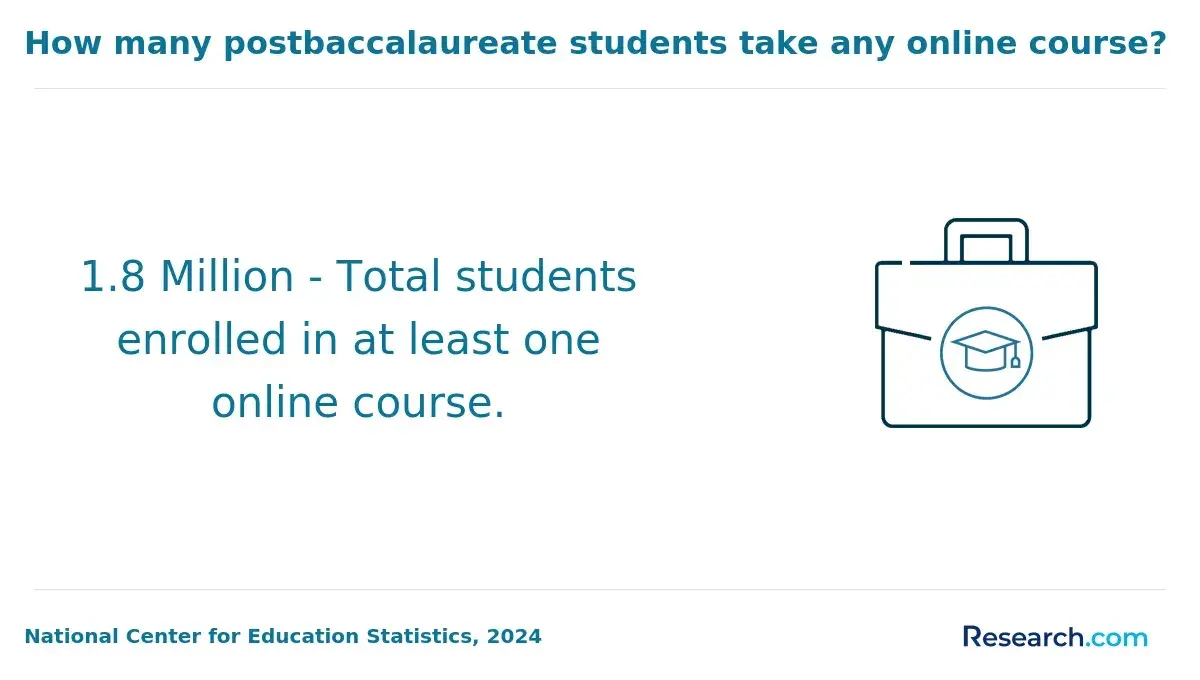
Working adults often weigh affordable programs differently based on their career objectives, scheduling flexibility, and credential requirements. Nearly 60% of employers accept online degrees when issued by accredited institutions and aligned with industry demands.
The key aspects influencing employer perception include:
- Accreditation Quality: Regional or national accreditation verifies that an institution meets established educational criteria, assuring employers of the program's legitimacy and academic standards.
- Curriculum Relevance: Programs that update their coursework regularly to reflect current aerospace industry trends help graduates develop skills that employers actively seek.
- Faculty Expertise: Instructors with substantial experience in aerospace or related fields contribute to a rigorous and practical education that enhances employer confidence.
- Credit Transfer Policies: Acceptance of transfer credits from reputable institutions demonstrates program flexibility and supports working adults' efficient progress toward degree completion.
- Student Support Services: Career counseling, tutoring, and technology assistance improve student outcomes and preparedness, factors employers associate with graduate success.
When asked about the soft skills cultivated during his aerospace engineering studies, one graduate reflected on the challenging balance of managing difficult projects and tight deadlines. He said, "Learning to communicate complex ideas clearly was just as important as mastering technical concepts."
He also noted how teamwork and problem-solving under pressure were key takeaways, adding that "those skills have proven invaluable when moving from academia to real-world engineering tasks."
This experience highlights how affordable programs that foster both technical and interpersonal abilities can prepare students for professional success.
What Are the Best Aerospace Engineering Degree Programs for Working Adults?
The best accredited aerospace engineering degree programs for working adults combine affordability with flexible learning options, tailored support, and relevant curriculum. Online and hybrid pathways have expanded access to degree completion for professionals balancing career and family.
Several key elements help define quality programs for adult learners:
- Scheduling Flexibility: Programs offering asynchronous coursework allow students to engage with material on their own time, accommodating irregular work hours and personal commitments without sacrificing academic progress.
- Accreditation Standards: Accreditation by recognized bodies such as ABET ensures that the curriculum meets industry and educational benchmarks, making degrees more valuable to employers and establishing a solid foundation of knowledge.
- Transfer Credit Acceptance: Schools that accept transfer credits from previous college courses or military training enable a shorter path to graduation, reducing both cost and time investment for working adults seeking affordable online aerospace engineering degrees with flexible scheduling for professionals.
- Financial Aid and Affordability: Accessible tuition rates combined with available financial aid and scholarships make programs manageable for students on tight budgets, allowing them to balance expenses alongside work and family demands.
- Academic Support Services: Dedicated advisors and targeted tutoring designed for nontraditional students improve retention and degree completion by providing personalized assistance and resources that address the distinct challenges faced by adult learners.
Programs that thoughtfully integrate these features deliver practical education aligned with current aerospace technologies while supporting students' diverse needs. For comparison, adults exploring other flexible learning options may also consider medical billing and coding programs known for strong online support and affordability.
Which Aerospace Engineering Degree Programs Offer the Most Flexible Schedules?
Flexible scheduling options are essential for working adults pursuing an aerospace engineering degree while managing jobs, family, and other demands. The growth of online and hybrid learning models has significantly broadened access to customizable educational pathways. In fact, over 40% of adult learners now participate in at least one fully online course.
Key features that enhance flexibility in aerospace engineering programs often include:
- Asynchronous Coursework: Many programs offer classes without fixed meeting times, allowing students to study and complete assignments at their own pace. This approach benefits those with irregular work hours or family responsibilities, providing greater autonomy over when and how they learn.
- Evening and Weekend Scheduling: Some schools structure live sessions during evenings or weekends to avoid conflicts with typical work hours. This enables real-time interaction while accommodating working professionals' time constraints.
- Part-Time Enrollment: Allowing fewer courses per semester helps students balance academic workload with personal and professional commitments. Stretching degree progress over multiple years can reduce stress and improve retention.
- Multiple Start Dates: With several opportunities to begin studies throughout the year, students can enroll at a time that best fits their current life situation, avoiding long waits for traditional semester starts.
- Transfer Credit Flexibility: Some programs accept prior college coursework or relevant training, shortening the time required to graduate and minimizing redundant study.
A professional with an aerospace engineering degree shared that balancing shifts at work, family care, and coursework felt overwhelming at times. She appreciated having asynchronous classes paired with evening lab sessions, noting, "Being able to log in after my kids were in bed made all the difference."
The option to take fewer courses during tougher periods and begin programs multiple times a year also helped her stay on track without sacrificing her personal life. She described the process as challenging but empowering, emphasizing that flexible program structures were crucial to her successful degree completion.
What Are the Fastest and Cheapest Aerospace Engineering Degree Programs?
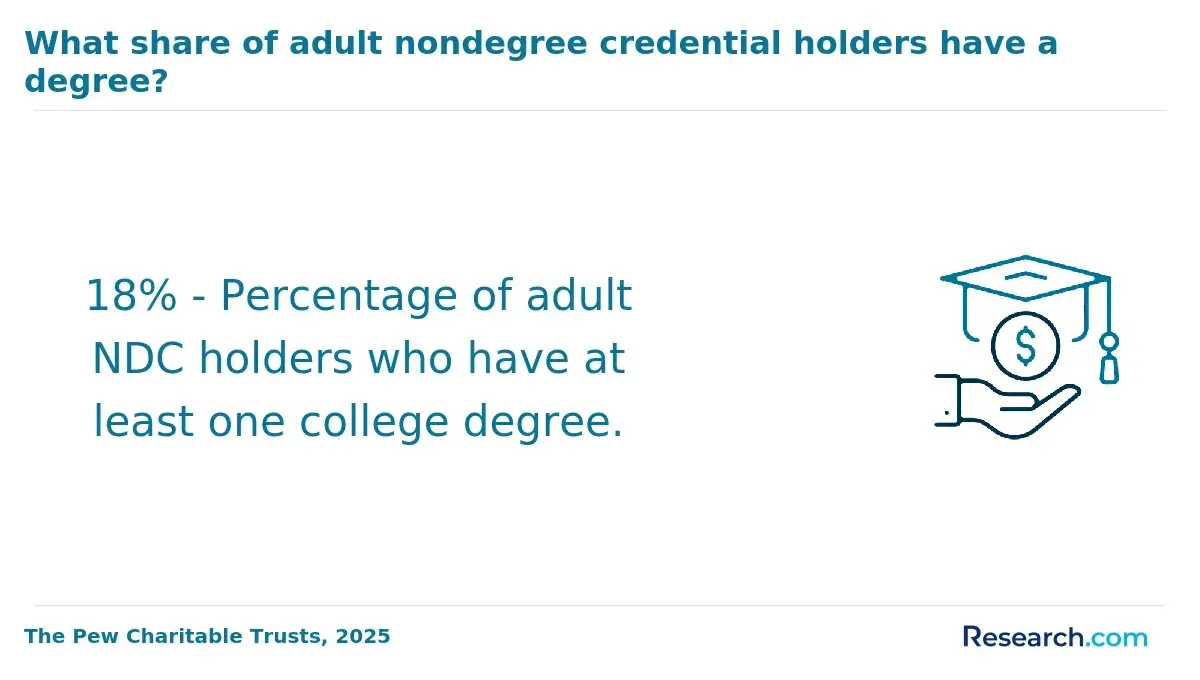
Accredited aerospace engineering degree programs tailored for working adults often emphasize flexibility and cost efficiency to help students finish their degrees faster. Notably, about 80% of adult learners use transfer credits or prior learning assessments to shorten their degree paths.
Key features frequently found in fast and affordable aerospace engineering degree options include:
- Accelerated Course Formats: Programs frequently reduce semester lengths from the traditional 16 weeks to 8 or 12 weeks, allowing motivated students to complete required classes more quickly and potentially graduate sooner.
- Transfer Credit Acceptance: Many schools recognize prior college credits from accredited institutions or military training through prior learning assessments, which helps reduce tuition costs and coursework length.
- Asynchronous Scheduling Flexibility: Online classes that allow students to access lectures and assignments anytime enable working adults to study without the restrictions of fixed class schedules, balancing education with work and family commitments.
- Competency-Based Education: Some programs let students progress by demonstrating mastery of critical aerospace engineering concepts instead of following traditional seat-time requirements, promoting personalized pacing and reducing unnecessary repetition.
- Multiple Annual Start Dates: Offering several entry points throughout the year, these programs provide greater enrollment flexibility, allowing students to begin their studies when their schedules and life circumstances permit.
Which Schools Accept the Most Transfer Credits for a Aerospace Engineering Degree?
Working adults pursuing an aerospace engineering degree can save significant time and money by leveraging transfer credit policies. Applying previously earned college coursework, military training, professional certifications, or prior learning experiences toward degree requirements helps reduce tuition expenses and accelerates completion.
Transfer flexibility varies by institution, accreditation standards, and program structures; notably, about 40% of postsecondary students are transfer students, underlining the importance of these policies.
Several factors influence how many transfer credits aerospace engineering programs accept for working adults:
- Accreditation Compatibility: Schools generally accept transfer credits only from institutions accredited by recognized agencies to ensure course quality and relevance. This protects academic standards while allowing credits to count toward degree requirements.
- Transfer Equivalency Evaluations: Institutions assess course content and level to determine equivalency with their curriculum. Efficient and transparent evaluation processes help adult learners avoid repeating coursework and minimize delays.
- Residency Requirements: These define the minimum credits that must be completed at the degree-granting institution. Programs with flexible residency rules enable working adults to transfer more credits and complete upper-division aerospace engineering courses on their schedule.
- Articulation Agreements: Formal partnerships between community colleges and universities guarantee smooth credit transfers for specific aerospace engineering pathways, simplifying planning for students.
- Prior Learning Assessments (PLAs): PLAs allow students to earn credit by verifying knowledge from military service, work experience, or certifications, offering a cost-effective alternative to classroom hours and supporting adult learner mobility.
What Financial Aid Options Are Available for Aerospace Engineering Students?
Financial aid opportunities can help working adults significantly reduce the cost of earning an aerospace engineering degree through various grants, scholarships, employer assistance, federal programs, and institutional resources.
Affordability remains a critical concern for many adult learners returning to school, with nearly 85% of college students receiving some form of financial aid to help manage educational expenses.
Common financial aid and affordability options include the following:
- Federal Grants and Loans: Programs like the Pell Grant provide non-repayable funding based on need, while low-interest direct loans offer foundational aid with manageable repayment terms. These federal resources often serve as the baseline of support for aerospace engineering students.
- Employer Tuition Assistance: About 59% of U.S. employers offer education benefits that may reimburse a portion of tuition costs and offer flexible work arrangements. This connection between employment and education can ease financial burdens and accommodate study schedules.
- Scholarships for Adult Learners: Many scholarships target adult students or those entering STEM fields such as aerospace engineering. Unlike loans, these awards do not require repayment, providing vital tuition relief to nontraditional students balancing multiple responsibilities.
- Military and Veteran Benefits: Education programs like the GI Bill cover full or partial tuition and sometimes additional expenses for veterans and active-duty service members, improving access and affordability for those with military backgrounds.
- Transfer Credit and Prior Learning Assessments: Recognizing previously earned college credits or relevant professional experience can shorten degree timelines and reduce costs. These options help avoid redundant coursework, facilitating faster entry into aerospace engineering careers.
For further guidance on balancing cost with program quality and flexibility, resources such as health information management programs online provide useful insights into managing financing and educational planning.
What Jobs Can You Get With a Aerospace Engineering Degree?
An aerospace engineering degree can prepare working adults for diverse entry-level, mid-level, or specialized career opportunities depending on their educational background, professional experience, certifications, and long-term goals.
According to the U.S. Bureau of Labor Statistics, employment of aerospace engineers is projected to grow 3% from 2022 to 2032, reflecting steady demand in this sector.
Common aerospace engineering career options for working adults include roles that utilize a mix of technical knowledge, organizational skills, and leadership. These include:
- Support and Administrative Roles: Many adults enter aerospace in positions such as project coordinators or compliance officers. These jobs draw on organizational and technical expertise gained through coursework emphasizing practical applications.
- Technical Specialists: Graduates often work as design engineers, systems engineers, or materials engineers focused on aircraft and spacecraft technologies. These roles require problem-solving skills and application of core aerospace engineering principles.
- Management Track: With relevant experience, engineers can advance to project or operations management and team leadership positions. These roles demand both technical insight and strong leadership abilities.
- Community-Based Positions: Roles like education outreach coordinators or technical consultants leverage communication skills alongside engineering knowledge to connect the aerospace industry with public or educational sectors.
- Industry-Specific Jobs: Aerospace firms, defense contractors, and government agencies employ quality assurance specialists, safety analysts, and research assistants. These positions focus on regulatory compliance and research methodologies crucial for career growth and specialization.
Working adults pursuing these roles should consider programs offering transfer credits, flexible schedules, and affordability to fit their unique circumstances, much like the approach used by many cheapest online accelerated BSN programs.
What Should Working Adults Look for When Choosing a Aerospace Engineering Degree Program?
Working adults often assess aerospace engineering degree programs by balancing affordability, accreditation, flexibility, career relevance, and overall educational value while managing work and family duties. Online and hybrid learning options have broadened access to education for nontraditional students, with about 65% of adult learners participating in at least one online course.
Key considerations when selecting a program include:
- Accreditation: Choosing a program accredited regionally or by ABET ensures recognized academic quality, which employers value and that can impact future career opportunities.
- Scheduling Flexibility: Options like evening classes, asynchronous courses, or part-time enrollment enable learners to adapt studies to irregular work or family schedules while avoiding burnout.
- Transfer Credits: Programs with generous policies for accepting prior college or military credits help reduce both the time and cost required to complete the degree.
- Affordability and Aid: Tuition rates combined with available scholarships or financial assistance can make a significant difference, allowing adult students to manage expenses alongside other financial responsibilities.
- Online Learning Accessibility: High-quality remote instruction offers the convenience needed for working adults while maintaining academic rigor, supported by tailored advising and technical help to promote degree completion.
What Do Students Say About Affordable Aerospace Engineering Degree Programs?
- Eddie: "Finding an affordable and accredited aerospace engineering degree program was essential for me as a full-time professional. I made sure to verify the legitimacy of the programs by checking employer recognition and alumni success. Balancing work and study was easier once I found programs with evening and weekend classes that aligned with my schedule, ensuring steady progress without burnout."
- Sage: "Pursuing an aerospace engineering degree later in life, I quickly realized flexibility was the key factor for my success. I prioritized programs that accepted transfer credits so I could build on my previous coursework without repeating content. It was a relief to discover affordable programs with solid accreditation that didn't compromise quality or my long-term career ambitions."
- John: "From a professional standpoint, choosing an aerospace engineering degree program meant carefully weighing cost against credibility. I researched whether cheaper options were respected by employers and found that accreditation and industry connections made all the difference. Programs offering asynchronous courses gave me the freedom to work full time while advancing toward my career goals."
Other Things You Should Know About Aerospace Engineering Degrees
Accreditation is critical when pursuing an aerospace engineering degree, especially affordable programs catering to working adults. It ensures the program meets industry standards, which affects eligibility for professional licensure, graduate study, and employer recognition. Choosing a program accredited by ABET or a recognized regional accrediting body guarantees the education's quality and relevance.
Many affordable aerospace engineering programs designed for working adults offer flexible scheduling and incorporate a mix of online coursework with limited on-campus requirements. While theoretical courses translate well to online formats, hands-on labs or design projects may require occasional in-person attendance or use of virtual simulation tools. Students should verify how programs handle practical components to balance study with work.
In 2027, Virginia Tech and Embry-Riddle Aeronautical University offer affordable aerospace engineering programs featuring robust career support for working adults. They provide services such as career counseling, networking opportunities, and job placement assistance, essential for those balancing work and study.
Most aerospace engineering degree programs accept students with diverse academic backgrounds, but some foundational coursework in math and physics may be required. Working adults with prior experience or coursework in related fields might find it easier to meet prerequisites and progress quickly. Prospective students should review program admission requirements to understand if bridge courses or additional preparation are needed.
References
- Most Affordable Aerospace Engineering Schools https://careerkarma.com/blog/cheapest-aerospace-engineering-schools/
- Top Aerospace Engineering Universities in the World https://www.v-hr.com/blog/top-universities-for-aerospace-engineering-courses/
- Where to transfer for aerospace engineering? https://talk.collegeconfidential.com/t/where-to-transfer-for-aerospace-engineering/697214
- Aerospace Engineering - Careers in Aerospace https://www.careersinaerospace.com/roles/engineering/aerospace-engineering/
- Popular Colleges for Aerospace Engineering Majors https://www.remitly.com/blog/education/colleges-for-aerospace-engineering-majors/
- Maple Leaf Schools | World-Class Canadian Education https://www.mapleleafschools.com/schools/best-aerospace-engineering-schools
- World's best Aerospace Engineering universities [Rankings] https://edurank.org/engineering/aerospace/
- Best Online Aerospace Programs: The Ultimate Resource Guide - Hex-Star Universe https://hexstaruniverse.com/best-online-aerospace-programs-the-ultimate-resource-guide/
- 2025 Most Affordable Online Master's Degrees in Aerospace Engineering https://www.onlineu.com/most-affordable-colleges/aerospace-engineering-masters-degrees