2027 Cheapest Entrepreneurship Degree Programs for Working Adults

Co-Founder and Chief Data Scientist
How can a full-time employee with family commitments return to school without sacrificing income or stability? Many working adults seek entrepreneurship degrees but worry about steep tuition and rigid schedules.
Fortunately, accredited programs now offer asynchronous courses with transparent tuition structures that accommodate transfer credits and employer reimbursement. According to the U. S. Bureau of Labor Statistics, self-employment is expected to grow 7% through 2032, highlighting demand for entrepreneurial skills.
This article examines the cheapest entrepreneurship degree programs for working adults and explores key factors like affordability, flexibility, and career alignment to guide informed decisions and maximize value.
Key Things to Know About the Cheapest Entrepreneurship Degree Programs for Working Adults
- The cheapest entrepreneurship degree programs often offer online formats, accept transfer credits, and provide flexible scheduling to help working adults balance study with personal commitments.
- Low-cost programs provide accessibility and accelerated timelines but may trade off some employer recognition or extensive resources; accreditation remains critical for value and career impact.
- Students should evaluate total costs, financial aid, state eligibility, institutional accreditation, support services, and long-term career outcomes before committing to ensure alignment with professional goals.
What Are the Cheapest Accredited Entrepreneurship Degree Programs Online?
Accredited online entrepreneurship degree programs provide working adults with flexible and lower-cost educational pathways tailored to their busy lives. Factors such as tuition structure, transfer credit policies, delivery formats, and institutional accreditation influence the overall affordability and accessibility of these programs.
With over 38% of undergraduate distance learners aged 25 or older, more adults are choosing online degrees to balance work and family responsibilities while managing education expenses.
When comparing some of the cheapest accredited entrepreneurship degree programs online, consider these key aspects:
- Accreditation Status: Ensuring the program is regionally or nationally accredited confirms recognized academic quality and increases the likelihood that credits will transfer. This accreditation adds long-term value and credibility, which is essential for career advancement.
- Tuition and Fee Structure: Look for transparent pricing such as per-credit rates or flat fees covering multiple courses per term. Predictable tuition allows for better financial planning, and some programs offer reduced rates for in-state students or bundled course options.
- Transfer Credit Acceptance: Programs that accept previous college credits can shorten time to completion and reduce costs. This is particularly beneficial for working adults who may have already accumulated relevant coursework.
- Scheduling Flexibility: Asynchronous courses enable students to access lectures and complete assignments on their own time, which accommodates varying work schedules and family commitments without hindering academic progress.
- Financial Aid and Support: Availability of scholarships, employer tuition reimbursement, and accelerated degree options can significantly lower expenses. Comprehensive student services such as academic advising and career counseling further support adult learners in successfully completing their degree.
For those exploring a fast and affordable option in healthcare education, consider programs like medical assistant degree online 6 weeks which exemplify how accelerated online tracks can reduce time and cost.
How Much Does an Online Entrepreneurship Degree Cost for Working Adults?
The cost of an online entrepreneurship degree for working adults varies widely based on tuition structure, school type, transfer credits, residency status, and program format. Affordability and scheduling flexibility play crucial roles in enrollment decisions for adult learners managing jobs and family commitments.
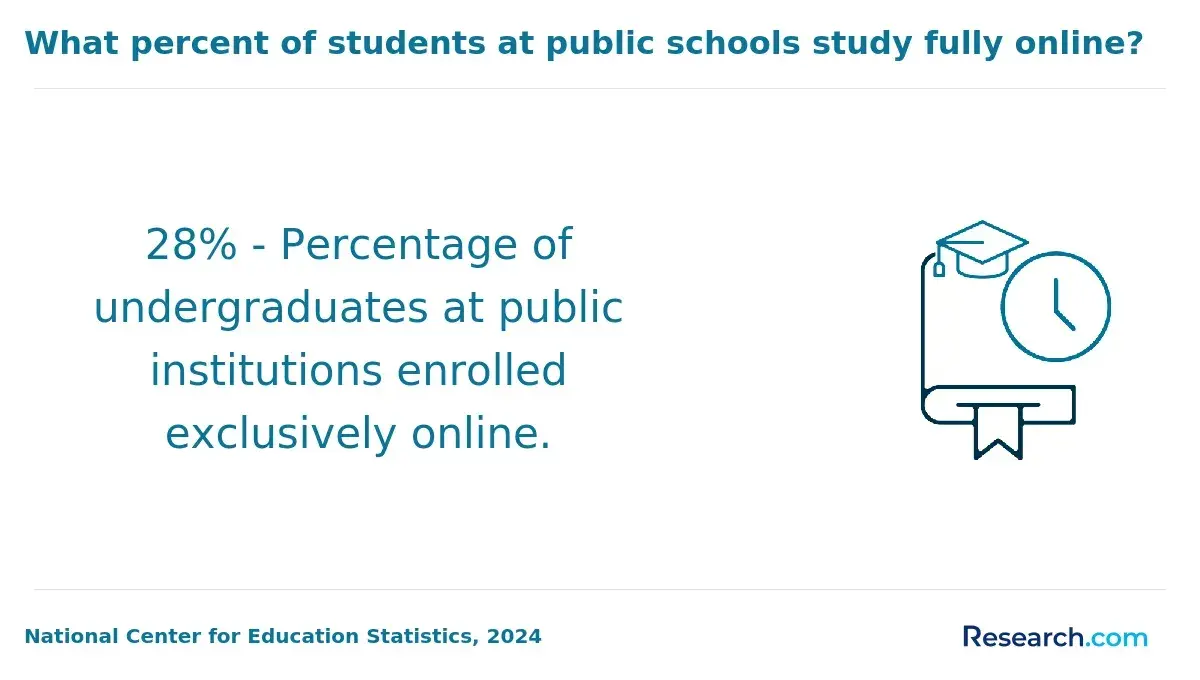
According to the National Center for Education Statistics, more than 40% of higher education students participate in online learning, underscoring its growing appeal among nontraditional students balancing multiple responsibilities.
Several factors influence the total cost of earning an online entrepreneurship degree for working adults, including tuition, fees, and available financial support:
- Tuition Models: Many institutions charge per credit hour or offer fixed rates per term or program. Part-time students often pay by credit, extending their timeline, while full-time enrollment can mean higher upfront costs but faster completion.
- Transfer Credit Acceptance: Applying previously earned credits toward a degree can shorten time to graduation and reduce overall expenses, making transfer-friendly programs particularly attractive to adult learners.
- Financial Aid and Employer Assistance: Scholarships, grants, and employer tuition support can significantly lower out-of-pocket costs, helping working adults afford their education without accumulating excessive debt.
- Technology and Additional Fees: Beyond tuition, programs may include technology fees, course materials, and administrative costs that affect the total investment required.
- Program Format and Flexibility: Accelerated pathways and fully online formats offer more flexible scheduling, allowing students to balance education with work and family, potentially reducing indirect costs like lost wages.
Those seeking affordable options may explore related fields or programs such as an online health admin degree, which can sometimes offer competitive pricing and flexible learning for adult learners.
Are Cheap Entrepreneurship Degree Programs Legitimate and Respected by Employers?
Affordable entrepreneurship degree programs can offer genuine educational value, as cost alone doesn't determine a program's legitimacy or employer respect. Accreditation, institutional reputation, curriculum rigor, and alignment with workforce needs often shape employer views of online and budget-friendly degrees.
Working adults frequently weigh affordability against career goals, scheduling flexibility, and credential requirements when choosing a program. A 2022 survey found that 70% of employers are open to hiring candidates who hold accredited online degrees, reflecting increased acceptance of flexible learning paths.
Several key factors influence whether affordable entrepreneurship programs are seen as credible by employers:
- Institutional Accreditation: Accredited programs meet defined academic standards and receive regular reviews, which reassures employers that graduates have completed quality coursework at recognized institutions.
- Curriculum Relevance: Programs offering updated courses aligned with current business trends and entrepreneurial skills better prepare students to address real-world challenges, enhancing graduate appeal.
- Employer Recognition: Growing familiarity with legitimate online education encourages acceptance of low-cost degrees when they come from accredited schools with reputable programs.
- Faculty Expertise: Experienced instructors with both academic and practical entrepreneurship backgrounds bolster program quality and signal rigorous training to employers.
- Transfer Credit Policies: Allowing transfer of previous credits can reduce cost and time to degree completion, making affordable programs more accessible without sacrificing academic integrity.
When asked about soft skills developed during his degree, an entrepreneurship graduate emphasized adaptability and communication as vital assets. He shared how balancing work and studies taught time management but also pushed him to strengthen problem-solving and networking skills.
"It wasn't just learning business concepts," he explained, "but applying them in team projects and real scenarios that really built my confidence." This hands-on approach helped him transition from theory to practice, which he believes made his degree valuable beyond the classroom.
What Are the Best Entrepreneurship Degree Programs for Working Adults?
The best entrepreneurship degree programs for working adults are often characterized by more than just affordability; they prioritize flexible scheduling, strong accreditation, transfer credit acceptance, dedicated student support, and curriculum relevance to today's workforce.
Online and hybrid learning formats have notably expanded opportunities for adult learners balancing jobs and family, with over 40% of U.S. undergraduate students now classified as adult learners.
Key elements that define quality programs for these students include the following:
- Accreditation: Accredited entrepreneurship programs ensure students receive education that meets rigorous academic standards, enhancing the value and recognition of their degree in professional and academic settings.
- Scheduling Flexibility: Programs that offer asynchronous coursework or hybrid options allow working adults to study at their own pace and rearrange their schedules around work and family demands, making degree progress more manageable.
- Transfer Credit Acceptance: Allowing students to apply previously earned credits toward their entrepreneurship degree can reduce both time and cost of completion, an important consideration for those with prior postsecondary experience.
- Affordability and Financial Aid: The best affordable online entrepreneurship degrees for working adults combine competitive tuition rates with accessible financial aid, lowering economic barriers while maintaining educational quality.
- Academic Support Services: Comprehensive advising, tutoring, and career counseling geared toward adult learners help address the unique challenges nontraditional students face, improving retention and success over time.
For those interested in accelerated learning, exploring fast track degree programs can offer streamlined paths to degree completion without sacrificing essential academic rigor or workforce relevance.
Which Entrepreneurship Degree Programs Offer the Most Flexible Schedules?
Flexible scheduling options are essential for working adults pursuing an entrepreneurship degree, allowing them to juggle job duties, family life, and schoolwork more effectively. Online and hybrid learning models have broadened opportunities for adaptable study, though flexibility can differ based on the institution, program format, or course delivery method.
According to the National Center for Education Statistics, more than 40% of postsecondary students have taken at least one distance education course.
Key features that contribute to program flexibility include:
- Asynchronous Coursework: Learners can complete lectures and assignments on their own time without fixed class meetings, which reduces scheduling conflicts and allows study during optimal personal hours.
- Part-Time Enrollment: Spreading credits over more terms spreads workload and helps students balance education alongside work and other responsibilities, often with several start dates throughout the year.
- Hybrid Learning Models: Combining online classes with occasional on-campus sessions offers flexibility while maintaining face-to-face interaction, accommodating diverse learning preferences.
- Transfer Credit Flexibility: Accepting previous college credits or professional experiences can shorten the path to degree completion, saving time and tuition costs for busy adults.
- Accelerated Course Formats: Condensed class schedules enable motivated students to finish courses faster, intensifying focus but reducing total time to graduation.
A professional with an entrepreneurship degree recalled how managing full-time work and family was overwhelming initially. She appreciated programs offering multiple start dates and asynchronous lessons, which let her study late at night after work.
Transfer credits helped her skip foundational classes, reducing stress and expenses. Though occasionally challenging to stay disciplined without fixed schedules, the flexibility ultimately gave her control over pacing and progress.
"It wasn't easy balancing everything, but having options for when and how to learn made finishing the degree possible," she reflected, highlighting how adaptable structures supported her unique situation.
What Are the Fastest and Cheapest Entrepreneurship Degree Programs?
Many accredited entrepreneurship degree programs cater specifically to working adults by combining flexible formats with affordable options to help students finish efficiently. With online education enrollment rising over 20% recently, these programs balance speed, cost, and academic quality to suit nontraditional learners.
Common features supporting faster and more affordable entrepreneurship degrees include:
- Asynchronous Scheduling: Programs often offer coursework accessible anytime, allowing students to study around professional and family commitments without fixed class times, enhancing flexibility.
- Accelerated Coursework: Shorter terms, typically 8 to 12 weeks instead of a traditional semester, help reduce the overall time to degree completion, lowering tuition expenses and time away from work.
- Transfer Credit Acceptance: Many institutions accept credits from previous college classes or professional training, which can diminish the number of required courses and speed graduation.
- Competency-Based Learning: These models assess skills and knowledge rather than seat time, enabling motivated students to progress quickly through material they already know, streamlining degree timelines.
- Multiple Start Dates: Frequent enrollment periods throughout the year reduce wait times between terms, giving students greater control over when they begin and maintain steady progress.
Which Schools Accept the Most Transfer Credits for a Entrepreneurship Degree?
Transfer credit policies can significantly reduce the cost and time needed for working adults to complete an entrepreneurship degree by applying previous college coursework, military training, professional certifications, or prior learning experiences to their degree requirements.
According to the National Student Clearinghouse Research Center, approximately 74% of transfer students successfully apply some credits toward their degrees.
The following key factors influence how many transfer credits entrepreneurship degree programs accept for working adults:
- Accreditation Compatibility: Schools accredited by regional agencies tend to accept transfer credits more readily from similarly accredited institutions, ensuring that transferred courses meet program standards and support affordable, timely degree completion.
- Transfer Equivalency Evaluations: These assessments determine how previously earned credits align with entrepreneurship curriculum requirements. Institutions with clear and comprehensive evaluation systems enable more flexible scheduling and reliable credit application for nontraditional students.
- Residency Requirements: Programs often mandate a minimum number of credits to be completed at the awarding institution. Lower residency thresholds allow more credits to transfer in, offering cost savings and faster paths to graduation for working adults.
- Articulation Agreements: Formal partnerships with community colleges or other education providers facilitate smoother credit transfers by pre-approving courses that meet entrepreneurship program criteria, easing transitions and reducing expenses.
- Recognition of Prior Learning Assessments (PLAs): PLAs convert relevant work experience, military training, or professional certifications into academic credits. This process helps adult learners leverage their existing skills to accelerate degree progress and improve accessibility.
What Financial Aid Options Are Available for Entrepreneurship Students?
Financial aid opportunities can substantially lower the cost of earning an entrepreneurship degree for working adults, often combining grants, scholarships, employer assistance, and federal programs. Affordability concerns lead many adults to seek programs that minimize debt, with about 70% of undergraduate students receiving some form of financial aid.
The common options available to entrepreneurship students include:
- Federal Grants and Loans: Need-based assistance like the Pell Grant offers funding that does not require repayment, while federal student loans provide flexible borrowing terms. These options help students spread education costs over time without overwhelming upfront expenses.
- Employer Tuition Assistance: Many companies support continuing education through tuition reimbursement or assistance programs, often contingent on employment or academic progress. This support allows working adults to balance career advancement with financial stability.
- Scholarships for Adult Learners: Specialized scholarships target working adults pursuing entrepreneurship degrees, reducing out-of-pocket costs. These awards are frequently offered by universities, professional groups, and nonprofit organizations.
- Military and Veteran Benefits: Active duty service members and veterans may access education benefits such as the GI Bill, which can cover tuition, fees, and sometimes living expenses. These benefits promote affordability and accommodate flexible scheduling for military-affiliated students.
- Prior Learning Assessment and Transfer Credits: Credit for relevant work experience, certifications, or military training can shorten program length and decrease tuition fees. This pathway helps reduce both time and cost commitments for nontraditional students.
For those interested in other fields, exploring a masters degree in nutrition can offer insight into comparable financial aid landscapes and support mechanisms.
What Jobs Can You Get With a Entrepreneurship Degree?
An entrepreneurship degree equips working adults with versatile skills applicable across entry-level, mid-level, and specialized career paths. Flexible and affordable degree programs enable adult learners to pursue advancement or transition to new fields while balancing work and personal commitments.
According to the U.S. Bureau of Labor Statistics, management occupations are projected to grow 8% from 2021 to 2031, increasing demand for employees with entrepreneurial expertise and business acumen.
The common jobs that individuals with an entrepreneurship degree pursue include:
- Support and Administrative Roles: These positions involve applying foundational business knowledge to assist in operations, marketing, or sales, providing valuable hands-on experience and transferable skills for career growth.
- Technical and Specialized Careers: Opportunities in business analytics, product development, or digital marketing allow graduates to develop focused expertise while benefiting from flexible coursework designed for working professionals.
- Management-Track Positions: Roles such as small business managers or project coordinators emphasize leadership, strategic planning, and financial literacy, preparing degree holders to lead teams or launch ventures effectively.
- Community-Focused Careers: Nonprofit administration and local economic development benefit from the entrepreneurial mindset, fostering problem-solving skills and social impact for those interested in community-oriented work.
- Industry-Specific Roles: Positions in retail management, consulting, or startup ecosystem support value adaptable knowledge and networking abilities emphasized in entrepreneurship curricula.
Working adults interested in career shifts might also explore affordable options like an online degree in nutrition as alternatives or complements to their entrepreneurial studies, enhancing their versatility and employment prospects.
What Should Working Adults Look for When Choosing a Entrepreneurship Degree Program?
Working adults often weigh factors like affordability, flexibility, accreditation, and long-term value when selecting an entrepreneurship degree program. With increasing access to online and hybrid formats, nontraditional students can better manage career and family demands. Nearly 40% of U.S. postsecondary students now take some or all courses online.
The key considerations include the following:
- Accreditation: Choosing an accredited program is crucial for ensuring academic quality and gaining recognition from employers. Accredited institutions also tend to provide better access to financial aid and scholarship opportunities, making education more affordable.
- Scheduling Flexibility: Programs offering asynchronous classes, part-time enrollment, or accelerated options enable working adults to align studies with busy personal and professional lives. This flexibility can improve degree completion rates by accommodating diverse schedules.
- Transfer Credit Policies: Generous credit transfer options help reduce both the time and cost required to finish a degree. Accepting prior college coursework or professional certifications allows students to bypass repetitive classes and progress more quickly.
- Online Accessibility: High-quality online programs expand access by removing geographic barriers and providing convenience. These options are especially helpful for learners balancing multiple commitments or living far from campus.
- Support Services: Access to career counseling, academic advising, and technology support is vital for adult learners. Robust resources improve student success by addressing specific challenges faced by nontraditional students.
What Do Students Say About Affordable Entrepreneurship Degree Programs?
- Augustus: "As a working adult returning to school, I found it vital to look for entrepreneurship programs that were both affordable and accredited, so my investment would truly pay off. It wasn't just about the price but making sure employers respected the degree. I also prioritized programs that allowed me to transfer previous credits, which saved me time and money while fitting around my hectic work schedule."
- Antonio: "Flexibility was everything for me when choosing an entrepreneurship degree. Juggling a full-time job and family meant I needed online classes and a schedule that adapted to my life, not the other way around. After thorough research, I realized the cheapest programs aren't always the best unless they hold solid accreditation and positive employer recognition, which gave me peace of mind about my long-term career goals."
- Julian: "Exploring entrepreneurship degree options as a nontraditional student made me deeply reflective on what truly matters: legitimacy, flexibility, and alignment with my career ambitions. I focused on programs that were accredited and had strong transfer credit policies to ensure I got the best value for my time and money. Being cautious about cheap degrees was crucial, as I wanted an education that employers would respect and that would open doors in the future."
Other Things You Should Know About Entrepreneurship Degrees
Affordable entrepreneurship degree programs in 2027 for working adults often offer flexible scheduling options, such as evening, weekend, or online classes. These options enable students to balance work and studies, sometimes allowing completion within regular timeframes provided diligent course management.
Accreditation is crucial for the value and recognition of any entrepreneurship degree, whether inexpensive or not. Regionally accredited programs ensure that credits are transferable and that employers recognize the credential. Working adults should prioritize programs with proper accreditation to maximize educational and career benefits while keeping costs low.
Yes, many low-cost entrepreneurship programs emphasize practical learning through internships, capstone projects, and real-world case studies. These experiential components are essential for applying business theories in entrepreneurial contexts and improving job readiness. It is advisable to review program details to confirm the availability of hands-on learning experiences.
Both online and hybrid formats can be equally effective if the programs are well-structured and interactive. Online programs offer maximum flexibility, which suits working adults' schedules, while hybrid formats combine online learning with occasional in-person sessions, fostering networking and practical engagement. The choice depends on personal learning preferences and access to campus facilities.
References
- Top degrees for entrepreneurs https://www.hotcoursesabroad.com/study-abroad-info/subject-guides/top-degrees-for-entrepreneurs/
- Top 50 Graduate Entrepreneurship Programs https://www.princetonreview.com/business-school-rankings
- Top Entrepreneurship Degree Programs: How to Choose the Right One https://amityonline.com/blog/top-entrepreneurship-degree-programmes-how-to-choose
- The 5 most affordable Masters in Entrepreneurship https://www.eduopinions.com/blog/what-to-study/the-5-most-affordable-masters-in-entrepreneurship/
- Job Opportunities for People With Entrepreneurship Degrees https://www.americanexpress.com/en-us/business/trends-and-insights/articles/8-jobs-you-can-get-with-an-entrepreneurship-degree/
- What to do after a master's in entrepreneurship https://www.ipag.edu/en/blog/what-do-after-masters-entrepreneurship
- The Flexibility of Earning an Online Business Degree While Working Full-Time https://lakewood.edu/the-flexibility-of-earning-an-online-business-degree-while-working-full-time/
- Side hustle degrees: 6 college programs that double as businesses - The Times of India https://timesofindia.indiatimes.com/education/careers/news/side-hustle-degrees-6-college-programs-that-double-as-businesses/articleshow/123921651.cms
- Top Online Schools That Accept Transfer Credits https://www.edvisorly.com/student-guides/online-schools-that-accept-transfer-credits