
2027 Entrepreneurship Degree vs. Certificate: Which Should You Choose?

Co-Founder and Chief Data Scientist
Today's students and professionals face important decisions when choosing between earning a degree or a certificate in entrepreneurship. Both credentials can advance careers by building vital skills, yet they differ in time commitment, depth of study, and cost. Entrepreneurship degrees typically provide a broad foundation paired with networking opportunities, while certificates offer focused, practical training in a shorter timeframe.
Research shows that entrepreneurship programs increasingly emphasize hands-on learning and innovation. Deciding between these paths depends on your career goals, availability, and resources. This article compares key differences in curriculum, flexibility, and career impact to help you select the option best suited to your professional and personal lifestyle.
Key Points About Entrepreneurship Degree vs. Certificate Programs
- Entrepreneurship degrees often provide comprehensive curricula, fostering advanced business strategies and leadership skills, which can enhance long-term career growth and command higher salary potentials.
- Certificates focus on specific skills like business planning or marketing, allowing faster completion and flexible learning, ideal for professionals seeking targeted knowledge without a full degree commitment.
- Degree holders report 25% higher average earnings in startup environments, while certificate holders benefit from practical skills that facilitate immediate application and networking within niche markets.
What are the differences between entrepreneurship degree and certificate programs?
Both entrepreneurship degrees and certificate programs can open doors to valuable career opportunities, but they differ in several important ways. Understanding these differences enables students to select the educational path that best matches their personal goals and timelines. Below are key distinctions to consider when choosing between these two options.
Key differences between entrepreneurship degree and certificate programs include:
- Depth of Learning: Degrees typically offer comprehensive coverage of business principles, strategy, and management over multiple years, ideal for those seeking a thorough foundation. Certificates focus on specific skills or topics, making them suitable for learners wanting targeted knowledge quickly.
- Career Advancement: A degree often carries more weight in traditional hiring or leadership pipelines and supports long-term career growth. Certifications can enhance specific competencies but may be better for professionals aiming to upskill without committing to full-time study.
- Time Commitment: Degrees require a significant investment of time and effort, fitting those able to dedicate several years to education. Certificates usually demand less time, appealing to busy individuals or those needing immediate skill application.
- Cost and Flexibility: Certificate programs generally cost less and offer more flexible formats, including online options, catering to those balancing other obligations. Degree programs may involve higher costs and a more structured schedule.
- Networking Opportunities: Degree programs often provide broader access to networks, mentorship, and campus resources, beneficial for students seeking long-term connections. Certificate courses may offer limited networking but can still provide valuable industry contacts.
How long does it take to complete an entrepreneurship degree vs. a certificate program?
Completion time is a crucial consideration for students choosing between an entrepreneurship degree vs. certificate. Understanding the typical duration and factors that affect program length can help align educational goals with career and personal schedules.
- Typical Duration: An entrepreneurship certificate program usually takes about 3 to 12 months to finish, focusing on rapid skill acquisition. In contrast, an entrepreneurship degree program duration ranges from 2 years for an associate degree to 3-4 years for a bachelor's, depending on full-time or part-time enrollment.
- Flexibility: Certificate programs are often self-paced or part-time, making them highly adaptable for working professionals seeking to balance studies with jobs. Degree programs, while sometimes offering part-time options, generally require a longer, more structured commitment over several years.
- Factors Affecting Timeline: Program structure plays a significant role; certificates exclude broad general education courses, allowing quicker completion. Prior college credits or relevant work experience can shorten degree durations. Delivery formats-online, hybrid, or on-campus-also influence pacing, with online certificate programs frequently designed for maximum scheduling flexibility.
In summary, if you wonder how long to complete entrepreneurship certificate programs versus degrees, certificates offer a faster, focused path whereas degrees provide a comprehensive education including general studies. For those targeting speed, exploring options like the fastest online bachelor degree might also be worth considering when pursuing an entrepreneurship degree program duration that fits your timeline.
Can you complete an entrepreneurship degree or certificate entirely online?
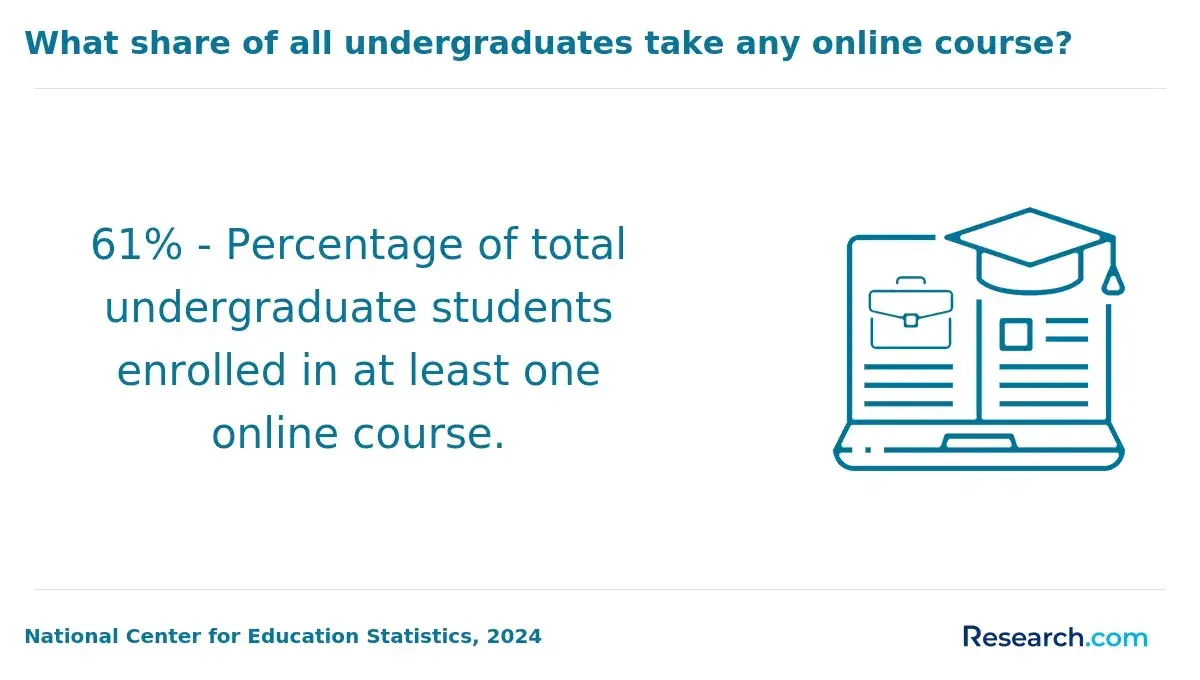
Online education has rapidly expanded, making both entrepreneurship degrees and certificates widely accessible from anywhere in the U.S. Today, students can complete a bachelor's in entrepreneurship 100% online at institutions like American Public University, Liberty University, and Southern New Hampshire University, offering maximum flexibility without campus visits.
Many respected colleges also provide fully online entrepreneurship certificate programs at undergraduate and graduate levels, including targeted options such as Oklahoma State University's "Starting and Growing a Business" certificate.
This growth means that working professionals and aspiring entrepreneurs can now pursue relevant credentials through online entrepreneurship degree programs or entrepreneurship certificate online courses, depending on their career needs.
However, prospective students should also consider factors like hands-on training, internships, or networking opportunities that some online programs include to enhance practical skills.
Some programs may require participation in virtual competitions or local internships to provide real-world experience. Those interested in fields requiring licensure should verify if any in-person components are necessary.
When deciding between a degree or certificate online, assess your career stage, the need for comprehensive education versus shorter skill-based credentials, and how each program's structure aligns with your goals and professional aspirations. For more on advanced online study options, consider exploring the easiest doctorate programs.
What are the admission requirements for an entrepreneurship degree vs. a certificate program?
Admission requirements play a crucial role when choosing between an entrepreneurship degree and a certificate program, as they determine who is eligible to enroll and how quickly students can start their studies. Understanding these differences helps prospective students select the best pathway for their educational and career goals.
Below is a side-by-side comparison of typical admission requirements for entrepreneurship degree versus certificate programs in the United States.
Admission Requirements for Entrepreneurship Degree Programs
- High School Diploma or Equivalent: Most bachelor's degree programs require a high school diploma or GED as a minimum educational background.
- Standardized Test Scores: Many universities ask for SAT or ACT scores, with competitive programs often expecting a 1230 SAT or 25 ACT score, or placement in the top 8% of the high school class.
- Minimum GPA: Admission usually requires a GPA ranging from 2.0 to 3.4, depending on the institution and applicant status (first-year or transfer).
- Prerequisite Courses: Applicants often must complete foundational courses in economics, accounting, statistics, leadership, and mathematics before declaring the major.
- Credit Hour Completion: Transfer students or declared majors may need 45-60 college credit hours completed, including required courses.
- Application Materials: Degree programs generally request an online application, transcripts, and sometimes an essay or statement of purpose.
Admission Requirements for Entrepreneurship Certificate Programs
- Educational Background: Certificate programs usually require only a high school diploma or equivalent. Some accept current degree students or working professionals without strict college credit requirements.
- Professional Experience: Certain certificates prefer or require prior work or entrepreneurial experience, especially for post-baccalaureate or executive-level programs.
- Application Materials: Admissions typically involve a brief application and may include a resume or statement of intent, rarely requiring essays or multiple references.
- Open Enrollment: Many certificate programs offer rolling or open admissions, allowing easier start times throughout the year.
For those looking for swift educational options, consider exploring accelerated associates that can complement entrepreneurial learning. Comparing the entrepreneurship degree admission requirements 2025 with the certificate in entrepreneurship program application process shows clear distinctions reflecting each pathway's goals and target audience.
How many credits do you need to complete an entrepreneurship degree vs. a certificate?
Knowing the number of credits required for an entrepreneurship degree versus a certificate is essential for students to effectively plan their academic schedules and manage time commitments. This understanding lays the groundwork for making informed decisions about the type of program that best fits their career goals.
Here's a straightforward look at the credit expectations for these two educational paths:
- Degree programs: Generally require between 120 and 124 total credit hours, with 18 to 36 credits dedicated exclusively to entrepreneurship coursework within a broader business curriculum.
- Certificate programs: Usually entail 12 to 18 credits focused solely on core entrepreneurship topics, designed for quicker completion and skill-focused learning.
When I spoke to a student who chose to pursue an entrepreneurship certificate, he described the experience as both intense and rewarding. Transitioning from a full degree path to a certificate allowed him to focus on practical skills without the extended academic load. He shared, "Balancing work and classes was challenging, but knowing I only needed to complete a handful of specialized courses kept me motivated."
He also noted how this concise program helped him gain confidence in starting his own venture sooner than expected, emphasizing that the certificate's targeted credits made it accessible and achievable for someone with a busy schedule.
Reflecting on his journey, he appreciated the flexibility and real-world application that the certificate offered, which perfectly matched his immediate professional needs.
What is the average tuition for an entrepreneurship degree vs. a certificate?
Tuition costs are a crucial factor when deciding between pursuing an entrepreneurship degree or a certificate, as they strongly influence your overall financial investment and potential returns from education. Comparing these costs helps students and professionals align their choices with their career goals and available resources.
Below is a comparison of the average tuition ranges for each educational path, highlighting key factors that affect expenses.
Average Tuition for Entrepreneurship Degree Programs
- Tuition Range: The average annual tuition for undergraduate entrepreneurship degree programs in the U.S. is about $31,107, while graduate degrees typically average around $28,778 per year.
- Public vs. Private Institutions: Public universities usually offer lower tuition for in-state students, whereas private institutions significantly increase total costs, sometimes exceeding $63,185 for four-year programs.
- Online vs. On-Campus: Online degree options may provide some savings, but public institution online bachelor's programs still average around $40,536 annually.
- Program Length: Most bachelor's degrees require four years of full-time study, making the total investment substantial despite moderate annual tuition.
- Additional Fees: Degrees often include extra technology, administrative, and material fees that add several thousand dollars to the final price.
Average Tuition for Entrepreneurship Certificate Programs
- Tuition Range: Entrepreneurship certificate tuition comparison shows lower overall costs, typically ranging from $3,000 up to $21,000, depending on program scope and length.
- Per Course Costs: Some certificates charge per course; for example, a course might cost around $5,000, resulting in a total near $20,000 for full completion.
- Program Length: Certificates generally require fewer courses (often 4-8), leading to shorter durations and less expense compared to full degrees.
- Online vs. On-Campus: Many certificate programs are available online, frequently at lower per-credit or per-course rates than degree programs.
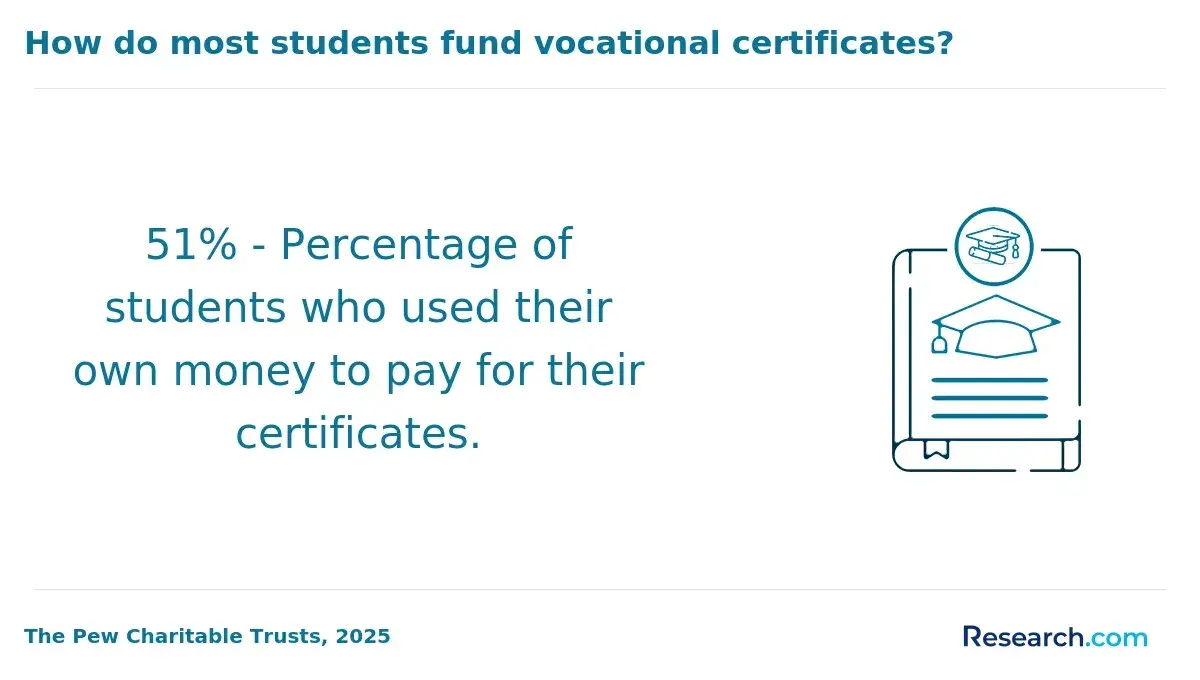
- Financial Aid Eligibility: Federal student loans typically do not cover graduate certificate programs, but private loans or employer tuition reimbursement may be options.
Students seeking affordability might explore options such as online colleges that take FAFSA, which can influence the average cost of entrepreneurship degree programs and certificate courses.
Can you transfer certificate credits toward an entrepreneurship degree later on?
Yes, certificate credits in entrepreneurship can often be transferred toward a degree program, but this is not always guaranteed. Transferability depends largely on institutional policies, the accreditation status of both programs, and how closely the certificate courses align with degree requirements.
Many schools set their own rules regarding how many credits may be accepted and assess whether the coursework is comparable in content and academic rigor. When certificate programs are designed as stepping-stones to higher degrees, transferring credits tends to be more straightforward.
Other important factors include limits on the total number of transferable credits, minimum grade thresholds (commonly a C or better), and sometimes restrictions based on how recent the coursework is.
Because transfer policies vary widely, it is crucial to consult with an academic advisor before enrolling in a certificate program if you plan to pursue a degree later. Verifying these details early helps students make informed decisions and ensures they get the most value from their educational efforts.
Reflecting on a student's journey, she shared how navigating the transfer process was both challenging and rewarding. Initially uncertain about which credits would count, she worked closely with departmental advisors who reviewed her certificate courses in detail. "It wasn't as simple as I hoped, but understanding the specific requirements helped me focus on what courses to prioritize," she explained.
Ultimately, she was able to transfer several core credits, which accelerated her entrepreneurship degree progress and eased her transition into the program. Her experience underscores the importance of patience and proactive communication throughout this process.
Are certificate programs accredited the same way as entrepreneurship degrees?
Certificate programs in entrepreneurship are generally not accredited in the same way as entrepreneurship degree programs. Degree programs-such as associate's, bachelor's, or master's degrees-are accredited by established regional or national agencies that assess institutions and their academic standards. This accreditation guarantees a level of quality recognized by employers and other educational institutions.
In contrast, entrepreneurship certificates vary widely; some come from accredited universities and may offer transferable credits, while others are issued by vocational schools or professional groups without formal accreditation. Because of this inconsistency, certificates do not always hold the same recognition or credibility as degrees.
Accreditation matters because it ensures programs meet quality benchmarks for curriculum, faculty expertise, and student support. It also influences whether credits can transfer toward further education and affects eligibility for federal financial aid, which typically applies only to accredited degree programs.
Employers and licensing boards often prefer candidates with credentials from accredited programs. When evaluating entrepreneurship programs, students should verify accreditation by recognized bodies like the Higher Learning Commission or AACSB, check the reputation of the issuing institution, and assess transparency about course content and faculty qualifications. Confirming accreditation status before enrollment is essential to making an informed choice.
What jobs can you get with an entrepreneurship degree vs. a certificate?
Both entrepreneurship degrees and certificates open doors to various career opportunities, yet they tend to prepare graduates for different roles and responsibilities within the business world. Understanding these distinctions can help you decide which credential aligns best with your career goals. Below is a comparison of typical jobs linked to each educational path.
Jobs You Can Get with a Entrepreneurship Degree
- Business Development Manager: Oversees growth strategies and builds partnerships to expand company markets.
- Startup Founder or Co-Founder: Leads the creation and development of new businesses, managing everything from product design to funding.
- Product Manager: Coordinates product development teams and ensures products meet market needs and company goals.
- Operations Director: Manages daily operations and optimizes organizational processes to improve efficiency.
- Innovation Strategist: Develops innovative business models and strategies to drive competitive advantage.
- Management Consultant: Provides expert advice to improve business performance and solve operational challenges.
Jobs You Can Get with a Entrepreneurship Certificate
- Sales Associate: Supports sales teams by managing customer interactions and assisting in revenue generation.
- Marketing Coordinator: Plans and executes marketing campaigns under supervision to promote products or services.
- Startup Assistant: Provides administrative and operational support for early-stage companies.
- Business Analyst (entry-level): Collects and analyzes data to help inform business decisions and strategies.
- Project Coordinator: Assists in organizing project activities, timelines, and communications among stakeholders.
- Freelancer or Consultant (in a specific area): Offers specialized expertise or services on a contract basis for various clients.
What is the average starting salary for a certificate vs. entrepreneurship degree graduates?
Salary potential often varies significantly between entrepreneurship certificate holders and those with degrees. Understanding the differences can help prospective students make informed decisions about their educational paths.
Here is a side-by-side look at the average starting salary for entrepreneurship degree graduates compared to certificate holders, along with key factors influencing these earnings and career outlooks.
- Typical Salary Range: The average starting salary for entrepreneurship degree graduates usually falls between $53,000 to $55,000 per year, while certificate program vs degree starting salary comparison shows certificate holders typically start lower, around $35,000 to $45,000 annually.
- Advanced Degrees Impact: Graduates holding a master's degree in entrepreneurship may earn entry-level salaries closer to $70,000 to $88,500, highlighting the financial benefit of further education within this field.
- Influencing Factors: Level of education, industry, and job role play a major part; entrepreneurial degree holders often access higher-paying roles in sectors like business consulting, management, or finance.
- Experience and Location: Previous work experience and living in states with strong economies such as California or New York can significantly increase starting salaries for both groups.
- Career Outlook: Degree holders generally enjoy better long-term growth with mid-career salaries exceeding $80,000, whereas certificate recipients may require additional education or experience for comparable advancement.
Students seeking cost-effective options can explore the best affordable online colleges for working students that balance education quality and tuition expenses while preparing for these career paths.
Here's What Graduates of Entrepreneurship Programs Say About Their Degree or Certificate
- Finley: "Pursuing the entrepreneurship certificate program was a game-changer for me because it allowed a focused and fast-paced learning experience without the extensive time commitment of a full degree. The cost was significantly lower, which made this path more accessible while still providing valuable skills that I could immediately apply to my startup. If you're looking for practical knowledge on a budget and a quicker route, I highly recommend the certificate option."
- Colby: "Opting for the entrepreneurship degree program was a thoughtful decision grounded in its comprehensive curriculum and deeper exploration of business concepts. Although the degree program required a larger financial and time investment, the longer learning journey expanded my professional network and opened doors to more substantial career opportunities. When choosing between a degree and a certificate, consider not just cost, but also how much you value an immersive academic environment for long-term growth."
- River: "Completing both the certificate and degree programs gave me a well-rounded perspective on entrepreneurship education. The certificate provided a quick introduction that fit my initial budget and schedule, while the subsequent degree program offered in-depth knowledge and strategic thinking skills at a higher total cost but with a major career payoff. This combination worked particularly well for me, balancing immediate skill-building with thorough expertise development."
Other Things You Should Know About Entrepreneurship Degrees
The main disadvantage of choosing an entrepreneurship degree in 2027 is the longer time commitment and higher cost compared to a certificate program. Degrees typically require several years to complete, while certificates can be earned within months, providing quicker entry into the field.
Entrepreneurship degrees generally offer a more comprehensive curriculum, covering a range of business disciplines like finance, marketing, and management. Certificates often focus on specific skills or topics in entrepreneurship, providing more targeted but less extensive knowledge. Your choice depends on the depth of business education you seek.
While entrepreneurship degrees generally cover a broad array of business skills, shorter certificate programs sometimes offer specialized, intensive courses. For someone seeking to quickly learn specific skills for immediate application, a certificate could be more practical. Degrees, however, offer a more in-depth exploration of various business concepts over a longer period.
References
- Entrepreneurship Certificate Requirements https://und.edu/programs/entrepreneurial-studies-certificate/requirements.html
- Entrepreneurship Certificate https://www.fgcu.edu/school-of-entrepreneurship/entrepreneurship-certificate
- Are Entrepreneurship Degrees or certificates helpful for a student who is trying to get a job in the business sector? https://www.careervillage.org/questions/38607/are-entrepreneurship-degrees-or-certificates-helpful-for-a-student-who-is-trying-to-get-a-job-in-the-business-sector
- Entrepreneurship Degree and Certificate Programs | DeVry https://www.devry.edu/online-programs/area-of-study/entrepreneurship.html
- Accreditation vs. Certification: What’s the Difference? - ACGI https://acgisoftware.com/accreditation-vs-certification-whats-the-difference/
- Entrepreneurship and New Venture Development Certificate https://www.ucumberlands.edu/academics/certificate/entrepreneurship-and-new-venture-development-certificate
- Business vs. Entrepreneurship Degree: Whatâs the Difference? https://potomac.edu/business-vs-entrepreneurship/
- Certificate vs. Degree: Pros, Cons, and Career Outcomes | National University https://www.nu.edu/blog/certificate-vs-degree/
- Entrepreneurship vs Employment skills: Which should you prioritize? https://hospitalityinsights.ehl.edu/entrepreneurship-vs.-employment-skills
- Master's Degree in Entrepreneurship Salary - Expectations After Graduating | Nexford University https://www.nexford.edu/insights/masters-degree-in-entrepreneurship-salary


