2027 Cheapest Online Real Estate Bachelor's Degrees That Pay Well: Tuition, Duration, and Earnings

Co-Founder and Chief Data Scientist
Many prospective students face the challenge of finding affordable online real estate bachelor's programs that also lead to strong earning potential. The rising cost of higher education combined with the need for career flexibility makes this search critical. According to the National Association of Realtors, graduates with specialized real estate education can experience a 15% higher starting salary than those without. This article examines the cheapest accredited online real estate bachelor's degrees, focusing on tuition costs, program length, and expected income. It aims to guide career changers and working professionals toward cost-effective pathways that maximize financial returns in the real estate industry.
Key Benefits of the Cheapest Online Real Estate Bachelor's Degree That Pays Well
- Affordable tuition and flexible online formats reduce student debt, with some programs offering transfer credit options to shorten completion time and save money.
- Graduates often see strong return on investment, with median salaries exceeding $60,000, reflecting demand for skilled real estate professionals nationwide.
- Programs provide accelerated, practical skill development alongside global networking opportunities, enhancing career prospects for working adults and career changers.
What Are the Most Affordable Accredited Online Real Estate Bachelor's Degree Programs Available Today?
Accreditation plays a vital role in choosing an affordable online real estate bachelor's degree program, as it verifies that the institution meets quality standards necessary for federal financial aid, credit transfers, and employer recognition. Regional accreditation is the most trusted and widely accepted, ensuring curriculum rigor and qualified faculty. Below are five of the most affordable accredited online real estate bachelor's degrees based on in-state tuition rates and program strengths:
- Southern New Hampshire University: SNHU charges approximately $320 per credit hour, is regionally accredited by the New England Commission of Higher Education (NECHE), and welcomes transfer credits, making it ideal for students with prior coursework.
- Fort Hays State University: Offering a flat tuition model at about $218 per credit hour for all students, this Kansas-based school is accredited by the Higher Learning Commission (HLC) and focuses on practical skills in property management and development.
- University of Florida: UF's online program costs around $129 per credit hour for in-state students, holds accreditation from the Southern Association of Colleges and Schools Commission on Colleges (SACSCOC), and blends business fundamentals with focused real estate training.
- University of Alabama: Priced at roughly $405 per credit hour, UA's program is also SACSCOC-accredited, supports military tuition benefits and financial aid, and boasts strong alumni employment in sales and appraisal sectors.
- Eastern Kentucky University: EKU offers its regionally accredited program at about $323 per credit hour with flexible scheduling and dedicated career support for balancing work and study.
Generally, the most affordable online real estate bachelor's degrees distinguish themselves by combining low flat tuition rates and generous transfer credit policies with strong regional accreditation. Mid-range options often include enhanced services such as career counseling or smaller class sizes but tend to charge higher per-credit fees. Those seeking online real estate bachelor's degrees with low tuition and high graduate earnings can also explore accelerated options like a 1 year masters degree to further advance their career path.
How Does Tuition Cost for Online Real Estate Bachelor's Programs Compare Across Public and Private Universities?
Tuition costs for online real estate bachelor's programs vary notably between public and private nonprofit universities, impacting affordability for many students. These differences largely stem from institutional funding models, enrollment size, and program design.
- Per-Credit Pricing: Public universities benefit from state subsidies, resulting in lower per-credit tuition ranging from $200 to $400 for in-state students. Private nonprofit institutions typically charge between $400 and $700 per credit due to lack of state funding.
- Total Program Cost: While private schools often have higher per-credit rates, some offer accelerated programs online or bundled tuition that can make total expenses comparable or even less than public programs, which generally require 120-128 credits but may have longer curricula at private schools.
- State Residency Discounts: Public universities provide significant tuition reductions for in-state residents, sometimes halving costs. Out-of-state public students pay more, often approaching private university rates, which narrows the cost gap.
- Financial Aid Availability: Many private nonprofits have robust institutional scholarships and grants that can offset their higher sticker prices considerably, thereby leveling the financial playing field.
- Enrollment Size Impact: Large public institutions leverage economies of scale to maintain lower tuition fees. Conversely, smaller private universities invest more in specialized real estate faculty and resources, justifying premium pricing.
- Program Delivery Format: Some private programs utilize synchronous or cohort-based online formats, which increase instructional costs versus the typically asynchronous public programs, enhancing student engagement but affecting tuition.
- Transfer Credit Flexibility: Public universities often offer well-structured articulation agreements facilitating community college credit transfers, reducing total tuition by shortening time to degree. Transfer policies at private institutions vary widely, influencing final program costs.
Considering the cheapest online real estate bachelor's degree tuition comparison depends not only on sticker price but also financial aid and program structure. Public vs private university real estate program costs can converge under certain conditions, making it essential for prospective students to evaluate all factors before enrollment decisions.
2026 Update: Licensing Alignment and Career Readiness Checks
For 2026, this update adds a practical lens on how affordable online real estate bachelor’s programs support students beyond the degree itself, especially when preparing for state licensing and job-ready practice.
- Check whether coursework helps meet or supplement your state’s pre-licensing education requirements.
- Confirm if the program explains differences between salesperson, broker, appraisal, and property management pathways.
- Look for courses using current real estate software, market analysis tools, contracts, and compliance practices.
- Ask whether online students can access internships, local brokerage connections, or supervised field experiences.
- Review career services for resume help, interview preparation, and guidance on entering commission-based roles.
- Make sure the curriculum covers ethics, fair housing, finance, negotiation, and risk management.
These checks help students choose a low-cost program that is not only affordable, but also better aligned with licensing steps and real-world real estate careers.
What Is the Typical Duration of an Online Real Estate Bachelor's Degree, and How Can Students Graduate Faster?
Most online real estate bachelor's degree programs involve completing around 120 credit hours, which usually takes about four years of full-time study. This timeframe aligns with traditional degree paths but can be shortened through various accelerated options available to students.
- Standard Credit Load: Typically, students complete 15 credit hours per semester, covering foundational courses in real estate finance, law, and principles, balanced with electives required to fulfill degree requirements.
- Accelerated Terms: Many schools offer accelerated eight-week courses and allow enrollment throughout the year, including summer and winter sessions. This setup lets students progress faster by taking more courses consecutively without long breaks.
- Competency-Based Education: Some institutions provide programs where students advance based on demonstrated mastery rather than time spent in class. This model benefits learners with prior knowledge or professional experience who can move quickly through the curriculum.
- Examples of Accelerated Programs: Schools like Southern New Hampshire University and Western Governors University use accelerated trimesters or competency-based formats, enabling students to complete their studies in as little as 2.5 to 3 years on average.
- Cost and Time Savings: Graduating sooner reduces the total tuition paid and lessens opportunity costs by allowing earlier entry into the workforce, maximizing the financial return on investment.
One professional who pursued an online real estate bachelor's degree to shift career paths described the experience as both demanding and rewarding. He mentioned struggling initially to balance coursework with full-time work but found that the program's flexible scheduling was "a game-changer." "Being able to take classes year-round and move at my own pace helped me avoid burnout," he said. He also highlighted that the competency-based components "gave me confidence to test out of subjects I already knew," which accelerated his completion time significantly. Overall, this flexibility was crucial in managing education alongside personal responsibilities while aiming for a timely graduation.
Which Online Real Estate Bachelor's Programs Offer the Best Earning Potential After Graduation?
Graduates of accredited online real estate bachelor's degree programs often experience varied earning potential influenced by their area of specialization. According to the Bureau of Labor Statistics Occupational Outlook Handbook, fields such as real estate finance, commercial real estate development, and property management tend to offer higher median salaries than general real estate tracks. Careers like real estate brokers and financial analysts in metropolitan areas commonly report median wages above $80,000 annually.
Data from various institutions highlight that programs emphasizing internships and partnerships with industry leaders enhance job placement and salary outcomes. Programs with strong alumni connections in real estate or urban planning frequently help graduates access competitive roles, underscoring the importance of looking beyond tuition costs when evaluating options. This approach helps emphasize long-term financial benefits over initial expenses.
- Specialization Drives Earnings: Choosing concentrations in commercial real estate or real estate finance typically results in higher median salaries compared to broader real estate studies.
- Strong Market Demand: Roles like property managers and urban planners see median salaries ranging from $60,000 to over $85,000, reflecting robust opportunities in expanding markets.
- Institutional Support: Schools with effective career services and employer networks promote better employment outcomes through internships and professional connections.
- Financial Flexibility: Accredited programs offering flexible financial aid and transfer credit options reduce upfront costs while supporting access to lucrative careers.
- Related Degree Options: Prospective students may also consider programs like the master of construction management to complement their real estate expertise and expand career opportunities.
What Financial Aid and Scholarship Opportunities Are Available for Online Real Estate Bachelor's Students?
Financial aid options for online real estate bachelor's students can substantially lower education expenses. According to the College Board's 2023 Trends in Student Aid report, about 31% of undergraduates receive Federal Pell Grants, offering need-based funds that do not require repayment. These grants serve as a primary source of free aid for many students. Subsidized federal loans, which have lower interest rates, are available but are best considered only after maximizing grant-based support.
In addition to federal aid, numerous colleges collaborate with professional organizations like the National Association of Realtors® or local real estate foundations to provide scholarships targeted at real estate students. These scholarships often reward academic achievement, financial need, or dedication to the real estate field. State grants also play a role, typically benefiting in-state residents enrolled in accredited online programs, although eligibility and amounts differ by state.
Early FAFSA submission is critical to unlocking the full range of financial aid possibilities. Students are encouraged to exhaust all free aid, such as grants and scholarships, before considering loans to minimize debt.
- Federal Pell Grants: Need-based funds that cover part of tuition without requiring repayment, accessible to qualified real estate students.
- Subsidized Loans: Government-backed loans with low interest for financially eligible students, recommended after all grants and scholarships.
- Institutional Scholarships: Merit- and need-based awards offered through colleges and real estate associations specifically for real estate students.
- State Grants: Financial assistance available to residents attending accredited online programs in their home state, varying widely by locale.
- Maximizing Aid: Filing the FAFSA early and researching real estate-specific scholarships increases access to free funding, reducing loan reliance.
Reflecting on her experience, a professional graduate of an online real estate degree shared how applying for multiple scholarships through industry groups and submitting the FAFSA early significantly eased her financial burden. She recalled feeling overwhelmed navigating the different applications but found that dedicated research and persistence opened doors. Her proactive approach to seeking aid not only made the program affordable but boosted her confidence in managing educational expenses while focusing on her career goals.
How Many Transfer Credits Can Online Real Estate Bachelor's Programs Accept, and From Which Institutions?
Transfer credit policies among online real estate bachelor's programs differ widely, significantly influencing both time to degree completion and overall tuition expenses. Some universities, such as Florida International University, allow students to transfer as many as 90 credits, enabling faster program completion and reduced costs for those with previous coursework or associate degrees. Additionally, many institutions accept credits earned through CLEP examinations and formal military training, expanding opportunities for credit transfer and further financial savings.
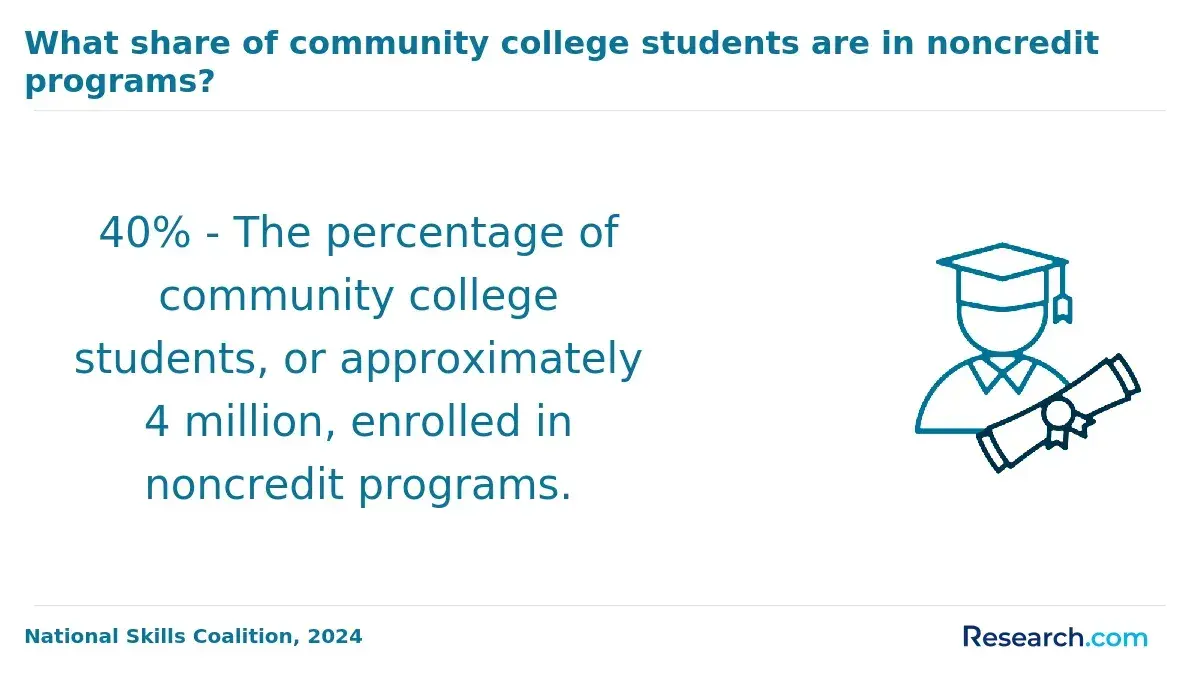
To take full advantage of these benefits, prospective students should carefully review and compare transfer guidelines before applying. Conducting a detailed audit of previously earned credits ensures students understand which credits apply toward their selected program and helps avoid redundant coursework. This process is essential given that nearly 40% of undergraduates nationally transfer credits between colleges, reflecting the growing importance of credit transfer in online education pathways.
Noteworthy programs with flexible transfer policies include Thomas Edison State University, which accepts credits from over 90 accredited schools along with military service credits, and the University of Maryland Global Campus, recognized for accommodating prior learning assessments and transferable credits. Such policies lower tuition burdens and shorten the duration needed to enter the real estate workforce.
- High Transfer Allowances: Some programs permit up to 90 transfer credits, minimizing required courses and accelerating degree completion.
- CLEP and Military Credits: Colleges often grant academic credit for CLEP exams and military training, broadening transfer possibilities and cutting educational expenses.
- Articulation Agreements: Formal partnerships between community colleges and universities simplify the credit transfer process, offering clearer credit acceptance pathways.
- Credit Auditing: Careful evaluation of existing credits prior to application maximizes transfer potential and minimizes unnecessary course enrollment.
- Transfer Prevalence: Nearly 40% of undergraduates transfer credits, underscoring its growing role in flexible, cost-effective online education.
What Accreditation Should an Online Real Estate Bachelor's Program Have to Ensure Quality and Employer Recognition?
Accreditation plays a vital role in determining the value and recognition of an online real estate bachelor's degree. Regional accreditation is widely regarded as the gold standard across the United States and is more broadly accepted by both employers and graduate schools than national accreditation. The primary regional accrediting agencies include the Higher Learning Commission (HLC), the Southern Association of Colleges and Schools Commission on Colleges (SACSCOC), and the New England Commission of Higher Education (NECHE), among others.
In addition to institutional accreditation, some real estate programs may offer programmatic accreditation from specialized bodies such as the Appraisal Qualifications Board (AQB), which can enhance specific industry credentials but usually do not replace the importance of regional accreditation. Prospective students should exercise caution when considering programs with only national accreditation or none at all, as these can face limitations in credit transfer and recognition by employers, potentially hindering career advancement.
Verifying accreditation status through the U.S. Department of Education's accreditation database is essential to avoid enrolling in diploma mills or unrecognized institutions. Data from the National Center for Education Statistics reveals that over 77% of online degree-seeking students attend regionally accredited institutions, highlighting the preference for this accreditation among learners and employers alike.
- Regional Accreditation Preference: This accreditation type is nationally recognized, enhancing degree value with employers and graduate schools in real estate and related fields.
- Major Accrediting Bodies: HLC, SACSCOC, and NECHE oversee quality standards and ensure programs meet rigorous academic and professional criteria.
- Programmatic Accreditation: Specialized certificates like those from the AQB exist but serve as supplements to institutional accreditation.
- Risks of Non-Accredited Programs: Lack of accreditation or national-only accreditation limits credit transfer and may cause employers to question degree legitimacy.
- Verification Resource: The U.S. Department of Education's database is a reliable tool to confirm accreditation status before enrollment.
What Are the Admission Requirements for the Cheapest Online Real Estate Bachelor's Programs?
Admission requirements for the cheapest online real estate bachelor's degree admission criteria typically balance accessibility with academic standards. Most affordable online programs require applicants to have a high school diploma or GED certificate, while many schools have adopted test-optional policies, making standardized tests like the SAT or ACT optional-especially benefiting adult learners with prior college experience. Minimum GPA requirements usually range from 2.0 to 2.5, but some programs offer open or rolling admissions that provide more flexibility for non-traditional students who may not meet the traditional academic benchmarks.
Selective real estate programs enforce stricter admission standards, including higher GPAs and prerequisite coursework such as introductory business, economics, or mathematics classes. These programs often provide stronger academic support and are more likely to be recognized positively by employers, enhancing post-graduate opportunities. On the other hand, open-admission programs emphasize broad accessibility, appealing to working professionals and those returning to education, though they may demand greater self-motivation to succeed. For prospective students interested in related fields, exploring social media marketing courses online can also complement real estate studies by enhancing marketing skills relevant to the industry.
For those who do not initially meet enrollment requirements for affordable online real estate bachelor's programs, there are effective strategies to strengthen applications. Completing foundational coursework at a community college can improve GPA and demonstrate academic readiness. Emphasizing relevant work experience, securing strong recommendation letters, or crafting a compelling personal statement are additional ways to enhance an application. Prospective students are encouraged to contact admissions counselors for personalized guidance tailored to their circumstances.
- Minimum Credentials: Most programs require a high school diploma or GED; some may mandate standardized test scores, but many have test-optional policies to widen access.
- GPA Requirements: Minimum GPAs typically fall between 2.0 and 2.5, with selective schools demanding higher academic performance compared to open-admission programs.
- Prerequisite Courses: Introductory business, economics, or math courses might be required or recommended, especially for more competitive real estate programs.
- Admission Policies: Open or rolling admissions increase flexibility, benefiting working adults, while selective programs offer enhanced academic support and better employer perception.
- Application Tips: Strengthen your application by completing community college courses, highlighting relevant experience, and consulting admissions advisors.
What Concentrations or Specializations Are Available Within Affordable Online Real Estate Bachelor's Degree Programs?
Affordable online real estate bachelor programs with concentration options often include several specializations tailored to diverse career goals. Selecting a focus that aligns with labor market demand and salary potential supports a strategic educational investment.
- Property Management: This specialization emphasizes managing residential, commercial, or industrial properties, including leasing, maintenance, and tenant relations. Graduates often pursue roles like property managers or asset managers with median salaries around $60,000. Additional certifications such as Certified Property Manager (CPM) enhance employment prospects.
- Real Estate Finance and Investment: Concentrating on financial analysis, investment strategies, and market evaluation, this track prepares students for careers as real estate analysts or investment advisors. Median salaries typically exceed $70,000, reflecting strong industry demand. Optional credentials like Chartered Financial Analyst (CFA) can add further value.
- Real Estate Development: Focused on land acquisition, planning, and construction oversight, graduates become development coordinators or project managers earning median incomes near $75,000. Licensure in construction management or urban planning may be beneficial but is not mandatory.
- Commercial Real Estate Brokerage: This specialization centers on sales and client relations, preparing students for roles as licensed brokers or agents in commercial properties. With job growth above average and median salaries near $65,000, licensure is required for practice in this field.
- Appraisal and Valuation: Training students to assess property values for sales, taxation, or lending purposes, this concentration requires licensure for independent or institutional work. Median pay is around $58,000, reflecting steady market needs.
Prospective students should weigh their interests alongside practical earning potential and licensure requirements when choosing a specialization. Those seeking flexible pathways may also explore articulated programs in related domains, such as the SLP bridge pathway for communication sciences graduates, to expand career options. Targeting affordable online real estate degree specializations with strong accreditation and transfer credit policies can maximize educational value and professional outcomes.
Can Students Earn College Credit Through CLEP, DSST, or Prior Learning Assessments in Online Real Estate Bachelor's Programs?
Students pursuing affordable online real estate bachelor's degrees can leverage CLEP, DSST, and Prior Learning Assessments (PLA) to earn college credits for knowledge they already possess, potentially reducing program length and tuition costs by months and thousands of dollars. The most accommodating programs allow up to 30-45 credits through a combination of these assessments, accepting tests and verified experiences documented by the student. The American Council on Education (ACE) supports this credit transfer by endorsing military training and workplace learning credits, which many schools recognize. Students should gather thorough documentation, such as official exam scores, training certificates, and course descriptions, to submit for faculty review under PLA policies.
- Credit Flexibility: Leading programs permit extensive credit via CLEP, DSST, and PLA, often covering major portions of foundational coursework and expediting degree completion.
- ACE Credit Endorsement: ACE recommendations facilitate conversion of military and professional experiences into transferable college credits, benefiting veterans and working adults.
- Documentation Standards: Successful PLA credit requires detailed evidence like official tests, employer certifications, or syllabus materials to verify prior learning.
- Cost Efficiency: CLEP and DSST exams offer affordable credit-earning options, lowering overall educational expenses significantly.
- Program Differences: Prospective students must review each school's specific PLA limits and accepted exam types to optimize credit transfer opportunities.
What Is the Return on Investment (ROI) of Earning a Cheap Online Real Estate Bachelor's Degree?
Return on investment (ROI) for higher education is a measure of the financial benefits graduates gain relative to the total cost of earning their degree. In online real estate bachelor's programs, ROI is calculated by subtracting total tuition and fees from projected lifetime earnings in real estate careers, then dividing that difference by the overall cost of the degree. Studies from the Georgetown University Center on Education and the Workforce and Payscale's College ROI reports highlight that affordable online real estate degrees often surpass the average bachelor's ROI due to lower costs balanced with solid salary prospects.
Evaluating ROI over 10- and 20-year career spans shows that programs with reduced tuition and flexible transfer options significantly boost financial returns by accelerating completion and minimizing debt. Median salaries in real estate typically increase throughout a career, further enhancing overall ROI compared to higher-cost degrees linked to lower earnings.
- Clear ROI Formula: ROI is determined by subtracting total degree expenses from lifetime earnings, then dividing by costs, offering precise educational value assessment.
- Benchmark Data: Georgetown and Payscale findings affirm that affordable online real estate degrees frequently exceed average bachelor's ROI due to competitive salaries and reduced tuition.
- Career Progression: Real estate salaries tend to grow steadily over 20 years, improving financial returns beyond initial post-graduation years.
- Cost Efficiency: Affordable programs with shorter durations lower debt and opportunity costs, maximizing ROI.
- Accreditation Value: Accredited programs enhance graduate employability, contributing to higher ROI through better job placements.
What Graduates Say About Earning the Cheapest Online Real Estate Bachelor's Degree That Pays Well
- Cade: "Choosing the online real estate bachelor's degree program was a game changer for me because of its flexibility and affordability. The cost was reasonable compared to traditional programs, allowing me to balance my work and studies without financial strain. It's opened doors in my career, giving me both the confidence and credentials to advance swiftly in the industry."
- Mylene: "Reflecting on my journey, I appreciate how the program's online format accommodated my demanding schedule and family commitments. The curriculum was cost-effective, which made pursuing a bachelor's degree in real estate possible without overwhelming debt. Professionally, it sharpened my skills and has been instrumental in securing a leadership position in my firm."
- Axel: "The decision to enroll in the online real estate bachelor's program was motivated by a desire to deepen my industry knowledge without relocating. The cost structure was transparent and competitive, which helped me plan financially with ease. Since graduating, I've noticed significant growth in my network and opportunities, confirming that this degree was a strong investment in my career."
Other Things You Should Know About Real Estate Degrees
Yes, some online real estate bachelor's programs offer no out-of-state tuition penalties. These programs provide a consistent tuition rate regardless of the student's location, making them financially accessible and attractive to a broader range of learners.
Learning management systems in online real estate bachelor's programs, such as Canvas and Blackboard, facilitate student engagement by offering interactive modules, discussion forums, and real-time feedback. These platforms cater to varied learning styles, ensuring comprehensive access to coursework and fostering an interactive environment for remote students in 2027.
The cost per credit hour for online real estate bachelor's degrees often falls below the national average for comparable business or finance degrees, especially at public universities with strong online platforms. These programs leverage digital delivery efficiencies and offer competitive pricing, which contributes to lower overall tuition expenses while maintaining accredited standards.
References
- Breaking Down Private Costs for Students: Distance vs Campus-Based Learning - Distance Learning Institute https://distancelearning.institute/economic-perspective/private-costs-students-distance-campus-learning/
- Top colleges that accept transfer credits easily https://goedmo.com/blog/colleges-that-transfer-credits/
- How to Find Your Return on Investment (ROI) in Real Estate https://www.investopedia.com/articles/basics/11/calculate-roi-real-estate-investments.asp
- Cost of Online College vs. In-Person | Touro University Worldwide https://www.tuw.edu/school-news/cost-of-online-college-vs-in-person/
- Comprehensive Guide to Financial Aid for Real Estate Education: Scholarships, Grants, and Loans https://goldcoastschools.com/news/financial-aid-real-estate-education/
- How Long Is Real Estate School? https://www.vaned.com/blog/how-long-is-real-estate-school
- Online Bachelor with Smart Cities & Real Estate https://www.global-business-school.org/programs/bachelor-europe-bachelor-of-business-administration-online/online-bachelor-with-smart-cities-real-estate/
- How to Calculate ROI on Real Estate Investment https://www.gatsbyinvestment.com/education-center/how-to-calculate-roi-on-real-estate-investment
- How fast can you get a bachelor's degree online? https://www.boisestate.edu/online/2025/01/27/how-fast-can-you-get-a-bachelors-degree-online/
- 5 Reasons Why You Should Earn Your Bachelor’s Degree Online https://www.pointloma.edu/resources/accelerated-undergraduate/5-reasons-why-you-should-earn-your-bachelors-degree-online