
2027 Different Types of Real Estate Degrees and Their Salaries

Co-Founder and Chief Data Scientist
The demand for skilled professionals in real estate continues to grow as the market expands and evolves, making the choice of educational path more critical than ever. According to recent data from the U.S. Bureau of Labor Statistics, employment in real estate careers is projected to increase by over 8% in the coming decade, reflecting strong potential for career advancement and financial reward.
Navigating the variety of real estate degrees available can be complex, yet understanding the distinctions and outcomes associated with each can significantly impact long-term success. This article offers a clear guide to the different types of real estate degrees and the earning potential graduates may expect, providing valuable insight for those preparing to enter this dynamic field.
Key Points About Different Types of Real Estate Degrees and Their Salaries
- Completing an associate degree in real estate often leads to entry-level positions such as property management or real estate sales, with starting salaries averaging around $45,000 annually, making it suitable for those seeking quicker workforce entry.
- A bachelor's degree in real estate or a related field significantly expands career prospects, including roles in real estate development and brokerage, where median salaries typically range from $60,000 to $85,000, reflecting higher earning potential and greater job stability.
- Holding a master's degree, such as an MBA with a real estate concentration, positions graduates for senior management and investment roles that can command salaries upwards of $100,000, while also offering stronger long-term growth and leadership opportunities in the competitive U.S. real estate sector.
What Are the Different Types of Real Estate Degrees Available?
Understanding the different real estate degree types and levels is essential for students to make informed decisions that align with their individual career goals and educational backgrounds. Each degree option offers a unique curriculum tailored to develop specific skills relevant to various areas within the real estate sector. To help clarify these options, here is an overview of the main types of real estate degrees and what distinguishes each program.
The choices range from foundational degrees to advanced graduate programs, each designed with course content that builds expertise in core real estate principles and related fields.
- Associate Degree in Real Estate: This degree focuses on fundamental real estate principles, including practical coursework that often integrates hands-on experience. It covers basic topics such as property management, real estate law, and introduction to real estate finance.
- Bachelor of Business Administration (BBA) in Real Estate: Combines broad business education with real estate-specific subjects like appraisal, market analysis, and property management. Students also study accounting, finance, and economics to support their understanding of the business environment.
- Bachelor of Science (BS) in Real Estate: Emphasizes analytical and quantitative skills alongside technical subjects such as mathematics, engineering, and technology as applied to real estate investments and finance.
- Bachelor of Arts (BA) in Real Estate: Integrates liberal arts education with real estate coursework, featuring studies in sociology, history, and English to complement topics like property valuation and management.
- Master of Science in Real Estate (MSRE): Focuses on advanced real estate market analysis, commercial property finance, and legal aspects. This degree is suitable for those aiming to deepen their expertise with specialized knowledge.
- Master of Business Administration (MBA) in Real Estate: Offers a blend of leadership, strategic management, and real estate specialization to prepare professionals for executive roles within the industry.
- Master of Real Estate Development (MRED): Concentrates on development-related financial modeling, construction costs, and design principles, along with advanced real estate law.
- Doctorate in Real Estate: Centers on research methodologies, statistics, and economics to prepare candidates for academic or high-level analytical roles involving housing market analysis and real estate law.
Students interested in pursuing real estate degrees should also explore opportunities in the highest paying certificate programs for careers that pay well, as these credentials can complement degree studies and enhance earning potential in various real estate professions.
What Specializations Are Available in Real Estate Degrees?
Specialization is a key factor when choosing a real estate degree because it allows students to focus their education on a specific area aligned with their career ambitions. By selecting the right track, students develop targeted skills and industry knowledge to improve job prospects and professional growth.
Below are common real estate specializations that reflect various professional pathways within the industry:
- Commercial Real Estate: Focuses on properties used for business purposes, including offices, retail, and industrial spaces. Key skills include financial analysis, market research, and contract negotiation. Careers in this specialization often include commercial broker, leasing manager, and investment analyst.
- Residential Real Estate: Deals with buying, selling, and managing homes and multi-family units. Important skills encompass client communication, market analysis, and sales expertise. Graduates typically pursue roles such as residential agent, broker, or property manager.
- Real Estate Finance and Investment: Emphasizes the financial mechanisms behind property markets, including investments, mortgage banking, and market analysis. Students build skills in financial modeling, risk assessment, and portfolio management, preparing for careers as investment analysts, mortgage loan officers, or portfolio managers.
- Property Management: Centers on daily operations of real estate assets like maintenance, tenant relations, and budgeting. Strong organizational and communication abilities are essential, leading to jobs such as property manager, asset manager, or community association manager.
- Real Estate Development: Involves planning, financing, and constructing new buildings or redeveloping properties. Project management, financial planning, and stakeholder coordination are key skills, with career options like developer, project manager, and urban planner.
- Real Estate Appraisal and Valuation: Specializes in assessing property values for sales, mortgages, or taxation. Analytical skills and market trend knowledge are crucial, with common roles including appraiser and assessor.
- Construction Management: Focuses on the logistics and financial aspects of building projects from planning through completion. Important skills include construction processes and project coordination, preparing graduates for construction manager or site supervisor positions.
For those considering an educational path to enter these fields, exploring the easiest online degree programs can provide flexible options suited to various lifestyles and commitments. This approach enables students to acquire specialized knowledge while balancing other responsibilities.
How Long Does It Take to Complete Each Type of Real Estate Degree?
Understanding the duration of real estate degree programs is essential for students planning their education and career paths effectively. Knowing how long each program typically takes helps in managing expectations and aligning academic goals with personal and professional timelines. Below is an overview of the main real estate degree types and their usual completion times.
Typical Completion Times for Real Estate Degrees:
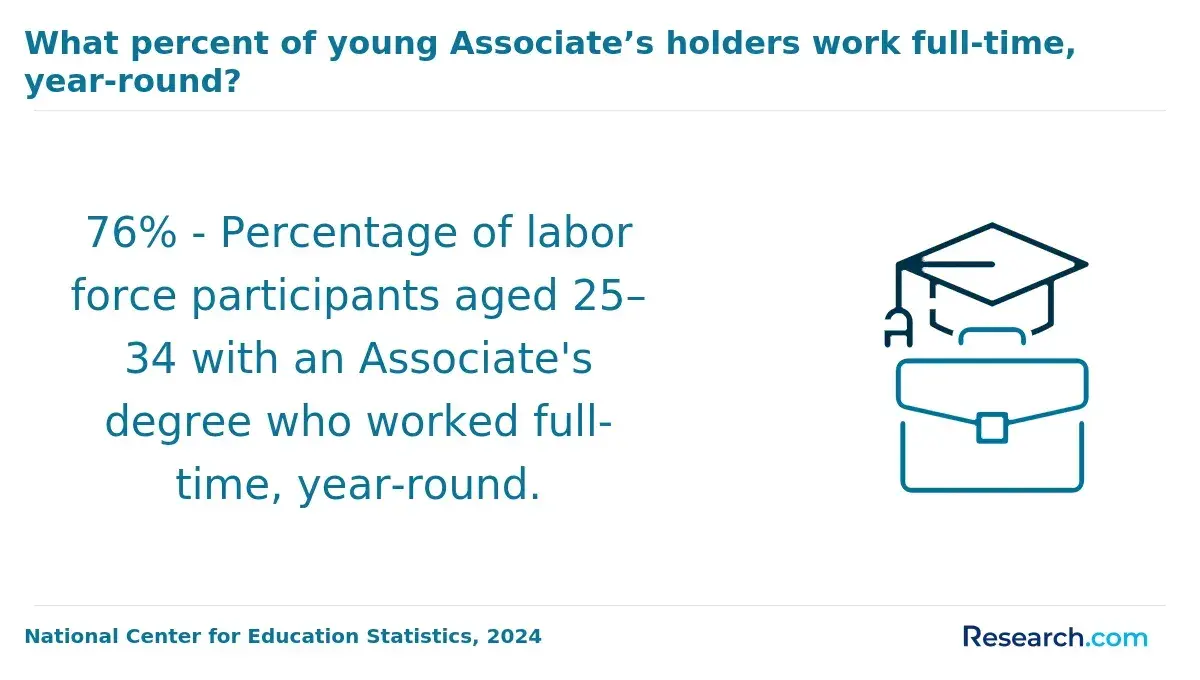
- Associate Degree in Real Estate: Usually takes about two years of full-time study to complete. Part-time enrollment can extend this timeline, while some students may shorten it by transferring credits from previous coursework. Many community colleges offer online options for greater flexibility.
- Bachelor's Degree in Real Estate: Typically requires four years of full-time study. Students attending part-time or balancing work may take longer, but accelerated programs or credit transfers can reduce the duration. Online programs are also increasingly available for this degree level.
- Master's in Real Estate: Most master's programs take one to two years to finish, depending on the structure and intensity. Accelerated tracks may offer completion in as little as 12 months, while part-time and online options provide alternative pacing for working professionals.
- Doctorate (PhD) in Real Estate: Usually demands three to six years, focusing heavily on research and dissertation work. The timeline varies widely based on the candidate's pace, program requirements, and whether the study is full- or part-time.
Are There Accelerated Real Estate Degree Programs?
Yes, there are accelerated real estate degree programs available that allow motivated students to complete their education in a much shorter timeframe compared to traditional routes. These programs frequently come in the form of combined bachelor's and master's pathways, often referred to as "4+1" or Bachelor's Accelerated Master's (BAM) options.
Such formats enable students to earn both degrees in as little as five years instead of the usual six or more. Another option includes fast-track bachelor's completion programs that can be finished in three years or less. The reduction in duration is typically achieved through condensed coursework, year-round or intensive academic terms, and dual-credit arrangements where upper-level undergraduate courses also count toward graduate degree requirements.
Some programs further accelerate progress by accepting transfer credits or prior learning assessments, which can help students bypass certain classes or requirements. These strategies are designed to maximize coursework efficiency while maintaining the integrity and rigor of the degree.
However, enrolling in accelerated real estate programs comes with important considerations. The demanding pace requires careful academic planning and strong time management skills, as students juggle overlapping undergraduate and graduate coursework, often with little downtime between terms.
Eligibility criteria usually mandate maintaining a minimum GPA-commonly around 3.0-and obtaining formal approval from academic advisors or program directors before progressing. The workload intensity can be challenging, so prospective students should assess their ability to maintain high performance under pressure and ensure the fast track aligns with their professional goals.
Graduates of advanced real estate degrees generally expect higher starting salaries, with master's degree holders often earning above $80,000 in fields like development and finance, compared to $50,000-$65,000 for those with bachelor's degrees.
When asked about his experience in an accelerated real estate degree program, a graduate shared that the journey was "intense but incredibly rewarding." He described balancing overlapping courses as "a constant exercise in prioritization and focus," especially during the year-round terms with minimal breaks.
Despite the pressure, he appreciated how the program's structure kept momentum high, which "helped me stay engaged and continuously build on previous knowledge." He also noted that securing advisor approval "was crucial to ensuring I stayed on track and didn't take on an unmanageable load."
Reflecting on the challenge, he remarked, "It wasn't easy, but the feeling of completing both degrees faster and entering the job market early made it worth every late night." This personal insight highlights the demanding yet purposeful nature of accelerated real estate programs and their impact on career readiness.
Are Online Real Estate Degrees as Credible as Traditional Ones?
Online real estate degree programs have evolved to closely match the academic standards of traditional classroom-based education. Both formats follow state-mandated curricula and employ licensed, experienced instructors, ensuring consistent course content regardless of delivery method.
Traditional in-person programs offer a structured environment with immediate instructor feedback and opportunities for networking with peers and industry professionals. In contrast, online programs leverage interactive technology such as real-world simulations, knowledge checks, and progress tracking, which studies show can increase information retention by 25% to 60%.
Additionally, self-paced online options provide flexibility for students managing work or family commitments and can often be completed 40% to 60% faster than classroom formats. Many institutions also provide hybrid learning options that blend online and face-to-face instruction to maximize accessibility for diverse student needs.
Recent trends reveal growing employer acceptance of online real estate degrees, with 77% of academic leaders considering online learning equal to or better than in-person education for real estate.
Employers generally emphasize the candidate's graduation from an accredited program and their practical skills over the mode of study. Salary outcomes for graduates typically depend more on the institution's prestige, geographic location, and specialization rather than on whether the degree was earned online or in person.
This evolving perspective confirms that the credibility of a real estate degree is anchored in the rigor and reputation of the institution, making the learning format secondary to the quality of education and the graduate's professional capabilities.
How Much Does Each Type of Real Estate Degree Typically Cost?
Understanding the differences in tuition costs across real estate degree levels is crucial for effective budgeting and long-term financial planning. These variations influence not only the upfront investment but also the financial aid options and overall debt load students may encounter. The following list outlines the typical tuition ranges for each major type of Real Estate degree to help prospective students make informed decisions.
- Associate Degree in Real Estate: Tuition for associate programs at community colleges or technical schools generally ranges from $3,000 to $10,000 per year for in-state students, with out-of-state rates often higher. These programs tend to be more affordable than bachelor's degrees and are popular among those seeking entry-level positions quickly. Many students benefit from federal financial aid, state grants, and local scholarships tailored to community college attendees.
- Bachelor's Degree in Real Estate: Tuition varies significantly depending on the institution, with public universities charging between $6,000 and $18,000 per year for in-state students and private or out-of-state tuition sometimes exceeding $40,000 annually. Online bachelor's programs typically charge between $300 and $600 per credit hour, adding up to $36,000 to $72,000 for a full 120-credit degree. Financial aid opportunities include federal loans, institutional scholarships, and employer tuition assistance programs.
- Master's in Real Estate: Graduate-level tuition is generally higher, with public universities charging $14,000 to $38,000 annually for out-of-state students, while private institutions may range from $22,000 to over $61,000 per year. Top-tier programs, such as those from elite universities, can surpass $40,000 to $50,000 annually. Graduate students often pursue assistantships, university grants, and private scholarships to help offset these expenses.
- Online Real Estate Degrees: These programs offer affordability and flexibility, often costing between $300 and $600 per credit hour, with some schools providing flat tuition rates regardless of residency. Online degrees attract working professionals balancing education and employment, and financial aid options frequently include employer reimbursement and credit for prior learning.
A graduate of a Real Estate degree program I spoke with reflected on her journey managing tuition costs with a mix of relief and pride. She emphasized how carefully exploring employer tuition reimbursement and applying early for scholarships made a significant difference, allowing her to minimize reliance on student loans.
"Balancing work with studies online gave me the flexibility I needed," she shared, noting the cost-effectiveness of her program was as important as its quality. Looking back, she valued the tangible career benefits that her investment brought, underscoring how being proactive about financial planning helped transform what initially seemed like a steep tuition into a manageable and worthwhile commitment.
What Jobs Can You Get with Each Type of Real Estate Degree?
The level of real estate degree you earn plays a significant role in shaping your career opportunities by determining the types of positions you qualify for and the responsibilities you may undertake. Different degree levels lead to varied job titles and work environments, with a corresponding range of earning potentials. Below is an overview of common jobs linked to each type of real estate degree to help you understand where your education might lead.
Typical career paths for each real estate degree level include the following roles:
- Associate Degree in Real Estate: Graduates typically enter the workforce in entry-level roles such as real estate sales agent, leasing agent, or real estate clerk. These jobs involve assisting clients with buying, selling, or leasing properties, preparing transaction documents, and coordinating between parties. Most professionals at this level work for residential brokerages, property management firms, or leasing offices, with leasing agents earning an average of $62,908 annually.
- Bachelor's Degree in Real Estate: Holding a bachelor's degree opens doors to more advanced roles including real estate broker, property manager, appraiser, loan officer, analyst, and development associate. Responsibilities at this level include managing property transactions, overseeing commercial or residential properties, conducting appraisals, arranging financing, and analyzing market trends. Property managers can earn between $65,000 and $450,000, while commercial loan officers average around $80,000 yearly. Appraisers typically earn from $50,000 to $80,000 mid-career.
- Master's Degree in Real Estate or Real Estate Finance: Advanced degrees qualify graduates for senior and specialized roles such as real estate development manager, investment analyst, asset manager, and sustainability consultant. These positions focus on market analysis, financial modeling, portfolio management, and managing development projects. Starting salaries for development analysts are around $75,000, with directors making up to $670,000 annually. Sustainability asset managers earn between $99,000 and $141,000, while development directors in sustainable real estate earn $182,000 to $270,000 per year. For those exploring options, some of the highest paying online master's degrees include programs in real estate finance and related fields.
How Do Salaries Differ by Real Estate Degree Type?
Degree level often influences earning potential in real estate, with higher degrees typically opening doors to more advanced roles and greater salaries. Understanding these differences can help students make informed educational and career decisions. Below is a list outlining typical salary ranges for each real estate degree type and key factors that influence pay.
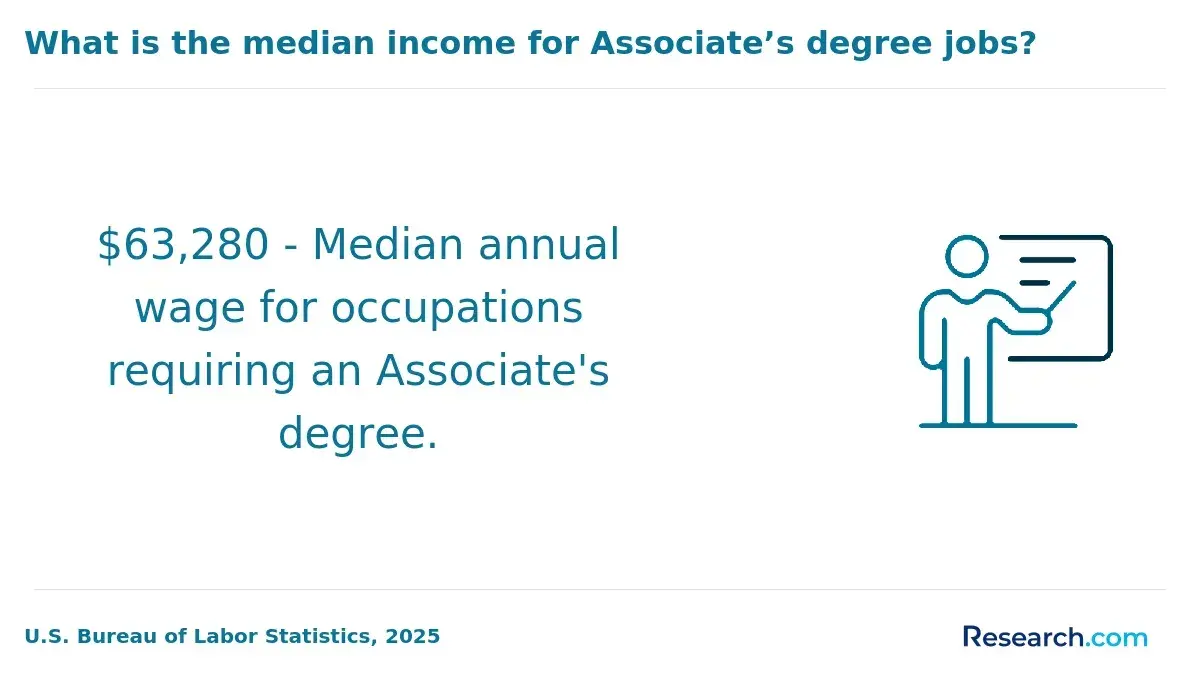
- Associate Degree in Real Estate: Entry-level roles like leasing consultant or assistant property manager usually require only an associate degree. Salaries typically range from $34,000 to $65,000 annually, varying by employer, location, and specific job duties. While this degree offers a quick path into the field, long-term earnings are often limited without further education or licensure.
- Bachelor's Degree in Real Estate: A bachelor's degree grants access to higher-paying positions such as real estate broker, property manager, or acquisitions analyst. Starting salaries usually range between $55,000 and $85,000, with experienced professionals earning six figures, especially in commercial real estate or urban markets. Over time, this degree often leads to management roles with significantly increased earning potential.
- Master's Degree in Real Estate (or Related Fields): Graduate degrees are common among executives, developers, and investment professionals. Entry salaries for positions like real estate development analyst or asset manager range from $75,000 to $150,000. Senior leaders, including managing directors, may earn between $250,000 and $900,000 or more, factoring in bonuses and incentives.
- Juris Doctor (JD) or MBA with Real Estate Focus: Specialized degrees such as a JD for real estate attorneys or an MBA with a real estate concentration often command some of the highest salaries in the industry. Real estate attorneys average about $166,000 annually, while senior executives with MBAs frequently exceed $200,000, particularly in corporate or institutional settings. These credentials enable specialization in complex transactions and legal matters, further boosting earning potential.
In considering these options, it's also wise to explore opportunities through low tuition online colleges that offer real estate programs, helping to minimize education costs while maximizing return on investment.
Is There High Demand for Real Estate Degree Holders in the Job Market?
There is steady but regionally variable demand for real estate degree holders in the current U.S. job market, influenced by several evolving factors. Emerging technologies and demographic shifts are reshaping sectors like healthcare, industrial real estate, and logistics, driving growth in distribution centers and warehouses fueled by e-commerce expansion.
The rise of hybrid work models, particularly in the technology sector, is stimulating urban redevelopment and increasing the need for specialized property management skills. Commercial real estate roles such as logistics planning, supply chain management, and asset management are particularly sought after in major metro areas and on the West Coast.
Additionally, the growth of data centers and renewable energy infrastructure is creating niche opportunities for graduates knowledgeable in site selection, environmental regulations, and sustainable building practices. These evolving dynamics require real estate professionals to adapt to new market demands shaped by technology and sustainability trends.
Workforce needs also continue to evolve with a strong emphasis on market knowledge, negotiation abilities, and proficiency in complex transaction management, despite automation influencing some industry functions.
Employment projections by the U.S. Bureau of Labor Statistics estimate a 3% growth for real estate brokers and sales agents between 2024 and 2034, matching the average across all occupations.
However, regional differences significantly impact job availability, with states such as Texas, Florida, and Arizona experiencing above-average demand linked to rapid population growth and construction activity. Specialization in areas like luxury properties, green building, and investment real estate enhances job prospects and salary potential.
For prospective students evaluating educational pathways, consulting resources listing the most affordable online colleges for working students can guide decisions on balancing quality and cost. Overall, graduates equipped with specialized skills and regional flexibility will encounter the strongest opportunities entering the real estate workforce.
What Factors Should You Consider When Picking a Type of Real Estate Degree?
Choosing the right degree level in real estate is a critical decision that directly impacts your career trajectory and aligns your education with your long-term goals and personal circumstances. The degree you pursue will influence your knowledge base, job opportunities, and earning potential. To make an informed choice, consider the following key factors:
- Career Goals: Your desired role in the real estate industry should guide your degree choice. Entry-level jobs like real estate agent or property manager might only require an associate degree, while specialized or leadership positions often demand a bachelor's or master's degree focused on areas such as development or investment analysis.
- Time Commitment: Degree programs differ in duration, with associate degrees typically taking two years, bachelor's four years, and master's one to two years beyond that. Evaluate how much time you can realistically dedicate, especially if you plan to balance work and study.
- Cost and Return on Investment: Higher degree levels usually come with increased tuition costs but can lead to higher salaries and better job prospects. Research salary trends for degree holders to ensure your investment aligns with your financial goals.
- Industry Requirements and Advancement: While a college degree is not always mandatory for real estate licensing, many employers prefer candidates with a bachelor's degree for complex or commercial roles. Advanced degrees are often essential for senior or specialized positions.
- Program Specialization: Some degrees offer focused tracks like real estate finance, property management, or market analysis. Select a program that matches your specific interests and the niche you wish to enter.
- Flexibility and Learning Format: Consider whether part-time, online, or accelerated programs are available to accommodate your schedule. Flexible options are advantageous for working professionals seeking advancement without pausing their careers.
What Real Estate Graduates Say About Their Degree and Salary
- Carlos: "After earning my associate degree in real estate sales, I felt ready to jump into the market with real hands-on experience and certification that boosted my credibility with clients. Having this foundation meant I could build a trusted brokerage from the ground up, emphasizing personalized service and long-term relationships. The journey expanded my confidence and sparked a passion for mentoring newcomers in the industry. It's fulfilling to know my work helps families find homes and build communities."
- Leila: "Finishing my Master's in real estate finance was challenging but incredibly rewarding. It deepened my analytical skills and helped me understand complex investment strategies, which has been crucial in my role as an asset manager. The program's rigorous curriculum prepared me for a fast-paced industry and gave me a network of peers who continue to inspire professional growth. Reflecting on this journey, I feel proud to contribute expertise that drives smart and responsible property investments."
- Karl: "Completing my Bachelor's in real estate development opened doors I never imagined, especially in commercial property management. The practical knowledge I gained helped me secure a role right after graduation where I lead leasing negotiations and oversee large-scale projects. What I love most is seeing how smart development can transform neighborhoods and improve communities. This degree truly gave me the tools and confidence to build a career that positively impacts others."
Other Things You Should Know About Real Estate Degree Programs & Salaries
In 2027, the type of real estate degree significantly affects starting salaries. A bachelor's degree in Real Estate may yield a starting salary of around $50,000, while a master's degree can lead to salaries upwards of $70,000, depending on specialization and market demand.
In 2027, real estate degree graduates can expect an average starting salary ranging between $55,000 and $75,000. This range can vary based on the specific degree type, institution, and initial job role within the real estate industry. Some specialized degrees may lead to higher starting salaries.
References
- How Credible Are Online Degrees? And are they worth it? https://potomac.edu/are-online-degrees-taken-seriously-by-employers/
- Real Estate Career Guide (Roles, Degree Options & Licensing) https://www.allbusinessschools.com/real-estate/
- How Long Does It Take to Get a Real Estate License? (Complete Timeline Guide) — Carol Klein https://www.carolkleinwnyhomes.com/blog/how-long-does-it-take-to-get-a-real-estate-license
- Accelerated MBA Program in Real Estate Development (AMBA-RED) https://gradschool.alfaisal.edu/mba-real-estate
- Accelerated Master’s in Real Estate, MSRE https://www.roosevelt.edu/programs/accelerated-masters-real-estate-msre
- +1 Master’s in Real Estate | Cornell Dept. of Real Estate - Department of Real Estate at Cornell https://realestate.cornell.edu/programs/baker/undergrad-plus-1/
- 10 Questions to Ask When Picking a Real Estate School http://www.savannahrealestateschool.com/blog/10-questions-to-ask-when-picking-a-real-estate-school
- The Cost of Getting A Real Estate License Vs Going to College https://www.aceableagent.com/career-center/national/cost-getting-real-estate-license-vs-going-college/
- What to look for when comparing different master’s degrees in real estate https://business.fiu.edu/academics/graduate/insights/posts/the-state-of-real-estate-and-real-estate-trend-predictions1.html
- Deep Dive: Careers in Commercial Real Estate (Updated Nov 2025) https://www.adventuresincre.com/careers-in-real-estate/


