
2027 Is Demand for Real Estate Degree Graduates Growing or Declining?

Co-Founder and Chief Data Scientist
Recent graduates with a real estate degree often face uncertainty about job availability amid fluctuating market conditions. For instance, a 2023 Bureau of Labor Statistics report projects a 4% employment growth in real estate occupations over the next decade, slightly below the average for all industries. This scenario highlights concerns over whether investing time and resources in a real estate degree translates into reliable career opportunities.
Understanding these trends is crucial for students evaluating their educational paths. This article examines current demand patterns for real estate degree holders and offers insights to help readers make informed decisions about their futures.
Key Things to Know About the Demand for Real Estate Degree Graduates
- Employment for real estate degree graduates is steadily growing, with a 7% projected increase in jobs over the next decade, driven by housing market expansions and urban development.
- Specializations such as property management and real estate finance offer enhanced job stability amid fluctuating market demands and technological advancements.
- Industry shifts toward sustainable building and digital platforms are reshaping career opportunities, requiring graduates to adapt skills for long-term success.
What Factors Are Driving Demand for Real Estate Degree Professionals?
Recognizing the forces behind workforce demand enables prospective students to better evaluate the long-term value and stability of a real estate degree. Several key factors currently shape employment trends and hiring needs for graduates in this field.
- Industry Growth: Expansion in commercial and residential property development, particularly in urban centers, fosters continual demand for experts in market analysis, property management, and investment strategy. This sustained growth encourages steady recruitment of qualified professionals.
- Technological Advancement: Innovations such as virtual tours, property data analytics, and blockchain for transactions require real estate professionals to be digitally proficient. Employers increasingly prioritize candidates who can leverage these tools effectively in a fast-evolving market.
- Regulatory Changes: Evolving housing affordability programs and zoning reforms create new advisory and compliance opportunities. Navigating these complex policies calls for specialized knowledge, highlighting the impact of accreditation on real estate program quality to ensure graduates are well-prepared.
- Demographic Shifts: Trends like aging populations and migration affect housing and commercial property demand. Professionals with insight into these changes can provide critical guidance to clients and stakeholders, supporting employment stability.
Given the increasing emphasis on skills and credentials, accreditation importance for real estate degree programs cannot be overstated. For those considering further education pathways, exploring online EdD programs may offer valuable options for advancing expertise.
Which Real Estate Occupations Are Seeing the Highest Growth Rates?
Growth rates serve as critical indicators for students assessing career options in real estate, providing insight into future job availability and market stability. The U.S. Bureau of Labor Statistics forecasts an average employment growth rate of 5% from 2022 to 2032 across various sectors, which helps contextualize the opportunities within the industry. Considering these trends, here are some of the fastest growing real estate jobs in the United States.
- Real Estate Agents and Brokers: Projected to grow 4%-7%, driven by rising housing demand and urban development. This career typically requires a state license to practice professionally.
- Property Managers: Expected to expand at about 5%, reflecting the increasing need for efficient management of residential and commercial properties. Many positions require at least a bachelor's degree.
- Commercial Real Estate Appraisers and Assessors: Growth around 6% is fueled by the expanding commercial property market and stricter regulatory requirements for accurate valuation. Certification is usually necessary.
- Real Estate Analysts: With growth estimates exceeding 8%, these roles leverage technology and data analysis to support investment decisions, often requiring a bachelor's degree. Their rise highlights a shift toward data-driven real estate strategies.
Students interested in real estate careers may also benefit from exploring related educational opportunities like online engineering programs that enhance analytical and technical skills applicable to the sector. Regional differences further influence the top real estate career opportunities by region, so considering local market dynamics is equally important when making career decisions.
Which Industries Hire the Most Real Estate Degree Graduates?
Knowing which sectors employ the largest number of real estate degree graduates can help students better focus their job search and understand the stability of available roles. Several key industries consistently seek these graduates for their specialized skills and knowledge. Here are some of the primary fields that hire real estate degree holders:
- Construction and Development: Graduates in this sector often fill positions like project managers, development analysts, and property developers. They apply expertise in market trends, financial assessment, and legal regulations, all of which are central to a real estate curriculum.
- Finance and Investment: Many real estate graduates become real estate analysts, investment managers, or asset managers. These roles emphasize strong financial modeling abilities and property valuation knowledge, skills emphasized in real estate programs.
- Property Management: Employment opportunities abound in managing residential, commercial, or industrial assets, with roles such as property managers, leasing agents, and facilities coordinators. Their work ensures effective maintenance and operational optimization of properties.
- Government and Public Sector: Urban planners, zoning specialists, and housing policy advisors often hold real estate degrees. These professionals support community growth and public housing efforts by applying their knowledge in policy development and land use.
- Brokerage and Sales: Real estate brokerage firms hire graduates as brokers, sales agents, and consultants. Success in this environment depends on strong interpersonal skills and negotiation techniques, which are integral parts of real estate training.
How Do Real Estate Job Opportunities Vary by State or Region?
Job prospects for real estate degree holders differ widely across states and regions due to varying economic climates, population trends, and housing market conditions. These geographic elements directly shape the demand for real estate professionals. Key regional factors that influence employment opportunities include:
- High-Demand States: States like California, Texas, and Florida experience continual growth fueled by large populations and active property development, resulting in more job openings and often higher wages for real estate professionals.
- Regional Industry Clusters: Major metropolitan hubs such as New York City and Chicago concentrate roles in real estate finance, management, and brokerage, benefiting from dense commercial and residential projects.
- Urban vs. Rural Markets: Urban areas typically offer expansive career advancement and more real estate positions, whereas rural regions may have fewer openings with potentially less competition but limited growth.
- Cost Of Living Impact: Real estate markets in high-cost regions tend to be competitive, frequently leading to lucrative yet demanding work environments for those qualified in the field.
- Remote And Hybrid Work Trends: Advances in digital technology allow some roles like real estate consulting and analysis to be performed remotely, but positions such as property management remain location-dependent, emphasizing the ongoing importance of geography.
According to the U.S. Bureau of Labor Statistics, employment for real estate brokers and sales agents is expected to grow about 4% nationally between 2022 and 2032. However, this pace differs by local market conditions, making regional awareness crucial when planning a career path in real estate.
How Does Degree Level Affect Employability in Real Estate Fields?
Education level strongly influences job opportunities, career advancement, and competitiveness in real estate professions. Different degrees correspond to varying roles and expertise, affecting employability and career paths. Here is an overview of how each degree level impacts real estate careers:
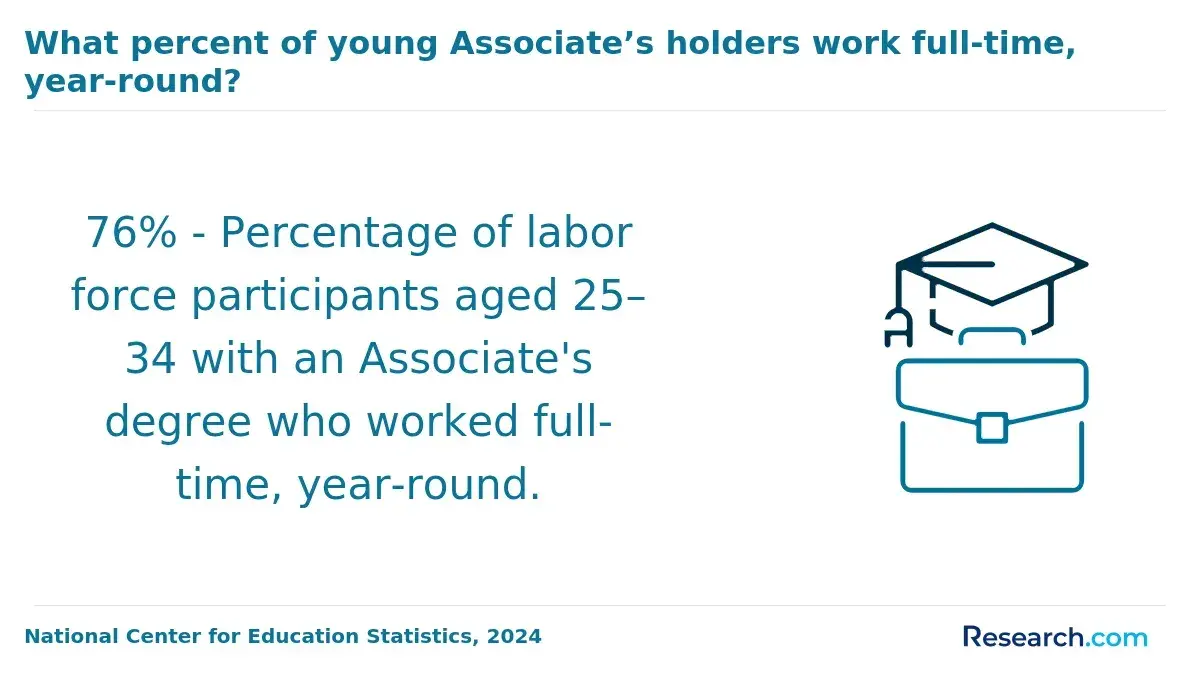
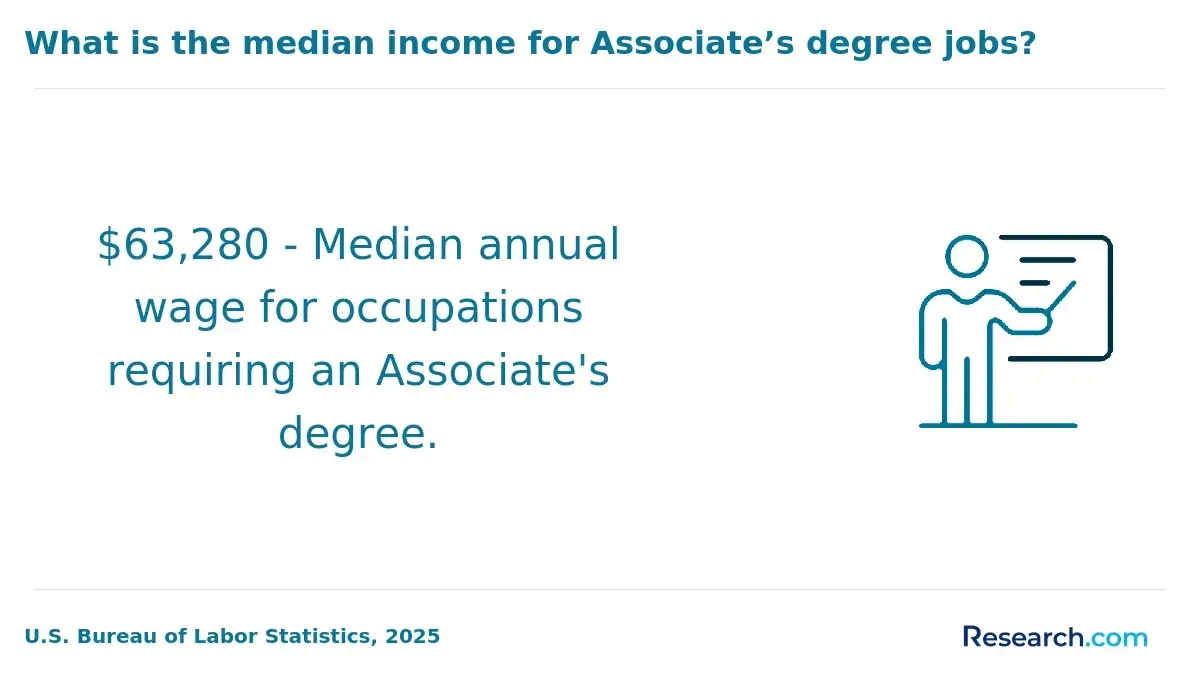
- Associate Degree: Typically serving as an entry point, this degree prepares graduates for roles like property management assistants or leasing agents. Employability is decent, but further progress may require additional qualifications.
- Bachelor's Degree: The most common credential among real estate professionals, it enables access to positions such as real estate agents, brokers, and analysts. Holding a bachelor's usually enhances earning potential and job competitiveness compared to an associate degree, a key factor in how degree level impacts employability in real estate careers.
- Master's Degree: Offering specialized expertise in areas like real estate development and finance, this degree suits those aiming for management, consultancy, or investment-focused roles. Obtaining an advanced real estate degree benefits for job opportunities by providing skills critical to leadership and specialized markets.
- Doctorate Degree: Rare and academic in nature, a doctorate often targets careers in research, policy analysis, or university-level teaching, opening unique, high-level consultancy paths within real estate.
Data from the U.S. Bureau of Labor Statistics shows professionals with a bachelor's degree achieve approximately 12% higher employment in specialized real estate roles than those with only an associate degree. For those seeking further advancement, exploring executive MBA programs online can be an effective next step.
What Skills Are Employers Seeking in Real Estate Graduates?
Knowing which skills employers value in real estate graduates is vital for those aiming to thrive in this competitive industry. These abilities help professionals manage complex deals and cultivate strong client relationships. Below are the primary skills that set candidates apart.
- Analytical Skills: Graduates must interpret market data, financial reports, and property valuations to guide strategic decisions. This ability supports accurate investment assessments and identifies emerging market opportunities.
- Communication Skills: Clear and effective interaction with clients, colleagues, and stakeholders is essential. Strong communication fosters trust, facilitates negotiations, and improves overall satisfaction in transactions.
- Legal Knowledge: A thorough grasp of real estate laws and regulations helps prevent compliance issues. Understanding legal frameworks reduces transaction risks and ensures smoother deal closures.
- Technological Competence: Mastery of industry-specific software and digital marketing platforms streamlines workflows and broadens outreach. Staying current with technology enhances efficiency and competitiveness.
- Problem-Solving Abilities: Navigating unforeseen challenges promptly is crucial in real estate. The capacity to find creative solutions boosts client confidence and maintains transaction momentum.
When speaking with a graduate of a real estate degree program about which skills employers seek, he shared how adapting to real-world pressures proved critical. "Early on, I faced a situation where unexpected zoning issues threatened to derail a deal," he recalled. "It required quick thinking, pulling from both my legal knowledge and negotiation skills to find a workable solution." He also mentioned the emotional weight of managing client expectations during such setbacks, emphasizing that resilience and empathy were as important as technical ability in earning employer trust and closing sales successfully.
How Does Job Demand Affect Real Estate Graduate Salaries?
Fluctuations in job demand directly shape starting salaries, wage progression, and long-term earning potential for real estate graduates as employers adjust compensation to attract or retain talent. For instance, the U.S. Bureau of Labor Statistics reports that the median annual wage for real estate brokers and sales agents increased by about 5% over five years, illustrating steady market demand. Below are key ways job demand impacts these salary trends.
- Starting Salary Adjustments: When the market demands more skilled professionals than supply, starting salaries rise due to competition among employers. Conversely, an oversupply of graduates tends to suppress entry-level wages.
- Bonuses and Commissions: In seller's markets with high activity, real estate professionals often benefit from increased bonuses and commissions, significantly enhancing total earnings above base pay.
- Job Stability and Benefits: High demand typically leads to greater job security and improved benefits packages as employers strive to retain qualified talent in a competitive environment.
- Career Advancement Opportunities: Sustained demand accelerates wage growth as graduates gain experience and secure higher-level roles; during downturns, promotions and salary increases may slow.
Supply and demand dynamics fundamentally govern salary levels in the real estate labor market. When skilled graduates are scarce, rising wages reflect employers' need to attract qualified professionals. These patterns help prospective students and professionals set realistic expectations about earning potential in relation to economic cycles.
How Is AI Changing Demand for Real Estate Professionals?
Advancements in artificial intelligence are transforming workforce demands within real estate, with nearly 70% of U.S. firms adopting AI tools by 2023. This shift is reshaping employment opportunities and skill expectations across the industry.
Key ways AI influences demand for real estate professionals include:
- Automation of Routine Tasks: AI handles repetitive activities like data entry, market research, and contract management, reducing the need for purely transactional roles. This automation allows professionals to focus on more strategic responsibilities.
- Specialized AI Roles: New positions are emerging that require interpreting AI-generated analytics, managing virtual tours, and leveraging augmented reality, blending real estate expertise with technical skills.
- Emphasis on Tech Proficiency: Employers increasingly seek candidates with strong analytical abilities and familiarity with AI tools, enhancing job security for graduates who develop hybrid competencies.
- Hiring Preferences Shift: Companies favor professionals who collaborate effectively with AI systems rather than competing against them, improving long-term career prospects for those adaptable to technological integration.
When I spoke with a recent real estate degree graduate about these changes, she described her transition as challenging but rewarding. Initially overwhelmed by the need to learn AI platforms alongside traditional realty knowledge, she found that embracing technology expanded her role beyond sales and client relations. "It wasn't just about closing deals anymore," she said, "but about understanding data trends and using virtual tools to enhance client experiences." Her positive outlook reflects how adapting to AI is becoming essential for real estate professionals who want to thrive in today's evolving market.
Is Real Estate Considered a Stable Long-Term Career?
Long-term career stability is vital for students and professionals evaluating real estate career paths because it ensures sustained employment and growth potential in a competitive job market. Several key factors influence whether real estate offers such stability over time.
- Long-Term Employment Trends: The job outlook for real estate degree graduates is shaped by economic cycles, which cause fluctuations in demand. Still, the ongoing need for housing, commercial spaces, and property management promotes steady opportunities despite periodic slowdowns.
- Industry Reliance: Real estate is essential across numerous sectors including construction, finance, and urban development. This interconnectedness guarantees a consistent requirement for professionals skilled in property markets, zoning regulations, and investment analysis, enhancing career durability.
- Adaptability to Change: Embracing technological advancements such as digital platforms, data analytics, and virtual tours increases resilience. Professionals who update their skills to keep pace with economic and tech changes improve their marketability and job security.
- Career Advancement: Real estate offers diverse pathways from sales and brokerage to property management and development. Continuous learning, reskilling, and credentialing support long-term stability by allowing shifts within the field as market demands evolve.
Students interested in long-term career prospects in real estate may also explore related educational opportunities, including fully funded EdD programs online, to enhance their qualifications and adaptability.
Is a Real Estate Degree Worth It Given the Current Job Demand?
The demand for real estate degree graduates in the U.S. labor market shows moderate growth influenced by economic cycles, regional development, and housing market shifts. Employment for real estate brokers and sales agents is projected to grow at an average rate compared to other occupations over the next decade. This steady growth suggests consistent opportunities, though competition remains strong due to the appeal of the field and its cyclical nature.
Real estate employment growth by region varies, with some areas experiencing higher demand driven by urban development and commercial real estate trends. The value of a real estate degree in today's job market depends on degree level, skill alignment, and industry needs. Bachelor's degrees provide fundamental knowledge, while advanced degrees open pathways to specialized roles in investment and development.
Graduates who combine their education with relevant experience, certifications such as a real estate license, or advanced insights in finance tend to improve their career prospects. Students considering their options might also explore an associate's degree as a foundational step before pursuing higher qualifications in real estate.
What Graduates Say About the Demand for Their Real Estate Degree
- Vance: "Pursuing a real estate degree was one of the best decisions I ever made. The knowledge and skills I gained have provided a solid return on investment, allowing me to confidently navigate complex property transactions. Since graduating, my career has accelerated rapidly, and I now manage several successful developments. "
- Aileen: "The choice to earn a real estate degree came after much reflection about my professional goals. I wanted a clear path to enter the industry with credibility, and this degree delivered that and more. It's been invaluable in opening doors and establishing lasting client relationships."
- Chiara: "My real estate degree equipped me with practical expertise that transformed the way I approach my work. The ROI has been evident not only in financial rewards but also in the respect I've earned from colleagues. This credential truly elevated my professional standing and expanded my opportunities."
Other Things You Should Know About Real Estate Degrees
Yes, regulatory changes can influence demand, especially in areas like property management, appraisal, and brokerage. Real estate graduates well-versed in compliance, fair housing laws, and environmental regulations are increasingly sought after. States often mandate ongoing education to maintain licenses, which encourages continual demand for knowledgeable professionals.
Hands-on experience such as internships or real estate assistant roles is crucial for building practical skills and industry connections. Many employers prefer candidates who have completed internships or have supported real estate transactions under supervision. Practical experience enhances understanding of client relations, negotiation, and transaction processes, complementing academic knowledge.
Real estate markets can fluctuate due to economic cycles, affecting hiring trends and job stability. Graduates entering the field should be prepared for periods of slower activity, especially during downturns or shifts in interest rates. Diversifying skills within real estate and related sectors can improve resilience to market changes and support long-term career stability.
References
- The Top Real Estate Skills That Every Employer Is Looking For https://www.macdonaldandcompany.com/blog/real-estate-skills-every-recruiter-looking-for/
- Global Trends and Talent Implications in Real Estate: 2023 https://www.russellreynolds.com/en/insights/articles/global-trends-and-talent-implications-in-real-estate-2023
- Top 15 Highest Paying Real Estate Careers in the UK (2025 Salary Guide) https://apexlearning.org.uk/highest-paying-real-estate-jobs-uk-2025/
- What’s Behind the Rising Demand for Skilled Property Managers Globally? https://www.wealthmanagement.com/real-estate/what-s-behind-the-rising-demand-for-skilled-property-managers-globally-
- 10 Reasons Why Real Estate is a Good Career For You | Colibri Real Estate https://www.colibrirealestate.com/career-hub/blog/10-reasons-why-real-estate-is-a-good-career/
- Best US States to Become a Real Estate Agent in 2024 https://aihomedesign.com/blog/real-estate/best-places-to-be-a-real-estate-agent/
- Top 10 Real Estate Jobs: Best-Paying Careers in Real Estate https://goldcoastschools.com/news/10-real-estate-careers/
- The skills needed in real estate in 2024 - Cobalt Recruitment https://www.cobaltrecruitment.co.uk/blog/the-skills-needed-in-real-estate-in-2024-175
- Recent Posts https://schoolofestate.com/blog/150/top-skills-employers-look-for-in-real-estate-professionals-today
- Key Aspects of Property Graduates Employability in the Digital Age: Perceptions of Employers and Graduates https://www.prres.org/volume29-2024/key-aspects-of-property-graduates-employability-in-the-digital-age-perceptions-of-employers-and-graduates


