
2027 Different Types of Behavioral Health Science Bachelor's Degrees: Specializations, Careers, and Salaries

Co-Founder and Chief Data Scientist
Imagine a student uncertain about which behavioral health science specialization aligns best with their passion and job market demands. With the behavioral health field growing rapidly, employment for related bachelor's degree holders is projected to increase by 13% through 2031, reflecting expanding career opportunities. Choosing the right specialization can impact job satisfaction and earning potential significantly.
This article explores various behavioral health science bachelor's degree specializations, their associated career paths, and salary expectations, helping prospective students make informed decisions for a successful future in this evolving industry.
Key Things to Know About Different Types of Behavioral Health Science Bachelor's Degrees
- Behavioral health science bachelor's degrees often specialize in areas like addiction counseling, mental health, or social work, tailoring skills for varied therapeutic and support roles.
- Graduates typically pursue careers as counselors, case managers, or community outreach coordinators, with roles dependent on specialization and state certification requirements.
- Average salaries range from $40,000 to $60,000 annually, influenced by specialization, geographic location, and experience, with mental health fields showing steady employment growth.
What Are the Different Types of Behavioral Health Science Bachelor's Degrees?
Behavioral health science bachelor's degrees come in several program formats tailored to fit different student needs regarding structure, pacing, and delivery methods. Over 30% of students pursuing these degrees now opt for online formats, highlighting the growing demand for flexible learning options. These various formats influence how students experience their studies and manage their time.
The diversity of program offerings is especially relevant when exploring behavioral health science degree specializations, as different formats can support different learning styles and career goals. The following list outlines common types of bachelor's degree programs in this field.
- Traditional: This four-year, on-campus program features in-person classes and a set schedule, suitable for students who value face-to-face interaction with instructors and peers.
- Online: Fully remote and flexible in pacing, these programs accommodate working adults and those with family commitments, allowing students to study from anywhere and often on their own schedule.
- Hybrid: Combining online coursework with some required campus attendance, hybrid programs offer a balance between flexibility and direct engagement, appealing to students seeking both options.
- Accelerated: Designed for faster completion through intensive coursework or year-round classes, this format is ideal for highly motivated students eager to enter the workforce sooner. Those interested in quick pathways might also explore programs like the fastest medical assistant program.
- Part-time: With a reduced course load and extended timeline, part-time programs help students balance education alongside work or other responsibilities over a longer period.
What Specializations Are Available in a Behavioral Health Science Bachelor's Degree?
Behavioral health science bachelor's degree programs frequently include a variety of specializations, allowing students to concentrate on distinct facets of mental health and human behavior. Recent data shows that nearly 60% of students in behavioral health science choose specialized tracks to deepen their expertise. These options help students develop targeted skills needed for addressing specific challenges within the field.
Exploring these specializations provides students with academic and practical experience in focused areas, enhancing their readiness for graduate studies or professional roles. When considering admission requirements for online behavioral health science master's programs for non-majors, having a relevant specialization can be beneficial. Below are some common specializations available:
- Addiction Studies: Focuses on understanding substance use disorders and behavioral addictions, equipping students with prevention, treatment, and recovery skills necessary to support affected individuals.
- Mental Health Counseling: Centers on psychological assessment and intervention techniques, preparing students to work with diverse mental health conditions through therapeutic approaches and counseling methods.
- Child and Adolescent Behavioral Health: Emphasizes developmental psychology and behavioral issues in younger populations, with coursework on family dynamics, early intervention, and educational supports.
- Geriatric Behavioral Health: Addresses mental health concerns in older adults, including cognitive aging and chronic condition management, promoting emotional well-being in elderly populations.
- Health Promotion and Wellness: Focuses on preventive health practices and community wellness programs, teaching students how to design initiatives that encourage healthy behaviors across different groups.
For non-majors applying to online behavioral health science graduate degrees, completing a bachelor's with specialization can provide a strong foundation. Additionally, students interested in healthcare leadership pathways may explore an online healthcare administration degree to complement their behavioral health expertise.
2026 Update: Check Credential and Fieldwork Readiness Before Choosing a Track
This 2026 refresh adds a practical checkpoint for students comparing behavioral health science bachelor’s degrees: how well each program prepares them for supervised practice, certifications, or future graduate study.
- Whether the curriculum includes required practicum, internship, or service-learning hours.
- If placements are available in settings that match your goal, such as addiction services, case management, youth programs, or community mental health.
- Whether the program explains state-specific requirements for roles that involve client contact.
- If coursework supports common next steps, including graduate counseling, social work, psychology, or public health programs.
- Whether background checks, immunizations, transportation, or evening/weekend availability are needed for field placements.
- If academic advising helps students choose electives aligned with intended credentials or populations served.
Reviewing these details early helps students avoid surprises and choose a specialization that fits both their career interests and the requirements of real behavioral health workplaces.
What Entry-Level Jobs Can I Get With a Behavioral Health Science Bachelor's Degree?
A bachelor's degree in behavioral health science equips graduates for a range of entry-level roles that contribute to mental health support, addiction recovery, and community wellness. Employment data shows nearly 70% of new behavioral health science graduates secure relevant positions within 12 months, reflecting steady demand for these skills. Below are several typical jobs available to recent graduates in this field.
- Mental Health Technician: Assists patients with daily routines in clinical or residential settings, fostering skills in patient care, emergency response, and behavioral observation.
- Case Manager Assistant: Helps coordinate client services, organize records, and communicate between healthcare teams, building abilities in administration and client support.
- Behavioral Health Specialist: Supports treatment plan implementation and monitors client progress while educating clients on coping mechanisms, enhancing therapeutic knowledge and data analysis.
- Substance Abuse Counselor Trainee: Works under supervision to counsel individuals facing addiction, developing skills in active listening, motivational techniques, and relapse prevention.
- Community Outreach Coordinator: Promotes behavioral health programs within communities, requiring skills in communication, planning, and public engagement.
When asked about early career challenges, a professional with a behavioral health science bachelor's degree shared that entering the workforce involved balancing compassion with practical case management. "It took time to learn how to maintain empathy while handling the administrative duties and high caseloads," he explained. Navigating diverse client needs and cooperating with multidisciplinary teams was initially overwhelming but gradually rewarding. He emphasized that hands-on experience in entry-level roles is essential for building confidence and clarity about long-term career goals within the behavioral health sector.
What Industries Pay the Most for Behavioral Health Science Graduates?
Behavioral health science graduates often receive higher salaries in fields that rely heavily on specialized expertise and the ability to manage complex mental health needs. Data shows that sectors like healthcare, government, and private corporations provide some of the highest paying industries for behavioral health science degrees. Below is an overview of these industries and the types of roles and skills they emphasize.
- Healthcare: Graduates frequently work as case managers, mental health technicians, or community support specialists. Their duties focus on patient assessment, crisis intervention, and treatment planning, requiring a mix of clinical knowledge and strong interpersonal skills.
- Government: Positions include social services coordinators, probation officers, and public health administrators. Skills in policy implementation, advocacy, and resource management are vital, with the sector offering stable employment and benefits reflecting the responsibility of managing mental health programs.
- Private Corporations: Roles such as behavioral health consultants and corporate wellness coordinators are common. These jobs demand expertise in behavioral assessment, program evaluation, and motivational strategies, often accompanied by performance-based pay.
For those exploring pathways in behavioral health science, understanding how salary varies by industry can inform career decisions. Many students also consider specialized training options, such as the shortest lpn program, to complement their bachelor's degree and boost career prospects.
What Is the Average Salary for Behavioral Health Science Bachelor's Degree Graduates?
Salaries for graduates with a bachelor's degree in behavioral health science fluctuate based on factors such as industry setting, geographic location, and professional experience. Early-career professionals in this field often earn between $40,000 and $50,000 annually, with a median starting wage near $45,000 for entry-level roles. Several key elements further shape these earning patterns.
- Experience and Tenure: As individuals accumulate years in the field, especially in supervisory or specialized positions, their income tends to rise correspondingly.
- Industry Environment: Behavioral health science graduates employed by hospitals or government entities generally receive higher compensation than those working for nonprofits or community organizations.
- Geographic Influence: Salaries are often more competitive in urban centers or states where demand for behavioral health services is robust, reflecting regional cost of living and funding differences.
- Certification and Training: Pursuing additional licenses or specialized credentials can open doors to better-paying opportunities and roles with greater responsibility.
- Role and Responsibility: Income varies based on job duties, with tasks like case management, counseling, or program coordination often linked to different pay scales depending on scope.
When asked about her experience entering the workforce, a behavioral health science graduate reflected on the challenges of transitioning from academia to employment. She noted, "The hardest part was translating my degree knowledge into practical skills that employers value." Navigating certification requirements and finding positions that matched her interests took patience but ultimately led to promising roles. She found that adaptability and ongoing professional development were crucial to progressing beyond entry-level pay. Her journey highlights how persistence and continual learning can positively influence career trajectory and salary prospects.
How Do Salaries Compare Across Behavioral Health Science Specializations?
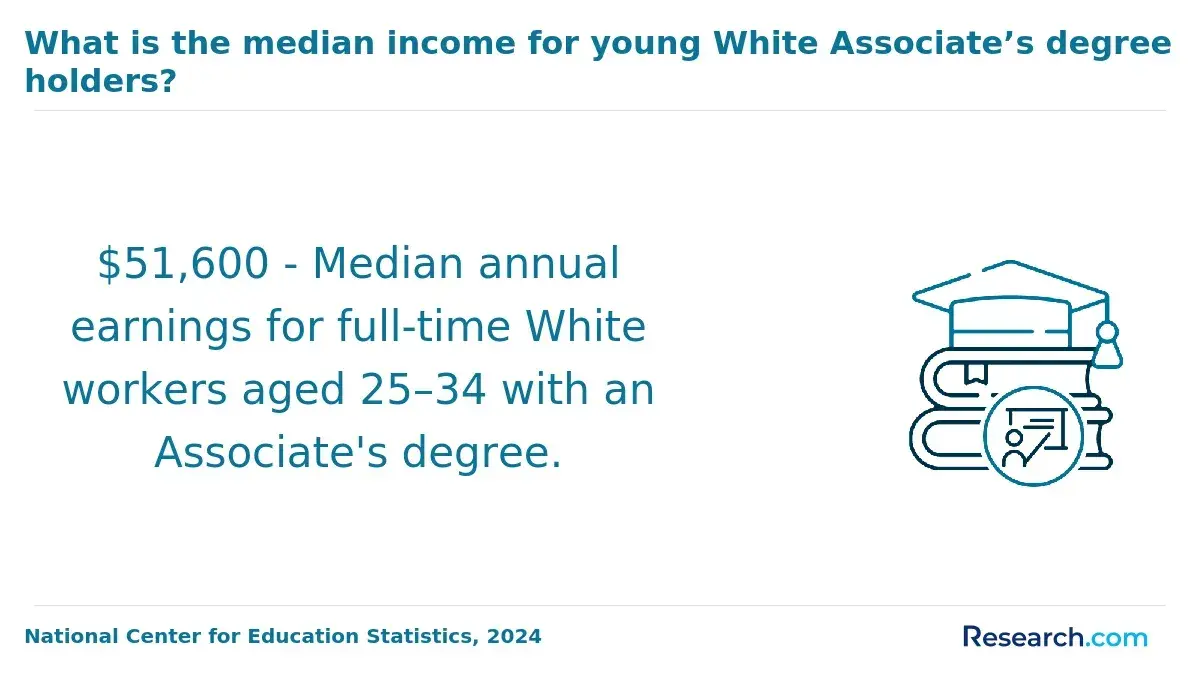
Income levels within behavioral health science can differ widely depending on the area of focus. For instance, mental health counselors typically earn a median annual income near $48,000, while social and community service managers, who often share similar educational backgrounds, see median wages closer to $69,600. This highlights the significant pay variation that stems from selecting distinct career pathways within the field.
Several elements influence these salary disparities, including the skills demanded by each role and industry needs. Positions requiring advanced clinical expertise or leadership responsibilities often come with higher compensation. Additionally, salary levels reflect whether the work involves direct client care, administrative functions, or program management. Geographic factors and licensure requirements also affect earnings, with some specializations offering clearer routes to higher-paying leadership or specialized clinical roles.
Are Salaries Different for Online vs On-Campus Behavioral Health Science Graduates?
Online and on-campus behavioral health science bachelor's degree programs generally provide comparable core coursework, including psychology, counseling techniques, and ethics, ensuring graduates develop similar foundational skills. Employer attitudes have shifted, with many recognizing accredited online degrees as equivalent to traditional ones, particularly from reputable programs. However, some employers may still prefer on-campus graduates due to perceived advantages in hands-on experience and networking. A 2021 survey by the National Education Association found the median starting salary for bachelor's degree holders in behavioral health fields was around $45,000, with less than a 5% difference between online and on-campus graduates when accounting for experience and region.
Factors influencing salary variations often relate more to practical experience and professional connections than degree delivery mode. On-campus students tend to have easier access to internships, labs, and face-to-face mentorship, which can improve job readiness and initial earnings. Online students need to be proactive in finding equivalent fieldwork opportunities, which may affect early career progression. Additionally, networking through direct peer and faculty interaction in in-person programs can lead to stronger professional relationships, positively impacting career growth and salary negotiation. Geographic location, specialization within behavioral health science, and sector demand also play significant roles in salary outcomes.
Do Costs Vary Across Behavioral Health Science Bachelor's Degree Programs?
Tuition and fees for behavioral health science bachelor's degree programs can vary widely, with annual costs ranging from about $10,000 at public institutions to more than $35,000 at private colleges. These differences reflect several important cost factors prospective students should consider when comparing programs.
Key factors influencing the cost variations include:
- Public vs. Private Institutions: Public universities typically offer lower tuition for in-state students, while private colleges usually charge higher rates regardless of residency, significantly affecting overall expenses.
- Program Format: Online degrees may provide more affordable options due to reduced campus fees, but additional technology or course fees might apply, partially offsetting savings found in traditional on-campus programs.
- Program Length and Credits: Longer programs requiring more credits often result in higher tuition costs. Accelerated bachelor's degrees may have higher per-credit fees but save money by shortening total study time.
- Geographic Location: Institutions in regions with higher living costs often have elevated tuition and fees, reflecting the increased operational expenses in those areas.
- Specialization Fees: Behavioral health science programs with significant clinical or practicum components may include extra fees for placements or materials, unlike research-focused programs that often have fewer additional costs.
Considering these factors is essential for understanding behavioral health science bachelor's degree tuition differences. For students exploring various paths, including understanding cost comparison of behavioral health science programs, it's also valuable to look into program accreditation standards such as cahme accreditation for mha programs, which can influence program quality and outcomes.
What Financial Aid Options Are Available for Behavioral Health Science Students?
Students pursuing a behavioral health science bachelor's degree can access a variety of financial aid resources to help cover tuition and related expenses. Nearly 85% of undergraduate students receive some form of financial aid, underscoring the widespread availability of these options. The following outlines key financial aid types commonly utilized by students in this field.
- Federal Grants: These funds, such as the Pell Grant, are awarded based on financial need and do not require repayment, significantly reducing tuition costs for eligible students.
- Student Loans: Federal student loans provide low-interest rates and flexible repayment plans, offering a manageable way to finance a degree in behavioral health science without immediate financial pressure.
- Scholarships: Scholarships awarded by organizations, nonprofits, and professional associations specific to behavioral health science students are competitive but offer essential aid without repayment obligations.
- Work-Study Programs: These programs enable students to earn money through part-time work on or near campus, simultaneously gaining relevant experience and easing financial burdens.
- State and Institutional Aid: Additional support may come from state grants or institutional scholarships that vary by location and college. Early consultation with a school's financial aid office is key to maximizing available resources.
Prospective students interested in advancing further might explore the fastest pmhnp program to continue their education after completing a behavioral health science degree.
By combining scholarships and grants for behavioral health science students with other aid options, learners can better manage educational costs while preparing for rewarding career paths.
What Factors Should I Consider When Selecting a Behavioral Health Science Degree?
Choosing an appropriate behavioral health science bachelor's degree involves weighing several academic and personal factors to find a suitable match. About 35% of behavioral science students rate program flexibility as a critical aspect in their selection process. Consider the following key points when making your decision.
- Academic Interests: Identify which areas-like psychology, social work, or substance abuse counseling-spark your enthusiasm. Focusing on fields you are genuinely curious about tends to boost motivation and academic performance.
- Specialization Options: Look for programs offering focused tracks such as child and adolescent behavioral health or community health promotion. These allow you to develop targeted skills relevant to specific career paths.
- Program Format: Evaluate whether online, in-person, or hybrid classes fit your lifestyle. Flexibility in scheduling is often crucial for students balancing other commitments.
- Career Alignment: Ensure the curriculum prepares you either for entry-level roles or for continuing education like graduate degrees. Understanding how degrees translate to job opportunities and salaries helps set clear expectations.
- Long-Term Goals: Reflect on your future professional impact and lifestyle. Choose programs that support these ambitions through relevant coursework, internships, or networking.
What Graduates Say About Different Types of Behavioral Health Science Bachelor's Degrees
- Robert: "Choosing a behavioral health science bachelor's degree specialization was a turning point for me because it combined my passion for psychology with practical care strategies. This program gave me the tools to confidently enter the mental health field and immediately apply evidence-based techniques. Since graduating, I've experienced significant salary growth and opportunities for advancement that I hadn't anticipated before starting the degree."
- Case: "Reflecting on my decision to pursue a behavioral health science bachelor's degree, I can say it truly shaped my understanding of diverse mental health challenges. The curriculum's focus on real-world application helped me secure a meaningful role in a community health organization right after graduation. Plus, the specialized training opened doors for salary increases and consistent career progression within just a few years."
- Sebastian: "My behavioral health science bachelor's degree was chosen mainly for its strong career pathways and relevance to counseling professions. It jumpstarted my career by providing hands-on experience and internship opportunities that employers highly value. The degree also made a clear impact on my salary trajectory, reflecting the growing demand for qualified behavioral health professionals."
Other Things You Should Know About Behavioral Health Science Degrees
In 2027, a behavioral health science degree provides foundational knowledge, but specific certifications or licensure typically require further specialized training or education, such as graduate degrees or additional certifications pertinent to the chosen field, such as counseling or social work.
In 2027, critical skills for success in behavioral health science careers include strong communication, empathy, analytical thinking, and problem-solving abilities. These competencies are essential for effectively assessing and addressing client needs, conducting research, and implementing treatment plans within various healthcare settings.
Behavioral health science graduates can pursue advanced degrees such as master's or doctoral programs in psychology, social work, counseling, or public health. These advanced degrees open doors to clinical roles, research positions, and academic careers that require higher qualifications. Continuing education also allows professionals to specialize further or improve credentials for supervisory and leadership positions.
References
- Bachelor of Behavioural Health Science BBHS https://www.unirank.org/guides/university-programs-courses/bachelor-of-behavioural-health-science/
- Bachelors Applied Science In Behavioral Healthcare Courses in USA https://timescoursefinder.com/courses/health-medicine/applied-science-in-behavioral-healthcare/undergraduate/bachelors/usa
- What Type of Behavioral Health Professional is Right for You? https://nyccbf.org/what-type-of-behavioral-health-professional-is-right-for-you/
- Mapping Your Career Path as a Behavioral Health Specialist - Jobya https://jobya.com/library/roles/p35rx50t/behavioral_health_specialist/articles/p35rx50t_career_path_behavioral_health_specialist
- Bachelor of Behavioral Healthcare (B.Sc) From University of South Florida https://unischolars.com/universities/usa/university-of-south-florida/courses/bachelor-behavioral-healthcare-bsc
- Wages for a person with a bachelor's degree in behavioral science? - Answers https://www.answers.com/education/Wages_for_a_person_with_a_bachelor%27s_degree_in_behavioral_science
- Behavioral Health Academic Scholarship Program https://scholarships.fazerparaaprender.am.gov.br/en/behavioral-health-academic-scholarship-program.html
- Understanding the Value of a Behavioral Health Degree https://www.worldwondersgardens.co.uk/blog/Understanding_the_Value_of_a_Behavioral_Health_Degree.html
- Health Sciences B.S., with Social and Behavioral Health Sciences... https://www.vps42584.inmotionhosting.com/coursedetails/usa/university-of-south-florida/health-sciences-b.s.,-with-social-and-behavioral-health-sciences-and-health-information-technology-concentration/MjU2NTk=/MTI3Ng==
- Behavioral Health Salary (Actual 2026 | Projected 2027) https://www.velvetjobs.com/salaries/behavioral-health-salary


