
2027 Different Types of Educational Studies Bachelor's Degrees: Specializations, Careers, and Salaries

Co-Founder and Chief Data Scientist
Choosing the right educational studies bachelor's degree can feel overwhelming when each specialization leads to vastly different career opportunities. For example, students interested in curriculum development may struggle to understand how their degree differs from those focusing on educational technology or counseling. With employment in the education sector projected to grow by 7% from 2022 to 2032 according to the U. S. Bureau of Labor Statistics, making an informed choice is critical.
This article clarifies the distinct specializations available within educational studies, outlines relevant career paths, and highlights potential salary outcomes to help prospective students make well-informed decisions.
Key Things to Know About Different Types of Educational Studies Bachelor's Degrees
- Educational studies degrees often specialize in early childhood, special education, or educational technology, each aligning with specific instructional roles or administrative careers.
- Graduates typically pursue careers as teachers, education coordinators, or curriculum developers, with many roles requiring state certification or additional training.
- Median salaries range from $45,000 to $60,000 annually, varying by specialization and geographic location, with special education roles often commanding higher pay.
What Are the Different Types of Educational Studies Bachelor's Degrees?
Educational studies bachelor's degrees are offered in various program formats tailored to accommodate different student needs, pacing, and delivery methods. According to the National Center for Education Statistics, over 35% of U.S. bachelor's degree students pursue online or hybrid formats, highlighting a strong preference for flexible learning options. These diverse formats aim to provide foundational knowledge of education theory and practice while fitting students' personal and professional lifestyles.
Choosing the right format depends on how students plan to balance their studies with work, family, or other commitments, as well as their preferred learning environment. Those exploring educational studies bachelor's degree specializations in the United States often find their options aligned with these delivery styles. Many also consider the types of educational studies undergraduate degrees and careers available, which correspond to these program choices.
- Traditional Programs: Campus-based and full-time, these programs operate on a semester schedule and feature in-person lectures and interactions. Students benefit from direct access to faculty, campus resources, and peers through on-site engagement.
- Accelerated Programs: These intensive formats shorten time to graduation by condensing coursework into faster-paced terms, often with heavier credit loads and fewer breaks. They suit students eager to enter the workforce quickly.
- Online Programs: Fully virtual, these programs offer maximum flexibility for remote learners, enabling study alongside work or family commitments. This format is especially favored for those seeking a fastest online degree.
- Hybrid Programs: Combining online coursework with some on-campus sessions, hybrid programs provide a mix of flexibility and face-to-face engagement, appealing to students wanting the best of both worlds.
What Specializations Are Available in a Educational Studies Bachelor's Degree?
Educational studies bachelor's programs frequently provide a variety of specializations to help students concentrate on specific interests within the broader field of education. Around 60% of institutions offering these degrees include multiple specialization options, demonstrating the growing importance of tailored expertise in education. These specializations guide students in developing targeted skills for careers in teaching, administration, policy, and community work. Below are some common specializations available.
- Curriculum and Instruction: This specialization emphasizes the development of educational materials and effective teaching strategies. Students learn to design lesson plans and adapt instruction to accommodate diverse learning needs.
- Educational Psychology: Focusing on how students learn and develop, this area explores theories of cognition, motivation, and behavior. It prepares students to support academic success and student well-being.
- Special Education: This path trains students in individualized instruction for learners with disabilities or special needs, along with understanding the legal frameworks involved.
- Educational Leadership and Administration: Preparing students for school management and policy roles, this specialization centers on leadership skills, organizational theory, and decision-making.
- Technology in Education: Concentrating on integrating digital tools, this area teaches how to enhance learning through educational technology and online platforms.
Students exploring admission requirements for online educational studies master's programs often find that choosing a relevant specialization during their bachelor's degree can align well with their future graduate studies. For individuals looking into online master's programs in educational studies for non-majors, having a focused undergraduate specialization provides beneficial foundational knowledge. To explore further educational pathways and options, learners can also review affordable online masters programs.
2026 Update: Field Experience and Licensure Alignment
For 2026, this update reviews how educational studies bachelor’s programs connect classroom learning with supervised practice, school partnerships, and licensure expectations, since not every educational studies degree leads directly to teacher certification.
- Whether the program is designed for teacher licensure, non-licensure careers, or both
- Required fieldwork, practicum, internship, or student-teaching hours
- Partnerships with local schools, nonprofits, tutoring centers, or education agencies
- State-specific licensure requirements if you plan to become a classroom teacher
- Support for background checks, placement approvals, and required exams
- How online students complete in-person field experiences near their location
Checking these details helps students avoid choosing a program that fits their interests but not their career requirements, especially if teaching credentials or hands-on experience will matter after graduation.
What Entry-Level Jobs Can I Get With a Educational Studies Bachelor's Degree?
A bachelor's degree in educational studies equips graduates for various entry-level roles in education and related areas. Data shows nearly 7 in 10 graduates secure employment within half a year after finishing their degree, highlighting the practical benefits of this qualification. These positions typically involve supporting learning environments and assisting educators in diverse settings.
Common entry-level opportunities include:
- Teacher Assistant: Provides support to lead teachers by helping with classroom activities, organizing materials, and offering personalized aid to students, fostering communication and management skills.
- Educational Program Coordinator: Involves organizing and executing community or nonprofit educational programs, allowing experience in planning, event management, and public outreach.
- Academic Advisor: Guides students through course selections and academic requirements, building skills in advising and interpersonal problem-solving.
- Curriculum Support Specialist: Collaborates with educators to adapt and improve instructional materials, gaining insight into curriculum design, technology use, and critical analysis.
- Youth Outreach Worker: Works with young individuals outside traditional classrooms to encourage learning and development, enhancing abilities in counseling and community engagement.
Reflecting on the question of entry-level jobs with a educational studies degree, a professional shared that the initial job search was more complex than expected, involving trial and error to find positions that matched his skills and interests. He noted, "It took persistence to discover roles where I could truly contribute and grow." Over time, the hands-on experience in supporting educational programs and students shaped his confidence and clarified pathways for future specialization. This firsthand perspective underscores how early career roles serve as important learning opportunities beyond formal education.
What Industries Pay the Most for Educational Studies Graduates?
Industries vary widely in how they compensate Educational Studies graduates, with certain sectors offering notably higher salaries. Data indicates that sectors focusing on specialized training and development tend to pay more, reflecting the demand for targeted skills and expertise. Below are three key industries where educational studies graduate salaries by industry often peak.
- Corporate Training: This sector employs graduates as instructional designers or trainers, responsible for crafting employee development programs. Emphasizing skills like curriculum planning, multimedia creation, and adult learning theories, corporate training positions typically command higher pay due to their direct impact on workforce productivity and business outcomes.
- Government Agencies: Graduates working in government usually engage in policy development, education program management, and research analysis. Roles such as policy analysts and outreach coordinators focus on data interpretation and education reform. These positions generally offer stable and sometimes above-average compensation, particularly within federal departments dedicated to workforce development.
- Healthcare Education: Professionals in this field design training for medical staff and create patient education initiatives. The blend of educational expertise with healthcare knowledge demands strong communication skills and familiarity with regulatory standards. Because of these specialized requirements and the critical nature of ongoing medical training, this industry often ranks among the highest paying for educational studies alumni.
Students exploring affordable degree options might also consider easy associate degrees that pay well, which can complement their career pathways in education-related fields.
What Is the Average Salary for Educational Studies Bachelor's Degree Graduates?
Salary outcomes for educational studies bachelor's degree holders can differ widely based on factors such as industry, experience level, and job responsibilities. Early-career professionals in this field generally earn between $40,000 and $50,000 annually, though this number can fluctuate significantly depending on where and how they apply their skills. Several key elements influence these initial salary ranges, as outlined below.
- Industry Influence: Employment settings like public schools, nonprofits, or private education firms yield varying compensation levels, reflecting different budget structures and funding sources.
- Experience Growth: Entry-level salaries tend to be modest, but wages often rise with accumulated experience, professional training, and longer tenure in the education sector.
- Location Factors: Urban centers and regions with higher living costs usually offer enhanced pay scales to offset expenses, while rural areas may present lower average salaries.
- Job Role: Positions involving curriculum development, consulting, or administration typically command higher pay compared to more direct instructional or support roles.
- Advanced Credentials: Pursuing certifications or graduate studies beyond the bachelor's degree commonly improves earning potential over time.
A professional with a bachelor's degree in educational studies shared that navigating salary expectations felt challenging early in her career. She explained, "Initially, it was difficult to gauge where my qualifications fit in the job market, and offers often reflected entry-level wages below what I had hoped." However, through gaining work experience and acquiring specialized certifications, she gradually saw her salary improve. She emphasized the importance of ongoing education and networking, noting that "the commitment to growth really opened doors to more rewarding positions." Her reflections highlight that while starting salaries may vary, strategic career development plays a crucial role in enhancing long-term financial outcomes.
How Do Salaries Compare Across Educational Studies Specializations?
Earnings among specializations within educational studies can differ significantly based on the focus area. Graduates who concentrate on curriculum development or educational technology often see higher wages than those in early childhood or special education. For instance, instructional coordinators, who typically have training in curriculum design, earn a median annual salary of about $66,970, compared to preschool teachers whose median wage is closer to $31,930.
These differences reflect the variety of career paths and responsibilities associated with each specialization. Several factors influence these salary variations, including the specific skills each specialization demands and the current market need for those skills. Roles involving technical expertise, such as integrating educational technology or analyzing data, generally offer better pay due to their specialized nature.
Additionally, positions in administrative or policy-making capacities tend to provide higher compensation than direct classroom roles, reflecting greater responsibility. Certifications and advanced qualifications also play a role in boosting earnings, especially for those involved in student instruction or leadership.
Are Salaries Different for Online vs On-Campus Educational Studies Graduates?
Online and on-campus educational studies bachelor's degree programs generally provide similar core skills and coursework, including educational theory, research methods, and curriculum design. This overlap ensures graduates possess comparable knowledge and qualifications. Employer perception is gradually shifting as accreditation and program quality improve, though some hiring managers may still express a slight preference for on-campus degrees.
According to a U.S. Department of Education study, salary outcomes for online degree earners were within 5% of those with traditional on-campus degrees after five years of workforce experience. Several factors can affect salary differences beyond degree format. On-campus students often benefit from stronger networking opportunities through direct access to faculty, career services, and peer interactions, which can lead to internships and job placements.
Furthermore, some on-campus programs offer more hands-on practicum or student-teaching experiences, which enhance job readiness. Market demand in various states or districts also plays a significant role, often outweighing the format of the degree in determining salary levels for educational professionals.
Do Costs Vary Across Educational Studies Bachelor's Degree Programs?
Tuition and fees for educational studies bachelor's degree programs can differ widely based on several elements. Annual tuition typically ranges from about $5,000 at public institutions to over $35,000 at private universities. These variations reflect distinct financial requirements and program designs. Below are some key factors influencing costs:
- Institution Type: Public universities often offer lower tuition for in-state students due to government subsidies, while private colleges maintain higher prices regardless of residency, significantly impacting overall expenses.
- Program Format: Online educational studies degrees may present reduced tuition or alternative fee structures compared to on-campus programs, though prices can be comparable at prestigious institutions offering virtual courses.
- Program Length and Credit Requirements: Most bachelor's degrees require 120 credits, but specialized educational studies programs might include additional coursework or practicum hours, raising total tuition. Accelerated tracks can lessen time and cost but may demand a heavier semester workload.
- Geographic Location: Institutions situated in different regions may impose local taxes or campus service fees that add to the total cost of attendance, influencing financial planning.
Students exploring educational studies degrees should also examine financial aid options for educational studies bachelor's degrees to offset these tuition differences. Additionally, students interested in related fields might consider whether is a bachelor degree in project management worth it, as career outcomes and salary potential vary by specialization and institution type.
What Financial Aid Options Are Available for Educational Studies Students?
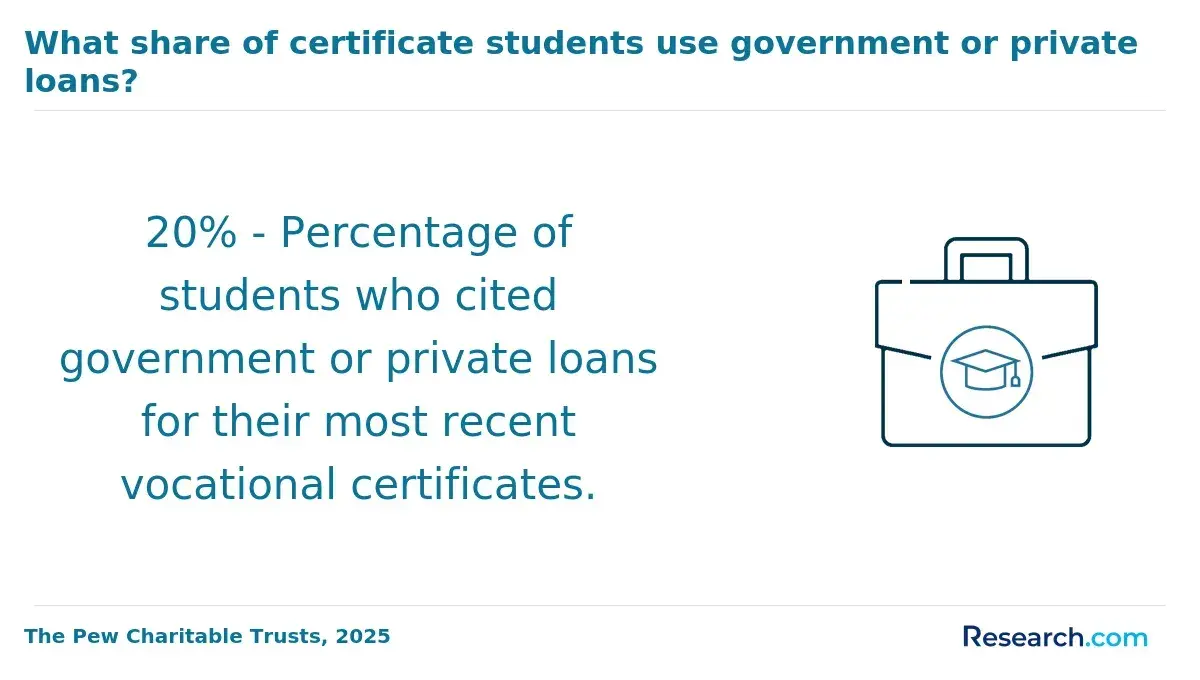
Students pursuing a bachelor's degree in educational studies have access to various financial aid resources that can help cover tuition and related expenses. According to the National Center for Education Statistics, around 85% of undergraduate students in the U.S. receive some form of financial aid, demonstrating the widespread availability of support. The following are common financial aid options for educational studies students.
- Federal Grants: Pell Grants provide need-based assistance that does not require repayment, making them especially valuable for students from low-income families. These grants are a primary source of aid for educational studies degrees.
- Student Loans: Federal student loans typically have lower interest rates and more flexible repayment options than private loans, offering educational studies students an accessible way to finance their education while managing debt responsibly.
- Scholarships: Scholarships are awarded based on academic achievement, community involvement, or specific focus areas within educational studies. Many scholarships support future educators or those pursuing underserved fields, helping reduce overall education costs.
- Work-Study Programs: These programs provide part-time jobs that allow students to earn income while gaining relevant experience in community service or educational settings, which align with their degree aims.
- State and Institutional Aid: Additional grants and scholarships are often available through state and college programs, especially for in-state residents or students in education-focused programs. Exploring these options can help lessen financial burdens further. Students can also explore easy certifications that pay well to supplement income or career qualifications.
What Factors Should I Consider When Selecting a Educational Studies Degree?
Choosing the right educational studies bachelor's program involves assessing various academic and personal factors to ensure it fits your career goals. A 2023 report by the National Center for Education Statistics revealed that about 61% of students select programs based on career relevance, emphasizing the role of strategic decision-making. Consider these important aspects when making your choice:
- Academic Interests: Identify subjects that truly engage you, such as curriculum development, educational psychology, or school leadership. Genuine enthusiasm for your studies helps maintain motivation and success.
- Specialization Options: Many degrees offer tracks like early childhood education, special education, or technology in education. Choose a focus area that aligns with your passions and planned career path.
- Program Format: Decide if you prefer traditional on-campus classes, online learning, or a hybrid approach. Flexible delivery models can better accommodate your lifestyle and commitments.
- Career Alignment: Research how different concentrations connect to professions in teaching, counseling, or education policy. Evaluating job demand and salary expectations supports informed career planning.
What Graduates Say About Different Types of Educational Studies Bachelor's Degrees
- Raphael: "Choosing a specialization within educational studies was a game-changer for me, as it aligned perfectly with my passion for curriculum design. The degree not only equipped me with essential theories but also provided hands-on experience, which clearly set me apart when I entered the job market. Since graduating, I've seen a noticeable increase in my salary, which I attribute to the practical skills and deep knowledge I gained."
- Russell: "Reflecting on my journey, pursuing educational studies opened doors to diverse career opportunities I hadn't previously considered. The focus on educational policy and administration helped me transition smoothly into leadership roles in schools. This degree has been instrumental in accelerating both my career growth and salary progression over recent years."
- Hazel: "What drew me to educational studies was the chance to specialize in special education, a field I deeply care about. The program's comprehensive approach gave me confidence and expertise that my employers highly value. Thanks to my degree, my career has taken off more quickly than I expected, and my income has grown steadily in line with my expanding responsibilities."
Other Things You Should Know About Educational Studies Degrees
Graduates of educational studies bachelor's degrees acquire strong communication, critical thinking, and problem-solving skills. They are trained to understand learning theories, educational psychology, and curriculum development. These skills prepare them for roles requiring collaboration with diverse learners and for addressing educational challenges.
Yes, many educational studies graduates go on to pursue advanced degrees such as master's or doctoral programs in education, counseling, administration, or specialized fields like special education. An advanced degree often leads to higher-level career opportunities and increased earning potential.
Educational studies bachelor's degree programs in 2027 often include courses in educational psychology, curriculum development, diversity in education, and educational technology, preparing graduates for diverse educational environments and careers.
Many educational studies programs include coursework on educational policy, leadership, and school administration. These classes prepare students for potential roles in education management, policy analysis, and advocacy within various educational institutions.
References
- What Career and Salary Can I Have With a Bachelors Degree in Education - College Cliffs https://collegecliffs.com/what-career-and-salary-have-bachelors-degree-education/
- Education Degree Salaries by University https://www.degreedatabase.com/education
- What Can You Do with an Educational Studies Degree? https://www.gmercyu.edu/academics/learn/education-studies-degree-jobs
- 12 High-Paying Education Degree Jobs Beyond Teaching - CollegEnroll https://collegenroll.com/degree/high-paying-education-degree-jobs-beyond-teaching/
- how much does a bachelor's degree in education cost? - Answers https://www.answers.com/education/how_much_does_a_bachelors_degree_in_education_cost
- Client Challenge https://es.scribd.com/document/484472336/Areas-of-Study-Education
- Educational Studies https://online.missouri.edu/degrees-programs/mu/education/educational-studies/bes
- What Are the Different Types of Educational Degrees? https://www.theclassroom.com/different-types-educational-degrees-5164471.html
- What does an Education Specialist do? Career Overview, Roles, Jobs | NYSABA https://careers.nysaba.site/career/education-specialist-2
- Best Jobs for Education Majors https://stilt.com/careers/best-jobs-for-education-majors/


