
2027 Different Types of Web Design Bachelor's Degrees: Specializations, Careers, and Salaries

Co-Founder and Chief Data Scientist
Prospective students often struggle to identify which web design bachelor's degree specialization aligns best with their career goals in a rapidly evolving digital market. With the Bureau of Labor Statistics projecting a 13% growth in web development jobs from 2022 to 2032, choosing the right path can significantly impact employability and salary prospects. Each specialization-from user experience design to front-end development-offers unique skill sets tailored to specific industries.
This article outlines the main web design degree tracks, associated careers, and typical salary ranges to help students make informed academic and professional decisions.
Key Things to Know About Different Types of Web Design Bachelor's Degrees
- Bachelor's degrees in web design commonly specialize in visual design, UX/UI, or front-end development, tailoring skills for creative or technical roles.
- Graduates typically enter careers as graphic designers, UX researchers, or front-end developers, with opportunities in tech firms, agencies, or freelancing.
- Average starting salaries range from $50,000 to $70,000 annually, with senior roles exceeding $90,000, reflecting the increasing demand for specialized web design skills.
What Are the Different Types of Web Design Bachelor's Degrees?
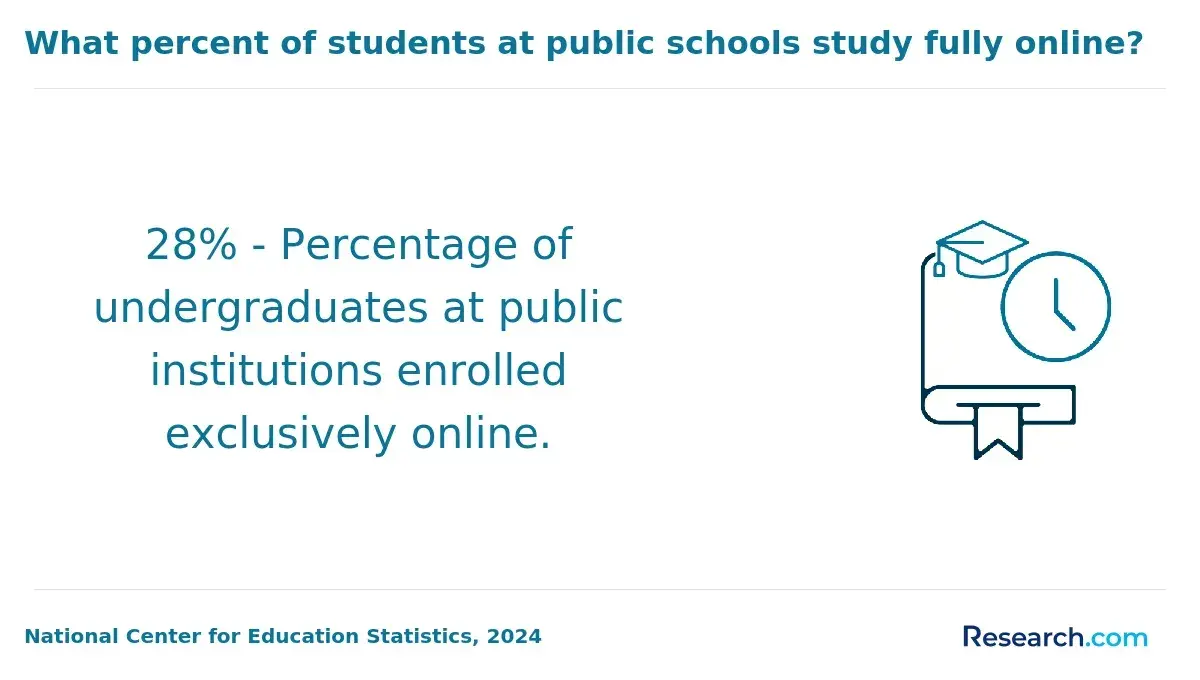
Web design bachelor's degrees are available in multiple formats that differ in structure, pacing, and delivery to meet diverse student needs. Over the past decade, online degree programs have seen enrollment growth exceeding 30%, highlighting the increasing popularity of flexible learning options. These formats allow students to choose a program that fits their lifestyle while exploring common specializations within web design bachelor's degree programs.
Traditional Format: This format is typically full-time and campus-based, spanning four years with face-to-face instruction and hands-on labs. It fosters direct interaction with instructors and peers, ideal for students seeking a classic college experience.
Accelerated Programs: Designed to fast-track graduation, these programs compress coursework into shorter terms or year-round sessions. They benefit motivated students eager to join the workforce sooner.
Online Degrees: Offering the most flexibility, online programs deliver courses through digital platforms, often asynchronously. This format suits working professionals or those balancing other responsibilities, reflecting the surge in demand for affordable and accessible education options like the cheapest MSW programs.
Hybrid Programs: Combining online instruction with required on-campus sessions, hybrid formats blend convenience with practical, in-person collaboration.
Part-Time Study: Tailored for students juggling work or personal commitments, part-time programs extend the overall timeline but allow steady progress toward the degree.
What Specializations Are Available in a Web Design Bachelor's Degree?
Web design bachelor's degree programs often offer a variety of specializations that enable students to concentrate on specific areas of interest and better prepare for evolving industry demands. Nearly 65% of programs now include focused tracks designed to deepen expertise in targeted web design disciplines. For those exploring admission requirements for online web design master's programs for non-majors, understanding these foundational specializations is a helpful starting point.
- User Experience (UX) Design: This specialization emphasizes how users interact with websites and digital products. Coursework typically covers research methods, usability testing, and information architecture to improve accessibility and enhance user satisfaction.
- Visual Design: Students develop artistic and aesthetic skills in graphic elements, typography, and color theory. This track involves hands-on experience with creative software to create visually engaging interfaces aligned with current web design standards.
- Front-End Development: Combining design with coding skills, this focus teaches HTML, CSS, JavaScript, and related frameworks. It prepares students to translate design concepts into functioning, interactive websites.
- Web Content Strategy: Centered on planning and managing digital content, this specialization trains students in crafting effective communication tailored to target audiences, with attention to branding and editorial expertise.
- Mobile Web Design: Reflecting the rise of mobile technology, this area covers responsive design, performance optimization, and mobile user interface patterns for mobile-friendly website creation.
Prospective students and non-majors exploring prerequisites for non-majors applying to online web design graduate programs may find that focusing on one of these areas can help clarify their educational path and career objectives. Additionally, those interested in combining web design knowledge with business credentials might consider researching the cheapest executive MBA options available, creating a versatile skill set for leadership roles in digital industries.
2026 Update: Portfolio and Skills Signals Employers Now Expect
This 2026 update adds guidance on evaluating whether a web design bachelor’s program helps students produce evidence of job-ready skills, not just complete design coursework.
- Whether students graduate with a polished portfolio showing responsive websites, interaction design, and accessibility work.
- How often courses use current design tools, prototyping platforms, content management systems, and front-end workflows.
- Whether projects include real client briefs, usability testing, or cross-functional collaboration with developers and content teams.
- How the program teaches accessibility, inclusive design, privacy-aware design, and performance-focused user experiences.
- Whether students receive feedback from industry professionals through critiques, internships, capstones, or mentorship.
- How clearly the curriculum connects design choices to business goals, analytics, conversion, and user research findings.
Checking these signals helps students compare web design degree options by the quality of career-ready work they can show employers after graduation.
What Entry-Level Jobs Can I Get With a Web Design Bachelor's Degree?
A bachelor's degree in web design equips graduates with versatile skills that lead to a range of entry-level positions in the digital field. Employment data shows roughly 70% of graduates secure jobs within half a year of finishing their studies, highlighting strong demand. The degree blends technical knowledge with creativity, preparing students for diverse roles. Here are some common job options:
- Junior Web Designer: This role involves crafting and refining website layouts, graphics, and interactive features. It offers hands-on experience with HTML, CSS, and collaborative workflows alongside experienced designers and developers.
- Front-End Developer: Graduates in this position focus on coding responsive, functional websites using JavaScript and popular frameworks like React or Angular. The job emphasizes optimizing user interfaces for various devices.
- Content Manager/Web Administrator: Responsibilities include updating site content, maintaining site performance, and applying basic SEO techniques. Individuals gain familiarity with content management systems and foundational digital marketing.
- UX/UI Assistant: This role supports user research, wireframing, and prototype testing to improve overall usability. It strengthens understanding of user experience principles and design tools such as Adobe XD and Figma.
- Digital Marketing Coordinator: Focused on promoting websites through social media, email campaigns, and analytics, this position builds skills in online marketing strategies and traffic analysis.
When asked about entry-level opportunities, a professional with a web design bachelor's degree shared that the transition from academic projects to real-world demands was both exciting and challenging. He explained, "Starting out, it was tough balancing creative ideas with client needs and technical constraints." The learning curve included adapting to fast-paced environments and collaborating with cross-functional teams, which ultimately helped build confidence and practical skills. "The variety of projects kept each day fresh and pushed me to grow continuously," he added, emphasizing that the degree laid a strong foundation but real job experience was crucial in shaping his career path.
What Industries Pay the Most for Web Design Graduates?
Graduates holding a bachelor's degree in web design often find higher salaries in industries where specialized skills support business growth and digital innovation. Industry salary data indicates that roles in these fields can pay 20-30% above average, reflecting the value of expertise in interactive and secure online environments. Below are some of the highest paying sectors for web design graduates.
- Technology: This sector demands building sophisticated user interfaces, interactive apps, and seamless user experiences across devices. Key skills include coding languages like JavaScript and Python, UX design, and responsive development techniques.
- Finance: Web designers in finance focus on creating secure online banking tools, trading platforms, and apps requiring careful adherence to compliance and strong data visualization capabilities. Knowledge of cybersecurity and cross-platform compatibility is essential.
- Advertising and Marketing: Professionals here design visually impactful websites and interactive digital campaigns to engage audiences. Creativity, multimedia proficiency, and a solid understanding of SEO are crucial for success in this industry.
For students considering career options tied to their web design graduate salaries by industry, exploring specialized bachelor programs can direct them toward these lucrative paths. Those interested in related fields might compare these choices with degrees such as an accounting degree to evaluate potential earnings and skills alignment.
What Is the Average Salary for Web Design Bachelor's Degree Graduates?
Salary expectations for graduates holding a bachelor's degree in web design fluctuate based on various factors such as industry, experience, and specific areas of expertise. Typically, entry-level professionals in this domain earn between $50,000 and $60,000 annually in the United States. Several aspects influence these figures and play a role in shaping career earnings.
Key salary considerations include:
- Industry Demand: Certain sectors like e-commerce, media, and technology tend to offer higher wages because web design is essential to their user engagement and business operations.
- Experience Growth: With more years of practice, web designers often see salary increases, with many reaching $70,000 or more at mid-career levels.
- Skill Development: Mastery of coding languages, UX/UI principles, and mobile-responsive design frequently leads to improved compensation and job opportunities.
- Location Factors: Professionals based in metropolitan and tech-centric regions often benefit from stronger salary packages compared to those in rural or less tech-focused areas.
- Freelance Versus Employment: Freelancers might face income variability depending on project availability, whereas salaried employees usually enjoy steadier paychecks with added benefits.
When asked about her experience entering the workforce, a web design graduate reflected on the uncertainties that came with freelancing at first. "Balancing multiple projects and deadlines was challenging, and there were times when the income wasn't consistent," she shared. Yet, she emphasized how building a reliable client network and continuously improving her coding and design skills ultimately stabilized her earnings and enhanced her confidence in the profession. Her journey exemplifies how adaptability and skill growth are crucial in navigating the financial realities of a career in web design.
How Do Salaries Compare Across Web Design Specializations?
Earnings within web design differ significantly depending on the area of specialization chosen. For example, professionals focusing on user experience (UX) design often command higher salaries compared to those working mainly in graphic design or front-end development. Industry reports indicate that UX designers typically earn a median annual wage near $90,000, while graphic designers in web roles average closer to $65,000.
These variations reflect the diverse skill sets and market demands associated with each specialization. Several elements influence these salary disparities, including the complexity of required skills such as programming, psychology, and data analysis. The growing emphasis on creating user-centered digital products has increased demand for UX specialists, pushing wages higher.
Additionally, compensation levels vary depending on employers, with technology firms and e-commerce businesses generally offering better pay compared to smaller companies or nonprofit organizations. Experience, certifications, and proficiency in advanced tools also play a crucial role in boosting earning potential across different web design careers.
Are Salaries Different for Online vs On-Campus Web Design Graduates?
Research shows that salaries for graduates with a web design bachelor's degree, whether earned online or on-campus, tend to be very similar when programs are accredited and meet industry standards. Both formats cover comparable coursework emphasizing essential skills like coding, user experience design, and graphic fundamentals, which employers typically value equally. A 2020 survey by the National Association of Colleges and Employers found that starting salaries for graduates from traditional and online design-related programs differed by less than 5%, highlighting their near equal market value.
This data suggests that the mode of study alone does not create large disparities in earning potential. Several factors can influence salary differences between online and on-campus graduates. On-campus programs often provide more direct networking opportunities through in-person interaction with faculty, peers, and industry events, which can lead to internships and job offers.
Practical experience such as collaborative projects and access to campus resources may also vary in quality and availability. However, online students who proactively pursue virtual internships and build strong portfolios can compensate for these gaps. Ultimately, salary outcomes depend more on individual effort, specialization within web design, portfolio strength, and regional industry demand than on whether the degree was completed online or in person.
Do Costs Vary Across Web Design Bachelor's Degree Programs?
Tuition and fees for web design bachelor's degree programs can vary widely, influenced by multiple factors. For instance, average annual tuition for in-state students at public universities is about $10,940, while private institutions average around $38,070. These cost differences between web design bachelor's degrees are important to consider when planning educational investments.
Key factors contributing to tuition variability in web design degree programs include:
- Institution Type: Public colleges typically offer lower tuition than private schools, especially for in-state residents. Private nonprofit institutions tend to have higher fixed rates regardless of residency status.
- Program Format: Online web design degrees might be more affordable due to reduced campus fees, but some online programs match the cost of on-campus options depending on resources and technology involved.
- Credit Requirements: The total number of credits needed varies by program. Standard bachelor's degrees often require around 120 credits, but accelerated or extended tracks can change overall tuition expenses.
- Additional Fees: Programs with specialized or interdisciplinary components may include lab fees, software licenses, or other costs that increase the total price.
- Geographic and Institutional Factors: Location and college prestige also affect pricing, with some regions and highly ranked schools charging premiums.
When evaluating web design degrees, students should weigh tuition costs against career outcomes and salary prospects in the field. For those comparing program affordability across disciplines, it may be helpful to also review information on real estate degree programs as a point of reference for cost differences in online education.
What Financial Aid Options Are Available for Web Design Students?
Students pursuing a bachelor's degree in web design have access to various financial aid resources that can help cover tuition and related expenses. Approximately 85% of undergraduate students receive some form of financial aid, reflecting the widespread availability of funding options for creative and technical fields like web design. These resources include grants, scholarships, loans, and work-study programs, among others.
Financial aid programs for web design students often include:
- Federal Grants: These are highly sought-after forms of aid, with the Pell Grant being a primary example that requires no repayment and can substantially lessen educational expenses for eligible students.
- Loans: Federal student loans offer lower interest rates and more flexible repayment options compared to private loans, making them a practical choice for many students funding their web design degrees.
- Scholarships: There are numerous scholarships available specifically for students pursuing design, technology, and digital arts. These awards are often merit- or need-based and come from organizations, foundations, and companies in the tech industry. Applying early and presenting a compelling portfolio can enhance eligibility for scholarships and grants for web design degrees.
- Work-Study Programs: These provide opportunities for students to work part-time on campus or through community organizations, helping them gain relevant experience while offsetting educational costs.
- Additional Aid: State grants, institutional aid, and specialized awards for underrepresented groups in STEM and creative fields also contribute to a comprehensive financial support system for web design students. Those interested can explore options like an architecture degree online for further insights on funding strategies applicable across design disciplines.
What Factors Should I Consider When Selecting a Web Design Degree?
Selecting an ideal web design bachelor's degree involves careful assessment of several academic and personal considerations. Surveys show more than 60% of students place high importance on how well a program's focus matches their career aspirations. To make an informed decision, it's vital to explore various factors that influence both education and future opportunities.
- Academic Interests: Reflect on the balance between technical skills and creative elements within the curriculum. Some degrees emphasize coding and development, while others concentrate on user experience and visual design concepts.
- Specialization Options: Look for degrees offering targeted tracks such as interface design, digital media, or front-end development. These specializations can shape your expertise and open doors to specific roles in the industry.
- Program Format: Consider whether on-campus, online, or hybrid learning aligns best with your lifestyle, learning preferences, and schedule flexibility. Each format presents distinct benefits and challenges.
- Career Alignment: Evaluate if the curriculum provides relevant skills and practical experience like internships or portfolio building, preparing you to meet current industry needs effectively.
- Long-Term Goals: Factor in potential salary ranges and advancement possibilities in your chosen web design field to ensure the degree supports your professional growth ambitions.
What Graduates Say About Different Types of Web Design Bachelor's Degrees
- Celine: "I chose a web design bachelor's degree because I wanted a creative yet technical career that offered flexibility. The program's focus on both UX and coding gave me a strong foundation that made transitioning into a front-end developer role smooth and natural. Thanks to the degree, I saw a significant salary increase within my first year on the job, which really motivated me to keep advancing in this field."
- Kyle: "Reflecting on my decision to specialize in web design, it was the balance between art and functionality that truly attracted me. The bachelor's degree not only sharpened my design skills but also exposed me to project management and digital marketing, which broadened my career options. This comprehensive education played a crucial role in securing a leadership position where my salary and responsibilities have grown steadily."
- Dominic: "When I enrolled in the web design bachelor's degree, I was primarily interested in turning my passion for websites into a viable career. The program's hands-on approach and industry connections jumpstarted my professional journey, landing me an internship that evolved into a full-time role. Pursuing the degree led to a 30% salary boost and opened doors to exciting projects that continue to fuel my growth."
Other Things You Should Know About Web Design Degrees
Yes, web design bachelor's degrees in 2027 typically include training in emerging technologies. Students often learn about AI integration, augmented reality, and new design tools, keeping pace with industry trends to effectively design innovative and user-friendly websites.
Yes, a web design bachelor's degree in 2027 can significantly enhance freelance career opportunities. The degree provides skills in design principles, coding, and user experience, making graduates well-equipped for freelance work where they can create websites for diverse clients and industries. Building a portfolio during the degree program can further assist in attracting freelance opportunities.
References
- BS in Web Design and Development https://www.jeduka.com/usa/universities/full-sail-university/bs-in-web-design-and-development
- Top 5 Cheapest Bachelor's in Web Design Degrees Online - Computer Science Degree Hub https://www.computersciencedegreehub.com/best/cheap-online-bachelors-web-design/
- Is Web design a good career choice? https://www.sitepoint.com/community/t/is-web-design-a-good-career-choice/1512
- What Degree Is Best for Web Design Your Clear Guide - Blue Gift Digital Hub https://bluegiftdigital.com/what-degree-is-best-for-web-design/
- What is the cost of web design courses? https://d-fsl.org/blog/what-is-the-cost-of-web-design-courses/
- What are the Different Types of Web Design Degree Programs? https://www.topwebdesignschools.org/faq/what-are-the-different-types-of-web-design-degree-programs/
- Web Development Degree Career Outcomes: Jobs, Salaries & Growth https://hakia.com/degrees/web-development/career-outcomes/
- Entry-Level Jobs in Web Design & Development – Your Quick Start Guide https://jlcwebdesign.co.uk/tag/entry-level-jobs/
- What kind of career and salary can I expect with my online Bachelor's degree in Web Design? https://www.onlineschoolscenter.com/career-salary-online-bachelors-web-design/
- Degrees in Web Design and Development - Web Design https://www.webdesign-inspiration.com/article/degrees-in-web-design-and-development/


