
2027 Education Degree Programs for Career Changers

Co-Founder and Chief Data Scientist
Many working adults face challenges when shifting to a teaching career, especially balancing time, finances, and returning to school. Approximately 40% of Education degree enrollees are career changers or adult learners, highlighting a growing trend toward midlife professional transitions. This surge reflects a strong demand for qualified educators with practical experience, yet the path remains complex.
Navigating credential requirements and program flexibility often discourages prospective students. This article explores various Education degree programs tailored for career changers, aiming to clarify options that support efficient, confident entry into the education workforce while addressing common barriers encountered during this transition.
Key Things to Know About Education Degree Programs for Career Changers
- Flexible scheduling and online or hybrid formats allow career changers to balance work, study, and family commitments effectively.
- Programs often include employer-relevant curriculum tailored to current educational standards and workforce needs.
- Accelerated pacing and dedicated support services improve retention rates, with over 60% of working adults completing their degrees within four years.
What Education Programs Accept Career Changers?
Many Education degree programs are designed to support working adults and professionals transitioning from other fields by offering flexible admission criteria and practical curricula. Nearly 40% of graduate students in Education programs are career changers, highlighting a significant trend of adult learners enrolling to pursue new career paths.
Education degree programs for nontraditional students often include the following types:
- Master of Arts in Teaching (MAT): This program features flexible prerequisites that welcome students without traditional Education backgrounds. Its emphasis on classroom readiness prepares career changers for immediate application of skills.
- Master of Education (M.Ed.): Tailored for working professionals, the M.Ed. focuses on advanced pedagogical theories and leadership, facilitating the transfer of prior skills into educational settings.
- Post-baccalaureate Teacher Certification Programs: These accelerated programs offer certification specifically designed for those holding degrees outside Education. Their targeted curriculum allows faster entry into teaching careers.
- Alternative Certification Programs: Combining coursework with supervised teaching, these programs cater to professionals from unrelated sectors by prioritizing flexibility and practical experience.
Flexible education programs for working professionals accommodate diverse schedules and emphasize applied skills that build confidence in new Education careers. Those seeking to transition efficiently can explore similar flexible degree paths or consider related fields such as social work, where options like masters in social work online provide accessible routes for professional growth.
What Education Specializations Are Best for Career Changers?
Choosing the right education specialization can significantly improve career changers' ability to leverage their existing skills while adapting to new professional demands. The U.S. Bureau of Labor Statistics projects an 8% growth in employment for teachers in specialized subjects through 2031, highlighting strong demand for targeted expertise. Here are four top education specializations that offer valuable opportunities for career changers.
- Special Education: Ideal for those with strong interpersonal skills and patience, this specialization offers accessible credentialing paths and is in high demand across diverse school settings.
- Educational Technology: Well-suited for professionals with IT or design backgrounds, this field enables the application of transferable tech skills to support digital learning environments and modern classrooms.
- Early Childhood Education: Accessible to newcomers interested in child development, it provides broad career mobility in schools and community programs, making it attractive for career changers.
- ESL (English as a Second Language): Designed for those with multicultural experience or language skills, it prepares educators to work with growing immigrant populations and adult learners.
Career changers seeking flexible pathways might also explore online counseling programs to complement their education credentials. This can expand opportunities in specialized instructional roles and student support services. Selecting from the best education programs for nontraditional students ensures a smoother transition and maximizes the chances of success in this dynamic field.
What Are the Admission Requirements for Career Changers Applying to a Education Program?
Career changers pursuing an education degree program benefit from understanding specific admission requirements, as these criteria help align their diverse professional backgrounds with academic expectations. Adult learners now account for nearly 40% of all higher education enrollments, reflecting greater flexibility in programs designed to accommodate nontraditional students. Below are key admission considerations for those seeking education program prerequisites for nontraditional students pursuing a career change.
- Completed Degree: Most programs require a completed undergraduate degree in any discipline, recognizing the varied pathways career changers take before entering education.
- Academic Performance: A minimum cumulative GPA of approximately 2.5 to 3.0 is commonly expected, providing a benchmark of academic readiness while allowing for reasonable flexibility.
- Supporting Documents: Applicants should prepare to submit transcripts, letters of recommendation, and a personal statement that clearly outlines motivation for transitioning into education.
- Standardized Tests: While some programs have relaxed this requirement for career changers, certain institutions may still request test scores as part of the application process.
- Flexible Program Formats: Part-time, evening, and online courses are often available to accommodate working professionals balancing education with career and life commitments.
- Transferable Skills: Communication, leadership, and problem-solving skills gained from previous careers can enhance applications and demonstrate preparedness for education roles.
- Alternative Pathways: Many programs now accept portfolios, professional experience credits, or prerequisite completion options for students without traditional prerequisites.
For those interested in programs with tailored flexibility and support, reviewing offerings such as marriage and family therapy online programs accredited can provide insight into how education-related fields are adapting to adult learners' needs.
What Is the Coursework for a Education Degree for Career Changers?
For those shifting careers, grasping the structure of an education degree's coursework is key to managing both study and life commitments effectively. These programs are crafted to combine essential concepts with relevant practices, supporting diverse schedules and backgrounds. The coursework typically covers several core areas as outlined below.
- Foundations of Education: This area presents an overview of education's history, philosophies, and current challenges, giving students a comprehensive context that anchors their learning journey.
- Curriculum and Instruction: Here, students explore creating adaptable lesson plans and teaching strategies that respond to varied classroom settings and learner needs.
- Educational Psychology: This component delves into how learners develop and process information, helping career changers appreciate different learning styles and behaviors.
- Assessment and Evaluation: Coursework in this field focuses on methods to assess student progress accurately and apply data-informed decisions to foster improvement.
- Practical Teaching Experience: Many programs include supervised fieldwork or student-teaching placements designed to provide hands-on practice and real-world exposure under expert guidance.
When asked about his experience completing an online education degree to facilitate a career shift, a professional shared that balancing coursework with work and family was initially daunting. He explained, "Managing deadlines alongside my job required strict discipline, but the program's flexible format was a lifesaver." He appreciated how the real-world teaching assignments offered "a chance to apply theory immediately, which boosted my confidence."
The direct supervision during practical placements, he noted, was especially valuable because "it allowed me to learn from feedback in authentic settings." His journey highlights that while the coursework can be challenging, its design effectively supports career changers navigating new paths.
What Education Program Formats Are Available for Career Changers?
Choosing the right program format is essential for career changers managing work and personal responsibilities. Nearly 35% of undergraduates recently took exclusively online courses, reflecting growing demand for flexible Education options. Below are common formats suited to adult learners transitioning fields.
- Online Programs: Entirely virtual, these programs allow students to study anytime, ideal for those juggling jobs or family duties. They provide easy access to course materials and interactive forums without geographic constraints.
- Evening and Weekend Classes: These courses meet during non-traditional hours, enabling working professionals to attend in person while maintaining their daytime commitments. This format fosters direct engagement with instructors and classmates.
- Hybrid Programs: Combining online learning with periodic on-campus sessions, hybrid models offer both convenience and face-to-face interaction. This blend suits learners seeking flexibility without losing personal connection.
- Part-Time Study: Extending the length of study, part-time programs lower weekly demands, making degree completion feasible for those unable to study full-time. This gradual approach supports balancing education with existing obligations.
What Skills Do Career Changers Gain in a Education Program?
Skill development is crucial for career changers, particularly adult learners, as 59% of workers acknowledge the need to reskill or upskill to stay competitive in today's evolving job market. Education programs in particular focus on cultivating practical and foundational abilities that boost career adaptability and readiness. Here are five essential skills career changers typically gain through an education program:
- Instructional Design: Career changers learn to develop structured lesson plans and training materials tailored for diverse learning environments, a key asset in both classroom and corporate training roles.
- Communication: Mastery of clear verbal and written communication enhances collaboration and effectively conveys information to students, colleagues, and other stakeholders.
- Classroom Management: Gaining strategies to create and maintain a positive and productive learning atmosphere prepares career changers to handle diverse groups confidently.
- Assessment and Evaluation: Proficiency in measuring student progress and using data to inform teaching supports continuous improvement and achievement of learning goals.
- Technology Integration: Becoming adept at using contemporary educational tools enables career changers to deliver engaging, flexible instruction suited for various settings.
These skills establish a versatile base that not only enhances initial job performance but also empowers career changers to adjust to shifting industry demands and pursue ongoing professional development.
When I spoke with a career changer who completed an education degree, she reflected on the intense learning curve but valued the growth deeply. "Balancing study with a full-time job and family was overwhelming at times," she admitted, "but mastering classroom management and technology made me feel more confident stepping into a new career."
She also highlighted how practical projects pushed her to apply theories in real-world settings, which "turned abstract concepts into tangible skills." Her journey emphasized that acquiring these competencies wasn't just about earning a credential, but building the confidence and toolkit necessary for lasting success in education-related fields.
How Much Does a Education Degree Cost for Career Changers?
For career changers, carefully evaluating the total cost of earning an education degree is essential for effective financial planning and minimizing debt. Data from the National Center for Education Statistics shows that the average graduate tuition and fees for a master's degree in the U.S. approach $19,700 per year, though this varies widely by program and institution. Below are the primary cost factors to consider when exploring affordable education degrees for working professionals.
- Tuition: This is typically the largest expense, with costs ranging from $10,000 to over $30,000 annually for graduate-level education degrees. Many programs offer flexible payment plans or employer tuition assistance to help manage this significant cost.
- Fees: Administrative and course-specific fees can add several hundred to a few thousand dollars each year. These may include technology, laboratory, or activity fees required for enrollment or access to resources.
- Textbooks and Materials: Textbooks and learning supplies often cost a few hundred dollars annually. Some programs incorporate digital resources or open educational materials to reduce this expense.
- Program Format: Online, hybrid, or accelerated formats often provide cost-saving opportunities for adults balancing work and family. Programs that recognize prior knowledge or offer competency-based paths allow students to complete degrees faster and with fewer credits.
- State Grants and Loan Forgiveness: Certain states and institutions provide grants or loan forgiveness programs aimed at educators, significantly lowering financial barriers for career changers committed to teaching.
Those interested in exploring accelerated online bachelor degree programs may find additional pathways that combine affordability with flexible schedules, helping further reduce costs and time to completion.
How Does a Education Curriculum Support Career Transitions?
Curriculum design is critical for career changers as it must address the distinct challenges they face while shifting professional paths. A curriculum that effectively supports career transitions focuses on practical skill-building and flexibility, enabling adult learners to adapt and excel in new roles. Below are key ways a education curriculum facilitates this process:
- Applied Learning: Curriculums emphasize bridging theory with practical workplace scenarios, enabling students to connect academic concepts to real-world challenges and enhance job readiness.
- Transferable Skill Development: Programs focus on cultivating skills like communication, critical thinking, and problem-solving that are valuable across multiple career fields, providing a strong foundation for career transition.
- Flexible Pacing: Recognizing diverse schedules, especially for working professionals, curriculums often provide adaptable timelines and online options that help learners balance studies with personal and professional commitments.
- Real-World Projects: Incorporating projects that simulate authentic professional environments ensures students gain hands-on experience, building confidence and practical competence for new roles.
- Personalized Mentorship: One-on-one guidance helps learners navigate their career shifts by offering tailored feedback, motivation, and support, which is especially vital during transitions.
Those exploring online colleges for education degree programs for career changers curriculum design will find options that integrate these essential features. This ensures the skills gained from education degrees for career transition are both relevant and actionable in diverse professional contexts.
What Careers Can Career Changers Pursue With a Education?
Knowing potential career options helps career changers make informed choices and set realistic expectations, increasing satisfaction in their new roles. The U.S. Bureau of Labor Statistics projects a 10% growth in employment for education, training, and library occupations from 2022 to 2032, reflecting strong demand. Below are common career paths for those holding an education degree.
- Classroom Teacher: Designs lesson plans, manages classroom dynamics, and evaluates student progress. Skills such as communication and organization transfer well, making this role ideal for those interested in mentorship and leadership.
- Educational Counselor: Assists students with academic and personal development challenges. Empathy and problem-solving skills help career changers transition smoothly into this supportive role.
- Instructional Coordinator: Creates and improves curriculum and training materials. Experience in project management and data analysis benefits those with strategic and planning backgrounds.
- Adult Education Instructor: Provides instruction to adult learners, often in continuing education or workforce development. Professional expertise and patience gained in previous careers contribute positively here.
- Education Consultant: Advises on educational policies and practices. Strong research abilities and communication skills enable career changers to influence education systems without direct classroom involvement.
What Is the Average Salary After Earning a Education Degree as a Career Changer?
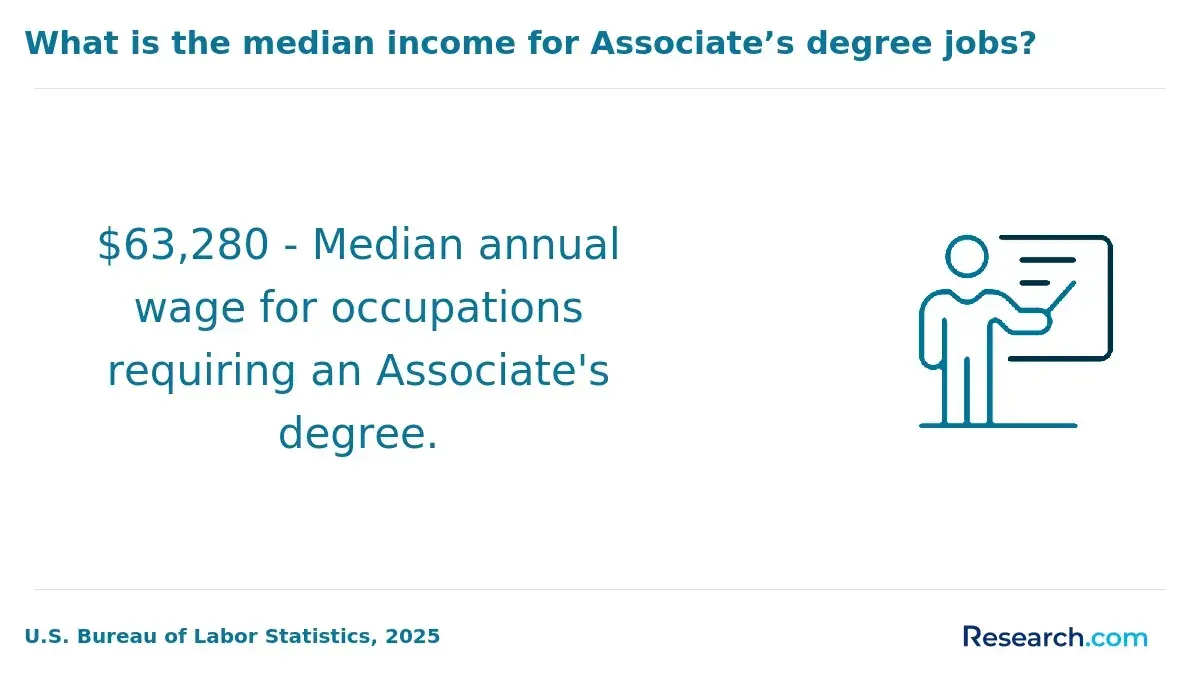
Salary expectations play a crucial role for professionals shifting into education careers, as earnings impact financial security and long-term planning. Data from the U.S. Bureau of Labor Statistics shows that individuals reskilling into education-related roles typically earn a median annual salary around $61,000. Below are key salary patterns that career changers should consider.
- Entry-Level Education Roles: These positions generally offer annual salaries between $40,000 and $50,000. Prior experience can sometimes help increase starting pay above typical entry thresholds.
- Experienced Educators: Salaries for seasoned professionals in public education often range from $55,000 to $75,000, reflecting years of practice and credentials.
- Specialized Positions: Education consultants and curriculum designers frequently earn between $70,000 and $90,000, benefiting from expertise in niche fields.
- Private Sector & Administrative Roles: Jobs in private institutions or administrative functions within education may exceed $80,000, with location and institutional size influencing pay.
- Geographic and Institutional Factors: Salary levels fluctuate significantly depending on whether the job is located in urban or rural areas and the type of educational institution involved.
What Graduates Say About Their Education Degrees for Career Changers
- Taylor: "Deciding to switch careers and pursue an education degree was both exciting and daunting for me. Though the average cost approached $30,000, I saw it as an investment in my future. Completing the program opened doors I never thought possible, allowing me to transition confidently into a fulfilling teaching role."
- Harry: "After years in the corporate world, I chose an education degree to follow my passion for helping others learn. The tuition fees were a significant consideration, but with scholarships and careful budgeting, I managed the cost without overwhelming debt. This degree reshaped my professional path, providing both credibility and practical skills necessary for my career change."
- Selena: "Making the leap into education was a thoughtful decision based on long-term goals rather than immediate financial gain. While the cost was undeniably high, averaging nearly $25,000, the value I gained transcended the price. Earning my education degree refined my expertise and established a rewarding new chapter in my professional life."
Other Things You Should Know About Education Degrees
Yes, student teaching or supervised clinical experience is a standard requirement for most education degrees, including for career changers. This hands-on training is essential to develop practical classroom skills. However, program formats may offer adjusted timelines or flexible scheduling to accommodate working adult learners.
In 2027, many education degree programs for career changers acknowledge the value of diverse experiences and may allow previous work experience to count toward certain degree requirements. This is often assessed on a case-by-case basis, depending on the relevance of experience to the specific competencies and skills required by the program.
References
- We may have less than 5 years to change how we learn, earn and care https://www.weforum.org/stories/2017/01/realizing-human-potential-skills-jobs-care-work/
- Central Career Changers https://centralmethodist.edu/academics/undergraduate/education/c3-program.html
- Support for career changers https://getintoteaching.education.gov.uk/life-as-a-teacher/change-careers/support-with-changing-careers
- Why Teaching Could Be the Career Change You’ve Been Looking For https://www.i2ipartnership.co.uk/444/news/post/39/why-teaching-could-be-the-career-change-youve-been-looking-for
- 15 Transferable Skills from Teaching (2025 Guide) | Devlin Peck https://www.devlinpeck.com/content/transferable-skills-from-teaching
- Master of Science in Education for Career Changers: Special Education All Grades https://www.monroeu.edu/academics/king-graduate-school/master-arts-teaching/master-science-education-career-changers
- One Year Degree Courses - Fast Track Your Education in 2025 https://www.fasttrackgraduation.com/one-year-degree-course
- How to Become a Teacher as a Second Career in 2025 | Teachers of Tomorrow https://www.teachersoftomorrow.org/blog/insights/how-to-become-a-teacher-as-a-second-career/
- Career Change: Making the Move to Education - Graduate Programs for Educators https://www.graduateprogram.org/blog/career-change-making-the-move-to-education/
- Considering a career change from teaching? https://study.uq.edu.au/stories/alternative-careers-education


