
2027 Can You Get Into an Education Program with a Low GPA? Admission Chances & Workarounds

Co-Founder and Chief Data Scientist
Students with low GPAs often face significant challenges when applying to education programs, where average admitted GPAs typically range above 3. 0. Despite these standards, a notable percentage of programs consider holistic reviews, allowing candidates to present strengths beyond grades. Understanding these criteria can clarify realistic admission chances for applicants with less-than-ideal academic records.
This article explores practical workarounds such as highlighting relevant experience, leveraging strong recommendation letters, and pursuing alternative pathways. By focusing on strategic approaches, prospective students can improve their potential to enter an education program even when their GPA falls below conventional expectations.
Key Things to Know About Admission Chances Into a Education Program with a Low GPA
- Strengthen your application by showcasing relevant volunteer or work experience in educational settings, which can offset a low GPA and demonstrate commitment.
- Complete additional coursework or certifications in core education topics to improve academic credentials and prove readiness for rigorous study.
- Submit strong letters of recommendation that highlight your skills and potential, as 62% of education programs consider references a critical admission factor.
What Is the Minimum GPA Required to Apply for a Education Program?
For applicants seeking admission to education programs in 2026, the minimum GPA requirements generally range from 2.5 to 3.0 on a 4.0 scale. State universities commonly set a baseline GPA near 2.5 for eligibility, while more competitive institutions, including private universities and specialized teacher preparation programs, often expect a GPA of 3.0 or higher.
These expectations can vary significantly depending on the institution's selectivity and the specific education track, with early childhood education programs sometimes allowing slightly lower GPAs compared to the more rigorous academic demands of secondary education specializations.
Admissions committees may also consider recent trends in academic performance, providing some flexibility for applicants who demonstrate improvement over time. Understanding these nuances is important when evaluating minimum GPA requirements for education programs 2026.
Applicants should be aware of common GPA-related policies that influence admission chances. Many programs require a minimum cumulative GPA, but some emphasize GPA in education-related coursework specifically. Institutions may also set higher GPA criteria for graduate or credential programs.
A GPA below the usual thresholds often means that stronger supporting materials or explanations must accompany the application to improve competitiveness. Prospective students interested in a teaching career might also explore useful college majors that align with education to enhance their academic profile and meet admission GPA criteria for education degrees 2026.
How Do Admissions Committees Evaluate Education Program Applicants with Low GPAs?
GPA is only one element considered in admissions criteria for education programs 2026, and committees often take a holistic approach when evaluating applicants with lower grades. This perspective allows qualified candidates to highlight strengths beyond their numerical averages that may better reflect their potential in the field.
- Coursework Rigor: Admissions committees assess the difficulty of classes taken, giving more weight to applicants who have challenged themselves with advanced-level or honors courses despite a low GPA.
- Academic Trend: A consistent improvement over time can demonstrate resilience and learning growth, signaling the applicant's ability to overcome earlier academic struggles.
- Relevant Volunteer Experience: Involvement in education-related volunteer work or academic projects helps illustrate a practical understanding and commitment to education, further strengthening the application.
Research from the National Center for Education Statistics highlights that these qualitative factors are increasingly used to create diverse and capable cohorts. For those seeking additional ways to enhance their preparation, exploring easy online college courses can offer accessible opportunities to build skills and improve academic records when planning applications.
Can Professional Experience Offset a GPA Below the Education Program's Minimum?
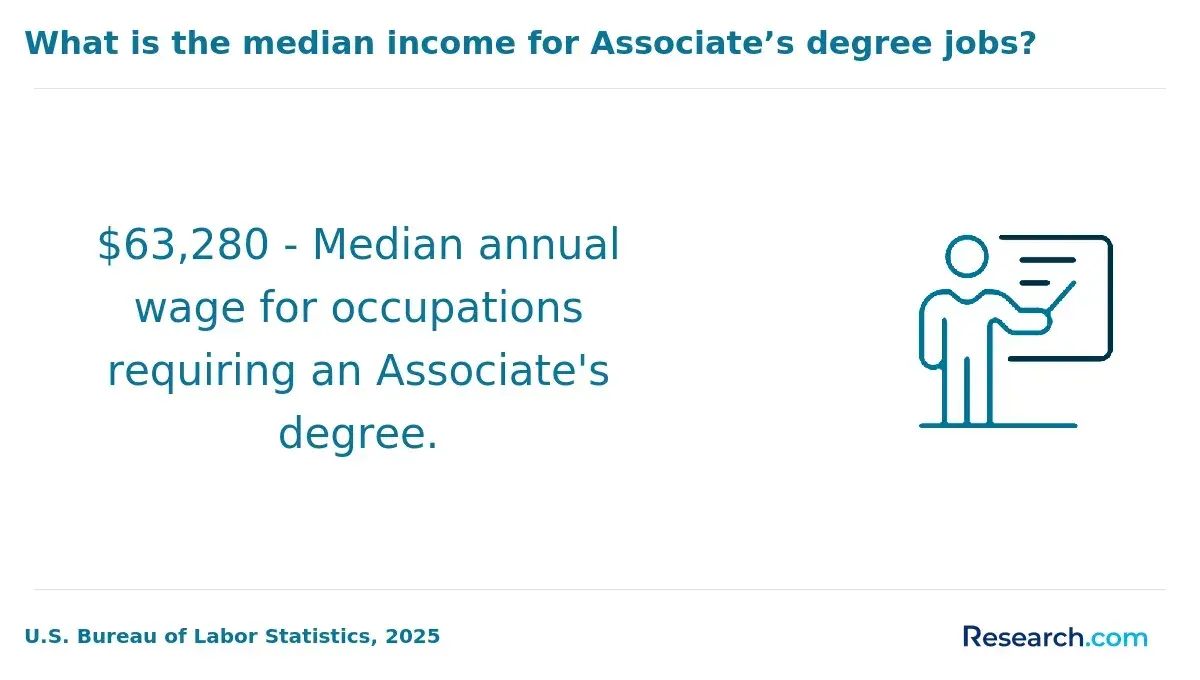
When academic performance falls below a program's minimum GPA requirements, professional experience can play a crucial role in enhancing an application. Admissions committees increasingly use comprehensive assessments, balancing work history with grades to better understand an applicant's capabilities.
Consider these valuable types of professional experience that can strengthen your education program application:
- Leadership Roles: Holding positions in teaching, tutoring, or mentoring programs showcases responsibility and the ability to guide others. Such roles reflect maturity and dedication beyond academic metrics.
- Relevant Industry Experience: Time spent working in schools, daycare facilities, or educational nonprofits provides practical insight into educational environments. This background demonstrates familiarity with the field's challenges and expectations.
- Demonstrated Skills: Evidence of strong communication, organization, and problem-solving capabilities illustrates readiness to handle real-world educational settings. These skills indicate resilience and adaptability that supplement academic records.
Documenting these experiences thoroughly-with recommendation letters and detailed resumes-can effectively convey an applicant's potential. This approach allows admissions committees to evaluate candidates more holistically, recognizing attributes that academic metrics alone may not capture.
Can Standardized Test Scores Help Offset a Low GPA for Education Admission?
When a GPA falls short of program expectations, submitting strong standardized test scores can offer a valuable opportunity to demonstrate academic ability. High test results provide admissions committees with concrete evidence of knowledge and skills beyond cumulative grades.
- Score thresholds: Many education programs require minimum scores on exams like the GRE or Praxis. Surpassing these benchmarks signals readiness and can offset weaker GPAs.
- Subject relevance: Excelling in tests covering education-related fields or essential competencies highlights expertise in key areas important to the program.
- Percentile rankings: Admissions officers often consider how a score compares nationally. A high percentile rank indicates strong performance relative to peers.
- Consistency with other indicators: Strong test scores paired with positive recommendation letters and extracurriculars create a more rounded and competitive application profile.
Data from the National Center for Education Statistics reveals that many programs place greater weight on standardized testing when GPA falls below average levels, using scores to better assess a candidate's academic potential and preparedness.
Can Completing Prerequisite Courses for a Education Program Improve Your Admission Chances with a Low GPA?
When asked whether prerequisite courses truly enhance admission chances despite a low GPA, a graduate of an education degree program reflected on her experience. Initially anxious about meeting the 3.0 GPA requirement, she took foundational classes in educational psychology and communication at a community college.
"It wasn't easy balancing work and study," she recalled, "but seeing my grades improve gave me hope." Her strong prerequisite performance became a central part of her application, and although admission was competitive, the program acknowledged her demonstrated growth.
"Those courses didn't just change my transcript-they changed my mindset about what I could achieve," she noted, affirming that this approach can indeed open doors for applicants facing GPA hurdles.
Some things to consider:
- Subject Mastery: Prerequisite courses reinforce understanding of essential topics like psychology and teaching fundamentals, providing tangible proof of readiness in key areas.
- GPA Improvement: Excelling in these courses can raise an applicant's core academic performance, helping to balance a lower overall GPA and present a stronger transcript.
- Commitment Signal: Completion of additional coursework shows admissions committees that the candidate is dedicated to the field and willing to invest effort toward success.
- Skill Development: These courses also build necessary skills and confidence, easing the transition into more demanding education program studies.
Can Applying Early Improve Your Chances of Getting Into a Education Program If Your GPA Is Low?
Applying early can provide a strategic advantage for candidates aiming to enter education programs despite having weaker academic records. Early applications often allow admissions committees to review candidates before the pool becomes crowded, increasing the chances of acceptance for those with low GPA scores.
There are several important benefits to applying early, especially when considering applying early to education programs with low GPA 2026:
- More available seats: Education programs have limited capacity, and early applicants face less competition as fewer spots are taken. This offers a better opportunity for low-GPA students to secure admission before regular application rounds fill seats.
- Holistic review: Early in the admission cycle, officers tend to evaluate more than just grades, focusing on motivation, relevant experience, and personal qualities. This comprehensive approach benefits applicants who can demonstrate strengths beyond their GPA.
- Reduced competition: Many strong candidates wait until regular deadlines, reducing the applicant pool early on. This lower competition improves chances for those who apply early with a weaker academic record.
Research from the National Association for College Admission Counseling shows that early decision and early action applicants have admission rates 5-15% higher than regular applicants. This is especially relevant when evaluating how early application affects admission chances with low GPA since passion and experience may offset GPA thresholds typically ranging from 2.75 to 3.0 for education programs.
For those interested in continuing their academic journey, including advanced research options, exploring a doctoral degree no dissertation can present additional pathways beyond initial admission challenges.
Can You Get Conditional Admission to a Education Program with a Low GPA?
Conditional admission offers a pathway for individuals whose GPA is just below the usual threshold to enter an education program, enabling them to demonstrate their potential under specific requirements. This option helps programs expand access while maintaining academic standards.
- Bridge or prerequisite courses: These courses provide essential foundational knowledge that applicants may lack. Programs often require a minimum grade, such as a B, to ensure students are prepared for advanced study. Completing these courses helps close academic gaps early on.
- Minimum GPA maintenance: Students must uphold a certain GPA, commonly around 3.0, during initial coursework. This ensures they remain on track and meet the program's academic expectations. Falling below the threshold may result in removal from the program.
- Probationary terms: During probation, students prove their readiness by meeting particular benchmarks in teaching practicums or exams. This phase allows programs to evaluate practical skills and commitment. Success here is crucial for full admission continuation.
Such conditions act as academic safeguards, giving students a chance to strengthen their qualifications while confirming their ability to succeed in demanding education programs.
Can Starting in a Related Field and Transferring to the Education Program Help Low-GPA Applicants?
Pursuing a related discipline before entering an education program is often considered by those whose GPA falls short of admission criteria. This strategy helps build relevant knowledge and showcases academic growth, making candidates more competitive for transfer.
- Academic Improvement: Taking courses in fields like psychology or child development lets students enhance their academic profiles by demonstrating progress and mastery beyond their initial GPA.
- Relevant Coursework: Engaging in subjects aligned with education requirements provides foundational understanding, preparing students for the rigor of education programs.
- Skill Development: Time spent in a related field helps cultivate essential skills such as research, critical thinking, and effective communication, all valued in admissions evaluations.
- Admission Advantage: Success in relevant courses signals commitment and potential, often compensating for weaker early performance when applying to transfer.
When asked about whether this path genuinely aids low-GPA applicants, a recent graduate shared his experience. He recalled feeling anxious about meeting the education program's standards initially, so he enrolled in psychology to prove himself academically. "It was tough balancing the coursework, especially after struggling before," he said, but the improvement made a difference.
Taking classes that complemented education not only boosted his confidence but also impressed admissions committees, ultimately easing his transfer process. Reflecting on this, he emphasized that beginning elsewhere gave him a valuable second chance to show he could succeed in a demanding academic environment.
Are There Scholarships for Education Program Applicants to Help Improve Their GPA?
Students applying to education programs with low GPAs often seek financial support to take additional courses or access academic resources that can help them improve their academic standing. Such support enables them to participate in tutoring or workshops that directly impact their GPA and enhance their admission chances.
While specific scholarships explicitly designed to improve GPA are rare, there are various education program scholarships to improve GPA admission chances by offering indirect financial assistance. These options help students manage the extra costs associated with academic improvement:
- Merit-recovery scholarships: These target students with lower GPAs who show potential, providing funds to retake courses or focus on academic performance. They ease the financial burden of extra tuition, enabling better focus on GPA improvement.
- Need-based grants: Offering more general aid, these grants can cover expenses like textbooks, tutoring, or course fees. By reducing financial stress, they help students dedicate more time and resources toward raising their GPA.
- Funding for academic support programs: Some institutions grant scholarships for workshops, mentoring, and study skill development designed to improve time management and learning strategies. Participation in these activities can play a vital role in GPA recovery efforts.
Financial support benefits students with low academic standing by unlocking resources essential for progress. For those looking for affordable study options while working on GPA recovery, exploring cheap online colleges that accept fafsa can be a practical approach to further education without excessive financial strain.
About 40% of education program admits require some form of academic support to meet admission thresholds, underscoring the need for scholarships and grants tailored for low GPA education applicants 2026 who want to strengthen their academic profile.
Can Mentorship or Academic Advising Help Overcome GPA Barriers for Education Program Applicants?
Guidance from experienced mentors and academic advisors is invaluable for students with low GPAs seeking admission to education programs. Personalized support helps applicants focus on their strengths and develop effective strategies to overcome academic challenges.
- Personalized study strategies: Mentors work with students to improve academic skills and enhance time management, tailoring approaches that fit individual learning styles. This focused preparation helps increase the applicant's academic readiness despite previous low grades.
- Course selection guidance: Advisors assist in choosing relevant courses that demonstrate academic growth. This may include retaking classes critical to the applicant's GPA, showing commitment to improvement and mastery of essential subjects.
- Academic accountability: Regular goal setting and progress monitoring encourage persistence. Advisors provide motivation and help students stay on track through the demands of rigorous academic programs, an important factor in overcoming GPA barriers.
- Application materials support: Expert advice is offered in crafting personal statements and recommendation letters that clearly and positively explain mitigating circumstances. These materials provide context and strengthen the overall application.
- Admissions insights: Guidance includes understanding current trends and identifying programs with flexible GPA requirements or alternative admission pathways, helping applicants make strategic choices.
Research shows that structured academic advising plays a significant role in increasing success rates for applicants with nontraditional records. For those looking for mentorship benefits for low GPA education applicants 2026, leveraging expert advisory services can substantially boost competitiveness and readiness.
Applicants may also consider enrolling in low cost online universities for working adults, which often offer flexible admission criteria and support systems designed for students overcoming academic challenges. To explore these options, see low cost online universities for working adults. Academic advising support to overcome GPA challenges in education programs is a practical step toward improving admission outcomes and fostering long-term academic success.
What Graduates Say About Getting Into a Education Program with a Low GPA
- Luka: "Entering the education degree program with a poor GPA was daunting, but the practical approach and fair tuition, roughly $18,000 per year, convinced me to enroll. The impact on my career has been substantial-I moved into leadership roles in schools much faster than I expected. It's a solid path for anyone serious about making a difference professionally. "
- Cruz: "I was hesitant to pursue an education degree due to my early academic struggles, but I found a program that looked beyond my GPA and focused on potential. The cost, about $15,000 annually, was reasonable compared to other fields, and it allowed me to advance professionally without significant debt. Reflecting back, this degree opened doors I never imagined, proving perseverance pays off. "
- Taylor: "Starting my education degree felt impossible with my low GPA, but the program's supportive admissions really gave me a second chance. Despite the average cost being around $20,000 per year, the affordable options and financial aid made it manageable. Now, as a licensed teacher, I see the true value of my investment every day in my students' progress. "
Other Things You Should Know About Education Degrees
Engaging in relevant extracurricular activities, such as tutoring, volunteering in schools, or participating in education-related clubs, can demonstrate commitment and practical experience. These activities highlight skills and passion that admissions committees value, helping to offset a lower GPA by showcasing applicant dedication to the education field.
Strong recommendation letters can significantly bolster an application by providing insight into an applicant's character, work ethic, and potential as an educator. For candidates with low GPAs, personalized letters from professors, supervisors, or education professionals can help reassure admissions committees of their readiness and suitability for the program.
Enrolling in supplemental coursework in 2027 can strengthen your education program application by demonstrating your commitment to academic improvement. Courses related to your intended field can provide evidence of your capability, offsetting a low GPA. These classes showcase your determination and readiness to succeed.
Yes, a well-crafted personal statement can significantly boost your application. It allows candidates to highlight their passion for education, relevant experiences, and personal growth beyond their GPA, demonstrating their potential as educators.
References
- College admissions–how to get into college with a low GPA https://www.uopeople.edu/blog/how-to-get-into-college-with-a-low-gpa/
- Low GPA but High SAT/ACT: Best Strategies for Success https://www.jamboreeindia.com/know-how/low-gpa-but-high-sat-act-what-should-you-do
- How to Apply to Universities with a Backlog History or Low GPA https://zenedu.in/how-to-apply-to-universities-with-a-backlog-history-or-low-gpa/
- Work Experience - Offsetting lower gpa | Wall Street Oasis https://www.wallstreetoasis.com/forum/school/work-experience-offsetting-lower-gpa
- Would it be wise for a weak student to apply Early Decision/Action? https://talk.collegeconfidential.com/t/would-it-be-wise-for-a-weak-student-to-apply-early-decision-action/1819429
- Opportunity Scholarship - Utah System of Higher Education https://ushe.edu/state-scholarships-aid/opportunity-scholarship/
- 9 Tips for Raising Your College Admission Chances https://www.sageeducation.ae/blog/tips-for-raising-your-college-admission-chances
- Transferring Colleges with Bad Grades https://mycollegeguide.org/colleges-that-accept-low-gpa-transfer-students/
- Prerequisite Changes - GPA Concerns - MD Undergrad Education, UBC Faculty of Medicine https://mdprogram.med.ubc.ca/2016/01/29/prerequisite-changes-gpa-concerns/
- Burger King Scholars https://www.burgerkingfoundation.org/programs/burger-king-sm-scholars


