
2027 Accelerated vs. Traditional Education Degrees: Pros & Cons

Co-Founder and Chief Data Scientist
Choosing between accelerated and traditional education degrees involves weighing the benefits of speed against the depth of learning. Accelerated programs attract working adults and career changers eager for quicker completion, while traditional paths allow for a more flexible pace and thorough academic engagement. Notably, enrollment in accelerated education programs has grown by 25% in the U.S. over recent years, reflecting shifting student priorities.
This article will examine differences in time commitment, the learning experience, and career outcomes. It will also highlight key considerations to help students decide which education degree format best fits their goals and circumstances.
Key Points About Accelerated vs. Traditional Education Degrees
- Accelerated education degrees offer flexibility for working adults, enabling faster career advancement by completing programs in less time and reducing overall tuition costs by up to 30% compared to traditional paths.
- Traditional education degrees foster deeper academic engagement, promoting critical thinking and comprehensive skill mastery through extended coursework and immersive study over multiple years.
- Traditional programs support stronger peer connections and networking, benefiting learners who prefer a balanced pace and collaborative environments that enhance professional growth post-graduation.
What Are the Differences Between Accelerated vs. Traditional Education Programs?
Accelerated and traditional education degree programs differ notably in structure, with distinct pacing, scheduling, and intensity shaping the student experience. These differences in format influence how students manage their time, engage with material, and balance academic demands. Below is a comparison of key elements reflecting the accelerated vs traditional education degree program structure.
Both formats offer valuable pathways but cater to different learning styles and life situations.
- Course Intensity: Accelerated programs feature a compressed timeline requiring continuous, focused effort with minimal breaks. Traditional programs follow a semester or quarter schedule, giving students regular pauses to reflect and adapt to academic challenges.
- Learning Pace: The accelerated model demands rapid mastery of practical skills aimed at immediate classroom application, often limiting deep theoretical exploration. Conversely, traditional programs provide space for in-depth study of educational theory and diverse methodologies.
- Campus Engagement: Students in accelerated tracks usually encounter fewer opportunities for extracurricular participation or networking due to their demanding schedules. Traditional students benefit from more access to clubs and professional connections that enhance their educational journey.
- Academic Support: Traditional education degrees tend to offer more accessible tutoring, advising, and support services aligning with their longer duration. Accelerated students often need higher self-motivation as support resources can be less available.
- Ideal Student Profile: Accelerated programs suit highly motivated individuals, often career-changers, who thrive in fast-paced environments. Traditional routes better serve first-time college students who benefit from a gradual academic adjustment and structured environment.
Understanding the duration of accelerated versus traditional education degrees helps to clarify how these program structures impact student commitment and learning style preferences. For those interested in exploring opportunities tailored to a brisk timeline, the accelerated programs for bachelor's degree provide practical options suited to motivated learners seeking efficient progression.
How Fast Can You Finish an Accelerated vs. Traditional Education Program?
Program length varies significantly between accelerated and traditional education degrees. Accelerated formats condense coursework into shorter terms, allowing students to finish much faster, while traditional paths follow a standard academic pace with longer durations. Understanding these differences is important for anyone wondering how long does it take to finish an accelerated teaching degree compared to a traditional track.
Typically, accelerated programs take 12-24 months for a bachelor's or initial certification, whereas traditional programs usually require 2-4 years. Some combined accelerated tracks even enable students to earn both bachelor's and master's degrees in about five years.
- Transfer Credits: Bringing in approved transfer credits can significantly shorten completion time, especially in accelerated programs that build on prior learning.
- Full-Time vs. Part-Time Enrollment: Full-time students generally complete degrees faster; part-time enrollment extends duration regardless of program format.
- Course Intensity: Accelerated programs feature intensive, condensed courses with fewer breaks requiring sustained focus, while traditional programs have lighter loads and regular semesters.
- Online or Flexible Formats: Many accelerated programs offer online or hybrid options, allowing candidates to progress at their own pace, which appeals to non-traditional students.
- Previous Experience: Students with relevant education experience may access shorter, competency-based pathways, speeding completion.
For those exploring accelerated vs traditional teaching degree program duration, considering these factors helps determine the best fit. Additionally, older adults interested in furthering their education may find suitable options among the best college courses for older adults online.
What Are the Admission Requirements for Accelerated vs. Traditional Education Programs?
Admission requirements for accelerated and traditional education programs often share foundational standards such as GPA, standardized test scores, and prerequisite coursework. However, they differ in how they assess academic readiness and professional experience. Understanding these distinctions helps prospective students decide which format aligns better with their background and goals.
Key differences in admissions expectations for accelerated education program admission requirements versus traditional education degree entry criteria include:
- Academic Performance: Accelerated programs typically require applicants to demonstrate strong academic achievement, including prior college credits or professional experience indicating readiness for an intensive pace. Traditional programs emphasize broader academic preparedness and are often more flexible with varying levels of past performance.
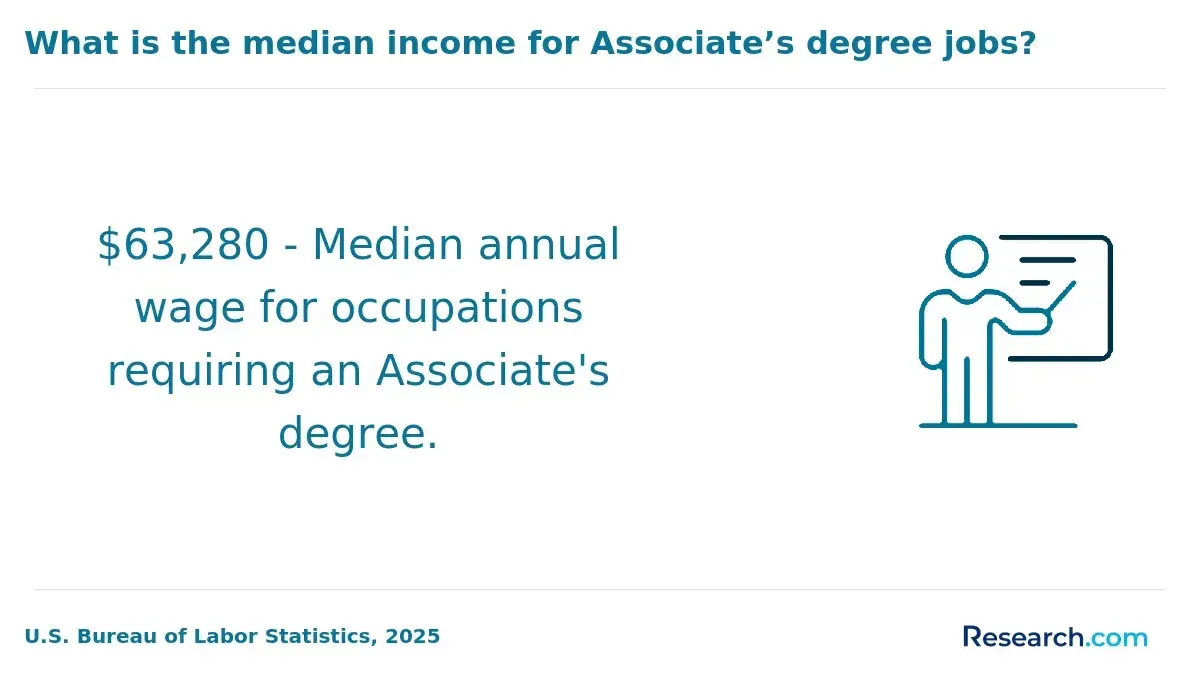
- Credit Transfer and Prerequisite Courses: Many accelerated programs expect students to enter with transferable credits, an associate degree, or prior learning experiences, which shorten time to graduation. Traditional routes generally admit students at the freshman level without such prerequisites, allowing broader access.
- Professional Experience: Accelerated education programs often weigh work experience or experiential learning more heavily, especially for adult learners or career changers, offering credit for relevant employment. In contrast, traditional programs rarely substitute experience for coursework in their admission processes.
- Application Timeline and Flexibility: Accelerated programs may offer rolling admissions and multiple start dates annually to accommodate working professionals, while traditional programs follow fixed deadlines aligned with academic calendars.
Students seeking faster entry into their careers might explore accelerated options, particularly if they have prior credits or relevant experience, aligning with the accelerated education program admission requirements. For those beginning anew, traditional education degree entry criteria provide a clear path with a more extended timeline.
Additionally, individuals interested in pursuing the highest paying 4 year degree should weigh how these admission criteria impact the time and flexibility of program completion.
How Are Accelerated Education Courses Structured Compared to Traditional Ones?
Accelerated education programs compress the standard curriculum into a shorter period, usually 12 to 24 months, allowing students to complete degrees faster than traditional timelines. These programs feature a quicker pace, heavier workload, and often flexible delivery formats, contrasting with the slower, more spaced-out structure of conventional courses.
Key differences between accelerated and traditional education programs include:
- Course Length: Accelerated programs have shorter terms lasting five to eight weeks, with limited breaks, designed for motivated learners like career changers or working professionals. Traditional programs extend over several years, providing more time for gradual learning and campus involvement.
- Weekly Workload: Accelerated courses demand an intensive weekly commitment focused on practical, applicable skills, fitting well with students who have prior academic experience. Traditional courses offer a more balanced workload, allowing deeper exploration and extracurricular participation suitable for first-time college students.
- Instruction Style: Accelerated formats frequently use online or hybrid models, enhancing flexibility for adult learners managing other responsibilities. Traditional programs typically rely on in-person classes with a fixed schedule, encouraging face-to-face interaction and a broader college experience.
How Much Do Accelerated Education Programs Cost Compared to Traditional Programs?
Tuition and overall expenses vary notably between accelerated and traditional education programs, mainly due to differences in program length and associated costs. Although the price per credit may be similar, accelerated formats typically reduce the total number of semesters, impacting the final amount students pay.
Below is a comparison of key financial aspects distinguishing these two education pathways:
- Tuition Rate per Credit: Accelerated and online bachelor's programs average around $509 per credit, which is considerably lower than the $791 charged by most traditional four-year, on-campus programs.
- Program Duration and Total Cost: Since accelerated programs are shorter, students pay for fewer semesters, resulting in total tuition and fees averaging about 64% of traditional on-campus costs, which can exceed $18,000 annually.
- Living Expenses: Shorter enrollment means less spent on housing, food, and other upkeep. Traditional students face roughly $744 more in living costs per additional year compared to the national average.
- Opportunity Cost and Debt: Completing an accelerated degree allows students to enter the workforce earlier, reducing lost earnings and potentially lowering accumulated student debt over time.
- Financial Aid Availability: Both program types qualify for federal aid, but traditional formats often provide more institutional scholarships or grants, which might influence affordability for some learners.
What Financial Aid Is Available for Accelerated vs. Traditional Education Degrees?
Students pursuing both accelerated and traditional education degrees may qualify for financial aid, but eligibility requirements and disbursement schedules often vary according to program length and enrollment status. Understanding these distinctions helps students better plan their finances throughout their studies.
Below is a comparison of how key financial aid options apply to each program format:
- Federal aid eligibility: Both formats qualify for federal aid like Pell Grants and Direct Loans if enrolled at least half-time, but graduate federal grant options are typically unavailable. Accelerated students might see different loan timing due to their condensed schedules.
- Scholarship availability: Scholarships usually apply to both groups if the program is accredited; some awards specifically target nontraditional, adult, or degree-completion students, often appealing to accelerated learners.
- Employer tuition assistance: Many employers assist with tuition for either format, yet accelerated programs are especially attractive for adults aiming to complete degrees quickly with employer support.
- Aid disbursement timing: Accelerated students may receive financial aid distributions more frequently or in smaller increments aligned with shorter course blocks, differing from the semester-based system of traditional programs.
What Kind of Student Support Do Accelerated vs. Traditional Education Programs Offer?
Student support is vital for academic achievement, but its form and availability often differ between accelerated and traditional education programs. These differences affect how and when students access services, influencing their overall learning experience. Below is a comparison of common support types offered in both program styles.
Academic Advising
Traditional programs tend to provide scheduled, face-to-face advising, fostering long-term advisor-student relationships. In contrast, accelerated programs emphasize virtual or on-demand advising, offering quicker but often less personalized responses to meet fast-paced needs.
Tutoring
Traditional settings usually feature diverse tutoring options, including peer and faculty sessions throughout the semester. Accelerated programs focus on just-in-time online tutoring that aligns with their intense schedules, often available beyond standard hours but with less emphasis on ongoing skill development.
Career Services
Extended career counseling, networking events, and workshops are common in traditional education, supporting gradual career planning. Accelerated formats prioritize condensed, focused career support aimed at quick job placement and certification, benefiting those seeking swift career changes but limiting exploration.
Peer Interaction
Traditional programs encourage extensive peer collaboration through in-person group work and campus activities. Accelerated programs may offer limited peer engagement due to shorter terms and remote delivery, which can restrict community building opportunities.
Do Graduates from Accelerated vs. Traditional Education Programs Get Hired More Quickly?
Employment outcomes are often a major factor when choosing between accelerated and traditional education programs. While both routes can lead to rewarding careers, several elements may affect how quickly graduates find jobs. Understanding these differences can help prospective students make informed decisions. Here are key insights on hiring trends and factors shaping employment timelines for each program type.
Comparing job placement and career prospects reveals important nuances:
- Employer Perception: Some hiring managers remain skeptical about accelerated degrees, concerned about their depth compared to traditional ones, but this bias is fading as both formats gain wider acceptance.
- Career Readiness: Graduates from accelerated programs often enter the workforce faster but may have less time for practical experience or networking, which traditional students typically gain through longer, immersive training.
- Industry Demand: Fields facing urgent shortages, such as teaching, sometimes favor accelerated graduates for their quick credentialing, while specialized roles may still prefer the thorough preparation of traditional programs.
- Job Placement Speed: Surveys show over 65% of traditional education grads find work within six months, whereas accelerated grads tend to secure jobs slightly faster, especially in high-demand or alternative education settings.
Are Accelerated Education Degrees Accredited the Same Way as Traditional Programs?
Accreditation ensures academic quality and legitimacy for both accelerated and traditional education programs, regardless of pacing or delivery format. This process guarantees that institutions meet established standards for curriculum rigor, faculty qualifications, and student outcomes. Importantly, accreditation affects eligibility for federal financial aid, the transferability of credits between schools, and how employers recognize degrees.
Whether a degree is earned on an accelerated timeline or through a traditional format, reputable programs must comply with these standards to maintain institutional credibility. Understanding the regional accreditation for accelerated vs traditional education programs helps students make informed decisions about their academic and professional futures.
The accreditation process generally applies equally to both accelerated and traditional programs, though institutions may design accelerated coursework differently to meet the same quality benchmarks. Regional or programmatic accrediting bodies, such as the Northwest Commission on Colleges and Universities (NWCCU), evaluate all program types to ensure consistent educational value. Accelerated programs often condense schedules and reduce electives while focusing on essential competencies, but they must still satisfy the same graduation requirements.
Students should always verify that their institution holds proper accreditation to ensure their degree is widely recognized by employers and licensure boards. For those interested in advanced study options beyond education degrees, exploring the shortest PhD programs can provide additional insights into accelerated academic pathways.
How Do You Choose Between an Accelerated vs. Traditional Education Degree?
Choosing between an accelerated and a traditional education degree depends largely on your career goals, schedule flexibility, and preferred learning pace. Both options offer distinct advantages tailored to different personal circumstances, allowing students to select the best fit for their lifestyle and ambitions.
To help guide your decision, consider the following key factors to evaluate which education path aligns best with your needs.
- Time Commitment: Traditional education programs typically span two to four years, providing a slower pace with breaks that benefit those who prefer gradual learning and campus engagement. Accelerated degrees condense this timeline into 12-24 months, ideal for motivated students seeking rapid workforce entry or career advancement.
- Learning Style: If you thrive on in-depth academic exploration and incremental skill-building, traditional degrees offer more time to absorb content and access academic support. Conversely, accelerated programs focus on practical, hands-on skills with a fast-paced approach suited for learners who excel under intensive study conditions.
- Flexibility and Cost: Accelerated programs often feature online or hybrid formats, providing flexible scheduling to balance work and family life, which is a crucial consideration given the traditional vs accelerated education program cost and flexibility differences. Additionally, accelerated degrees usually cost less due to shorter duration and reduced living expenses.
- Career Goals and Opportunities: Traditional degrees may offer broader networking and internship options, advantageous for those seeking comprehensive professional development. Accelerated paths help students enter the job market sooner, supporting quicker career growth.
For more information on flexible learning options that can complement your education goals, explore top trade schools online through this resource: top trade schools online.
What Students of Accelerated vs. Traditional Education Programs Say About Their Degree
- Taylor: "The traditional education degree program offered a well-rounded learning experience that really helped me develop a deep understanding of teaching methods. While the pace was slower than I expected, it allowed me to absorb material thoroughly and connect with professors personally. The tuition was on the higher side, but I feel the investment was worth it for the career foundation it gave me. "
- Cruz: "Enrolling in a traditional education program gave me stability and a consistent schedule, which worked well for balancing work and studies. However, the time commitment stretched longer than I initially hoped, and the total costs ended up being quite steep over the years. Despite that, the degree has opened many doors professionally, making the cost worthwhile in the long run. "
- Luka: "The accelerated education program was intense but kept me engaged every step of the way. The fast pace meant fewer semesters and lower overall costs, which fit my budget perfectly. On the downside, it was sometimes overwhelming to keep up, but finishing quicker allowed me to start my teaching career earlier than many of my peers."
Other Things You Should Know About Traditional vs. Accelerated Education Degrees
Employers might view accelerated degrees as less rigorous due to the condensed course timelines, which can imply less depth in subject matter mastery, despite the curriculum being equally comprehensive. However, growing recognition and success of graduates are gradually challenging this perception.
Accelerated programs in 2027 often provide fewer networking opportunities due to the shorter duration and intensity. Traditional programs allow more time for interactions with peers, faculty, and industry professionals, which can be crucial for career development and building a professional network.
In 2027, traditional programs often provide more extensive networking opportunities through on-campus events and alumni networks. Accelerated programs, while quicker, may offer fewer in-person interactions, thus impacting the depth of professional connections made during the study period.
References
- Evolution of Hiring Beyond Degrees to Skills-Based Recruitment https://www.workpro.com.au/blog/the-evolution-of-hiring-moving-beyond-degrees-to-skills-based-recruitment
- Accelerated Degree Program Admission Requirements https://www.park.edu/admissions/campus-center-admissions/admission-requirements/
- Abstract View https://library.iated.org/download/TOMOVIC2024PRO
- The Relationship Between Accelerated Dev-Ed Coursework and Early College Milestones: Examining College Momentum in a Reformed Mathematics Pathway https://pmc.ncbi.nlm.nih.gov/articles/PMC11177946/
- Accelerated Degree Programs For Working Adults https://www.affordablecollegesonline.org/online-colleges/best-accelerated-online-programs-for-working-adults/
- A 10-Year Look at Education Returns: Traditional vs Accelerated Pathways https://www.codingtemple.com/blog/traditional-vs-accelerated-higher-education/
- How an Accelerated Degree Can Jumpstart Your Teaching Career https://online.edgewood.edu/blog/accelerated-education-degree-for-teaching/
- Cost of Online Education vs. Traditional Education [2025]: Comparison https://educationdata.org/cost-of-online-education-vs-traditional-education
- A Complete Guide On Accelerated Degree Programs https://www.ebu.ac/blog/9-A-Complete-Guide-On-Accelerated-Degree-Programs-blog.php
- Accelerated education programs for out-of-school children and youth: Evidence from practitioners https://www.gpekix.org/blog/accelerated-education-programs-out-school-children-and-youth-evidence-practitioners


