
2027 Are There Any One-Year Online Fashion Merchandising Degree Programs Worth Considering?

Co-Founder and Chief Data Scientist
Students interested in fashion merchandising often want the shortest credible path into buying, retail planning, visual merchandising, product development, or brand management. The key question is whether a “one-year online fashion merchandising degree” is realistic, or whether a certificate, associate pathway, bachelor’s completion program, or graduate degree is the better fit.
The answer depends heavily on your starting point. A first-time college student should not expect to complete a full associate or bachelor’s degree in fashion merchandising in one year. Students who already have substantial transfer credits, an associate degree, or a completed bachelor’s degree may have faster options, including accelerated certificates, completion programs, or graduate study.
This guide explains what is and is not available, how accelerated online fashion merchandising programs work, what they cost, who qualifies, and how to evaluate whether a fast-track program is worth it for your career goals.
Key Points About One-Year Online Fashion Merchandising Degree Programs
- One-year online Fashion Merchandising degrees focus on practical skills like trend analysis and retail management, differing from traditional programs that often emphasize broader design theory.
- Such accelerated formats suit working professionals or career changers seeking quick entry, with flexible schedules catering mainly to U.S. students balancing work and study.
- Industry data shows a 15% growth in online enrollment for merchandising, reflecting increasing demand for digital retail expertise and supply chain knowledge within one year.
Is It Feasible to Finish a Fashion Merchandising Degree in One Year?
For most students, completing a fashion merchandising degree online in one year is not feasible at the associate or bachelor’s level. A bachelor’s degree commonly requires about 120 credits, and programs such as those at Liberty University or Arizona State University may also include internships, capstone projects, or other applied requirements that are difficult to compress into twelve months.
A one-year timeline becomes more realistic only in specific situations. Students who transfer a large amount of previous college credit, sometimes up to 75%, may be able to shorten a bachelor’s completion pathway. Graduate students may also have more realistic one-year options because some master’s programs are shorter by design, such as the 30-credit MPS at LIM College.
The main issue is not only the number of credits. Fashion merchandising programs often include sequential coursework in retail buying, textiles, consumer behavior, product planning, merchandising analytics, and brand strategy. If an internship, practicum, or capstone is required, scheduling and approval timelines can extend completion beyond one year.
Who is most likely to finish quickly?
- Students with many transferable credits: A bachelor’s completion route may be faster if general education and lower-division requirements are already finished.
- Students pursuing a graduate credential: A shorter master’s curriculum may fit a one-year plan better than an undergraduate degree.
- Students choosing certificates instead of degrees: Certificates can build targeted skills faster, although they are not the same as a degree.
- Students who can study full time year-round: Accelerated calendars require steady enrollment and a high workload.
Students balancing full-time work, caregiving, or retail schedules should be cautious. A faster program can save time, but only if the workload is manageable enough to complete courses successfully.
Are There Available One-year Online Fashion Merchandising Degree Programs?
Currently, there are no one-year online fashion merchandising degree programs in the US. Students searching for the fastest route should therefore compare accelerated certificates, associate degrees, bachelor’s completion options, and graduate programs rather than assuming that a full undergraduate degree can be completed from start to finish in twelve months.
Shorter credentials can still be useful. A certificate may help a retail employee move toward buying, visual display, store leadership, or wholesale merchandising. An associate degree can provide broader academic preparation. A bachelor’s degree offers a deeper foundation in fashion business strategy, while a graduate degree may suit students who already hold a bachelor’s degree and want management-level preparation.
Students considering shorter credentials may also want to compare broader certificate programs that pay well to understand how fashion-related certificates fit into the larger credential market.
| Program option | Typical fit | Important limitation |
| Fashion Merchandising Certificate at Maricopa Community Colleges | Requires 24 credits and focuses on retail, management, and visual display skills for roles in retail buying, management, and wholesale merchandising. | It is a certificate, not a full associate or bachelor’s degree. |
| Associate of Applied Science in Fashion Merchandising at University of the District of Columbia | Provides coursework in product development, trend forecasting, and visual communication, with internships and professional experiences to support career preparation. | It is not a one-year program; it takes approximately two years to complete. |
| Online Bachelor of Arts in Fashion - Merchandising at Arizona State University | Combines creative and business training in strategic product planning, buying, sales, internship work, and a capstone project. | It is a four-year program, not a one-year degree. |
The best choice depends on what you need the credential to do. If your goal is a quick skill upgrade, a certificate may be enough. If your goal is long-term advancement into corporate merchandising, buying, product planning, or brand roles, a degree pathway may carry more value even if it takes longer.
Why Consider Taking Up One-year Online Fashion Merchandising Programs?
Fast-track online fashion merchandising programs appeal to students who want career-relevant training without spending several years away from the workforce. Even when a true one-year degree is not available, accelerated certificates, completion programs, and short graduate programs can help students build focused skills in retail math, trend analysis, product assortment planning, inventory management, consumer behavior, and fashion marketing.
The strongest reason to consider an accelerated online option is alignment. If the program matches your current education level and career goal, it can be efficient. If it does not, a longer but more complete degree may be the better investment.
- For career changers: Institutions like the Fashion Institute of Technology and LIM College offer Associate in Applied Science (AAS) degrees tailored for students with existing college credits, helping professionals move into fashion merchandising more efficiently.
- For working professionals: Online delivery can make it possible to keep working while studying merchandising, retail operations, product planning, or brand management concepts that may apply directly to a current job.
- For recent graduates: One-year master’s degrees, such as the Master of Professional Studies in Fashion Merchandising and Retail Management, can provide advanced training for students who already hold bachelor’s degrees and want preparation in consumer behavior analysis, financial planning, and management-level decision-making.
When an accelerated option makes sense
- You already have college credits or a completed degree.
- You know which fashion merchandising role you want to pursue.
- You can handle compressed deadlines and frequent assignments.
- You need a credential that supports a near-term career move.
- The program includes career services, portfolio work, internship options, or applied projects.
Accelerated learning can reduce time away from earning potential and may lower overall education costs, but it should not be chosen only because it is short. Students comparing flexible study formats may also find it useful to review the best online degree programs for seniors for examples of online learning models built around adult learners.
What Are the Drawbacks of Pursuing One-year Online Fashion Merchandising Programs?
The main drawback of a one-year or accelerated online fashion merchandising program is compression. Fashion merchandising is both analytical and visual: students need to understand products, customers, retail data, brand positioning, presentation, and buying decisions. When the timeline is shortened, there is less room to practice, revise, network, and build a portfolio.
- Intensive workload: A compressed schedule may require students to move quickly through marketing, textiles, retail management, merchandising strategy, and related topics. This can make it harder to work part time, complete internships, or absorb feedback.
- Reduced networking opportunities: Online students may have fewer informal chances to meet classmates, faculty, alumni, recruiters, and industry professionals through campus events, showroom visits, or in-person critiques.
- Minimal hands-on experience: Skills such as visual merchandising, trend analysis, product presentation, and assortment planning are easier to develop when students can work with physical products, displays, stores, or supervised projects.
Common mistakes to avoid
- Choosing speed over accreditation: A fast program is not worth much if the credential is not recognized or transferable.
- Ignoring internship access: In fashion merchandising, experience can matter as much as coursework.
- Underestimating retail math: Buying, planning, and inventory roles often require comfort with numbers, margins, and sales data.
- Assuming online means easy: Accelerated online courses often require more independent discipline than traditional semester courses.
Students can reduce these drawbacks by attending virtual industry events, asking faculty about remote internship options, seeking entry-level retail or e-commerce experience, and building a portfolio of merchandising projects, trend reports, product plans, or visual presentation work while enrolled.
What Are the Eligibility Requirements for One-year Online Fashion Merchandising Programs?
Eligibility depends on the credential level. Most accelerated or one-year-oriented fashion merchandising options are designed for students who already bring academic credit, professional experience, or a completed degree. Without prior coursework, finishing a traditional bachelor’s program in one year is generally not realistic because of the 120-credit requirement and standard full-time study expectations.
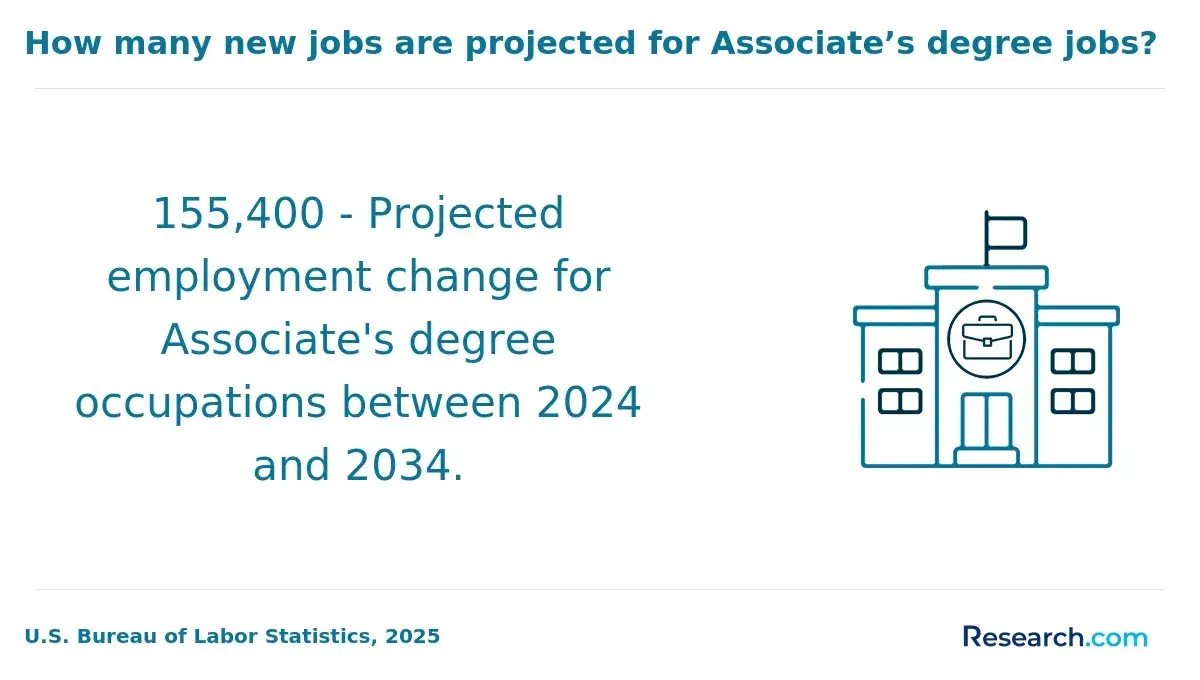
For bachelor’s completion programs, schools may expect an associate degree or at least 60 transferable credits. For graduate programs, applicants generally need a bachelor’s degree. Certificate programs may be more accessible, but they still may require a high school diploma or equivalent and readiness for college-level work.
Fashion merchandising can align with business, retail, branding, and product roles, and students comparing academic options may also want to review college majors that pay well when weighing long-term value.
- Prior College Credits: Accelerated bachelor’s programs often require official transcripts showing completed general education, electives, or prerequisite coursework. Transfer credit can reduce both time and cost.
- Professional Experience: Work in fashion, retail, merchandising, sales, visual display, e-commerce, or inventory may strengthen an application, especially for graduate or certificate programs.
- Prerequisite Coursework: Some programs expect foundational coursework in business, math, writing, communications, composition, or information literacy.
- Placement Exams: These are uncommon, but some schools may assess college-level readiness in math or writing.
- Background Checks and Interviews: These are rare for undergraduate admission but may apply when internships, practicums, or partner-site experiences are required.
- Minimum GPA: A cumulative GPA of 2.0 or higher is generally required, and some schools require at least a "C" grade in major coursework.
- High School Diploma or Equivalent: This is a basic requirement for undergraduate admission.
Questions to ask admissions before applying
- How many of my credits will transfer into the program?
- Which credits apply to the major, not just general electives?
- Can the program truly be completed in one year with my transcript?
- Are internships, practicums, or capstones required?
- Are courses offered every term, or could scheduling delay graduation?
- Is there a maximum number of credits I can take per term?
Students new to college should expect a longer timeline. One-year and accelerated pathways are usually most appropriate for applicants who already have substantial credits, a completed associate degree, or a bachelor’s degree.
What Should I Look for in One-year Online Fashion Merchandising Degree Programs?
The best accelerated online fashion merchandising program is not simply the shortest one. It should be accredited, affordable, career-relevant, and realistic for your schedule. Because fully one-year accredited online fashion merchandising programs are rare, students should evaluate both the credential and the institution carefully before enrolling.
- Accreditation: Check whether the institution is accredited by recognized accreditors, such as regional accreditors including the Middle States Commission on Higher Education. For business-related programs, accreditation from bodies like the Accreditation Council for Business Schools and Programs (ACBSP) may also be relevant. Accreditation affects credibility, transferability, and eligibility for some types of financial aid.
- Faculty expertise: Look for instructors with fashion, retail, merchandising, buying, product development, e-commerce, or brand management experience. Faculty who understand current industry practice can make assignments more useful.
- Curriculum quality: Strong fashion merchandising degree requirements should combine business fundamentals with fashion-specific topics such as fashion marketing, visual merchandising, supply chain, apparel product development, consumer behavior, retail math, merchandising analytics, and digital tools like CAD or Adobe Creative Suite.
- Applied learning: Prioritize programs with capstone projects, internships, case studies, portfolio assignments, product planning exercises, or merchandising strategy projects.
- Course delivery format: Accelerated 7-8 week courses and asynchronous learning can help working students, but they require strong time management. Confirm whether any live sessions, group projects, or proctored exams are required.
- Credit transfer policies: Review how many credits the school accepts, whether prior learning assessment is available, and whether transferred courses apply directly to the major.
- Tuition cost: Compare per-credit tuition, technology fees, materials, software, portfolio costs, and any internship-related expenses.
- Student support services: Online learners should have access to academic advising, tutoring, technical support, career counseling, internship help, and job search resources.
Program quality checklist
| What to verify | Why it matters |
| Institutional accreditation | Helps protect credit transfer, financial aid eligibility, and employer recognition. |
| Clear completion timeline | Prevents enrolling in a program that is advertised as fast but cannot be completed quickly with your credits. |
| Fashion-specific coursework | Ensures the program is not just a general business curriculum with limited fashion content. |
| Internship or applied project access | Builds evidence of practical ability for entry-level and advancement opportunities. |
| Transparent total cost | Helps compare programs beyond headline tuition. |
Students who want a recognized online degree should also compare options from non profit accredited colleges that offer quality online degrees.
How Much Do One-year Online Fashion Merchandising Degree Programs Typically Cost?
One-year online programs in Fashion Merchandising in the U.S. generally cost between $2,000 and $4,000 for certificates or diplomas. Full bachelor’s degrees usually take longer than a year and tend to charge around $25,000 to $40,000 per year in tuition.
Cost varies by credential type, accreditation status, institution, transfer credit policy, and whether materials or technology are included. Students should also check for application fees, technology fees, software requirements, textbooks, portfolio expenses, graduation fees, and internship-related costs.
Compared with traditional on-campus bachelor’s programs in Fashion Merchandising that can exceed $100,000 in tuition over four years, shorter online options may offer a more affordable way to build targeted skills. However, students should be careful when comparing a certificate with a full degree. A certificate may cost less and finish faster, but a bachelor’s degree may offer broader preparation and stronger long-term credential value.
Cost factors to compare
- Credential level: Certificates and diplomas are usually less expensive than bachelor’s degrees.
- Transfer credits: Accepted credits can reduce the number of courses you must pay for.
- Enrollment pace: Accelerated study may concentrate costs into a shorter period.
- Included materials: Some programs include digital resources, while others require separate purchases.
- Financial aid eligibility: Degree-granting accredited programs may offer more aid options than noncredit or short-term programs.
Before enrolling, ask the school for a full cost estimate based on your transfer credit evaluation, not just the published tuition rate.
What Can I Expect From One-year Online Fashion Merchandising Degree Programs?
Students in accelerated online fashion merchandising programs should expect a business-focused curriculum with creative applications. Coursework commonly connects consumer behavior, retail strategy, fashion trends, product assortments, pricing, buying decisions, visual presentation, and digital merchandising.
Because the timeline is compressed, classes may move quickly from concept to application. Students may complete trend reports, product line plans, merchandising calendars, competitive analyses, retail math assignments, inventory exercises, visual merchandising presentations, or brand strategy projects. Some programs may also include virtual internships or capstone projects.
Students may work with industry tools such as Adobe Illustrator and Photoshop, depending on the program. The goal is not only to understand fashion trends but to connect those trends to business decisions: what to buy, how much to buy, how to price it, how to display it, and how to appeal to a target customer.
Likely learning outcomes
- Analyze fashion trends and consumer behavior.
- Understand how design, merchandising, and retail strategy affect product success.
- Apply retail math and inventory concepts to buying or planning decisions.
- Develop merchandising strategies for digital and traditional retail settings.
- Create projects that can support a portfolio or job interview discussion.
The biggest challenge is pace. Students should expect frequent deadlines, independent work, and limited downtime between modules. Those who actively participate in online discussions, seek faculty feedback, attend virtual networking events, and pursue retail or remote internship experience will usually get more career value from the program.
Graduates may pursue roles across retail, buying support, visual merchandising, e-commerce, inventory coordination, sales, product development support, or brand operations. Students who prefer focused independent work may also want to explore examples of good jobs for an introvert when considering career fit.
Are There Financial Aid Options for One-year Online Fashion Merchandising Degree Programs?
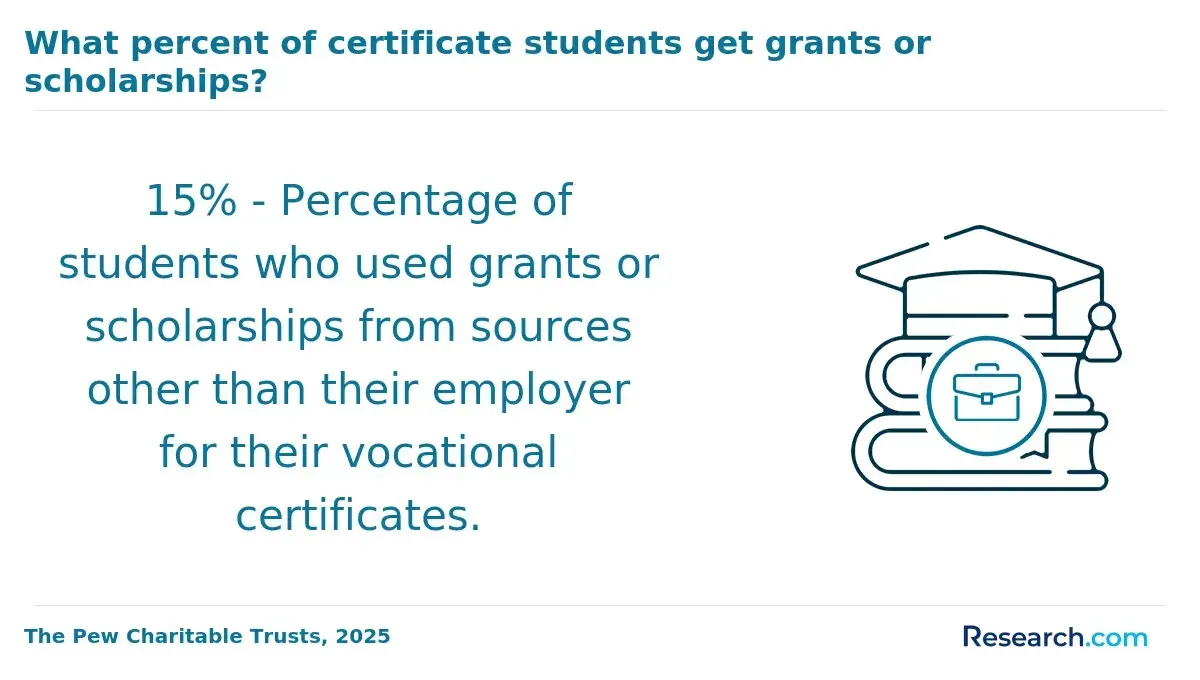
Yes, financial aid may be available for students in one-year or accelerated online fashion merchandising programs, but eligibility depends on the school, credential type, accreditation status, enrollment level, and student circumstances. Degree-granting accredited programs typically offer more aid options than noncredit or short certificate programs.
Students seeking federal or state aid generally need to complete the Free Application for Federal Student Aid (FAFSA). Aid may include Pell Grants, federal student loans, and state-specific grants, depending on financial need, income, citizenship, enrollment status, and program eligibility.
- Federal and State Aid: May include Pell Grants, federal loans, and state-specific grants for students enrolled in eligible accredited programs. FAFSA completion is usually required.
- Scholarships: Fashion students may qualify for awards such as the FSF Case Study Scholarship and the CBC Spouses Visual Arts Scholarship. Criteria may include academic performance, major relevance, essays, portfolios, or case study submissions.
- Institutional Aid: Colleges may offer scholarships, grants, or tuition discounts based on merit, need, transfer status, or program enrollment.
- Employer Assistance: Some employers provide tuition assistance for employees studying fashion, retail, business, merchandising, or related fields. Students should ask human resources about eligibility, reimbursement limits, and grade requirements.
- Private Grants and Industry Support: Fashion organizations may offer support that requires recommendations, essays, portfolios, or a clear connection to career goals.
Because accelerated programs may start multiple times during the year, aid deadlines can differ from traditional semester calendars. Contact the school’s financial aid office before applying, and ask whether the exact program you plan to enter is eligible for federal aid, scholarships, payment plans, or employer billing.
What Fashion Merchandising Graduates Say About Their Online Degree
- Joey: "Completing the one-year online Fashion Merchandising degree was a game-changer for my career. The accelerated format allowed me to finish quickly without sacrificing depth, and the practical skills I gained helped me secure a position at a top retail company almost immediately. The program was well-structured, and the average cost made it an affordable investment."
- Elmer: "The competency-based approach in the online Fashion Merchandising program really resonated with me. Being able to move at my own pace meant I could focus on mastering each concept thoroughly. Looking back, the personalized learning experience and relevant coursework have been invaluable as I now confidently manage inventory and trend analysis for a major brand."
- Alvin: "Reflecting on my experience, the one-year online Fashion Merchandising degree was intense but incredibly rewarding. It challenged me to balance speed with understanding, and the skills I developed in merchandising strategies and consumer behavior have elevated my professional profile. Considering the cost efficiency of the program, it was an excellent choice for advancing my career."
Other Things You Should Know About Pursuing One-Yeas Fashion Merchandising Degrees
In 2027, online Fashion Merchandising programs offer digital networking through virtual events and forums, allowing connections with peers and industry professionals globally. However, they might lack the immediacy and personal touch found in face-to-face interactions common in traditional settings.
Some one-year online Fashion Merchandising degrees incorporate virtual internships or project-based assignments with fashion companies. However, hands-on experiences are less common than in traditional programs. Prospective students should verify whether the program offers practical components and consider supplementing their education with external internships for real-world experience.
In 2027, internships in one-year online Fashion Merchandising programs offer crucial practical experience, bridging theoretical knowledge and real-world application. They help students build industry networks and skills, enhancing job prospects even within the format of an accelerated program.
References
- 2025 Most Affordable Online Schools for Fashion Degrees https://www.onlineu.com/most-affordable-colleges/fashion-degrees
- The Top 5 Reasons to Study Fashion Online https://www.ifaparis.com/the-school/blog/the-top-5-reasons-to-study-fashion-online
- STUDY FASHION. International School of Fashion Design - SAPU https://www.ksa.edu.pl/study-in-poland-in-english/fashion-college-english
- Buying & Merchandising | Online Course | FRA https://www.fashionretailacademy.ac.uk/study/courses/online-buying-merchandising
- Online Degree Programs https://www.fitnyc.edu/academics/online-learning/degrees.php
- Bachelor of Science in Fashion Merchandising and Marketing https://degree.astate.edu/online-programs/undergraduate/bachelor-strategic-communications-media/bachelor-of-science-fashion-merchandising-marketing/
- Online Bachelor’s in Fashion Merchandising | Liberty University https://www.liberty.edu/online/arts-and-sciences/bachelors/fashion-merchandising/
- CE0051 Fashion Buying and Merchandising Certificate | Continuing & Professional Education at The New School https://cpe.newschool.edu/public/category/courseCategoryCertificateProfile.do
- Guide To A Fashion Merchandising Degree | All Bachelor Degrees https://allbachelordegrees.com/degrees/all-you-need-to-know-about-a-fashion-merchandising-degree/
- Fashion Business Management One-Year AAS Degree Program https://catalog.fitnyc.edu/undergraduate/majors/oneyearassociatedegreeprograms/fashionmerchandisingmanagementmajor/


