2027 Emergency Management Internship Requirements: Hours, Placements, and Supervision

Co-Founder and Chief Data Scientist
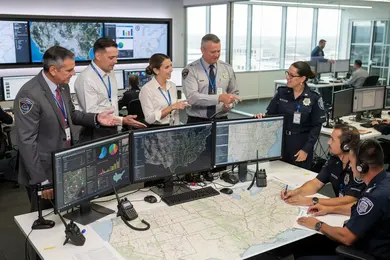
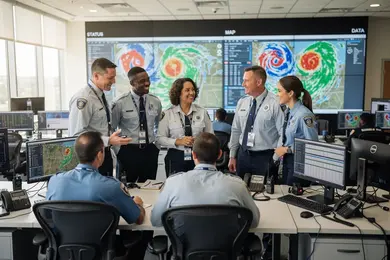
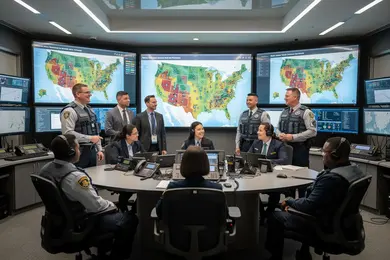
Entering an internship in emergency management often presents students with challenges in balancing required hours, securing placements, and understanding supervision protocols. With the emergency management sector expected to grow by 8% through 2030, hands-on experience becomes critical for employability. Interns typically work in settings such as local government agencies, nonprofit organizations, or disaster response teams under direct supervision from experienced professionals.
Meeting academic and professional expectations demands clarity on these requirements. This article explores the essential hours, placement arrangements, and supervisory standards in emergency management internships to help students navigate and fulfill these obligations effectively.
Key Things to Know About Emergency Management Internship Requirements
- Internship hours typically range from 120 to 400, requiring careful academic scheduling to balance fieldwork and coursework for timely program completion.
- Placement availability depends on agency partnerships and regional emergency management needs, influencing internship location and practical experience diversity.
- Supervision must meet professional standards with regular evaluations, ensuring skill development aligns with established emergency management competencies and career readiness.
Do All Emergency Management Degrees Require an Internship?
Internships are commonly integrated into Emergency Management degree programs to provide crucial hands-on experience that complements theoretical knowledge. Approximately 70% of accredited emergency management programs include internships as a mandatory or highly encouraged element, emphasizing their role in preparing students for practical disaster response roles. The requirement for an internship, however, varies based on several key factors outlined below.
- Program Level: Undergraduate degrees often require internships to ensure students gain foundational practical exposure before graduation. In contrast, some graduate programs with a focus on research or policy may offer capstone projects or alternative experiential learning instead of traditional internships.
- Accreditation Standards: Many emergency management programs seeking accreditation incorporate internships to meet professional standards emphasizing experiential learning, making these placements either mandatory or strongly recommended to comply with accrediting bodies' guidelines.
- Specialization Tracks: Specific fields like disaster logistics or emergency operations typically mandate internships to align academic instruction with career competencies. Other concentrations, such as emergency planning or risk assessment, might provide simulation-based experiences or project work as alternatives.
- Alternative Experiences: Some programs offer practicums, fieldwork, or project-based learning instead of traditional internships, providing practical engagement while accommodating diverse student needs and institutional resources.
Prospective students curious about emergency management internship requirements for degree programs should carefully examine individual curricula. If exploring quickest online degrees, it's particularly important to verify these experiential learning components since program structures can differ widely.
What Requirements Must Be Met Before Starting a Emergency Management Internship?
Internship programs in emergency management set prerequisites to ensure students possess the foundational knowledge and skills necessary for success. In fact, a 2022 survey by the National Association of Colleges and Employers found that 87% of internship programs require relevant coursework before placement, underscoring the value of academic preparation. Below are common eligibility criteria students must meet before starting an internship.
- Minimum GPA: Most programs require a grade point average between 2.5 and 3.0 on a 4.0 scale. This ensures students have demonstrated consistent academic performance and are prepared to handle professional responsibilities.
- Completed Coursework: Students typically must finish prerequisite courses related to Emergency Management or closely allied fields such as public safety, disaster response, or crisis communication. These courses provide essential theoretical knowledge for practical internship tasks.
- Application Approval: Internships usually require formal approval from an academic advisor or internship coordinator. This process involves submitting an application or proposal that aligns the internship with the student's educational goals.
- Background Checks: For placements involving government agencies or sensitive information, successful clearance of background checks or security clearances is often mandatory to protect both the organization and the community.
How Many Internship Hours Are Required for Emergency Management Degrees?
Internship hours are a vital component of emergency management degrees, designed to provide practical experience alongside academic study. Typically, programs require between 120 and 400 hours, with an average credit-to-hour conversion where one academic credit equals about 40 to 50 internship hours. The following points highlight key factors that determine these hour requirements.
- Credit Equivalencies: Most programs base internship hours on academic credits, with a one-credit internship usually translating to 40-50 hours of practical work. This standardization helps align hands-on experience with academic expectations.
- Program Level: Graduate programs generally set higher hour requirements-often exceeding 300 hours-compared to undergraduate degrees, reflecting the advanced knowledge and skills needed at this stage.
- Accreditation Standards: Many emergency management degrees follow accreditation guidelines that establish minimum internship hours to ensure consistent training quality across institutions.
- Student Enrollment Status: Full-time students may face different hourly expectations than part-time learners, allowing programs to balance workload and availability without reducing the educational value of the internship.
A graduate with an emergency management degree shared that completing internship hours was both rewarding and challenging. He mentioned feeling "overwhelmed initially by the time commitment," especially while managing coursework simultaneously. However, securing a placement required persistence and proactive outreach, and interacting with experienced professionals turned out to be invaluable for his career perspective. He reflected that, despite the hurdles, fulfilling these hours helped him "build confidence and practical skills that classroom learning alone couldn't provide."
Where Do Emergency Management Students Complete Internships?
Internship placement environments play a crucial role in shaping practical skills for emergency management students by exposing them to diverse operational contexts. Over 60% of emergency management internship placement options in the United States are within government sectors, with a broad distribution across other fields enhancing experiential learning. This variety helps students develop adaptable skill sets that align with their career goals. Common internship settings include the following:
- Government Agencies: Interns frequently work in local, state, or federal government organizations, gaining experience in emergency response, public safety, and homeland security operations that anchor many emergency management programs.
- Corporate Organizations: Industries such as insurance, healthcare, and utilities host internships focusing on disaster preparedness and risk assessment, blending business practices with emergency management principles.
- Nonprofit Organizations: These placements often involve roles in disaster relief, community resilience, and public education campaigns that address local and regional emergency needs.
- Research Institutions: Academic centers and think tanks provide internships that emphasize data analysis, crisis modeling, and policy evaluation, supporting research-driven approaches to emergency management challenges.
Students seeking to complement their practical training with academic rigor can explore programs like the accelerated psychology degree, which may offer interdisciplinary insights relevant to community response and resilience strategies.
How Are Internship Placements Assigned in Emergency Management Programs?
Internship placements within emergency management programs are designed to align student skills and interests with host organizations effectively. Structured processes aim to ensure students gain relevant, professional experience while meeting academic standards. Studies indicate that around 60% of students find placements through coordinated program efforts, underscoring the importance of organized assignment systems. Common methods for placement include the following:
- Faculty-Guided Matching: Faculty advisors review student applications and recommend placements based on individual strengths, career goals, and the availability of partnering agencies. This personalized approach helps tailor internships to student development needs.
- Student-Driven Applications: Some programs empower students to independently pursue internship opportunities, requiring approval from academic supervisors to confirm alignment with curricular objectives. This method fosters proactive career exploration.
- Partnership-Based Assignments: Long-term collaborations between academic programs and external organizations often facilitate direct placement of students, creating a steady pipeline of internship roles tied to established relationships.
- Centralized Placement Systems: A formalized process managed by the educational institution may collect and distribute internship openings, balancing student preferences with host organization requirements through standardized matching algorithms or committees.
A emergency management degree student shared that her placement experience combined faculty guidance with self-initiated research. She recalled the challenge of narrowing her interests and preparing tailored applications, but appreciated how regular meetings with advisors helped clarify options and set realistic goals. "It felt reassuring to know there was support through the process," she said, highlighting the value of a collaborative approach. She also noted how the balance between structured recommendations and personal initiative allowed her to secure a meaningful internship that aligned with her career aspirations.
Are Virtual or Remote Internships Available?
Remote and hybrid internships are increasingly prevalent in emergency management education, reflecting broader shifts toward digital work environments. A 2023 study by the National Association of Colleges and Employers found that nearly 70% of internship positions now offer fully remote or hybrid formats, highlighting a notable increase in flexible internship options. This trend expands opportunities for students facing geographic or scheduling challenges and supports engagement with diverse employers. These evolving internship models play a significant role in how practical experience is gained within emergency management programs.
Virtual internships commonly leverage video calls, cloud-based platforms, and project management tools to facilitate collaboration between interns, supervisors, and teams. This approach allows students to balance internship duties with academic and personal responsibilities, enhancing accessibility and adaptability. However, the extent to which remote internships are available varies, often depending on the program's emphasis on hands-on fieldwork versus technology-driven roles. Hybrid arrangements, combining occasional in-person presence with remote tasks, further broaden the range of practical learning experiences within emergency management.
Are Part-Time Internships Allowed for Working Students?
Nearly 70% of college students work while attending school, making part-time internships a crucial option for those balancing jobs and academics. Emergency Management programs often recognize this reality by offering flexible internship arrangements to accommodate working students. These options enable students to gain valuable experience without compromising their employment or academic progress. Key aspects of part-time internships include the following:
- Scheduling Flexibility: Many programs allow students to distribute their internship hours over extended time frames or select shifts that do not conflict with existing work or class schedules, helping maintain balance.
- Employer Accommodations: Internship sites commonly offer evening or weekend shifts to ensure students can participate without disrupting their job commitments, promoting a workable integration of responsibilities.
- Academic Workload Balance: Part-time internships are designed to help students manage coursework alongside practical experience, reducing stress and supporting sustained academic performance throughout the semester.
- Program-Specific Restrictions: Some emergency management programs may require minimum weekly hours or limit part-time internships to maintain sufficient exposure, so students should confirm these policies with program coordinators.
- Credit Hour Requirements: While part-time, internships still typically mandate completing a total number of hours essential for degree completion, which can often be satisfied over multiple semesters.
What Supervision Is Required During a Emergency Management Internship?
Supervision is a vital part of any emergency management internship, ensuring that students receive guidance necessary for professional growth and skill mastery. Research shows that about 70% of interns credit effective mentorship as a key factor in their confidence and career development. The following highlights key supervision requirements for emergency management internships that create a supportive learning environment.
- Faculty Oversight: Academic advisors maintain regular communication with both interns and workplace mentors. They provide direction on internship goals, ensure alignment with curriculum standards, and address any academic concerns promptly.
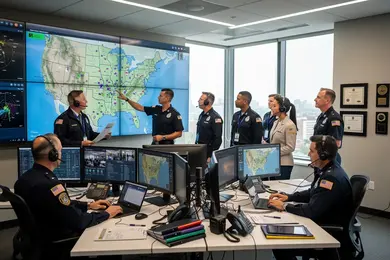
- Workplace Mentors: Experienced professionals in emergency management provide day-to-day supervision. They share industry insights, foster practical skills, and model ethical behaviors that interns are expected to uphold in the field.
- Progress Monitoring: Supervision involves scheduled check-ins and performance reviews. These meetings offer constructive feedback focused on critical competencies like disaster response coordination and risk assessment, enhancing overall internship quality.
- Performance Feedback: Interns receive ongoing evaluations aimed at improving communication, decision-making, and accountability. This feedback helps build reliability, a vital trait in emergency management careers.
- Professional Accountability: Supervisors ensure interns adhere to organizational policies and professional codes of conduct, reinforcing a culture of responsibility and trustworthiness.
Students seeking effective mentorship during emergency management internship programs should also consider supplementing their education with relevant academic resources. For example, those interested in related fields might explore the best online accounting degree options for complementary skills in financial management during emergencies.
How Are Emergency Management Internships Evaluated?
Evaluating internships in emergency management is key to ensuring that students gain practical skills aligned with academic and professional standards. A study by the National Society for Experiential Education shows internships with structured evaluations have a 20% higher skill development rate. Below are common methods used to assess student performance and learning outcomes during internships.
- Supervisor Reviews: These provide direct feedback on student abilities in real-world emergency management settings. Supervisors evaluate problem-solving, communication, and adherence to safety protocols, offering critical insight into practical competency development and supervision and feedback in emergency management internships.
- Reflective Assignments: Interns complete written reflections to critically analyze their experiences. These assignments foster deeper learning, self-awareness, and the ability to connect theory with practice.
- Performance Benchmarks: Clear standards are set at the start to measure project completion, response effectiveness, and leadership skills. These benchmarks help quantify student progression and ensure expectations are transparent.
- Faculty Assessments: Academic supervisors review internship reports and presentations to verify that practical work aligns with educational goals. This evaluation maintains the integrity of academic requirements and encourages comprehensive learning.
- Integration with Degree Programs: Internship evaluations often complement coursework in a project management degree or related fields, ensuring students develop competencies essential for emergency management careers.
What Challenges Do Emergency Management Students Face During Internships?
Internships in emergency management are essential for gaining practical experience but often come with significant demands. Nearly 40% of students report moderate to high stress levels during these placements, illustrating the intense workload and expectations involved. Several challenges commonly arise as students work to fulfill their internship hours and adapt to professional settings.
- Balancing Commitments: Managing internship hours alongside academic responsibilities and personal life can be overwhelming, requiring effective time management to meet all demands.
- Workplace Adaptation: Adjusting to the culture and expectations of a professional environment can be difficult, especially for those new to emergency management roles.
- Transportation Issues: Traveling to internship locations, often in government or nonprofit agencies, may add logistical and financial challenges that complicate participation.
- Stress Management: The fast-paced and high-pressure nature of emergency management placements can lead to significant stress, making it crucial for students to develop coping strategies.
These common obstacles highlight the challenges faced by students during emergency management internships in the United States. For those seeking to strengthen their skills and resume, balancing these demands is key, which is why many working professionals also explore affordable online MBA options to gain leadership and organizational expertise through more flexible learning formats. Prospective students may also consider exploring accredited online speech pathology programs for flexible educational pathways alongside internship commitments.
What Graduates Say About Emergency Management Internship Requirements
- Raul: "The internship hours required for my emergency management degree were intensive but truly rewarding. I was placed in a local emergency response agency where every day brought new challenges and learning opportunities. Having a supervisor invested in guiding my development made the experience invaluable, helping me build the confidence to move forward in my career."
- Elisha: "Reflecting on my internship, I appreciate how structured and supportive the entire process was. The supervised hours provided a safe environment to apply theoretical knowledge while gaining hands-on skills. This real-world experience became a cornerstone that significantly influenced my approach as a professional in emergency management."
- Michael: "Emergency management internships opened up doors I hadn't expected. Being placed in diverse settings allowed me to see the practical impact of my studies, from disaster preparedness to recovery efforts. The mentorship from seasoned professionals during my supervised internship gave me a clear pathway to pursue leadership roles in the field."
Other Things You Should Know About Emergency Management Degrees
Some emergency management programs allow students to apply relevant prior professional experience to fulfill part of their internship hours. However, this is typically subject to strict review and approval by the academic advisor or internship coordinator. Documentation such as job descriptions and supervisor evaluations is usually required to verify the experience's relevance and quality.
Yes, many programs require students to meet core competencies aligned with emergency management practice, such as risk assessment, disaster response planning, and coordination with governmental agencies. Internship supervisors often assess these skills through project deliverables, participation in drills, and fieldwork. Meeting these competencies ensures that students gain practical, job-ready expertise.
In 2027, students may be required to complete additional training, such as FEMA's Incident Command System courses, prior to or during their emergency management internships to ensure they possess essential skills and understanding pertinent to their roles.
Many internship programs require a minimum continuous duration for placements, often ranging from eight to twelve weeks. This ensures students have ample time to understand organizational procedures and contribute meaningfully to projects. Shorter placements may not meet program standards unless combined with other qualifying experiences.
References
- Homeland Security & Information Management | Internship Application and Requirements https://www.dallascounty.org/departments/hsem/employment-internships/
- UNDRR internships | UNDRR https://www.undrr.org/about-undrr/work-with-us/internships
- Disaster Risk and Emergency Management Internship https://www.massey.ac.nz/study/courses/disaster-risk-and-emergency-management-internship-130204/
- Internships (In-Office w/ Some Remote Work) | The IRC https://www.rescue.org/volunteer/internships-office-w-some-remote-work
- Internship Opportunities with Department of Emergency Management https://sonomacounty.gov/administrative-support-and-fiscal-services/emergency-management/internships
- How to Become an Emergency Management Specialist https://www.publichealthdegrees.org/careers/emergency-management-specialist/
- Internships https://www.floridadisaster.org/dem/Executive-directors-office/intern/