2027 Entry-Level Jobs With a Forensic Science Degree

Co-Founder and Chief Data Scientist
Entering the workforce after earning a forensic science degree can feel daunting, especially in a competitive hiring market. Many recent graduates wonder which entry-level careers best align with their skills and interests. Industry reports indicate that employment in forensic science-related occupations is projected to grow by 11% over the next decade, reflecting increasing demand for qualified professionals.
Roles such as forensic technician, crime lab assistant, or evidence clerk offer foundational experience and career growth potential. This article explores the variety of beginner roles available for those with a forensic science degree and provides insight into what new graduates can expect when launching their careers.
Key Benefits of Entry-Level Jobs With a Forensic Science Degree
- Entry-level jobs provide hands-on experience with laboratory techniques, evidence analysis, and crime scene protocols critical to building specialized forensic science skills.
- These roles often serve as stepping stones, enabling career progression into forensic analyst, toxicologist, or criminalist positions with increased responsibilities.
- Working early in forensic science fields helps graduates establish professional networks and enhance resumes, boosting long-term employment prospects in a competitive job market.
What entry-level jobs can you get with a forensic science degree?
About 60% of recent forensic science graduates find entry-level positions within their first year, often stepping into roles that build essential skills for career growth. These jobs provide hands-on experience with evidence and investigative techniques crucial for long-term success.
Here are common entry-level forensic science jobs in the United States that recent graduates typically pursue.
- Forensic Science Technician: Technicians handle the collection, preservation, and analysis of physical evidence, preparing samples and operating lab instruments. This role is foundational for gaining practical laboratory skills and understanding the forensic process from crime scene to courtroom.
- Crime Scene Investigator (CSI): CSIs secure and document crime scenes, photograph evidence, and collect trace materials. The position develops attention to detail and report-writing skills, which are vital for advancing in forensic casework.
- Laboratory Assistant: Laboratory assistants support forensic analysts by managing inventory, preparing reagents, and maintaining equipment. This job teaches laboratory protocols and familiarizes graduates with disciplines like toxicology or DNA analysis.
- Forensic Data Analyst: These analysts interpret digital evidence and assist in processing investigation-related data. The role introduces graduates to digital forensics, expanding career opportunities in this growing specialization.
Graduates focusing on forensic science degree career opportunities for recent graduates should also consider related fields for skill enhancement and professional development. Exploring various paths can help students build a versatile foundation, much like accelerated certified medical assistant programs do in healthcare, offering practical entry points tailored to early-career professionals.
Which industries hire the most forensic science graduates?
Forensic science graduates find career opportunities across several key sectors, leveraging their analytical and investigative skills. Approximately 60% of these graduates work in government or law enforcement roles, reflecting significant institutional demand. The following industries are the primary employers of forensic science graduates, each offering distinct roles suited to their expertise.
- Criminal Justice: This sector, including law enforcement agencies and forensic laboratories, hires graduates to analyze physical evidence from crime scenes such as DNA and fingerprints. Common entry-level roles include crime scene analyst and forensic technician, mainly within government-run facilities.
- Government Agencies: Beyond local police, federal organizations like the FBI and Department of Homeland Security employ graduates in specialized areas such as digital forensics and forensic chemistry. These positions support national security and complex investigations.
- Healthcare and Medical Fields: Medical examiners' offices and hospitals recruit forensic science graduates to assist in determining causes of death and managing medicolegal investigations through roles like forensic pathologist assistant or mortuary technician.
- Environmental and Food Safety: Growing industries requiring forensic skills to detect contaminants in water, air, and consumer products. Forensic chemists often work in these sectors, analyzing pharmaceutical residues and pollutants.
- Private Sector Companies: Firms such as forensic consulting and insurance companies hire graduates for fraud analysis and regulatory compliance, handling evidence and preparing investigative reports.
When asked about his experience entering the workforce, a forensic science degree graduate shared that navigating these industries required patience and adaptability. He described early roles as "challenging but rewarding," noting the intense pressure when handling evidence that could impact legal outcomes.
He recalled, "Every case felt like piecing together a puzzle, where attention to detail wasn't just important - it was critical." He emphasized that exposure to different sectors helped him find a path that matched his interests and skills, reinforcing how diverse and impactful career options are for graduates in this field.
Which entry-level forensic science jobs pay the highest salaries?
Salaries for entry-level positions in forensic science vary significantly depending on the specific job and its duties. While most roles start in the mid-$40,000 to mid-$60,000 range, some positions offer higher pay due to the specialized skills and critical impact required.
Below are several of the top-paying entry-level jobs within the field.
- Forensic Chemist: These professionals analyze substances like drugs and chemicals in a lab setting, applying advanced chemistry skills. Their technical expertise and precision generally place starting salaries between $50,000 and $65,000, reflecting the complexity of their work.
- Crime Scene Investigator: CSIs collect and document evidence at crime scenes, a role that combines physical fieldwork with detailed record-keeping. This hands-on work commands salaries usually ranging from $40,000 to $60,000, supported by the responsibility of maintaining evidence integrity.
- Forensic DNA Analyst: Specialists in genetic material analysis, they contribute to identification efforts through meticulous lab procedures. Entry-level pay typically falls between $45,000 and $62,000, shaped by the importance of DNA evidence in investigations.
- Forensic Toxicologist: Focused on detecting drugs and poisons in biological samples, these analysts require knowledge of both chemistry and biology. Their salaries start around $50,000 to $65,000, underscoring the high stakes of their toxicology findings.
- Digital Forensics Specialist: These experts recover and analyze electronic data related to cybercrime and security breaches. Given the growing relevance of cybersecurity, their compensation generally ranges from $48,000 to $65,000, reflecting the demand for technical proficiency.
Each role's salary is influenced by the level of expertise demanded and the job's contribution to legal and investigative processes.
What skills do employers look for in entry-level forensic science graduates?
Employers assessing entry-level forensic science job skills look beyond academic achievements to practical abilities that help graduates succeed in the field. A 2022 survey by the American Society of Crime Laboratory Directors revealed that 68% of forensic employers see a gap between academic training and actual laboratory skills.
The following key skill sets highlight what employers prioritize when hiring recent graduates.
- Attention to Detail: Precision is vital in forensic work, as small errors can jeopardize investigations. Graduates must demonstrate accuracy in collecting, analyzing, and documenting evidence to ensure its integrity throughout the investigative process.
- Analytical Thinking: Interpreting complex data sets requires strong problem-solving skills. Entry-level forensic scientists need to evaluate evidence logically and draw conclusions that support case outcomes reliably.
- Technical Proficiency: Familiarity with forensic technology such as DNA analyzers, chromatography, and case management software is essential. Employers expect graduates to efficiently operate these tools to assist evidence analysis and reporting.
- Communication Skills: Effectively conveying technical findings to law enforcement and legal professionals is crucial. Clear written and verbal communication helps maintain chain of custody and aids courtroom testimony.
- Teamwork and Adaptability: Working collaboratively with multidisciplinary teams and adjusting to evolving situations enables fast, accurate evidence processing and investigative support.
Prospective forensic science graduates can further enhance their capabilities by exploring advanced opportunities such as a masters of health administration, broadening their professional skill set and career options.
Do employers hire forensic science graduates with no internships?
Employers often view internship experience as a strong asset when considering forensic science graduates for entry-level roles. Studies show that those with internships are about 30% more likely to secure jobs soon after graduation compared to their peers without this experience.
This practical exposure signals a candidate's readiness to navigate real laboratory settings and workplace expectations. Nonetheless, the weight of internship experience varies depending on the employer and specific job needs.
Graduates lacking internships can still appeal to employers by emphasizing academic excellence, relevant coursework, and involvement in research or capstone projects that showcase applied knowledge. Highlighting transferable skills such as critical thinking, attention to detail, and communication can also strengthen applications.
Ultimately, hiring decisions hinge on the unique demands of each role and the qualities sought by the organization, meaning candidates without internships remain viable options in many cases.
What certifications help entry-level forensic science graduates get hired?
Certifications significantly enhance a forensic science graduate's job prospects by validating specialized expertise and showing dedication to the field. Research indicates candidates with professional certifications are about 20% more likely to secure employment within their first year after graduation.
Here are several key certifications that help entry-level forensic science graduates stand out to employers.
- American Board of Criminalistics (ABC) - Certified Criminalist: Demonstrates a comprehensive grasp of forensic methods and criminalistics, confirming readiness for lab-based roles. Employers value this credential as it signals a solid foundation in evidence examination and laboratory techniques.
- International Association for Identification (IAI) - Certified Crime Scene Analyst: Validates hands-on skills in crime scene processing and evidence handling, essential for early forensic positions that require precise investigation practices.
- American Board of Forensic Toxicology (ABFT) - Specialist in Toxicology: Highlights proficiency in toxicology testing and result interpretation, useful for graduates aiming to work with biological samples in forensic labs.
- National Institute for Certification in Engineering Technologies (NICET) - Level I in Forensic Engineering: Confirms technical knowledge related to forensic engineering and accident reconstruction, a valuable niche for certain forensic science roles.
- American Society of Crime Laboratory Directors (ASCLD) - Laboratory Accreditation: While primarily institution-focused, familiarity with ASCLD standards through certification programs improves understanding of quality assurance in forensic labs, increasing employer confidence.
A professional with a forensic science degree shared her experience navigating certification early in her career: "Getting certified felt daunting at first, especially balancing study with job applications. However, each certification I earned brought a clearer sense of purpose and boosted my confidence when interviewing.
Employers often asked about my specific certifications, and I could tell it made me more competitive. The process also helped me pinpoint where I wanted to specialize, making my job search more focused and rewarding." Her experience underscores how targeted certifications can foster both career clarity and practical advantages in securing forensic science roles.
How can students prepare for entry-level forensic science jobs while in college?
Students preparing early for entry-level forensic science jobs tend to have a competitive edge after graduation. Research shows that 85% of forensic science employers favor candidates with practical experience or proven technical skills. Building career readiness before finishing college strengthens both confidence and competence.
Below are key strategies for students aiming to improve employability in forensic science roles.
- Gain Practical Experience: Participate in on-campus forensic labs, crime scene simulations, or undergraduate research projects. Applying theory through hands-on work deepens understanding and hones essential forensic techniques.
- Develop Technical and Soft Skills: Learn to operate analytical instruments and forensic software while sharpening attention to detail, critical thinking, and clear communication. These skills are vital for accurate documentation and collaboration in forensic settings.
- Engage in Academic Challenges: Join forensic science competitions or specialized projects to enhance problem-solving abilities. These activities simulate real-world scenarios and demonstrate initiative to potential employers.
- Utilize Campus Resources: Take advantage of career centers, workshops, and student organizations focused on forensic science. Networking events, mentorships, and informational interviews reveal industry insights and career pathways.
Combining these approaches creates a foundation tailored to the demands of entry-level forensic science careers, helping students stand out and adapt to professional environments upon graduation.
How competitive is the entry-level job market for forensic science graduates?
The entry-level job market for forensic science graduates in the United States is notably competitive, influenced by the high number of applicants relative to available positions. Data from the National Center for Science and Engineering Statistics shows that only about 60% of graduates secure employment directly related to their degree within a year, highlighting challenges in hiring demand.
This statistic underscores the moderately competitive nature of the forensic science graduate job hiring trends and employer expectations. Career seekers must navigate these realities while positioning themselves effectively for early roles.
Several factors shape the competitiveness of entry-level positions in forensic science. Graduates often encounter intense applicant volume, especially for public-sector roles in crime laboratories and law enforcement agencies. Employers increasingly expect proficiency in advanced laboratory techniques, familiarity with specialized forensic software, and strong attention to detail under pressure.
Additionally, competition varies depending on the specific role, such as toxicology or digital forensics, as well as geographic location, with metropolitan areas attracting more candidates and offering more openings. Students and recent graduates exploring this field may also benefit from exploring related educational opportunities like accelerated LPN programs to enhance their skillset and career prospects.
What remote entry-level jobs can you get with a forensic science degree?
The expansion of remote work has reached forensic science, creating new opportunities for early-career professionals. Recent studies show that remote job postings for entry-level roles increased by over 40% in the last three years, highlighting the growth of flexible work even in traditionally hands-on fields.
Below are some common remote-friendly job options for forensic science graduates.
- Digital Forensics Analyst: This position focuses on analyzing electronic evidence such as emails, files, and devices remotely. Analysts help law enforcement by preserving data, identifying relevant information, and preparing detailed reports for legal proceedings.
- Forensic Data Specialist: Specialists manage complex datasets related to criminal cases, supporting investigations by organizing and interpreting data from a remote workspace. They ensure data accuracy and assist legal teams in case preparation.
- Crime Scene Documentation Coordinator: While onsite crime scene work is required for physical evidence, remote coordinators handle documentation tasks like managing photographs and assembling case files to maintain organization and accuracy.
- Research Assistant in Forensic Science: Research projects often allow remote collaboration, where assistants review scientific literature, analyze case data, and contribute to advancing forensic methods or technologies.
These remote forensic science entry-level job opportunities enable graduates to develop technical skills and contribute to casework from home. Exploring remote work options is increasingly viable for those seeking work-from-home positions for forensic science graduates without sacrificing professional growth. For students considering education pathways to these roles, exploring best online registered dietitian programs can offer insight into flexible degree options that support remote career goals.
How quickly can forensic science graduates get promoted?
Promotion speed for forensic science graduates is influenced by job performance, accumulated experience, and employer structure. Typically, new graduates start with entry-level roles and earn promotions after developing essential skills and proving their reliability.
On average, professionals in this field receive their first advancement within 2 to 5 years. In fact, a recent study showed that about 40% of early-career forensic science degree holders move up to mid-level positions during this period, though this range can fluctuate based on individual and organizational factors.
Several factors affect how quickly forensic science graduates advance in their careers. Skill mastery, including evidence analysis and report writing, plays a crucial role, alongside consistent workplace performance such as accuracy and collaboration. Additionally, the complexity and specialization of the role may require more experience before promotion is attainable.
Because advancement timelines differ among employers, from large, structured agencies to smaller firms, career progression is often shaped by both the graduate's dedication and the opportunities their organization provides. Those exploring options might also consider an online kinesiology degree for related fields of study.
What Graduates Say About Entry-Level Jobs With a Forensic Science Degree
- Tristan: "Starting my career in forensic science was exciting but challenging, especially navigating the range of onsite and hybrid entry-level roles available. I found that prioritizing a position with hands-on laboratory experience really shaped my early skills. This first role laid a crucial foundation for my professional growth, opening doors to more specialized opportunities I hadn't anticipated."
- Jesiah: "When applying for entry-level jobs in forensic science, I focused heavily on the company's commitment to continuous training and career development. Considering factors like mentorship and team dynamics helped me choose a role that supported my long-term goals rather than just immediate employment. Reflecting back, those initial positions were essential stepping stones in building my expertise and confidence in the field."
- Christopher: "My approach to finding an entry-level forensic science role was very strategic-I weighed the benefits of remote versus onsite opportunities to see which aligned better with my lifestyle. I also learned that entry-level jobs profoundly impact your career trajectory by exposing you to various forensic techniques early on. This thoughtful start has given me a clear path and ambition to advance into more complex investigative roles."
Other Things You Should Know About Forensic Science Degrees
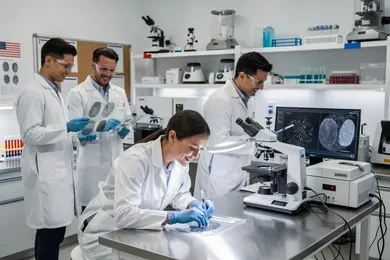
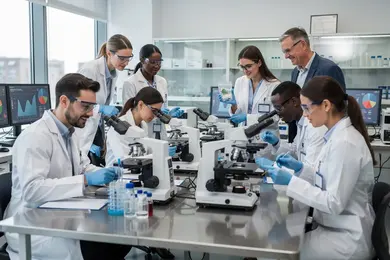
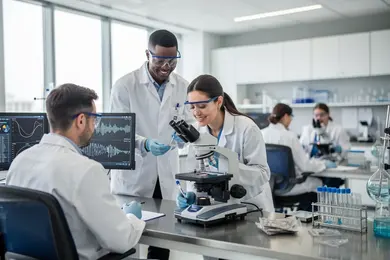
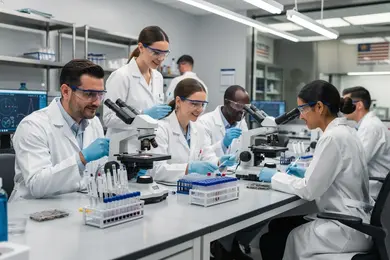
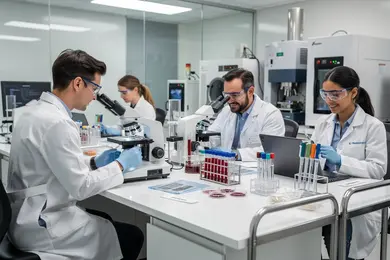
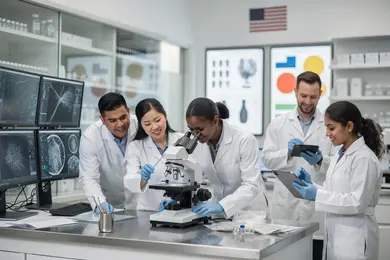
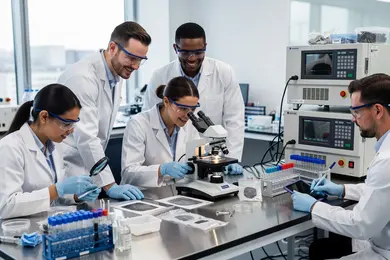
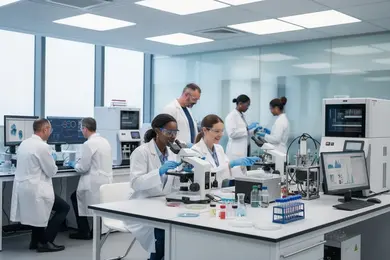
Entry-level jobs in forensic science often take place in laboratories, crime scenes, or law enforcement offices. Many positions require spending significant time analyzing evidence in a controlled lab setting, while others may involve fieldwork to collect samples or document crime scenes. The work environment can be physically demanding and may require adherence to strict safety and procedural protocols.
Most entry-level forensic science jobs are full-time positions, especially those within government agencies or forensic laboratories. Part-time opportunities are less common, but can occasionally be found in academic research or private consulting settings. Full-time roles often come with benefits and more structured career development paths.
Many entry-level positions require minimal prior professional experience but do expect applicants to have completed relevant coursework or internships during their degree program. Hands-on laboratory experience gained through academic projects or internships can significantly improve job prospects. Employers value familiarity with laboratory equipment and protocols, even if formal work experience is limited.
References
- A Career and Study Guide to Forensic Science - International Career Institute UK https://icieducation.co.uk/blog/a-career-and-study-guide-to-forensic-science/
- Blogs https://aifset.com/blogs/career-opportunity-after-enterance-exam.html
- What Hiring Panels Really Look for When Filling Forensic Science Jobs and How to Prepare • Gap Science https://gapscience.com/forensic-job-hiring-preparation-guide/
- What Advice Would You Give to Someone Just Starting Out in Forensics? - ISHI News https://www.ishinews.com/advice-give-someone-just-starting-forensics/
- Careers in Forensic Science - Careers in Forensics https://www.forensicscolleges.com/careers
- Careers in Forensic Science https://www.aafs.org/careers-forensic-science
- Forensic Scientist: Career Requirements and Pathways https://pathologylabtraining.co.uk/biomedical-sciences/forensic-scientist
- Top Skills You Learn During BSc + MSc Forensic Science https://lifs.co.in/blog/skills-bsc-msc-forensic-science.html
- Highest Paying Forensic Jobs: Salary & Career Guide https://legalframewire.com/highest-paying-forensic-jobs/
- 2026 Remote Forensic Science Entry-level Jobs | WayUp https://www.wayup.com/s/entry-level-jobs/forensic-science/remote/