
2027 Which Forensic Science Degree Careers Offer the Best Return Without Graduate School?

Co-Founder and Chief Data Scientist
Rising education costs often force prospective forensic science graduates to reconsider the value of graduate school, especially when starting salaries can vary widely. In 2023, the median annual wage for forensic science technicians with only a bachelor's degree was approximately $61,000, highlighting potential for good earnings without additional schooling. Many entry-level positions emphasize hands-on skills and laboratory experience over advanced degrees.
Understanding which forensic science degree careers offer the best return without graduate school helps applicants focus on roles with strong salary prospects and job stability. This article explores those careers and how they maximize investment in education and time.
Key Benefits of Forensic Science Degree Careers That Offer the Best Return Without Graduate School
- Digital Forensic Examiners and Cyber Investigators specialize in recovering data from electronic devices, offering a high-return path with 2026 salary data showing many professionals earn between $70,000 and $105,000 annually with a bachelor's degree.
- Forensic Data Analysts and Consultants in the private sector leverage specialized software to investigate financial or insurance fraud, providing a lucrative alternative to traditional lab work with total compensation packages often reaching $95,000.
- Forensic Toxicologists in pharmaceutical and private laboratory settings analyze biological samples for toxins and chemicals, commanding competitive salaries ranging from $65,000 to $90,000 without requiring graduate-level education.
Which forensic science careers offer the best return without graduate school?
Evaluating the return on investment (ROI) for forensic science careers without graduate school is essential for students seeking economic stability and professional growth. According to the U.S. Bureau of Labor Statistics, forensic science technicians with a bachelor's degree have a median annual wage of approximately $62,000, highlighting a solid foundation for financial return without additional schooling.
Several forensic science roles provide strong salary potential, career longevity, and advancement opportunities without requiring a master's degree, making them attractive paths to consider.
- Forensic Science Technician: These professionals analyze physical evidence and aid criminal investigations, typically requiring only a bachelor's degree in forensic science or a related field. The steady demand in the public sector and chances to advance into supervisory roles contribute to a favorable ROI for those avoiding graduate education.
- Crime Scene Investigator: CSIs handle the collection and documentation of evidence at crime scenes with entry-level opportunities commonly accessible through a bachelor's degree. The role's practical nature and potential advancement within law enforcement provide consistent career growth and financial benefits.
- Forensic Laboratory Analyst: Working in governmental or private labs to perform chemical and biological testing, these analysts rely on a bachelor's degree in forensic science, chemistry, or biology. Their specialized skills in testing processes support job stability and open pathways for higher-level positions without graduate school.
- Digital Forensics Specialist: Focused on retrieving and examining digital evidence, this increasingly vital role typically requires a bachelor's degree in forensic science, computer science, or information technology. The growing demand for digital investigations ensures strong long-term prospects and solid returns for bachelor's degree holders.
These forensic science degree careers with highest salary without graduate school show a balanced combination of salary potential, career longevity, and advancement possibilities. For students exploring their options, assessing these roles offers a meaningful perspective on the best-paying forensic science jobs without master's degree requirements. Some might also explore paths like a DNP program without clinical hours for related fields, though in forensic science, a bachelor's degree remains a solid foundation.
What are the highest-paying forensic science jobs without a master's degree?
Evaluating earning potential in forensic science careers without a master's degree is crucial for students seeking strong returns on their educational investment. According to the U.S. Bureau of Labor Statistics, forensic science technicians with a bachelor's degree earn a median annual wage of about $61,000.
This highlights that several forensic roles offer competitive salaries without graduate education. Below are some of the highest-paying forensic science jobs requiring only a bachelor's degree.
- Forensic Science Technician: These professionals analyze physical evidence in crime laboratories to assist law enforcement. They typically earn between $50,000 and $75,000 per year, with higher wages in federal agencies or large metropolitan areas due to their critical role in investigations.
- Crime Scene Investigator (CSI): CSIs collect and preserve evidence from crime scenes, earning approximately $45,000 to $70,000 annually. The technical expertise and responsibility inherent in this role contribute to its strong salary potential.
- Forensic DNA Analyst: Specializing in genetic evidence, DNA analysts earn between $55,000 and $80,000 per year. The growing importance of DNA evidence in solving crimes makes this position one of the more lucrative fields accessible with a bachelor's degree.
- Latent Print Examiner: Focused on fingerprint analysis, latent print examiners typically make $50,000 to $72,000 annually. The specialized skills and precision required contribute to its high earning potential without the need for graduate studies.
These roles highlight viable, well-paying forensic science career paths for bachelor's degree holders aiming to enter the workforce directly.
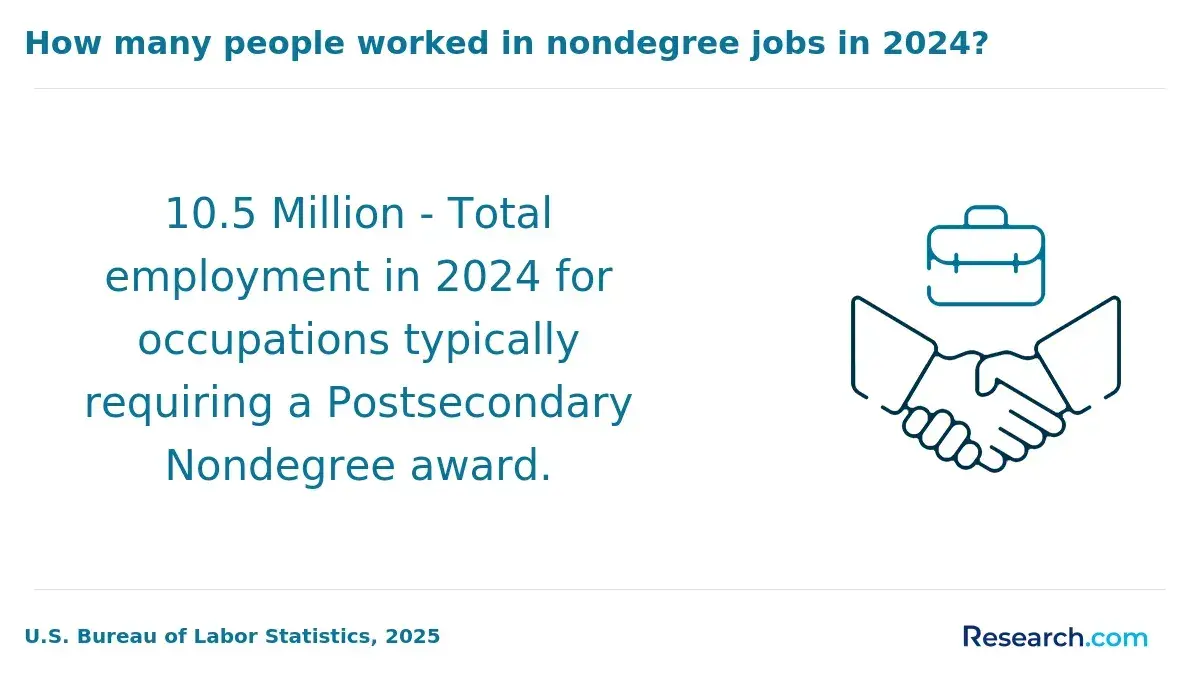
Which industries offer high salaries without graduate school?
Industry selection plays a crucial role in salary potential for individuals with a bachelor's degree in forensic science, with median wages varying by as much as 20-30% across sectors. Choosing a field known for strong pay can substantially increase earnings without the need for graduate education.
Below are several industries known for offering lucrative opportunities based on sector-specific demands and compensation trends.
- Government and Public Safety: Federal agencies, state crime laboratories, and local police departments employ forensic science graduates widely. These roles benefit from well-defined pay scales, steady salary growth, and comprehensive benefits, with median incomes ranging from $55,000 to $80,000 depending on geography and seniority.
- Pharmaceutical and Biotechnology: Companies in this private sector segment utilize forensic expertise for quality assurance and regulatory compliance, driving salaries above average due to specialized technical requirements. Annual earnings generally fall between $60,000 and $90,000 for professionals with bachelor's degrees.
- Environmental and Chemical Testing: Entities involved in regulatory oversight and chemical analysis hire forensic graduates to meet strict environmental standards. Technical complexity and regulatory demands support salaries typically from $50,000 to $75,000 without necessitating further education.
- Private Forensic Consulting: Consulting firms focus on expert analysis and investigative services, often commanding salaries well beyond standard scales thanks to specialized skills. Earnings frequently range from $60,000 up to $85,000 or more.
- Insurance and Financial Services: Forensic roles in these industries concentrate on fraud detection and risk evaluation, areas that justify strong remuneration. Salaries typically span $55,000 to $80,000, reflecting the value of financial investigations.
When discussing which industries offer high salaries without graduate school, a forensic science degree graduate shared his experience. He recalled the uncertainty of entering fields that valued practical skills over advanced certifications. "Navigating job offers in government and private sectors took patience," he said, explaining the lengthy application processes and background checks typical in public safety roles.
At the same time, he appreciated how industries like pharmaceuticals rewarded technical proficiency directly, sometimes accelerating advancement. "It was reassuring to see that solid work and industry knowledge-rather than just more degrees-opened doors to well-paying positions." His story illustrates how choosing the right sector can balance challenge and reward for bachelor's level forensic science professionals.
What entry-level forensic science jobs have the best growth potential?
Entry-level positions with strong advancement paths are essential for sustainable careers in forensic science, particularly as the field is expected to grow by 14% from 2022 to 2032. Starting in roles that build foundational skills can open doors to specialized opportunities and leadership roles.
Below are some of the top choices for entry-level forensic science careers with highest growth, ideal for new graduates eager to advance.
- Forensic Science Technician: This role involves gathering and analyzing physical evidence, offering broad exposure to multiple forensic disciplines. It serves as a solid stepping stone toward specialized positions such as forensic biology or chemistry experts, making it a crucial early-career job.
- Crime Scene Investigator (CSI): CSIs collect evidence directly at crime scenes, refining investigative techniques and observational skills. This hands-on experience facilitates promotion into supervisory roles or more analytical jobs within crime labs.
- Forensic Laboratory Assistant: Supporting scientists in evidence examination, this role develops technical proficiency and familiarity with lab processes. It often leads to advanced forensic analyst roles through continued on-the-job skill building.
- Latent Print Examiner Trainee: Focused on fingerprint identification, this position provides entry into a specialized forensic area with distinct development and upward mobility toward senior examiner or managerial responsibilities.
Selecting one of these top forensic science jobs for career advancement can provide the critical experience and responsibility needed for long-term success. Prospective students may consider combining these pathways with affordable education options, such as the cheapest ADN online programs, to balance cost with career potential.
What skills increase salary without a master's degree?
Developing targeted skills can lead to a noticeable wage increase for individuals with a forensic science degree who do not pursue graduate education. Studies reveal employers are willing to offer roughly a 20% salary premium to candidates who exhibit strong technical and analytical abilities.
Below are several key competencies that significantly boost earning potential in forensic science careers without requiring advanced degrees.
- Advanced Analytical Reasoning: The capacity to interpret complex evidence accurately is crucial. Professionals skilled in analyzing data and drawing sound conclusions are more in demand, which often results in higher salaries.
- Technical Proficiency: Knowledge of forensic technology and relevant software, including digital imaging, DNA analysis, and crime scene reconstruction tools, enhances job performance and marketability, leading to better compensation.
- Effective Communication: Being able to clearly document findings and explain technical details understandably to non-specialists, such as legal teams or law enforcement, increases professional value and income potential.
- Attention to Detail: Precision in managing evidence and documentation helps avoid costly mistakes. Employers reward this skill financially as it contributes to case accuracy and outcomes.
- Project Management and Collaboration: Coordinating workflows and working well within interdisciplinary teams showcases leadership and organizational strengths that often translate to higher pay.
When discussing what skills increase salary without a master's degree, a professional with a forensic science degree shared how honing her communication skills opened doors to leadership roles. Initially, she faced frustration explaining technical findings to colleagues unfamiliar with forensic jargon.
Through persistent effort, she developed clearer reporting techniques and gained confidence presenting complex cases in court. This transition not only improved her workplace influence but also noticeably boosted her earnings, highlighting the practical impact of strong communication beyond technical expertise.
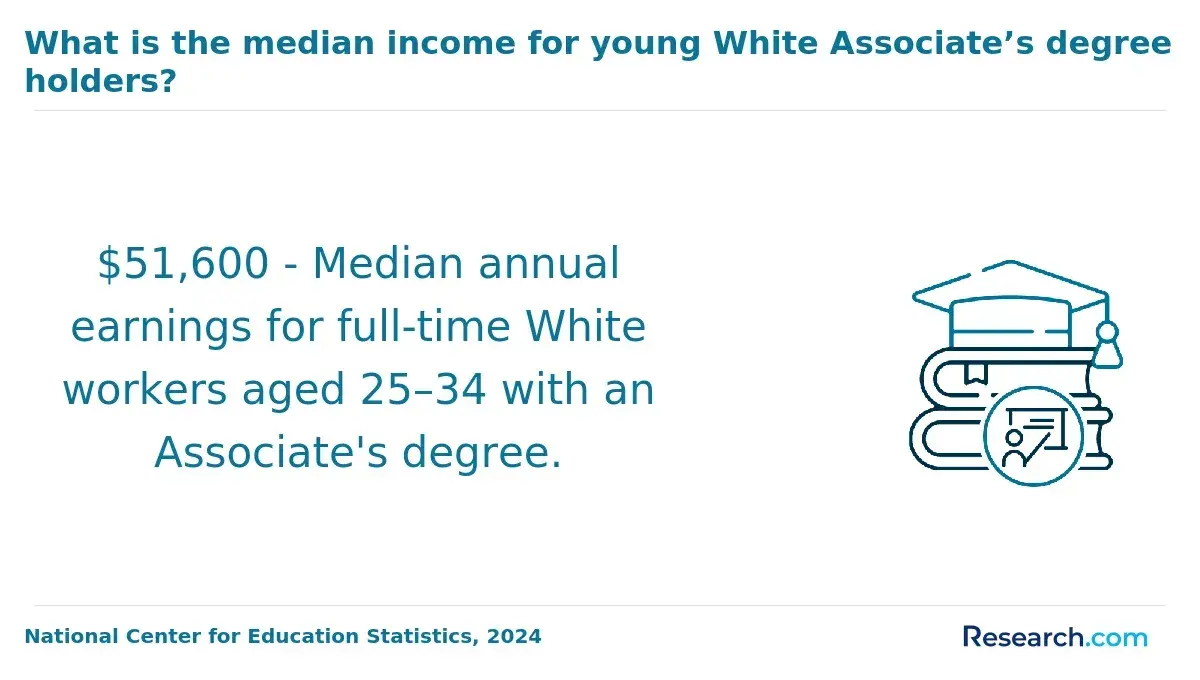
What certifications can replace a master's degree in forensic science fields?
Professional certifications provide forensic science graduates with a practical alternative to advanced degrees by validating their expertise and enhancing job prospects. Research from 2023 indicates that certified professionals experience a 15% higher likelihood of receiving employment offers and tend to earn 10% more than their uncertified peers.
The following certifications are especially effective in demonstrating subject matter competence and boosting career growth.
- American Board of Criminalistics Certification: This credential covers multiple forensic disciplines such as biology, chemistry, and toxicology. It requires candidates to pass a comprehensive exam and engage in ongoing education, which signals strong technical skills and ethical standards to employers.
- International Association for Identification Certified Crime Scene Investigator: Specializing in crime scene analysis, this certification emphasizes abilities in evidence collection and documentation. It is well suited for professionals involved in onsite investigations, often leading to increased responsibilities and higher compensation.
- American Society of Crime Lab Directors Laboratory Accreditation Specialist: Designed for those focused on managing forensic labs, this certification highlights expertise in quality control and compliance. It enhances leadership credentials, facilitating advancement into supervisory or managerial positions.
- National Association of Medical Examiners Certification: Targeting roles in death investigation and forensic pathology, this accreditation confirms specialized knowledge that increases credibility and may improve salary scales in these fields.
These certifications collectively embody dedicated proficiency in forensic science, offering significant career benefits without the additional commitment of graduate education.
Can experience replace a graduate degree for career growth?
Experience often plays a significant role in career advancement within forensic science, as many employers prioritize demonstrated skills, on-the-job learning, and proven performance over formal credentials. Practical experience showcases an individual's ability to tackle real-world challenges effectively, which frequently makes a strong case for progression.
Employers highly value candidates who can deliver results through hands-on expertise, especially in roles like crime lab technicians or forensic photography specialists. This emphasis on performance over degrees allows professionals without graduate education to build successful careers by accumulating relevant industry certifications and work history.
However, relying solely on experience has its drawbacks, particularly when pursuing advanced or specialized forensic science positions. Higher-level roles involving research, complex analyses, or supervisory duties often require graduate-level education due to the depth of theoretical knowledge and technical skills necessary.
Without a master's degree, career progression into these positions may be slower, and additional credentials or certifications might become necessary to stay competitive. Experience becomes most valuable when combined with continuous professional development and strong mentorship, especially in settings that focus on practical competence and industry standards.
What are the downsides of not pursuing a graduate degree?
Forensic science professionals often weigh the benefits and drawbacks of pursuing further education beyond a bachelor's degree. Data from the U.S. Bureau of Labor Statistics indicates that individuals with graduate degrees in forensic science-related fields earn roughly 15-20% more annually than those with only a bachelor's. This disparity highlights some key career challenges for those who stop at the bachelor's level, including limitations in advancement and salary potential.
Below are several notable downsides tied to career limitations without a forensic science graduate degree.
- Slower Career Advancement: Many leadership and specialized positions in forensic laboratories require graduate-level credentials or equivalent experience. Without these advanced qualifications, professionals may encounter slower promotion rates, affecting long-term career growth.
- Limited Access to Specialized Roles: Graduate programs offer advanced training in cutting-edge forensic methods and technologies. Bachelor's degree holders may struggle to qualify for highly specialized fields such as forensic toxicology or digital forensics, which often provide higher salaries and better job security.
- Competitive Hiring Environments: Employers, especially federal agencies and prominent crime labs, prefer candidates with graduate degrees. A survey by the American Academy of Forensic Sciences found nearly 60% of senior forensic scientists hold at least a master's degree, underscoring this competitive advantage.
- Potential Earnings Impact: The impact on salary growth in forensic science careers is significant, as advanced degrees can lead to higher paying managerial or technical roles that may be inaccessible to those without graduate education.
- Certification and Credential Challenges: Maintaining certain professional certifications often requires ongoing education more readily available through graduate programs. Bachelor's graduates might find sustaining credentials more difficult without this support.
For those considering career paths with strong salary potential without graduate education, exploring the highest paying jobs with a biology degree can provide useful alternatives and insights.
How can you maximize ROI with a forensic science degree?
Return on investment (ROI) in education balances the cost and time spent earning a degree against the career outcomes it enables, especially salary and job stability. Forensic science technicians earn a median annual wage of about $62,000, reflecting strong earning potential for those with a bachelor's degree.
To increase return on investment with a forensic science degree, consider these targeted strategies that enhance career earnings and opportunities.
- Specialize Early in High-Demand Areas: Focus on in-demand subfields such as digital forensics or crime scene investigation during your undergraduate program. Developing expertise in these niches increases your marketability and can lead to higher salaries and job security.
- Gain Relevant Internships and Field Experience: Securing internships or cooperative education positions provides essential hands-on experience and professional connections. These opportunities often accelerate career advancement and help build a competitive resume.
- Target Advancement-Focused Roles: Seek entry-level forensic science positions with clear paths for promotion, such as forensic lab analyst or law enforcement technical specialist roles. Early career growth significantly boosts long-term earnings.
- Leverage Interdisciplinary Skills: Combining forensic science knowledge with data analysis, chemistry, or information technology skills broadens employment prospects and increases earning potential. Cross-disciplinary expertise is highly valued in the evolving forensic job market.
- Maintain Continuous Professional Development: Staying current with evolving forensic technologies and methods improves performance and eligibility for raises or better roles, keeping your career trajectory upward.
Those exploring how to increase return on investment with a forensic science degree can also consider related fields or pathways to supplement their skillset. For example, many students look into online radiology programs as complementary education. These best strategies to boost forensic science career earnings without graduate school focus on practical steps within the bachelor's degree framework that maximize financial and professional returns.
When is graduate school worth it for forensic science careers?
Deciding whether to pursue graduate school in forensic science depends heavily on individual career objectives, industry standards, and the potential return on investment. Data from the U.S. Bureau of Labor Statistics indicates that those with a master's degree in forensic disciplines earn about 20% more than bachelor's degree holders on average, illustrating the benefits of graduate degrees in forensic science careers.
This financial advantage is often tied to roles that require advanced skills and credentials. Understanding when to pursue graduate school in forensic science can help candidates make strategic decisions about their education and future.
Graduate education is generally justified when targeting highly specialized forensic science roles, such as DNA analysts or forensic toxicologists, which demand complex technical expertise. It also holds significant value for professionals seeking leadership positions within forensic labs or law enforcement agencies, as well as for those in careers regulated by licensing authorities requiring advanced qualifications. Additionally, graduate degrees are essential for research-centered positions in academic or governmental settings.
For those focused primarily on entry-level or operational forensic roles, however, a bachelor's degree often suffices, allowing one to gain practical experience and explore career growth without immediate graduate study commitments. Prospective students may also find resources like an online nutrition degree useful for comparing costs and outcomes across fields.
What Graduates Say About Forensic Science Degree Careers That Offer the Best Return Without Graduate School
- Tristan: "Deciding against graduate school was a pivotal choice in my career path, and focusing on certifications and hands-on experience helped me advance quickly in the forensic science field. I found that specializing in digital forensics made my skillset highly sought after without the need for a master's degree. This approach saved me time and money while still opening doors to rewarding professional opportunities."
- Jesiah: "Reflecting on my journey, I realized that maximizing internships and networking within the forensic science community were key to my success. Although I didn't pursue graduate studies, I invested in learning advanced lab techniques and management skills that employers value highly. This combination allowed me to excel as a crime lab analyst and gain leadership roles earlier than many peers."
- Christopher: "From a professional standpoint, earning my forensic science degree was instrumental in securing my initial role in a state crime lab, despite not having a graduate degree. By focusing on continuous education through workshops and real-world case experience, I strengthened my expertise and credibility. This career trajectory shows that the degree alone, when paired with practical skills, can have a significant and lasting impact."
Other Things You Should Know About Forensic Science Degrees
Hands-on experience is crucial for careers in forensic science that do not require graduate education. Many employers prioritize practical skills gained through internships, laboratory work, or fieldwork, often considering these experiences as valuable as formal education. Building a strong portfolio of applied skills can significantly enhance job prospects and compensation potential.
Government agencies such as local and state crime labs, law enforcement departments, and forensic units within public health departments commonly hire forensic science graduates with bachelor's degrees. Private forensic laboratories and companies providing consulting or expert witness services also employ graduates without graduate degrees. These employers often seek candidates with solid laboratory and analytical skills who can contribute immediately at the operational level.
In 2027, forensic science professionals can advance their careers through certifications like the American Board of Criminalistics or Forensic Specialties Accreditation Board. Workshops and online courses in areas like digital forensics or advanced crime scene analysis provide crucial skills for career growth, even without graduate school.
The job outlook for forensic science technicians holding a bachelor's degree is stable, with some growth expected due to ongoing demand for crime analysis and evidence processing. Positions may become competitive, so gaining practical experience and additional certifications can improve employment chances. Overall, bachelor's degree holders remain essential to many forensic operations, especially in roles requiring technical laboratory skills.
References
- Master of Science Degrees and Advanced Certifications https://www.cfsre.org/education/advanced-degrees-and-certifications
- Return on Investment for a College Degree in Criminal Justice ROI or a College Degree in Criminal Justice https://www.criminaljusticeprograms.com/articles/return-on-investment-for-a-college-degree-in-criminal-justice/
- Certificate Programs in Forensic Science | Forensic Science Online https://www.forensicscienceonline.org/degree/certificate/
- Careers in Forensic Science https://www.aafs.org/careers-forensic-science
- Study Forensic Science Abroad: Top Colleges, Costs, Careers https://www.aeccglobal.com/study-abroad/courses/forensics
- Highest Paying Forensic Jobs: Salary & Career Guide https://legalframewire.com/highest-paying-forensic-jobs/
- The Rising Demand for Forensic Science Professionals: How to Get Started https://aligncareer.in/the-rising-demand-for-forensic-science-professionals-how-to-get-started/
- Tips for Students Pursuing Careers in Forensic Science https://forensicstats.org/blog/tips-for-students-pursuing-careers-in-forensic-science
- Checking your browser before redirecting. https://sgsuniversity.ac.in/blog/top-skills-learned-in-b-sc-forensic-science-that-lead-to-high-demand-jobs/
- Forensic Scientist: Career Requirements and Pathways https://pathologylabtraining.co.uk/biomedical-sciences/forensic-scientist


