
2027 Accelerated vs. Traditional Forensic Science Degrees: Pros & Cons

Co-Founder and Chief Data Scientist
Choosing between accelerated and traditional forensic science degrees involves weighing faster completion against a more thorough academic experience. Accelerated programs suit working adults and career changers eager to enter the field quickly, while traditional degrees offer a flexible pace that fosters deeper engagement. Recent data shows a 35% increase in accelerated program enrollment nationwide, reflecting growing demand for expedited education paths.
This article compares time commitment, learning environments, and career outcomes of both options. It highlights essential factors students should consider, such as workload intensity, practical training opportunities, and how each pathway aligns with professional goals in forensic science careers.
Key Points About Accelerated vs. Traditional Forensic Science Degrees
- Accelerated forensic science degrees offer flexibility for working adults and faster career entry, appealing to students eager to minimize time and tuition costs.
- Traditional programs foster deeper academic engagement and stronger peer connections, benefiting learners who value collaborative environments and in-depth study.
- Slower pacing in traditional formats supports skill mastery, ideal for students prioritizing comprehensive understanding over quick completion.
What Are the Differences Between Accelerated vs. Traditional Forensic Science Programs?
Accelerated and traditional forensic science programs differ primarily in pacing, scheduling, and learning intensity. While accelerated programs demand a dense, fast-paced workload, traditional formats allow for a more gradual and balanced academic experience. Below, key structural differences between these program types are highlighted to aid students considering their options.
Here is a comparison of the main elements distinguishing an accelerated forensic science degree program structure from traditional options.
- Course Intensity: Accelerated programs assign a heavier workload each term, compressing materials so students face continuous deadlines and less downtime. Traditional forensic science degree length and requirements spread coursework over a longer time, letting students dive deeper into topics with more breathing room.
- Learning Environment: Accelerated formats often use hybrid or fully online setups, increasing flexibility for working adults by allowing remote access to lectures and labs. Traditional programs generally emphasize in-person attendance, especially for lab work, encouraging face-to-face interaction with peers and instructors.
- Support Services: Students in accelerated programs rely heavily on digital resources such as online tutoring and virtual advising. Conversely, traditional programs provide more on-campus support like physical libraries, study groups, and direct faculty mentorship.
- Professional Networking: Traditional forensic science degree length and requirements often include structured campus events, student organizations, and on-site internships to build networks. Accelerated students typically pursue virtual networking or individualized fieldwork, which can be more flexible yet demands greater initiative.
- Experiential Learning: Traditional programs incorporate extensive hands-on lab and field experiences through institutional facilities and scheduled practicums. Accelerated programs, particularly online ones, may substitute virtual labs and remote simulations, affecting the depth and type of practical skills developed.
Students interested in the quickest degree college options for working adults can explore accelerated formats that balance convenience with challenge while considering which structure best aligns with their learning style and career goals.
How Fast Can You Finish an Accelerated vs. Traditional Forensic Science Program?
Program length varies significantly between accelerated and traditional forensic science degrees. Accelerated formats condense coursework into shorter terms with higher credit loads, while traditional paths follow a standard academic pace over four years for most full-time students. Understanding the differences in duration helps prospective students plan their education more effectively.
Here is a comparison of how long it typically takes to complete each format and factors influencing that timeline, including the accelerated forensic science degree program duration and details about how long does a traditional forensic science degree take.
- Transfer Credits: Students who apply previous college credits can significantly reduce their time to graduation. Some institutions accept up to 76% transfer credits, enabling faster completion in both accelerated and traditional tracks.
- Full-Time vs. Part-Time Enrollment: Full-time students generally follow typical timelines-four years for traditional degrees and around three to five years for accelerated options-while part-time students often require additional semesters, extending the program duration.
- Course Intensity: Accelerated forensic science degree program duration is shortened by greater credit loads per term, which can be demanding but efficient. Traditional programs pace credits steadily, offering a lighter semester load.
- Program Structure: Some accelerated programs, like the 3+2 model at Arcadia University, allow students to combine bachelor's and master's degrees into five years by integrating graduate-level courses during undergraduate study, speeding up overall completion.
- Start Dates and Flexibility: Online and hybrid offerings provide additional start times and adaptable pacing. Students who pursue more courses per term can finish faster, an option helpful for those exploring various delivery modes.
For those curious about advanced educational pathways beyond forensic science and how to balance duration with academic intensity, exploring easy PhDs may offer insights into manageable doctoral options.
What Are the Admission Requirements for Accelerated vs. Traditional Forensic Science Programs?
Admission requirements for accelerated and traditional forensic science programs often share common standards such as GPA, test scores, and prerequisite coursework. However, they differ in how they assess academic readiness and professional experience to determine applicant suitability. Understanding these nuances is important for prospective students seeking the best fit for their educational goals.
Key differences in admissions expectations for accelerated versus traditional forensic science degree programs include:
- Academic background and GPA thresholds: Accelerated programs typically demand a higher undergraduate GPA, often 3.2 or above, ensuring students have strong science credentials before beginning intensive coursework. Traditional forensic science degree entry criteria are more flexible, with many institutions accepting GPA minimums starting at 2.5 or 3.0, accommodating a broader range of academic backgrounds.
- Prerequisite coursework: Accelerated tracks usually require completion of specific science degrees or related coursework, such as chemistry or biology, prior to admission. In contrast, traditional programs may only require a high school diploma with science courses or a general bachelor's degree, especially for master's-level entry.
- Letters of recommendation and faculty sponsorship: Applicants to accelerated master's pathways often need multiple recommendation letters and direct faculty approval, highlighting preparedness for a condensed, rigorous curriculum. Traditional programs tend to request fewer recommendations and involve less faculty oversight during admissions.
- Professional or research experience: Many accelerated programs prioritize candidates with substantial research or lab work experience, reflecting their higher expectations for skill readiness. Traditional programs are generally more accessible to applicants with limited professional experience.
- Timing and application process: Accelerated students usually apply during their junior undergraduate year and may begin graduate studies before completing their bachelor's degree. Traditional admission follows standard cycles post-degree completion.
Prospective students considering these pathways might also explore affordable educational opportunities, such as the cheapest associate's degree online, which can serve as a stepping stone. Evaluating these differences is essential for those interested in admission requirements for accelerated forensic science degree programs or traditional forensic science degree entry criteria, ensuring alignment with their academic background and career ambitions.
How Are Accelerated Forensic Science Courses Structured Compared to Traditional Ones?
Accelerated forensic science degree programs condense the standard curriculum into a shorter period, allowing students to finish earlier than the typical four-year route. These courses have a faster pace, increased workload, and often utilize flexible delivery methods compared to traditional programs. This results in a more rigorous schedule but offers quicker entry into the workforce.
Key structural differences include:
- Course Length: Accelerated programs typically run year-round with fewer breaks, which reduces total program time. Traditional degrees follow a longer calendar with extended vacations. The faster pace suits self-motivated students or working adults aiming for swift completion.
- Weekly Workload: Students in accelerated tracks handle heavier weekly assignments and multiple classes per term, demanding strong time management. Traditional programs spread coursework more evenly, allowing for a balanced study and personal life. Both maintain rigorous standards to ensure competency.
- Instruction Style: Accelerated courses often offer online or hybrid formats for flexibility, ideal for professionals balancing work. Traditional formats emphasize in-person labs and practical sessions, benefiting those who prefer hands-on learning and campus engagement. Both models uphold academic quality through accredited curricula and required capstone experiences.
How Much Do Accelerated Forensic Science Programs Cost Compared to Traditional Programs?
Tuition and total expenses can vary significantly between accelerated and traditional forensic science programs. While the per-credit cost is often similar, accelerated tracks reduce overall spending by shortening the time needed to graduate. This allows students to save on both tuition and living costs.
Here are some key cost comparisons between these two types of programs:
- Tuition Rate per Credit: Both accelerated and traditional undergraduate forensic science programs generally charge between $500 and $650 per credit. Graduate programs usually cost $8,000 to $13,000 annually, with online options often priced lower.
- Program Duration and Total Cost: Traditional bachelor's degrees typically take four years to complete with total tuition around $40,000 to $60,000. Accelerated programs can be finished in two to three years, lowering overall tuition and associated living expenses.
- Opportunity Cost: Accelerated students enter the workforce sooner, enabling earlier salary earnings. This early income can help offset higher course loads and any increased upfront costs per semester.
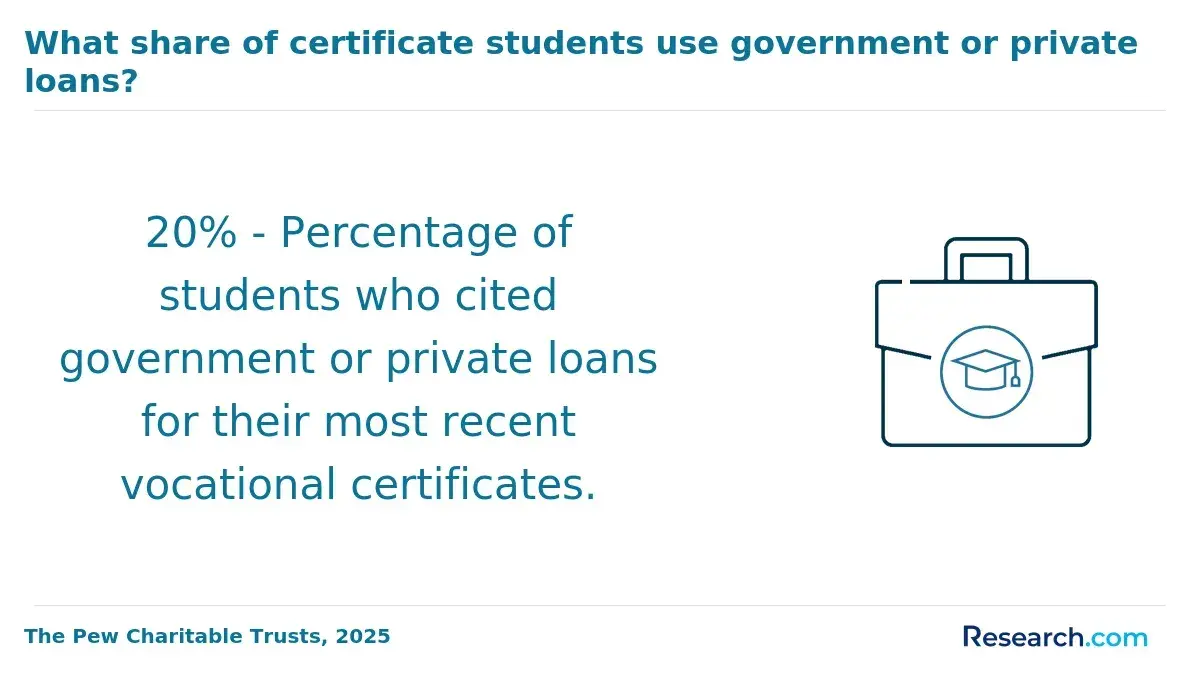
- Financial Aid Availability: Both program formats qualify for federal aid and scholarships. However, accelerated students need to monitor their credit load each term to maintain eligibility, as faster-paced studies often demand more credits per semester.
What Financial Aid Is Available for Accelerated vs. Traditional Forensic Science Degrees?
Both accelerated and traditional forensic science degree students in the U.S. can qualify for various financial aid opportunities, though eligibility criteria and timing often vary depending on program length and enrollment status. Understanding these differences helps students better navigate the funding process.
Here's a comparison of how financial aid options function across program types:
- Federal Aid Eligibility: Both program formats can access federal loans and Pell Grants; however, accelerated students might need to reapply more frequently since their terms are shorter and multiple within a year.
- Scholarship Timelines: Traditional programs generally follow standard academic calendars with annual scholarship deadlines, whereas accelerated programs may require earlier or more frequent applications due to condensed schedules.
- Employer Tuition Assistance: Employer support is often available for both, but some employers favor traditional programs because of their predictable timing and duration.
- Aid Disbursement and Renewal: Accelerated students might experience more complex aid renewal processes, needing to coordinate multiple disbursements throughout the year, unlike the straightforward annual renewals of traditional programs.
When I spoke with a professional who completed an accelerated forensic science degree, he described the financial aid journey as "both challenging and rewarding." He said managing multiple FAFSA submissions in a single year demanded careful attention, yet it allowed him to maintain steady funding without interruption. "I had to stay very organized, especially since scholarship deadlines overlapped. But the flexibility of accessing Pell Grants year-round really helped," he shared. His experience underscores that while accelerated paths require extra paperwork and planning, the financial aid options available can effectively support dedicated students willing to navigate the process.
What Kind of Student Support Do Accelerated vs. Traditional Forensic Science Programs Offer?
Student support is a key factor in achieving success in forensic science degree programs. Accelerated and traditional formats often vary in how and when they provide these services, impacting student experience. Below is a comparison of common support types typically found in each program style.
- Academic Advising: Accelerated programs mainly provide virtual advising with rapid responses, often within 24 hours, to match their faster pace. Traditional programs usually offer in-person advising during scheduled office hours, allowing for more in-depth, personalized planning.
- Tutoring Services: Students in accelerated tracks often rely on online tutoring and peer support available beyond standard hours for flexibility. Those in traditional formats benefit from on-campus tutoring sessions and hands-on labs, encouraging stronger academic connections.
- Career Counseling: Accelerated students frequently access virtual career workshops and digital resume critiques geared toward working professionals. In comparison, traditional students have opportunities for in-person career fairs, faculty mentorship, and established internship partnerships.
- Peer Interaction: Online forums and group chats are common in accelerated programs to facilitate quick collaboration. Traditional programs often support face-to-face study groups and social events that build deeper peer relationships.
Do Graduates from Accelerated vs. Traditional Forensic Science Programs Get Hired More Quickly?
Employment outcomes often play a crucial role when deciding between accelerated and traditional forensic science programs. Both pathways can lead to strong job prospects, but factors such as program format and hands-on experience can influence how quickly graduates find work. Below is a comparison of hiring trends and key influences for graduates from each program type.
Here are several insights into employment timelines and outcomes:
- Employer perception: Graduates of FEPAC-accredited online programs-like those offered by Arizona State University-generally earn favorable recognition for meeting rigorous academic standards. However, traditional program graduates may be preferred for roles that demand intensive laboratory experience.
- Career readiness: Accelerated programs with virtual labs and internships prepare students rapidly for entry-level positions. Meanwhile, those completing traditional tracks usually gain more extensive hands-on training, valued in specialized or advanced forensic roles.
- Industry demand: Growing acceptance of online forensic science degrees combined with job market expansion improves placement speed for online graduates. Networks of alumni from reputable online programs include professionals in federal agencies, showcasing competitive hiring outcomes.
Reflecting on these trends, a professional who graduated from a traditional forensic science degree shared her experience: "Although my program was longer, the comprehensive lab training gave me confidence during interviews. Initially, it was challenging to navigate job applications, but the strong networks and instructor recommendations made a difference. I felt my practical skills helped me stand out, and I was hired within months after graduating." This journey highlights how traditional graduates can leverage in-depth experience and connections to secure timely employment in forensic science.
Are Accelerated Forensic Science Degrees Accredited the Same Way as Traditional Programs?
Accreditation is essential to ensure academic quality and legitimacy for both accelerated and traditional forensic science programs, regardless of pacing or delivery format. This process guarantees that degrees meet rigorous educational standards, which directly impacts eligibility for federal financial aid, transferability of credits, and employer recognition.
The Forensic Science Education Programs Accreditation Commission (FEPAC) serves as the primary body that accredits forensic science degrees, evaluating programs without bias toward whether they are accelerated or traditional. Students can, therefore, expect the same level of academic rigor and program quality, no matter the format of study. This assurance helps maintain confidence in the credentials earned through these programs.
The accreditation evaluation process typically applies equally to different formats but may vary slightly in how institutions design accelerated coursework to satisfy standards. The key factor is meeting both programmatic requirements, such as FEPAC accreditation for accelerated forensic science programs, and regional accreditation requirements for forensic science degrees. Regional accreditation recognizes the institution itself and is critical for degree validity and acceptance.
Prospective students should always verify that their chosen program is offered by a regionally accredited school before enrolling to ensure their degree is widely accepted and eligible for licensure or employment. For those seeking financial aid, consulting lists of online colleges with financial aid can be a practical step in finding suitable accredited options.
How Do You Choose Between an Accelerated vs. Traditional Forensic Science Degree?
Choosing between an accelerated and a traditional forensic science degree depends largely on a student's career goals, schedule flexibility, and preferred learning pace. Both options offer distinct advantages that align with different personal circumstances and professional aspirations. Here are the main factors to evaluate before deciding which path fits your needs best.
- Time Commitment: Accelerated programs typically require students to handle a heavier course load and complete their degree in two to three years, ideal for those ready to enter the workforce quickly. Traditional programs span about four years, offering a more measured pace with opportunities for part-time study and deeper mastery.
- Learning Style: Self-motivated and organized students often benefit from the intensive, fast-paced nature of accelerated forensic science degree programs. Students who prefer structured environments, face-to-face interaction, and hands-on laboratory experiences usually thrive in traditional settings.
- Career Goals: For rapid entry into forensic science roles or swift progression to graduate studies, accelerated formats can be advantageous. Meanwhile, traditional vs. accelerated forensic science degree career outcomes often show that traditional tracks support broader foundational skills and networking opportunities essential for long-term advancement.
Students should assess their personal schedules, academic readiness, and long-term objectives carefully. For those exploring cost-effective options, researching the cheapest online college for bachelor's degree programs may provide additional financial clarity when deciding on accelerated or traditional paths.
What Students of Accelerated vs. Traditional Forensic Science Programs Say About Their Degree
- Derrick: "Enrolling in a traditional forensic science degree program gave me a solid foundation in both theory and lab work. The steady pace allowed me to absorb complex material thoroughly, though the longer duration meant higher overall costs. Still, the hands-on experience and networking opportunities have been invaluable for my career path."
- Elias: "The accelerated forensic science program was intense, pushing me to learn quickly and manage time effectively. While the high speed was challenging, it allowed me to enter the workforce sooner and save on tuition and living expenses. I appreciated how the program balanced rigor with relevance, but it's definitely not for those who prefer a slower, more immersive pace."
- Arjun: "Studying forensic science through a traditional program offered a well-rounded curriculum and meaningful internships, but the cost and length were significant considerations for me. Reflecting now, I believe the investment was worth it for the career doors it opened, although some courses felt repetitive and could be streamlined. Overall, it's a solid route for those seeking comprehensive education."
Other Things You Should Know About Traditional vs. Accelerated Forensic Science Degrees
In 2027, faster-paced accelerated programs might lead to reduced knowledge retention as they condense material into shorter timeframes. In contrast, traditional programs typically allow for more comprehensive digestion of material, potentially resulting in better long-term retention of forensic science concepts.
Program pacing significantly affects how students absorb and retain complex forensic science concepts. Traditional degrees, with a slower pace, allow more time for reflective learning and mastery of material. In contrast, accelerated programs require rapid assimilation of information, which can challenge memory retention but may suit highly motivated learners who can handle condensed coursework.
Eligibility for professional certifications in forensic science typically depends on program accreditation and specific coursework rather than program length. Both accelerated and traditional degrees can meet certification requirements if accredited by recognized bodies. Prospective students should verify that their chosen program's curriculum aligns with certification standards to avoid issues after graduation.
Employers may perceive accelerated degrees as rigorous due to the condensed curriculum, but they often prioritize the skills and competencies of graduates. Accreditation and program reputation generally guide their evaluations more than the program's format.
References
- Enhancing forensic education: exploring the importance and implementation of evidence-based education system - Egyptian Journal of Forensic Sciences https://ejfs.springeropen.com/articles/10.1186/s41935-023-00375-w
- A Preliminary Evaluation of Students' Learning and Performance Outcomes in an Accelerated 3-Year MD Pathway Program https://pmc.ncbi.nlm.nih.gov/articles/PMC8848877/
- Forensic Science, B.S., Crime Scene Investigation Concentration to Criminology and Criminal Justice, M.A. Accelerated Program https://www.slu.edu/social-work/academics/criminology-criminal-justice/forensic-science-bs-crime-scene-investigation-concentration-to-criminology-criminal-justice-ma-accelerated.php
- Forensic Science, B.S., Crime Scene Investigation Concentration to Criminology and Criminal Justice, M.A. Accelerated Program https://catalog.slu.edu/colleges-schools/arts-sciences/interdisciplinary/forensic-science-csi-bs-ccj-ma/
- Comparison of NCLEX-RN Pass Rates between Accelerated and Traditional Prelicensure BSN Programs https://www.gavinpublishers.com/article/view/comparison-of-nclex-rn-pass-rates-between-accelerated-and-traditional-prelicensure-bsn-programs
- CSI & Forensic Science Scholarships 2025: Complete Funding Guide https://www.crimesceneinvestigatoredu.org/blog/complete-guide-to-csi-and-forensic-science-scholarships/
- Forensic Science with Integrated Master's https://www.keele.ac.uk/study/undergraduate/undergraduatecourses/forensicsciencewithintegratedmasters/
- Reliability estimation from two types of accelerated testing considering individual difference and measurement error - ScienceDirect https://www.sciencedirect.com/science/article/abs/pii/S0266892024000067
- Top Online Forensic Science Degree Programs https://www.forensicscolleges.com/online


