2027 Entry-Level Jobs With a Liberal Arts Master's Degree

Co-Founder and Chief Data Scientist
Entry into professional roles following a master's in liberal arts increasingly hinges on navigating hiring protocols that prioritize interdisciplinary adaptability and project-based competencies. Employers in sectors such as cultural institutions, communications, and policy research often expect candidates to demonstrate practical experience alongside theoretical knowledge. The 2024 National Association of Colleges and Employers report highlights a trend toward preferring candidates with tangible skills applicable to digital literacy and critical analysis, even at entry levels. Understanding these expectations clarifies why typical openings emphasize roles like research assistant, content strategist, or program coordinator.
This article examines such entry-level jobs and the workforce frameworks framing their availability.
Key Benefits of Entry-Level Jobs With a Liberal Arts Master's Degree
- Entry-level roles for liberal arts master's graduates often emphasize critical thinking and communication but typically involve tradeoffs with technical skill depth, influencing job competitiveness in STEM-adjacent industries.
- Employers increasingly value interdisciplinary problem-solving from liberal arts backgrounds, signaling a shift toward roles in strategy and analysis rather than traditional research or academic tracks.
- Delays in career entry due to program length affect earning potential early on; understanding this timing consequence is crucial when weighing the opportunity cost against long-term career flexibility.
What Entry-Level Jobs Can You Get With a Liberal Arts Master's Degree?
Entry-level roles for liberal arts master's graduates often involve significant responsibility and analytical work despite being early in one's career. These positions demand the application of specialized knowledge acquired during graduate study, including critical thinking, research proficiency, and effective communication. The scope of entry-level opportunities varies widely by industry, previous experience, and particular program emphasis, reflecting a spectrum from supportive research duties to direct stakeholder engagement. Recognizing that "entry-level" in this context does not mean rudimentary tasks helps clarify how these roles serve as essential foundations for future specialization or leadership in the liberal arts domain.
- Research Assistant: This role typically involves supporting senior researchers by collecting data, conducting literature reviews, and assisting with analysis. It leverages graduate-level skills in critical evaluation and methodology, providing a stepping stone toward independent research or policy analysis positions. Labor market data from the U.S. Bureau of Labor Statistics highlights continued demand for this position, particularly in social sciences and humanities contexts.
- Editorial Assistant: Often found within publishing houses or academic journals, this role requires managing manuscripts, coordinating peer reviews, and ensuring content quality. It utilizes a liberal arts master's focus on writing and critical editing, offering a pathway to senior editorial or content management roles over time.
- Content Developer: Professionals in this position create educational or promotional materials that require analytical framing and audience tailoring. This role is entry-level insofar as it develops industry-specific expertise and project management skills, helping graduates transition into specialized communications or curriculum development professions.
- Program Coordinator: Common in nonprofit or educational sectors, a program coordinator oversees logistics, stakeholder communication, and grants administration. This position demands organizational and narrative skills honed during graduate study and often serves as a gateway to policy, administrative, or managerial responsibilities.
- Technical Writer: Though sometimes overlooked as a liberal arts option, technical writing positions capitalize on the ability to translate complex concepts into accessible language. Given modest growth projections for this occupation, it remains a viable entry point that can evolve toward specialized documentation or communication strategist roles.
Such entry-level careers for liberal arts master's graduates underscore the adaptability required to meet diverse employer expectations. A liberal arts degree's emphasis on interdisciplinary thinking makes graduates well-suited to roles that require synthesis of information and collaborative problem-solving. For those evaluating career pathways, understanding how these accessible positions fit into longer-term trajectories can guide strategic skill development and targeted job applications. Additionally, consideration of sectors with expanding opportunities-such as nonprofit policy analysis and educational administration-can help graduates identify roles aligned with both their expertise and labor market trends.
For prospects interested in education, exploring the cheapest online EDD programs may offer practical routes for further credentialing in advancing academic or administrative careers.
What Sectors Have the Strongest Demand for Graduate-Level Talent?
Demand for graduate-level talent with a master's degree in liberal arts is influenced by evolving workforce dynamics and structural industry needs, not just degree popularity. Sectors showing persistent hiring often require advanced critical thinking, nuanced communication skills, regulatory understanding, or leadership potential that align with graduate-level capabilities. These sectors reflect broader economic, technological, and demographic shifts reshaping organizational priorities and talent requirements over the medium to long term.
- Education: The education sector continues to absorb liberal arts graduates for roles involving academic advising, curriculum design, and program coordination, particularly in community colleges and adult education. Rising emphasis on lifelong learning and nonprofit educational services drives demand, although entry salaries tend to be modest with career progression tied to gaining administrative expertise or instructional specialization.
- Nonprofit and Public Service: Organizations in advocacy, cultural institutions, and community outreach prize liberal arts-trained graduates for research, grant writing, and program management. Stability and mission-driven work attract graduates despite comparatively limited starting pay, reflecting ongoing public and philanthropic efforts to address social challenges.
- Corporate Communications and Marketing: Businesses increasingly seek graduates skilled in content development, public relations, and social media management. Growth in digital marketing and audience analytics-highlighted by recent Lightcast data-favors humanities backgrounds that can craft persuasive narratives, though success often depends on supplementing technical competencies amid competitive market conditions.
- Technology: While dominated by STEM, tech firms create entry-level roles in user experience research, technical writing, and diversity initiatives where liberal arts insights are valued. However, demand here presupposes fluency with digital tools, underscoring a premium on hybrid skill sets blending humanistic perspectives with technical literacy.
- Government: Agencies recruit liberal arts graduates for policy analysis, communications, and administrative tasks. Bureaucratic complexity calls for sophisticated interpretive abilities and diplomacy, offering stable employment with clear if sometimes prolonged advancement trajectories.
One graduate recounted their experience navigating the admissions process amid rolling deadlines. Initially hesitant to commit without clarity on program specialization, they delayed applications to several schools focused on social policy and cultural studies. The pause introduced uncertainty as some cohorts closed early, prompting a late scramble that emphasized the importance of timing and decisiveness in capitalizing on sector-specific opportunities post-graduation. This experience highlighted how strategic preparation intersects with labor market realities to influence early career pathways for liberal arts graduates.
Which Entry-Level Liberal Arts Careers Have the Highest Starting Salaries?
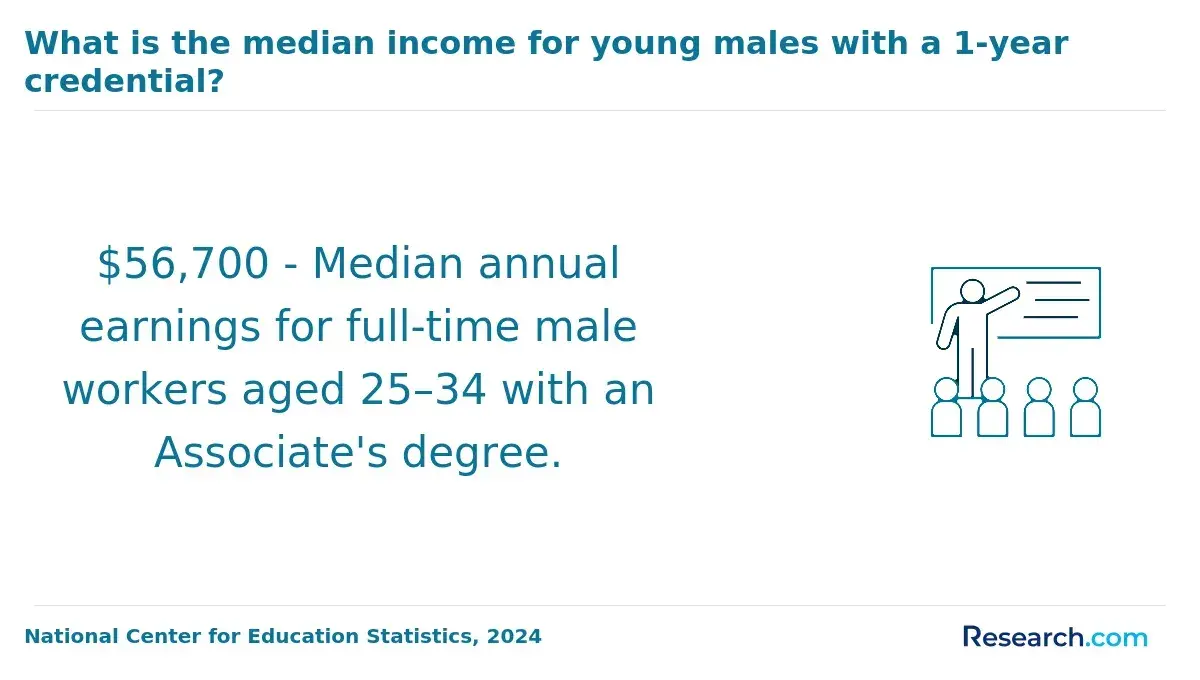
Starting salaries for master's graduates in liberal arts are influenced by more than academic credentials alone. Compensation often reflects specialized skills, industry demand, regulatory considerations, and the business impact linked to specific positions. Entry-level roles with higher pay typically involve greater analytical responsibility, technical aptitude, or proficiency in areas where labor shortages intersect with organizational priorities.
- Data Analyst ($55,000-$70,000): This role requires a blend of quantitative skills and the ability to translate data into actionable insights, making it attractive to employers who value evidence-based decision-making. Demand for data analysts remains strong across industries due to increasing reliance on data-driven strategies, which positions this job as a gateway to more advanced positions in analytics or business intelligence.
- Technical Writer ($50,000-$65,000): Technical writing commands competitive entry-level pay because it demands precision in communication and the capacity to simplify complex information for diverse audiences. Organizations operating in regulated or technical sectors often prioritize clear documentation to meet compliance and usability standards, enhancing the role's labor market value and career stability.
- Digital Marketing Specialist ($45,000-$60,000): Rising demand for expertise in SEO, content strategy, and social media analytics fuels higher starting wages in this role. The position merges creative and analytical skills, reflecting the growing monetization of digital channels and the need for measurable marketing outcomes, often serving as a stepping stone to managerial roles.
- Public Relations Coordinator ($40,000-$55,000): While slightly lower in starting pay, this job benefits from strong employer demand for individuals adept at managing organizational reputation and communication. Success here leans heavily on interpersonal and organizational skills foundational to liberal arts programs, with potential for growth into strategic communication positions.
Higher salaries in these entry-level roles illustrate employer emphasis on quantifiable impact, regulatory compliance, or digital competencies. For graduates, supplementing liberal arts training with relevant technical skills or certifications can enhance early earnings and better position them in competitive job markets characterized by evolving industry-specific requirements and geographic wage variances.
Which Industries Pay the Most for Entry-Level Liberal Arts Master's Graduates?
Entry-level salaries for liberal arts master's degree holders reflect broader industry dynamics rather than solely individual qualifications. Industries that offer higher starting pay often operate within high-margin, innovation-driven, or tightly regulated sectors where nuanced critical thinking, communication, and interdisciplinary skills provide measurable strategic advantages. In these environments, liberal arts expertise supports organizational objectives like enhanced user engagement, risk mitigation, or regulatory compliance, driving up demand for well-prepared entry-level professionals.
- Technology: Roles such as UX research and digital content strategy in the tech sector command premium entry-level salaries because these positions directly impact product design and user retention, which are critical to revenue growth and competitive innovation. The scarcity of candidates who combine deep liberal arts skills with digital literacy creates a talent premium, supported by compensation data from 2024 showing above-average starting salaries in this area.
- Financial Services: Firms in this high-regulation, information-intensive industry value graduates who can decode complex data and communicate insights clearly to diverse stakeholders. Entry-level roles in corporate communications or client relations leverage liberal arts-trained critical reasoning to navigate regulatory documentation, compliance issues, and client management, making these skills particularly prized for maintaining institutional trust and operational transparency.
- Consulting: Consulting firms reward analytical versatility and problem-solving capabilities honed in liberal arts curricula. Early-career consultants benefit from exposure across multiple industries, driving the need for adaptive communication and synthesis skills. The rapid career progression and network access in consulting reflect how these firms monetize intellectual agility, translating into higher entry-level compensation.
- Public Relations and Marketing: These fields pay competitively for adept storytellers who shape brand identity and stakeholder perceptions. Liberal arts graduates fill critical roles crafting persuasive narratives that influence market positioning and consumer behavior. This sector's revenue models rely heavily on communication impact, elevating the value of nuanced messaging skills.
While education and nonprofit sectors typically offer lower starting salaries, they remain meaningful for graduates focused on social impact rather than immediate compensation. To improve entry-level salaries in any industry, candidates often boost employability by complementing their liberal arts background with internships, certifications, or digital competencies. Prospective students looking for pathways into these high-value roles should consider exploring affordable master degree programs that emphasize interdisciplinary skill integration to meet evolving labor market demands.
Which Skills Are Most Valuable in Entry-Level Positions?
Hiring for entry-level positions increasingly focuses on a candidate's skill set rather than solely on academic credentials. Employers look for the capacity to translate analytical, technical, or domain-specific abilities into practical solutions that address real business challenges, even for those just starting their careers. This emphasis reflects a shift toward productive adaptability and measurable impact over formal qualifications alone.
- Critical Thinking: Entry-level roles demand analytical rigor to dissect problems, challenge assumptions, and formulate innovative approaches. Employers prioritize candidates who can independently evaluate information and develop strategic responses, as these abilities reduce supervisory burden and accelerate project contributions.
- Communication Skills: Clear written and verbal communication enables collaboration and stakeholder engagement, essential in roles such as content creation or client interaction. Mastery here helps new hires articulate insights effectively, increasing their visibility and chances for early responsibility expansion.
- Adaptability: The fast-evolving nature of many industries requires graduates who can quickly assimilate new technologies and workflows. Demonstrated flexibility signals a capacity to handle diverse assignments, making adaptable employees more attractive hires and positioning them for broader growth opportunities.
- Interpersonal Skills: Strong ability to engage and work well with others fosters team cohesion and smooths project execution. Hiring managers value professionals who navigate workplace dynamics adeptly, as this skill supports effective collaboration across functions and can lead to leadership prospect identification.
- Problem-Solving: According to 2024 labor market data, nearly 70% of employers highlight problem-solving as critical for entry-level success. Applying this skill to real scenarios means identifying root causes and implementing actionable solutions, which directly impacts organizational efficiency and innovation.
A liberal arts graduate recalled navigating the unpredictable rhythm of rolling admissions for graduate programs shortly after completing their bachelor's. Uncertain about acceptance timelines, they spent weeks balancing ongoing job applications with the hope of securing a spot that aligned with their career goals. This period tested their patience and strategic planning, reinforcing the importance of adaptability not only in professional skills but also in managing the admissions process and early career uncertainty.
Do Employers Hire Liberal Arts Master's Graduates Without Professional Experience?
Many employers do hire liberal arts master's graduates without professional experience, particularly for structured entry-level roles designed to build early-career talent pipelines. Positions such as research assistants, administrative coordinators, or nonprofit program associates often accommodate candidates whose advanced degree signals a foundational knowledge base, even if direct workplace history is limited.
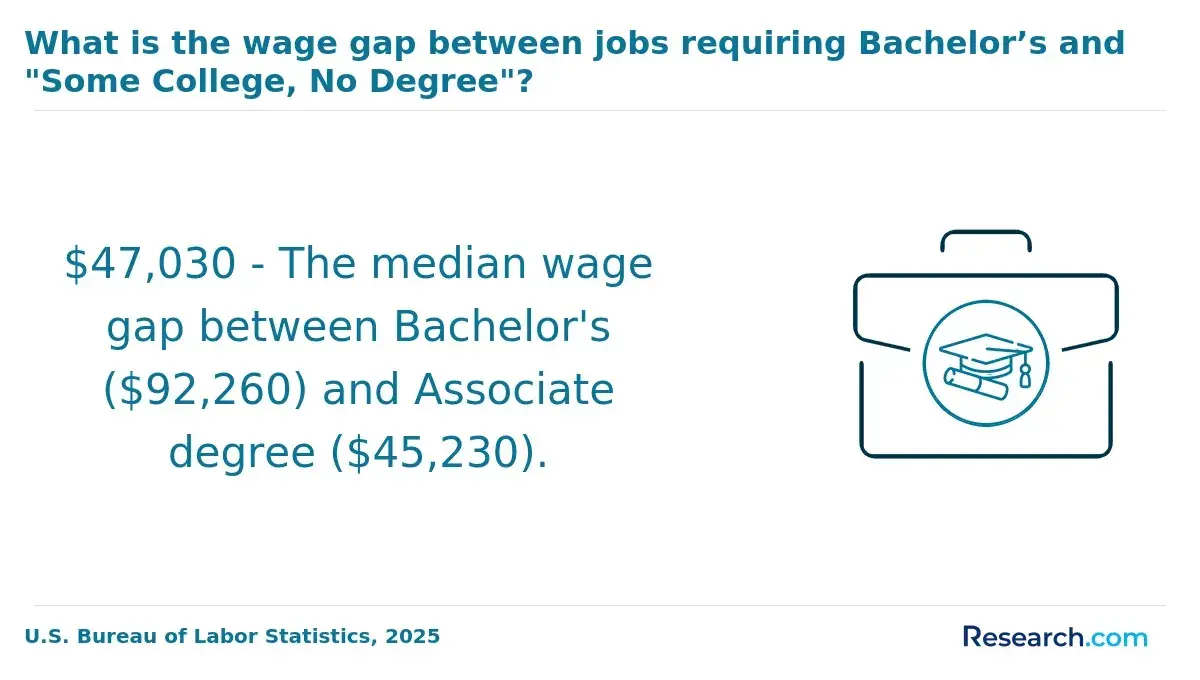
According to recent data from the U.S. Bureau of Labor Statistics and the National Center for Education Statistics, starting salaries for these roles typically range from $40,000 to $55,000 annually, reflecting the balance between advanced academic qualifications and limited industry tenure. This dynamic underscores that employers recognize the value of a master's degree but often expect compensatory indicators of skill acquisition in lieu of formal work experience.
The ability of liberal arts master's graduates to secure employment without prior experience hinges on several factors. Strong academic performance, involvement in internships, capstone projects, or practicum work serve as proof points of skill application and workplace readiness, effectively substituting for professional experience. Certifications and demonstrable technical or analytical competencies further strengthen a candidate's profile, particularly in fields that value critical thinking and communication skills.
The National Association of Colleges and Employers highlights that employers frequently seek evidence of transferable skills acquired outside the traditional work setting, such as volunteer leadership or portfolio development, to mitigate hiring risks. For graduates exploring entry-level jobs for liberal arts master's degree holders, emphasizing these attributes is essential in navigating employer expectations.
Industry variation significantly influences employer openness to hiring liberal arts master's graduates without experience. Sectors like technology, consulting, and data-driven fields show greater willingness to onboard candidates based on potential and analytical aptitude rather than extensive past employment. Conversely, more regulated industries or client-facing roles, including publishing and academic research, tend to demand prior exposure or demonstrated workplace effectiveness before extending offers.
Employers in these competitive areas are less likely to overlook professional history due to the complexity and immediacy of job responsibilities. For those weighing educational pathways, resources detailing top MSW online programs or similar specialized options can provide insights into how certain degrees align with workforce entry strategies across disciplines.
Which Certifications Help Entry-Level Liberal Arts Master's Graduates Get Hired?
Employers frequently rely on professional certifications to verify applied competencies that a liberal arts master's degree may not fully demonstrate. While the degree offers critical thinking and analytical foundations, certifications serve as direct evidence of job-ready skills valued in specific roles. These credentials function as key hiring signals, helping candidates stand out amid competitive entry-level pools by validating industry-relevant capabilities and familiarity with common tools and methods.
- Project Management Professional (PMP) or Certified Associate in Project Management (CAPM): These certifications validate essential organizational and leadership skills critical for managing tasks and timelines in environments such as nonprofits, education, and corporate settings. Hiring managers, especially in junior project roles, look for candidates who can reliably contribute to project coordination, so these credentials provide tangible proof of readiness to engage in multi-stakeholder projects beyond theoretical knowledge.
- Microsoft Excel Specialist: Mastery of Excel remains a baseline expectation across many industries for data organization and basic analysis. Holding this certification signals an ability to efficiently handle data-related tasks that are common in administrative, research support, and operational roles commonly available to liberal arts graduates, enhancing both productivity and accuracy in early-career assignments.
- Google Data Analytics Professional Certificate: With data literacy increasingly embedded in diverse entry-level positions, this certificate demonstrates practical knowledge in data cleaning, visualization, and interpretation. Since employers now often seek candidates who can translate data insights into actionable outcomes, this credential bridges academic research skills with applicable technical proficiencies relevant across sectors.
- HubSpot Content Marketing Certification: As digital outreach and content creation grow central to many communication-centric functions, this certification offers evidence of proficiency in managing marketing workflows, SEO basics, and audience engagement strategies. For liberal arts graduates aiming at roles in public relations, social media, or nonprofit outreach, this credential affirms capabilities aligned with evolving industry practices.
While certifications enhance marketability, their value depends on alignment with target job demands and recognition within hiring networks. Time and financial investments require careful assessment since credentials lacking practical application or industry relevance may dilute rather than augment the rigor conveyed by a master's degree. In combination with experiential learning and networking, selecting certifications that substantively supplement one's graduate education better positions candidates to negotiate the nuanced expectations of entry-level hiring.
What Remote Jobs Can You Get With a Liberal Arts Master's Degree?
Remote job opportunities for liberal arts master's graduates have grown significantly due to digital transformation, cloud-based collaboration platforms, and the broad trend toward sourcing global talent. Success in these roles often hinges not only on the tasks themselves but on the ability to produce measurable digital outputs with minimal synchronous coordination. Employers increasingly value roles where deliverables can be tracked asynchronously and managed through distributed team tools, aligning well with skills in critical thinking, communication, and analysis cultivated by liberal arts programs.
- Content Writer or Editor: This role involves creating or refining digital content, often managed through cloud-based editorial platforms that support asynchronous work. Liberal arts graduates apply their strong writing and editorial judgment to craft well-researched, audience-specific materials, meeting clear deadlines and quality metrics common in remote workflows.
- Research Assistant or Analyst: Remote research roles rely heavily on digital data gathering, synthesis, and reporting using tools like shared databases and project management software. Graduates leverage their analytical and critical thinking skills to generate insights that inform decision-making, with performance measured through the accuracy and relevance of deliverables.
- Social Media Coordinator: Managing social media campaigns remotely requires familiarity with digital marketing platforms and the ability to plan, schedule, and analyze content performance asynchronously. Liberal arts skills in audience analysis and communication enhance effectiveness in creating engagement strategies monitored through real-time analytics.
- Grant Writer: Writing grant proposals remotely entails coordinating inputs from varied stakeholders via cloud documents and adhering to strict submission timelines. Here, the ability to synthesize complex information clearly, a core liberal arts competence, supports measurable progress and success rates evaluated by funding outcomes.
- Virtual Assistant: Virtual assistants handle varied administrative tasks through digital calendars, communication apps, and workflow software. The remote setting demands strong organizational and communication skills, enabling liberal arts graduates to manage priorities efficiently and demonstrate reliability through consistent task completion.
These roles reflect broader labor market trends observed by the U.S. Bureau of Labor Statistics and workforce analytics firms like Lightcast, which highlight growing remote engagement in communication-heavy, data-informed positions. Remote work restructures traditional role expectations toward outcome-based performance, valuing digital fluency and proactive time management alongside foundational liberal arts skills. Graduates who complement their degrees with industry-relevant digital competencies tend to navigate remote job markets more effectively and sustain career momentum beyond initial entry-level roles.
How Competitive Is the Entry-Level Job Market for Liberal Arts Master's Graduates?
The entry-level job market for liberal arts master's graduates exhibits significant variation in competitiveness depending on industry demand cycles, geographic labor markets, and the degree of specialization within liberal arts disciplines. Fields with more direct application in sectors such as nonprofit management, education, or public service often face intense competition due to a steady supply of graduates exceeding available roles. According to the U.S. Bureau of Labor Statistics' 2024 Graduate Outcomes report, approximately 62% of liberal arts master's graduates secure full-time employment in their field within the first year, underscoring the uneven access to relevant positions amid fluctuating market demands. Regional demand variations further complicate outcomes, with urban areas typically offering more, yet frequently more contested, opportunities for entry-level careers for liberal arts master's graduates.
Competition intensifies as employers increasingly seek candidates who combine their advanced degrees with technical proficiency, internships, certifications, or applied project experience, elevating expectations even for those newly entering the workforce. Practical skills often serve as differentiators, as foundational liberal arts competencies like critical thinking and communication are expected but insufficient alone to guarantee hireability. This labor market dynamic pressures candidates to develop strategic profiles aligned with employer priorities, integrating transferable skills into tangible experiences that meet hiring managers' evolving criteria. New graduates targeting roles in content strategy, research assistance, or program coordination must often demonstrate relevant, hands-on exposure to stand out amid large applicant pools.
Strategic positioning remains essential in navigating this landscape, as graduates who tailor their expertise to subfields or industries with relative talent shortages may encounter less saturated conditions. Industries such as digital marketing, corporate communications, or data analysis, where employers increasingly value versatile liberal arts backgrounds complemented by technical acumen, offer comparatively favorable entry points. Additionally, exploring interdisciplinary pathways or enhanced credentials, such as those offered through masters in therapy programs, can be a pragmatic approach to circumventing bottlenecks. Understanding these nuanced labor market factors enables critical evaluation of job market trends for liberal arts master's degree holders and informs more effective early-career planning.
The entry-level roles available to recent graduates typically include research assistant, content strategist, program coordinator, and analyst positions across nonprofits, education, and the public sector. These roles attract a broad range of candidates, intensifying competition but also providing opportunities for those willing to demonstrate relevant practical experience and adaptability. Salary expectations generally range between $40,000 and $55,000 annually, which is lower than many STEM or business master's degree holders, reinforcing the importance of targeted skill development and networking for early-career progression.
Which Entry-Level Roles Have the Strongest Long-Term Growth Potential?
Long-term career growth for liberal arts master's graduates is often shaped less by the initial job title and more by the skills, responsibilities, and industry exposure developed early on. Positions that offer visibility into strategic decision-making and opportunities to cultivate transferable expertise tend to provide the strongest foundation for advancement. These roles enable graduates to build portfolios of skills that remain relevant even as industries and labor markets evolve.
- Community Outreach Specialist: This role emphasizes stakeholder engagement and program management, creating pathways into nonprofit leadership and managerial positions. The combination of communication skills and operational responsibilities fosters leadership capacity valuable across sectors.
- Technical Writer or Content Strategist: Entry-level jobs in this category sharpen analytical writing and cross-functional collaboration skills. Growth into senior editorial or marketing management is common, supported by demand for content expertise that aligns with digital transformation.
- Policy Analyst: Early work in government or think tanks builds analytical rigor and sector specialization, positioning graduates for leadership or expert advisory roles. Such roles facilitate vertical mobility through developing niche expertise and influencing policy decisions.
- Higher Education Administration Assistant: Exposure to academic affairs and institutional processes primes graduates for mid- to upper-level administration. These roles combine operational knowledge with leadership development in evolving education environments.
When evaluating conditional admission offers, prospective students should balance the terms against these realistic career prospects. Ineffective conditions risk delaying program entry or diverting focus from building career-enhancing skills, undermining long-term value. Programs that transparently support progression increase the odds of converting conditional admits into graduates who access meaningful entry-level jobs with liberal arts master's degree and growth prospects.
Long-term salary trajectories and role specialization depend on early decisions in role selection, often influenced by the scope of responsibilities and access to organizational decision-making. According to 2024 labor market data from the U.S. Bureau of Labor Statistics and the National Association of Colleges and Employers, roles emphasizing communication, critical thinking, and project management show sustained growth. For graduates weighing educational investments, analyzing these workforce evolution patterns is essential.
Insight into practical career alignment also can inform choices beyond traditional fields. For those considering further study, it is worth reviewing program outcomes, including interdisciplinary paths such as online doctorate data science, illustrating how data-driven skills complement liberal arts backgrounds in accelerating career versatility.
What Graduates Say About Entry-Level Jobs With a Liberal Arts Master's Degree
- Chester: "After completing my liberal arts master's, I quickly learned that employers in my field value demonstrated skills more than formal licensure, especially when you're just starting out. Building a portfolio through internships and freelance projects was crucial to landing an entry-level role in a competitive job market. The flexibility of remote work opportunities helped me gain experience without relocating immediately. However, I remain aware that salary growth may be limited until I pursue additional certifications or credentials."
- Kelly: "Entering the workforce post-liberal arts degree was more challenging than I expected, mainly because many roles had an unspoken preference for candidates with specialized certifications or technical backgrounds. I found that focusing on practical experience through volunteer positions and contract work was essential to overcoming hiring barriers. My current role offers steady growth, but I occasionally reconsider pivoting toward a more specialized track to enhance my long-term career prospects. It's a balancing act between gaining experience and strategically planning the next move."
- Owen: "Reflecting on my transition from a liberal arts master's program, I appreciated how the versatility of my degree allowed me to enter different sectors more quickly than peers in more regulated fields. Rather than waiting for formal licensure processes, I leveraged my skills in communication and critical thinking to secure an entry-level position that supports remote work, which was invaluable during the early stages of my career. While advancement can feel gradual without additional certifications, the broad foundation has given me the confidence to navigate multiple opportunities and industries."
Other Things You Should Know About Liberal Arts Degrees
The broad skill set developed in a liberal arts master's program provides adaptability, which is highly valued in dynamic job markets. However, this versatility can sometimes translate into ambiguity for employers seeking specific technical expertise, leading to slower initial hiring or advancement. Graduates should consider complementing their degree with targeted internships or skill certifications to bridge this gap and signal practical competence without sacrificing the benefits of intellectual breadth.
Entry-level positions for liberal arts graduates often involve juggling multiple projects with competing deadlines, demanding strong organizational skills and flexibility. Unlike more narrowly defined technical roles, these positions require frequent pivoting between strategic thinking and detailed execution. Job candidates should prioritize building time management techniques and expect a steep learning curve during the first year to meet diverse employer expectations effectively.
Choosing between mentorship-rich environments and independently driven roles hinges on individual readiness and career goals. For those new to applied work, companies with structured mentorship typically offer better long-term career foundation and clarity on role expectations. Conversely, candidates confident in self-direction and quick learning may find accelerated growth in roles demanding early autonomy. Assessing personal work style and growth needs should guide this decision rather than purely chasing company prestige.
References
- Why Employers Should Engage Liberal Arts Students https://www.parkerdewey.com/blog/why-employers-should-engage-liberal-arts-students
- The promising career prospects of (some) liberal arts graduates https://fordhaminstitute.org/national/commentary/promising-career-prospects-some-liberal-arts-graduates
- Unlocking the Value of a Liberal Arts Degree for Career Advancement and Success - Liberal Arts https://liberalartsedu.org/blog/unlocking-the-value-of-a-liberal-arts-degree-for-career-advancement-and-success/
- Arts Degree Jobs: 12 High-Paying Career Paths | Extern https://www.extern.com/post/liberal-arts-degree-jobs
- 5 Key Advantages of a Liberal Arts Education https://www.callutheran.edu/guides/liberal-arts-advantages/
- 3 Strategies to get Hired With a Liberal Arts Degree https://prioritycandidates.com/blog/2023/2/3-strategies-to-get-hired-with-a-liberal-arts-degree
- What the Numbers Tell Us: Re-Engineering the Liberal Arts Degree – A Baseline for the New Economy | UNBOUND https://unbound.upcea.edu/research-and-policy/re-engineering-the-liberal-arts-degree-a-baseline-for-the-new-economy/
- Top 5 Industries for Liberal Arts Majors https://students.inroads.org/blog/2024/12/03/top-5-industries-for-liberal-arts-majors/
- Top 10 Highest Paying Jobs For Liberal Arts Majors - Best Colleges Online https://www.bestcollegesonline.org/highest-paying-jobs/top-10-highest-paying-jobs-for-liberal-arts-majors/