
2027 Is a 2-Year Liberal Arts Degree Worth It: Accelerated Bachelor's ROI & Time Trade-Offs

Co-Founder and Chief Data Scientist
Many prospective students struggle to decide if a 2-year accelerated liberal arts degree offers a worthwhile return on investment. Recent studies show that graduates with accelerated degrees enter the workforce 25% faster than traditional counterparts, potentially increasing lifetime earnings. However, the less specialized nature of liberal arts can affect immediate job placement and salaries.
This article examines the financial and time trade-offs of completing an accelerated liberal arts bachelor's degree. It will analyze salary data, employment trends, and opportunity costs to help readers gauge whether pursuing this path aligns with their long-term career and economic goals.
Key Benefits of a 2-Year Liberal Arts Degree
- Accelerated 2-year liberal arts degrees reduce time-to-completion by nearly 50%, enabling faster entry into the workforce and earlier salary accumulation.
- Graduates typically see a reasonable ROI, benefiting from lower tuition costs and competitive critical thinking skills valued in diverse industries.
- While salaries vary, liberal arts graduates often experience career flexibility, allowing them to pivot industries and enhance long-term earning potential.
How Do 2-Year Liberal Arts Programs Work?
Two-year liberal arts programs offer an accelerated path to completing a bachelor's degree by compressing the usual four-year timeline. These programs are designed for students who seek a faster route to graduation without sacrificing educational quality. Understanding the 2 year accelerated liberal arts degree structure helps prospective students assess if this intensive format matches their learning style and goals.
- Accelerated pacing: The curriculum is condensed, requiring students to complete credits more quickly than in traditional programs. This fast pace demands consistent academic dedication and strong time management skills.
- Year-round enrollment: Students attend classes throughout fall, spring, and summer terms, reducing overall program length by eliminating traditional long breaks.
- Condensed course terms: Classes often last six to eight weeks instead of a full semester, increasing the weekly workload and admissions for 2 year liberal arts programs typically emphasize readiness for this intensity.
- Credit load expectations: Students usually take 12 to 15 credit hours per term or more, which is higher than standard semester loads, to meet graduation requirements on time.
- Instructional format: Programs commonly blend in-person, online, or hybrid classes, offering flexibility for working adults and diverse learning preferences.
- Assessment methods: Frequent quizzes, essays, projects, and exams are used to evaluate knowledge retention and skill development within shorter terms.
- Continuous progression: With minimal breaks between terms, students maintain momentum throughout the program, accelerating degree completion.
For those exploring accelerated healthcare degrees, examining options like online DNP programs can provide insight into how intensive, fast-paced curricula balance educational rigor with flexibility.
What Are the Admission Requirements for a 2-Year Liberal Arts Degree?
Knowing the admission requirements for a 2-year liberal arts degree is essential for students evaluating how an accelerated bachelor's in liberal arts fits their educational and career plans. These requirements influence application readiness and help set realistic expectations about the time commitment and eligibility.
Below is a detailed look at the typical criteria applicants should prepare for when considering this pathway.
- Prior Education: Most programs require applicants to have a high school diploma or an equivalent credential like a GED. For those pursuing requirements for accelerated liberal arts program options, college transcripts may be requested if transferring credits from previous postsecondary work.
- GPA Expectations: Generally, 2-year liberal arts degree admission criteria include a flexible minimum GPA around 2.0 on a 4.0 scale. This threshold supports accessibility across community colleges and open-admission institutions offering these accelerated degrees.
- Standardized Testing: SAT or ACT scores are usually not strict requirements, particularly at community colleges. Many liberal arts programs prioritize holistic review over standardized test performance for these pathways.
- Prerequisite Courses: Applicants might need to demonstrate basic English and math skills through placement tests or past coursework. These prerequisites ensure students are prepared to succeed in foundational liberal arts classes.
- Work Experience: Though rarely mandatory, relevant professional experience can enhance an application in selective or integrated programs combining academics with career development.
Community colleges, the main providers of 2-year liberal arts degrees, attract a wide range of students with diverse backgrounds, reflecting the open-access nature of these programs. Prospective students balancing time and educational goals may also explore related options such as the easiest online DNP programs for advanced degrees beyond liberal arts.
What Does a Typical Week Look Like in a 2-Year Liberal Arts Program?
Before committing to an accelerated liberal arts degree, it's crucial to grasp the typical weekly rhythm and workload. This understanding helps students assess whether the pace and demands align with their personal and professional lives. Below is a detailed overview of the core components shaping each week in a two-year program.
- Class sessions and lectures: Students engage in multiple daily classes that range from interactive seminars to larger lectures, designed to fit intensive learning into a compressed timeframe.
- Assignments and assessments: Frequent coursework such as readings, essays, and projects requires consistent effort and strong organizational skills to meet tight deadlines.
- Group work: Collaborative activities including team meetings, peer critiques, and joint presentations are a key feature, promoting essential communication and critical thinking abilities.
- Independent study time: Considerable hours must be devoted to research, reviewing materials, and integrating concepts to maintain academic standards in an accelerated setting.
- Instructor interaction: While instructors are generally approachable, students need to proactively seek help and manage self-directed learning effectively.
- Time management: Balancing overlapping assignments and rapid lesson plans alongside outside commitments demands disciplined scheduling and prioritization.
Breakdown of All Fully Online Title IV Institutions

Are 2-Year Liberal Arts Programs Available Online?
Delivery format plays a crucial role for students pursuing an accelerated liberal arts degree, affecting flexibility, accessibility, and how well they balance study with other responsibilities. Choosing between fully online or hybrid options impacts scheduling and interaction, shaping the overall learning experience.
Here's a closer look at the key factors involved.
- Fully online and hybrid options: Fully online programs offer asynchronous coursework that lets students study anytime, ideal for those juggling work or family commitments. Hybrid formats mix self-paced learning with scheduled live sessions, enhancing real-time engagement with instructors and peers.
- Asynchronous vs. synchronous learning: Asynchronous classes give flexibility by removing fixed class times, while synchronous sessions provide direct interaction and immediate feedback, balancing autonomy with connection.
- Technology needs: Reliable internet and compatible devices like laptops or tablets are essential to access multimedia content, virtual discussions, and online resources efficiently throughout the program.
- Support services: Many online programs include academic advising, tutoring, technical help, and career counseling to help students navigate the intensity of accelerated coursework and maintain progress.
- Pacing and engagement: Accelerated two-year formats condense traditional curricula, demanding regular participation in assignments and exams with strict deadlines to ensure steady advancement and retention.
How Much Does a 2-year Liberal Arts Degree Cost?
Evaluating the total cost of a 2-year liberal arts degree is essential for assessing the true return on investment (ROI) of accelerated programs. These costs extend beyond mere tuition to include various fees and materials that impact both upfront expenses and long-term value. A clear breakdown of expenses helps prospective students weigh financial commitments against the potential benefits of completing their degree faster.
- Tuition structure: Accelerated degrees often charge tuition per credit hour or term, with students taking more credits within a condensed timeframe. This means annual tuition totals may be higher compared to traditional programs, reflecting the faster pace rather than a cost increase per credit.
- Technology and lab fees: Additional charges are common to cover access to learning platforms, software, and lab materials. These fees might be larger upfront in accelerated degrees since they consolidate resources into shorter terms.
- Textbooks and learning materials: Because students progress through courses quickly, they often purchase textbooks and digital materials more frequently, increasing costs over the compressed duration of study.
- Opportunity and living cost savings: By reducing study time by 1 to 2 years-as supported by the Education Advisory Board-accelerated programs can lower indirect expenses such as lost wages and extended living costs, positively affecting the overall ROI.
Prospective students researching 2-year liberal arts degree tuition cost or the cost of accelerated liberal arts degree should carefully consider these factors. For those interested in related fields, exploring a healthcare administration online degree may also provide useful insights into accelerated program costs and structures.
Can You Get Financial Aid for 2-Year Liberal Arts Programs?
Access to financial aid is a crucial factor for students considering accelerated liberal arts degrees, especially since these programs compress traditional timelines. Understanding what types of aid apply and how accelerated pacing affects funding can help prospective students plan their finances effectively.
Below is an overview of common financial aid options and considerations for 2-year liberal arts programs.
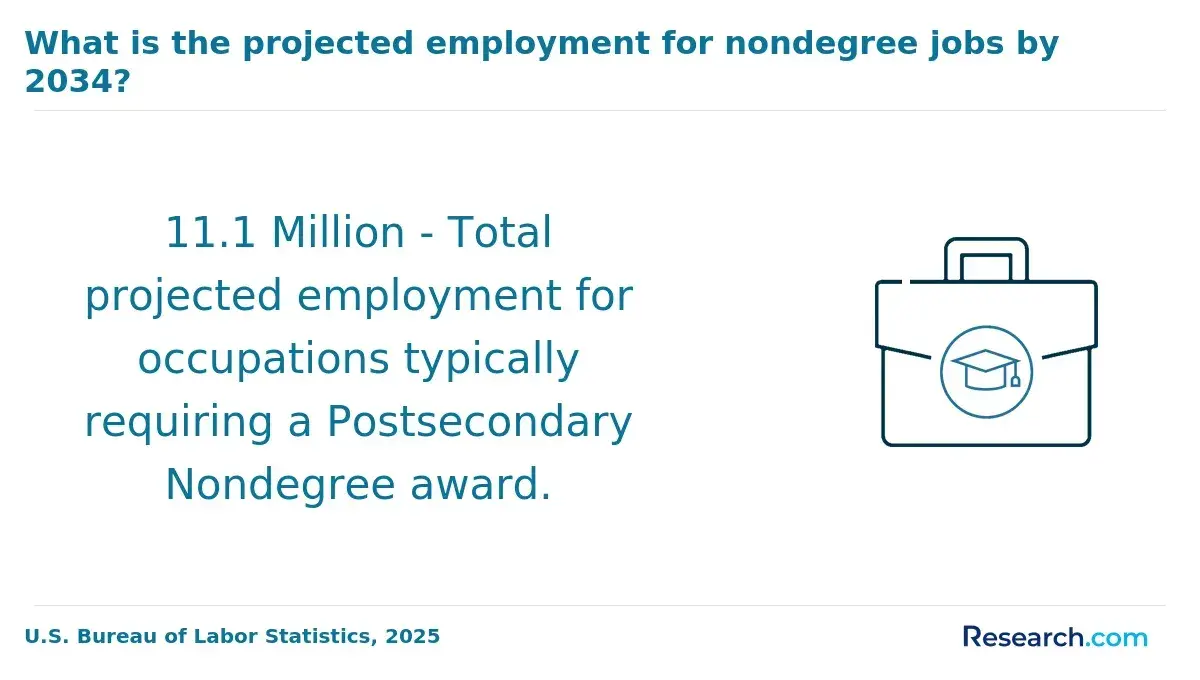
- Federal student aid eligibility: Students enrolled at least half-time in accelerated liberal arts programs usually qualify for Pell Grants and Direct Loans. Maintaining satisfactory academic progress and meeting enrollment criteria defined by the U.S. Department of Education is essential to continue receiving aid.
- Scholarships and grants: Many awards target liberal arts students or accelerated degree candidates, often based on merit or financial need. These funds do not require repayment, providing valuable financial relief for eligible students.
- Employer tuition assistance: Working adults frequently access employer-sponsored programs that help cover tuition costs while allowing continued employment. This benefit is especially advantageous for those pursuing accelerated paths.
- Flexible payment plans: Some institutions offer payment schedules to spread out tuition fees, which can ease the financial burden given the condensed nature of accelerated courses.
- Impact of accelerated pacing: Because courses run in shorter terms or continuously, financial aid disbursement may occur more often or be capped per term. Students who meet enrollment requirements generally retain aid eligibility despite these differences.
What Jobs Can You Get With a 2-Year Liberal Arts Degree?
Evaluating career outcomes is essential when considering the value of an accelerated liberal arts bachelor's degree, especially for students who want to balance time commitment with practical job prospects. The ability to enter the workforce quickly and in relevant roles is a critical factor. This makes it important to understand the types of positions and industries that typically welcome graduates with a 2-year liberal arts degree before making educational decisions.
- Administrative and Support Roles: Many graduates find opportunities as administrative assistants or customer service representatives, where core liberal arts skills like communication and problem-solving are highly valued. These roles serve as accessible entry points for those with an accelerated liberal arts degree job prospects.
- Marketing and Communications: Early-career jobs in marketing, communications, or sales allow graduates to apply their analytical and writing skills. These positions often come with growth potential in dynamic business environments.
- Nonprofit and Public Sector: Nonprofit organizations, educational institutions, and government offices frequently hire liberal arts graduates for roles that involve program support, community outreach, or content development, leveraging their research and interpersonal abilities.
- Retail and Customer Relations: Retail management and sales positions benefit from graduates' adaptability and customer service expertise, providing practical experience in fast-paced settings.
- Workforce Readiness and Advancement: The accelerated format prepares students to enter the workforce faster, often completing degrees in about two years. This intensive pace builds workforce readiness, making graduates appealing candidates for early-career roles and providing a solid foundation for further education or career progression.
For those evaluating accelerated liberal arts degree options, considering the balance between time, cost, and career outcomes is crucial. Programs designed to reduce the traditional four-year timeline save tuition and opportunity costs, which can be especially important compared to other fields like nursing, where students might explore cheap online FNP programs as alternative career routes.
Overall, entry-level careers with accelerated liberal arts degree credentials continue to provide versatile pathways across multiple industries.
How Do Salaries Compare for 2-year Liberal Arts Degree vs. Traditional Bachelor's Degrees?
Salary outcomes are a critical factor when evaluating the return on investment (ROI) of accelerated versus traditional degree paths. Understanding the potential earnings after an accelerated bachelor's degree helps prospective students weigh the benefits of shorter time commitments against possible income differences.
Below is a detailed comparison of salary outcomes and career implications for graduates holding 2-year liberal arts degrees versus traditional bachelor's degrees.
- Early-career earnings: Graduates with a 2-year liberal arts degree typically earn less initially, with median weekly earnings around $877 compared to $1,305 for bachelor's degree holders (BLS, 2023). This reflects differences in depth of study, with bachelor's programs often offering more specialized knowledge.
- Long-term earning potential: Individuals holding traditional bachelor's degrees generally access higher-level positions and faster career progression. Over time, this can translate to larger salary increases as employers often favor the critical thinking and advanced skills emphasized in four-year programs.
- Employer perception and career progression: Many employers view a full bachelor's degree as a prerequisite for promotions and leadership roles. This perception may delay advancement for graduates with only a 2-year liberal arts degree despite their earlier entry into the workforce.
- Earlier workforce entry and lifetime earnings: Graduates from 2-year programs may benefit from entering the workforce sooner and avoiding additional tuition, which can positively impact total lifetime earnings if combined with strategic career moves or continuing education.
- Accelerated degree advantages: Accelerated liberal arts bachelor's programs typically save 12-24 months compared to traditional programs (NCES), potentially increasing earning years by up to 25%. However, the success of this time advantage depends on the individual's field and ability to leverage extra work experience effectively.
Those researching educational pathways might also explore options like the cheapest DNP programs for advanced degrees that fit within a budget.
Which Factors Most Affect ROI for Accelerated Liberal Arts Degrees?
Return on investment (ROI) is a vital measure for students considering accelerated liberal arts degrees, as these programs require upfront effort and financial commitment. Evaluating ROI helps determine whether the faster path aligns with long-term career and financial objectives.
Key factors impacting ROI include time saved, costs, and labor market outcomes.
- Time-to-completion: Accelerated liberal arts programs reduce the traditional four-year timeline by about half, allowing students to graduate sooner. This shortens overall education expenses and enables earlier entry into the workforce, enhancing lifetime earning potential.
- Tuition and total cost: While some accelerated programs have higher per-credit fees due to intensive schedules, their condensed structure often results in lower total costs. Carefully comparing total program expenses rather than annual tuition rates is essential to gauge real financial benefits.
- Opportunity cost savings: Graduating sooner means students can avoid several years of lost income. Using a median wage estimate of $50,000, entering employment two years earlier could add approximately $100,000 in earnings before factoring in salary increases.
- Employment outcomes and salary growth: Wages in liberal arts fields tend to be moderate, but steady job growth of 5-7% is projected in related occupations like communications and education. This stability can support reliable income progression post-graduation.
- Industry demand: The need for skilled liberal arts professionals varies by sector, but strong communication and critical thinking skills remain widely sought after. Programs that emphasize these transferable skills can improve job prospects.
- Transferability of skills: Skills developed through accelerated curricula, such as adaptability and problem-solving, are valuable across industries. This broader applicability can offset narrower academic specialization and enhance career flexibility.
How Do You Decide If a 2-year Liberal Arts Degree Is Right for You?
Choosing a two-year liberal arts degree requires assessing your learning preferences and ability to handle an intensified curriculum, as these programs compress typical four-year studies into half the time. Consider how much time you can dedicate daily and whether you can maintain focus under a faster pace. If entering the job market promptly is a priority, this accelerated route can significantly reduce the waiting period. Reflect on your professional goals, since some careers might demand more traditional timelines or specific coursework. Being prepared for the rigors of an expedited schedule is essential to succeed in this format.
From a financial standpoint, these degrees often mean lower overall tuition and living expenses, potentially increasing your return on investment. Data shows that individuals with bachelor's degrees typically earn substantially more than those with associate degrees, which emphasizes the importance of weighing long-term earnings. It's also important to research employer preferences in your area of interest to ensure this accelerated path aligns with hiring standards. While a two-year program may limit time for broad exploration, liberal arts training usually provides adaptability for various career options later on.
What Graduates Say About Their 2-Year Liberal Arts Degree
- Xylo: "Choosing a 2-year accelerated bachelor's degree in liberal arts was the perfect fit for me because I wanted to fast-track my education without sacrificing quality. The intensive schedule was challenging but manageable with disciplined time management and support from faculty. This degree opened doors to roles that value critical thinking and communication, significantly advancing my career in marketing. "
- Marcos: "I opted for the 2-year liberal arts program mainly because it was more affordable, with the average cost of attendance much lower than traditional four-year degrees. Balancing work and studies required reflection and prioritization, but the well-structured curriculum made it achievable. Today, I find that the diverse skills I gained have been invaluable in my project management career."
- Dakota: "With a busy career, the 2-year liberal arts degree appealed to me due to its accelerated timeline, allowing me to gain credentials quickly while gaining rich knowledge. Adapting to the rigorous schedule demanded a professional approach to studying and personal discipline. As a result, the degree has been a key factor in my promotion and ability to contribute more strategically at work."
Other Things You Should Know About Liberal Arts Degrees
Accelerated 2-year liberal arts degrees often demand a fast-paced learning environment, which can lead to limited time for deep reflection or extracurricular experiences. This intensity might affect networking opportunities and internships, which are valuable for career development. Additionally, some students may find it challenging to balance the rapid coursework with work or personal responsibilities.
Many 2-year liberal arts programs are designed with transferability in mind, allowing students to apply earned credits toward a 4-year bachelor's degree. However, transfer policies vary by institution and program, so it's important to confirm if credits will be fully accepted by the target school. Proper planning ensures the accelerated path remains efficient and cost-effective for students aiming to continue their education.
References
- Eligibility Requirements https://www.fitnyc.edu/admissions/undergraduate-applicants/apply/eligibility.php
- What Can You Do with a Liberal Arts Degree? https://essaypro.com/blog/liberal-arts-degree
- What is an AA Degree? | SNHU https://www.snhu.edu/about-us/newsroom/liberal-arts/what-is-an-associate-of-arts-degree
- Liberal Arts Degree | Accelerated Online Courses | UAGC https://www.uagc.edu/online-degrees/liberal-arts
- Colleges That Offer Complete Financial Aid https://www.collegeessayguy.com/blog/colleges-that-offer-complete-financial-aid
- Two year accelerated degrees https://www.staffs.ac.uk/courses/undergraduate/study-options/two-year-accelerated-degrees
- Benefits of Pursuing an Accelerated Bachelor's Degree - Graduate Programs for Educators https://www.graduateprogram.org/blog/benefits-of-pursuing-an-accelerated-bachelors-degree/
- Bachelor of Arts in Liberal Arts and Sciences - Adam Mickiewicz University, Poznań, Poland https://amu.edu.pl/en/admissions/bachelor-degree-programs/bachelor-of-arts-in-liberal-arts-and-sciences
- Liberal Arts (Accelerated) https://www.stmarys.ac.uk/courses/undergraduate/liberal-arts-accelerated
- Measuring the Economic Value of a Liberal Education - Ithaka S+R https://sr.ithaka.org/publications/measuring-the-economic-value-of-a-liberal-education/


