2027 Entry-Level Jobs With a Public Administration Master's Degree

Co-Founder and Chief Data Scientist
The transition from a public administration master's program into the workforce often reveals a complex hiring landscape shaped by evolving sector demands and organizational structures. Employers increasingly prioritize candidates who demonstrate competency in data-driven decision-making and stakeholder engagement, reflecting a 2024 shift toward evidence-based policy roles documented by the U. S. Bureau of Labor Statistics. Entry-level positions frequently emphasize project coordination and compliance monitoring within local governments or nonprofits, requiring adaptability amid budget constraints and regulatory environments. This dynamic influences the types of roles accessible and the career pathways graduates may pursue. This article examines common entry-level jobs and contextualizes them within current labor market and employer expectations.
Key Benefits of Entry-Level Jobs With a Public Administration Master's Degree
- Entry-level roles emphasize policy analysis and organizational skills, but limited direct management opportunities require graduates to consider longer timelines for leadership advancement.
- A 2024 workforce report shows 62% of public sector employers prefer candidates with specialized public administration expertise, highlighting education's role in meeting evolving sector demands.
- The need for internship or fellowship experience as a typical prerequisite reflects practical access barriers, affecting immediate employability despite academic credentials.
What Entry-Level Jobs Can You Get With a Public Administration Master's Degree?
With a master's degree in public administration, entry-level does not imply routine or low-responsibility work. Many graduates begin careers involving specialized knowledge, analytical judgment, and meaningful decision-making early on. These roles often demand applying graduate-level competencies in research, policy evaluation, and organizational strategy. Entry-level opportunities fluctuate depending on prior experience, sector demands, and the specific emphasis of the public administration master's program completed.
- Policy Analyst: These professionals assess the social, economic, and political impacts of policies, providing data-driven recommendations to government or nonprofit organizations. Despite being entry-level, policy analysts operate with considerable technical responsibility, developing essential analytical skills that often lead to specialization in areas such as urban planning or health policy.
- Management Analyst: Focused on improving operational efficiency within public sector agencies, management analysts analyze organizational workflows and propose cost-saving or service-enhancing strategies. Labor market projections by the U.S. Bureau of Labor Statistics indicate a robust 14% growth for this role, highlighting its strategic importance and potential for rapid professional advancement.
- Program Coordinator: Charged with planning, executing, and monitoring specific initiatives, program coordinators employ project management and interpersonal skills critical to large-scale public programs. These positions serve as foundational experiences for careers managing complex governmental or nonprofit projects, fostering upward mobility in administration.
- Budget Analyst: Responsible for crafting and overseeing financial plans for public agencies, budget analysts ensure fiscal accountability and efficient resource allocation. Steady demand for this role reflects the ongoing need for stringent financial oversight in government entities, making it a pivotal entry point for paths into financial management or public sector auditing.
Graduates determining which entry-level careers in public administration with a master's degree to pursue should consider how these positions serve as launching pads. They offer early immersion in critical functional areas, exposing professionals to essential networks and real-world challenges that shape long-term trajectories. For those exploring interdisciplinary connections, understanding these opportunities alongside adjacent fields-such as exploring accelerated psychology programs-can provide broader context on workforce intersections and complementary skill sets.
What Sectors Have the Strongest Demand for Graduate-Level Talent?
Demand for master's graduates in public administration is less about degree volume and more driven by sector-specific structural factors. Employers seek candidates who bring advanced analytical skills, strategic leadership, and deep regulatory knowledge to complex organizational challenges. Sectors with persistent hiring needs typically reflect evolving policy environments, technological integration, or demographic shifts that require specialized competencies beyond entry-level qualifications.
- Government: The government sector continues to anchor demand due to ongoing needs for policy development, program management, and regulatory oversight across local, state, and federal agencies. Infrastructure projects, public safety initiatives, and administrative reforms amplify demand for analysts and advisors who can navigate bureaucratic complexities and fiscal constraints while driving effective governance.
- Health Care Administration: Expansion of community health programs and heightened regulatory standards in health services fuel hiring in this sector. Professionals adept at managing compliance, budgeting, and health policy implementation are sought within hospitals, health departments, and nonprofit organizations, reflecting the growing interface between public administration expertise and health system challenges.
- Nonprofit and NGOs: This sector values public administration graduates for their skills in grant management, stakeholder engagement, and compliance with evolving federal and state regulations. Although compensation may trail other sectors, the opportunity to influence program delivery and community development sustains consistent recruitment particularly in mission-driven organizations.
- Consulting: Consulting firms increasingly recruit graduates to support government and nonprofit clients with strategic planning, operational efficiency, and regulatory navigation. The sector rewards analytical rigor and communication talents developed in graduate programs, offering versatile career paths that blend project-based work with public sector knowledge.
An early-career professional recalled hesitating during their graduate program's rolling admissions cycle, uncertain whether to commit immediately or wait for placement insights tied to different sectors' demand cycles. That delay allowed them to better assess where their specialized interests in health policy and program management intersected with employer needs, ultimately easing the transition into a health services management role. Their experience highlights how timing and strategic focus can influence not just admission decisions, but also alignment with high-demand sectors post-graduation.
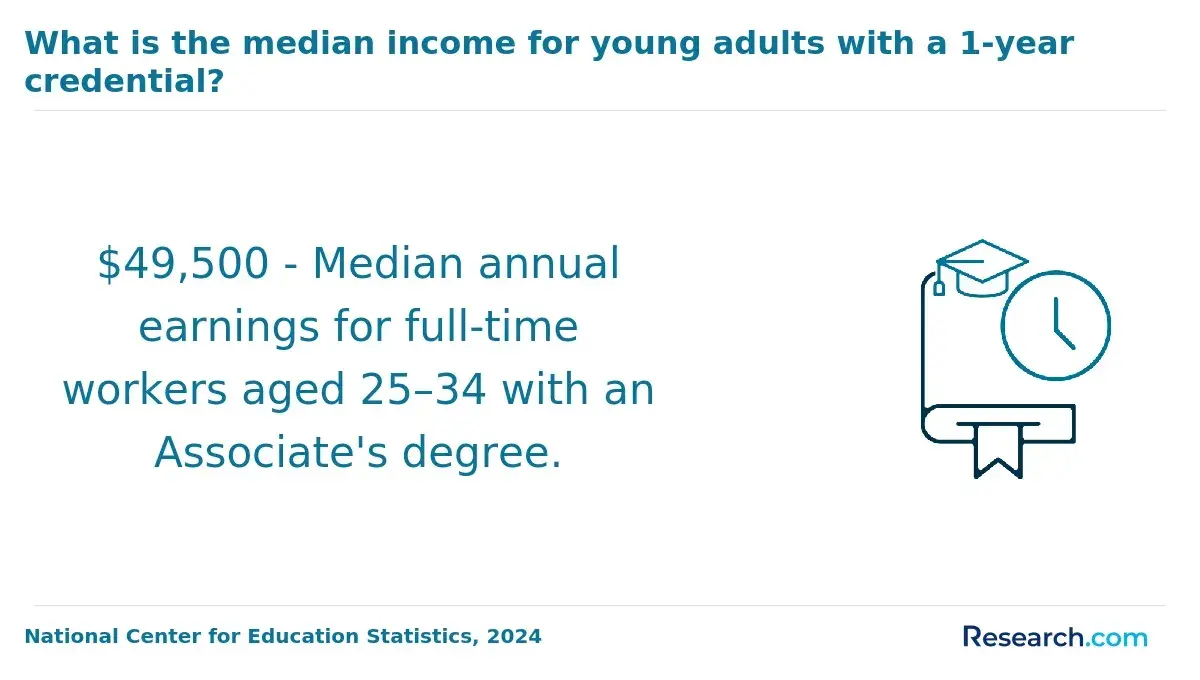
Which Entry-Level Public Administration Careers Have the Highest Starting Salaries?
Starting salaries for graduates with a master's degree in public administration are influenced by multiple factors beyond the degree itself. Compensation reflects the specialized skills required, current market demand, regulatory or organizational complexity, and the role's overall impact on agency or institutional goals. Entry-level positions with higher pay typically involve significant analytical responsibilities, sector-specific expertise, or leadership in high-stakes environments where decisions have measurable fiscal or policy consequences.
- Healthcare Administrator ($70,000-$85,000): These positions command higher salaries because they merge public administration skills with specialized knowledge of healthcare systems and regulations. Healthcare administrators in large urban hospitals or healthcare networks handle complex budgeting, compliance, and operational challenges, making their expertise critical to both service quality and financial performance.
- Urban Development Manager ($68,000-$80,000): Starting compensation is elevated due to the multifaceted nature of urban planning and development, which requires proficiency in public policy, stakeholder coordination, and project management. These roles often deal with large-scale infrastructure projects or housing initiatives, demanding strong analytical capacities and negotiation skills within politically sensitive environments.
- Policy Analyst ($60,000-$75,000): Policy analysts are valued for integrating quantitative analysis with regulatory knowledge and strategic decision-making. Their higher starting pay corresponds to the demand for evidence-based assessments in agencies addressing healthcare, environmental issues, or budget oversight, where their work directly influences policy choices and resource allocations.
- Budget Analyst ($58,000-$72,000): Public sector budget analysts require expertise in financial planning, grant management, and fiscal responsibility. Although salaries can trail private sector financial roles, these positions offer stability and clear advancement potential within government or nonprofit organizations handling substantial public funds.
- Public Affairs Specialist ($55,000-$65,000): These professionals focus on communication, stakeholder engagement, and program evaluation. Their starting salaries reflect demand for strong interpersonal skills and policy comprehension but tend to be lower compared to roles demanding specialized technical expertise or fiscal authority.
Which Industries Pay the Most for Entry-Level Public Administration Master's Graduates?
Entry-level salaries for public administration master's graduates tend to reflect broader industry economics more than individual credentials alone. Industries that offer higher starting pay are often characterized by high operational complexity, stringent regulatory pressures, or substantial financial stakes where skilled administrators provide critical oversight and risk management. These environments value public administration expertise for its direct impact on compliance, resource allocation, and strategic program execution, thereby justifying premium compensation even at early career stages.
- Federal and State Government Agencies: Despite public budgets being politically driven, federal and state bodies maintain competitive entry-level pay for public administration roles due to the growing complexity of regulatory environments and the vital need for efficient policy implementation. Data from recent Bureau of Labor Statistics reports highlight a stable demand for policy analysts and program managers, where salaries reflect the critical nature of public accountability and service delivery.
- Healthcare Administration: Healthcare systems represent a high-margin sector with escalating regulatory oversight and operational challenges. Entry-level administrators who can navigate policy compliance, program coordination, and financial management are increasingly sought after, particularly as systems respond to evolving public health mandates. This trend is corroborated by labor market analyses signaling above-average compensation growth in healthcare program administration roles.
- Management and Public Sector Consulting Firms: Firms offering specialized advisory services to governmental and nonprofit clients pay well for entry-level talent possessing deep understanding of bureaucratic systems and public finance. Compensation premiums here stem from the sector's dependence on technical knowledge to manage risk and improve organizational efficiency under budget constraints, often confirmed by salary data from industry-specific compensation surveys.
- Large Nonprofit Organizations: While typically less lucrative than government or healthcare, sizable nonprofits with complex funding sources offer competitive starting salaries due to reliance on proficient grant writing, compliance oversight, and program management. The variability in pay often reflects the organization's revenue scale and the strategic importance placed on public administration skills.
- Educational Administration and Urban Planning: These sectors provide meaningful entry points where administrative roles require coordination across policy, funding, and stakeholder interests. Although entry-level pay can trail the aforementioned industries, the potential for rapid growth exists, particularly with skill development in project management and data-driven policy evaluation. Employment projections emphasize expanding opportunities in urban planning linked to infrastructure investments.
Typical positions-policy analyst, budget analyst, program coordinator, and management consultant-demand a blend of analytical rigor and operational savvy that justifies varying levels of entry compensation depending on industry context. For prospective graduates exploring alternative pathways or conditional admission programs, understanding these labor market dynamics is critical to aligning preparation with sector-specific expectations and growth potential. For instance, students investigating public administration pathways under less traditional criteria should be aware of how their skillset will translate differently depending on whether they target government agencies or consulting firms. To explore affordability options in related technical fields, consider programs such as the cheapest online electrical engineering degree, which occasionally intersect with public administration in areas like infrastructure and technology policy.
Which Skills Are Most Valuable in Entry-Level Positions?
Entry-level hiring in public administration increasingly hinges on demonstrated skills rather than degree credentials alone. Employers prioritize candidates who can actively apply analytical, technical, and interpersonal capabilities to address concrete organizational challenges from day one. This shift reflects a labor market where the practical translation of academic knowledge into operational impact is key to early career success and salary differentiation.
- Analytical Thinking: Beyond interpreting data, analytical skills enable new hires to navigate complex policy environments and regulatory frameworks, crafting evidence-based recommendations. Employers view this ability as essential for improving program outcomes and operational efficiency, which often correlates with higher starting wages, according to 2024 workforce data.
- Communication Skills: Proficiency in both verbal and written communication is crucial since entry-level professionals act as intermediaries between diverse stakeholders. Clear, persuasive communication builds transparency and trust, facilitating smoother policy adoption and stakeholder collaboration, factors that weigh heavily in hiring and early promotion decisions.
- Project Management: The capacity to coordinate tasks, timelines, and teams reflects readiness for handling the multifaceted demands of public sector projects. Demonstrable project management expertise is linked to noticeable salary premiums and marks candidates as reliable operators who contribute to sustained organizational momentum.
- Technology Literacy: Familiarity with data analysis software and digital communication platforms distinguishes candidates by enabling faster, data-driven decision-making. The ability to leverage technology effectively improves service delivery and streamlines workflows, making such skills a competitive hiring advantage.
- Adaptability and Cultural Competence: Given the dynamic policy landscape and diverse populations served, flexibility and inclusiveness enhance collaboration across agencies. Employers equate these traits with resilience and interpersonal effectiveness, which support career progression in evolving public administration environments.
One Public Administration master's graduate recounted navigating a rolling admissions cycle marked by uncertainty and timing pressure. Waiting on multiple decisions, they hesitated to commit while unsure how their existing skills aligned with different program emphases. Only after carefully assessing how prospective curricula would deepen analytical and project management competencies did they apply decisively. This strategic patience, driven by an early awareness of skill relevance, ultimately ensured a better fit for their career goals and smoother entry into the workforce.
Do Employers Hire Public Administration Master's Graduates Without Professional Experience?
Many employers do hire public administration master's graduates without professional experience, particularly in structured entry-level roles designed to build early-career talent pipelines. These positions, often found in government agencies, nonprofit organizations, or local municipalities, tend to prioritize the candidate's potential and foundational skills over prior job tenure. According to recent U.S. Bureau of Labor Statistics data, entry-level public administration jobs for graduates without prior experience are frequently available in technician, analyst, or coordinator roles, reflecting employer strategies to balance training costs with workforce development needs. Such roles acknowledge the learning curve inherent to new graduates and emphasize the capacity to grow within organizational frameworks.
The ability of inexperienced graduates to secure employment hinges significantly on their demonstration of relevant competencies beyond academic credentials alone. Employers favor candidates who supplement degrees with internships, applied projects such as capstones, or policy analysis exercises that replicate real-world administrative challenges. Practical skill verification through certifications or analytical tool proficiency further compensates for gaps in professional experience. Workforce surveys reveal that graduates offering tangible evidence of applied knowledge, leadership in extracurricular initiatives, or community engagement experience improve their standing in competitive pools where employer risk assessment prioritizes proven capability alongside formal education. In this context, understanding whether employers hire graduates with a public administration master's degree without professional experience means recognizing the critical role of skill substitution and experiential signals in hiring decisions.
There is notable industry variation affecting how aggressively employers accept candidates without prior work history. Sectors such as consulting, technology-driven public programs, and data-intensive agencies exhibit greater openness to inexperienced graduates due to their emphasis on technical and analytical skills over tenure. Conversely, highly regulated fields or client-facing government roles often require pre-existing exposure or security clearances, thus limiting opportunities for those fresh out of graduate programs. Navigating these differences is essential for candidates, who may benefit from aligning their preparation with sector-specific demands or exploring allied pathways, including considerations related to paralegal school online, where applicable, to broaden their skill sets and employment prospects.
Which Certifications Help Entry-Level Public Administration Master's Graduates Get Hired?
Employers frequently rely on certifications to verify practical skills that a Public Administration master's degree alone may not fully demonstrate. While the degree provides foundational knowledge, certifications serve as tangible proof of applied capabilities and help distinguish candidates in competitive entry-level selection processes. Certifications function as clear labor market signals, confirming proficiency in specialized areas that align with employer expectations in public sector roles.
- Certified Public Manager (CPM) - This certification is valued for highlighting leadership, ethical decision-making, and organizational management skills directly relevant to many entry-level public administration positions. Given that employers prioritize managerial potential alongside academic qualifications, the CPM serves both as a sign of readiness for supervisory tasks and a commitment to professional standards.
- Certified Government Financial Manager (CGFM) - Focused on government-specific financial practices such as budgeting, accounting, and reporting, the CGFM certifies capabilities critical for fiscal oversight roles. According to recent workforce analyses, public finance positions show a marked preference for candidates who validate their technical mastery, enhancing interview opportunities and initial job placement odds.
- Project Management Professional (PMP) - Although typically more impactful with some post-graduate experience, the PMP credential can differentiate candidates by verifying knowledge of project oversight, planning, and execution frameworks. Nonprofit and government agencies often seek these skills to support operational efficiency, making it a valuable later-stage credential as new hires take on complex assignments.
- Lean Six Sigma Green Belt - This certification signals proficiency in process improvement methodologies that agencies increasingly incorporate to boost efficiency. It holds particular relevance in settings where data-driven decision-making and workflow optimization are prioritized, providing an edge in applicant pools where such applied skills might otherwise be scarce.
Data from 2024 BLS and Lightcast reports suggest certifications increase interview callbacks by roughly 15-20%, especially for roles involving financial or project management components. Yet, candidates must weigh certification costs and renewal demands against realistic employment prospects in their target sectors and locations. For new graduates, certifications best function as focused enhancements to a master's degree-validating hard skills that employers cannot easily assess through transcripts or coursework alone-rather than as standalone credentials promising immediate advancement without practical experience.
What Remote Jobs Can You Get With a Public Administration Master's Degree?
Remote work opportunities for public administration master's graduates have expanded significantly due to advances in digital transformation, cloud-based management systems, and broader global talent sourcing. However, suitability for remote roles depends heavily on how quantifiable and digitally deliverable the job functions are, as well as the extent to which collaboration can occur asynchronously or with minimal direct supervision. Employers increasingly rely on performance metrics tied to outcomes rather than face time, which reshapes expectations and skill application in distributed teams.
- Program Coordinator: In remote settings, program coordinators manage project timelines, stakeholder communications, and data reporting through cloud collaboration platforms. Their public administration training supports process optimization and compliance management, essential for maintaining accountability and progress visibility to dispersed teams.
- Research Analyst: This role thrives on digital data collection, policy analysis, and report generation, all of which align with remote workflows that emphasize independent research and deliverable-driven output. Public administration skills aid in interpreting complex data to support evidence-based policy decisions across virtual networks.
- Grant Writer: Remote grant writers develop proposals and funding applications by synthesizing organizational needs with compliance guidelines. Their ability to produce structured documents independently fits well with asynchronous work patterns, while understanding public sector priorities strengthens proposal relevance.
- Policy Assistant: Working remotely, policy assistants draft briefs, monitor legislation, and liaise with stakeholders largely through digital communication tools. The master's-level understanding of regulatory environments enhances their capacity to anticipate policy impacts remotely, though networking limitations may affect early career mentorship.
- Community Outreach Associate: Though traditionally site-based, remote outreach associates leverage social media, virtual events, and digital campaigns to engage communities. Public administration expertise guides message framing and impact evaluation, but success depends on strong digital literacy and adaptable communication strategies.
These roles illustrate how remote public administration work integrates digital tools and outcome focus, though early-career professionals must navigate potential challenges in mentorship and organizational visibility. Labor market data indicates growing employer openness to remote candidates in these positions, conditioned by candidate digital fluency and capacity for self-directed productivity within distributed teams.
How Competitive Is the Entry-Level Job Market for Public Administration Master's Graduates?
Entry-level jobs for public administration master's graduates face variable competition shaped by industry demand, regional labor market dynamics, and specialization within the field. While some sectors, such as federal government roles, experience high applicant volume due to limited openings and prestigious appeal, local government and nonprofit positions often have more moderate competition. The supply of graduates has increased alongside growth in program offerings, but demand remains steady with a projected 5% employment increase in relevant sectors through 2032, according to the U.S. Bureau of Labor Statistics. This uneven landscape means hiring intensity is uneven, with specialized skills and geographic factors heavily influencing candidates' prospects.
Hiring trends for public administration master's degree holders show that employers increasingly expect technical proficiencies, such as data analytics and digital governance, alongside relevant internships or certifications. Practical experience, including applied projects during graduate study, functions as an important signal differentiating candidates beyond academic credentials. Many entry-level openings attract diverse academic backgrounds, elevating the need for mastery of specialized tools and soft skills to surpass peers. Approximately 70% of graduates find employment within six months, though this figure fluctuates across sectors. Proactive skill development and tangible accomplishments remain critical amid rising standards for early-career candidates.
Strategic positioning within saturated markets requires graduates to leverage internship experience, niche expertise like grants management or policy analysis, and networking within targeted sectors. Subfields such as healthcare administration or regional planning occasionally exhibit lower competition due to workforce shortages, offering entry points for candidates willing to adapt geographically or functionally. Graduates who integrate practical experience with broad skill sets navigate these complexities more effectively, distinguishing themselves in a market where applicant quality continues to improve. For those exploring alternatives, knowledge of easy certifications to get can also complement qualifications and enhance employability.
The entry-level job market for graduates holding a master's degree in public administration remains moderately competitive in 2024. According to data from the U.S. Bureau of Labor Statistics (BLS) and recent analyses by the National Association of Schools of Public Affairs and Administration (NASPAA), the field shows steady demand but faces growing applicant numbers each year. The BLS projects a 5% employment growth in relevant government and nonprofit sectors through 2032, which is about average compared to other fields.
However, competition is intensified by the influx of candidates possessing not only master's degrees but also specialized skills in data analytics, policy evaluation, and digital governance. Many entry-level positions, such as management analyst, budget analyst, and program coordinator roles, attract applicants from diverse academic backgrounds, requiring public administration graduates to demonstrate practical experience or internships to stand out.
Recent NASPAA data suggests that roughly 70% of graduates secure employment within six months of graduation, but this varies widely by region and sector. Graduates targeting local government positions may find less competition compared to federal roles, which are fewer and more sought-after.
Early-career salaries for public administration master's holders typically range between $50,000 and $65,000 depending on location and institution type. While competitive, wages can be constrained in nonprofit and smaller agency roles. Employers increasingly value a combination of soft skills, technological fluency, and demonstrated ability to manage stakeholder engagement.
Key factors influencing entry-level competitiveness include:
- Internship or practicum experience during graduate study
- Specialized skills such as grants management or policy analysis
- Networking within local government and nonprofit sectors
- Geographic mobility and willingness to relocate for higher-demand areas
Overall, while the job market is not oversaturated, public administration graduates should be prepared to leverage a broad skill set and practical experience to navigate a field where applicant quality continues to rise.
Which Entry-Level Roles Have the Strongest Long-Term Growth Potential?
Evaluating a conditional admission offer for a public administration master's program involves scrutinizing the specific requirements, such as prerequisite coursework, minimum GPA, or test scores needed before full enrollment. These conditions can affect the feasibility of timely graduation and should be weighed against the demands they add to academic and financial resources. The overall reputation and curriculum alignment with professional goals also play a critical role in determining the offer's value, especially if the program's network and employer connections open pathways to competitive roles.
Research into alumni outcomes is crucial-data on entry-level public administration jobs with high growth potential and long-term career advancement in public administration fields provides insight into whether the program's graduates secure meaningful employment and progress steadily. Conversations with faculty and current students can reveal institutional support structures that alleviate challenges faced by conditional students. Comparing conditional offers to unconditional ones elsewhere or to postponing enrollment to enhance an application should factor in opportunity costs including time lost and resource expenditure.
For students interested in tailored academic pacing, hybrid options or supplementary credentials such as a cyber security fast track program may complement public administration skill sets and broaden career flexibility.
Long-term career growth is influenced more by the skills, responsibilities, industry exposure, and advancement opportunities a role offers than by the initial job title alone. The strongest entry-level positions grant transferable skills, insight into strategic decision-making, and chances to develop expertise applicable as public administration fields evolve. Understanding which roles provide these dynamics helps graduates position themselves for sustainable advancement and leadership development.
- Policy Analyst: This role immerses graduates in data-driven research and stakeholder engagement, building analytical and communication skills essential for strategic advising. Policy analysts often progress to senior advisory or managerial positions influencing program design and resource allocation.
- Program Coordinator: Offering hands-on experience managing budgets, compliance, and community engagement, this role fosters organizational skills and operational knowledge. It frequently leads to specialization in areas like nonprofit management or government program administration with potential for upward mobility.
- Budget Analyst: Entrants into fiscal oversight roles gain expertise in financial planning and reporting that translates across various public sectors. Mastery here often opens pathways to directorships overseeing agency fiscal health and broader financial strategy.
- Community Outreach Specialist: By developing networks and communication strategies, this position cultivates critical skills for public relations and stakeholder management. Career trajectories can expand into leadership roles in advocacy, public affairs, or constituency services.
What Graduates Say About Entry-Level Jobs With a Public Administration Master's Degree
- Otis: "After completing my master's in public administration, I found employers placed more value on relevant internships and project experience than on licensure. It was a bit frustrating at first because I expected the degree alone to open doors quickly. However, I pivoted to focus on building a solid portfolio of case studies and analysis reports from my program, which eventually helped me secure an entry-level analyst position with a local government agency. The work is challenging, and advancement feels tied closely to practical experience rather than just credentials."
- Ronan: "Starting my career with a public administration degree, I took the route of securing a flexible, remote role that let me build skills while balancing life responsibilities. I realized early on that many employers favored candidates who had certifications or demonstrable knowledge in policy implementation over licensure alone. That flexibility allowed me to gain diverse experience across agencies faster than peers who sought traditional on-site roles. It's been a pragmatic way to enter the workforce, even though salary growth can feel capped without additional qualifications."
- Brooks: "Graduating in public administration, I encountered quite a competitive landscape for the roles I wanted. Rather than waiting for ideal job offers, I accepted a hybrid position in a community nonprofit where I could leverage my new skills in a practical context. This approach gave me invaluable hands-on experience in budgeting and public outreach, but it also revealed that many employers view licensure as a longer-term investment rather than a short-term hiring criterion. Reflecting now, balancing immediate job acceptance with continuing education was key to navigating early career challenges."
Other Things You Should Know About Public Administration Degrees
Internships and practicums significantly influence hiring prospects because they offer practical exposure and networking opportunities that academic work alone cannot provide. Employers often prioritize candidates who demonstrate applied skills and familiarity with real-world challenges over those with only theoretical knowledge. Consequently, graduates should seek programs or opportunities that embed substantial experiential learning to increase their marketability and ease the transition into professional roles.
Obtaining specific policy knowledge in a master's program is crucial for early career public administration roles. It enhances candidates' understanding of relevant issues and equips them with specialized skills needed in roles such as policy analysts or program coordinators, making them more competitive in the job market.
Entry-level positions in public administration frequently involve managing multiple projects with tight deadlines, requiring solid time-management and prioritization skills. While some roles may offer structured schedules, others-especially in smaller agencies or nonprofits-can demand long hours or irregular workloads due to resource constraints. Graduates should be prepared to proactively set boundaries and develop resilience strategies to avoid burnout in these environments.
The program's specialization shapes the types of entry-level roles graduates are prepared to assume and influences employer expectations. Those concentrating on policy analysis may have an advantage in research-oriented or advisory roles but might face challenges accessing management-track positions without additional leadership training. Conversely, a focus on management can open doors to supervisory responsibilities earlier but may require supplementary technical skills for policy-heavy jobs. Applicants should select or seek complementary experiences aligned with their intended career trajectory to optimize employability.
References
- MPA Careers and Salaries https://teach.com/online-ed/government-degrees/online-masters-public-administration/mpa-careers/
- Vacancies for "public administration" | UNjobs https://unjobs.org/skills/public-administration
- Public Administration Careers Guide | Masters of Public Administration https://www.mastersofpublicadministration.org/careers-for-students
- What Does a Public Administrator Do? https://www.allbusinessschools.com/public-administration/career-paths/
- Popular Public Administration Jobs | Touro University Worldwide https://www.tuw.edu/school-news/popular-public-administration-jobs/
- Public Administration Jobs & Career Guide - Administration Jobs https://administrationjobs.com/career-advice/public-administration-careers/
- Making MPA Grads Competitive in Today’s Job Market - PA TIMES Online | PA TIMES Online https://patimes.org/making-mpa-grads-competitive-todays-job-market/
- How to Land Your Dream Job in Public Administration - College Recruiter https://www.collegerecruiter.com/blog/2012/07/26/how-to-land-your-dream-job-in-public-administration
- Public Administration Certificate - Graduate School of Public Policy https://www.schoolofpublicpolicy.sk.ca/programs/certificate-programs/public-administration-certificate.php
- 17+ Most Lucrative Public Administration Careers https://mpadegree.org/17-most-lucrative-career-paths-in-public-administration/