
2027 Return on Investment (ROI) of a Public Administration Degree Program

Co-Founder and Chief Data Scientist
Many professionals consider a public administration degree to pivot into government or nonprofit leadership roles, but face uncertainty about the financial payoff. Nationwide, median salaries for public administration graduates hover around $65,000, with entry-level positions often starting lower than expected. Meanwhile, tuition and opportunity costs continue to rise, making the investment risky without clear career advancement.
This article examines the return on investment of public administration programs by analyzing tuition expenses, salary trajectories, job market demands, and sector growth forecasts. Readers will gain insights to make informed decisions about the economic value and career potential of enrolling in these degrees.
Key Things to Know About Public Administration Degree ROI
- Graduates with a public administration degree see a 20% higher median salary than those with only a bachelor's, with mid-career earnings increasing steadily over 15 years.
- The degree offers diverse career paths in government, nonprofits, and the private sector, enhancing job flexibility and resilience against economic shifts.
- Positions in public administration often provide strong job stability and opportunities for managerial roles, fostering long-term career growth and professional advancement.
How Is ROI Calculated for a Public Administration Degree Program?
Return on investment in higher education measures the financial gain a student receives from earning a degree relative to the costs and time involved. This metric helps students compare the value of a public administration degree against its expenses and duration, guiding better education and career choices.
Several key factors come into play when calculating the return on investment for public administration degrees. These components provide a comprehensive view of the program's financial impact:
- Tuition and fees: This includes the total cost of the degree program, covering tuition, mandatory fees, and any additional academic expenses. A clear understanding of these costs is essential to evaluate the initial financial investment required.
- Opportunity cost: Income lost while attending school full time is significant. The salary sacrificed by not working during the program's length affects overall ROI calculations.
- Time to completion: The duration to finish the program influences both direct costs and lost earnings. Shorter programs can reduce these expenses, improving ROI compared to extended ones.
- Post-graduation salary outcomes: Expected earnings after graduation contribute heavily to ROI. Higher salaries or increased earning potential in public administration roles can markedly offset educational costs.
- Career advancement: Advancing into leadership roles or promotions due to the degree often boosts long-term earning potential. This factor enhances ROI beyond immediate salary increases.
When calculating the calculating ROI of public administration programs, it's important to balance these factors carefully. Prospective students should also explore different educational options that might offer cost or time savings, such as an online SLP program or other flexible learning paths.
How Much Does a Public Administration Degree Program Cost?
Accurately assessing the total expense of a public administration degree is vital to understanding its return on investment, especially as graduate tuition across the U.S. has steadily risen, often leaving students with debts surpassing $50,000. This rise in cost directly influences how financially beneficial the degree will be over time.
Several major cost factors shape the overall financial commitment of pursuing this degree:
- Tuition and fees: These costs typically represent the largest single expense and can range dramatically based on the institution type and program duration.
- Books and materials: Required textbooks, software licenses, and other learning tools may add hundreds to thousands of dollars each academic year.
- Living or relocation expenses: Expenses such as rent, food, commuting, and possible moving costs for those relocating are important to factor into the overall budget.
- Opportunity cost: The time invested in coursework can reduce income since students might have to cut back on full-time work or better-paying job opportunities.
- Hidden costs: Additional fees for campus resources, technology, or certification exams might not be transparent upfront but can accumulate over time.
When I spoke with a recent graduate of a public administration degree, he emphasized how the financial and time commitments extended beyond tuition. "I underestimated how much juggling full-time work with evening classes would affect my energy and focus," he shared.
He also noted unexpected expenditures like registration fees and software requirements that weren't clear at enrollment. "Managing these costs alongside family responsibilities made me question the investment sometimes, but ultimately I saw the career potential outweighing the challenges."
What Financial Aid Is Available for Public Administration Degree Programs?
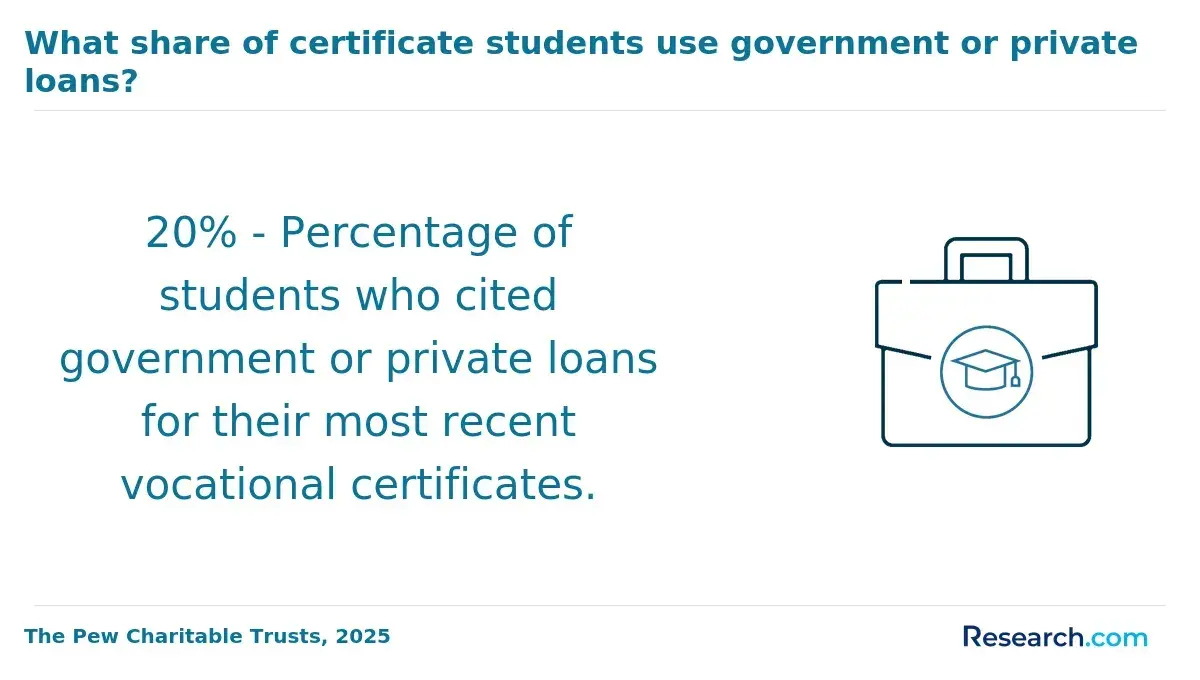
Financial aid helps reduce upfront expenses for public administration students, ultimately enhancing the degree's long-term return on investment by limiting debt accumulation. Recent studies indicate that about 85% of graduate students benefit from some form of financial support, highlighting its role in managing education costs.
Several common financial aid options are available to improve affordability and boost ROI:
- Scholarships: Awarded based on merit, scholarships lower overall education costs without adding debt, directly improving financial outcomes post-graduation.
- Grants: Often need-based and non-repayable, grants help reduce financial barriers and minimize future loan burdens, increasing positive cash flow after completing the degree.
- Fellowships: Competitive and limited in availability, fellowships frequently include stipends or tuition waivers, which lessen expenses and may offer valuable career-building connections.
- Employer tuition assistance: Many public sector and nonprofit organizations provide partial or full tuition reimbursement, enabling students to maintain employment while studying and improving ROI by reducing out-of-pocket spending.
- Federal loans: While these must be repaid with interest, federal loans generally have lower rates and more flexible repayment terms than private loans, making them a manageable option for funding education costs.
How Long Does It Take to Complete a Public Administration Degree?
Time to complete a public administration degree directly shapes its return on investment by affecting opportunity costs, total educational expenses, and the timing of increased earning potential. Graduating sooner means entering the workforce earlier and minimizing tuition and related costs, which boosts overall financial benefits.
Several key factors influence how long the degree takes and its ROI impact:
- Enrollment status: Full-time students typically finish faster, reducing opportunity costs, while part-time enrollment allows balancing work and study but usually extends completion time.
- Program format: Online or accelerated options can shorten the duration, enabling quicker workforce reentry and potentially higher ROI through cost savings and earlier income.
- Transfer credits: Using applicable credits from previous coursework can significantly reduce study time and tuition, lessening financial strain and speeding up graduation.
- Internships and thesis: While these requirements may lengthen the program, they offer valuable practical experience and skill development, which can enhance career prospects and long-term returns.
- Scheduling flexibility: Programs permitting adaptable schedules support students juggling jobs and personal commitments, although extended timeframes might increase some costs, this flexibility often eases financial pressures.
When I spoke with a graduate of a public administration program, she reflected on her personal journey with a mix of relief and pride. She recounted managing a full-time job while pursuing classes in the evenings, which stretched her degree to five years instead of four. "Balancing work, family, and studies was exhausting," she said, "but the flexibility of my program made it possible."
She emphasized how the internships she completed added real-world insights that were invaluable despite delaying her graduation. Ultimately, she expressed gratitude that the extended timeline allowed her to avoid student debt and gain practical experience simultaneously, making her investment feel worthwhile and preparing her well for career advancement.
Is ROI Higher for Online or On-Campus Public Administration Programs?
The delivery format of public administration degree programs significantly influences return on investment (ROI) due to differences in cost, flexibility, and career outcomes. Over 30% of graduate students in the U.S. now enroll in online programs, showcasing growing acceptance of online learning among students and employers. Evaluating public administration program ROI comparison requires considering these factors carefully.
Below are key aspects that differentiate online versus on-campus public administration degree ROI:
- Tuition and fees: Online programs generally have lower tuition and fees, reducing upfront financial burdens and making education more accessible for working professionals.
- Opportunity cost: The flexibility of online learning allows students to maintain employment while studying, which lowers the opportunity cost compared to the full-time commitment often required by on-campus programs.
- Time to completion: Both formats commonly have similar time frames, though some programs may offer accelerated options online, such as the fastest online psychology degree alternatives available in related fields.
- Networking and career services: On-campus programs typically provide stronger networking opportunities and more direct access to career services, which can be advantageous for job placement and advancement in public administration careers.
- Employer perception and long-term earnings: While perceptions of online versus on-campus degrees are converging, the reputation of the institution and its program quality continue to influence long-term earning potential and career growth.
What Is the Average Salary After Earning a Public Administration Degree?
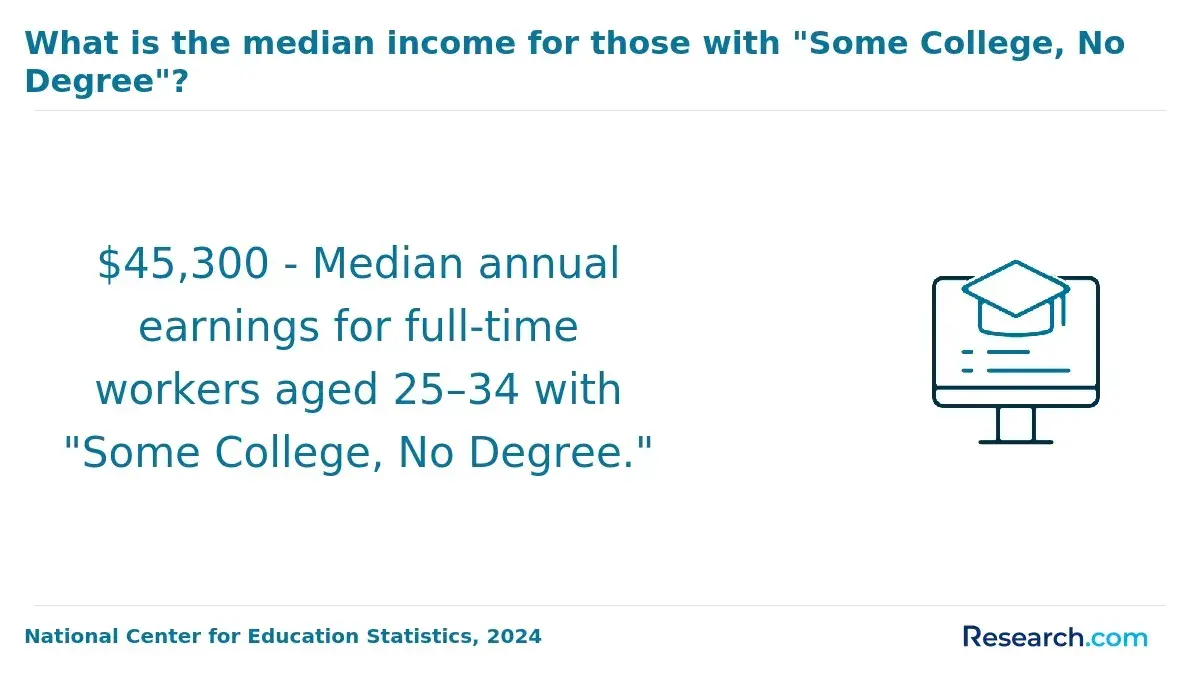
Post-graduation salary is a primary factor in determining the return on investment (ROI) for those earning a public administration degree. With average salaries typically ranging from $50,000 to $90,000 annually, the potential to recover tuition costs and lost income during study hinges on salary outcomes.
Several key factors influence these salary results and thus affect the ROI of a public administration degree:
- Industry: Graduates employed in government, nonprofit, or private sectors encounter varying pay scales. Private sector jobs often offer higher salaries but may lack certain benefits that public roles provide.
- Geographic location: Salary for public administration graduates significantly differ by region, as metropolitan areas and those with a higher cost of living generally offer better compensation, improving financial returns. This is evident when comparing the public administration degree salary by region.
- Prior experience: Candidates entering programs with relevant work history tend to access higher-paying positions sooner, which enhances overall ROI through quicker salary growth.
- Specialization: Focusing on areas like public policy analysis, healthcare administration, or urban planning can lead to unique career opportunities with distinct salary potential.
- Career level: While entry-level roles may offer modest pay, management and executive leadership positions often come with significantly higher salaries, improving long-term ROI markedly.
Candidates considering related fields might also explore marriage and family therapy online programs accredited as an alternative career path with different financial and professional outcomes.
Does a Public Administration Degree Lead to Promotions?
Promotions contribute significantly to the return on investment of earning a public administration degree by bringing salary increases, expanded responsibilities, and greater career mobility. These factors combine to enhance lifetime earnings and professional growth, making advancement essential for maximizing educational value.
One clear workforce trend is the increasing emphasis on credential-based promotions within the public and nonprofit sectors. Many organizations now either require or strongly prefer advanced degrees for leadership positions, highlighting the practical value of a public administration degree in career advancement.
Key ways a public administration degree may influence promotion opportunities and ROI include:
- Credential Requirements: Many higher-level roles mandate formal educational credentials. Holding a public administration degree satisfies these requirements, making candidates eligible for promotion consideration.
- Leadership Preparation: The degree provides targeted training in leadership and management skills, equipping graduates to effectively handle supervisory responsibilities and making them strong contenders for advanced positions.
- Internal Promotion Policies: Organizations often favor employees with relevant academic qualifications when applying internal promotion criteria, giving degree holders a competitive edge for career advancement.
- Employer Tuition Assistance: Employees pursuing a public administration degree might qualify for tuition reimbursement or assistance programs, lowering the net cost and improving ROI by reducing financial burdens.
- Experience Synergy: Education and work experience together increase promotional prospects by demonstrating both practical skills and a commitment to professional development.
The growing importance of a public administration degree for career advancement makes it a strategic choice for those targeting promotions. For individuals who are evaluating educational investments, options like the cheapest EdD programs may also be relevant to compare educational costs and outcomes.
Overall, earning a public administration degree can enhance promotions with a public administration degree by aligning education with workplace expectations and career goals.
Which Industries Offer the Best ROI for Public Administration Graduates?
The return on investment for graduates with a public administration degree varies widely by industry due to differences in salary potential, career advancement opportunities, and the demand for specific skill sets. Industries with robust promotion pathways, competitive compensation growth, and sustained demand for administrative expertise generally yield the highest financial returns.
Several sectors are known to offer strong ROI for those holding a public administration degree:
- Government and Public Sector: This sector provides notable job stability, well-defined promotion tracks, and comprehensive benefits. Although starting salaries may be moderate, long-term growth and security contribute significantly to ROI.
- Healthcare Administration: Driven by increasing healthcare needs, this industry offers competitive pay and valuable opportunities to manage complex organizational structures, enhancing skills that are in high demand.
- Nonprofit Organizations: While compensation may be lower than in corporate settings, nonprofits present unique chances for leadership growth and transferable skills that support diverse career paths.
- Financial Services and Banking: Roles in compliance, risk management, and operations within this sector often come with higher salaries and bonuses, offering attractive short-term and long-term financial benefits.
- Consulting and Management Services: These positions leverage strategic and administrative capabilities and typically provide rapid career advancement accompanied by above-average compensation.
Ultimately, the best career paths with public administration degree depend on how graduates align their competencies to industry demands and the stability of the sector. For professionals considering additional credentials, pursuing certifications online can improve marketability and salary prospects within these industries.
Does Accreditation Affect ROI for a Public Administration Degree?
Accreditation for public administration degree programs means official validation by a recognized agency that ensures the program adheres to established quality standards. This credential plays a crucial role in the return on investment by signaling reliability and rigor to employers, which can enhance job placement and salary potential.
A notable trend is that employers increasingly favor candidates who graduated from programs accredited by regional or specialized bodies, which also often determines eligibility for professional licenses or certifications. Such recognition directly impacts graduate success and marketability within the public sector workforce.
Long-term return on investment is affected by accreditation through various channels. Accredited programs foster greater employer confidence, improving hiring prospects and career advancement opportunities.
They also typically provide access to federal financial aid, reducing out-of-pocket education expenses and making degrees more attainable. Moreover, credits earned from accredited programs are more easily transferable to advanced degrees, supporting continued education and expanded career paths, particularly in government and nonprofit roles.
Is a Public Administration Degree Worth It?
Evaluating the return on investment for a public administration degree involves assessing several financial and career factors. These include tuition costs, the time it takes to finish the program, expected salaries after graduation, and opportunities for career growth.
Graduates typically see median incomes between $55,000 and $75,000 annually, with job prospects in government and nonprofit sectors remaining stable and demonstrating steady growth. The balance between program expenses and anticipated salary improvements plays a crucial role in determining value.
Whether pursuing a public administration degree is financially worthwhile depends on individual circumstances, such as industry demand and the format of study, including full-time, part-time, or online options. Availability of scholarships or employer tuition assistance can also improve ROI.
For those targeting leadership roles in public service, the degree often enhances earning potential and job security. Conversely, if the cost is high and the career path does not require the credential, the financial benefits may be limited, making it essential to align the degree with specific long-term goals.
What Graduates Say About The ROI of Their Public Administration Degree
- Mark: "Choosing to pursue a public administration degree as a traditional student was a strategic decision I made after understanding its long-term ROI. While the average cost of attendance hovered around $30,000, the investment paid off as I quickly moved into leadership roles within local government. The program sharpened my skills and opened doors that truly justified the expense. "
- Terra: "As an online student balancing work and study, I was initially concerned about the cost of a public administration degree, which can average around $25,000. Reflecting on it now, the flexibility and career advancement opportunities far outweigh the price. Completing the program has elevated my professional credibility and expanded my network in the public sector. "
- Debbie: "Opting for a part-time public administration degree was a cautious but rewarding choice. Despite the expense, similar to the national average, I saw it as a worthwhile investment that enhanced my strategic thinking and management skills. This degree has been instrumental in my career growth, enabling me to take on more complex projects and leadership responsibilities with confidence. "
Other Things You Should Know About Public Administration Degrees
A Public Administration degree equips students with skills such as policy analysis, financial management, and strategic planning. These skills enhance employability and can lead to career advancement in government and non-profit sectors, thus positively impacting the ROI by increasing earning potential and career opportunities in 2027.
In 2027, work experience can significantly enhance the ROI of a public administration degree by leveraging practical skills and professional networks. Graduates with relevant experience often command higher salaries and have better job prospects, improving overall financial returns on their educational investment.
References
- 5 High-Paying Public Administration Jobs | TUW https://www.tuw.edu/school-news/5-top-paying-public-administration-jobs/
- Cost of Attendance for Master of Public Administration https://www.csulb.edu/financial-aid-and-scholarships/cost-of-attendance-for-master-of-public-administration
- 10 Careers MPA Graduates Can Pursue https://www.workitdaily.com/careers-mpa-graduates
- Which top MPAs offer the best potential return on investment? https://www.topmanagementdegrees.com/mpa-roi/
- Salary Guide for Future Public Administrators https://www.allbusinessschools.com/public-administration/salary/
- Is an Online MBA a Good Investment in 2026? ROI, Career Impact & Salary Growth - Paris School of Management (PSM) https://www.psm-paris.fr/en/is-an-online-mba-worth-it-in-2026-roi-career-impact-salary-growth/
- Why ROI Matters https://agb.org/trusteeship-article/why-roi-matters/
- The Economics of Accreditation: Costs, Benefits, ROI - Course Accreditation https://course-accreditation.com/blog/the-economics-of-accreditation-costs-benefits-roi/
- The ROI of a Degree in Public Administration - Cornell Brooks Public Policy https://publicpolicy.cornell.edu/masters-blog/the-roi-of-a-degree-in-public-administration/


