
2027 Is a Public Administration Degree Better Than Experience Alone? Salary, Hiring, and Career Growth Compared

Co-Founder and Chief Data Scientist
Entering public administration without a degree can limit salary potential and slow career advancement, despite hands-on experience. A 2025 study found that public administration degree holders earn approximately 18% more than their counterparts relying on experience alone. Many government and nonprofit employers require a public administration degree as a minimum qualification, effectively barring entry without it.
While experience builds practical skills, formal education provides essential knowledge of policy, budgeting, and management frameworks. This article explores the employment, salary, and growth differences between degree holders and non-degree professionals, helping readers decide if pursuing a public administration degree aligns with their career goals.
Key Points About Having Public Administration Degrees vs Experience Alone
- Degree holders in public administration generally earn 15-20% higher salaries than those relying solely on experience due to recognized qualifications in managerial roles.
- Employment opportunities favor candidates with degrees, as 68% of mid-level public administration positions require formal education, limiting access for self-taught individuals.
- Career advancement is faster for degree holders, with 40% more likelihood to secure leadership roles within five years compared to experience-only professionals.
What technical proficiencies can you gain from having Public Administration degrees vs self-teaching?
Professionals can learn foundational principles and practical applications through public administration degrees in a structured, comprehensive manner, while those relying on experience and self-teaching often gain knowledge through trial and error or limited exposure. The following five key technical proficiencies highlight the distinct advantages of formal education compared to on-the-job learning.
- Policy Analysis: Degree programs provide systematic approaches and specialized software training for evaluating public programs, which experience alone rarely offers. Self-taught professionals might develop problem-solving skills, but lack the formal research design and data interpretation methods emphasized in academic settings.
- Quantitative Methods: Formal education delivers rigorous training in statistics, modeling, and analytics using tools like SPSS or Stata, ensuring a deep understanding of data-driven decisions. Experience or tutorials may offer practical exposure but seldom match the depth and integration found in degree coursework.
- Budget Management: Academic settings teach resource allocation, financial forecasting, and reporting within public sector constraints, often using case studies and simulations. On-the-job learning may cover budgeting basics but generally misses the complex, regulatory context formal education covers.
- Organizational Theory: Degrees offer theoretical frameworks about institutional behaviors and leadership that are difficult to grasp solely through workplace experience. These insights cultivate change management skills essential for advancing in public administration roles.
- Public Law and Ethics: Formal training emphasizes governance compliance and accountability with nuanced understanding hard to replicate through casual learning or bootcamps. Such knowledge is crucial for navigating legal frameworks in public service.
Apart from technical skill development, the benefits of formal education in public administration technology are evident in career growth and promotion rates. A 2025 study by the National Association of Public Service Professionals found that degree holders are 37% more likely to be promoted within five years compared to those relying only on experience or self-teaching. While tutorials and bootcamps can supplement learning, they rarely offer the integrative depth of a comprehensive degree program.
For students seeking to combine practical skills with structured learning, exploring options like MSW programs can provide valuable insights into complementary disciplines and advanced technical proficiencies.
Are there certifications or licenses that only Public Administration degree holders can obtain?
Continuing education and additional credentials remain valuable even as more employers emphasize skills-based hiring. Certain certifications and licenses specifically require candidates to hold a degree in public administration or a closely related field. Below are some prominent professional credentials that highlight the advantage of having a formal degree in this area.
- Certified Public Manager (CPM): Focused on leadership and organizational management, CPM programs typically require a bachelor's degree, with public administration degrees preferred. This certification supports career growth in government and nonprofit sectors by validating advanced management skills and commitment to professional standards.
- Accreditation in Public Procurement (CPP): Designed for professionals handling public sector purchasing, the CPP credential usually requires a background in public administration combined with relevant work experience. It emphasizes ethical practices and procurement regulations, enhancing career prospects in procurement departments.
- Credentialed Manager (ICMA-CM): Offered by the International City/County Management Association, this credential targets local government managers and demands a degree plus extensive management experience. It is highly regarded for those aiming for senior leadership roles in municipal careers.
- Project Management Professional (PMP) with Public Sector Focus: While PMP is broadly recognized, many public sector organizations prefer candidates who combine it with a public administration degree, ensuring both technical project skills and public management expertise.
- Government Finance Officer Association (GFOA) Certifications: Certain GFOA credentials, such as Certified Public Finance Officer, recommend or require formal education in public administration to affirm knowledge of local government budgeting and finance practices.
Several certifications and professional credentials in the field of public administration generally require candidates to hold a degree in public administration or a closely related discipline. These credentials signal specialized knowledge and can enhance employability and promotion prospects by validating both theoretical understanding and practical skills. Licenses exclusive to public administration graduates frequently open doors that experience or self-teaching alone cannot.
According to a workforce study, 62% of public sector management employers prioritized candidates with formal public administration credentials over those relying solely on experience. This statistic highlights how structured education combined with certification provides a competitive edge in hiring and promotions. For students considering a career in public administration, pursuing a degree alongside acquiring certifications strengthens their professional profile significantly.
Exploring workforce options alongside degree choices is vital since public administration degrees rank among the highest paid degrees, reflecting their value across government and nonprofit sectors.
Will a degree in Public Administration make you more employable?
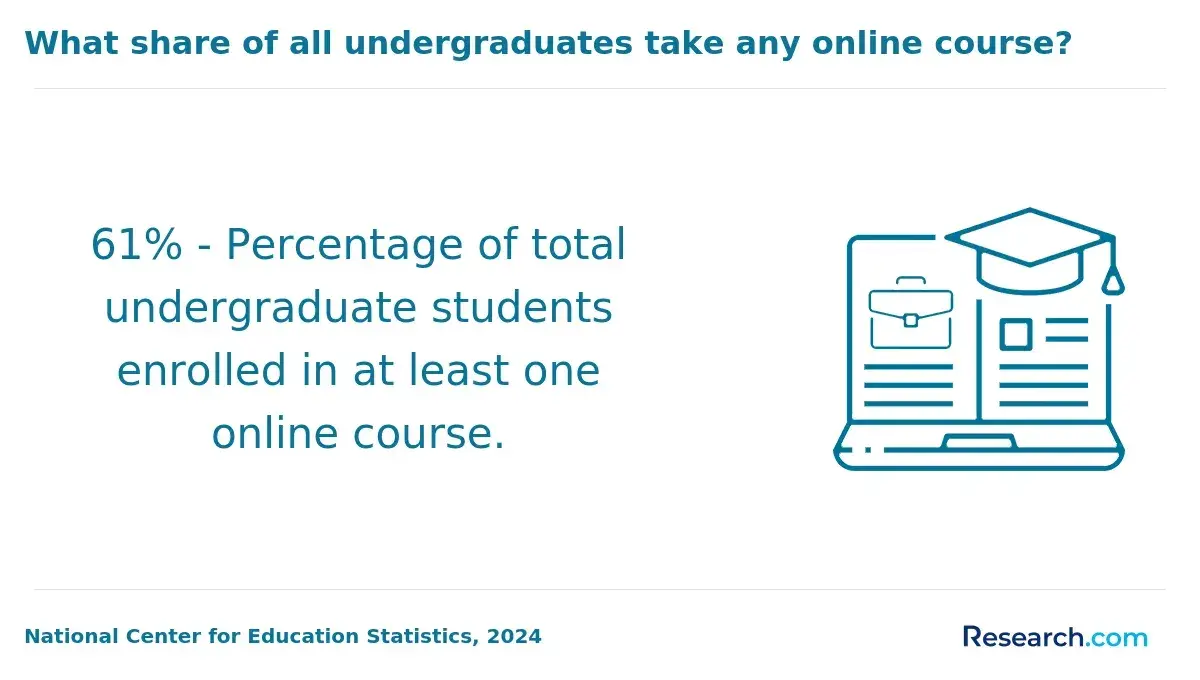
Employers in the public sector increasingly prefer candidates with a degree in public administration over those relying solely on experience. Job listings often specify a relevant degree as either required or highly favored, reflecting a growing trend toward formal education credentials. While some positions allow for equivalent professional experience, especially in mid-level roles, possessing a degree generally strengthens a candidate's competitiveness in the job market.
This preference is driven by the comprehensive knowledge that degree programs offer, including skills in policy analysis, budgeting, ethics, and organizational management. Educational programs also prepare graduates to handle complex government regulations and foster interagency cooperation, areas where practical experience alone may fall short. Additionally, formal education often provides valuable access to internships and professional networks that open doors beyond technical skills.
Ultimately, whether a public administration degree is necessary depends on individual career objectives. For those aiming at entry-level government roles or senior positions, degree credentials combined with experience tend to be essential. Conversely, candidates prioritizing immediate employment or flexible hiring policies might find practical skill development and hands-on experience sufficient in some settings.
Speaking with a professional who earned an online bachelor's degree in public administration, he shared that balancing coursework with work commitments was challenging but rewarding. He emphasized, "Completing the degree required discipline and time management, especially while working full-time." He also noted that internships gained through the program helped him build relationships that proved crucial during job searches. According to him, the degree not only boosted his confidence but also expanded his understanding, which employers recognized as a distinct advantage.
What careers are available to Public Administration degree holders?
Some jobs in public administration require candidates to have formal degrees, while others prioritize skills and job readiness alone. This distinction can affect the range of career options available. Here are several notable roles where a public administration degree is often preferred or required.
- City or Municipal Manager: These professionals oversee daily government operations, coordinate departments, and implement policies set by elected officials. A public administration degree provides essential expertise in budgeting, policy analysis, and organizational behavior, making graduates well-suited for these complex responsibilities.
- Policy Analyst: Policy analysts evaluate the impact of regulations and suggest improvements based on economic, social, and political research. The analytical skills gained through a public administration degree are highly valuable, though some with strong research experience alone may enter this field.
- Nonprofit Director: Managing fundraising, budgeting, and program delivery, nonprofit directors require leadership, ethics, and financial management skills. While demonstrated experience is important, a degree offers specialized knowledge that supports effective nonprofit management.
- Human Resources Manager: Focused on recruitment, training, and compliance within public or nonprofit sectors, HR managers benefit from formal education in public administration. Certifications combined with practical experience can sometimes substitute for a degree, but the credential remains a strong asset.
For students exploring jobs for public administration graduates, research shows that degree holders have a 23% higher likelihood of securing senior-level government roles compared to experienced professionals without formal education. This advantage translates into faster career growth and greater job security across public and nonprofit sectors.
Those considering whether to pursue a formal degree or rely on experience alone might also explore alternative educational paths, such as MBA programs under 30k, which can complement or expand opportunities in administration and leadership.
Overall, the combination of formal education and practical skills shapes career options for public administration degree holders, making the degree a valuable investment for many seeking stable and influential roles.
Does having Public Administration degrees have an effect on professional networking?
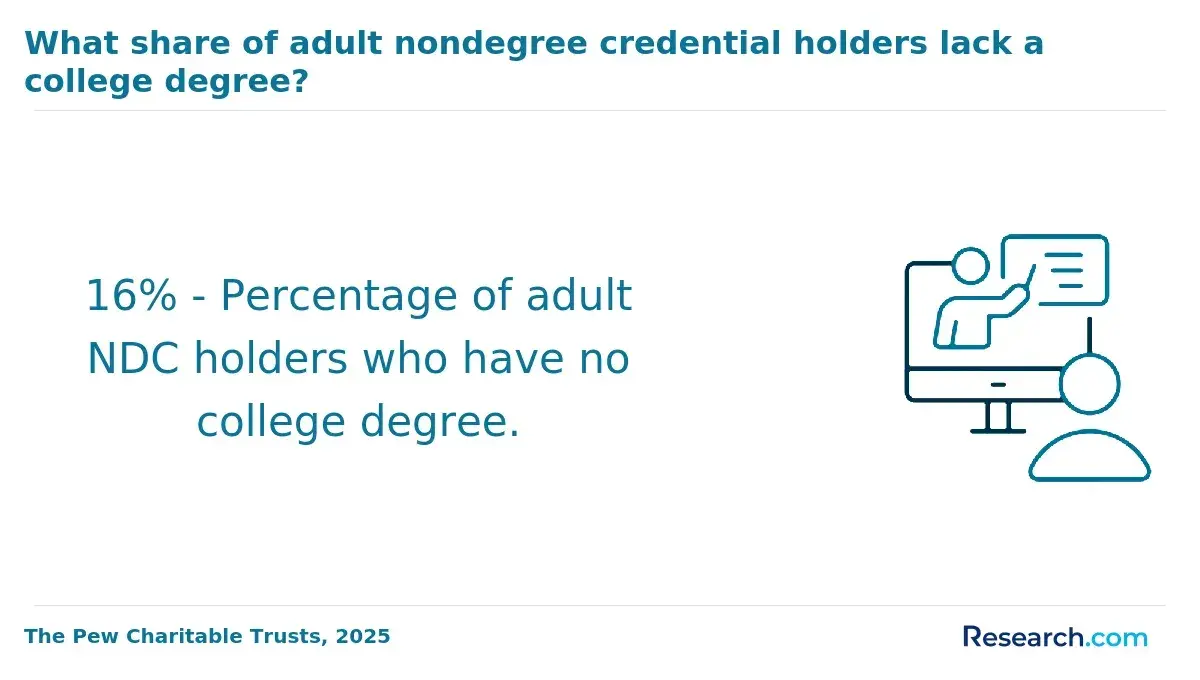
Individuals with a public administration degree typically gain access to curated networking opportunities that are less available to those without formal education. These include mentorship programs, internships, and connections facilitated through alumni networks, creating early ties to influential professionals. In contrast, those relying solely on experience often depend on broader social media platforms or personal contacts, which may not provide the same focused industry relationships.
Degree holders benefit from resources like alumni chapters hosting job-focused events and faculty members who can introduce students to government and nonprofit sectors. Structured internship placements and participation in academic conferences also strengthen these links. Non-degree professionals, meanwhile, usually draw on their immediate workplace circles or informal connections, which might limit exposure to diverse public administration environments.
Networking plays a critical role in public administration careers, with referrals and trusted introductions accelerating progression into leadership roles. While practical skills gained through experience are vital, the referral networks tied to formal education often offer a significant advantage in advancing within the field. Consequently, professional connections facilitated by a degree program tend to be essential rather than optional for those seeking advancement in public administration.
How do Public Administration degrees impact promotion opportunities?
Holding a degree in public administration can enhance eligibility for advanced roles within government and nonprofit organizations, where formal qualifications are often preferred. This formal education helps candidates meet specific requirements that many agencies set for leadership positions. The following points highlight key ways such a degree influences career advancement:
- Specialized expertise: A public administration degree equips professionals with in-depth knowledge of budgeting, policy analysis, and ethical frameworks, empowering them to tackle complex organizational challenges effectively.
- Access to leadership programs: Degree holders are more likely to qualify for competitive training and development initiatives designed to prepare emerging leaders, which may not be available to those relying solely on experience.
- Recruitment advantage: Employers often recognize the degree as evidence of a candidate's commitment and understanding of management principles, enhancing their prospects during promotion evaluations and hiring processes.
While practical experience remains crucial, the structured learning and credential recognition provided by a public administration degree frequently enable faster progression to senior roles and greater opportunities for upward mobility.
Do Public Administration degrees affect a professional's income outlook?
On average, professionals with a public administration degree earn higher starting salaries than those relying solely on experience and self-teaching. Entry-level graduates typically make about 15% more, illustrating the impact of public administration degree on salary growth. As careers progress, those with formal degrees usually see steadier salary increases, benefiting from leadership and managerial roles that often require credentials. Mid-career salary ranges for degree holders often surpass $65,000 to $85,000, while peers without degrees tend to earn 10% to 20% less. This pay gap signifies a potential income ceiling for professionals without a degree in public administration.
Non-degree holders can still improve their income outlook by gaining relevant work experience and certifications in specialized areas like budgeting or policy analysis. While experience alone can lead to career advances, combining it with formal education typically yields the best salary prospects.
Continuously enhancing skills can help public administration professionals become indispensable and harder to replace during organizational changes. For those considering further education, exploring options such as a master's degree or looking into how much does a doctorate in education cost can be a strategic move to reach senior-level positions with salaries exceeding six figures.
How long would it take for Public Administration degree holders to get an ROI on their education?
The average tuition cost for a public administration degree ranges from $20,000 to $50,000, depending on the school and program format. Graduates typically begin to see a return on investment (ROI) within 5 to 7 years after joining the workforce, as their earning potential tends to be higher compared to those relying only on experience or self-teaching. For instance, a recent study found that degree holders earn about 15% more annually than peers without a formal degree in this field.
To reduce the financial burden, students should explore scholarships, grants, and employer tuition reimbursement programs that can significantly lower out-of-pocket expenses. Choosing accelerated or part-time online programs allows students to enter or remain in the workforce sooner, cutting opportunity costs and improving overall ROI.
Combining the degree with relevant internships or fellowships also speeds career progression, boosting salary growth and long-term benefits. This strategy often leads to better hiring outcomes and higher salaries compared to experience-only pathways.
Are Public Administration degree holders less likely to be displaced by automation and economic downturns?
The rise of AI and automation in government roles often targets repetitive, process-driven tasks typical of entry-level positions. However, public administration jobs increasingly value skills involving strategic planning, policy development, and leadership, which are less vulnerable to being automated. Economic uncertainty continues to affect public sector employment, but those holding public administration degrees often have training in crisis management, budgeting, and policy formulation-skills that improve job stability during downturns.
Compared with professionals relying solely on experience or informal learning, degree holders tend to have a stronger foundation in adapting to new technologies and overseeing automated systems instead of being supplanted by them. This educational background fosters versatility, enabling graduates to navigate shifting demands and reduce their risk of displacement or layoffs amid economic challenges. In contrast, non-degree workers may face higher vulnerability during such transitions.
When asked about his experience after completing an online bachelor's program in public administration, one professional reflected on the difference the degree made: "I noticed that understanding how technology fits into policy and management roles gave me confidence to take on projects others shied away from." He shared how balancing coursework with a full-time job was tough, but acquiring these formal skills helped him secure a promotion just when automation was reshaping his workplace. "It wasn't just learning concepts; it was preparing for what's coming so I wouldn't be left behind."
Will a degree in Public Administration make it easier to pivot into related industries?
A degree in public administration generally makes it easier to pivot into related industries compared to relying solely on experience. Degree holders often have enhanced technical skills and formal knowledge in areas like policy analysis and organizational leadership, while those without a degree may depend more on hands-on learning and on-the-job training. Both bring valuable transferable skills to new sectors, though formal education can accelerate access to specialized roles. Below are some examples of industries and roles where a public administration degree aids transition:
- Nonprofit Management: Graduates can assume roles such as program managers and grant coordinators, using skills in budgeting, stakeholder communication, and regulatory compliance relevant to nonprofit environments.
- Healthcare Administration: Job opportunities include policy advisors and healthcare program directors. Degree holders apply knowledge in health policy, organizational leadership, and public finance to manage complex healthcare organizations.
- Urban Planning: Positions like community development specialists benefit from expertise in project management and regulatory frameworks, helping address urban infrastructure and planning challenges.
- Government Consulting: Roles such as policy analysts or strategic consultants rely on solid foundations in administrative law, data-driven strategies, and interagency coordination, often acquired through academic programs in public administration.
Graduates typically possess a deeper theoretical understanding of regulations and administrative law, enhancing their ability to navigate compliance and craft strategies beyond operational roles. According to the National Employment Survey, 62% of employers prefer candidates with a public administration degree for roles outside traditional government jobs versus 43% who hire based on experience alone. This highlights the advantage a degree can bring in career flexibility and growth.
For students seeking career transitions facilitated by formal education, exploring options such as an online counseling degree may complement their public administration skillset for broader industry opportunities. Developing strong analytical and leadership abilities through a public administration degree improves strategic decision-making for roles intersecting governance and business objectives, illustrating how a public administration degree career transition can be more seamless than experience alone.
What Graduates Say About Their Public Administration Degrees
- Conrad: "Graduating with a degree in public administration truly set me apart in the competitive job market. The practical skills I gained prepared me to handle real-world challenges from day one, making me a valuable asset to my team. Having this degree has also accelerated my career growth, opening doors to promotions and better salary opportunities that might have otherwise taken years to achieve."
- Phoebe: "Reflecting on my journey, my public administration degree was key to developing a deep understanding of policy-making and organizational management. It equipped me with the confidence and knowledge to excel in complex government roles. Without that formal education, I doubt I'd have earned the trust needed to lead high-impact projects and earn advanced positions."
- Joseph: "From a professional standpoint, my public administration education gave me a clear advantage. The comprehensive curriculum focused on leadership, ethics, and strategic planning prepared me to tackle the demands of public sector roles effectively. Not only did it make me job-ready, but it also positively influenced my employment prospects, salary growth, and long-term career stability."
Other Things You Should Know About Public Administration Degrees
Degree holders in public administration often benefit from enhanced job security due to formal educational credentials that demonstrate their expertise. Employers may view them as having a stronger theoretical foundation, which can be valuable during organizational changes or policy shifts. While experience provides practical knowledge, the degree tends to add credibility that helps mitigate risks during economic instability.
Individuals with a public administration degree typically have access to structured career ladders, especially in government and nonprofit sectors, where formal education is valued for leadership roles. Experience-driven professionals might advance through demonstrated skills, but the degree can open doors to managerial positions earlier. The academic background also equips graduates with strategic and analytical skills used for complex decision-making, which is often recognized in promotion criteria.
A public administration degree can provide an advantage during salary negotiations as it signals a commitment to the field and a mastery of essential theories and practices. Employers often offer higher starting salaries to degree holders, reflecting their specialized knowledge. Experience remains crucial, but combining it with academic credentials tends to result in better compensation packages over time.
References
- MPA Public Administration Degree Salary Outlook? https://mpadegree.org/what-is-the-salary-outlook-with-an-mpa-degree/
- Public Policy Degrees Can Lead to Lucrative Jobs and Universities Are Starting to Notice | Insight Into Academia https://insightintoacademia.com/public-policy-degrees-can-lead-to-lucrative-jobs-and-universities-are-starting-to-notice/
- Is College Worth it? | Return on Investment Analysis of College Degree https://educationdata.org/college-degree-roi
- Top Certifications for Public Service Professionals: Enhance Your Career https://publicadministrationpolicy.org/articles/certifications-for-public-service/
- 5 High-Paying Public Administration Jobs | TUW https://www.tuw.edu/school-news/5-top-paying-public-administration-jobs/
- Self-Taught vs. College: Advantages of Formal Tech Training | Herzing https://blog.herzing.ca/advantages-of-college-training-in-technology
- What Does a Public Administrator Do? https://www.allbusinessschools.com/public-administration/career-paths/
- MPA Careers and Salaries https://teach.com/online-ed/government-degrees/online-masters-public-administration/mpa-careers/
- What Can I Do With A Masters in Public Administration? - Anna Maria College Online https://online.annamaria.edu/mpa/resource/what-can-i-do-with-an-mpa
- No, College Degrees Aren't Losing Their Value https://washingtonmonthly.com/2025/11/02/no-college-degrees-arent-losing-their-value/


